Where Osmanthus Comes From — Origin & Extraction
Osmanthus used in perfumery is derived from the flowers of Osmanthus fragrans, an evergreen shrub native to southern China, particularly the Guangxi, Sichuan, and Chongqing regions. China accounts for nearly 95% of global osmanthus absolute production, with Guilin—literally 'forest of osmanthus'—as a historic cultivation center. Annual output is extremely limited: only about 1 ton of osmanthus concrete is produced worldwide each year, reflecting the labor-intensive harvest and low extraction yield.
Harvesting occurs in late autumn, with flowers either shaken from branches onto cloths or picked by hand. To preserve their delicate aroma, the blossoms are immersed in a brine (saltwater) solution for 3–4 months, preventing enzymatic degradation. After brining, the flowers are washed and subjected to solvent extraction (traditionally hexane, but now often ethanol or hexane-free organic solvents), yielding a concrete. This is further processed with ethanol to obtain the absolute. The yield is extremely low: approximately 720–3,000 kg of flowers are needed for 1 kg of absolute, with a typical extraction yield of 0.03–0.14%. Osmanthus absolute (CAS 68917-05-5) is a viscous, amber-brown liquid with intense aroma.
Natural osmanthus absolute is among the most expensive perfumery ingredients, costing $4,000–8,000 per kg, compared to $100–300/kg for synthetic alternatives. Sustainability concerns include habitat preservation, fair labor, and the high water and salt use of the brining process. Some plantations are experimenting with ultrasonic extraction and supercritical CO2 to improve yield and reduce environmental impact. Synthetic osmanthus bases are increasingly used to reduce pressure on wild and cultivated stocks.
Famous Fragrances That Define Osmanthus in Perfumery
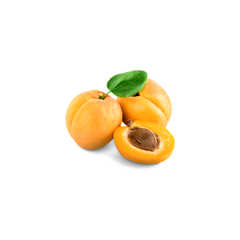
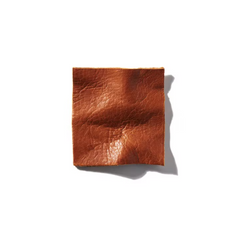
Osmanthus has inspired a lineage of iconic fragrances, each highlighting a different facet of its apricot-leather complexity. Jean Patou 1000 (1972, Jean Kerléo) was among the first Western perfumes to feature osmanthus absolute, using it as a bridge between rose and jasmine in a lush floral bouquet. Hermès Osmanthe Yunnan (2005, Jean-Claude Ellena) is a modern classic, pairing osmanthus with Chinese tea and freesia for a translucent, apricot-tea effect that redefined the floral-fruity genre.
Memo Paris Inlé (2007, Alienor Massenet) explores osmanthus’s affinity with mate tea, mint, and bergamot, creating a cool, aquatic impression. By Kilian Good Girl Gone Bad (2012, Alberto Morillas) uses osmanthus as a creamy, sensuous heart note alongside tuberose and jasmine, while Serge Lutens Nuit de Cellophane (2009, Christopher Sheldrake) emphasizes the note’s sweet, milky, and slightly soapy qualities in a blend with white florals.
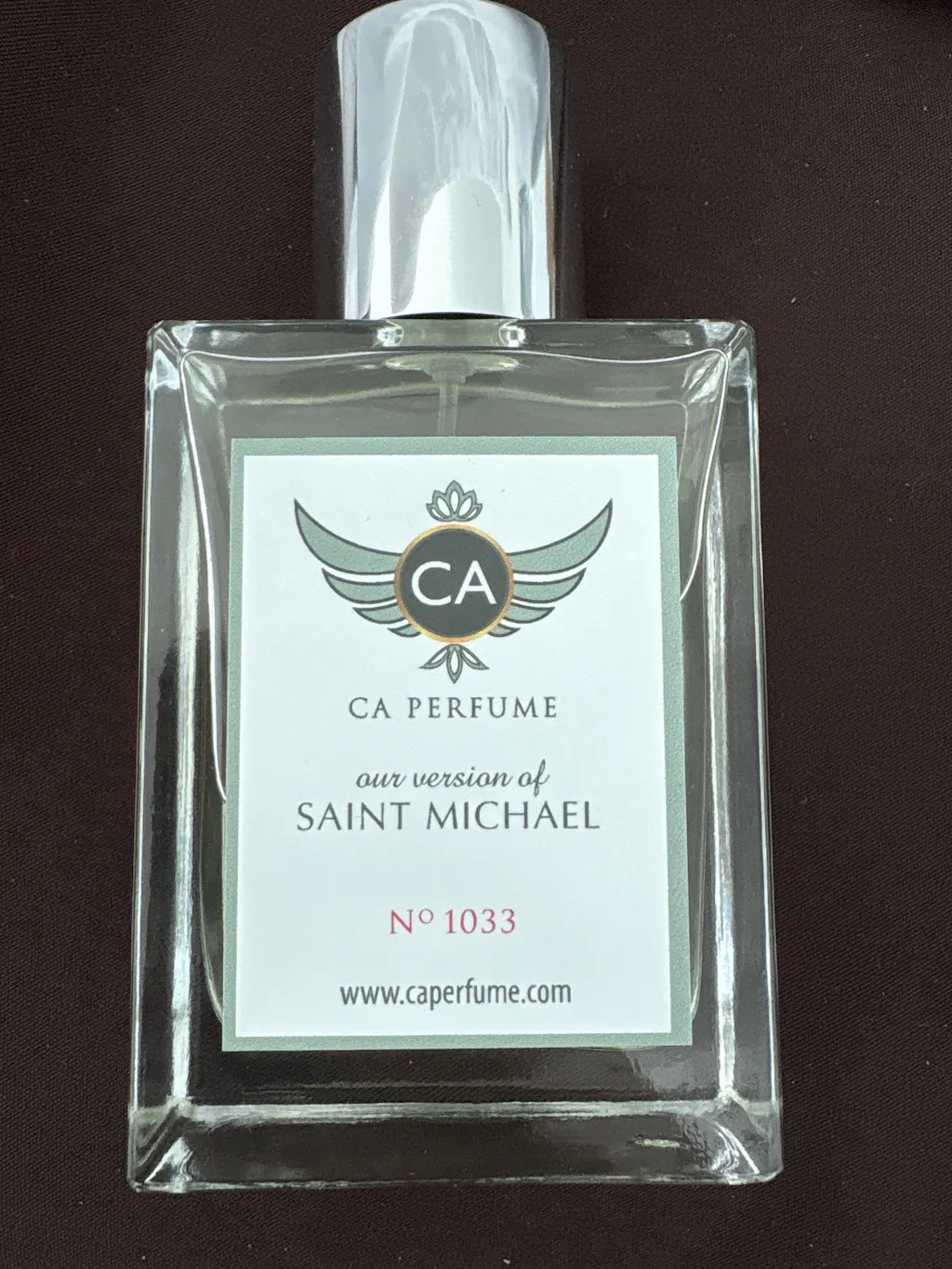
Other notable examples include Acqua di Parma Osmanthus (2019), which presents a delicate, veil-like osmanthus soliflore, and Ormonde Jayne Osmanthus (2004, Geza Schoen), which uses pomelo and davana to accentuate the fruity aspects. CA Perfume’s collection draws inspiration from these benchmarks, offering osmanthus-centered compositions that reflect both the traditional and contemporary uses of this rare ingredient.
Natural vs Synthetic Osmanthus in Perfumery
Natural osmanthus absolute is chemically complex, with key odorants including γ-decalactone (CAS 706-14-9), γ-undecalactone (CAS 104-67-6), β-ionone (CAS 14901-07-6), and damascone derivatives. These molecules create the signature fruity-apricot, floral, and suede-leather facets. However, natural absolute is costly, batch-variable, and can contain trace animalic or green notes that are difficult to standardize.
Synthetic osmanthus bases, such as Firmenich’s Osmanthus ABS Synth 138 B (proprietary blend), are composed of lactones, ionones, and damascone derivatives. These provide a consistent fruity-floral profile with creamy suede nuances, but generally lack the subtle animalic and hay-like undertones of the natural extract. Synthetic bases offer superior color stability, batch-to-batch reproducibility, and dramatically lower cost—often $50–200/kg. Longevity and projection are comparable to the natural absolute, but the dry-down may be less nuanced.
Famous fragrances using natural osmanthus include Hermès Osmanthe Yunnan and Jean Patou 1000 (1972, Jean Kerléo). Synthetic osmanthus is common in larger-scale commercial perfumes and functional products. Supply chain transparency is increasingly important; the HumanSafe™ platform is used to verify the origin and safety of both natural and synthetic osmanthus in CA Perfume’s sourcing. Sustainability is a key concern, with synthetic alternatives helping to reduce pressure on wild populations and improve IFRA compliance.