Ingredient Guide · Floral Green
Floral Green Family · Perfumery Note

Narcissus

A narcotic, green, and honeyed floral with animalic undertones.

Narcissus is a heart note in perfumery, renowned for its narcotic, green, and animalic floral character. Its absolute contains benzyl acetate and para-dimethoxybenzene, used at 0.5–1% for a distinctive, multifaceted scent.

Narcissus
Ingredient Profile

Narcissus

Floral Green Family
Family Floral Green
Note Position Heart Note
Usage Level 0.075% Yield
Key Origins France, Morocco, Egypt
Iconic In Caron Narcisse Noir, Guerlain Vol de Nuit
The Ingredient

What does Narcissus smell like and why is it so prized in perfumery?

Narcissus, particularly Narcissus poeticus, is a complex floral ingredient in perfumery known for its multifaceted scent profile. What does narcissus smell like? The answer is a layered journey: it opens with a green, fresh-cut stem aroma, transitions to a creamy, honeyed floralcy, and finishes with animalic, hay, and tobacco nuances. This distinctive scent is the result of a unique blend of molecules: benzyl acetate (fresh floral), para-dimethoxybenzene (tobacco-earthy), indole (jasmine-like narcotic), methyl benzoate (almond-wintergreen), and α-farnesene (green-herbal). The overall effect is heady, narcotic, and slightly wild, making narcissus in perfumery a signature of both vintage and avant-garde compositions. In perfumery, narcissus is classified as a heart note, typically used at concentrations of 0.5–1% in fine fragrance formulas. Its volatility is moderate, allowing the green and floral facets to persist through the heart and into the base. Narcissus interacts strongly with skin chemistry: on acidic skin, its green and hay notes are amplified, while on alkaline skin, the animalic and leathery undertones become more pronounced. This variability means that narcissus-heavy perfumes can smell dramatically different from person to person. Two fragrances that exemplify the narcissus scent profile are Hermès Eau de Narcisse Bleu (2013, Jean-Claude Ellena), where the note is rendered as a cool, green floral with subtle powder, and Caron Narcisse Noir (1911, Ernest Daltroff), a classic where narcissus absolute provides a narcotic, animalic heart surrounded by orange blossom and musk. Modern niche examples include L’Artisan Parfumeur Mont de Narcisse (2019, Anne Flipo), which explores the green-leathery facets, and Parfums de Nicolaï Le Temps d’une Fête (2007, Patricia de Nicolaï), pairing narcissus with galbanum and moss for a springlike chypre effect.

0.075% Yield
Only 0.075% of fresh narcissus flowers become absolute: 1,000 kg of flowers yield just 750 g. This extreme rarity underpins narcissus’s high cost and prestige.
0.5–1% Concentration
Narcissus absolute is typically used at 0.5–1% in fine fragrance formulas. Higher concentrations risk overpowering the composition due to its intense, multifaceted scent.
6–10 Hours
A narcissus-forward fragrance can last 6–10 hours on skin, as the heavier indolic and phenolic molecules persist long after the green top notes evaporate.
Origin & Extraction

Where Narcissus Comes From — Origin & Extraction

Narcissus’s scent is shaped by geography: altitude, soil, and climate all influence its volatile profile. French narcissus from Aubrac is prized for its green, animalic intensity, while Moroccan and Egyptian origins yield softer, more floral absolutes.

Narcissus absolute is primarily obtained from Narcissus poeticus (Poet’s Narcissus), a bulbous perennial native to southern Europe and the Mediterranean. The main cultivation regions for perfumery-grade narcissus are the Aubrac plateau in Lozère, France, and select fields in Morocco and Egypt. France remains the global leader, with annual production of narcissus absolute estimated at less than 50 kg due to the extremely low yield and short harvest window (late April to early June). The flowers are harvested at dawn, when their volatile content peaks, and must be processed within hours to prevent degradation. Extraction is performed almost exclusively via solvent extraction (typically hexane), yielding a concrete that is further washed with ethanol to remove waxes, producing the absolute. The yield is exceptionally low: approximately 1,000 kg of fresh flowers are required to produce 2 kg of concrete and only 750 g of absolute (0.075% yield). Supercritical CO2 extraction has been studied and can increase yield to 1.6–3.1%, but the olfactory profile differs, with less animalic depth. Enfleurage, a traditional method, is now rare due to cost and labor intensity. Steam distillation is avoided, as it causes thermal degradation of key odorants such as benzyl acetate and indole. Narcissus absolute is among the most expensive perfumery materials, with prices ranging from $8,000–$15,000 per kg depending on harvest and origin. Synthetic substitutes (see next section) are far less costly, often under $200/kg. Sustainability is a concern: wild narcissus populations are protected in many European countries, and commercial production is tightly regulated to prevent overharvesting. Most absolute on the market is certified as cultivated, not wild-harvested. The CAS number for Narcissus poeticus absolute is 68917-12-4.

FR

France

Aubrac plateau (Lozère) produces the world’s most prized narcissus absolute. The high-altitude (1,000–1,400 m), calcareous soils and cool, humid climate yield flowers with pronounced green and animalic facets. Annual production is under 50 kg, with strict PDO-style controls.

MA

Morocco

Fields in the Middle Atlas region yield narcissus with a softer, more floral profile and less animalic depth. Lower altitude and warmer climate produce higher yields but a less complex absolute. Morocco supplies a significant share of the global market.

EG

Egypt

Narcissus from the Nile Delta is characterized by a lighter, more powdery floralcy and subtle green notes. The sandy, irrigated soils and hot climate result in a less intense, more transparent absolute, often used in volume blends.

IN

India

In the Nilgiri hills, Narcissus tazetta is cultivated for traditional attars. The subtropical climate and artisanal enfleurage methods yield a sweet, honeyed absolute with pronounced powdery facets, though volumes are small.

Chemistry

Natural vs Synthetic Narcissus in Perfumery

Natural narcissus absolute is a complex mixture of over 100 identified compounds, including benzyl acetate (CAS 140-11-4), para-dimethoxybenzene (CAS 150-78-7), indole (CAS 120-72-9), methyl benzoate (CAS 93-58-3), and α-farnesene (CAS 502-61-4). No single synthetic molecule can replicate the full narcissus scent profile; instead, perfumers construct narcissus accords using combinations of these and other aroma chemicals. Common synthetic components include phenylacetaldehyde (CAS 122-78-1) for green-floral brightness, cis-3-hexenol (CAS 928-96-1) for leafy freshness, and traces of p-cresol (CAS 106-44-5) for animalic warmth. Performance-wise, synthetic narcissus accords offer greater stability, consistency, and IFRA compliance, with less risk of skin sensitization. However, they lack the nuanced evolution and animalic undertones of the natural absolute. Natural narcissus is restricted by IFRA due to potential sensitization (mainly from isophorone and indole), with recommended maximum concentrations below 0.2% in finished products. Cost is a major factor: natural absolute can exceed $10,000/kg, while synthetic blends are typically $100–$200/kg. Notable fragrances using natural narcissus include Caron Narcisse Noir and L’Artisan Parfumeur Fleur de Narcisse, while Hermès Eau de Narcisse Bleu and many modern releases rely on synthetic reconstructions for accessibility and regulatory reasons. From a sustainability perspective, synthetic options reduce pressure on wild populations and offer traceability. CA Perfume’s HumanSafe™ platform ensures all narcissus materials are transparently sourced, with batch-level verification of both natural and synthetic origins.

Natural
Narcissus Absolute
Cost $3,000–6,000/kg
Method Solvent / CO₂
Character Complex, variable
vs
Synthetic
Safranal & Analogues
Cost $50–200/kg
Method Lab synthesis
Character Consistent, stable
Hall of Fame

Famous Fragrances That Define Narcissus in Perfumery

1911
dominant note

Caron Narcisse Noir

Caron
by Ernest Daltroff
orange blossommuskrose
1933
bridge note

Guerlain Vol de Nuit

Guerlain
by Jacques Guerlain
woodsoakmossgalbanum
1970
accent

Caron Infini

Caron
by Not available
rosetuberosevetiver
2019
dominant note

L’Artisan Parfumeur Mont de Narcisse

L’Artisan Parfumeur
by Anne Flipo
leatherhaytobacco
2013
dominant note

Hermès Eau de Narcisse Bleu

Hermès
by Jean-Claude Ellena
citruspowdermusk

Narcissus has played a defining role in perfumery for over a century, from the golden age of French floral bouquets to modern niche explorations. Caron Narcisse Noir (1911, Ernest Daltroff) is one of the earliest icons, using narcissus absolute as a narcotic heart note paired with orange blossom and musk. Guerlain Vol de Nuit (1933, Jacques Guerlain) features narcissus in a mysterious, mossy-woody context, where it bridges floral and chypre elements. In the late 20th century, Caron Infini (1970) showcased narcissus as a mouthpiece for a lush bouquet, cinching together rose, tuberose, and vetiver. L’Artisan Parfumeur Mont de Narcisse (2019, Anne Flipo) offers a contemporary, green-leathery interpretation, highlighting the hay and tobacco facets. Hermès Eau de Narcisse Bleu (2013, Jean-Claude Ellena) demonstrates a modern, transparent approach, using a synthetic accord to evoke the cool, green freshness of narcissus in spring. Other notable examples include Tom Ford Jonquille de Nuit (2012, Rodrigo Flores-Roux), which explores the honeyed and powdery aspects, and Parfums de Nicolaï Le Temps d’une Fête (2007, Patricia de Nicolaï), where narcissus is paired with galbanum and moss for a springlike chypre. CA Perfume’s collection draws inspiration from this lineage, offering both natural and reconstructed narcissus experiences for a wide range of fragrance preferences.

The Accord

How is a captivating Narcissus accord crafted?

A classic narcissus accord balances green, floral, and animalic facets. Narcissus absolute (30–35%) provides the narcotic, honeyed-floral core. Galbanum (20–25%) amplifies the green, sappy opening via its high content of hexenyl derivatives. Jasmine absolute (20–25%) bridges the indolic, white-floral aspect, while hay absolute (20–25%) reinforces the hay-tobacco undertone through coumarin and phenolic molecules. This blend creates a multidimensional, springlike floral with both brightness and depth.

35%

Narcissus Absolute

30–35% of blend

Provides the narcotic, green-honeyed floralcy and animalic undertone via benzyl acetate, indole, and para-dimethoxybenzene.

25%

Galbanum

20–25% of blend

Supplies sharp, sappy green notes through high hexenyl acetate and hexenol content, enhancing the fresh-cut stem effect.

25%

Jasmine Absolute

20–25% of blend

Bridges narcissus’s indolic floralcy, adding depth and a white-flower radiance via indole and benzyl acetate.

25%

Hay Absolute

20–25% of blend

Reinforces the hay-tobacco facet with coumarin and phenolic compounds, rounding the base and adding rustic warmth.

The Olfactory Layers

How Narcissus Evolves on Skin

Narcissus evolves from a bright, green opening to a narcotic, honeyed heart, and finally to a leathery, animalic base. Volatile green molecules evaporate first, while heavier indoles and phenolics persist for hours.

I
Top notes
0–15 min
Green Awakening

The opening is dominated by green, sappy, and slightly citrusy notes from cis-3-hexenol and α-farnesene, evoking cut stems and spring meadows. These high-volatility molecules evaporate quickly, giving way to the denser floral heart.

GreenFresh-cutCitrusy
II
Heart notes
20–60 min
Narcotic Floralcy

As the top fades, benzyl acetate, methyl benzoate, and phenylethyl alcohol create a narcotic, honeyed-floral core. Indole and para-dimethoxybenzene add depth, producing a creamy, slightly animalic floralcy that lingers through the heart.

NarcoticHoneyedFloral
III
Base notes
Several hours
Hay-Leather Drydown

The drydown reveals hay, tobacco, and leathery undertones from para-dimethoxybenzene, coumarin, and phenolic compounds. Animalic and musky facets persist, giving narcissus its signature earthy, sensual finish.

HayAnimalicLeathery
TOP NOTES Green Awakening 0–15 minutes HEART NOTES Narcotic Floralcy 20–60 minutes BASE NOTES Hay-Leather Drydown Several hours
Through the Ages

The Story of Narcissus in Perfumery

Narcissus has a storied history in perfumery, from ancient myth to modern niche compositions. Its use traces the evolution of floral perfumery and extraction technology.

Antiquity

Myth and Ritual

Narcissus is referenced in Greek mythology and used in Roman perfumed oils. The flower’s intoxicating scent was linked to ritual and myth, notably in Ovid’s Metamorphoses and Homeric hymns.

Late 19th Century

First Solvent Extractions

Advances in solvent extraction in Grasse, France, enable the production of narcissus absolute. The material quickly becomes prized for its unique green-animalic floralcy.

1911

Caron Narcisse Noir Launches

Ernest Daltroff’s Narcisse Noir debuts, establishing narcissus as a signature heart note in French perfumery. The fragrance’s narcotic floral heart sets a new standard for luxury florals.

1970

Caron Infini Showcases Narcissus

Caron Infini (1970) features narcissus as a prominent accent, paired with aldehydes and white florals, illustrating the note’s versatility in modern compositions.

2013–2019

Niche Renaissance

Modern niche brands such as Hermès (Eau de Narcisse Bleu, 2013) and L’Artisan Parfumeur (Mont de Narcisse, 2019) revive interest in narcissus, exploring both natural and synthetic interpretations.

The Art of Layering

How to Layer Narcissus

Understanding how to layer narcissus involves molecular compatibility: green, floral, and animalic notes interact with shared compounds, masking, or synergistic effects. Here’s how to layer narcissus for different effects.

01

Enhance Green Freshness

Layer narcissus with galbanum or violet leaf to amplify the green, sappy top notes. Both share high levels of hexenyl derivatives, creating a seamless, springlike freshness. Hermès Eau de Narcisse Bleu demonstrates this pairing, where galbanum’s sharpness extends narcissus’s green phase.

02

Deepen Animalic Warmth

Combine narcissus with leather or hay notes to intensify the animalic and hay-tobacco undertones. These materials share para-dimethoxybenzene and coumarin, reinforcing the rustic, barnyard character. L’Artisan Parfumeur Mont de Narcisse pairs narcissus with leather and tobacco for a deep, earthy effect.

03

Soften with White Florals

Layering narcissus with jasmine or orange blossom smooths the indolic, narcotic core. Shared indole and benzyl acetate molecules create a harmonious white-floral bouquet, as seen in Caron Narcisse Noir, where orange blossom tempers narcissus’s intensity.

Wear It Right

How to Wear Narcissus Like a Pro

Seasonal Guide

Fall & Winter

Cooler temperatures slow the evaporation of narcissus’s volatile green and floral molecules, allowing the honeyed, animalic heart to linger. Apply to pulse points and under clothing for a richer, more enveloping effect. The scent’s depth and complexity are best appreciated in crisp air.

Spring

Spring’s moderate temperatures and humidity enhance narcissus’s green, fresh facets. The scent feels most natural and diffusive, echoing the flower’s real-life bloom. Apply lightly to exposed skin for a bright, uplifting effect that mirrors the season.

Summer

High heat increases volatility, causing the green and citrusy top notes to project strongly but fade quickly. The animalic base may become more pronounced. To avoid overwhelming sillage, apply sparingly and focus on cooler body areas like the inner elbows or behind the knees.

Year-Round Tip

Layer narcissus with lighter citrus or herbal notes in warm weather, and with woods or musks in cooler months. Adjust application to match climate: more in winter, less in summer. Store fragrances away from heat and light to preserve the delicate top notes.

Application Points

Strategic application enhances narcissus’s evolution and projection. Pulse points and hair offer unique diffusion profiles.

1

Neck

Applying narcissus to the neck leverages body heat to accelerate the release of green and floral molecules, creating a diffusive sillage. The skin’s warmth helps the scent transition smoothly from top to heart.

2

Behind the Ears

This area is slightly cooler, slowing evaporation and extending the longevity of narcissus’s animalic and musky base notes. It also provides a subtle, intimate scent trail.

3

Inner Wrists

Pulse points on the wrists intensify the green and honeyed facets, but frequent movement and handwashing may reduce longevity. Reapply as needed to maintain the heart note’s presence.

4

Hair

Spraying narcissus on hair allows for gradual diffusion, as the scent is released with movement. The floral and green notes are retained longer, but avoid overapplication to prevent dryness.

Pro Tip

Layer narcissus with a light moisturizer or unscented oil to anchor volatile molecules and extend wear. This technique enhances the transition from green top to animalic base, especially in dry climates.

Mood Architecture™

Top Narcissus Fragrances by Mood Score

These Narcissus-based fragrances scored highest on the MEI™ Mood Architecture Framework — measuring how a scent may influence your emotional state.

Highest MEI Score
Beautifully Me — Estee Lauder Beautiful Alternative Perfume
8.56
MEI™
Primary Romantic
Secondary Confident
Confidence
7.87
Presence
8.75
Mood Lift
9.5
Identity
8.27
Warmth
9.49
Social Ease
8.35
Energy
4.5
" I am beautiful.
View full mood profile →
Cacao Noir — Coco Noir Alternative Perfume
8.54
MEI™
Primary Romantic
Secondary Confident
Confidence
8.35
Presence
9.29
Mood Lift
8.75
Identity
9.26
Warmth
9.5
Social Ease
8.03
Energy
3.7
" I am beautiful.
View full mood profile →
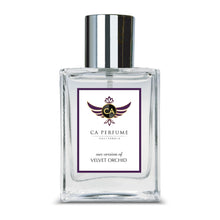
Velvet Orchid — Tom Ford Velvet Orchid Alternative Perfume
7.92
MEI™
Primary Romantic
Secondary Confident
Confidence
7.19
Presence
7.62
Mood Lift
8.55
Identity
7.84
Warmth
9.5
Social Ease
7.82
Energy
4.0
" I am beautiful.
View full mood profile →
Interdiction — L'interdit Alternative Perfume
7.75
MEI™
Primary Romantic
Secondary Confident
Confidence
7.43
Presence
7.79
Mood Lift
8.12
Identity
8.04
Warmth
8.68
Social Ease
7.74
Energy
2.9
" I am beautiful.
View full mood profile →
HumanSafe™

Top Narcissus Fragrances by HumanSafe™ Score

These Narcissus-based fragrances have the highest product-level HumanSafe™ scores in this ingredient collection.

Highest HumanSafe™ Score
Young Dew — Youth Dew Alternative Perfume
A-
HumanSafe™ Score Generally Safe
Safest Evaluated Ingredients EDP
AQUA Solvent / Carrier ISS 10.0
ACETIC ACID, PHENYLMETHYL ESTER Evaluated ingredient ISS 10.0
HEPTANAL, 2-(PHENYLMETHYLENE)- Evaluated ingredient ISS 9.0
BENZYL SALICYLATE EYE IRRITATION - CAT.2B [H320] Evaluated ingredient ISS 9.0
2H-1-BENZOPYRAN-2-ONE Evaluated ingredient ISS 8.0
LINALYL ACETATE Evaluated ingredient ISS 7.0
View full safety profile →
Whitish Diamond — White Diamonds Alternative Perfume
A-
HumanSafe™ Score Generally Safe
Safest Evaluated Ingredients EDP
AQUA Solvent / Carrier ISS 10.0
ACETIC ACID, PHENYLMETHYL ESTER Evaluated ingredient ISS 10.0
BENZYL SALICYLATE EYE IRRITATION - CAT.2B [H320] Evaluated ingredient ISS 9.0
OCTANAL, 2-(PHENYLMETHYLENE)- Evaluated ingredient ISS 8.0
2H-1-BENZOPYRAN-2-ONE Evaluated ingredient ISS 8.0
LINALYL ACETATE Evaluated ingredient ISS 7.0
View full safety profile →
Velvet Orchid — Tom Ford Velvet Orchid Alternative Perfume
A-
HumanSafe™ Score Generally Safe
Safest Evaluated Ingredients EDP
AQUA Solvent / Carrier ISS 10.0
ACETIC ACID, PHENYLMETHYL ESTER Evaluated ingredient ISS 10.0
BENZYL SALICYLATE Evaluated ingredient ISS 9.0
3-CYCLOPENTENE-1-ACETALDEHYDE, 2,2,3-TRIMETHYL-, Evaluated ingredient ISS 9.0
3-BUTEN-2-ONE, 3-METHYL-4-(2,6,6-TRIMETHYL-2- Evaluated ingredient ISS 8.0
View full safety profile →
The Revenge Of Blanche — The Revenge Of Lady Blanche Alternative Perfume
A-
HumanSafe™ Score Generally Safe
Safest Evaluated Ingredients EDP
AQUA Solvent / Carrier ISS 10.0
AMBROXID Evaluated ingredient ISS 10.0
ACETIC ACID, PHENYLMETHYL ESTER Evaluated ingredient ISS 10.0
1,4-DIOXACYCLOHEPTADECANE-5,17-DIONE Evaluated ingredient ISS 10.0
4H-INDEN-4-ONE, 1,2,3,5,6,7-HEXAHYDRO-1,1,2,3,3- Evaluated ingredient ISS 9.0
3-BUTEN-2-ONE, 3-METHYL-4-(2,6,6-TRIMETHYL-2- Evaluated ingredient ISS 8.0
View full safety profile →
Expert Voices

What Masters Say About Narcissus

Master perfumer Jean-Claude Ellena described working with narcissus as 'taming a beautiful wild animal' while composing Hermès Eau de Narcisse Bleu.
Jean-Claude Ellena, Perfumer
Narcissus absolute’s green, honeyed, and animalic facets make it both a perfumer’s dream and a technical challenge, demanding restraint and precision in formulation.
CA Perfume Editorial
Common Questions

Frequently Asked Questions

Frequently asked questions about narcissus in perfumery.

Narcissus in perfume smells green, honeyed, and animalic, with a narcotic floral heart and hay-leather undertones. The scent evolves from fresh-cut stems (cis-3-hexenol, α-farnesene) to a creamy, indolic heart (benzyl acetate, indole), finishing with earthy, musky, and tobacco-like notes (para-dimethoxybenzene, coumarin). Fragrances like Hermès Eau de Narcisse Bleu and Caron Narcisse Noir exemplify this complex evolution.

Narcissus is primarily used as a heart note in perfumery. Its volatility is moderate: the green top notes evaporate quickly, but the floral and animalic heart persists for several hours. In some compositions, its hay and leathery base facets linger into the drydown, but it is rarely used as a true base note.

Narcissus is favored in niche perfumery for its multifaceted, unpredictable character and its ability to add both green freshness and animalic depth. Its rarity and high cost make it a mark of luxury, while its complexity challenges perfumers to create unique, memorable compositions. Niche brands often use natural narcissus absolute or sophisticated synthetic accords to highlight its signature evolution.

Narcissus fragrance uses include pairing with galbanum, violet leaf, jasmine, hay, leather, and iris. These notes share molecular affinities—such as indole, hexenyl derivatives, and coumarin—that enhance narcissus’s green, floral, or animalic facets. Classic pairings are found in Caron Narcisse Noir (with orange blossom), L’Artisan Parfumeur Mont de Narcisse (with leather), and Hermès Eau de Narcisse Bleu (with galbanum).

Narcissus can be worn in summer, but its animalic and hay facets may become more pronounced in heat due to increased volatility. The green top notes project strongly but fade quickly, while the base may feel heavier. For summer, choose lighter concentrations (EDT) or layer with citrus and herbal notes to emphasize freshness.

A narcissus-forward fragrance typically lasts 6–10 hours on skin. The green top notes dissipate within 30 minutes, but the floral and animalic heart, anchored by indole and para-dimethoxybenzene, persists for several hours. Longevity depends on concentration, skin chemistry, and ambient conditions.

Yes, narcissus can be layered with other fragrances to enhance specific facets. Layer with green notes (galbanum, violet leaf) for freshness, white florals (jasmine, orange blossom) for smoothness, or woods and leather for depth. Molecular compatibility is key: shared compounds like indole and coumarin create harmonious blends.

For beginners, Hermès Eau de Narcisse Bleu offers a modern, approachable take on the note, emphasizing green freshness. Caron Narcisse Noir is a classic, narcotic floral, while L’Artisan Parfumeur Mont de Narcisse explores the earthy, leathery side. Each provides a different perspective on the narcissus scent profile.

Consider your preference for green, floral, or animalic facets. If you enjoy fresh, springlike scents, look for narcissus paired with galbanum or citrus. For a deeper, more sensual experience, choose blends with leather, hay, or musk. CA Perfume’s HumanSafe™ platform provides transparency on ingredient sourcing and formulation.

Narcissus can smell both sweet and animalic, depending on concentration and pairing. The absolute has a honeyed, creamy floral heart, but also strong animalic and hay-leather undertones. The balance of these facets varies by fragrance and skin chemistry, making narcissus a dynamic, evolving note.

Floral Green Collection

Explore Our Top Narcissus Fragrances

Discover CA Perfume’s curated selection of narcissus-forward fragrances, each showcasing the note’s green, floral, and animalic complexity. Ideal for both newcomers and connoisseurs.

Shop all narcissus fragrances at CA Perfume →

Where Narcissus Comes From — Origin & Extraction

Narcissus absolute is primarily obtained from Narcissus poeticus (Poet’s Narcissus), a bulbous perennial native to southern Europe and the Mediterranean. The main cultivation regions for perfumery-grade narcissus are the Aubrac plateau in Lozère, France, and select fields in Morocco and Egypt. France remains the global leader, with annual production of narcissus absolute estimated at less than 50 kg due to the extremely low yield and short harvest window (late April to early June). The flowers are harvested at dawn, when their volatile content peaks, and must be processed within hours to prevent degradation. Extraction is performed almost exclusively via solvent extraction (typically hexane), yielding a concrete that is further washed with ethanol to remove waxes, producing the absolute. The yield is exceptionally low: approximately 1,000 kg of fresh flowers are required to produce 2 kg of concrete and only 750 g of absolute (0.075% yield). Supercritical CO2 extraction has been studied and can increase yield to 1.6–3.1%, but the olfactory profile differs, with less animalic depth. Enfleurage, a traditional method, is now rare due to cost and labor intensity. Steam distillation is avoided, as it causes thermal degradation of key odorants such as benzyl acetate and indole. Narcissus absolute is among the most expensive perfumery materials, with prices ranging from $8,000–$15,000 per kg depending on harvest and origin. Synthetic substitutes (see next section) are far less costly, often under $200/kg. Sustainability is a concern: wild narcissus populations are protected in many European countries, and commercial production is tightly regulated to prevent overharvesting. Most absolute on the market is certified as cultivated, not wild-harvested. The CAS number for Narcissus poeticus absolute is 68917-12-4.

Famous Fragrances That Define Narcissus in Perfumery

Narcissus has played a defining role in perfumery for over a century, from the golden age of French floral bouquets to modern niche explorations. Caron Narcisse Noir (1911, Ernest Daltroff) is one of the earliest icons, using narcissus absolute as a narcotic heart note paired with orange blossom and musk. Guerlain Vol de Nuit (1933, Jacques Guerlain) features narcissus in a mysterious, mossy-woody context, where it bridges floral and chypre elements. In the late 20th century, Caron Infini (1970) showcased narcissus as a mouthpiece for a lush bouquet, cinching together rose, tuberose, and vetiver. L’Artisan Parfumeur Mont de Narcisse (2019, Anne Flipo) offers a contemporary, green-leathery interpretation, highlighting the hay and tobacco facets. Hermès Eau de Narcisse Bleu (2013, Jean-Claude Ellena) demonstrates a modern, transparent approach, using a synthetic accord to evoke the cool, green freshness of narcissus in spring. Other notable examples include Tom Ford Jonquille de Nuit (2012, Rodrigo Flores-Roux), which explores the honeyed and powdery aspects, and Parfums de Nicolaï Le Temps d’une Fête (2007, Patricia de Nicolaï), where narcissus is paired with galbanum and moss for a springlike chypre. CA Perfume’s collection draws inspiration from this lineage, offering both natural and reconstructed narcissus experiences for a wide range of fragrance preferences.

Natural vs Synthetic Narcissus in Perfumery

Natural narcissus absolute is a complex mixture of over 100 identified compounds, including benzyl acetate (CAS 140-11-4), para-dimethoxybenzene (CAS 150-78-7), indole (CAS 120-72-9), methyl benzoate (CAS 93-58-3), and α-farnesene (CAS 502-61-4). No single synthetic molecule can replicate the full narcissus scent profile; instead, perfumers construct narcissus accords using combinations of these and other aroma chemicals. Common synthetic components include phenylacetaldehyde (CAS 122-78-1) for green-floral brightness, cis-3-hexenol (CAS 928-96-1) for leafy freshness, and traces of p-cresol (CAS 106-44-5) for animalic warmth. Performance-wise, synthetic narcissus accords offer greater stability, consistency, and IFRA compliance, with less risk of skin sensitization. However, they lack the nuanced evolution and animalic undertones of the natural absolute. Natural narcissus is restricted by IFRA due to potential sensitization (mainly from isophorone and indole), with recommended maximum concentrations below 0.2% in finished products. Cost is a major factor: natural absolute can exceed $10,000/kg, while synthetic blends are typically $100–$200/kg. Notable fragrances using natural narcissus include Caron Narcisse Noir and L’Artisan Parfumeur Fleur de Narcisse, while Hermès Eau de Narcisse Bleu and many modern releases rely on synthetic reconstructions for accessibility and regulatory reasons. From a sustainability perspective, synthetic options reduce pressure on wild populations and offer traceability. CA Perfume’s HumanSafe™ platform ensures all narcissus materials are transparently sourced, with batch-level verification of both natural and synthetic origins.