
Smells like heaven. Fast shipping. I will purchase from this company again.
Best customer service, the scent is great but only lasted 2 hrs on me.
Everything is as advertised and the packaging and presentation was awesome
Discover the earthy allure of hay in perfumery.
Hay serves as a heart note in green and woody compositions, imparting a warm, dry, and slightly sweet aroma. Its scent profile is rich and comforting, reminiscent of sun-dried grass, adding a natural and rustic quality to perfumes. Hay imparts a soft and nuanced character and is often used as a middle or base note to create depth and warmth in fragrance compositions. It pairs beautifully with floral, woody, and herbal notes, contributing to perfumes that are elegant, warm, and evocative of the countryside.

Hay's scent profile is characterized by a warm, dry, and slightly sweet aroma, with earthy and coumarin-like undertones. This distinctive fragrance is primarily due to the presence of coumarin, a naturally occurring compound found in tonka beans, woodruff, and sweet clover. Coumarin imparts a sweet, slightly spicy scent reminiscent of freshly cut fields. In perfumery, hay is typically used as a middle or base note, contributing depth and warmth to compositions. It is often found in green and woody fragrances, where it adds a rustic and natural quality. Hay pairs well with floral, woody, and herbal notes, enhancing the overall complexity of the fragrance. For example, Serge Lutens' "Chergui" (2001) features hay as a heart note, blending it with tobacco and honey to create a warm, spicy scent. Similarly, Le Labo's "Thé Noir 29" (2015) incorporates hay to add depth to its blend of black tea and fig. These examples demonstrate hay's versatility and its ability to enhance the olfactory experience by adding a natural, comforting element to perfumes.
Hay is harvested from various regions worldwide, each contributing unique characteristics to its aroma. The specific grasses and herbs used, along with the local climate and soil conditions, influence the scent profile of the hay. For example, hay from temperate regions may have a different aroma compared to hay from tropical areas, due to variations in plant species and environmental factors.
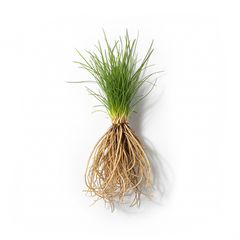
Hay is derived from dried grasses and herbs, commonly those used in agricultural settings for animal feed. The aroma of hay has been cherished for centuries for its association with pastoral life and the outdoors. In perfumery, the scent of hay is often recreated using natural extracts such as hay absolute or through synthetic accords that mimic its coumarin content, which provides its characteristic sweet and earthy scent. Hay notes are valued in modern perfumery for their ability to add a warm, natural touch that enhances the complexity and richness of fragrances, evoking feelings of nostalgia and warmth.
In perfumery, the scent of hay is often achieved through natural blends or synthetic means. The actual process of extracting an essence from dried hay is not common; instead, its scent is typically recreated using a combination of natural and synthetic aroma compounds. This approach allows perfumers to capture the essence of hay while maintaining consistency and cost-effectiveness in fragrance production.
Hay has been a notable component in several fragrances, adding depth and a rustic charm to their compositions. Here are some examples: - **"Chergui" by Serge Lutens (2001)**: Hay serves as a heart note, blending with tobacco and honey to create a warm, spicy scent. - **"Thé Noir 29" by Le Labo (2015)**: Hay adds depth to this blend of black tea and fig, enhancing its complexity. - **"Luna Rossa Sport" by Prada (2012)**: Hay is used to impart a natural, rustic quality to this fresh, sporty fragrance. - **"Yerbamate" by Lorenzo Villoresi (2001)**: Hay complements the herbal and green notes, adding a grounding element to the composition. - **"Azemour Les Orangers" by Parfum d'Empire (2005)**: Hay enhances the citrus and floral notes, providing a warm, earthy base. These fragrances showcase hay's versatility and its ability to enhance the olfactory experience by adding a natural, comforting element to perfumes.
A captivating hay accord can be crafted by blending the following ingredients: - **Coumarin (20–25% of blend)**: Provides the characteristic sweet, hay-like aroma. - **Tonka Bean Absolute (15–20% of blend)**: Adds depth and enhances the sweet facets. - **Lavender Essential Oil (25–30% of blend)**: Introduces a floral note that complements the herbaceous quality of hay. - **Cedarwood Essential Oil (25–30% of blend)**: Imparts a woody base that grounds the accord. This combination captures the essence of sun-dried grass, evoking a rustic and comforting scent profile.
In a fragrance pyramid, hay typically serves as a middle or base note, providing depth and warmth. Its scent profile evolves over time, starting with a fresh, green aroma and developing into a warm, dry, and slightly sweet scent with earthy undertones. This progression adds complexity and longevity to the fragrance.
Hay has been used in perfumery for centuries, valued for its ability to evoke rustic and natural qualities. Its inclusion in fragrances has evolved from traditional uses to modern compositions, where it continues to add depth and warmth.
Layering fragrances with hay can enhance its rustic charm and depth. To create a captivating hay accord, consider blending it with complementary notes that share similar molecular structures or olfactory characteristics.
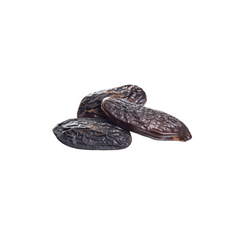
Combining hay with tonka bean can amplify the sweet, coumarin-like facets of hay, creating a rich and comforting aroma. This pairing is exemplified in Serge Lutens' "Chergui" (2001), where hay and tonka bean blend seamlessly to evoke a warm, spicy scent.
Pairing hay with cedarwood introduces a woody base that grounds the fragrance, adding depth and complexity. This combination is found in Le Labo's "Thé Noir 29" (2015), where hay and cedarwood enhance the blend of black tea and fig.
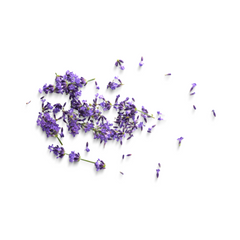
Combining hay with lavender introduces a floral note that complements the herbaceous quality of hay, adding a fresh and uplifting element to the fragrance. This pairing is exemplified in Diptyque's "Volutes," where hay and lavender blend to create a sophisticated scent.
In cooler weather, hay's scent provides a comforting and grounding element to fragrances, making it ideal for fall and winter compositions.
In spring, hay can add a rustic charm to floral and green fragrances, evoking the freshness of sun-dried grass.
In summer, hay's aroma can evoke the warmth of sun-drenched fields, adding a nostalgic touch to fragrances.
Hay's versatility allows it to be used year-round, adding depth and warmth to fragrances in any season.
Applying fragrances with hay can enhance its rustic charm and depth.
Applying fragrance to the neck allows the scent to diffuse naturally, creating a subtle and inviting aroma.
Spraying behind the ears can enhance the projection of the fragrance, allowing the scent to linger in the air.
Applying fragrance to the inner wrists allows for easy reapplication and a personal scent experience.
Spraying fragrance in the hair can create a lasting scent trail, leaving a subtle aroma as you move.
For a more intense scent, apply fragrance to pulse points where blood vessels are close to the skin, such as the chest or behind the knees.
These Hay-based fragrances scored highest on the MEI™ Mood Architecture Framework — measuring how a scent may influence your emotional state.
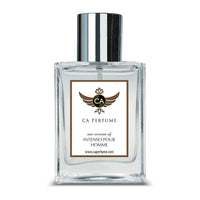
These Hay-based fragrances have the highest product-level HumanSafe™ scores in this ingredient collection.
Hay's scent profile shares similarities with several other fragrance notes, contributing to its versatility in perfumery. Notable related ingredients include:
Here are some frequently asked questions about hay in perfumery:
Hay in perfume has a warm, dry, and slightly sweet aroma, with earthy and coumarin-like undertones. This scent profile is reminiscent of sun-dried grass and evokes a rustic, natural quality.
Hay is typically used as a middle or base note in fragrances, contributing depth and warmth to the composition.
Hay adds a natural, rustic charm to fragrances, evoking feelings of nostalgia and warmth. Its versatility allows it to pair well with various notes, enhancing the complexity of niche perfumes.
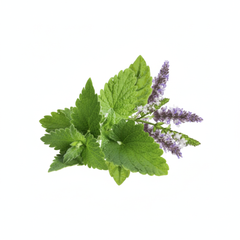
Hay pairs well with floral notes like lavender, woody notes like cedarwood, and herbal notes like patchouli, enhancing the overall complexity of the fragrance.
Hay's warm, dry, and slightly sweet aroma makes it more suitable for cooler seasons, adding depth and warmth to fragrances.
The longevity of a hay fragrance depends on its concentration and the other notes in the composition. As a base note, hay can provide lasting depth to the scent.
Yes, hay can be layered with other fragrances, especially those with floral, woody, or herbal notes, to create a harmonious and complex scent profile.
For beginners, fragrances like Serge Lutens' "Chergui" (2001) and Le Labo's "Thé Noir 29" (2015) offer accessible introductions to hay's warm and rustic aroma.
At CA Perfume, you can explore a curated selection of hay-based fragrances that showcase its versatility and depth. Our knowledgeable staff can assist you in finding a scent that aligns with your preferences.
Hay in fragrance has a sweet, slightly spicy aroma due to the presence of coumarin, a naturally occurring compound found in tonka beans, woodruff, and sweet clover.
Discover a curated selection of hay-based fragrances that showcase its versatility and depth.
Shop all hay fragrances at CA Perfume →Hay is derived from dried grasses and herbs, commonly those used in agricultural settings for animal feed. The aroma of hay has been cherished for centuries for its association with pastoral life and the outdoors. In perfumery, the scent of hay is often recreated using natural extracts such as hay absolute or through synthetic accords that mimic its coumarin content, which provides its characteristic sweet and earthy scent. Hay notes are valued in modern perfumery for their ability to add a warm, natural touch that enhances the complexity and richness of fragrances, evoking feelings of nostalgia and warmth.
Hay has been a notable component in several fragrances, adding depth and a rustic charm to their compositions. Here are some examples: - **"Chergui" by Serge Lutens (2001)**: Hay serves as a heart note, blending with tobacco and honey to create a warm, spicy scent. - **"Thé Noir 29" by Le Labo (2015)**: Hay adds depth to this blend of black tea and fig, enhancing its complexity. - **"Luna Rossa Sport" by Prada (2012)**: Hay is used to impart a natural, rustic quality to this fresh, sporty fragrance. - **"Yerbamate" by Lorenzo Villoresi (2001)**: Hay complements the herbal and green notes, adding a grounding element to the composition. - **"Azemour Les Orangers" by Parfum d'Empire (2005)**: Hay enhances the citrus and floral notes, providing a warm, earthy base. These fragrances showcase hay's versatility and its ability to enhance the olfactory experience by adding a natural, comforting element to perfumes.
In perfumery, the scent of hay is often achieved through natural blends or synthetic means. The actual process of extracting an essence from dried hay is not common; instead, its scent is typically recreated using a combination of natural and synthetic aroma compounds. This approach allows perfumers to capture the essence of hay while maintaining consistency and cost-effectiveness in fragrance production.