Ingredient Guide · Gourmand
Gourmand Family · Perfumery Note

Meringue

A sweet, airy note that adds a creamy touch to perfumes.

Meringue in perfumery is a synthetic note designed to emulate the light, sweet, and creamy aroma of the dessert. It serves as a heart note in gourmand compositions, typically used at concentrations of 5–15%.

Meringue
Ingredient Profile

Meringue

Gourmand Family
Family Gourmand
Note Position Heart Note
Usage Level 5–15%
The Ingredient

What does Meringue smell like and why is it significant in perfumery?

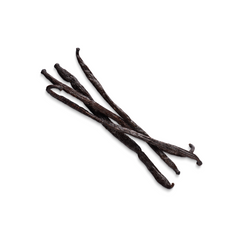
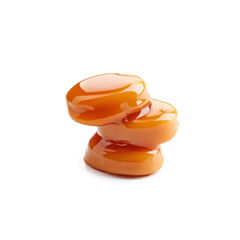
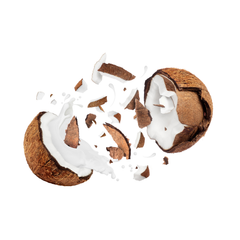
Meringue in perfumery is a synthetic note crafted to replicate the sweet, airy, and creamy aroma of the dessert made from whipped egg whites and sugar. This note is created by combining specific molecules and natural extracts that mimic its creamy, sweet profile. Perfumers create this accord by balancing the lightness and richness associated with real meringue. ([perfumestars.com](https://www.perfumestars.com/perfume-notes/meringue/?utm_source=openai)) In fragrance compositions, meringue serves as a heart note, typically used at concentrations of 5–15%. Its light and sweet profile adds a gourmand quality to perfumes, providing a soft, creamy layer that can soften and enrich deeper, more complex scents. Meringue's versatility allows it to pair well with other sweet notes like vanilla, caramel, and fruits, as well as floral and woody notes, contributing to fragrances that are cozy, whimsical, and full of charm. ([agoratopia.com](https://www.agoratopia.com/notes/meringue?utm_source=openai)) Notable fragrances that feature meringue include: - **White Meringue by Maiora Parfum (2025)**: A floral fruity gourmand fragrance where meringue adds a creamy, soft layer blending with coconut and vanilla, evoking the warmth and comfort of a cozy bubble bath. ([fragrantica.com](https://www.fragrantica.com/perfume/Maiora-Parfum/White-Meringue-118282.html?utm_source=openai)) - **Tease Crème Cloud by Victoria's Secret (2021)**: Meringue adds a gentle sweetness to this floral blend, balancing the brightness of florals with a touch of creamy indulgence, creating a lighthearted, sweet fragrance with a touch of elegance. ([perfumestars.com](https://www.perfumestars.com/perfume-notes/meringue/?utm_source=openai)) - **Gaultier Divine by Jean Paul Gaultier (2023)**: Meringue serves as a dominant note, contributing to the fragrance's sweet and airy profile, paired with other gourmand notes to create a rich, indulgent scent. ([parfumo.com](https://www.parfumo.com/Fragrance_Note/Meringue?utm_source=openai)) These examples demonstrate meringue's role in adding a soft, sweet, and creamy dimension to various fragrance compositions.

5–15%
Typical concentration of meringue as a heart note in parfum and eau de parfum formulations, providing a noticeable yet balanced presence.
2–4 hours
Average longevity of meringue-based fragrances on the skin, depending on individual skin chemistry and environmental factors.
1–2 sprays
Recommended application for meringue-based fragrances to achieve an effective scent trail without overwhelming the senses.
Origin & Extraction

Where Meringue Comes From — Origin & Extraction

As a synthetic note, meringue does not have a natural geographic origin. However, the primary synthetic compounds used to create the meringue note are produced in various countries, including the United States, China, and India, where chemical manufacturing is prevalent.

Meringue in perfumery is not derived from a natural source but is a synthetic note designed to emulate the light, sweet, and creamy aroma of the dessert made from whipped egg whites and sugar. This note is created by combining specific molecules and natural extracts that mimic its creamy, sweet profile. Perfumers create this accord by balancing the lightness and richness associated with real meringue. ([perfumestars.com](https://www.perfumestars.com/perfume-notes/meringue/?utm_source=openai)) The creation of the meringue scent in a lab involves combining various synthetic compounds to replicate the light sweetness and the hint of baked quality that real meringue possesses. ([findascent.com](https://www.findascent.com/notes/m/meringue.php?utm_source=openai)) Meringue is synthesized in perfumery to ensure a consistent and stable sweet note that accurately mimics the dessert, as natural extraction from the actual dessert is not feasible. ([findascent.com](https://www.findascent.com/notes/m/meringue.php?utm_source=openai)) The primary synthetic compounds used to create the meringue note include: - **Ethyl Maltol (CAS 4940-11-8)**: A sweet-smelling compound that imparts a caramelized sugar aroma, contributing to the sweetness of the meringue note. - **Vanillin (CAS 121-33-5)**: The main component of vanilla, providing a warm, sweet, and creamy scent that enhances the meringue's aroma. - **Lactones**: Molecules that add a soft, milky richness, capturing the airy, whipped texture of meringue. These compounds are blended in specific ratios to achieve the desired scent profile, ensuring consistency and stability in the final fragrance product. The cost of producing synthetic meringue notes is significantly lower than that of natural extracts, making it a cost-effective option for perfumers. Additionally, the use of synthetic compounds allows for greater control over the scent profile and ensures consistency across different batches of fragrance products. Sustainability considerations are also addressed by using synthetic meringue notes, as they do not rely on natural resources and can be produced without the environmental impact associated with harvesting natural materials.

Chemistry

Natural vs Synthetic Meringue in Perfumery

Meringue in perfumery is exclusively synthetic, as natural extraction from the actual dessert is not feasible. The primary synthetic compounds used to create the meringue note include: - **Ethyl Maltol (CAS 4940-11-8)**: A sweet-smelling compound that imparts a caramelized sugar aroma, contributing to the sweetness of the meringue note. - **Vanillin (CAS 121-33-5)**: The main component of vanilla, providing a warm, sweet, and creamy scent that enhances the meringue's aroma. - **Lactones**: Molecules that add a soft, milky richness, capturing the airy, whipped texture of meringue. These compounds are blended in specific ratios to achieve the desired scent profile, ensuring consistency and stability in the final fragrance product. The use of synthetic meringue notes allows for greater control over the scent profile and ensures consistency across different batches of fragrance products. Additionally, synthetic meringue notes are cost-effective and do not rely on natural resources, addressing sustainability considerations. Sustainability considerations are also addressed by using synthetic meringue notes, as they do not rely on natural resources and can be produced without the environmental impact associated with harvesting natural materials.

Natural
Meringue Absolute
Cost $3,000–6,000/kg
Method Solvent / CO₂
Character Complex, variable
vs
Synthetic
Safranal & Analogues
Cost $50–200/kg
Method Lab synthesis
Character Consistent, stable
Hall of Fame

Famous Fragrances That Define Meringue in Perfumery

Meringue's unique profile has made it a popular note in several fragrances, where it adds a soft sweetness and creamy depth that enhances a variety of compositions. Notable fragrances featuring meringue include: - **White Meringue by Maiora Parfum (2025)**: A floral fruity gourmand fragrance where meringue adds a creamy, soft layer blending with coconut and vanilla, evoking the warmth and comfort of a cozy bubble bath. ([fragrantica.com](https://www.fragrantica.com/perfume/Maiora-Parfum/White-Meringue-118282.html?utm_source=openai)) - **Tease Crème Cloud by Victoria's Secret (2021)**: Meringue adds a gentle sweetness to this floral blend, balancing the brightness of florals with a touch of creamy indulgence, creating a lighthearted, sweet fragrance with a touch of elegance. ([perfumestars.com](https://www.perfumestars.com/perfume-notes/meringue/?utm_source=openai)) - **Gaultier Divine by Jean Paul Gaultier (2023)**: Meringue serves as a dominant note, contributing to the fragrance's sweet and airy profile, paired with other gourmand notes to create a rich, indulgent scent. ([parfumo.com](https://www.parfumo.com/Fragrance_Note/Meringue?utm_source=openai)) These examples demonstrate meringue's role in adding a soft, sweet, and creamy dimension to various fragrance compositions.

The Accord

How is a captivating Meringue accord crafted?

A meringue accord can be crafted by blending the following ingredients: - **Ethyl Maltol**: 30–40% of blend - **Vanillin**: 20–30% of blend - **Lactones**: 20–30% of blend - **Musk**: 10–20% of blend Each ingredient contributes to the accord as follows: - **Ethyl Maltol**: Provides a sweet, caramelized sugar aroma, forming the base of the meringue scent. - **Vanillin**: Adds a warm, sweet, and creamy scent, enhancing the overall sweetness and depth. - **Lactones**: Impart a soft, milky richness, capturing the airy, whipped texture of meringue. - **Musk**: Adds a subtle, powdery element, contributing to the lightness and ethereal quality of the accord.

The Olfactory Layers

How Meringue Evolves on Skin

The meringue accord evolves over time as the fragrance is applied: - **Top Notes (0–15 minutes)**: The initial impression is a sweet, caramelized aroma from ethyl maltol and vanillin, providing an immediate gourmand sweetness. - **Heart Notes (20–60 minutes)**: As the fragrance develops, lactones emerge, adding a soft, milky richness that captures the airy, whipped texture of meringue. - **Base Notes (Several hours)**: Musk notes become more prominent, adding a subtle, powdery element that contributes to the lightness and ethereal quality of the accord.

I
Top notes
0–15 min
Sweet and Caramelized

The initial impression is a sweet, caramelized aroma from ethyl maltol and vanillin, providing an immediate gourmand sweetness.

SweetCaramelizedGourmand
II
Heart notes
20–60 min
Milky and Airy

As the fragrance develops, lactones emerge, adding a soft, milky richness that captures the airy, whipped texture of meringue.

MilkyRichAiry
III
Base notes
Several hours
Powdery and Light

Musk notes become more prominent, adding a subtle, powdery element that contributes to the lightness and ethereal quality of the accord.

PowderyLightEthereal
TOP NOTES Sweet and Caramelized 0–15 minutes HEART NOTES Milky and Airy 20–60 minutes BASE NOTES Powdery and Light Several hours
Through the Ages

The Story of Meringue in Perfumery

Meringue has been utilized in perfumery since the early 2000s, with its popularity increasing in recent years as the demand for gourmand and sweet fragrances has grown. Its ability to add a soft, sweet, and creamy dimension to various compositions has made it a favored note among perfumers and consumers alike.

2001

Introduction of Meringue Note in Perfumery

The meringue note was first introduced in perfumery, offering a new sweet and airy element to fragrance compositions.

2014

Lemon Meringue Cologne by Demeter Fragrance Library

One of the earliest fragrances to feature the meringue note, highlighting its potential in gourmand compositions.

2017

Cookiecrunch by Coquillete

A fragrance that prominently features the meringue note, showcasing its versatility in blending with other sweet elements.

2021

Tease Crème Cloud by Victoria's Secret

A floral blend where meringue adds a gentle sweetness, balancing the brightness of florals with a touch of creamy indulgence.

2025

White Meringue by Maiora Parfum

A floral fruity gourmand fragrance where meringue adds a creamy, soft layer blending with coconut and vanilla.

The Art of Layering

How to Layer Meringue

Layering fragrances with meringue notes can create unique and personalized scent profiles. Understanding how to layer meringue can enhance the overall fragrance experience.

01

Enhance Sweetness

Pairing meringue with other sweet notes like vanilla or caramel can amplify the gourmand aspect of the fragrance, creating a rich and indulgent scent profile.

02

Add Depth

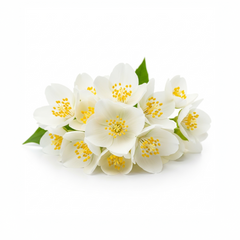
Combining meringue with floral notes such as jasmine or rose can add complexity, balancing the sweetness with floral elegance and creating a harmonious blend.

03

Lighten the Glow

Merging meringue with citrus notes like lemon or bergamot can brighten the fragrance, adding a fresh and zesty dimension that complements the sweetness.

Wear It Right

How to Wear Meringue Like a Pro

Seasonal Guide

Fall & Winter

In cooler months, meringue's creamy sweetness adds warmth and comfort, making it ideal for cozy, indoor settings. Apply generously to enjoy its full enveloping effect.

Spring

As temperatures rise, meringue's light and airy quality complements the fresh, blooming environment. A moderate application enhances the seasonal ambiance without overwhelming.

Summer

In warmer weather, meringue's subtle sweetness provides a refreshing, dessert-like touch. Use sparingly to maintain a delicate presence that doesn't become cloying.

Year-Round Tip

Meringue's versatility allows it to be worn throughout the year. Adjust the application based on personal preference and the specific composition of the fragrance.

Application Points

Strategic application of meringue-based fragrances can enhance their olfactory impact and longevity.

1

Neck

Applying fragrance to the neck allows the scent to diffuse naturally, creating an inviting aura that is noticeable yet not overpowering.

2

Behind the Ears

This pulse point emits heat, aiding in the diffusion of the fragrance, making it a subtle yet effective application area.

3

Inner Wrists

Wrist application allows for easy reapplication throughout the day and provides a personal scent trail that is intimate and comforting.

4

Hair

Spraying fragrance into the hair allows for a longer-lasting scent experience, as hair retains fragrance molecules effectively.

★

Pro Tip

For a more pronounced scent, apply fragrance to clothing or fabric. However, be cautious of potential staining, especially with darker fabrics.

HumanSafe™

Meringue Safety Profile in Our Fragrances

No ingredient collection was found for meringue.

Create or connect a collection with the same handle as this ingredient, then add products that contain this ingredient.

Expert Voices

What Masters Say About Meringue

“
"Meringue's light and airy sweetness adds a delicate gourmand touch to fragrances, enhancing their depth without overwhelming the senses."
CA Perfume Editorial
“
"The synthetic creation of meringue in perfumery allows for a consistent and stable sweet note that accurately mimics the dessert, as natural extraction is not feasible."
CA Perfume Editorial
Common Questions

Frequently Asked Questions

Frequently asked questions about meringue in perfumery.

Meringue in perfume offers a sweet, airy, and creamy scent profile, capturing the essence of the dessert made from whipped egg whites and sugar. This note adds a light, gourmand touch to fragrances, enhancing their depth without overwhelming the senses.

Meringue is typically used as a heart note in fragrances, contributing to the overall scent profile with its sweet and creamy characteristics. Its position allows it to blend harmoniously with both top and base notes, adding depth and complexity to the composition.

Meringue is favored in niche perfumes for its ability to add a unique, sweet, and creamy dimension to fragrances. Its versatility allows it to pair well with various notes, making it a popular choice for creating distinctive and indulgent scent profiles.

Meringue pairs well with other sweet notes like vanilla, caramel, and honey, enhancing the gourmand aspect of the fragrance. It also complements floral notes such as jasmine and rose, adding a creamy depth, and citrus notes like lemon and bergamot, providing a fresh contrast.

Meringue's light and airy profile makes it suitable for summer and hot weather. Its subtle sweetness provides a refreshing, dessert-like touch without becoming overwhelming, making it ideal for warm climates.

The longevity of a meringue fragrance depends on its concentration and individual skin chemistry. Generally, meringue-based fragrances last between 2 to 4 hours, with parfum concentrations offering longer wear compared to eau de toilette formulations.

Yes, meringue perfumes can be layered with other fragrances. Pairing meringue with floral notes like jasmine or rose can add a creamy depth, while combining it with citrus notes like lemon or bergamot can provide a fresh contrast, enhancing the overall scent profile.

For beginners, fragrances like **White Meringue by Maiora Parfum (2025)** and **Tease Crème Cloud by Victoria's Secret (2021)** are recommended. These perfumes showcase meringue's versatility and appeal, offering a sweet and creamy scent profile that is both accessible and enjoyable.

When selecting a meringue fragrance at CA Perfume, consider the overall scent profile and how meringue is blended with other notes. Look for compositions that balance sweetness with other elements like florals or citrus to find a fragrance that suits your personal taste.

Meringue in fragrance smells sweet, with a light, airy, and creamy profile that captures the essence of the dessert made from whipped egg whites and sugar. It does not impart a spicy aroma.

Gourmand Collection

Explore Our Top Meringue Fragrances

Discover our curated selection of meringue-based perfumes that offer a sweet and creamy olfactory experience.

Shop all meringue fragrances at CA Perfume →

Where Meringue Comes From — Origin & Extraction

Meringue in perfumery is not derived from a natural source but is a synthetic note designed to emulate the light, sweet, and creamy aroma of the dessert made from whipped egg whites and sugar. This note is created by combining specific molecules and natural extracts that mimic its creamy, sweet profile. Perfumers create this accord by balancing the lightness and richness associated with real meringue. ([perfumestars.com](https://www.perfumestars.com/perfume-notes/meringue/?utm_source=openai)) The creation of the meringue scent in a lab involves combining various synthetic compounds to replicate the light sweetness and the hint of baked quality that real meringue possesses. ([findascent.com](https://www.findascent.com/notes/m/meringue.php?utm_source=openai)) Meringue is synthesized in perfumery to ensure a consistent and stable sweet note that accurately mimics the dessert, as natural extraction from the actual dessert is not feasible. ([findascent.com](https://www.findascent.com/notes/m/meringue.php?utm_source=openai)) The primary synthetic compounds used to create the meringue note include: - **Ethyl Maltol (CAS 4940-11-8)**: A sweet-smelling compound that imparts a caramelized sugar aroma, contributing to the sweetness of the meringue note. - **Vanillin (CAS 121-33-5)**: The main component of vanilla, providing a warm, sweet, and creamy scent that enhances the meringue's aroma. - **Lactones**: Molecules that add a soft, milky richness, capturing the airy, whipped texture of meringue. These compounds are blended in specific ratios to achieve the desired scent profile, ensuring consistency and stability in the final fragrance product. The cost of producing synthetic meringue notes is significantly lower than that of natural extracts, making it a cost-effective option for perfumers. Additionally, the use of synthetic compounds allows for greater control over the scent profile and ensures consistency across different batches of fragrance products. Sustainability considerations are also addressed by using synthetic meringue notes, as they do not rely on natural resources and can be produced without the environmental impact associated with harvesting natural materials.

Famous Fragrances That Define Meringue in Perfumery

Meringue's unique profile has made it a popular note in several fragrances, where it adds a soft sweetness and creamy depth that enhances a variety of compositions. Notable fragrances featuring meringue include: - **White Meringue by Maiora Parfum (2025)**: A floral fruity gourmand fragrance where meringue adds a creamy, soft layer blending with coconut and vanilla, evoking the warmth and comfort of a cozy bubble bath. ([fragrantica.com](https://www.fragrantica.com/perfume/Maiora-Parfum/White-Meringue-118282.html?utm_source=openai)) - **Tease Crème Cloud by Victoria's Secret (2021)**: Meringue adds a gentle sweetness to this floral blend, balancing the brightness of florals with a touch of creamy indulgence, creating a lighthearted, sweet fragrance with a touch of elegance. ([perfumestars.com](https://www.perfumestars.com/perfume-notes/meringue/?utm_source=openai)) - **Gaultier Divine by Jean Paul Gaultier (2023)**: Meringue serves as a dominant note, contributing to the fragrance's sweet and airy profile, paired with other gourmand notes to create a rich, indulgent scent. ([parfumo.com](https://www.parfumo.com/Fragrance_Note/Meringue?utm_source=openai)) These examples demonstrate meringue's role in adding a soft, sweet, and creamy dimension to various fragrance compositions.

Natural vs Synthetic Meringue in Perfumery

Meringue in perfumery is exclusively synthetic, as natural extraction from the actual dessert is not feasible. The primary synthetic compounds used to create the meringue note include: - **Ethyl Maltol (CAS 4940-11-8)**: A sweet-smelling compound that imparts a caramelized sugar aroma, contributing to the sweetness of the meringue note. - **Vanillin (CAS 121-33-5)**: The main component of vanilla, providing a warm, sweet, and creamy scent that enhances the meringue's aroma. - **Lactones**: Molecules that add a soft, milky richness, capturing the airy, whipped texture of meringue. These compounds are blended in specific ratios to achieve the desired scent profile, ensuring consistency and stability in the final fragrance product. The use of synthetic meringue notes allows for greater control over the scent profile and ensures consistency across different batches of fragrance products. Additionally, synthetic meringue notes are cost-effective and do not rely on natural resources, addressing sustainability considerations. Sustainability considerations are also addressed by using synthetic meringue notes, as they do not rely on natural resources and can be produced without the environmental impact associated with harvesting natural materials.