Ingredient Guide · Fruity Floral
Fruity Floral Family · Perfumery Note

Litchi

A crystalline, rose-adjacent fruit note in modern perfumery.

Litchi is a synthetic top note in perfumery, prized for its translucent, rosy, and subtly aquatic character. Its defining quality comes from cis-rose oxide and linalool, which create a green-metallic, dewy effect at concentrations of 0.5–3% in top accords.

Litchi
Ingredient Profile

Litchi

Fruity Floral Family
Family Fruity Floral
Note Position Top Note
Usage Level 0.5–3% in top accord
Key Origins China, India, Thailand
Iconic In Chloé Eau de Parfum, Parfums de Marly Delina
The Ingredient

What does Litchi smell like and why is it significant in perfumery?

Litchi (Litchi chinensis), also known as lychee, is a tropical fruit whose scent profile is a molecular anomaly among fruits. What does litchi smell like? In perfumery, litchi is defined by its crystalline, rose-adjacent aroma, primarily due to the presence of cis-rose oxide (CAS 16409-43-1) and supporting terpenes such as linalool and geraniol. This combination produces a scent that is simultaneously fruity, floral, and aquatic, with a green-metallic brightness and a juicy, dewy sweetness. Unlike stone fruits, litchi lacks lactonic creaminess and instead offers a glassy, almost mineral freshness, with faint sulfuric undertones that add complexity without heaviness. Litchi in perfumery functions almost exclusively as a top note, where its volatility and medium odor strength provide an immediate burst of freshness. Typical concentrations in fine fragrance range from 0.5% to 3% of the top accord, depending on the desired impact. On skin, litchi’s key molecules (notably cis-rose oxide and beta-damascenone) interact with skin chemistry to amplify the rose-like facets or, on some individuals, bring out a subtle savory or mineral nuance due to trace sulfur volatiles. The note is valued for its ability to bridge fruity and floral themes, especially in compositions seeking a modern, transparent effect. Several contemporary fragrances exemplify the use of litchi in perfumery. Parfums de Marly Delina (2017, Quentin Bisch) employs litchi as a sparkling, juicy accent to Turkish rose and rhubarb, while Chloé Eau de Parfum (2008, Amandine Clerc-Marie and Michel Almairac) uses litchi to create a fresh, dewy opening that seamlessly transitions into peony and rose. These examples highlight litchi’s role in defining the modern fruity-floral genre and its ongoing popularity in both niche and mainstream perfumery.

0.5–3% in top accord
Typical concentration of synthetic litchi accord in fine fragrance top notes, balancing projection and transparency without overwhelming the composition.
30–60 minutes
Average longevity of litchi’s top note effect on skin, determined by the volatility of cis-rose oxide and linalool. Projection is strongest in the first 15 minutes.
$80–$300/kg
Approximate cost of high-quality synthetic litchi accord from major aroma chemical suppliers, reflecting purity and complexity.
Origin & Extraction

Where Litchi Comes From — Origin & Extraction

Litchi’s scent profile is shaped by its native subtropical environments—humid, mineral-rich soils in southern China and Southeast Asia. These conditions foster high cis-rose oxide content, resulting in a more crystalline, rose-like aroma.

Litchi (Litchi chinensis Sonn.) is a subtropical fruit native to southern China, with primary cultivation in Guangdong, Fujian, Hainan, and Yunnan provinces. China remains the world’s leading producer, accounting for over 60% of global output, with annual harvests exceeding 2 million metric tons. Secondary producers include India (notably Bihar and West Bengal), Thailand, Vietnam, and Madagascar, each contributing between 5–15% of the global market. The fruit belongs to the Sapindaceae family, sharing botanical lineage with longan and rambutan. Despite its popularity as a fruit, there is no commercial natural litchi extract or essential oil available for perfumery. The high water content and delicate aroma compounds of litchi flesh make conventional extraction methods (steam distillation, solvent extraction, CO2 extraction) unfeasible; attempts yield either negligible aroma or excessive off-notes. Instead, the litchi note is constructed synthetically, using headspace analysis of fresh fruit to identify key volatiles. The primary molecules used to recreate litchi’s scent are cis-rose oxide (CAS 16409-43-1), linalool (CAS 78-70-6), geraniol (CAS 106-24-1), beta-damascenone (CAS 23696-85-7), and supporting esters and sulfur compounds (e.g., dimethyl trisulfide, methional) for realism. Synthetic litchi accords are produced by major aroma chemical houses (e.g., Givaudan, Firmenich, Symrise), with costs ranging from $80–$300/kg depending on purity and complexity. By contrast, the hypothetical cost of natural litchi absolute (if it existed) would be prohibitively high due to extremely low yield (<0.01%). Sustainability is inherently higher for synthetic litchi, as it avoids agricultural land use, water consumption, and transport emissions. The synthetic route also ensures batch-to-batch consistency and avoids the seasonal variability of natural harvests.

CN

China

Guangdong province produces over 1 million metric tons annually. The region’s red soils and monsoon climate yield litchi fruit with high cis-rose oxide and linalool content, producing the most prized aromatic profile for both culinary and analytical headspace use.

IN

India

Bihar and West Bengal are major producers, with Bihar alone contributing over 300,000 tons per year. Indian litchi is noted for its higher sugar content and slightly less pronounced rosy aroma due to varietal differences and soil composition.

TH

Thailand

Northern provinces such as Chiang Mai and Lamphun specialize in aromatic litchi cultivars. The fruit here is valued for its balance of sweetness and acidity, with moderate cis-rose oxide levels and a subtle mineral undertone.

MG

Madagascar

The Tamatave region exports litchi with a distinctively fresh, floral aroma, influenced by volcanic soils and coastal humidity. Production is smaller in scale but highly regarded for quality.

Chemistry

Natural vs Synthetic Litchi in Perfumery

Litchi in perfumery is a fully synthetic note, as no viable natural extract exists due to the fruit’s high water content and instability of its key aroma compounds. The synthetic litchi accord is built from a combination of cis-rose oxide (CAS 16409-43-1), linalool (CAS 78-70-6), and beta-damascenone (CAS 23696-85-7), with supporting roles from geraniol and citronellol. These molecules are selected for their ability to replicate the fruit’s green-metallic, rosy, and juicy facets. Performance-wise, synthetic litchi offers superior stability, longevity, and diffusion compared to any attempt at natural extraction. The top note effect is immediate and sparkling, with the synthetic accord maintaining clarity for 30–60 minutes before fading. Cost is a significant advantage: synthetic litchi accords are available at $80–$300/kg, while natural extraction (if possible) would exceed $10,000/kg due to extremely low yield and perishability. Famous fragrances such as Parfums de Marly Delina, Ex Nihilo Fleur Narcotique, and Diptyque Eau Rose all use synthetic litchi accords, typically sourced from leading aroma chemical suppliers. Sustainability is enhanced by the synthetic approach, as it reduces agricultural impact and ensures traceability. CA Perfume’s HumanSafe™ platform verifies the use of IFRA-compliant, traceable aroma molecules in all litchi-based compositions, ensuring transparency and consumer safety.

Natural
Litchi Absolute
Cost $3,000–6,000/kg
Method Solvent / CO₂
Character Complex, variable
vs
Synthetic
Safranal & Analogues
Cost $50–200/kg
Method Lab synthesis
Character Consistent, stable
Hall of Fame

Famous Fragrances That Define Litchi in Perfumery

2008
dominant top note

Chloé Eau de Parfum

Chloé
by Amandine Clerc-Marie, Michel Almairac
peonyrosefreesia
2017
sparkling accent

Parfums de Marly Delina

Parfums de Marly
by Quentin Bisch
Turkish roserhubarbpeony
2014
bridge note

Ex Nihilo Fleur Narcotique

Ex Nihilo
by Quentin Bisch
peachjasminemusk
2020
fruity top note

Mugler Angel Nova

Mugler
by Sonia Constant, Louise Turner, Quentin Bisch
raspberryrosebenzoin
2012
supporting accent

Diptyque Eau Rose

Diptyque
by Fabrice Pellegrin
roselycheeblackcurrant

Litchi has become a signature note in modern fruity-floral perfumery, especially since the late 2000s. One of the earliest and most influential uses is Chloé Eau de Parfum (2008, Amandine Clerc-Marie and Michel Almairac), where litchi’s dewy, rose-like freshness defines the opening. Parfums de Marly Delina (2017, Quentin Bisch) elevated litchi to icon status, pairing it with Turkish rose and rhubarb for a sparkling, juicy effect that has inspired numerous contemporary launches. Ex Nihilo Fleur Narcotique (2014, Quentin Bisch) uses litchi as a bridge between peach and jasmine, creating a cold, crystalline floral-fruity accord. Mugler Angel Nova (2020, Sonia Constant, Louise Turner, Quentin Bisch) employs litchi to modernize the classic Angel DNA, adding a vibrant, juicy top note to raspberry and rose. Diptyque Eau Rose (2012, Fabrice Pellegrin) and Kayali Eden Sparkling Lychee | 39 (2023, Gabriela Chelariu) further showcase litchi’s versatility, pairing it with rose, peony, and musks for a photorealistic, transparent effect. These fragrances demonstrate litchi’s capacity to function as a dominant top note, a bridge between fruit and floral, or a supporting accent. CA Perfume’s collection draws inspiration from this lineage, offering litchi-based scents that highlight the note’s crystalline, modern character.

The Accord

How is a captivating Litchi accord crafted?

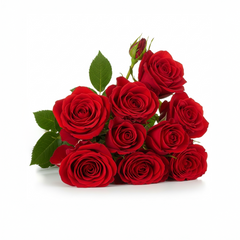
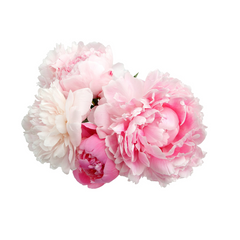
A litchi accord is built for crystalline, rose-like freshness. Litchi (cis-rose oxide, linalool) forms 30–35% of the blend for its green-metallic, juicy impact. Rose absolute (20–25%) provides structural overlap via shared cis-rose oxide and beta-damascenone. Peony (20–25%) adds watery, transparent florality through peoniflorin and linalool. Musk (20–25%) anchors the accord, enhancing diffusion and longevity by providing a soft, skin-like base that amplifies litchi’s top note.

35%

Litchi (cis-rose oxide accord)

30–35% of blend

Provides the crystalline, green-metallic, juicy top note via cis-rose oxide and linalool, mimicking the fruit’s natural aroma.

25%

Rose Absolute

20–25% of blend

Shares cis-rose oxide and beta-damascenone with litchi, creating a seamless fruity-floral bridge and reinforcing the rosy facet.

25%

Peony

20–25% of blend

Contributes watery, transparent florality through peoniflorin and linalool, enhancing the accord’s dewy, airy effect.

25%

Musk

20–25% of blend

Acts as a fixative and softening agent, amplifying litchi’s projection and smoothing transitions between fruit and floral notes.

The Olfactory Layers

How Litchi Evolves on Skin

Litchi’s olfactory evolution is rapid and transparent. The top note opens with a burst of green-metallic, juicy freshness (cis-rose oxide, linalool) within the first 0–15 minutes. As high-volatility compounds evaporate, the heart reveals a watery, floral transparency, while the base fades to a soft, musky skin scent, with only faint traces of fruit remaining.

I
Top notes
0–15 min
Crystalline Burst

A crystalline, green-metallic burst dominated by cis-rose oxide and linalool. The impression is dewy, juicy, and slightly mineral, with immediate projection and volatility. This phase is responsible for litchi’s signature rose-like freshness and is the most fleeting, as these molecules evaporate quickly.

crystallinegreen-metallicjuicy
II
Heart notes
20–60 min
Watery Florals

The floral and watery facets emerge as peony, rose, and supporting esters (e.g., geraniol, peoniflorin) become more prominent. The scent softens, retaining a subtle fruitiness but shifting toward a transparent, airy floral character.

wateryfloraltransparent
III
Base notes
Several hours
Soft Musk

The base is subtle and musky, with only faint traces of fruit. Musk and soft woods (if present) provide a gentle skin scent, while residual beta-damascenone and vanillin may add a whisper of sweetness. Litchi’s presence is largely gone by this stage.

muskysoftsubtle
TOP NOTES Crystalline Burst 0–15 minutes HEART NOTES Watery Florals 20–60 minutes BASE NOTES Soft Musk Several hours
Through the Ages

The Story of Litchi in Perfumery

Litchi’s journey from ancient Chinese delicacy to a modern perfumery staple spans over two millennia, with its synthetic reconstruction marking a turning point in contemporary fragrance design.

111 B.C.

Earliest Cultivation in China

Historical records from the Han dynasty document litchi cultivation in Guangdong and Fujian, where the fruit was prized for its aroma and flavor at the imperial court.

16th Century

Introduction to the West

Spanish bishop Juan González de Mendoza describes litchi as the 'Chinese plum' in one of the earliest Western accounts of China, highlighting its unique scent and taste.

1980s

Headspace Analysis and Synthetic Accord Development

Advances in GC-MS and headspace technology allow perfumers to analyze litchi’s volatile compounds, leading to the first synthetic litchi accords built from cis-rose oxide and supporting terpenes.

2008

Chloé Eau de Parfum Launch

Amandine Clerc-Marie and Michel Almairac introduce litchi as a dominant top note in Chloé Eau de Parfum, setting a new standard for fruity-floral transparency.

2017–2023

Litchi’s Modern Renaissance

Fragrances like Parfums de Marly Delina, Ex Nihilo Fleur Narcotique, and Kayali Eden Sparkling Lychee | 39 cement litchi’s status as a defining note in contemporary perfumery.

The Art of Layering

How to Layer Litchi

Understanding how to layer litchi is key to maximizing its crystalline, fruity-floral effect. At a molecular level, litchi’s cis-rose oxide and linalool form a bridge with rose, peony, and musks, while citrus and vanilla can modulate its projection and sweetness.

01

Enhance Florality

Layer litchi with rose or peony fragrances to amplify the shared cis-rose oxide and beta-damascenone, creating a seamless, dewy floral-fruity accord. Diptyque Eau Rose and Parfums de Marly Delina exemplify this pairing, resulting in a photorealistic, transparent effect.

02

Add Creaminess

Combine litchi with vanilla or almond notes to soften its green-metallic edge through olfactory masking. Vanilla’s vanillin molecule lowers the perceived sharpness, yielding a gourmand, rounded impression as seen in Britney Spears Fantasy.

03

Boost Freshness

Pair litchi with citrus (bergamot, grapefruit) or aquatic notes to enhance its crystalline, juicy quality. The shared terpenes (linalool, limonene) create a synergistic freshness, as demonstrated in Ex Nihilo Fleur Narcotique and Kayali Eden Sparkling Lychee | 39.

Wear It Right

How to Wear Litchi Like a Pro

Seasonal Guide

Fall & Winter

In cooler temperatures, litchi’s projection is reduced as molecular volatility decreases. Pair with richer florals, musks, or ambers to add warmth and longevity. Apply to pulse points under clothing to enhance diffusion.

Spring

Spring’s moderate temperatures allow litchi’s top note to shine. The note’s dewy, floral facets complement peony, rose, and green tea, making it ideal for fresh, uplifting compositions. Apply lightly to wrists and neck for a crisp, clean effect.

Summer

Heat increases litchi’s volatility, resulting in a brighter but shorter-lived projection. Layer with aquatic or citrus notes to enhance freshness. Reapply as needed, focusing on cooler skin areas to prolong the effect.

Year-Round Tip

For all-season versatility, layer litchi with musks or soft woods to anchor the top note and extend its presence. Adjust application based on climate and desired intensity—lighter in summer, richer in winter.

Application Points

Strategic application maximizes litchi’s projection and longevity, given its volatility and rapid evolution.

1

Neck

The neck’s warmth enhances litchi’s top note diffusion, creating an immediate, crystalline aura. Apply sparingly to avoid rapid evaporation.

2

Behind the Ears

This pulse point allows for subtle sillage as body heat releases litchi’s green-metallic facets gradually, prolonging the fresh impression.

3

Inner Wrists

Frequent movement and warmth amplify the juicy, dewy effect. Reapply as needed, as litchi’s volatility means the scent fades quickly here.

4

Hair

Spraying on hair provides a gentle, lingering trail. Hair’s lower temperature slows evaporation, extending litchi’s presence beyond the skin.

Pro Tip

Layer litchi-based fragrance over unscented moisturizer or body lotion to create a hydrated base, increasing longevity and enhancing projection.

Mood Architecture™

Top Litchi Fragrances by Mood Score

These Litchi-based fragrances scored highest on the MEI™ Mood Architecture Framework — measuring how a scent may influence your emotional state.

Highest MEI Score
Melrose Palace — Melrose Place Alternative Perfume
7.11
MEI™
Primary Fresh
Secondary Romantic
Confidence
6.02
Presence
6.3
Mood Lift
8.69
Identity
6.52
Warmth
7.02
Social Ease
8.09
Energy
3.2
" I am radiant.
View full mood profile →
HumanSafe™

Top Litchi Fragrances by HumanSafe™ Score

These Litchi-based fragrances have the highest product-level HumanSafe™ scores in this ingredient collection.

Highest HumanSafe™ Score
Melrose Palace — Melrose Place Alternative Perfume
A-
HumanSafe™ Score Generally Safe
Safest Evaluated Ingredients EDP
AQUA Solvent / Carrier ISS 10.0
BENZYL SALICYLATE Evaluated ingredient ISS 9.0
BENZENEPROPANAL, 4-ETHYL-.ALPHA.,.ALPHA.-DIMETHYL- Evaluated ingredient ISS 8.0
3-DECEN-5-OL, 4-METHYL- Evaluated ingredient ISS 8.0
LINALOOL Evaluated ingredient ISS 7.0
CITRONELLOL Evaluated ingredient ISS 7.0
View full safety profile →
Expert Voices

What Masters Say About Litchi

"Lychee is not a raw material, it's an accord of things that are sulphuric, buttery, and rosy."
David Seth Moltz, Perfumer, D.S. & Durga
Litchi’s crystalline, rose-metallic profile is constructed from cis-rose oxide, linalool, and supporting terpenes, providing a transparent bridge between fruit and floral notes.
CA Perfume Editorial
Common Questions

Frequently Asked Questions

Frequently asked questions about litchi in perfumery.

In perfume, litchi smells crystalline, rosy, and subtly aquatic, with a green-metallic freshness and juicy, dewy sweetness. The scent is built from synthetic molecules such as cis-rose oxide and linalool, creating an effect that bridges fruit and floral. It lacks the creamy or lactonic heaviness of stone fruits and instead offers a transparent, modern top note, as seen in Parfums de Marly Delina and Chloé Eau de Parfum.

Litchi is almost exclusively used as a top note in perfumery. Its key molecules are highly volatile, providing an immediate burst of freshness that typically lasts 30–60 minutes. The note’s crystalline, juicy character is most prominent in the opening phase of a fragrance.

Litchi’s popularity in niche perfumery stems from its ability to provide a modern, transparent, and photorealistic fruity-floral effect. Its synthetic construction allows for precise control over projection and clarity, making it ideal for contemporary compositions that seek a dewy, crystalline freshness. Iconic niche fragrances such as Ex Nihilo Fleur Narcotique and Parfums de Marly Delina have helped define this trend.

Litchi fragrance uses often involve pairing with rose, peony, jasmine, and musks. The shared cis-rose oxide and beta-damascenone molecules create a seamless bridge between fruit and floral, while vanilla and almond can add creaminess, and citrus notes enhance freshness. These combinations are exemplified in fragrances like Diptyque Eau Rose and Britney Spears Fantasy.

Yes, litchi’s volatility and crystalline freshness make it particularly well-suited for summer and warm climates. The note projects strongly in heat, providing a refreshing, juicy effect, though it may fade more quickly. Layering with aquatic or citrus notes can enhance its longevity in hot weather.

Litchi’s top note effect lasts approximately 30–60 minutes on skin, depending on concentration and supporting ingredients. While the initial projection is vivid, the note fades rapidly due to the volatility of cis-rose oxide and linalool. The overall fragrance may persist longer, but the litchi impression is most prominent in the opening.

Yes, litchi is highly versatile for layering. Its crystalline, rose-like profile pairs well with florals (rose, peony), musks, and citrus notes. Layering can enhance florality, add creaminess, or boost freshness, depending on the chosen combination. For best results, select fragrances with shared terpenic or rosy facets.

Beginner-friendly litchi perfumes include Chloé Eau de Parfum, Parfums de Marly Delina, Diptyque Eau Rose, and Kayali Eden Sparkling Lychee | 39. These fragrances showcase litchi’s signature freshness in accessible, well-balanced compositions that highlight its fruity-floral character.

To select the right litchi fragrance at CA Perfume, consider your preferred balance of fruitiness, florality, and freshness. Explore options that pair litchi with rose, peony, or musks for a classic effect, or with citrus and woods for a modern twist. CA Perfume’s HumanSafe™ platform ensures all litchi-based scents use IFRA-compliant, traceable aroma molecules.

Litchi perfume is typically not overly sweet; its crystalline, dewy freshness and subtle rosy undertone make it suitable for daily use. The note’s sweetness is balanced by green-metallic and aquatic facets, resulting in a refined, modern impression rather than a candied or gourmand effect.

Fruity Floral Collection

Explore Our Top Litchi Fragrances

Discover litchi’s crystalline, rose-adjacent freshness in CA Perfume’s curated collection of fruity-floral scents.

Shop all litchi fragrances at CA Perfume →

Where Litchi Comes From — Origin & Extraction

Litchi (Litchi chinensis Sonn.) is a subtropical fruit native to southern China, with primary cultivation in Guangdong, Fujian, Hainan, and Yunnan provinces. China remains the world’s leading producer, accounting for over 60% of global output, with annual harvests exceeding 2 million metric tons. Secondary producers include India (notably Bihar and West Bengal), Thailand, Vietnam, and Madagascar, each contributing between 5–15% of the global market. The fruit belongs to the Sapindaceae family, sharing botanical lineage with longan and rambutan. Despite its popularity as a fruit, there is no commercial natural litchi extract or essential oil available for perfumery. The high water content and delicate aroma compounds of litchi flesh make conventional extraction methods (steam distillation, solvent extraction, CO2 extraction) unfeasible; attempts yield either negligible aroma or excessive off-notes. Instead, the litchi note is constructed synthetically, using headspace analysis of fresh fruit to identify key volatiles. The primary molecules used to recreate litchi’s scent are cis-rose oxide (CAS 16409-43-1), linalool (CAS 78-70-6), geraniol (CAS 106-24-1), beta-damascenone (CAS 23696-85-7), and supporting esters and sulfur compounds (e.g., dimethyl trisulfide, methional) for realism. Synthetic litchi accords are produced by major aroma chemical houses (e.g., Givaudan, Firmenich, Symrise), with costs ranging from $80–$300/kg depending on purity and complexity. By contrast, the hypothetical cost of natural litchi absolute (if it existed) would be prohibitively high due to extremely low yield (<0.01%). Sustainability is inherently higher for synthetic litchi, as it avoids agricultural land use, water consumption, and transport emissions. The synthetic route also ensures batch-to-batch consistency and avoids the seasonal variability of natural harvests.

Famous Fragrances That Define Litchi in Perfumery

Litchi has become a signature note in modern fruity-floral perfumery, especially since the late 2000s. One of the earliest and most influential uses is Chloé Eau de Parfum (2008, Amandine Clerc-Marie and Michel Almairac), where litchi’s dewy, rose-like freshness defines the opening. Parfums de Marly Delina (2017, Quentin Bisch) elevated litchi to icon status, pairing it with Turkish rose and rhubarb for a sparkling, juicy effect that has inspired numerous contemporary launches. Ex Nihilo Fleur Narcotique (2014, Quentin Bisch) uses litchi as a bridge between peach and jasmine, creating a cold, crystalline floral-fruity accord. Mugler Angel Nova (2020, Sonia Constant, Louise Turner, Quentin Bisch) employs litchi to modernize the classic Angel DNA, adding a vibrant, juicy top note to raspberry and rose. Diptyque Eau Rose (2012, Fabrice Pellegrin) and Kayali Eden Sparkling Lychee | 39 (2023, Gabriela Chelariu) further showcase litchi’s versatility, pairing it with rose, peony, and musks for a photorealistic, transparent effect. These fragrances demonstrate litchi’s capacity to function as a dominant top note, a bridge between fruit and floral, or a supporting accent. CA Perfume’s collection draws inspiration from this lineage, offering litchi-based scents that highlight the note’s crystalline, modern character.

Natural vs Synthetic Litchi in Perfumery

Litchi in perfumery is a fully synthetic note, as no viable natural extract exists due to the fruit’s high water content and instability of its key aroma compounds. The synthetic litchi accord is built from a combination of cis-rose oxide (CAS 16409-43-1), linalool (CAS 78-70-6), and beta-damascenone (CAS 23696-85-7), with supporting roles from geraniol and citronellol. These molecules are selected for their ability to replicate the fruit’s green-metallic, rosy, and juicy facets. Performance-wise, synthetic litchi offers superior stability, longevity, and diffusion compared to any attempt at natural extraction. The top note effect is immediate and sparkling, with the synthetic accord maintaining clarity for 30–60 minutes before fading. Cost is a significant advantage: synthetic litchi accords are available at $80–$300/kg, while natural extraction (if possible) would exceed $10,000/kg due to extremely low yield and perishability. Famous fragrances such as Parfums de Marly Delina, Ex Nihilo Fleur Narcotique, and Diptyque Eau Rose all use synthetic litchi accords, typically sourced from leading aroma chemical suppliers. Sustainability is enhanced by the synthetic approach, as it reduces agricultural impact and ensures traceability. CA Perfume’s HumanSafe™ platform verifies the use of IFRA-compliant, traceable aroma molecules in all litchi-based compositions, ensuring transparency and consumer safety.