Ingredient Guide · Fresh Aromatic
Fresh Aromatic Family · Perfumery Note

Linen

The scent of fresh air and soft fabrics

Linen is a perfumery note capturing the crisp, clean essence of freshly laundered fabric, typically positioned as a heart note. Its scent profile features green and earthy nuances, often used at 1–5% concentration for freshness.

Linen
Ingredient Profile

Linen

Fresh Aromatic Family
Family Fresh Aromatic
Note Position Heart Note
Usage Level 1–5%
Key Origins Belgium, France, China
Iconic In White Linen, Linen
The Ingredient

What does Linen smell like and why is it significant in perfumery?

Linen, derived from the flax plant (Linum usitatissimum), is valued in perfumery for its clean, crisp scent reminiscent of freshly laundered fabric. Its olfactory character includes subtle green and earthy nuances, often created through a blend of ozonic, aldehydic, and soft floral molecules that simulate the airy freshness of sun-dried linen. In perfumery, linen functions primarily as a heart note, typically used at concentrations ranging from 1% to 5% to impart a refreshing, tranquil quality. Its scent interacts with skin chemistry by evoking a sensation of cleanliness and softness, often serving as a neutral yet uplifting backdrop that enhances other notes without overpowering them. Notable fragrances that exemplify linen’s use include Estée Lauder’s White Linen (1978), created by Sophia Grojsman, which combines aldehydes and florals over a woody base to evoke sun-dried linen, and Demeter Fragrance’s Linen (2015), which captures the essence of clean, fresh fabric with a subtle floral and green accord.

1–5%
Typical concentration range of linen accords in perfume formulations, balancing freshness with longevity and skin safety.
4–6 hours
Average longevity of linen fragrances on skin, influenced by formulation and layering with base notes.
1978
Year Estée Lauder’s White Linen was launched, marking linen’s iconic presence in perfumery.
Origin & Extraction

Where Linen Comes From — Origin & Extraction

Linen’s olfactory character is influenced by the geography of flax cultivation, where soil composition, climate, and traditional processing shape the fabric’s fresh aroma. Regions with temperate climates and fertile soils produce linen with a crisp, clean scent profile favored in perfumery.

Linen originates from the flax plant, Linum usitatissimum, cultivated primarily in Belgium, France, and China—regions known for fertile soils and favorable climates that influence the textile's fresh aromatic qualities. Belgium is renowned for high-quality linen with a soft texture and fresh aroma, France for artisanal refinement and fragrant fabric, and China for innovative cultivation methods producing crisp, clean linen. The scent associated with linen in perfumery is not extracted directly from the plant but is rather a crafted accord using aromatic molecules that mimic the olfactory impression of fresh linen fabric. These accords often combine ozonic notes, aldehydes, and subtle florals to replicate the crispness and airy freshness. Extraction methods for natural aromatic ingredients used in linen accords include solvent extraction, steam distillation, and CO2 extraction for delicate floral and green notes. Synthetic aroma chemicals are also integral, providing consistency and stability. Natural linen accords are more costly due to the complexity of raw materials and extraction processes, with prices varying widely depending on the components used. Synthetic molecules offer cost-effective alternatives, enhancing sustainability by reducing reliance on agricultural resources.

BE

Belgium

Belgian linen is prized for its soft texture and fresh aroma, cultivated in fertile soils with moderate rainfall. It holds a significant market share in luxury linen production, benefiting from centuries of artisanal craftsmanship.

FR

France

French linen, especially from Normandy and Brittany, is known for its elegance and refinement. The region’s artisanal techniques and temperate maritime climate yield linen with a subtle, fragrant freshness and high-quality texture.

CN

China

China is a major linen producer, employing innovative agricultural methods and large-scale cultivation. Chinese linen is characterized by its crispness and clean scent, with production volumes accounting for a significant portion of the global market.

Chemistry

Natural vs Synthetic Linen in Perfumery

Linen accords in perfumery are predominantly created through a blend of natural extracts and synthetic aroma chemicals. Natural components may include essential oils and absolutes from florals like jasmine and lily, extracted via solvent extraction or CO2 methods. However, the direct scent of linen fabric is not naturally extractable, making synthetic molecules essential. Key synthetic molecules used to replicate linen’s fresh, clean scent include aldehydes (e.g., aldehyde C14), cis-3-hexenol (green, freshly cut grass scent), and ozonic compounds that provide airy, crisp facets. These synthetics (CAS numbers vary by molecule) offer superior longevity, diffusion, and batch-to-batch consistency compared to natural extracts. Cost-wise, synthetic aroma chemicals are significantly less expensive, enabling broader commercial use. Sustainability considerations favor synthetics due to reduced agricultural impact and resource use. CA Perfume employs the HumanSafe™ platform to ensure transparency and safety in sourcing both natural and synthetic ingredients, balancing authenticity with environmental responsibility.

Natural
Linen Absolute
Cost $3,000–6,000/kg
Method Solvent / CO₂
Character Complex, variable
vs
Synthetic
Safranal & Analogues
Cost $50–200/kg
Method Lab synthesis
Character Consistent, stable
Hall of Fame

Famous Fragrances That Define Linen in Perfumery

1978
dominant note

White Linen

Estée Lauder
by Sophia Grojsman
aldehydesfloralssandalwoodcedar
2015
dominant note

Linen

Demeter Fragrance
floralgreen accords
2016
accent note

Cardinal

James Heeley
green notesflorals
2019
supporting note

Loewe 001 Woman

Loewe
floralwoody
2020
accent note

Sun Bleached

Une Nuit Nomade
woodysun-dried accords

Linen has been a defining note in several landmark fragrances, often used to evoke cleanliness, freshness, and airy softness. Estée Lauder’s White Linen (1978), crafted by Sophia Grojsman, is a seminal aldehydic floral that uses linen as a conceptual anchor, blending aldehydes, florals, and a woody base to evoke sun-dried linen on a clothesline. Demeter Fragrance’s Linen (2015) captures the essence of freshly laundered fabric with a minimalist, clean accord. James Heeley’s Cardinal (2016) incorporates linen-like freshness with green and floral notes, while Loewe 001 Woman (2019) by Loewe uses linen accords to add airy softness to its floral-woody composition. Une Nuit Nomade’s Sun Bleached (2020) offers a warm, sun-dried linen impression with subtle woody undertones. These fragrances demonstrate linen’s versatility as a bridge or accent note, enhancing freshness and comfort. CA Perfume’s collection respects this lineage, offering linen-inspired accords that maintain the note’s signature clarity and tranquility.

The Accord

How is a captivating Linen accord crafted?

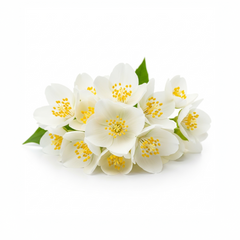
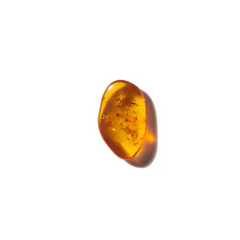
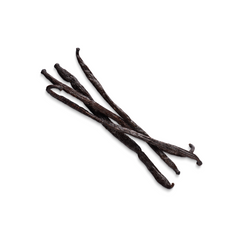
A linen accord typically blends fresh, ozonic notes (30–35%) that simulate airy cleanliness with soft florals like jasmine (20–25%) to add delicate sensuality. Warm amber (15–20%) provides a subtle resinous depth that balances the crispness, while vanilla (20–25%) introduces creamy warmth to soften the overall effect. This combination mimics the olfactory impression of sun-dried linen with a comforting, fresh, and slightly floral character.

35%

Linen Accord

30–35% of blend

Provides the crisp, ozonic freshness that defines the clean linen scent, simulating airy fabric.

25%

Jasmine

20–25% of blend

Adds soft floral nuances that complement linen’s crispness with delicate sensuality.

20%

Amber

15–20% of blend

Introduces warm, resinous depth that balances the fresh top notes and enhances longevity.

25%

Vanilla

20–25% of blend

Softens the accord with creamy warmth, masking any sharp edges and inviting comfort.

The Olfactory Layers

How Linen Evolves on Skin

Linen fragrances unfold through a fresh olfactory journey beginning with bright, green, and ozonic top notes that evaporate within 15 minutes. The heart reveals soft floral and herbal molecules that emerge over 20 to 60 minutes, providing airy and delicate complexity. The base notes develop over several hours, where warm vanilla and amber compounds linger, imparting a gentle softness and longevity.

I
Top notes
0–15 min
Bright Crispness

The initial impression is a bright, crisp burst of ozonic and green aldehydic molecules such as cis-3-hexenol, evoking freshly washed linen dried in sunlight. These high-volatility compounds evaporate quickly, creating a clean and invigorating opening.

CrispOzonicGreen
II
Heart notes
20–60 min
Soft Floral Airiness

Soft floral notes like jasmine and lily-of-the-valley emerge, supported by subtle herbal nuances. These molecules have moderate volatility, providing a delicate, airy character that enhances the linen’s freshness with gentle complexity.

FloralAiryDelicate
III
Base notes
Several hours
Warm Comfort

Warm, creamy molecules such as vanillin and amber resins form the base, offering a soft, comforting dry down. These low-volatility compounds ensure lasting warmth and smoothness, balancing the initial crispness.

WarmCreamySoft
TOP NOTES Bright Crispness 0–15 minutes HEART NOTES Soft Floral Airiness 20–60 minutes BASE NOTES Warm Comfort Several hours
Through the Ages

The Story of Linen in Perfumery

Linen’s presence in perfumery reflects its historical and cultural significance, evolving from textile aroma to a crafted fragrance accord over centuries.

Antiquity

Early Use of Linen

Linen fabric, derived from flax, was used in ancient Egypt and Mesopotamia, valued for its texture and subtle natural scent, though not yet a perfumery ingredient.

19th Century

Industrial Linen Production

Advancements in flax cultivation and textile manufacturing in Europe increased linen availability, indirectly influencing the association of linen scent with cleanliness and freshness.

1978

White Linen by Estée Lauder Launch

Sophia Grojsman created White Linen, a landmark aldehydic floral fragrance that conceptualized linen’s fresh scent in perfumery, popularizing linen accords.

2015

Demeter Fragrance Linen Release

Demeter Fragrance introduced Linen, a minimalist scent capturing the pure essence of freshly laundered fabric, emphasizing linen’s olfactory identity.

2020s

Modern Linen-Inspired Fragrances

Contemporary perfumers increasingly incorporate linen accords in fresh, clean compositions, blending natural and synthetic molecules to evoke airy, comforting freshness.

The Art of Layering

How to Layer Linen

Understanding how to layer linen involves combining it with notes that complement its fresh and airy character at a molecular level, enhancing longevity and complexity.

01

Enhance Sweetness

Layer linen with vanilla or white honey to soften aldehydic sharpness through olfactory masking, where vanillin’s creamy molecules reduce perceived harshness. This pairing is exemplified in accords like Estée Lauder White Linen.

02

Add Depth

Combine linen with amber or sandalwood to introduce warm, resinous base notes that stabilize volatile aldehydes and ozonic compounds, extending scent longevity and adding richness, as seen in Une Nuit Nomade’s Sun Bleached.

03

Lighten the Glow

Pair linen with citrus or green notes such as bergamot or petitgrain, which share fresh, volatile molecules that blend seamlessly with linen’s crispness, creating a bright, uplifting effect. Maison Margiela’s Lazy Sunday Morning demonstrates this synergy.

Wear It Right

How to Wear Linen Like a Pro

Seasonal Guide

Fall & Winter

Cooler temperatures reduce volatility, allowing linen’s warm base notes like amber and vanilla to shine, creating a cozy, comforting aura. Apply more liberally for better projection.

Spring

Moderate warmth enhances linen’s crisp top and floral heart notes, making it ideal for fresh, uplifting wear. Layer with light florals for added complexity.

Summer

Heat increases evaporation of fresh aldehydes and ozonic notes, intensifying linen’s airy brightness. Use sparingly to avoid rapid fade and pair with citrus or aquatic notes for cooling effect.

Year-Round Tip

Layer linen with soft musks or vanilla to extend longevity and smooth transitions between seasons, maintaining freshness with balanced warmth.

Application Points

Strategic application enhances linen’s fresh and soft olfactory experience.

1

Neck

Pulse points like the neck emit warmth that activates linen’s aldehydic and floral molecules, enhancing projection and scent evolution.

2

Behind the Ears

This area’s warmth and subtle movement release linen’s airy top notes gently, creating a soft, intimate aura.

3

Inner Wrists

Wrists offer warmth and frequent exposure to air, helping the fresh linen facets to radiate throughout the day.

4

Hair

Hair holds scent well and releases linen’s soft floral and ozonic notes gradually, providing a lingering freshness.

Pro Tip

Layer linen fragrances with unscented moisturizers to enhance longevity and maintain the note’s crispness without overpowering.

HumanSafe™

Linen Safety Profile in Our Fragrances

No ingredient collection was found for linen.

Create or connect a collection with the same handle as this ingredient, then add products that contain this ingredient.

Expert Voices

What Masters Say About Linen

Linen accords provide a unique olfactory experience by evoking the sensation of freshly laundered fabric through a blend of ozonic, aldehydic, and floral molecules, creating a clean and tranquil fragrance foundation.
CA Perfume Editorial
Sophia Grojsman’s creation of White Linen in 1978 remains a landmark in perfumery, demonstrating how linen-inspired aldehydic florals can capture the essence of sun-dried fabric with elegance and clarity.
CA Perfume Editorial
Common Questions

Frequently Asked Questions

Answers to common questions about linen in perfume, enhancing understanding of its scent and uses.

Linen in perfume smells clean, crisp, and fresh, reminiscent of freshly laundered fabric with subtle green and earthy nuances. It is often created using a blend of ozonic, aldehydic, and soft floral molecules that simulate the airy freshness of sun-dried linen, as exemplified in Estée Lauder’s White Linen.

Linen is typically used as a heart note in fragrances, providing a fresh and clean middle layer that bridges bright top notes and warm base notes. Its aldehydic and ozonic components evaporate moderately, allowing linen to maintain presence for several hours.

Linen is favored in niche perfumery for its ability to evoke purity, tranquility, and comfort through a clean, airy scent profile. Its versatility allows it to blend seamlessly with florals, woods, and musks, creating sophisticated fresh compositions that appeal to consumers seeking understated elegance.

Linen fragrance uses often pair linen with jasmine, amber, vanilla, white honey, and lavender. These notes complement linen’s crispness by adding floral softness, warm resinous depth, creamy sweetness, and herbal nuances, enhancing the overall freshness and complexity.

Yes, linen perfumes are well-suited for summer due to their fresh, airy qualities. However, heat increases volatility, so lighter application and pairing with citrus or aquatic notes can help maintain a balanced, cooling effect throughout the day.

Linen fragrances typically last around 4 to 6 hours on the skin, depending on formulation and the presence of base notes like amber or vanilla that extend longevity.

Absolutely. Linen’s clean and neutral profile makes it an excellent base for layering. It pairs well with florals, musks, and warm notes, allowing for personalized scent combinations that enhance freshness and depth.

For those new to linen scents, lighter compositions that blend linen with floral or citrus elements are recommended. Examples include Maison Margiela Lazy Sunday Morning and Demeter Linen, which offer approachable, fresh, and airy profiles.

Selecting a linen fragrance at CA Perfume involves considering your preference for freshness intensity, floral or warm undertones, and longevity. Sampling lighter versus richer linen accords can help identify a scent that suits your style and seasonal needs.

Linen primarily smells fresh and clean with subtle green and floral nuances rather than sweet or spicy. Sweetness may be introduced through complementary notes like vanilla or white honey, but linen itself maintains a crisp, airy character.

Fresh Aromatic Collection

Explore Our Top Linen Fragrances

Discover curated linen-inspired scents that capture the essence of freshness and tranquility.

Shop all linen fragrances at CA Perfume →

Where Linen Comes From — Origin & Extraction

Linen originates from the flax plant, Linum usitatissimum, cultivated primarily in Belgium, France, and China—regions known for fertile soils and favorable climates that influence the textile's fresh aromatic qualities. Belgium is renowned for high-quality linen with a soft texture and fresh aroma, France for artisanal refinement and fragrant fabric, and China for innovative cultivation methods producing crisp, clean linen. The scent associated with linen in perfumery is not extracted directly from the plant but is rather a crafted accord using aromatic molecules that mimic the olfactory impression of fresh linen fabric. These accords often combine ozonic notes, aldehydes, and subtle florals to replicate the crispness and airy freshness. Extraction methods for natural aromatic ingredients used in linen accords include solvent extraction, steam distillation, and CO2 extraction for delicate floral and green notes. Synthetic aroma chemicals are also integral, providing consistency and stability. Natural linen accords are more costly due to the complexity of raw materials and extraction processes, with prices varying widely depending on the components used. Synthetic molecules offer cost-effective alternatives, enhancing sustainability by reducing reliance on agricultural resources.

Famous Fragrances That Define Linen in Perfumery

Linen has been a defining note in several landmark fragrances, often used to evoke cleanliness, freshness, and airy softness. Estée Lauder’s White Linen (1978), crafted by Sophia Grojsman, is a seminal aldehydic floral that uses linen as a conceptual anchor, blending aldehydes, florals, and a woody base to evoke sun-dried linen on a clothesline. Demeter Fragrance’s Linen (2015) captures the essence of freshly laundered fabric with a minimalist, clean accord. James Heeley’s Cardinal (2016) incorporates linen-like freshness with green and floral notes, while Loewe 001 Woman (2019) by Loewe uses linen accords to add airy softness to its floral-woody composition. Une Nuit Nomade’s Sun Bleached (2020) offers a warm, sun-dried linen impression with subtle woody undertones. These fragrances demonstrate linen’s versatility as a bridge or accent note, enhancing freshness and comfort. CA Perfume’s collection respects this lineage, offering linen-inspired accords that maintain the note’s signature clarity and tranquility.

Natural vs Synthetic Linen in Perfumery

Linen accords in perfumery are predominantly created through a blend of natural extracts and synthetic aroma chemicals. Natural components may include essential oils and absolutes from florals like jasmine and lily, extracted via solvent extraction or CO2 methods. However, the direct scent of linen fabric is not naturally extractable, making synthetic molecules essential. Key synthetic molecules used to replicate linen’s fresh, clean scent include aldehydes (e.g., aldehyde C14), cis-3-hexenol (green, freshly cut grass scent), and ozonic compounds that provide airy, crisp facets. These synthetics (CAS numbers vary by molecule) offer superior longevity, diffusion, and batch-to-batch consistency compared to natural extracts. Cost-wise, synthetic aroma chemicals are significantly less expensive, enabling broader commercial use. Sustainability considerations favor synthetics due to reduced agricultural impact and resource use. CA Perfume employs the HumanSafe™ platform to ensure transparency and safety in sourcing both natural and synthetic ingredients, balancing authenticity with environmental responsibility.