
Ingredient Guide · Citrus
Citrus Family · Perfumery Note

Lemon

The quintessential top note for sparkling freshness.

Lemon is a classic top note in perfumery, prized for its sharp, zesty, and clean character. Its defining aroma comes from cold-pressed Citrus limon oil, rich in D-limonene and citral, and is typically used at 1–3% of a fragrance formula.

Lemon
Ingredient Profile

Lemon

Citrus Family
Family Citrus
Note Position Base Note
Usage Level 1–3%
Key Origins Italy, Spain, Argentina
Iconic In Acqua di Parma Colonia, Eau d’Hadrien
The Ingredient

What does Lemon smell like and why is it essential in perfumery?

Lemon (Citrus limon) is botanically classified as a hybrid between citron (C. medica) and bitter orange (C. aurantium). In perfumery, its essential oil is extracted primarily from the peel, yielding a scent profile that is immediately recognizable: sharp, zesty, and clean, with a slightly sour edge and a subtle sweet undertone. The dominant molecule, D-limonene (62–70%), provides the generic citrus brightness, while citral (a mix of geranial and neral, 2–5%) delivers the distinctive tart, lemony sharpness. Beta-pinene and gamma-terpinene add aromatic and green facets, rounding out the olfactory experience. This complex molecular composition gives lemon its vibrant, uplifting character, distinguishing it from other citrus notes like bergamot or orange. In perfumery, lemon is the archetypal top note, used for its high volatility and immediate impact. It is typically dosed at 1–3% of a fragrance formula, though in classic eaux de cologne, concentrations can reach 5–10%. Due to its volatility, lemon’s effect is most pronounced in the first 10–20 minutes after application, rapidly evaporating and giving way to heart and base notes. On skin, lemon’s scent can be subtly altered by individual skin pH and moisture, sometimes accentuating its sourness or revealing a faintly soapy, waxy nuance as the lighter molecules dissipate. Lemon in perfumery is showcased in numerous iconic fragrances. Dolce&Gabbana Light Blue (2001, Olivier Cresp) features a sparkling lemon top note that evokes Mediterranean summer, while Chanel Allure Homme Edition Blanche (2008, Jacques Polge) uses Sicilian lemon for a creamy, tart opening. In niche perfumery, Profumum Roma Acqua Viva (2006) is renowned for its photorealistic, sun-drenched lemon accord. These examples highlight lemon’s versatility as both a dominant and supporting note, cementing its status as a foundational element in modern fragrance composition.

1–3%
Typical concentration of lemon oil in fine fragrance formulas. Higher levels risk phototoxicity and can overwhelm other notes due to volatility.
10–20 minutes
Average duration of lemon’s top note effect on skin. High-volatility terpenes evaporate rapidly, requiring reapplication for sustained freshness.
<2%
IFRA-recommended maximum for cold-pressed lemon oil in leave-on products to minimize phototoxicity and skin sensitization.
Origin & Extraction

Where Lemon Comes From — Origin & Extraction

Lemon’s scent character is shaped by the climate and soil of its growing region. Mediterranean lemons, especially from Sicily and the Amalfi Coast, are prized for their high citral content and intense zestiness, while Spanish and Argentine lemons offer a slightly softer, sweeter profile due to different soil minerals and rainfall patterns.

Lemon essential oil is derived from the peel of Citrus limon, a species native to the Indo-Burmese region but now cultivated globally. The tree is a hybrid between citron (C. medica) and bitter orange (C. aurantium), with commercial cultivation centered in Mediterranean countries. Italy (especially Sicily and the Amalfi Coast), Spain, Argentina, and the United States (California) are leading producers. Sicily alone accounts for a significant portion of European lemon oil, with annual Italian production exceeding 20,000 metric tons of fruit for essential oil extraction. The primary extraction method is cold pressing (expression), where the fresh peel is mechanically punctured and pressed to release oil from the flavedo’s oil glands. This process occurs at ambient temperature, preserving the full spectrum of volatile compounds. Cold-pressed lemon oil is prized for its zesty, complex aroma, while steam-distilled oil, less commonly used in fine perfumery, yields a softer, less tart profile lacking the peel’s tannic bite. Yields from cold pressing average 0.5–1.5% by weight of fresh peel. Natural lemon oil costs approximately $30–50/kg (bulk), while synthetic substitutes based on D-limonene or citral are available for $10–20/kg. The rise of synthetic citral (CAS 5392-40-5) and D-limonene (CAS 5989-27-5) has increased supply chain stability and reduced costs for mass-market perfumery. Sustainability concerns focus on agricultural practices, water use, and fair labor in Mediterranean and South American orchards. Cold-pressed lemon oil is not endangered, but responsible sourcing and organic certification are increasingly prioritized by major fragrance houses.

IT

Italy

Sicily and the Amalfi Coast are renowned for producing cold-pressed lemon oil with high citral content and vibrant aroma. Sicily supplies over 90% of Italy’s lemon crop, with annual production exceeding 500,000 metric tons. The region’s volcanic soil and mild winters yield lemons with exceptional aromatic intensity, and the Femminello cultivar is especially valued in perfumery.

ES

Spain

Murcia and Valencia are major lemon-producing regions, accounting for over 60% of Spain’s output. Spanish lemon oil is noted for its slightly sweeter, less acidic profile, influenced by limestone-rich soils and moderate rainfall. Spain is the world’s second-largest lemon exporter, with a focus on sustainable, integrated pest management practices.

AR

Argentina

Tucumán province leads Argentina’s lemon industry, producing over 1 million metric tons annually. Argentine lemon oil is characterized by a balanced, rounded aroma with moderate citral levels. The region’s subtropical climate and alluvial soils support large-scale, mechanized harvesting and cold-press extraction.

US

United States

California’s Central Valley is the primary US lemon source, with Eureka and Lisbon cultivars dominating. US lemon oil is valued for its clean, bright profile and consistent quality, with production exceeding 800,000 metric tons per year. Strict quality standards and advanced irrigation contribute to reliable yields.

Chemistry

Natural vs Synthetic Lemon in Perfumery

Natural lemon oil is a complex mixture dominated by D-limonene (62–70%, CAS 5989-27-5), with beta-pinene (8–16%, CAS 127-91-3), gamma-terpinene (7–12%, CAS 99-85-4), and citral (2–5%, CAS 5392-40-5) providing the characteristic sharpness. Synthetic lemon notes are typically built from isolated D-limonene, citral, and supporting aldehydes (e.g., citral dimethyl acetal, CAS 676-68-2) to mimic the natural profile. Synthetic citral is especially important for stability and cost efficiency, as it resists oxidation better than natural oil and is less prone to batch variation. Performance-wise, synthetic lemon accords offer greater longevity and consistency, as natural lemon oil is highly volatile and susceptible to photodegradation. Natural lemon oil may cause skin sensitization and is phototoxic above 2% concentration, leading to IFRA restrictions in leave-on products. Synthetic analogs can be engineered to reduce allergenic potential and phototoxicity. Notable fragrances using natural lemon include Acqua di Parma Colonia (1916) and Guerlain Aqua Allegoria Lemon Fresca (1999), while many modern designer scents rely on synthetic lemon for stability. The HumanSafe™ platform at CA Perfume ensures full transparency regarding the source and safety of both natural and synthetic lemon ingredients, supporting sustainable and allergen-conscious formulation.

Natural
Lemon Absolute
Cost $3,000–6,000/kg
Method Solvent / CO₂
Character Complex, variable
vs
Synthetic
Safranal & Analogues
Cost $50–200/kg
Method Lab synthesis
Character Consistent, stable
Hall of Fame

Famous Fragrances That Define Lemon in Perfumery

1916
dominant note

Acqua di Parma Colonia

Acqua di Parma
lavenderrosemaryvetiver
1981
dominant note

Eau d’Hadrien

Annick Goutal
by Annick Goutal, Francis Camail
cypressgrapefruitaldehydes
2001
dominant note

Light Blue

Dolce&Gabbana
by Olivier Cresp
applecedarbamboo
2008
dominant note

Allure Homme Edition Blanche

Chanel
by Jacques Polge
sandalwoodvanillabergamot
2006
dominant note

Acqua Viva

Profumum Roma
cypresscedarmusk

Lemon has shaped the identity of countless fragrances across genres. In Acqua di Parma Colonia (1916), lemon is the signature top note, paired with lavender and rosemary for a classic Italian cologne structure. Annick Goutal’s Eau d’Hadrien (1981, Annick Goutal and Francis Camail) is renowned for its photorealistic, sunlit lemon accord, setting a benchmark for citrus fragrances. Dolce&Gabbana Light Blue (2001, Olivier Cresp) uses Sicilian lemon to evoke Mediterranean freshness, while Chanel Allure Homme Edition Blanche (2008, Jacques Polge) features a creamy, tart lemon opening that transitions into sandalwood and vanilla. Profumum Roma Acqua Viva (2006) is celebrated in niche circles for its hyper-realistic lemon peel effect, achieved through a high concentration of natural lemon oil. More recently, Maison Margiela Replica Under the Lemon Trees (2019, Violaine Collas) combines lemon with green and musky notes to recreate the atmosphere of a Mediterranean grove. CA Perfume’s collection draws inspiration from these milestones, offering both classic and modern interpretations of the lemon note.

The Accord

How is a captivating Lemon accord crafted?

A lemon accord balances zesty sharpness with aromatic and softening notes. Lemon oil (30–35%) provides the core brightness, while bergamot (20–25%) adds floral-green nuance via linalyl acetate. Neroli (20–25%) introduces a sweet, orange-blossom facet through nerolidol and linalool. Vetiver (20–25%) grounds the accord with earthy, woody depth, using vetiverol and vetiveryl acetate to temper volatility. This structure delivers a multidimensional citrus opening that remains vibrant yet rounded.

35%

Lemon

30–35% of blend

Lemon oil provides the signature zesty, sharp, and slightly sour top note via D-limonene and citral. It defines the accord’s freshness and immediate impact.

25%

Bergamot

20–25% of blend

Bergamot introduces a floral-green nuance through linalyl acetate and limonene, softening lemon’s acidity and extending the citrus effect.

25%

Neroli

20–25% of blend

Neroli adds a sweet, orange-blossom facet via nerolidol and linalool, bridging citrus sharpness with floral transparency.

25%

Vetiver

20–25% of blend

Vetiver’s earthy, woody molecules (vetiverol, vetiveryl acetate) anchor the accord, reducing volatility and adding subtle dryness.

The Olfactory Layers

How Lemon Evolves on Skin

Lemon’s olfactory evolution is rapid and dynamic. The top note delivers an immediate burst of zesty freshness, driven by high-volatility molecules like D-limonene and citral, which evaporate within 10–20 minutes. As these fade, subtle green and waxy nuances linger briefly before giving way to the fragrance’s heart and base.

I
Top notes
0–15 min
Zesty Citrus Burst

The opening is dominated by D-limonene and citral, producing a sharp, zesty, and slightly sour impression reminiscent of freshly grated lemon peel. The volatility of these molecules ensures an immediate, high-impact freshness that quickly dissipates, leaving a fleeting trace of aromatic brightness.

ZestySharpEffervescent
II
Heart notes
20–60 min
Green Aromatic Nuance

As the top note fades, beta-pinene and gamma-terpinene contribute subtle green, aromatic, and slightly resinous facets. The heart is less acidic, with a waxy, rounded citrus warmth and faint floral undertones, often supported by other citrus or herbal notes in the composition.

GreenWaxyAromatic
III
Base notes
Several hours
Soapy Clean Residue

Lemon’s own molecules rarely persist into the base, but a faint soapy or musky cleanness may linger, especially if supported by fixatives. Any residual citrus character is subtle, with the main impression having long since evaporated.

CleanSoapySubtle
TOP NOTES Zesty Citrus Burst 0–15 minutes HEART NOTES Green Aromatic Nuance 20–60 minutes BASE NOTES Soapy Clean Residue Several hours
Through the Ages

The Story of Lemon in Perfumery

Lemon’s journey in perfumery spans from ancient cultivation to its modern role as a signature top note. Its extraction and use have evolved with advances in chemistry and global trade.

8th Century

Introduction to Mediterranean Europe

Arab traders introduce Citrus limon to southern Italy and Spain, establishing lemon as a staple crop in the Mediterranean basin. Early use focuses on culinary and medicinal properties.

1780

First Technical Description of Lemon Oil Extraction

Abbot Domenico Sestini documents the Sicilian 'sponge' extraction method, detailing the manual cold-pressing of lemon peel for essential oil. This marks the beginning of lemon oil’s commercial production.

1916

Acqua di Parma Colonia Launches

Acqua di Parma Colonia debuts, using lemon as a defining top note and setting the standard for Italian citrus colognes. The fragrance’s success popularizes lemon in modern perfumery.

1981

Eau d’Hadrien Sets the Citrus Benchmark

Annick Goutal and Francis Camail create Eau d’Hadrien, renowned for its photorealistic lemon accord. The fragrance becomes a reference point for citrus compositions in niche and designer perfumery.

2001–Present

Lemon in Contemporary Fragrance

Lemon remains a cornerstone of both mass-market and niche perfumery, featured in bestsellers like Dolce&Gabbana Light Blue and Chanel Allure Homme Edition Blanche. Advances in extraction and synthesis ensure consistent quality and supply.

The Art of Layering

How to Layer Lemon

Understanding how to layer lemon is key to maximizing its freshness and longevity. At a molecular level, lemon’s high-volatility terpenes interact with floral, green, and woody notes to create dynamic, multidimensional effects.

01

Enhance Freshness

Layer lemon with bergamot or grapefruit to amplify the citrus accord. Shared molecules like D-limonene and beta-pinene create a seamless, sparkling effect, as seen in Guerlain Aqua Allegoria Pamplelune. The overlap in volatility ensures a unified, effervescent opening.

02

Add Depth

Pair lemon with vetiver or cedarwood to ground its brightness. Vetiverol and vetiveryl acetate in vetiver act as olfactory anchors, slowing the evaporation of lemon’s top notes and adding earthy complexity. Chanel Allure Homme Edition Blanche demonstrates this synergy.

03

Soften the Edge

Combine lemon with neroli or jasmine to introduce floral sweetness. Linalool and nerolidol in these notes provide olfactory masking, reducing lemon’s acidity and creating a smoother, more rounded impression. Dolce&Gabbana Light Blue employs this technique for a balanced citrus-floral effect.

Wear It Right

How to Wear Lemon Like a Pro

Seasonal Guide

Fall & Winter

Cooler temperatures suppress lemon’s volatility, resulting in a softer, subtler projection. Apply to pulse points and layer with warmer notes (e.g., amber, woods) to maintain freshness without overwhelming the senses. Reapplication may be necessary for sustained effect.

Spring

Spring’s moderate temperatures and rising humidity enhance lemon’s brightness and sillage. Apply to exposed skin for a crisp, invigorating effect, and consider pairing with green or floral notes to echo the season’s renewal.

Summer

High heat accelerates the evaporation of lemon’s volatile molecules, maximizing projection but reducing longevity. Apply to cool, shaded areas of the body and avoid direct sun exposure due to phototoxicity risk. Lemon pairs well with aquatic and herbal notes for a refreshing summer profile.

Year-Round Tip

For consistent performance, layer lemon-based fragrances with longer-lasting base notes or use as a brightening accent in multi-layer routines. Adjust application frequency based on climate and activity level.

Application Points

Strategic application maximizes lemon’s impact and minimizes phototoxicity risk. Focus on pulse points and avoid sun-exposed areas after use.

1

Neck

Applying lemon-based fragrance to the neck leverages body heat for rapid diffusion, creating an immediate, vibrant impression. Avoid direct sun exposure to reduce phototoxicity risk.

2

Behind the Ears

This area is slightly cooler and less exposed to sunlight, allowing the lemon note to linger briefly. The proximity to the face enhances the perception of freshness.

3

Inner Wrists

Pulse points on the wrists amplify volatility, releasing lemon’s zesty aroma with each movement. Reapply as needed due to rapid evaporation.

4

Hair

Spraying on hair provides a subtle, diffusive trail as hair moves. Alcohol-based formulas should be used sparingly to avoid dryness.

Pro Tip

Layer lemon with a fixative-rich base (e.g., vetiver or musk) to extend its presence, or apply over unscented moisturizer to slow evaporation and enhance projection.

Mood Architecture™

Top Lemon Fragrances by Mood Score

These Lemon-based fragrances scored highest on the MEI™ Mood Architecture Framework — measuring how a scent may influence your emotional state.

Highest MEI Score
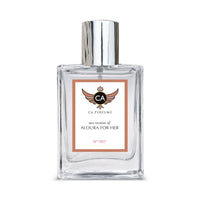
Aloura For Her — Chanel Allure For Her Alternative Perfume
8.68
MEI™
Primary Romantic
Secondary Confident
Confidence
7.83
Presence
8.15
Mood Lift
9.5
Identity
7.83
Warmth
9.5
Social Ease
9.5
Energy
4.6
" I am beautiful.
View full mood profile →
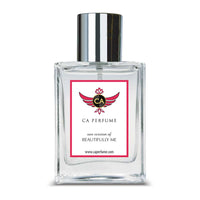
Beautifully Me — Estee Lauder Beautiful Alternative Perfume
8.56
MEI™
Primary Romantic
Secondary Confident
Confidence
7.87
Presence
8.75
Mood Lift
9.5
Identity
8.27
Warmth
9.49
Social Ease
8.35
Energy
4.5
" I am beautiful.
View full mood profile →
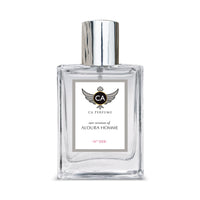
Aloura Homme — Chanel Allure Alternative Cologne
8.46
MEI™
Primary Romantic
Secondary Confident
Confidence
7.54
Presence
7.47
Mood Lift
9.5
Identity
7.67
Warmth
9.5
Social Ease
9.0
Energy
5.3
" I am beautiful.
View full mood profile →
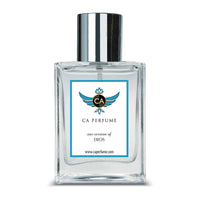
Eros — Versace Eros Alternative Cologne
8.39
MEI™
Primary Romantic
Secondary Energizing
Confidence
7.32
Presence
7.15
Mood Lift
9.5
Identity
7.47
Warmth
9.5
Social Ease
9.15
Energy
5.3
" I am beautiful.
View full mood profile →
HumanSafe™

Top Lemon Fragrances by HumanSafe™ Score

These Lemon-based fragrances have the highest product-level HumanSafe™ scores in this ingredient collection.

Highest HumanSafe™ Score
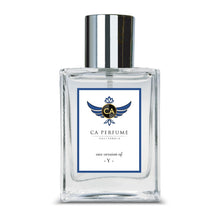
Y — YSL Y Alternative Cologne
#1
Y — YSL Y Alternative Cologne
Starting from $14.99
A-
HumanSafe™ Score Generally Safe
Safest Evaluated Ingredients EDP
AQUA Solvent / Carrier ISS 10.0
1,4-DIOXACYCLOHEPTADECANE-5,17-DIONE Evaluated ingredient ISS 10.0
7-OCTEN-2-OL, 2,6-DIMETHYL- Evaluated ingredient ISS 9.0
2-HEXENE, 6,6-DIMETHOXY-2,5,5-TRIMETHYL- Evaluated ingredient ISS 8.0
LINALYL ACETATE Evaluated ingredient ISS 7.0
LINALOOL Evaluated ingredient ISS 7.0
View full safety profile →
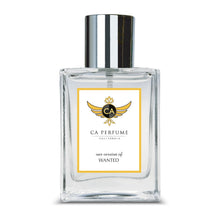
Wanted — Azzaro Wanted Alternative Cologne
A-
HumanSafe™ Score Generally Safe
Safest Evaluated Ingredients EDP
AQUA Solvent / Carrier ISS 10.0
1,4-DIOXACYCLOHEPTADECANE-5,17-DIONE Evaluated ingredient ISS 10.0
BENZYL SALICYLATE Evaluated ingredient ISS 9.0
7-OCTEN-2-OL, 2,6-DIMETHYL- Evaluated ingredient ISS 9.0
TRICYCLO[6.3.1.02,5]DODECAN-1-OL, 4,4,8-TRIMETHYL-, Evaluated ingredient ISS 8.0
View full safety profile →
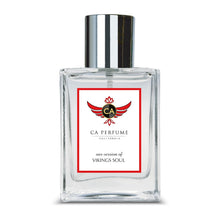
Vikings Soul — Viking Alternative Cologne
A-
HumanSafe™ Score Generally Safe
Safest Evaluated Ingredients EDP
AQUA Solvent / Carrier ISS 10.0
AMBROXID Evaluated ingredient ISS 10.0
1,4-DIOXACYCLOHEPTADECANE-5,17-DIONE Evaluated ingredient ISS 10.0
4H-INDEN-4-ONE, 1,2,3,5,6,7-HEXAHYDRO-1,1,2,3,3- Evaluated ingredient ISS 9.0
2-BUTEN-1-ONE, 1-(2,6,6-TRIMETHYL-2-CYCLOHEXEN-1- Evaluated ingredient ISS 9.0
LINALYL ACETATE Evaluated ingredient ISS 7.0
View full safety profile →
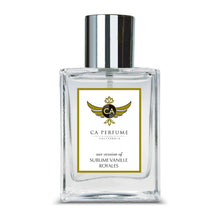
Sublime Vanille Royales — Sublime Vanille Royales Exclusives Alternative Perfume
A-
HumanSafe™ Score Generally Safe
Safest Evaluated Ingredients EDP
AQUA Solvent / Carrier ISS 10.0
AMBROXID Evaluated ingredient ISS 10.0
1,4-DIOXACYCLOHEPTADECANE-5,17-DIONE Evaluated ingredient ISS 10.0
AMBROXIDE Evaluated ingredient ISS 9.0
View full safety profile →
Expert Voices

What Masters Say About Lemon

The essential oil is dominated by D-limonene (62–70%), but the characteristic sharp, sour lemon scent comes from citral — a mixture of geranial and neral present at only 2–5% but carrying enormous olfactory impact.
Première Peau Editorial
Lemon’s crispness works beautifully in a wide range of fragrance families, from citrus and fresh to floral and aromatic compositions. Its versatility ensures it will remain a key player in the world of fragrance for years to come.
CA Perfume Editorial
Common Questions

Frequently Asked Questions

Answers to common questions about lemon in perfumery, from scent profile to application and safety.

Lemon in perfume is characterized by a zesty, sharp, and clean aroma with a slightly sour tang and subtle sweetness. The scent is dominated by D-limonene and citral, which create an immediate, photorealistic impression of freshly grated lemon peel. This note is highly volatile, providing a burst of freshness that typically lasts 10–20 minutes before fading. Lemon’s scent profile is often described as invigorating, cheerful, and transparent, making it a staple in colognes and summer fragrances.

Lemon is almost exclusively used as a top note in fragrance compositions. Its high volatility and low molecular weight mean it evaporates quickly, providing an immediate, impactful burst of freshness upon application. Lemon rarely persists into the heart or base of a fragrance, but it sets the stage for other notes to develop.

Lemon is favored in niche perfumery for its ability to deliver photorealistic freshness and to create a transparent, uplifting opening. Its molecular complexity allows for nuanced effects, and it pairs well with both classic and avant-garde compositions. Niche perfumers often use high-quality, cold-pressed lemon oil from specific regions (e.g., Sicily) to achieve distinctive, terroir-driven effects.

Lemon fragrance uses include pairing with other citrus notes (bergamot, grapefruit), green notes (basil, mint), florals (neroli, jasmine, rose), and woods (vetiver, cedar). These combinations create multidimensional accords, with molecular bridges formed by shared terpenes and aldehydes. For example, lemon and bergamot share D-limonene, while lemon and neroli both contain linalool.

Lemon is ideal for summer and hot climates due to its refreshing, invigorating effect and high volatility. Heat amplifies lemon’s projection but shortens its longevity, so reapplication may be necessary. Lemon-based fragrances are often formulated as Eau de Cologne or light Eau de Toilette for optimal summer wear.

Lemon’s top note effect typically lasts 10–20 minutes on skin, depending on concentration and supporting fixatives. In compositions with a high percentage of lemon oil, the initial impact is strong but fades rapidly. Longevity can be extended by layering with less volatile notes or using as part of a multi-layered routine.

Yes, lemon can be layered with a variety of notes to enhance freshness, add depth, or soften acidity. Molecular compatibility is key: shared terpenes with other citrus notes create seamless blends, while pairing with woods or musks can anchor the volatility. Notable examples include layering lemon with vetiver (as in Chanel Allure Homme Edition Blanche) or with neroli and jasmine for a citrus-floral effect.

Recommended entry points include Dolce&Gabbana Light Blue, Chanel Allure Homme Edition Blanche, and Guerlain Aqua Allegoria Lemon Fresca. These fragrances showcase lemon’s versatility and are widely appreciated for their balanced, approachable citrus profiles.

Consider your preferred fragrance family (citrus, floral, woody) and desired intensity. CA Perfume offers a range of lemon-forward scents, from classic cologne structures to modern blends with floral or woody accents. Use the HumanSafe™ platform to review ingredient sourcing and allergen information for each product.

Lemon’s scent in fragrance is primarily sharp and sour due to citral and D-limonene, but it also contains a subtle sweet undertone. The balance of these facets depends on the oil’s origin, extraction method, and supporting notes in the composition. In most perfumes, the sour, zesty aspect dominates the opening, with sweetness emerging as the scent evolves.

Citrus Collection

Explore Our Top Lemon Fragrances

Discover CA Perfume’s curated selection of lemon-forward fragrances, from classic colognes to modern citrus blends. Each scent showcases the ingredient’s zesty brilliance and versatility.

Shop all lemon fragrances at CA Perfume →

Where Lemon Comes From — Origin & Extraction

Lemon essential oil is derived from the peel of Citrus limon, a species native to the Indo-Burmese region but now cultivated globally. The tree is a hybrid between citron (C. medica) and bitter orange (C. aurantium), with commercial cultivation centered in Mediterranean countries. Italy (especially Sicily and the Amalfi Coast), Spain, Argentina, and the United States (California) are leading producers. Sicily alone accounts for a significant portion of European lemon oil, with annual Italian production exceeding 20,000 metric tons of fruit for essential oil extraction. The primary extraction method is cold pressing (expression), where the fresh peel is mechanically punctured and pressed to release oil from the flavedo’s oil glands. This process occurs at ambient temperature, preserving the full spectrum of volatile compounds. Cold-pressed lemon oil is prized for its zesty, complex aroma, while steam-distilled oil, less commonly used in fine perfumery, yields a softer, less tart profile lacking the peel’s tannic bite. Yields from cold pressing average 0.5–1.5% by weight of fresh peel. Natural lemon oil costs approximately $30–50/kg (bulk), while synthetic substitutes based on D-limonene or citral are available for $10–20/kg. The rise of synthetic citral (CAS 5392-40-5) and D-limonene (CAS 5989-27-5) has increased supply chain stability and reduced costs for mass-market perfumery. Sustainability concerns focus on agricultural practices, water use, and fair labor in Mediterranean and South American orchards. Cold-pressed lemon oil is not endangered, but responsible sourcing and organic certification are increasingly prioritized by major fragrance houses.

Famous Fragrances That Define Lemon in Perfumery

Lemon has shaped the identity of countless fragrances across genres. In Acqua di Parma Colonia (1916), lemon is the signature top note, paired with lavender and rosemary for a classic Italian cologne structure. Annick Goutal’s Eau d’Hadrien (1981, Annick Goutal and Francis Camail) is renowned for its photorealistic, sunlit lemon accord, setting a benchmark for citrus fragrances. Dolce&Gabbana Light Blue (2001, Olivier Cresp) uses Sicilian lemon to evoke Mediterranean freshness, while Chanel Allure Homme Edition Blanche (2008, Jacques Polge) features a creamy, tart lemon opening that transitions into sandalwood and vanilla. Profumum Roma Acqua Viva (2006) is celebrated in niche circles for its hyper-realistic lemon peel effect, achieved through a high concentration of natural lemon oil. More recently, Maison Margiela Replica Under the Lemon Trees (2019, Violaine Collas) combines lemon with green and musky notes to recreate the atmosphere of a Mediterranean grove. CA Perfume’s collection draws inspiration from these milestones, offering both classic and modern interpretations of the lemon note.

Natural vs Synthetic Lemon in Perfumery

Natural lemon oil is a complex mixture dominated by D-limonene (62–70%, CAS 5989-27-5), with beta-pinene (8–16%, CAS 127-91-3), gamma-terpinene (7–12%, CAS 99-85-4), and citral (2–5%, CAS 5392-40-5) providing the characteristic sharpness. Synthetic lemon notes are typically built from isolated D-limonene, citral, and supporting aldehydes (e.g., citral dimethyl acetal, CAS 676-68-2) to mimic the natural profile. Synthetic citral is especially important for stability and cost efficiency, as it resists oxidation better than natural oil and is less prone to batch variation. Performance-wise, synthetic lemon accords offer greater longevity and consistency, as natural lemon oil is highly volatile and susceptible to photodegradation. Natural lemon oil may cause skin sensitization and is phototoxic above 2% concentration, leading to IFRA restrictions in leave-on products. Synthetic analogs can be engineered to reduce allergenic potential and phototoxicity. Notable fragrances using natural lemon include Acqua di Parma Colonia (1916) and Guerlain Aqua Allegoria Lemon Fresca (1999), while many modern designer scents rely on synthetic lemon for stability. The HumanSafe™ platform at CA Perfume ensures full transparency regarding the source and safety of both natural and synthetic lemon ingredients, supporting sustainable and allergen-conscious formulation.