Ingredient Guide · Citrus Aromatic
Citrus Aromatic Family · Perfumery Note

Italian Mandarin

Bright, fresh, and sunlit citrus from Mediterranean groves

Italian Mandarin is a citrus heart note prized for its zesty, sweet, and fresh aroma in perfumery. Extracted via cold pressing of Citrus reticulata peel, it contains limonene and methyl N-methylanthranilate, contributing to its tangy, grape-candy sweetness.

Italian Mandarin
Ingredient Profile

Italian Mandarin

Citrus Aromatic Family
Family Citrus Aromatic
Note Position Heart Note
Usage Level >5%
Key Origins Italy, Brazil, China
Iconic In Mandarino di Amalfi, Aqua Allegoria Mandarine Basilic
The Ingredient

What does Italian Mandarin smell like and why is it valued in perfumery?

Italian Mandarin, derived from Citrus reticulata Blanco grown primarily in Sicily and Calabria, is celebrated for its bright, zesty, and sweet scent profile. Its aroma is characterized by a juicy, sunny brightness with subtle floral and slightly spicy undertones, largely due to chemical compounds such as limonene (65-75%) and methyl N-methylanthranilate, which imparts a distinctive tangy, grape-candy sweetness. In perfumery, Italian Mandarin functions predominantly as a top note, though it can also appear in heart notes due to its moderate tenacity. It is typically used at concentrations above 5%, providing a fresh, invigorating opening that interacts well with skin chemistry by balancing citrus brightness with a soft, honeyed warmth. This makes it suitable for a wide range of fragrance families, especially citrus-aromatic and floral compositions. Notable fragrances featuring Italian Mandarin include Tom Ford's Mandarino di Amalfi (2014), where it is the dominant note paired with basil and neroli, and Guerlain's Aqua Allegoria Mandarine Basilic (2007), which blends it with herbal basil to create a luminous, fresh accord.

>5%
Typical concentration of Italian Mandarin essential oil in fragrance formulations, balancing brightness with longevity.
2,800–3,000 hectares
Approximate cultivated area of mandarin orchards in Sicily and Calabria, Italy, producing the majority of Italian Mandarin essential oil.
65–75%
Limonene content in Italian Mandarin essential oil, responsible for its characteristic zesty and fresh citrus aroma.
Origin & Extraction

Where Italian Mandarin Comes From — Origin & Extraction

Italian Mandarin's distinctive scent is deeply influenced by the Mediterranean terroir of southern Italy. The warm climate, volcanic and calcareous soils, and traditional cultivation methods in Sicily and Calabria produce mandarins with a bright, sweet, and tangy aroma. These environmental factors contribute to the essential oil's unique chemical composition, making Italian Mandarin a prized ingredient in perfumery.

Italian Mandarin originates from Citrus reticulata Blanco trees cultivated mainly in southern Italy, specifically in Sicily and Calabria. These regions account for approximately 90% of Italy's mandarin essential oil production, with a cultivated area spanning 2,800 to 3,000 hectares. The Mediterranean climate, characterized by warm, dry summers and mild winters, alongside volcanic and calcareous soils, contributes to the fruit's bright and sunlit aroma. The essential oil is extracted via cold pressing (expression) of the fruit's peel, a method that preserves the delicate aromatic compounds by avoiding heat. There are three harvest stages producing distinct oils: green mandarin (early harvest, sharper and herbaceous), yellow mandarin (mid-season, balanced and rounder), and red mandarin (late harvest, richer and fruitier). The yield of essential oil is relatively low, making it a valuable raw material. Natural Italian Mandarin oil costs approximately $3,000–6,000 per kilogram, reflecting the labor-intensive harvesting and extraction process. Synthetic substitutes, such as limonene and methyl N-methylanthranilate analogues, are significantly cheaper at $50–200 per kilogram. Sustainability efforts in Italy focus on ethical farming practices and environmental stewardship, with companies like Robertet leading responsible sourcing since the 1990s.

IT

Italy

The southern regions of Sicily and Calabria are the primary producers of Italian Mandarin, with approximately 90% of Italy's mandarin essential oil production concentrated here. The terroir includes volcanic soils and a Mediterranean climate with hot summers and mild winters. Hand-harvesting and cold pressing maintain oil quality. The region's PDO and quality standards emphasize sustainable and ethical farming.

BR

Brazil

Brazil is a major global producer of mandarin essential oil, with a tropical climate that yields a different aromatic profile characterized by more herbaceous and sharp notes. Brazilian mandarin oils are often blended with Italian varieties to balance freshness and complexity.

CN

China

China, the mandarin's original native region, produces large volumes of mandarin essential oil. Chinese mandarins tend to have a sweeter, less complex aroma due to different cultivars and growing conditions. The oil is widely used in perfumery and flavoring.

ES

Spain

Spain, particularly the Valencia region, produces mandarin essential oil with a bright, sweet profile similar to Italy's. Spanish mandarins, including the Clementine variety, contribute to the Mediterranean citrus fragrance palette and are harvested with modern mechanized methods.

Chemistry

Natural vs Synthetic Italian Mandarin in Perfumery

Natural Italian Mandarin essential oil is prized for its complex, multi-faceted aroma derived from a mixture of volatile compounds, including limonene (65-75%), gamma-terpinene (15-20%), and methyl N-methylanthranilate, which imparts a unique tangy sweetness. It offers a softer, sweeter, and more nuanced scent compared to synthetic versions but is subject to batch variability and higher cost ($3,000–6,000/kg). Synthetic molecules used to replicate Italian Mandarin include limonene (CAS 5989-27-5), gamma-terpinene (CAS 99-85-4), and methyl N-methylanthranilate analogues. These synthetics provide greater consistency, stability, and cost-effectiveness ($50–200/kg). They also allow perfumers to enhance longevity and diffusion in compositions. Famous fragrances like Tom Ford's Mandarino di Amalfi use natural Italian Mandarin oil, while some modern minimalist fragrances incorporate synthetic mandarin molecules for clarity and precision. The HumanSafe™ platform ensures transparency in ingredient sourcing and safety for both natural and synthetic materials, reflecting CA Perfume's commitment to sustainability and consumer trust.

Natural
Italian Mandarin Absolute
Cost $3,000–6,000/kg
Method Solvent / CO₂
Character Complex, variable
vs
Synthetic
Safranal & Analogues
Cost $50–200/kg
Method Lab synthesis
Character Consistent, stable
Hall of Fame

Famous Fragrances That Define Italian Mandarin in Perfumery

2014
dominant note

Mandarino di Amalfi

Tom Ford
by Calice Becker
basilneroliblackcurrant budtarragon
2007
top note

Aqua Allegoria Mandarine Basilic

Guerlain
basil
2023
top note

Donna Born in Roma Green Stravaganza

Valentino
Italian lemonwhite floralsvanilla bourbon
2010
top and base notes

Lime Basil & Mandarin

Jo Malone London
basillime
2022
top note

Mandarino di Sicilia

Acqua di Parma
bergamotlemonpetitgrainspearmint

Italian Mandarin has been featured prominently in several landmark fragrances over the past two decades, showcasing its versatility and radiant citrus character. Tom Ford's Mandarino di Amalfi (2014), crafted by perfumer Calice Becker, places Italian Mandarin as the dominant note, paired with basil, neroli, and blackcurrant bud, creating a fresh, aromatic summer scent that evokes the Amalfi Coast's Mediterranean elegance. Guerlain's Aqua Allegoria Mandarine Basilic (2007) uses Italian Mandarin as a luminous top note alongside herbal basil, producing a bright and herbal citrus accord. Valentino Donna Born in Roma Green Stravaganza (2023) blends Italian Mandarin with Italian lemon and white florals, supported by vanilla bourbon, delivering a sophisticated and fresh composition. Jo Malone London's Lime Basil & Mandarin (2010) features mandarin in both top and base notes, combined with aromatic basil and sparkling lime, offering a dynamic and energizing scent. Acqua di Parma's Mandarino di Sicilia (2022) celebrates Italian Mandarin's green and fresh facets with bergamot, lemon, and petitgrain, highlighting the unique terroir of Sicily. These fragrances illustrate Italian Mandarin's role as a vibrant, mood-lifting ingredient that bridges freshness with subtle complexity. CA Perfume's collection honors this lineage by featuring Italian Mandarin in accords that balance brightness with refinement.

The Accord

How is a captivating Italian Mandarin accord crafted?

A well-balanced Italian Mandarin accord typically combines 25-30% Italian Mandarin for its zesty, sweet citrus brightness, 20-25% basil or petitgrain to introduce herbal green facets that complement the citrus terpenes, 25-30% white florals such as neroli or orange blossom to add a soft, floral roundness bridging citrus and heart notes, and 20-25% musk or amber to provide a warm, lingering base that enhances longevity and smooths the sharpness of citrus.

30%

Italian Mandarin

25–30% of blend

Provides the zesty, sweet citrus brightness with limonene and methyl N-methylanthranilate contributing to its fresh and tangy character.

25%

Basil

20–25% of blend

Adds herbal green facets rich in linalool and eugenol, which complement and soften the citrus sharpness of mandarin.

30%

Neroli

25–30% of blend

Contributes a soft, floral roundness with linalool and indole compounds, bridging citrus top notes with floral heart notes.

25%

Musk

20–25% of blend

Provides a warm, lingering base that enhances longevity and smooths the sharp edges of citrus through olfactory masking effects.

The Olfactory Layers

How Italian Mandarin Evolves on Skin

Italian Mandarin's olfactory evolution begins with a bright, zesty burst of limonene-rich top notes that evaporate within the first 15 minutes, delivering an immediate fresh and sweet citrus impression. The heart phase, lasting from 20 to 60 minutes, reveals subtler floral and slightly spicy undertones from minor compounds like methyl N-methylanthranilate, which provide complexity and balance. The base notes, persisting for several hours, are soft and warm, often supported by musks and ambers that enhance longevity and smooth the citrus sharpness.

I
Top notes
0–15 min
Zesty Citrus Burst

Dominated by limonene and gamma-terpinene, the top notes provide a zesty, juicy, and sunny brightness typical of freshly peeled mandarin. These high-volatility molecules evaporate quickly, creating an invigorating and refreshing opening.

ZestyJuicyBright
II
Heart notes
20–60 min
Floral and Spicy Nuances

The heart reveals floral and slightly spicy nuances from methyl N-methylanthranilate and minor terpenes. These compounds add a rounded, honeyed warmth and subtle complexity, softening the initial sharpness and contributing to the note's tenacity.

FloralSpicyHoneyed
III
Base notes
Several hours
Warm and Smooth Dry-Down

Base notes are typically composed of musks, ambers, and woody elements that provide a smooth, lingering warmth. These fixatives extend the scent's longevity and balance the citrus's natural volatility, ensuring a pleasant dry-down.

WarmSmoothLingering
TOP NOTES Zesty Citrus Burst 0–15 minutes HEART NOTES Floral and Spicy Nuances 20–60 minutes BASE NOTES Warm and Smooth Dry-Down Several hours
Through the Ages

The Story of Italian Mandarin in Perfumery

Italian Mandarin's journey in perfumery traces back to the 19th century introduction of mandarin cultivation in southern Italy, evolving into a key citrus ingredient in modern fragrance compositions.

Ancient China

Origin of Mandarin Citrus

Mandarins (Citrus reticulata) were first cultivated in southern China over 3,000 years ago, valued for their sweet fruit and fragrant peel used in traditional medicine and rituals.

19th Century

Introduction to Italy

Mandarin cultivation was introduced to Italy, particularly Sicily and Calabria, where the Mediterranean climate and soil conditions favored the fruit's growth and aromatic quality.

1990s

Sustainable Sourcing Initiatives

Robertet began sourcing Italian Mandarin essential oil with a focus on ethical and environmental sustainability, establishing long-term partnerships with local growers.

2007

Guerlain Aqua Allegoria Mandarine Basilic Launch

This fragrance showcased Italian Mandarin as a luminous top note, paired with basil, highlighting the note's versatility and fresh character in modern perfumery.

2014

Tom Ford Mandarino di Amalfi Release

Calice Becker crafted this fragrance with Italian Mandarin as the dominant note, emphasizing the Mediterranean citrus's radiant and aromatic qualities.

The Art of Layering

How to Layer Italian Mandarin

Understanding how to layer Italian Mandarin involves combining it with notes that complement its molecular profile, such as florals sharing linalool or vanilla that masks citrus sharpness. This approach enhances complexity and longevity while maintaining freshness.

01

Enhance Sweetness

Layer Italian Mandarin with vanilla or tonka bean, whose vanillin compounds soften the citrus's sharp edges through olfactory masking, creating a warm, inviting sweetness. This technique is exemplified in Valentino Donna Born in Roma Green Stravaganza.

02

Add Depth

Pair Italian Mandarin with aromatic herbs like basil or petitgrain, which share green terpenes that synergize with mandarin's limonene, enriching the fragrance's herbal-citrus character. Guerlain's Aqua Allegoria Mandarine Basilic demonstrates this harmonious blend.

03

Lighten the Glow

Combine Italian Mandarin with white florals such as neroli or orange blossom, which contain linalool and indole compounds that create a seamless floral-citrus bridge, enhancing freshness and elegance. Tom Ford's Mandarino di Amalfi uses this layering to great effect.

Wear It Right

How to Wear Italian Mandarin Like a Pro

Seasonal Guide

Fall & Winter

In cooler temperatures, Italian Mandarin's volatility decreases, softening its brightness. Layering with warm spices or woods enhances longevity and adds seasonal warmth. Apply more generously to pulse points for better diffusion.

Spring

Spring's moderate temperatures highlight Italian Mandarin's fresh and floral facets. Use lighter concentrations or pair with green florals to evoke the season's renewal and vitality.

Summer

Heat increases Italian Mandarin's volatility, intensifying its zesty brightness and projection. Opt for EDT or cologne formats and apply sparingly to avoid overwhelming freshness. Ideal for daytime wear.

Year-Round Tip

Combine Italian Mandarin with complementary notes like musk or vanilla to extend wear and balance brightness regardless of season. Layering with herbal or floral accords can tailor the scent to personal preference and occasion.

Application Points

Strategic application of Italian Mandarin fragrances maximizes their fresh citrus impact and longevity.

1

Neck

Pulse points on the neck emit heat that enhances evaporation of Italian Mandarin's top notes, providing a bright and lively scent trail.

2

Behind the Ears

This area allows for subtle diffusion of the fragrance, ideal for intimate encounters where the fresh citrus can be appreciated up close.

3

Inner Wrists

Applying on wrists enables easy scent refreshment and interacts with natural skin oils to modulate the citrus brightness.

4

Hair

Hair holds fragrance molecules longer, releasing Italian Mandarin's fresh aroma gradually, creating an alluring and airy effect.

Pro Tip

Layer Italian Mandarin fragrances with unscented moisturizers to enhance longevity and prevent rapid evaporation of volatile citrus compounds.

Mood Architecture™

Top Italian Mandarin Fragrances by Mood Score

These Italian Mandarin-based fragrances scored highest on the MEI™ Mood Architecture Framework — measuring how a scent may influence your emotional state.

Highest MEI Score
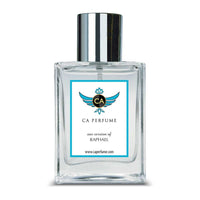
Raphael — Ralph Alternative Perfume
#1
Raphael — Ralph Alternative Perfume
Starting from $14.99
4.91
MEI™
Primary Fresh
Secondary Romantic
Confidence
4.1
Presence
4.29
Mood Lift
6.02
Identity
4.54
Warmth
4.52
Social Ease
5.83
Energy
2.9
" I am free.
View full mood profile →
HumanSafe™

Top Italian Mandarin Fragrances by HumanSafe™ Score

These Italian Mandarin-based fragrances have the highest product-level HumanSafe™ scores in this ingredient collection.

Highest HumanSafe™ Score
Raphael — Ralph Alternative Perfume
#1
Raphael — Ralph Alternative Perfume
Starting from $14.99
A-
HumanSafe™ Score Generally Safe
Safest Evaluated Ingredients EDP
OXACYCLOHEPTADEC-10-EN-2-ONE Evaluated ingredient ISS 10.0
AQUA Solvent / Carrier ISS 10.0
ACETIC ACID, PHENYLMETHYL ESTER Evaluated ingredient ISS 10.0
7-OCTEN-2-OL, 2,6-DIMETHYL- Evaluated ingredient ISS 9.0
3-CYCLOPENTENE-1-ACETALDEHYDE, 2,2,3-TRIMETHYL-, Evaluated ingredient ISS 9.0
3-DECEN-5-OL, 4-METHYL- Evaluated ingredient ISS 8.0
View full safety profile →
Expert Voices

What Masters Say About Italian Mandarin

Mandarin essential oil is the softest, sweetest, and most approachable of the citrus notes. It reads as less acidic than lemon, less bitter than orange, and more honeyed and floral. In compositions, it functions as a top note with slightly better tenacity than lemon or lime, thanks to its higher gamma-terpinene content.
Première Peau, Perfume Ingredient Specialist
Mandarin has the gift of reconciling opposites: it is both vibrant and gentle, familiar and refined, nostalgic and contemporary. A true mood-lifter, it evokes joy and lightness.
L’Atelier Parfum Editorial
Common Questions

Frequently Asked Questions

Frequently asked questions about Italian Mandarin in perfumery.

Italian Mandarin smells bright, zesty, and sweet with a fresh citrus burst. Its scent includes juicy, sunny notes with subtle floral and spicy undertones due to compounds like limonene and methyl N-methylanthranilate. It is often used as a top note in perfumes such as Tom Ford Mandarino di Amalfi and Guerlain Aqua Allegoria Mandarine Basilic, providing an uplifting and radiant opening.

Italian Mandarin is primarily used as a top note in fragrance compositions due to its high volatility and fresh citrus character. However, it can also appear in heart notes because of its moderate tenacity compared to other citrus oils. It rarely features as a base note, where heavier, longer-lasting ingredients dominate.

Italian Mandarin is favored in niche perfumery for its complex, natural citrus aroma that balances sweetness, zest, and subtle floral nuances. Its versatility allows it to blend well with a variety of accords, from herbs to florals and woods, enabling perfumers to create fresh yet sophisticated compositions that evoke Mediterranean landscapes and moods.

Italian Mandarin fragrance uses often pair it with basil and petitgrain to enhance herbal freshness, neroli and orange blossom for floral softness, and vanilla or musk to add warmth and longevity. These combinations create balanced accords that highlight mandarin's zesty brightness while providing depth and smoothness.

Yes, Italian Mandarin perfumes are ideal for summer and hot weather due to their fresh, zesty, and invigorating citrus profile. The high volatility of mandarin essential oil provides a cooling and uplifting effect, making it perfect for daytime wear in warm climates.

Italian Mandarin fragrances typically last 4 to 6 hours, depending on concentration and formulation. While the top citrus notes are volatile and evaporate quickly, the presence of floral and musky base notes can extend the overall longevity of the scent.

Yes, layering Italian Mandarin with complementary notes like vanilla, musk, or herbs such as basil enhances its complexity and longevity. Understanding how to layer Italian Mandarin involves combining molecularly compatible notes that balance its brightness with warmth or floral softness.

For beginners, approachable Italian Mandarin perfumes include Guerlain Aqua Allegoria Mandarine Basilic, which offers a fresh and herbal citrus scent, and Acqua di Parma Mandarino di Sicilia, known for its bright and balanced profile. These fragrances showcase Italian Mandarin's charm without overwhelming complexity.

Choosing the right Italian Mandarin fragrance involves considering your preference for freshness, floral or herbal accents, and longevity. CA Perfume's collection offers a range of mandarin-based scents, from bright and zesty to warm and nuanced, with transparent ingredient sourcing verified by the HumanSafe™ platform.

Italian Mandarin primarily smells sweet and zesty with a fresh citrus brightness. It may exhibit subtle spicy undertones due to minor compounds, but its dominant character is a tangy, juicy sweetness often described as grape-candy-like, making it more sweet than spicy.

Citrus Aromatic Collection

Explore Our Top Italian Mandarin Fragrances

Discover a curated selection of perfumes featuring Italian Mandarin, showcasing its fresh, zesty, and sweet citrus character.

Shop all italian-mandarin fragrances at CA Perfume →

Where Italian Mandarin Comes From — Origin & Extraction

Italian Mandarin originates from Citrus reticulata Blanco trees cultivated mainly in southern Italy, specifically in Sicily and Calabria. These regions account for approximately 90% of Italy's mandarin essential oil production, with a cultivated area spanning 2,800 to 3,000 hectares. The Mediterranean climate, characterized by warm, dry summers and mild winters, alongside volcanic and calcareous soils, contributes to the fruit's bright and sunlit aroma. The essential oil is extracted via cold pressing (expression) of the fruit's peel, a method that preserves the delicate aromatic compounds by avoiding heat. There are three harvest stages producing distinct oils: green mandarin (early harvest, sharper and herbaceous), yellow mandarin (mid-season, balanced and rounder), and red mandarin (late harvest, richer and fruitier). The yield of essential oil is relatively low, making it a valuable raw material. Natural Italian Mandarin oil costs approximately $3,000–6,000 per kilogram, reflecting the labor-intensive harvesting and extraction process. Synthetic substitutes, such as limonene and methyl N-methylanthranilate analogues, are significantly cheaper at $50–200 per kilogram. Sustainability efforts in Italy focus on ethical farming practices and environmental stewardship, with companies like Robertet leading responsible sourcing since the 1990s.

Famous Fragrances That Define Italian Mandarin in Perfumery

Italian Mandarin has been featured prominently in several landmark fragrances over the past two decades, showcasing its versatility and radiant citrus character. Tom Ford's Mandarino di Amalfi (2014), crafted by perfumer Calice Becker, places Italian Mandarin as the dominant note, paired with basil, neroli, and blackcurrant bud, creating a fresh, aromatic summer scent that evokes the Amalfi Coast's Mediterranean elegance. Guerlain's Aqua Allegoria Mandarine Basilic (2007) uses Italian Mandarin as a luminous top note alongside herbal basil, producing a bright and herbal citrus accord. Valentino Donna Born in Roma Green Stravaganza (2023) blends Italian Mandarin with Italian lemon and white florals, supported by vanilla bourbon, delivering a sophisticated and fresh composition. Jo Malone London's Lime Basil & Mandarin (2010) features mandarin in both top and base notes, combined with aromatic basil and sparkling lime, offering a dynamic and energizing scent. Acqua di Parma's Mandarino di Sicilia (2022) celebrates Italian Mandarin's green and fresh facets with bergamot, lemon, and petitgrain, highlighting the unique terroir of Sicily. These fragrances illustrate Italian Mandarin's role as a vibrant, mood-lifting ingredient that bridges freshness with subtle complexity. CA Perfume's collection honors this lineage by featuring Italian Mandarin in accords that balance brightness with refinement.

Natural vs Synthetic Italian Mandarin in Perfumery

Natural Italian Mandarin essential oil is prized for its complex, multi-faceted aroma derived from a mixture of volatile compounds, including limonene (65-75%), gamma-terpinene (15-20%), and methyl N-methylanthranilate, which imparts a unique tangy sweetness. It offers a softer, sweeter, and more nuanced scent compared to synthetic versions but is subject to batch variability and higher cost ($3,000–6,000/kg). Synthetic molecules used to replicate Italian Mandarin include limonene (CAS 5989-27-5), gamma-terpinene (CAS 99-85-4), and methyl N-methylanthranilate analogues. These synthetics provide greater consistency, stability, and cost-effectiveness ($50–200/kg). They also allow perfumers to enhance longevity and diffusion in compositions. Famous fragrances like Tom Ford's Mandarino di Amalfi use natural Italian Mandarin oil, while some modern minimalist fragrances incorporate synthetic mandarin molecules for clarity and precision. The HumanSafe™ platform ensures transparency in ingredient sourcing and safety for both natural and synthetic materials, reflecting CA Perfume's commitment to sustainability and consumer trust.