Ingredient Guide · Greens, Herbs and Fougeres
Greens, Herbs and Fougeres Family · Perfumery Note

Basil

Herbaceous, spicy, and invigorating — basil’s signature in scent.

In perfumery, basil is a top-to-heart note known for its fresh, green, and slightly spicy character. Its key aroma molecules, including linalool and methyl chavicol, contribute to a complex scent profile used at 0.2–1% concentration in modern compositions.

Basil
Ingredient Profile

Basil

Greens, Herbs and Fougeres Family
Family Greens, Herbs and Fougeres
Note Position Top Note
Usage Level 0.4–0.6% Yield
Key Origins India, Egypt, France
Iconic In Lime Basil & Mandarin, Aqua Allegoria Mandarine Basilic
The Ingredient

What does Basil smell like and why is it significant in perfumery?

Basil (Ocimum basilicum) in perfumery is celebrated for its fresh, herbaceous, and slightly spicy scent profile. The aroma is driven by key molecular components: linalool (30–40%), methyl chavicol (estragole, up to 55%), eugenol, and smaller amounts of citral and 1,8-cineole. These compounds create a multi-layered olfactory character: green, peppery, with aniseed and clove nuances, and occasional citrus or tarragon-like undertones depending on the chemotype and origin. What does basil smell like? It is a vivid blend of green freshness, subtle sweetness, and spicy warmth, making it both invigorating and complex. Basil in perfumery is typically used as a top note, though in higher concentrations it can persist into the heart. Its volatility means it provides an immediate burst of freshness, often lasting 15–45 minutes before transitioning. In formulas, basil essential oil is dosed at 0.2–1% of the composition, depending on the desired intensity and the presence of other green or citrus notes. On skin, basil’s linalool and methyl chavicol content interact with individual pH and moisture, sometimes amplifying its peppery or sweet facets. This variability makes basil a dynamic note that can shift subtly from wearer to wearer. Modern fragrances that exemplify basil’s use include Guerlain Aqua Allegoria Mandarine Basilic (2007, Marie Salamagne), where basil’s green freshness bridges citrus and floral notes, and Jo Malone Lime Basil & Mandarin (1999, Jo Malone), which uses basil as a signature top note, imparting a crisp, aromatic lift. In both, basil in perfumery is essential for creating a lively, naturalistic opening and a nuanced transition to the heart.

0.4–0.6% Yield
Steam distillation of basil yields 0.4–0.6% essential oil by weight, requiring 1,000 kg of plant material for 4–6 kg of oil.
15–45 Minutes
Basil’s top note typically lasts 15–45 minutes on skin, depending on concentration and environmental factors.
<0.5%
IFRA restricts basil essential oil and its sensitizers (eugenol, methyl eugenol) to less than 0.5% in fine fragrance to minimize allergenic risk.
Origin & Extraction

Where Basil Comes From — Origin & Extraction

Basil’s scent profile is shaped by its growing region’s climate and soil. Warm, sunny climates with well-drained, mineral-rich soils yield basil oils with higher linalool and methyl chavicol content, intensifying the herbaceous and spicy facets.

Basil used in perfumery is primarily derived from Ocimum basilicum, known as sweet basil, a member of the Lamiaceae family. The plant is native to India and Southeast Asia, with historical cultivation dating back over 5,000 years. Today, major producing countries include India (the largest producer, with over 40% of global supply), Egypt (noted for high linalool content), Vietnam, and parts of Europe (notably France and Italy). Annual global production of basil essential oil is estimated at 1,500–2,000 metric tons. Extraction of basil oil is performed via steam distillation of the fresh or partially dried aerial parts (leaves and soft stems). Prior to distillation, hard stems are removed and the plant material is often shade-dried to reduce moisture and optimize oil yield. The typical yield is 0.4–0.6% by weight, meaning 1,000 kg of basil yields 4–6 kg of essential oil. The distillation process operates at 100°C for 2–3 hours, with linalool and methyl chavicol as principal volatiles. Solvent extraction is rarely used due to the herb’s high water content and the risk of off-notes. Natural basil oil costs approximately $120–$250 per kg, depending on origin and chemotype. Synthetic basil aroma molecules, such as methyl chavicol (CAS 140-67-0) and linalool (CAS 78-70-6), are produced at industrial scale for $10–$40 per kg, offering cost and consistency advantages. Sustainability concerns focus on water use and pesticide application in large-scale basil farming, though basil is generally considered a low-impact crop. Certified organic and HumanSafe™-verified sources are increasingly preferred for traceability and allergen management.

IN

India

The Uttar Pradesh region produces large volumes of sweet basil with high methyl chavicol content. Indian basil is known for its spicy, aniseed-like aroma and accounts for over 40% of global basil oil production. Traditional shade-drying and careful harvesting enhance oil quality.

EG

Egypt

Fayoum and Beni Suef regions yield basil oils rich in linalool, prized for their floral, slightly citrusy scent. Egypt supplies around 20% of the world’s basil oil, with strict quality controls and organic certification common among exporters.

FR

France

Provence basil is cultivated for its balanced linalool and methyl chavicol profile, producing a nuanced, sweet-green aroma. French basil is favored in fine perfumery for its subtlety and consistency, with PDO standards in select areas.

VN

Vietnam

The Red River Delta produces basil with a high eugenol content, imparting clove-like warmth. Vietnamese basil is often used for specialty distillations and niche perfumery, with small-scale, artisanal production.

Chemistry

Natural vs Synthetic Basil in Perfumery

Natural basil essential oil is a complex mixture, with linalool, methyl chavicol (estragole), and eugenol as principal aroma compounds. Synthetic basil notes are typically constructed using nature-identical linalool (CAS 78-70-6), methyl chavicol (CAS 140-67-0), and eugenol (CAS 97-53-0), sometimes augmented by 1,8-cineole (CAS 470-82-6) for a camphoraceous lift. Synthetic versions offer batch-to-batch consistency, enhanced stability, and reduced allergen content, but may lack the subtlety and depth of natural oil due to the absence of minor constituents. Performance-wise, synthetic basil notes can be tailored for greater longevity and projection, whereas natural basil’s top-note volatility limits its persistence. Cost is a major differentiator: natural basil oil ranges from $120–$250/kg, while synthetic isolates cost $10–$40/kg. Fragrances such as Jo Malone Lime Basil & Mandarin and Guerlain Aqua Allegoria Mandarine Basilic use both natural and synthetic basil, depending on formulation and regulatory requirements. Sustainability is a growing concern, with synthetic options reducing agricultural land use but raising questions about petrochemical sourcing. The HumanSafe™ platform at CA Perfume ensures full transparency of basil sourcing, allergen content, and IFRA compliance, regardless of natural or synthetic origin.

Natural
Basil Absolute
Cost $3,000–6,000/kg
Method Solvent / CO₂
Character Complex, variable
vs
Synthetic
Safranal & Analogues
Cost $50–200/kg
Method Lab synthesis
Character Consistent, stable
Hall of Fame

Famous Fragrances That Define Basil in Perfumery

1999
dominant note

Lime Basil & Mandarin

Jo Malone
by Jo Malone
LimeMandarinWhite Thyme
2007
bridge note

Aqua Allegoria Mandarine Basilic

Guerlain
by Marie Salamagne
MandarinGreen TeaPeony
2021
accent

Torino21

Xerjoff
by Chris Maurice
MintLemonJasmine
2023
supporting note

Pacific Chill

Louis Vuitton
by Jacques Cavallier
BlackcurrantCarrot SeedCedar
2020
accent

Bois Impérial

Essential Parfums
by Quentin Bisch
Sichuan PepperVetiverSandalwood

Basil has played a pivotal role in several landmark fragrances, particularly in the fresh, green, and aromatic categories. Jo Malone’s Lime Basil & Mandarin (1999, Jo Malone) established basil as a modern signature top note, blending it with citrus and white florals for a crisp, uplifting composition. Guerlain’s Aqua Allegoria Mandarine Basilic (2007, Marie Salamagne) uses basil to bridge mandarin and green tea, highlighting its versatility as both a top and heart note. Xerjoff Torino21 (2021, Chris Maurice) employs basil alongside mint and lemon for a vibrant, mojito-like freshness. Louis Vuitton Pacific Chill (2023, Jacques Cavallier) features basil in a green, aquatic context, paired with blackcurrant and carrot seed. Essential Parfums Bois Impérial (2020, Quentin Bisch) demonstrates basil’s compatibility with woody and spicy notes, using it as a fresh accent in a sandalwood-dominated structure. Historically, basil appeared in classic colognes and fougères, but its modern renaissance is marked by these contemporary launches. CA Perfume’s basil-forward offerings draw inspiration from this lineage, focusing on the ingredient’s dynamic role as both a dominant and supporting note.

The Accord

How is a captivating Basil accord crafted?

A basil accord balances herbal freshness with subtle spice and citrus. Typical proportions: Basil 25–30%, Bergamot 20–25%, Mint 20–25%, Cedarwood 25–30%. Basil provides the green, spicy core via linalool and methyl chavicol. Bergamot adds citrusy brightness through limonene and linalyl acetate, enhancing basil’s top note. Mint introduces menthol and carvone, amplifying freshness and extending volatility. Cedarwood offers a woody, slightly resinous base, stabilizing the accord and prolonging the green facets.

30%

Basil

25–30% of blend

Basil’s linalool and methyl chavicol provide the herbal, spicy-green signature, forming the core of the accord.

25%

Bergamot

20–25% of blend

Bergamot’s limonene and linalyl acetate add citrus lift, enhancing basil’s freshness and volatility.

25%

Mint

20–25% of blend

Mint’s menthol and carvone amplify the cool, green aspect, increasing the accord’s initial impact.

30%

Cedarwood

25–30% of blend

Cedarwood’s sesquiterpenes provide a dry, woody base, anchoring the volatile green notes and extending longevity.

The Olfactory Layers

How Basil Evolves on Skin

Basil’s olfactory evolution begins with a burst of green freshness, driven by high-volatility molecules like linalool and methyl chavicol. Within 15–30 minutes, these top notes dissipate, revealing subtle floral and spicy nuances as the heart develops. The base is typically light, with faint woody or musky undertones if present.

I
Top notes
0–15 min
Green Freshness

The initial impression is intensely green, fresh, and slightly peppery, dominated by linalool and methyl chavicol. These molecules evaporate rapidly, delivering a vivid, aromatic opening that is both uplifting and slightly spicy. Subtle citrus and aniseed nuances may also be perceived.

GreenHerbaceousSpicy
II
Heart notes
20–60 min
Spicy Floral

As the top notes fade, basil’s heart reveals floral and clove-like facets, with eugenol and minor terpenes contributing warmth and complexity. The scent becomes softer, more rounded, and occasionally slightly sweet, depending on the basil chemotype and blending partners.

FloralClove-likeSweet
III
Base notes
Several hours
Woody Clean

Basil’s base is generally light, with faint woody or musky undertones if paired with cedarwood or musk. Any residual scent is subtle, as most basil volatiles have evaporated, but a gentle, clean green trace may linger on skin.

WoodyMuskyClean
TOP NOTES Green Freshness 0–15 minutes HEART NOTES Spicy Floral 20–60 minutes BASE NOTES Woody Clean Several hours
Through the Ages

The Story of Basil in Perfumery

Basil’s journey in perfumery spans ancient ritual use to modern aromatic signatures, with key milestones in cultivation, extraction, and fragrance innovation.

Ancient Egypt

Sacred Herb in Rituals

Basil is documented in Egyptian tombs and used in sacred rituals, valued for its aromatic and medicinal properties. Its essential oil was used to perfume homes and ceremonial spaces.

4th Century BCE

Introduction to Europe

Basil is introduced to Europe by Alexander the Great after campaigns in India. The Greeks and Romans adopt basil for culinary and aromatic uses, spreading its cultivation across the Mediterranean.

18th Century

Steam Distillation for Perfumery

Advances in steam distillation enable commercial extraction of basil oil in France and Italy. Basil becomes a staple in colognes and fougère compositions.

1999

Modern Signature: Lime Basil & Mandarin

Jo Malone’s Lime Basil & Mandarin launches, establishing basil as a contemporary top note and inspiring a new wave of green, aromatic fragrances.

2020s

Basil in Niche and Sustainable Perfumery

Basil features in niche releases and sustainable sourcing initiatives, with increased use of certified organic and HumanSafe™-verified basil oil in fine fragrance.

The Art of Layering

How to Layer Basil

Understanding how to layer basil is key for maximizing its impact. How to layer basil: combine with citrus, floral, or woody notes to create molecular bridges that enhance freshness, complexity, or depth.

01

Enhance Freshness

Layer basil with bergamot or lemon fragrances. Shared terpenes (limonene, linalool) create a seamless, sparkling top note. Jo Malone Lime Basil & Mandarin demonstrates this synergy, where citrus and basil amplify each other’s volatility and brightness.

02

Add Aromatic Depth

Pair basil with lavender or rosemary. These Lamiaceae relatives share linalool and eucalyptol, reinforcing the herbal, aromatic core. Fragrances like Guerlain Aqua Allegoria Mandarine Basilic use this approach to create a complex, long-lasting heart.

03

Soften with Woods

Combine basil with cedarwood or sandalwood. The woody base slows basil’s evaporation and adds a creamy, grounding effect. Essential Parfums Bois Impérial uses basil as a fresh accent over a woody structure, balancing volatility and depth.

Wear It Right

How to Wear Basil Like a Pro

Seasonal Guide

Fall & Winter

Cooler temperatures suppress basil’s volatility, resulting in a softer, more subdued projection. To maximize impact, apply to pulse points and layer with woody or spicy notes. Basil’s green freshness can add brightness to heavier winter compositions.

Spring

Spring’s moderate warmth enhances basil’s aromatic lift, making it ideal for fresh, green compositions. Increased humidity helps retain the herbal top notes, while pairing with citrus or floral notes creates a lively, optimistic effect.

Summer

High temperatures accelerate basil’s evaporation, intensifying its initial projection but shortening longevity. Apply lightly and consider layering with mint or citrus for a cooling effect. Basil’s crispness is especially suited to outdoor and daytime wear.

Year-Round Tip

For consistent performance, apply basil fragrances to well-moisturized skin and consider layering with fixative-rich bases (e.g., cedarwood or musk). This approach helps stabilize the volatile green notes across all seasons.

Application Points

Strategic application of basil fragrances enhances their freshness and longevity.

1

Neck

Applying to the neck leverages body heat to amplify basil’s top note projection, delivering an immediate burst of green freshness.

2

Behind the Ears

This area is slightly cooler, slowing basil’s evaporation and allowing the herbaceous notes to linger longer in the heart phase.

3

Inner Wrists

Pulse points on the wrists accelerate basil’s volatility, making the opening more intense but also more fleeting. Ideal for a vivid, short-lived impression.

4

Hair

Spraying on hair provides a sustained, subtle diffusion of basil’s green aroma as the hair moves, extending the fresh impression throughout the day.

Pro Tip

Layer basil-based fragrances over an unscented moisturizer to slow evaporation and enhance longevity, especially in dry or cold climates.

Mood Architecture™

Top Basil Fragrances by Mood Score

These Basil-based fragrances scored highest on the MEI™ Mood Architecture Framework — measuring how a scent may influence your emotional state.

Highest MEI Score
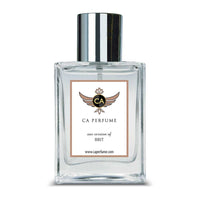
Brit — Burberry Brit Alternative Perfume
7.94
MEI™
Primary Romantic
Secondary Energizing
Confidence
6.37
Presence
6.58
Mood Lift
9.5
Identity
6.75
Warmth
9.5
Social Ease
8.72
Energy
4.7
" I am beautiful.
View full mood profile →
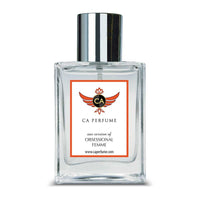
Obsessional Femme — Obsession Alternative Perfume
7.76
MEI™
Primary Confident
Secondary Magnetic
Confidence
7.96
Presence
8.83
Mood Lift
7.36
Identity
8.49
Warmth
9.5
Social Ease
6.64
Energy
3.1
" I am confident.
View full mood profile →
Pi — Givenchy Pi Alternative Cologne
#3
Pi — Givenchy Pi Alternative Cologne
Starting from $14.99
7.72
MEI™
Primary Romantic
Secondary Grounding
Confidence
6.42
Presence
6.01
Mood Lift
8.96
Identity
6.71
Warmth
9.5
Social Ease
8.53
Energy
4.2
" I am beautiful.
View full mood profile →
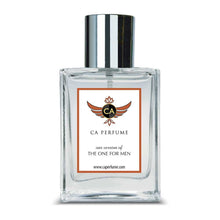
The One For Men — The One Alternative Cologne
7.57
MEI™
Primary Confident
Secondary Magnetic
Confidence
7.84
Presence
8.11
Mood Lift
7.62
Identity
7.77
Warmth
8.59
Social Ease
6.54
Energy
4.2
" I am powerful.
View full mood profile →
HumanSafe™

Top Basil Fragrances by HumanSafe™ Score

These Basil-based fragrances have the highest product-level HumanSafe™ scores in this ingredient collection.

Highest HumanSafe™ Score
The One For Men — The One Alternative Cologne
A-
HumanSafe™ Score Generally Safe
Safest Evaluated Ingredients EDP
AQUA Solvent / Carrier ISS 10.0
1,4-DIOXACYCLOHEPTADECANE-5,17-DIONE Evaluated ingredient ISS 10.0
7-OCTEN-2-OL, 2,6-DIMETHYL- CAT. 3 Evaluated ingredient ISS 9.0
1H-3A,7-METHANOAZULENE, OCTAHYDRO-6-METHOXY- Evaluated ingredient ISS 9.0
1H-3A,7-METHANOAZULEN-6-OL, OCTAHYDRO-3,6,8,8- Evaluated ingredient ISS 9.0
LINALYL ACETATE Evaluated ingredient ISS 7.0
View full safety profile →
Pi — Givenchy Pi Alternative Cologne
#2
Pi — Givenchy Pi Alternative Cologne
Starting from $14.99
A-
HumanSafe™ Score Generally Safe
Safest Evaluated Ingredients EDP
AQUA Solvent / Carrier ISS 10.0
1,4-DIOXACYCLOHEPTADECANE-5,17-DIONE Evaluated ingredient ISS 10.0
7-OCTEN-2-OL, 2,6-DIMETHYL- Evaluated ingredient ISS 9.0
2H-1-BENZOPYRAN-2-ONE Evaluated ingredient ISS 8.0
LINALYL ACETATE Evaluated ingredient ISS 7.0
LINALOOL Evaluated ingredient ISS 7.0
View full safety profile →
Paulo Blue — Polo Blue Alternative Cologne
A-
HumanSafe™ Score Generally Safe
Safest Evaluated Ingredients EDP
AQUA Solvent / Carrier ISS 10.0
7-OCTEN-2-OL, 2,6-DIMETHYL- Evaluated ingredient ISS 9.0
3-BUTEN-2-ONE, 3-METHYL-4-(2,6,6-TRIMETHYL-2- Evaluated ingredient ISS 8.0
LINALYL ACETATE Evaluated ingredient ISS 7.0
LINALOOL Evaluated ingredient ISS 7.0
ALCOHOL DENAT. Solvent / Carrier ISS 7.0
View full safety profile →
Obsessional Femme — Obsession Alternative Perfume
A-
HumanSafe™ Score Generally Safe
Safest Evaluated Ingredients EDP
AQUA Solvent / Carrier ISS 10.0
1H-3A,7-METHANOAZULEN-6-OL, OCTAHYDRO-3,6,8,8- Evaluated ingredient ISS 9.0
2H-1-BENZOPYRAN-2-ONE Evaluated ingredient ISS 8.0
LINALYL ACETATE Evaluated ingredient ISS 7.0
LINALOOL Evaluated ingredient ISS 7.0
CITRONELLOL Evaluated ingredient ISS 7.0
View full safety profile →
Expert Voices

What Masters Say About Basil

Basil offers a complex, multifaceted scent profile that ranges from fresh and herbal to spicy and sweet. Its verdant, sweet aroma adds a refreshing twist to fragrances, reminiscent of lush greenery and sun-kissed gardens.
Fiole Ingredient Glossary
Basil’s scent profile comes primarily from linalool and methyl chavicol, producing a distinctive green, spicy, and slightly aniseed character. In perfumery, it is valued for its ability to bridge citrus and floral notes, creating a lively aromatic opening.
CA Perfume Editorial
Common Questions

Frequently Asked Questions

Answers to common questions about basil as a perfume ingredient.

Basil in perfume smells fresh, green, and slightly spicy, with aniseed and peppery nuances. Its aroma is shaped by linalool and methyl chavicol, which create a vivid, herbaceous top note that can also reveal subtle clove and citrus undertones. Fragrances like Jo Malone Lime Basil & Mandarin and Guerlain Aqua Allegoria Mandarine Basilic highlight basil’s complex, uplifting scent.

Basil is primarily used as a top note due to its high volatility, but in higher concentrations or with fixatives, it can persist into the heart. Its main aroma molecules, linalool and methyl chavicol, evaporate quickly, making basil ideal for providing an immediate burst of freshness in the opening of a fragrance.

Basil’s unique combination of green freshness, spicy warmth, and subtle sweetness makes it a versatile ingredient in niche perfumery. It bridges citrus, floral, and woody notes, adding complexity and a naturalistic character. Niche brands value basil for its ability to create distinctive, memorable openings and for its adaptability in both unisex and gendered compositions.

Basil fragrance uses include pairing with citrus (bergamot, lemon), mint, floral notes (jasmine, rose), and woods (cedarwood, vetiver). These combinations exploit shared molecular components—such as linalool and limonene—to create harmonious, multi-dimensional accords. Notable pairings are found in Jo Malone Lime Basil & Mandarin and Xerjoff Torino21.

Yes, basil’s volatility and fresh, green character make it especially suited to summer and hot weather. High temperatures amplify its projection but shorten longevity, so lighter application or layering with citrus and mint is recommended for a cooling, invigorating effect.

Basil’s top note typically lasts 15–45 minutes, depending on concentration and environmental conditions. In EDT and EDP formats, the herbal freshness is most prominent in the opening, while supporting notes extend the overall longevity of the fragrance.

Yes, basil is highly compatible for layering. How to layer basil: combine with citrus or mint for enhanced freshness, or with woods and florals for added depth. Layering exploits molecular bridges (e.g., shared linalool or limonene) to create seamless transitions and complex scent profiles.

Recommended basil perfumes for beginners include Jo Malone Lime Basil & Mandarin, Guerlain Aqua Allegoria Mandarine Basilic, and Xerjoff Torino21. These fragrances showcase basil’s green, spicy freshness in accessible, well-balanced compositions.

Select a basil fragrance based on your preferred style—fresh and citrusy, floral, or woody. Review the scent pyramid and note pairings in each composition, and consider sample sets to experience how basil interacts with your skin chemistry before committing to a full bottle.

Basil in fragrance is both sweet and spicy. The sweetness comes from linalool and minor floral terpenes, while the spicy, peppery aspect is due to methyl chavicol and eugenol. The balance of these facets depends on the basil chemotype, concentration, and blending partners.

Greens, Herbs and Fougeres Collection

Explore Our Top Basil Fragrances

Discover CA Perfume’s most popular basil-based scents, each showcasing the ingredient’s unique green, spicy, and aromatic character in expertly crafted compositions.

Shop all basil fragrances at CA Perfume →

Where Basil Comes From — Origin & Extraction

Basil used in perfumery is primarily derived from Ocimum basilicum, known as sweet basil, a member of the Lamiaceae family. The plant is native to India and Southeast Asia, with historical cultivation dating back over 5,000 years. Today, major producing countries include India (the largest producer, with over 40% of global supply), Egypt (noted for high linalool content), Vietnam, and parts of Europe (notably France and Italy). Annual global production of basil essential oil is estimated at 1,500–2,000 metric tons. Extraction of basil oil is performed via steam distillation of the fresh or partially dried aerial parts (leaves and soft stems). Prior to distillation, hard stems are removed and the plant material is often shade-dried to reduce moisture and optimize oil yield. The typical yield is 0.4–0.6% by weight, meaning 1,000 kg of basil yields 4–6 kg of essential oil. The distillation process operates at 100°C for 2–3 hours, with linalool and methyl chavicol as principal volatiles. Solvent extraction is rarely used due to the herb’s high water content and the risk of off-notes. Natural basil oil costs approximately $120–$250 per kg, depending on origin and chemotype. Synthetic basil aroma molecules, such as methyl chavicol (CAS 140-67-0) and linalool (CAS 78-70-6), are produced at industrial scale for $10–$40 per kg, offering cost and consistency advantages. Sustainability concerns focus on water use and pesticide application in large-scale basil farming, though basil is generally considered a low-impact crop. Certified organic and HumanSafe™-verified sources are increasingly preferred for traceability and allergen management.

Famous Fragrances That Define Basil in Perfumery

Basil has played a pivotal role in several landmark fragrances, particularly in the fresh, green, and aromatic categories. Jo Malone’s Lime Basil & Mandarin (1999, Jo Malone) established basil as a modern signature top note, blending it with citrus and white florals for a crisp, uplifting composition. Guerlain’s Aqua Allegoria Mandarine Basilic (2007, Marie Salamagne) uses basil to bridge mandarin and green tea, highlighting its versatility as both a top and heart note. Xerjoff Torino21 (2021, Chris Maurice) employs basil alongside mint and lemon for a vibrant, mojito-like freshness. Louis Vuitton Pacific Chill (2023, Jacques Cavallier) features basil in a green, aquatic context, paired with blackcurrant and carrot seed. Essential Parfums Bois Impérial (2020, Quentin Bisch) demonstrates basil’s compatibility with woody and spicy notes, using it as a fresh accent in a sandalwood-dominated structure. Historically, basil appeared in classic colognes and fougères, but its modern renaissance is marked by these contemporary launches. CA Perfume’s basil-forward offerings draw inspiration from this lineage, focusing on the ingredient’s dynamic role as both a dominant and supporting note.

Natural vs Synthetic Basil in Perfumery

Natural basil essential oil is a complex mixture, with linalool, methyl chavicol (estragole), and eugenol as principal aroma compounds. Synthetic basil notes are typically constructed using nature-identical linalool (CAS 78-70-6), methyl chavicol (CAS 140-67-0), and eugenol (CAS 97-53-0), sometimes augmented by 1,8-cineole (CAS 470-82-6) for a camphoraceous lift. Synthetic versions offer batch-to-batch consistency, enhanced stability, and reduced allergen content, but may lack the subtlety and depth of natural oil due to the absence of minor constituents. Performance-wise, synthetic basil notes can be tailored for greater longevity and projection, whereas natural basil’s top-note volatility limits its persistence. Cost is a major differentiator: natural basil oil ranges from $120–$250/kg, while synthetic isolates cost $10–$40/kg. Fragrances such as Jo Malone Lime Basil & Mandarin and Guerlain Aqua Allegoria Mandarine Basilic use both natural and synthetic basil, depending on formulation and regulatory requirements. Sustainability is a growing concern, with synthetic options reducing agricultural land use but raising questions about petrochemical sourcing. The HumanSafe™ platform at CA Perfume ensures full transparency of basil sourcing, allergen content, and IFRA compliance, regardless of natural or synthetic origin.