


Ingredient Guide · Fresh Aquatic
Fresh Aquatic Family · Perfumery Note

Ice

A crystalline note evoking clarity and invigorating coolness.

In perfumery, Ice is a fantasy note classified as a top note, known for its crisp, cool, and airy character. Its effect is achieved through a blend of synthetic and natural molecules such as mint, eucalyptus, and dihydromyrcenol, typically used at 1–5% of a formula to impart glacial freshness.

Ice
Ingredient Profile

Ice

Fresh Aquatic Family
Family Fresh Aquatic
Note Position Base Note
Usage Level 1–5% of Formula
Key Origins Norway, Canada, Finland
Iconic In Bright Crystal, Angel’s Share On The Rocks
The Ingredient

What does Ice smell like and why is it significant in perfumery?

Ice in perfumery is a conceptual, fantasy note designed to evoke the olfactory impression of glacial freshness, rather than a literal scent. What does ice smell like? Its scent profile is described as cool, crisp, and airy, with an invigorating, almost ozonic quality. This effect is achieved through a combination of high-volatility aroma chemicals such as dihydromyrcenol (CAS 28510-23-8), menthol (CAS 89-78-1), and eucalyptol (CAS 470-82-6), which together produce a sensation of coldness and clarity. Trace aldehydes and certain fruity esters may be added to enhance the impression of frozen air or frosted fruit. In perfumery, ice is classified as a top note, used at concentrations typically ranging from 1–5% of the total formula. Its volatility ensures an immediate, refreshing impact upon application, but it dissipates rapidly, making way for heart and base notes. Ice interacts with skin chemistry by amplifying the perception of freshness, especially on warmer, more acidic skin, where the cooling molecules volatilize quickly and project more strongly. The note is often used to modernize citrus, aquatic, or fruity compositions, and to provide a clean, invigorating lift to otherwise dense or sweet blends. Notable fragrances that exemplify the use of ice include Versace Bright Crystal (2006, perfumer Alberto Morillas), where the ice accord is paired with yuzu and pomegranate for a sparkling opening, and Commodity Ice(d)+ (2025, perfumer Caroline Sabas), which combines frosted mango, spearmint, and eucalyptus to create a genderless, crystalline freshness. Rasasi Hawas Ice (2023) employs the ice note alongside apple, bergamot, and star anise for a cooling, aquatic effect.

1–2 Sprays
Due to the high volatility and projection of ice accords, 1–2 sprays are sufficient for a noticeable, refreshing effect without overwhelming the senses.
3–5 Hours
The longevity of the ice note is typically 3–5 hours, as top note molecules evaporate quickly. Reapplication may be needed for sustained freshness.
1–5% of Formula
Ice accords are used at 1–5% concentration in most fragrance formulas, providing a pronounced but transient cooling effect.
Origin & Extraction

Where Ice Comes From — Origin & Extraction

The ice note’s olfactory character is inspired by cold-climate regions, where low temperatures and high humidity shape perceptions of freshness and purity. The use of mint, eucalyptus, and ozonic molecules is often linked to landscapes such as Norway’s fjords, Canada’s frozen lakes, and Finland’s snowy forests.

The ice note in perfumery is a fantasy accord, not derived from a single botanical or mineral source. Instead, it is constructed from a blend of natural and synthetic molecules that evoke the sensation of coldness. Key components include dihydromyrcenol (a synthetic with a fresh, citrusy-lavender aroma), menthol (extracted from Mentha arvensis or synthesized), eucalyptol (from Eucalyptus globulus or synthetic), and various aldehydes and ozonic molecules. These ingredients are sourced globally: menthol is primarily produced in India and China, with global menthol production exceeding 30,000 metric tons annually. Dihydromyrcenol and eucalyptol are manufactured at scale by specialty chemical companies such as Symrise and Givaudan, with prices ranging from $15–$100/kg for synthetics, compared to $200–$400/kg for natural menthol crystals. Extraction methods for natural components include steam distillation (for menthol and eucalyptol), while synthetics are produced via multi-step chemical synthesis, often starting from turpentine or petrochemical feedstocks. The ice accord is blended in the perfumer’s organ, with no direct agricultural or terroir link. Sustainability considerations focus on responsible sourcing of natural mint and eucalyptus, and the environmental impact of synthetic aroma chemical production. Most modern ice accords are formulated to be vegan and cruelty-free, and are preferred for their consistency and reduced allergenicity compared to natural mint oils. The concept of the ice note emerged in the late 20th century with the rise of ozonic and aquatic fragrances, and has since become a staple in contemporary perfumery for its ability to impart a sense of purity and modernity.

NO

Norway

Norway’s western fjords and glacial regions inspire the ice note’s clarity and purity. The crisp, mineral-laden air and high humidity contribute to the sensation of invigorating coldness, making Norwegian landscapes a frequent reference in ice-themed fragrances.

CA

Canada

Canada’s boreal forests and frozen lakes, particularly in Quebec and Ontario, provide a context for the ice accord’s brisk, airy quality. The region’s long winters and abundant coniferous vegetation influence the use of mint and eucalyptus in ice-inspired compositions.

FI

Finland

Finland’s Lapland region, with its vast snowfields and subarctic climate, informs the ice note’s ethereal, clean character. The culture’s appreciation for winter purity and sauna rituals is reflected in the olfactory design of ice accords.

CN

China

China is a major producer of natural menthol and eucalyptus oil, supplying global perfumery with key ice accord components. The provinces of Yunnan and Guangdong lead in menthol extraction, supporting both natural and synthetic ice note production.

Chemistry

Natural vs Synthetic Ice in Perfumery

The ice note in perfumery is inherently synthetic, as ice itself has no intrinsic scent. The accord is built using a combination of natural extracts (menthol, eucalyptol) and synthetic molecules such as dihydromyrcenol (CAS 28510-23-8), methyl pamplemousse (CAS 105-95-3), and aldehyde C-12 MNA (CAS 110-41-8). Synthetic components provide superior consistency, stability, and longevity compared to their natural counterparts, which can vary with harvest and climate. For example, dihydromyrcenol is valued for its intense, diffusive freshness and is used in concentrations up to 2% in ice accords, while menthol and eucalyptol are used at trace levels to avoid overpowering the composition. Cost-wise, synthetics are significantly more affordable and scalable, with dihydromyrcenol priced at $15–$30/kg and menthol at $200–$400/kg (natural) or $50–$100/kg (synthetic). Iconic fragrances such as Versace Bright Crystal and Commodity Ice(d)+ rely on synthetic ice accords for their signature freshness. Sustainability is enhanced by the use of synthetics, reducing pressure on agricultural resources and ensuring batch-to-batch uniformity. The HumanSafe™ platform at CA Perfume ensures full transparency in sourcing and formulation, verifying that all ice accord components meet safety and environmental standards. Overall, the synthetic approach allows perfumers to create a vivid, lasting impression of coldness that natural materials alone cannot achieve.

Natural
Ice Absolute
Cost $3,000–6,000/kg
Method Solvent / CO₂
Character Complex, variable
vs
Synthetic
Safranal & Analogues
Cost $50–200/kg
Method Lab synthesis
Character Consistent, stable
Hall of Fame

Famous Fragrances That Define Ice in Perfumery

2006
dominant note

Bright Crystal

Versace
by Alberto Morillas
YuzuPomegranatePeony
2020
accent

Angel’s Share On The Rocks

By Kilian
by Sidonie Lancesseur
AldehydesCardamomOak
2023
dominant note

Hawas Ice

Rasasi
AppleBergamotStar Anise
2025
dominant note

Ice(d)+

Commodity
by Caroline Sabas
Frozen MangoSpearmintEucalyptus
2020
accent

Y Iced Cologne

Yves Saint Laurent
MintPatchouliCedar
2022
accent

Penguin

Zoologist Perfumes
by Dawn Spencer Hurwitz
Marine NotesMineral AccordViolet Leaf

The ice note has become a hallmark of modern fresh and aquatic perfumery, appearing in both designer and niche compositions. Versace Bright Crystal (2006, Alberto Morillas) is a landmark fragrance that introduced a crystalline ice accord paired with yuzu, pomegranate, and peony, creating a sparkling, translucent freshness. By Kilian Angel’s Share On The Rocks (2020, Sidonie Lancesseur) uses an ice accord to evoke the sensation of a chilled cocktail, blending icy aldehydes with cardamom and oak. Rasasi Hawas Ice (2023) employs a fruity-icy accord with apple, bergamot, and star anise, producing a refreshing, aquatic effect ideal for summer wear. Commodity Ice(d)+ (2025, Caroline Sabas) is a genderless fragrance built around a frozen mango, spearmint, and eucalyptus ice accord, demonstrating the versatility of the note in contemporary perfumery. Yves Saint Laurent Y Iced Cologne (2020) features mint, ice, and patchouli, delivering a brisk, invigorating opening that transitions to a woody base. Zoologist Penguin (2022, Dawn Spencer Hurwitz) uses an ice accord to conjure the Antarctic landscape, pairing it with marine and mineral notes for an immersive, atmospheric experience. CA Perfume’s ice-inspired collection draws on this lineage, offering modern interpretations that highlight the note’s clarity and versatility.

The Accord

How is a captivating Ice accord crafted?

A modern ice accord is built by blending dihydromyrcenol (25–30%), menthol (20–25%), eucalyptol (20–25%), and aldehyde C-12 MNA (20–25%). Dihydromyrcenol provides the core crystalline freshness, menthol imparts a cooling, minty sensation, eucalyptol adds a camphoraceous, airy lift, and aldehyde C-12 MNA contributes an ozonic, frosted effect. This combination yields a balanced, long-lasting impression of glacial air.

30%

Dihydromyrcenol

25–30% of blend

Dihydromyrcenol delivers intense, diffusive freshness with citrus-lavender facets, forming the backbone of the ice accord due to its high volatility and clean profile.

25%

Menthol

20–25% of blend

Menthol imparts a sharp, cooling effect through trigeminal stimulation, enhancing the perception of coldness and clarity in the accord.

25%

Eucalyptol

20–25% of blend

Eucalyptol adds a camphoraceous, airy lift, increasing the accord’s volatility and supporting the sensation of glacial air.

25%

Aldehyde C-12 MNA

20–25% of blend

Aldehyde C-12 MNA provides an ozonic, frosted nuance, amplifying the crystalline, icy effect and extending the accord’s projection.

The Olfactory Layers

How Ice Evolves on Skin

The olfactory evolution of an ice note fragrance is marked by a rapid, volatile opening, a fleeting floral or fruity heart, and a soft, musky base. High-volatility molecules evaporate quickly, creating an immediate burst of coolness that transitions to subtle warmth as heavier components emerge.

I
Top notes
0–15 min
Crystalline Chill

The top stage features a sharp, crystalline freshness driven by dihydromyrcenol, menthol, and eucalyptol. These molecules have high vapor pressures, leading to rapid evaporation and an intense, cooling effect. The impression is of glacial air, frosted fruit, and icy mint.

CrispAiryInvigorating
II
Heart notes
20–60 min
Frosted Florals

As the top notes dissipate, the heart reveals subtle floral or fruity nuances, often constructed with rose, peony, or frozen mango accords. The cooling effect softens, and aldehydes or light musks provide a clean, transparent bridge to the base.

SoftTransparentUplifting
III
Base notes
Several hours
Soft Musk Veil

The base is gentle and musky, with residual coolness from lingering aldehydes and a smooth, skin-like warmth from ambroxan or white musk. The icy impression fades, leaving a subtle, comforting trail.

CleanSubtleComforting
TOP NOTES Crystalline Chill 0–15 minutes HEART NOTES Frosted Florals 20–60 minutes BASE NOTES Soft Musk Veil Several hours
Through the Ages

The Story of Ice in Perfumery

The ice note’s history in perfumery reflects the evolution of modern fresh and aquatic fragrances, from early ozonic experiments to contemporary fantasy accords.

1988

Dihydromyrcenol Popularized

The release of Davidoff Cool Water (Pierre Bourdon) marks the widespread use of dihydromyrcenol, a key molecule in ice accords, establishing the blueprint for aquatic freshness.

1996

Rise of Ozonic Notes

Calone (CAS 28940-11-6) and aldehydic molecules become popular in fragrances like Issey Miyake L’Eau d’Issey, paving the way for fantasy ice accords.

2006

Bright Crystal Launch

Versace Bright Crystal (Alberto Morillas) introduces a crystalline ice accord, blending yuzu, pomegranate, and peony for a sparkling, modern freshness.

2020

Cocktail-Inspired Ice Accords

By Kilian Angel’s Share On The Rocks and Yves Saint Laurent Y Iced Cologne use ice notes to evoke the sensation of chilled beverages and brisk air.

2025

Commodity Ice(d)+ Debuts

Caroline Sabas creates Commodity Ice(d)+, a genderless fragrance centered on a frozen mango and spearmint ice accord, showcasing the note’s versatility in contemporary perfumery.

The Art of Layering

How to Layer Ice

Understanding how to layer ice fragrances involves selecting notes with compatible volatility and molecular structure. Knowing how to layer ice allows for the creation of custom blends that enhance or soften its cooling effect.

01

Enhance Freshness

Layering ice with citrus notes such as bergamot or grapefruit amplifies the perception of freshness due to shared high-volatility esters and aldehydes. This combination is demonstrated in Versace Bright Crystal, where yuzu and ice create a sparkling, invigorating opening.

02

Add Depth

Pairing ice with woody or musky notes such as cedar, ambroxan, or white musk creates a balanced evolution, as heavier base molecules anchor the volatility of the ice accord. Commodity Ice(d)+ uses amber and tonka bean to provide a smooth, lingering base.

03

Soften the Chill

Blending ice with floral notes like rose or peony introduces shared molecular bridges (e.g., damascenone), which soften the sharpness of the ice accord and create a more rounded, elegant impression. This approach is seen in Zoologist Penguin, where ice and violet leaf produce a nuanced, atmospheric effect.

Wear It Right

How to Wear Ice Like a Pro

Seasonal Guide

Fall & Winter

In cold weather, the volatility of ice accords is suppressed, resulting in a more subtle, skin-close freshness. Apply to pulse points and layer with woody or spicy notes to maintain projection. The cooling effect can provide a refreshing contrast to heavier winter scents.

Spring

Spring’s moderate temperatures allow the ice note’s freshness to shine without overwhelming the senses. The accord pairs well with green, floral, or citrus notes, creating a lively, invigorating impression. Apply to exposed skin for enhanced diffusion.

Summer

Heat and humidity amplify the volatility of ice accords, intensifying their cooling effect but shortening longevity. Apply lightly to avoid overwhelming projection, and consider layering with aquatic or fruity notes for a refreshing, uplifting scent.

Year-Round Tip

For consistent performance, apply ice-based fragrances to well-moisturized skin and reapply as needed. Layering with complementary notes can extend the freshness and adapt the accord to any season.

Application Points

Strategic application enhances the ice note’s projection and longevity, allowing for a tailored olfactory experience.

1

Neck

Applying to the neck maximizes projection, as body heat accelerates the diffusion of volatile ice molecules, creating an immediate, enveloping freshness.

2

Behind the Ears

This area retains fragrance well due to natural oils and warmth, allowing the ice accord’s top notes to linger and evolve gradually.

3

Inner Wrists

Pulse points on the wrists provide warmth and movement, enhancing the volatility and sillage of the ice note throughout the day.

4

Hair

Spraying on hair offers a sustained, diffusive release of the ice accord, as the strands trap and slowly release volatile molecules.

Pro Tip

Layer ice-based fragrances over a neutral, unscented moisturizer to prolong freshness and prevent rapid evaporation of top notes.

Mood Architecture™

Top Ice Fragrances by Mood Score

These Ice-based fragrances scored highest on the MEI™ Mood Architecture Framework — measuring how a scent may influence your emotional state.

Highest MEI Score
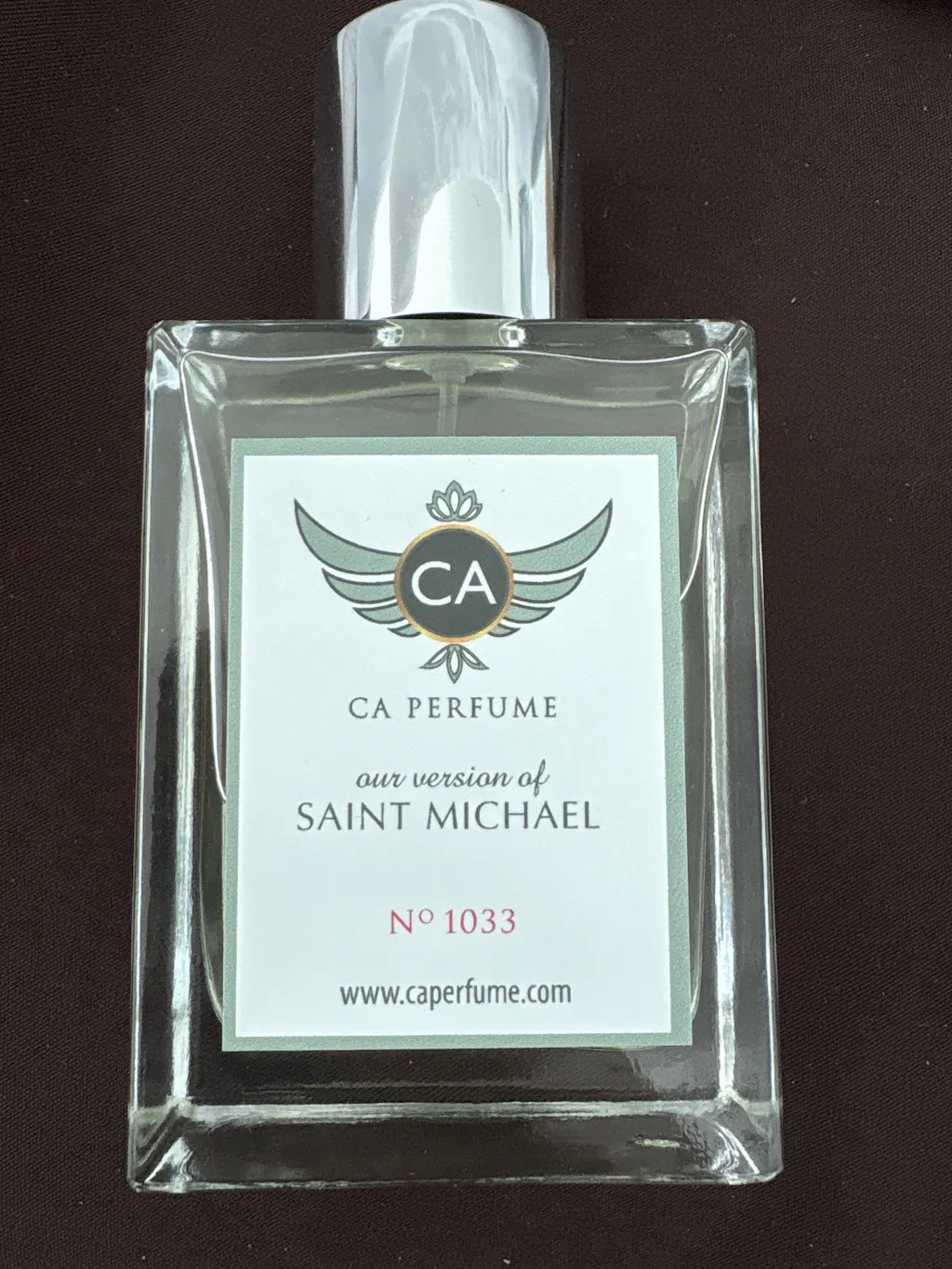
Bright Crystal — Versace Bright Crystal Alternative Perfume
6.06
MEI™
Primary Fresh
Secondary Romantic
Confidence
5.06
Presence
5.06
Mood Lift
7.52
Identity
5.86
Warmth
6.01
Social Ease
6.84
Energy
2.9
" I am radiant.
View full mood profile →
HumanSafe™

Top Ice Fragrances by HumanSafe™ Score

These Ice-based fragrances have the highest product-level HumanSafe™ scores in this ingredient collection.

Highest HumanSafe™ Score
Bright Crystal — Versace Bright Crystal Alternative Perfume
A-
HumanSafe™ Score Generally Safe
Safest Evaluated Ingredients EDP
AQUA Solvent / Carrier ISS 10.0
1,4-DIOXACYCLOHEPTADECANE-5,17-DIONE Evaluated ingredient ISS 10.0
BENZYL SALICYLATE Evaluated ingredient ISS 9.0
1,6,10-DODECATRIEN-3-OL, 3,7,11-TRIMETHYL- Evaluated ingredient ISS 8.0
CYCLOHEXANEPROPANOL, 2,2,6-TRIMETHYL-.ALPHA.-PROPYL- Evaluated ingredient ISS 7.0
View full safety profile →
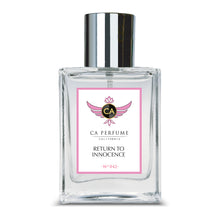
Return To Innocence Perfume Spray
#2
Return To Innocence Perfume Spray
Starting from $89.99
A-
HumanSafe™ Score Generally Safe
Safest Evaluated Ingredients EDP
WATER Solvent / Carrier ISS 10.0
ETHYLENE BRASSYLATE Fragrance ingredient ISS 10.0
BENZYL SALICYLATE Fragrance ingredient ISS 9.0
NEROLIDOL ISOMERS Fragrance ingredient ISS 8.0
COUMARIN Fragrance ingredient ISS 8.0
5,5,6-TRIMETHYLBICYCLOHEPT-2-YLCYCLOHEXANOL Fragrance ingredient ISS 8.0
View full safety profile →
Expert Voices

What Masters Say About Ice

"Ice in perfume serves as a refreshing note, ideal for adding an invigorating lift to compositions. The ice fragrance note plays a dynamic role in enhancing other ingredients, providing a sense of balance and clarity."
CA Perfume Editorial
"Ice(d)+ is a delicate whisper of icy essence, offering a serene and comforting experience."
Caroline Sabas, Perfumer
Common Questions

Frequently Asked Questions

Detailed answers to common questions about the ice note in perfumery.

In perfume, ice is a fantasy note that smells cool, crisp, and airy, evoking the sensation of glacial freshness. This effect is achieved using a blend of high-volatility molecules such as dihydromyrcenol, menthol, and eucalyptol, often paired with aldehydes or ozonic compounds. The result is an immediate, invigorating freshness that dissipates quickly, leaving a clean, transparent trail. Notable examples include Versace Bright Crystal and Commodity Ice(d)+.

Ice is classified as a top note in fragrance compositions. Its high-volatility molecules evaporate rapidly, delivering an immediate burst of freshness upon application. The ice accord typically lasts 15–30 minutes before transitioning to heart and base notes, making it ideal for modern fresh and aquatic fragrances.

Ice is popular in niche perfumery for its ability to impart a unique, modern freshness and clarity. It allows perfumers to create innovative, atmospheric compositions that evoke cold climates, glacial landscapes, or the sensation of chilled air. The note’s versatility and compatibility with citrus, floral, and woody accords make it a valuable tool for crafting distinctive, contemporary scents.

Ice fragrance uses often involve pairing with citrus (bergamot, grapefruit), green (mint, violet leaf), floral (rose, peony), and woody (cedar, ambroxan) notes. These combinations enhance the perception of freshness and create a balanced, evolving scent profile. For example, Versace Bright Crystal pairs ice with yuzu and peony, while Commodity Ice(d)+ uses frozen mango and spearmint.

Yes, ice perfumes are particularly well-suited for summer and hot weather due to their cooling, refreshing effect. The high volatility of ice accord molecules is amplified by heat, providing an immediate sense of invigoration. However, longevity may be reduced in high temperatures, so reapplication may be necessary for sustained freshness.

The longevity of an ice fragrance is generally 3–5 hours, with the top note’s freshness most pronounced in the first 30 minutes. As the volatile molecules evaporate, the scent transitions to softer floral or musky notes. Longevity can be extended by layering with complementary accords or applying to well-moisturized skin.

Yes, ice perfumes are highly versatile for layering. They can be combined with citrus, floral, or woody scents to enhance freshness or add depth. The key is to match volatility and molecular compatibility, ensuring that the ice accord does not overpower or clash with other notes. Notable layering examples include pairing ice with bergamot or rose for a sparkling, elegant effect.

Recommended entry points for ice perfumes include Versace Bright Crystal (2006), Commodity Ice(d)+ (2025), and Rasasi Hawas Ice (2023). These fragrances showcase the ice note’s freshness in accessible, well-balanced compositions, suitable for a wide range of preferences and occasions.

When selecting an ice fragrance at CA Perfume, consider the overall composition and the role of the ice note. Look for blends where ice is paired with citrus, floral, or woody accords that match your personal style. Sampling different concentrations (EDT, EDP) can help you find the ideal balance of freshness and longevity.

Ice in fragrance is primarily perceived as clean, crisp, and airy rather than sweet. However, when paired with fruity or floral notes, it can take on a subtle sweetness, as seen in Commodity Ice(d)+ (frozen mango) or Rasasi Hawas Ice (apple, bergamot). The overall impression remains one of refreshing, modern clarity.

Fresh Aquatic Collection

Explore Our Top Ice Fragrances

Discover CA Perfume’s curated selection of ice-inspired fragrances, each showcasing the note’s crystalline freshness and modern versatility.

Shop all ice fragrances at CA Perfume →

Where Ice Comes From — Origin & Extraction

The ice note in perfumery is a fantasy accord, not derived from a single botanical or mineral source. Instead, it is constructed from a blend of natural and synthetic molecules that evoke the sensation of coldness. Key components include dihydromyrcenol (a synthetic with a fresh, citrusy-lavender aroma), menthol (extracted from Mentha arvensis or synthesized), eucalyptol (from Eucalyptus globulus or synthetic), and various aldehydes and ozonic molecules. These ingredients are sourced globally: menthol is primarily produced in India and China, with global menthol production exceeding 30,000 metric tons annually. Dihydromyrcenol and eucalyptol are manufactured at scale by specialty chemical companies such as Symrise and Givaudan, with prices ranging from $15–$100/kg for synthetics, compared to $200–$400/kg for natural menthol crystals. Extraction methods for natural components include steam distillation (for menthol and eucalyptol), while synthetics are produced via multi-step chemical synthesis, often starting from turpentine or petrochemical feedstocks. The ice accord is blended in the perfumer’s organ, with no direct agricultural or terroir link. Sustainability considerations focus on responsible sourcing of natural mint and eucalyptus, and the environmental impact of synthetic aroma chemical production. Most modern ice accords are formulated to be vegan and cruelty-free, and are preferred for their consistency and reduced allergenicity compared to natural mint oils. The concept of the ice note emerged in the late 20th century with the rise of ozonic and aquatic fragrances, and has since become a staple in contemporary perfumery for its ability to impart a sense of purity and modernity.

Famous Fragrances That Define Ice in Perfumery

The ice note has become a hallmark of modern fresh and aquatic perfumery, appearing in both designer and niche compositions. Versace Bright Crystal (2006, Alberto Morillas) is a landmark fragrance that introduced a crystalline ice accord paired with yuzu, pomegranate, and peony, creating a sparkling, translucent freshness. By Kilian Angel’s Share On The Rocks (2020, Sidonie Lancesseur) uses an ice accord to evoke the sensation of a chilled cocktail, blending icy aldehydes with cardamom and oak. Rasasi Hawas Ice (2023) employs a fruity-icy accord with apple, bergamot, and star anise, producing a refreshing, aquatic effect ideal for summer wear. Commodity Ice(d)+ (2025, Caroline Sabas) is a genderless fragrance built around a frozen mango, spearmint, and eucalyptus ice accord, demonstrating the versatility of the note in contemporary perfumery. Yves Saint Laurent Y Iced Cologne (2020) features mint, ice, and patchouli, delivering a brisk, invigorating opening that transitions to a woody base. Zoologist Penguin (2022, Dawn Spencer Hurwitz) uses an ice accord to conjure the Antarctic landscape, pairing it with marine and mineral notes for an immersive, atmospheric experience. CA Perfume’s ice-inspired collection draws on this lineage, offering modern interpretations that highlight the note’s clarity and versatility.

Natural vs Synthetic Ice in Perfumery

The ice note in perfumery is inherently synthetic, as ice itself has no intrinsic scent. The accord is built using a combination of natural extracts (menthol, eucalyptol) and synthetic molecules such as dihydromyrcenol (CAS 28510-23-8), methyl pamplemousse (CAS 105-95-3), and aldehyde C-12 MNA (CAS 110-41-8). Synthetic components provide superior consistency, stability, and longevity compared to their natural counterparts, which can vary with harvest and climate. For example, dihydromyrcenol is valued for its intense, diffusive freshness and is used in concentrations up to 2% in ice accords, while menthol and eucalyptol are used at trace levels to avoid overpowering the composition. Cost-wise, synthetics are significantly more affordable and scalable, with dihydromyrcenol priced at $15–$30/kg and menthol at $200–$400/kg (natural) or $50–$100/kg (synthetic). Iconic fragrances such as Versace Bright Crystal and Commodity Ice(d)+ rely on synthetic ice accords for their signature freshness. Sustainability is enhanced by the use of synthetics, reducing pressure on agricultural resources and ensuring batch-to-batch uniformity. The HumanSafe™ platform at CA Perfume ensures full transparency in sourcing and formulation, verifying that all ice accord components meet safety and environmental standards. Overall, the synthetic approach allows perfumers to create a vivid, lasting impression of coldness that natural materials alone cannot achieve.