Ingredient Guide · Woody Aromatic
Woody Aromatic Family · Perfumery Note

Eucalyptus

Discover the refreshing aroma of eucalyptus.

Eucalyptus is a fragrant leaf from the eucalyptus tree, known for its sharp, invigorating scent. Its essential oil is extracted through steam distillation, capturing its fresh character.

Eucalyptus
Ingredient Profile

Eucalyptus

Woody Aromatic Family
Family Woody Aromatic
Note Position Top Note
Usage Level 1-5%
Key Origins Australia, Brazil, China
Iconic In Khamrah, Eucalyptus
The Ingredient

What does Eucalyptus smell like and why is it significant in perfumery?

Eucalyptus, primarily sourced from Eucalyptus globulus, offers a sharp, refreshing scent characterized by its high cineole content. This compound contributes to its distinctively medicinal and camphor-like aroma, making it a popular choice in both perfumery and aromatherapy. Typically classified as a top note, eucalyptus is used at concentrations of 1-5% in fragrances, providing a crisp opening that invigorates the senses. Its scent profile is often described as fresh, woody, and slightly minty, reminiscent of a brisk forest air. In perfumery, eucalyptus serves not only as a refreshing note but also as a bridge between other ingredients, enhancing the overall complexity of a fragrance. It pairs well with mint, lavender, and citrus notes, creating lively and uplifting compositions. Notable fragrances that exemplify eucalyptus's use include Khamrah by Lattafa and Eucalyptus by Thymes, where its invigorating qualities are prominently featured.

1-5%
Typical concentration of eucalyptus in fragrances, allowing for a refreshing top note without overwhelming the composition.
60%
Australia contributes approximately 60% of the world's eucalyptus oil supply, highlighting its significance in the global market.
700+
There are over 700 species of eucalyptus, each offering unique aromatic profiles and applications in perfumery.
Origin & Extraction

Where Eucalyptus Comes From — Origin & Extraction

Eucalyptus thrives in diverse climates, primarily in Australia, where it is a dominant species. The unique soil composition and climate conditions contribute to its aromatic profile, making Australian eucalyptus particularly sought after.

Eucalyptus oil is extracted from the leaves of the eucalyptus tree, a fast-growing evergreen native to Australia. The primary producing countries include Australia, Brazil, and China, with Australia contributing approximately 60% of the global supply. The extraction process typically involves steam distillation, where the leaves are chopped and subjected to steam to release the aromatic compounds. This method preserves the oil's natural properties and yields a high-quality product. The cost of natural eucalyptus oil can range from $50 to $200 per kilogram, depending on the quality and source. Sustainability is a growing concern, as overharvesting can impact local ecosystems.

AU

Australia

Home to the majority of eucalyptus species, Australia’s varied climates enhance the aromatic qualities of eucalyptus, contributing to its unique scent profile.

BR

Brazil

Cultivates several eucalyptus varieties, adding distinct scent nuances to fragrances.

CN

China

A growing producer of eucalyptus, contributing to the global supply.

Chemistry

Natural vs Synthetic Eucalyptus in Perfumery

Natural eucalyptus oil is derived from the leaves of various eucalyptus species, primarily Eucalyptus globulus. Synthetic alternatives, such as eucalyptol (CAS 470-82-6), replicate the fresh, camphoraceous scent of natural eucalyptus. While natural eucalyptus offers therapeutic benefits, including antimicrobial properties, synthetic versions provide consistency and lower production costs. The performance of natural eucalyptus is often more complex, with varying scent profiles depending on the species and extraction method. Notable fragrances using natural eucalyptus include Khamrah by Lattafa, while synthetic versions are commonly found in mass-market products.

Natural
Eucalyptus Absolute
Cost $3,000–6,000/kg
Method Solvent / CO₂
Character Complex, variable
vs
Synthetic
Safranal & Analogues
Cost $50–200/kg
Method Lab synthesis
Character Consistent, stable
Hall of Fame

Famous Fragrances That Define Eucalyptus in Perfumery

2020
dominant note

Khamrah

Lattafa
coffeespices
2000
dominant note

Eucalyptus

Thymes
lemonlime
2022
accent

Liquid Brun

French Avenue
woody notes
2019
bridge note

Stronger With You Intensely

Giorgio Armani
spices
2025
supporting note

Eucalyptus 20

Le Labo
cedarlabdanum

Eucalyptus is featured in various notable fragrances, showcasing its versatility and refreshing qualities. Here are some key examples: 1. **Khamrah by Lattafa (2020)** - A warm, sweet fragrance that balances eucalyptus with rich notes of coffee and spices, serving as a refreshing opening. 2. **Eucalyptus by Thymes (2000)** - A citrus aromatic scent that highlights eucalyptus alongside lemon and lime, perfect for a fresh, invigorating experience. 3. **Liquid Brun by French Avenue (2022)** - Incorporates eucalyptus for a clean, refreshing top note, enhancing its woody character. 4. **Stronger With You Intensely by Giorgio Armani (2019)** - Features eucalyptus as a unique twist in a warm, spicy composition. 5. **Eucalyptus 20 by Le Labo (2025)** - A woody aromatic fragrance where eucalyptus provides a cooling freshness, balanced with cedar and labdanum.

The Accord

How is a captivating Eucalyptus accord crafted?

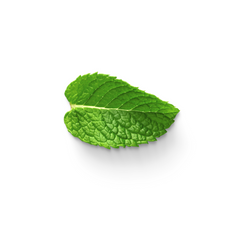
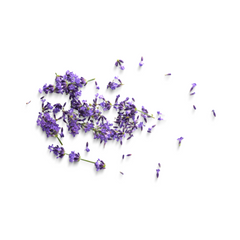
A harmonious eucalyptus accord is created by blending its crisp, green notes with complementary ingredients that enhance its refreshing qualities. The following ingredients work together to create a balanced and invigorating fragrance: - **Eucalyptus** 30-35%: The primary note providing freshness and clarity. - **Mint** 20-25%: Enhances the cooling aspect of eucalyptus, adding vibrancy. - **Lavender** 15-20%: Introduces a soft floral nuance, promoting relaxation. - **Cedarwood** 20-25%: Adds depth and warmth, grounding the freshness of eucalyptus.

30-35%

Eucalyptus

30-35% of blend

Provides a sharp, invigorating freshness that defines the accord.

20-25%

Mint

20-25% of blend

Enhances the cooling effect and adds a vibrant touch.

15-20%

Lavender

15-20% of blend

Offers a soft floral nuance that balances the freshness.

20-25%

Cedarwood

20-25% of blend

Grounds the accord with a warm, woody depth.

The Olfactory Layers

How Eucalyptus Evolves on Skin

The eucalyptus fragrance pyramid unfolds with a sharp, invigorating top note that transitions into a soothing heart and a grounding base. This evolution captures the essence of freshness and clarity.

I
Top notes
0–15 min
Opening

The fragrance opens with a crisp blast of eucalyptus, characterized by its sharp and invigorating scent that feels cool and refreshing. This initial impression captures attention and sets the tone for the fragrance.

sharpinvigoratingcool
II
Heart notes
20–60 min
Heart

As the top notes fade, the heart reveals a blend of soft floral nuances and herbal undertones, maintaining the freshness while adding complexity. This stage is marked by a soothing quality that enhances the overall experience.

herbaceousfloralsoothing
III
Base notes
Several hours
Drydown

The base notes provide a warm, woody foundation that lingers, grounding the freshness of eucalyptus. This stage is characterized by a subtle sweetness and depth, ensuring a lasting impression.

woodywarmlasting
TOP NOTES Opening 0–15 minutes HEART NOTES Heart 20–60 minutes BASE NOTES Drydown Several hours
Through the Ages

The Story of Eucalyptus in Perfumery

Eucalyptus has a rich history in both traditional medicine and modern perfumery, evolving from indigenous uses to becoming a staple in contemporary fragrance compositions.

1770

Discovery by James Cook

James Cook discovers eucalyptus trees in Australia, noting their medicinal properties.

1852

Commercial Distillation

Joseph Bosisto establishes the first commercial eucalyptus oil distillation plant in Australia.

1940s

Peak Production

The Australian eucalyptus oil industry reaches its peak, becoming a significant export.

2020

Modern Perfumery

Eucalyptus is widely used in contemporary fragrances, appreciated for its refreshing qualities.

The Art of Layering

How to Layer Eucalyptus

When considering how to layer eucalyptus, it's essential to focus on molecular compatibility. Eucalyptus pairs well with various notes, enhancing its refreshing qualities while creating a balanced fragrance.

01

Enhance Freshness

Layer eucalyptus with mint to amplify its cooling effect. The shared menthol notes create a vibrant and invigorating scent. This combination is perfect for summer fragrances, as seen in Bon Parfumeur's Eucalyptus and Mint blend.

02

Add Depth

Combine eucalyptus with lavender to introduce a soft floral nuance. This pairing balances the sharpness of eucalyptus, creating a calming effect. Notable examples include Eucalyptus Lavender by Thymes.

03

Brighten the Blend

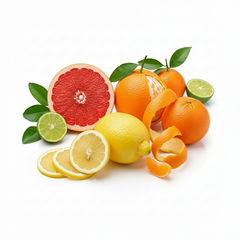
Eucalyptus and citrus notes like bergamot or lemon create a lively and uplifting fragrance. The citrus enhances the freshness of eucalyptus, making it ideal for daytime wear.

Wear It Right

How to Wear Eucalyptus Like a Pro

Seasonal Guide

Fall & Winter

Eucalyptus can be layered with warmer notes like clove or cedarwood for a cozy, invigorating scent that combats winter blues.

Spring

Perfect for freshening up floral compositions, eucalyptus enhances the vibrancy of spring fragrances.

Summer

Eucalyptus shines in summer, offering a cooling effect that pairs well with citrus and mint for a refreshing experience.

Year-Round Tip

Eucalyptus is versatile and can be used throughout the year, especially in blends that aim for a clean, invigorating profile.

Application Points

Strategic application enhances the effectiveness of eucalyptus fragrances.

1

Neck

Applying fragrance here allows for warmth to enhance the scent's projection, making it more noticeable.

2

Behind the Ears

This pulse point helps diffuse the fragrance subtly throughout the day, providing a refreshing aura.

3

Inner Wrists

A classic application spot, the warmth of the wrists helps to amplify the eucalyptus scent.

4

Hair

Spraying on hair allows for a longer-lasting scent, as the fragrance is released gradually with movement.

Pro Tip

Layer eucalyptus with a matching body lotion to enhance its longevity and create a cohesive scent experience.

Mood Architecture™

Top Eucalyptus Fragrances by Mood Score

These Eucalyptus-based fragrances scored highest on the MEI™ Mood Architecture Framework — measuring how a scent may influence your emotional state.

Highest MEI Score
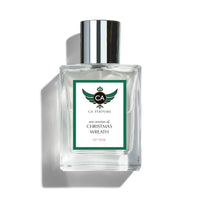
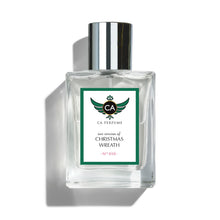
Christmas Wreath — Bergamot Citrus Perfume
7.41
MEI™
Primary Romantic
Secondary Confident
Confidence
6.57
Presence
7.03
Mood Lift
8.35
Identity
7.0
Warmth
8.3
Social Ease
7.53
Energy
4.9
" I am beautiful.
View full mood profile →
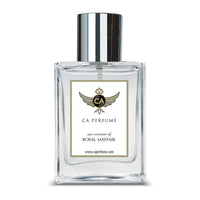
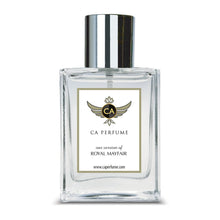
Royal Mayfair — Creed Royal Mayfair Alternative Perfume
7.06
MEI™
Primary Fresh
Secondary Energizing
Confidence
6.77
Presence
6.69
Mood Lift
8.53
Identity
6.17
Warmth
5.63
Social Ease
7.34
Energy
6.0
" I am radiant.
View full mood profile →
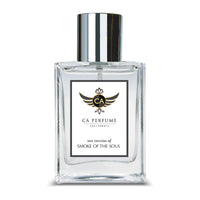
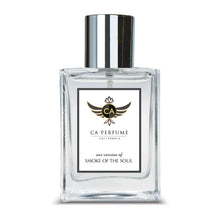
Smoke Of The Soul — Smoke For The Soul Alternative Perfume
5.78
MEI™
Primary Fresh
Secondary Energizing
Confidence
5.47
Presence
6.25
Mood Lift
6.57
Identity
6.08
Warmth
5.07
Social Ease
5.47
Energy
5.7
" I am free.
View full mood profile →
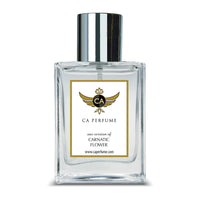
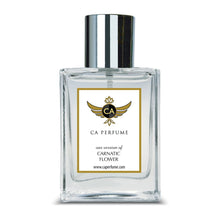
Carnatic Flower — Carnal Flower Alternative Perfume
5.26
MEI™
Primary Fresh
Secondary Energizing
Confidence
4.42
Presence
4.35
Mood Lift
7.0
Identity
4.13
Warmth
4.83
Social Ease
5.61
Energy
4.1
" I am free.
View full mood profile →
HumanSafe™

Top Eucalyptus Fragrances by HumanSafe™ Score

These Eucalyptus-based fragrances have the highest product-level HumanSafe™ scores in this ingredient collection.

Highest HumanSafe™ Score
Smoke Of The Soul — Smoke For The Soul Alternative Perfume
A-
HumanSafe™ Score Generally Safe
Safest Evaluated Ingredients EDP
AQUA Solvent / Carrier ISS 10.0
4H-INDEN-4-ONE, 1,2,3,5,6,7-HEXAHYDRO-1,1,2,3,3- Evaluated ingredient ISS 9.0
2-OXABICYCLO[2.2.2]OCTANE, 1,3,3-TRIMETHYL- Evaluated ingredient ISS 9.0
CEDROL Evaluated ingredient ISS 7.0
ALPHA-CEDRENE Evaluated ingredient ISS 7.0
ALCOHOL DENAT. Solvent / Carrier ISS 7.0
View full safety profile →
Royal Mayfair — Creed Royal Mayfair Alternative Perfume
A-
HumanSafe™ Score Generally Safe
Safest Evaluated Ingredients EDP
AQUA Solvent / Carrier ISS 10.0
AMBROXID Evaluated ingredient ISS 10.0
BENZOIC ACID, 2-HYDROXY-, METHYL ESTER Evaluated ingredient ISS 9.0
2-OXABICYCLO[2.2.2]OCTANE, 1,3,3-TRIMETHYL- Evaluated ingredient ISS 9.0
LINALYL ACETATE Evaluated ingredient ISS 7.0
LINALOOL Evaluated ingredient ISS 7.0
View full safety profile →
Christmas Wreath — Bergamot Citrus Perfume
A-
HumanSafe™ Score Generally Safe
Safest Evaluated Ingredients EDP
AQUA Solvent / Carrier ISS 10.0
2(3H)-FURANONE, 5-HEPTYLDIHYDRO- Evaluated ingredient ISS 10.0
4H-INDEN-4-ONE, 1,2,3,5,6,7-HEXAHYDRO-1,1,2,3,3- Evaluated ingredient ISS 9.0
2H-1-BENZOPYRAN-2-ONE Evaluated ingredient ISS 8.0
2-PROPENAL, 3-PHENYL- Evaluated ingredient ISS 8.0
LINALOOL Evaluated ingredient ISS 7.0
View full safety profile →
Carnatic Flower — Carnal Flower Alternative Perfume
A-
HumanSafe™ Score Generally Safe
Safest Evaluated Ingredients EDP
AQUA Solvent / Carrier ISS 10.0
1,4-DIOXACYCLOHEPTADECANE-5,17-DIONE Evaluated ingredient ISS 10.0
BENZYL SALICYLATE Evaluated ingredient ISS 9.0
BENZOIC ACID, 2-AMINO-, METHYL ESTER Evaluated ingredient ISS 9.0
3-HEXEN-1-OL, BENZOATE, (Z)- Evaluated ingredient ISS 9.0
View full safety profile →
Expert Voices

What Masters Say About Eucalyptus

Eucalyptus is a powerful and distinctive olfactory note in perfumes, known for its fresh and uplifting scent.
CA Perfume Editorial
The eucalyptus scent captures the essence of nature, making it perfect for energizing daytime scents.
CA Perfume Editorial
Common Questions

Frequently Asked Questions

Frequently asked questions about eucalyptus in perfumery.

Eucalyptus in perfume is characterized by its sharp, invigorating aroma, often described as clean and herbal with a hint of menthol. This distinctive scent captures the essence of nature, making it ideal for energizing daytime scents.

Eucalyptus is typically used as a top note in fragrances, providing a refreshing and invigorating opening that sets the tone for the rest of the composition.

Eucalyptus is favored in niche perfumes for its unique and refreshing scent profile, which adds a natural and invigorating quality to compositions, appealing to consumers seeking distinctive fragrances.

Eucalyptus pairs well with mint, lavender, and citrus notes, enhancing its fresh quality while adding complexity. These combinations create a harmonious blend that elevates the refreshing nature of eucalyptus.

Yes, eucalyptus is perfect for summer as it offers a refreshing and cooling effect. Its crisp scent pairs beautifully with lighter compositions, providing an invigorating sensation ideal for warm weather.

The longevity of eucalyptus fragrances can vary, but they generally last around 4-6 hours, depending on the concentration and formulation of the perfume.

Yes, eucalyptus can be layered with other fragrances, particularly those with complementary notes like mint or citrus, to create a dynamic and refreshing scent experience.

For beginners, fragrances like Eucalyptus by Thymes and Khamrah by Lattafa are excellent choices, offering a balanced introduction to the refreshing qualities of eucalyptus.

To choose the right eucalyptus fragrance, consider your personal scent preferences and whether you prefer a more refreshing or complex composition. Exploring sample sizes can also help you find the perfect match.

Eucalyptus primarily has a fresh and invigorating scent profile, characterized by its sharp, herbal, and slightly minty notes, rather than being sweet or spicy.

Woody Aromatic Collection

Explore Our Top Eucalyptus Fragrances

Discover the best eucalyptus fragrances that embody freshness and clarity.

Shop all eucalyptus fragrances at CA Perfume →

Where Eucalyptus Comes From — Origin & Extraction

Eucalyptus oil is extracted from the leaves of the eucalyptus tree, a fast-growing evergreen native to Australia. The primary producing countries include Australia, Brazil, and China, with Australia contributing approximately 60% of the global supply. The extraction process typically involves steam distillation, where the leaves are chopped and subjected to steam to release the aromatic compounds. This method preserves the oil's natural properties and yields a high-quality product. The cost of natural eucalyptus oil can range from $50 to $200 per kilogram, depending on the quality and source. Sustainability is a growing concern, as overharvesting can impact local ecosystems.

Famous Fragrances That Define Eucalyptus in Perfumery

Eucalyptus is featured in various notable fragrances, showcasing its versatility and refreshing qualities. Here are some key examples: 1. **Khamrah by Lattafa (2020)** - A warm, sweet fragrance that balances eucalyptus with rich notes of coffee and spices, serving as a refreshing opening. 2. **Eucalyptus by Thymes (2000)** - A citrus aromatic scent that highlights eucalyptus alongside lemon and lime, perfect for a fresh, invigorating experience. 3. **Liquid Brun by French Avenue (2022)** - Incorporates eucalyptus for a clean, refreshing top note, enhancing its woody character. 4. **Stronger With You Intensely by Giorgio Armani (2019)** - Features eucalyptus as a unique twist in a warm, spicy composition. 5. **Eucalyptus 20 by Le Labo (2025)** - A woody aromatic fragrance where eucalyptus provides a cooling freshness, balanced with cedar and labdanum.

Natural vs Synthetic Eucalyptus in Perfumery

Natural eucalyptus oil is derived from the leaves of various eucalyptus species, primarily Eucalyptus globulus. Synthetic alternatives, such as eucalyptol (CAS 470-82-6), replicate the fresh, camphoraceous scent of natural eucalyptus. While natural eucalyptus offers therapeutic benefits, including antimicrobial properties, synthetic versions provide consistency and lower production costs. The performance of natural eucalyptus is often more complex, with varying scent profiles depending on the species and extraction method. Notable fragrances using natural eucalyptus include Khamrah by Lattafa, while synthetic versions are commonly found in mass-market products.