Ingredient Guide · Spicy Citrus
Spicy Citrus Family · Perfumery Note

Ginger

A vibrant root note with sparkling citrus warmth.

Ginger is a top-to-heart note in perfumery, prized for its spicy, citrusy, and effervescent character. Its signature scent comes from zingiberene and citral, with usage typically at 0.1–1% for a fresh, lively impact.

Ginger
Ingredient Profile

Ginger

Spicy Citrus Family
Family Spicy Citrus
Note Position Top Note
Usage Level 0.1–1% in formula
Key Origins India, China, Nigeria
Iconic In Shalimar, Twilly d’Hermès
The Ingredient

What does Ginger smell like and why is it prized in perfumery?

Ginger (Zingiber officinale) is botanically classified as a rhizome and belongs to the Zingiberaceae family. In perfumery, ginger’s scent profile is defined by a complex interplay of spicy, citrusy, and effervescent facets. The primary odorant molecules include zingiberene (a sesquiterpene responsible for the spicy warmth), citral (neral and geranial isomers, which impart lemony brightness), β-bisabolene, and ar-curcumene. These compounds create a profile that is simultaneously sharp, peppery, and fresh, with green and woody undertones and a subtle balsamic sweetness. This layered aroma is why ginger is often described as lively, invigorating, and slightly exotic. The ginger scent profile is further nuanced by extraction method and origin, with CO2 extracts capturing more of the fresh, zesty top notes, while steam-distilled oils emphasize spicy, woody warmth. Ginger in perfumery is most frequently used as a top note, though its persistent effervescence can carry into the heart of a fragrance. Typical concentrations in fine fragrance range from 0.1% to 1% of the composition, depending on the desired intensity. Its volatility means ginger provides an immediate, impactful opening, but its sesquiterpene content also grants it moderate tenacity, allowing the spicy warmth to linger as the fragrance evolves. On skin, ginger’s bright, peppery molecules interact with individual skin chemistry, sometimes amplifying citrusy freshness or revealing a sweeter, gourmand nuance depending on pH and moisture. Notable fragrances that exemplify ginger’s versatility include Hermès Twilly d’Hermès (2017, perfumer Christine Nagel), where ginger is paired with tuberose and sandalwood for a modern, spicy-floral signature. Another example is Goldfield & Banks Ingenious Ginger (2022, perfumer Hamid Merati-Kashani), which uses Australian ginger for a radiant, floral-amber composition. These illustrate how ginger in perfumery can serve as both a sparkling top note and a dynamic bridge between citrus, floral, and woody accords.

0.1–1% in formula
Ginger is typically used at 0.1–1% of a fragrance composition, balancing impact and volatility without overpowering other notes.
4–6 hours longevity
On skin, ginger’s spicy warmth persists for 4–6 hours, with top notes dissipating in 30–45 minutes and heart/base notes lingering.
$150–$400/kg (natural oil)
Natural ginger essential oil costs $150–$400/kg, reflecting extraction yield and origin. Synthetic ginger notes cost $20–$60/kg.
Origin & Extraction

Where Ginger Comes From — Origin & Extraction

Ginger’s scent character is shaped by its growing region, with soil, rainfall, and altitude influencing the balance of spicy, citrus, and woody facets. Volatile compound ratios vary by terroir.

Ginger (Zingiber officinale) is a perennial herbaceous plant native to Southeast Asia, with historical cultivation traced back over 3,000 years in China and India. Today, India leads global production, accounting for over 30% of the world’s ginger supply, with annual outputs exceeding 1 million metric tons. Other major producers include China, Nigeria, Indonesia, and Thailand. The rhizome, or underground stem, is the part harvested for both culinary and perfumery use. Extraction of ginger for perfumery primarily employs two methods: steam distillation and supercritical CO2 extraction. Steam distillation is typically performed on dried ginger rhizomes at temperatures of 100–120°C, yielding an essential oil rich in sesquiterpenes (notably zingiberene, β-bisabolene, ar-curcumene) and monoterpenes (citral, limonene). The yield from dried ginger is higher (up to 2% by weight) compared to fresh ginger (0.2–0.5%), due to water content. CO2 extraction, a more recent innovation, operates at lower temperatures and higher pressures (typically 40–60°C, 100–300 bar), preserving the volatile, citrusy top notes and producing an extract that closely mirrors the aroma of freshly cut ginger. Solvent extraction is less common but used for oleoresins and flavor applications. Natural ginger essential oil prices range from $150–$400/kg depending on origin and extraction method, while CO2 extracts can command higher prices due to their complexity. Synthetic aroma chemicals that mimic ginger’s facets (such as synthetic zingiberene or citral) cost significantly less, often $20–$60/kg. Sustainability concerns focus on soil depletion and pesticide use in high-yield regions, but ginger is generally considered a low-impact crop when rotated properly. Certified organic and Fair Trade ginger extracts are increasingly available for perfumery, supporting traceability and environmental stewardship.

IN

India

The Kerala and Karnataka regions produce over 30% of global ginger, with red laterite soils and monsoon rainfall yielding rhizomes high in zingiberene and citral. Indian ginger is prized for its intense, spicy aroma and is a major source for perfumery-grade extracts.

CN

China

Shandong and Sichuan provinces are leading producers, with loamy soils and temperate climates. Chinese ginger is often steam-distilled for essential oil, noted for its balanced spicy-citrus profile and moderate pungency. Annual production exceeds 500,000 metric tons.

NG

Nigeria

Kaduna State is the primary region, with sandy soils and tropical rainfall. Nigerian ginger is characterized by a robust, earthy-spicy aroma, higher in ar-curcumene and β-bisabolene, and is increasingly used in natural perfumery.

ID

Indonesia

Java and Sumatra produce ginger with a distinctive sweet, balsamic nuance due to volcanic soils and high humidity. Indonesian ginger is favored for CO2 extraction, yielding a fresh, zesty oil with pronounced citrus notes.

Chemistry

Natural vs Synthetic Ginger in Perfumery

Natural ginger in perfumery is derived from the rhizome of Zingiber officinale, primarily through steam distillation or CO2 extraction. The essential oil contains a complex mixture of sesquiterpenes (zingiberene, CAS 495-60-3; β-bisabolene, CAS 495-61-4; ar-curcumene, CAS 507-08-8) and monoterpenes (citral, CAS 5392-40-5; limonene, CAS 138-86-3). These compounds provide the signature spicy, citrusy, and effervescent aroma. Natural ginger oil is valued for its nuanced, evolving scent and moderate longevity, but batch variability and cost ($150–$400/kg) can be limiting factors for large-scale use. Synthetic ginger notes are constructed from individual aroma chemicals such as synthetic zingiberene, citral, and gingerol derivatives (e.g., [6]-gingerol, CAS 23513-14-6). These molecules offer greater consistency, stability, and cost efficiency (typically $20–$60/kg), and are often used in mainstream perfumery where reproducibility is critical. Synthetic ginger notes tend to emphasize either the sharp, citrusy top or the spicy warmth, but may lack the full spectrum of natural ginger’s complexity. Notable aroma chemicals for ginger effects include methyl heptenone (CAS 110-93-0), which imparts a green-citrus nuance, and hexyl acetate (CAS 142-92-7) for fruity brightness. Famous fragrances using natural ginger include Hermès Twilly d’Hermès and Jo Malone Ginger Biscuit, while synthetic ginger notes are found in designer launches such as Bleu de Chanel. Sustainability and supply chain transparency are increasingly addressed through platforms like HumanSafe™, which verify sourcing and allergen compliance for both natural and synthetic ginger materials.

Natural
Ginger Absolute
Cost $3,000–6,000/kg
Method Solvent / CO₂
Character Complex, variable
vs
Synthetic
Safranal & Analogues
Cost $50–200/kg
Method Lab synthesis
Character Consistent, stable
Hall of Fame

Famous Fragrances That Define Ginger in Perfumery

1925
accent

Shalimar

Guerlain
by Jacques Guerlain
VanillaCitrusIris
2017
dominant note

Twilly d’Hermès

Hermès
by Christine Nagel
TuberoseSandalwoodBitter Orange
2022
dominant note

Ingenious Ginger

Goldfield & Banks Australia
by Hamid Merati-Kashani
MagnoliaVanillaAmberSandalwood
2013
dominant note

Ginger Biscuit

Jo Malone London
by Marie Salamagne
HazelnutTonka BeanVanilla
2023
dominant note

Molecule 01 + Ginger

Escentric Molecules
by Geza Schoen
Iso E Super
2006
bridge note

L’Homme

Yves Saint Laurent
by Anne Flipo, Pierre Wargnye, Dominique Ropion
BergamotViolet LeafCedar

Ginger has become a defining note in modern perfumery, prized for its ability to energize and add complexity to both fresh and spicy compositions. One of the earliest landmark uses is Guerlain Shalimar (1925, Jacques Guerlain), where ginger contributed to the oriental-spicy heart, paired with vanilla and citrus. In the contemporary era, Hermès Twilly d’Hermès (2017, Christine Nagel) places ginger at the center, blending it with tuberose and sandalwood for a modern, effervescent floral-spicy signature. Goldfield & Banks Ingenious Ginger (2022, Hamid Merati-Kashani) showcases Australian ginger in a radiant, floral-amber context, using CO2 extract for heightened freshness. Other notable examples include Jo Malone Ginger Biscuit (2013), which highlights ginger’s gourmand, sweet-spicy side, and Escentric Molecules Molecule 01 + Ginger (2023, Geza Schoen), a minimalist composition focusing on the interplay of ginger oil and Iso E Super. In mainstream perfumery, Bleu de Chanel (2010, Jacques Polge) uses a synthetic ginger note to provide a crisp, spicy lift in the top accord, while Yves Saint Laurent L’Homme (2006, Anne Flipo, Pierre Wargnye, Dominique Ropion) features ginger as a prominent bridge between citrus and woody notes. CA Perfume’s collection reflects this lineage by offering ginger-forward fragrances that explore both natural and synthetic facets, from sparkling citrus-spice to warm, gourmand blends.

The Accord

How is a captivating Ginger accord crafted?

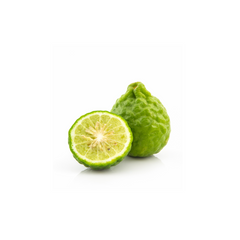
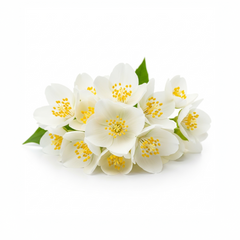
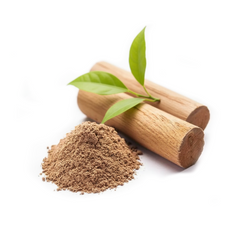
A ginger accord balances spicy, citrus, floral, and woody elements for vibrancy and depth. Typical proportions: Ginger 25–30%, Lemon 20–25%, Jasmine 20–25%, Sandalwood 25–30%. Ginger provides effervescent spice via zingiberene and citral; lemon amplifies citrus brightness through limonene; jasmine bridges floral and spicy facets with indole and linalool; sandalwood anchors the accord, smoothing sharpness with creamy, lactonic notes.

30%

Ginger

25–30% of blend

Provides the spicy, citrusy, and effervescent core through zingiberene, citral, and β-bisabolene, delivering immediate impact and persistent warmth.

25%

Lemon

20–25% of blend

Limonene and citral amplify ginger’s top notes, enhancing zesty freshness and supporting the volatile, uplifting opening.

25%

Jasmine

20–25% of blend

Indole and linalool in jasmine bridge ginger’s spice with floral complexity, softening sharpness and adding diffusion.

30%

Sandalwood

25–30% of blend

Santalol and lactones in sandalwood provide a creamy, woody base, rounding out ginger’s edges and extending longevity.

The Olfactory Layers

How Ginger Evolves on Skin

Ginger’s olfactory evolution begins with a burst of citrusy, effervescent spice, transitions to a warm, peppery heart, and settles into a woody, balsamic base. High-volatility monoterpenes evaporate first, while sesquiterpenes persist.

I
Top notes
0–15 min
Citrus Spark & Spice

The opening is dominated by zingiberene and citral, producing a sharp, lemony, and spicy effervescence. Limonene and linalool contribute to the immediate freshness, while subtle green and piney nuances emerge. This stage is highly volatile, with rapid evaporation and strong projection.

EffervescentCitrusySpicy
II
Heart notes
20–60 min
Warmth Unfolds

As top notes dissipate, β-bisabolene and ar-curcumene provide a warm, peppery, and slightly woody character. The scent softens, revealing a subtle sweetness and a hint of floral complexity, often enhanced by pairing with jasmine or orange blossom.

WarmPepperyFloral
III
Base notes
Several hours
Woody-Balsamic Drydown

The drydown is anchored by residual sesquiterpenes, yielding a gentle, woody-balsamic warmth. Faint traces of vanilla or sandalwood may emerge if present in the composition, extending ginger’s presence with creamy, earthy undertones.

WoodyBalsamicEarthy
TOP NOTES Citrus Spark & Spice 0–15 minutes HEART NOTES Warmth Unfolds 20–60 minutes BASE NOTES Woody-Balsamic Drydown Several hours
Through the Ages

The Story of Ginger in Perfumery

Ginger’s journey in perfumery spans ancient trade, medicinal use, and modern fragrance innovation, with landmark moments shaping its olfactory legacy.

Antiquity

Early Use in Asia and the Mediterranean

Ginger is cultivated in China and India for over 3,000 years, valued for its medicinal and aromatic properties. The rhizome is traded along spice routes to the Mediterranean, where it appears in culinary and early aromatic preparations.

13th Century

Introduction to Europe

Ginger is imported to Europe via the Silk Road and Arab traders, becoming a prized spice for both food and apothecary use. Its aromatic qualities are noted in medieval texts.

1925

Ginger in Guerlain Shalimar

Jacques Guerlain incorporates ginger as a spicy accent in Shalimar, marking one of the first uses of the note in a major oriental fragrance and influencing the development of spicy-floral perfumery.

2000

Origins Ginger Essence Launch

Origins releases Ginger Essence, a unisex fragrance highlighting ginger’s effervescent, citrus-spicy character. The scent becomes a cult favorite and inspires a new wave of ginger-centric perfumes.

2017

Twilly d’Hermès Redefines Ginger’s Role

Christine Nagel’s Twilly d’Hermès places ginger as the dominant note, paired with tuberose and sandalwood. The fragrance demonstrates ginger’s versatility as both a sparkling top and a persistent heart.

2022

CO2 Extraction Expands Ginger’s Palette

Advances in CO2 extraction allow perfumers to capture the full spectrum of ginger’s aroma, from zesty citrus to spicy warmth, enabling more realistic and nuanced ginger accords in niche and mainstream perfumery.

The Art of Layering

How to Layer Ginger

Understanding how to layer ginger is key for customizing its impact. Molecular compatibility with citrus, floral, and woody notes allows for seamless blending and enhanced olfactory effects.

01

Amplify Freshness

Layer ginger with bergamot or lemon-based fragrances. Shared citral and limonene molecules create a unified, sparkling top accord, enhancing projection and clarity. Goldfield & Banks Ingenious Ginger demonstrates this synergy with mandarin and bergamot.

02

Deepen Warmth

Pair ginger with sandalwood or amber notes. Santalol and amber molecules provide a creamy, resinous base that anchors ginger’s volatility, resulting in a smoother, longer-lasting warmth. Hermès Twilly d’Hermès uses sandalwood to extend ginger’s spicy heart.

03

Sweeten the Spice

Combine ginger with vanilla or tonka bean. Vanillin and coumarin molecules mask ginger’s sharpness, creating a gourmand effect reminiscent of gingerbread. Jo Malone Ginger Biscuit exemplifies this approach, blending ginger with sweet, edible notes.

Wear It Right

How to Wear Ginger Like a Pro

Seasonal Guide

Fall & Winter

In cooler weather, ginger’s spicy warmth and balsamic undertones become more prominent, providing comfort and energy. Lower temperatures slow evaporation, allowing the heart and base notes to linger. Apply to pulse points and under clothing for sustained warmth.

Spring

Spring’s moderate temperatures highlight ginger’s citrusy, effervescent top notes. The scent feels fresh and uplifting, ideal for daytime wear. Layer with floral or green notes to enhance the season’s natural brightness.

Summer

Heat increases ginger’s volatility, amplifying its sparkling, zesty facets but shortening longevity. Apply sparingly to avoid overwhelming projection, and consider layering with citrus or aquatic notes for a refreshing effect.

Year-Round Tip

Ginger’s versatility allows it to adapt to any season. Adjust application based on temperature and humidity—less in summer, more in winter. Layer with complementary notes to tailor the scent profile for any occasion.

Application Points

Strategic application enhances ginger’s projection and longevity, maximizing its dynamic evolution.

1

Neck

Pulse points on the neck generate heat, accelerating ginger’s top note diffusion and creating an immediate, effervescent impact.

2

Behind the Ears

This area retains warmth and is less exposed to air, allowing ginger’s spicy warmth to persist and evolve through the heart and base.

3

Inner Wrists

Wrist application showcases ginger’s volatility, making the citrus-spicy opening more pronounced with every movement.

4

Hair

Spraying ginger-infused fragrance on hair provides a subtle, long-lasting sillage as the molecules are gradually released with movement.

Pro Tip

Layer ginger with a moisturizer or unscented oil to slow evaporation, extending the spicy warmth and enhancing skin adherence.

Mood Architecture™

Top Ginger Fragrances by Mood Score

These Ginger-based fragrances scored highest on the MEI™ Mood Architecture Framework — measuring how a scent may influence your emotional state.

Highest MEI Score
Roaring Cliff — Roaring Radcliff Alternative Cologne
8.55
MEI™
Primary Romantic
Secondary Confident
Confidence
7.99
Presence
9.4
Mood Lift
9.33
Identity
7.45
Warmth
9.5
Social Ease
8.15
Energy
4.9
" I am beautiful.
View full mood profile →
Code Satin — Giorgio Armani Code Satin Alternative Perfume
8.4
MEI™
Primary Romantic
Secondary Confident
Confidence
7.22
Presence
7.52
Mood Lift
9.5
Identity
7.71
Warmth
9.5
Social Ease
9.31
Energy
4.2
" I am beautiful.
View full mood profile →
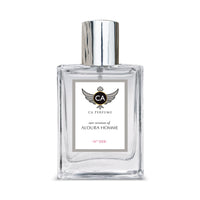
Aloura Homme — Chanel Allure Alternative Cologne
8.46
MEI™
Primary Romantic
Secondary Confident
Confidence
7.54
Presence
7.47
Mood Lift
9.5
Identity
7.67
Warmth
9.5
Social Ease
9.0
Energy
5.3
" I am beautiful.
View full mood profile →
The Best Fortune — Good Fortune Alternative Perfume
8.15
MEI™
Primary Fresh
Secondary Romantic
Confidence
7.17
Presence
7.28
Mood Lift
9.48
Identity
7.23
Warmth
8.93
Social Ease
8.81
Energy
3.5
" I am radiant.
View full mood profile →
HumanSafe™

Top Ginger Fragrances by HumanSafe™ Score

These Ginger-based fragrances have the highest product-level HumanSafe™ scores in this ingredient collection.

Highest HumanSafe™ Score
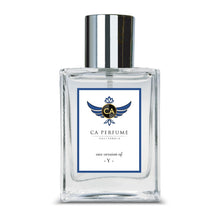
Y — YSL Y Alternative Cologne
#1
Y — YSL Y Alternative Cologne
Starting from $14.99
A-
HumanSafe™ Score Generally Safe
Safest Evaluated Ingredients EDP
AQUA Solvent / Carrier ISS 10.0
1,4-DIOXACYCLOHEPTADECANE-5,17-DIONE Evaluated ingredient ISS 10.0
7-OCTEN-2-OL, 2,6-DIMETHYL- Evaluated ingredient ISS 9.0
2-HEXENE, 6,6-DIMETHOXY-2,5,5-TRIMETHYL- Evaluated ingredient ISS 8.0
LINALYL ACETATE Evaluated ingredient ISS 7.0
LINALOOL Evaluated ingredient ISS 7.0
View full safety profile →
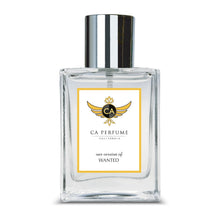
Wanted — Azzaro Wanted Alternative Cologne
A-
HumanSafe™ Score Generally Safe
Safest Evaluated Ingredients EDP
AQUA Solvent / Carrier ISS 10.0
1,4-DIOXACYCLOHEPTADECANE-5,17-DIONE Evaluated ingredient ISS 10.0
BENZYL SALICYLATE Evaluated ingredient ISS 9.0
7-OCTEN-2-OL, 2,6-DIMETHYL- Evaluated ingredient ISS 9.0
TRICYCLO[6.3.1.02,5]DODECAN-1-OL, 4,4,8-TRIMETHYL-, Evaluated ingredient ISS 8.0
View full safety profile →
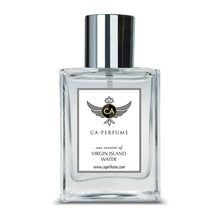
Virgin Island Water — Virgin Island Water Alternative Perfume
A-
HumanSafe™ Score Generally Safe
Safest Evaluated Ingredients EDP
AQUA Solvent / Carrier ISS 10.0
HEXYL SALICYLATE Evaluated ingredient ISS 9.0
BENZYL SALICYLATE Evaluated ingredient ISS 9.0
2-OXABICYCLO[2.2.2]OCTANE, 1,3,3-TRIMETHYL- Evaluated ingredient ISS 9.0
CITRAL Evaluated ingredient ISS 8.0
View full safety profile →
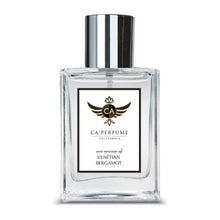
Venetian Bergamot — Tom Ford Venetian Bergamot Alternative Perfume
A-
HumanSafe™ Score Generally Safe
Safest Evaluated Ingredients EDP
AQUA Solvent / Carrier ISS 10.0
2-BUTEN-1-OL, 2-METHYL-4-(2,2,3-TRIMETHYL-3- Evaluated ingredient ISS 10.0
BENZYL SALICYLATE Evaluated ingredient ISS 9.0
3-BUTEN-2-ONE, 3-METHYL-4-(2,6,6-TRIMETHYL-2- Evaluated ingredient ISS 8.0
LINALYL ACETATE Evaluated ingredient ISS 7.0
View full safety profile →
Expert Voices

What Masters Say About Ginger

What’s striking about ginger is how it combines freshness and spiciness in one ingredient. I’ve always loved that, when I smelt this new ‘ginger oil fresh’ from the Ivory Coast, I knew I had to do Molecule + Ginger. It’s so clean, so pure, with a sharp effervescent quality that plays beautifully in the landscape of Molecule 01.
Geza Schoen, Perfumer (Escentric Molecules)
Ginger’s scent profile is defined by zingiberene and citral, producing a spicy, citrusy, and effervescent aroma that bridges top and heart notes in both fresh and spicy fragrance families.
CA Perfume Editorial
Common Questions

Frequently Asked Questions

Answers to common questions about ginger’s role, performance, and use in perfumery.

Ginger in perfume smells spicy, citrusy, and effervescent, with a lively top note that combines sharp lemony brightness (from citral and limonene) and warm, peppery spice (from zingiberene and β-bisabolene). The scent can evolve from fresh and zesty to warm, woody, and slightly sweet, depending on extraction method and composition. Notable examples include Hermès Twilly d’Hermès and Jo Malone Ginger Biscuit.

Ginger is primarily used as a top note due to its high volatility and immediate impact, but its sesquiterpene content allows it to persist into the heart of a fragrance. In some compositions, especially those using CO2 extracts, ginger can bridge the top and heart, providing both initial effervescence and lingering warmth.

Ginger’s complex aroma—combining spicy, citrus, and woody facets—makes it highly versatile for niche perfumery. It provides a dynamic, modern twist to both fresh and spicy compositions, and its ability to interact with a wide range of notes (citrus, floral, woody, gourmand) allows perfumers to craft unique, memorable accords.

Ginger fragrance uses often involve pairing with citrus notes (bergamot, lemon), florals (jasmine, orange blossom), woody bases (sandalwood, cedar), and gourmand notes (vanilla, tonka bean). These combinations are supported by shared molecules (citral, linalool, santalol) that create seamless olfactory bridges.

Ginger’s sparkling, citrusy top notes make it well-suited for summer, providing a refreshing and energizing effect. However, its volatility means the scent may dissipate more quickly in heat. For longer-lasting performance, layer with citrus or aquatic notes and apply sparingly to avoid overwhelming projection.

Ginger’s top notes are highly volatile, projecting strongly for 30–45 minutes. The spicy warmth can persist for 4–6 hours, especially when anchored by woody or balsamic base notes. Longevity depends on concentration, extraction method, and skin chemistry.

Yes, ginger is highly compatible for layering due to its molecular affinity with citrus, floral, and woody notes. For example, layering with bergamot amplifies freshness, while pairing with sandalwood or vanilla deepens warmth. Experiment on skin to find the most harmonious combinations.

Recommended entry points include Hermès Twilly d’Hermès (spicy-floral), Jo Malone Ginger Biscuit (gourmand-spicy), and Goldfield & Banks Ingenious Ginger (floral-amber). These fragrances showcase ginger’s versatility and are widely praised for their balanced, approachable compositions.

Consider the desired scent profile—fresh and citrusy, warm and spicy, or sweet and gourmand. CA Perfume’s collection offers ginger-forward fragrances across these styles. Sampling is recommended to experience how ginger interacts with your skin chemistry and personal preferences.

Ginger’s scent in fragrance is primarily spicy and citrusy, but it can reveal a subtle sweetness, especially when paired with vanilla or tonka bean. The balance of spicy versus sweet depends on extraction method, concentration, and the other notes in the composition.

Spicy Citrus Collection

Explore Our Top Ginger Fragrances

Discover ginger-forward scents that showcase spicy, citrusy, and gourmand profiles—each crafted for dynamic, modern wear.

Shop all ginger fragrances at CA Perfume →

Where Ginger Comes From — Origin & Extraction

Ginger (Zingiber officinale) is a perennial herbaceous plant native to Southeast Asia, with historical cultivation traced back over 3,000 years in China and India. Today, India leads global production, accounting for over 30% of the world’s ginger supply, with annual outputs exceeding 1 million metric tons. Other major producers include China, Nigeria, Indonesia, and Thailand. The rhizome, or underground stem, is the part harvested for both culinary and perfumery use. Extraction of ginger for perfumery primarily employs two methods: steam distillation and supercritical CO2 extraction. Steam distillation is typically performed on dried ginger rhizomes at temperatures of 100–120°C, yielding an essential oil rich in sesquiterpenes (notably zingiberene, β-bisabolene, ar-curcumene) and monoterpenes (citral, limonene). The yield from dried ginger is higher (up to 2% by weight) compared to fresh ginger (0.2–0.5%), due to water content. CO2 extraction, a more recent innovation, operates at lower temperatures and higher pressures (typically 40–60°C, 100–300 bar), preserving the volatile, citrusy top notes and producing an extract that closely mirrors the aroma of freshly cut ginger. Solvent extraction is less common but used for oleoresins and flavor applications. Natural ginger essential oil prices range from $150–$400/kg depending on origin and extraction method, while CO2 extracts can command higher prices due to their complexity. Synthetic aroma chemicals that mimic ginger’s facets (such as synthetic zingiberene or citral) cost significantly less, often $20–$60/kg. Sustainability concerns focus on soil depletion and pesticide use in high-yield regions, but ginger is generally considered a low-impact crop when rotated properly. Certified organic and Fair Trade ginger extracts are increasingly available for perfumery, supporting traceability and environmental stewardship.

Famous Fragrances That Define Ginger in Perfumery

Ginger has become a defining note in modern perfumery, prized for its ability to energize and add complexity to both fresh and spicy compositions. One of the earliest landmark uses is Guerlain Shalimar (1925, Jacques Guerlain), where ginger contributed to the oriental-spicy heart, paired with vanilla and citrus. In the contemporary era, Hermès Twilly d’Hermès (2017, Christine Nagel) places ginger at the center, blending it with tuberose and sandalwood for a modern, effervescent floral-spicy signature. Goldfield & Banks Ingenious Ginger (2022, Hamid Merati-Kashani) showcases Australian ginger in a radiant, floral-amber context, using CO2 extract for heightened freshness. Other notable examples include Jo Malone Ginger Biscuit (2013), which highlights ginger’s gourmand, sweet-spicy side, and Escentric Molecules Molecule 01 + Ginger (2023, Geza Schoen), a minimalist composition focusing on the interplay of ginger oil and Iso E Super. In mainstream perfumery, Bleu de Chanel (2010, Jacques Polge) uses a synthetic ginger note to provide a crisp, spicy lift in the top accord, while Yves Saint Laurent L’Homme (2006, Anne Flipo, Pierre Wargnye, Dominique Ropion) features ginger as a prominent bridge between citrus and woody notes. CA Perfume’s collection reflects this lineage by offering ginger-forward fragrances that explore both natural and synthetic facets, from sparkling citrus-spice to warm, gourmand blends.

Natural vs Synthetic Ginger in Perfumery

Natural ginger in perfumery is derived from the rhizome of Zingiber officinale, primarily through steam distillation or CO2 extraction. The essential oil contains a complex mixture of sesquiterpenes (zingiberene, CAS 495-60-3; β-bisabolene, CAS 495-61-4; ar-curcumene, CAS 507-08-8) and monoterpenes (citral, CAS 5392-40-5; limonene, CAS 138-86-3). These compounds provide the signature spicy, citrusy, and effervescent aroma. Natural ginger oil is valued for its nuanced, evolving scent and moderate longevity, but batch variability and cost ($150–$400/kg) can be limiting factors for large-scale use. Synthetic ginger notes are constructed from individual aroma chemicals such as synthetic zingiberene, citral, and gingerol derivatives (e.g., [6]-gingerol, CAS 23513-14-6). These molecules offer greater consistency, stability, and cost efficiency (typically $20–$60/kg), and are often used in mainstream perfumery where reproducibility is critical. Synthetic ginger notes tend to emphasize either the sharp, citrusy top or the spicy warmth, but may lack the full spectrum of natural ginger’s complexity. Notable aroma chemicals for ginger effects include methyl heptenone (CAS 110-93-0), which imparts a green-citrus nuance, and hexyl acetate (CAS 142-92-7) for fruity brightness. Famous fragrances using natural ginger include Hermès Twilly d’Hermès and Jo Malone Ginger Biscuit, while synthetic ginger notes are found in designer launches such as Bleu de Chanel. Sustainability and supply chain transparency are increasingly addressed through platforms like HumanSafe™, which verify sourcing and allergen compliance for both natural and synthetic ginger materials.