Ingredient Guide · Floral
Floral Family · Perfumery Note

Green Lilac

Experience the vibrant essence of spring blooms

Green Lilac is a fresh, floral heart note in perfumery, known for its lush, slightly sweet and green scent profile. It is primarily a synthetic accord used to evoke spring's blossoming beauty.

Green Lilac
Ingredient Profile

Green Lilac

Floral Family
Family Floral
Note Position Heart Note
Usage Level 1–5%
Key Origins United States, France, United Kingdom
Iconic In Éclat d'Arpège, En Passant
The Ingredient

What does Green Lilac smell like and why is it so captivating?

Green Lilac is a synthetic floral accord designed to replicate the scent of lilac blossoms combined with fresh green leafy facets. Its scent profile is fresh, floral, and slightly sweet, evoking the crispness and vibrancy of spring blooms. The accord typically includes molecules such as hydroxycitronellal, terpineol, anisic aldehyde, heliotropin, and linalool, which together recreate the delicate, powdery, and green nuances of lilac flowers. In perfumery, Green Lilac functions as a heart note, used at concentrations typically ranging from 1% to 5% in fragrance compositions. Because natural lilac essential oil or absolute does not exist due to the flower's chemical composition, Green Lilac accords are synthetic reconstructions. These accords interact with skin chemistry by providing a fresh, clean floral character that blends well with other green and floral notes, maintaining vibrancy without overwhelming the wearer. Notable fragrances featuring Green Lilac or lilac accords include Lanvin's Éclat d'Arpège (2002), where it adds a fresh floral heart, and Frederic Malle's En Passant (2000), which uses lilac to evoke a springtime bouquet. These examples demonstrate Green Lilac's ability to impart a naturalistic, uplifting floral quality in modern perfumery.

1–5%
Typical concentration range of Green Lilac accord in fragrance formulas, balancing olfactory impact and regulatory safety.
4–6 Hours
Average longevity of Green Lilac accords on skin, depending on formulation and environmental factors.
6+ Molecules
Number of synthetic aroma chemicals commonly combined to create a realistic Green Lilac accord, ensuring complexity and authenticity.
Origin & Extraction

Where Green Lilac Comes From — Origin & Extraction

Green Lilac’s character is influenced by the temperate climates and soil conditions of its growing regions. These factors shape the floral and green nuances perceived in the accord, reflecting the terroir of the lilac blossoms.

Green Lilac is not derived from a natural essential oil or absolute, as the lilac flower (Syringa vulgaris) does not yield extractable aromatic oils suitable for perfumery. Instead, Green Lilac is a synthetic accord meticulously constructed from aroma chemicals to replicate the scent of lilac blossoms and their fresh green leaves. The botanical source, Syringa vulgaris, is native to the Balkan Peninsula and widely cultivated in temperate regions including the United States (notably the Pacific Northwest), France (Provence), and the United Kingdom, where local soil and climate influence the floral character of the blossoms. Extraction of natural lilac scent is chemically unfeasible; traditional methods such as steam distillation, solvent extraction, enfleurage, and CO2 extraction fail to produce usable material. Consequently, Green Lilac accords are synthesized using molecules like hydroxycitronellal, terpineol, anisic aldehyde, heliotropin, and linalool. These compounds are blended in precise ratios to recreate the fresh, floral, and slightly powdery scent profile of lilac. Synthetic Green Lilac accords cost significantly less than rare natural absolutes, with prices ranging from $100 to $500 per kilogram depending on purity and supplier, compared to the impractical cost of natural extraction. Sustainability is enhanced by synthetic production, eliminating the need for large-scale flower harvesting and reducing environmental impact. The synthetic approach also ensures consistent quality and supply, vital for commercial perfumery.

US

United States

The Pacific Northwest region produces abundant lilac blossoms under a temperate climate with moist, well-drained soils. This origin imparts a fresh, crisp green facet to the lilac scent, widely used in perfumery.

FR

France

Provence’s mild Mediterranean climate and calcareous soils yield lilacs with a romantic, poetic floral character, often symbolizing spring in French perfumery and culture.

GB

United Kingdom

The UK’s lush gardens and temperate maritime climate produce lilacs with a nostalgic, soft green floral scent, frequently used in traditional and contemporary floral compositions.

Chemistry

Natural vs Synthetic Green Lilac in Perfumery

Green Lilac is a quintessential example of a synthetic accord in perfumery, as no natural essential oil or absolute of lilac exists due to the flower's chemical composition and volatile aromatic profile. The synthetic Green Lilac accord is composed of key aroma chemicals such as hydroxycitronellal (CAS 107-75-5), terpineol (CAS 98-55-5), anisic aldehyde (CAS 123-11-5), heliotropin (CAS 120-57-0), and linalool (CAS 78-70-6). These molecules collectively provide the fresh, floral, green, and powdery facets characteristic of lilac. Performance-wise, synthetic Green Lilac accords offer superior longevity, stability, and diffusion compared to any natural attempts at lilac scent capture. They maintain consistent olfactory profiles batch-to-batch, essential for commercial fragrance production. Cost differentials are significant; synthetic Green Lilac accords are more affordable and sustainable, avoiding the ecological and economic challenges of harvesting vast quantities of lilac flowers, which yield no usable oil. Famous fragrances such as Lanvin's Éclat d'Arpège and Frederic Malle's En Passant utilize synthetic Green Lilac accords to evoke the delicate floral heart. The HumanSafe™ platform verifies the safety and transparency of these synthetic molecules, ensuring compliance with IFRA standards and consumer safety. CA Perfume embraces this synthetic approach for Green Lilac, prioritizing quality, sustainability, and olfactory authenticity.

Natural
Green Lilac Absolute
Cost $3,000–6,000/kg
Method Solvent / CO₂
Character Complex, variable
vs
Synthetic
Safranal & Analogues
Cost $50–200/kg
Method Lab synthesis
Character Consistent, stable
Hall of Fame

Famous Fragrances That Define Green Lilac in Perfumery

2002
heart note

Éclat d'Arpège

Lanvin
by Olivier Cresp
peonyfreesiagreen notes
2000
dominant note

En Passant

Frederic Malle
by Olivia Giacobetti
violetwhite flowers
2010
accent

Gucci Guilty

Gucci
by Alberto Morillas
fruity noteswoody notes
2021
dominant note

Lilac Love

Amouage
by Christopher Chong
rosemusk
2016
heart note

Lilac Path

Aerin
orange flowerangelica seed

Green Lilac accords have been employed in numerous notable fragrances to evoke the fresh, floral essence of lilac blossoms. Lanvin's Éclat d'Arpège (2002), crafted by perfumer Olivier Cresp, features Green Lilac as a heart note, blending it with peony and freesia to create a luminous spring bouquet. Frederic Malle's En Passant (2000), by Olivia Giacobetti, uses a lilac accord to capture the ephemeral freshness of a springtime walk, paired with violet and white flowers. Gucci Guilty (2010), designed by perfumer Alberto Morillas, incorporates lilac to add a soft floral nuance amidst fruity and woody notes. Amouage's Lilac Love (2021), by perfumer Christopher Chong, highlights lilac as a central theme, enriched with rose and musk to create a romantic floral composition. Aerin's Lilac Path (2016) offers a sun-drenched interpretation of lilac, combining it with orange flower and angelica seed for a green, slightly spicy freshness. These fragrances exemplify the versatility and appeal of Green Lilac accords in modern perfumery. CA Perfume's collection honors this lineage by offering fragrances that showcase the fresh, floral character of Green Lilac in diverse olfactory contexts.

The Accord

How is a captivating Green Lilac accord crafted?

A Green Lilac accord typically blends 90-100% of complementary ingredients to recreate the fresh, floral, and green essence of lilac blossoms. Hydroxycitronellal (30-35%) provides a dewy, muguet-like freshness forming the accord's backbone. Terpineol (20-25%) contributes floral sweetness with woody-fruity nuances. Anisic aldehyde (15-20%) adds a powdery, slightly balsamic facet enhancing the lilac's softness. Heliotropin (15-20%) imparts a subtle almond-vanilla warmth that rounds the accord, balancing the green sharpness and floral brightness.

35%

Hydroxycitronellal

30–35% of blend

Provides the fresh, dewy, lily-of-the-valley-like green floral backbone essential to the lilac accord.

25%

Terpineol

20–25% of blend

Contributes floral sweetness with subtle woody and fruity nuances, enhancing the accord's complexity.

20%

Anisic Aldehyde

15–20% of blend

Adds a powdery, slightly balsamic facet that softens and rounds the floral brightness.

20%

Heliotropin

15–20% of blend

Imparts a faint almond-vanilla warmth that balances the green sharpness and floral freshness.

The Olfactory Layers

How Green Lilac Evolves on Skin

Green Lilac’s olfactory evolution begins with bright, fresh green and citrusy facets that evaporate within 15 minutes. The heart reveals the lush floral core dominated by lilac’s powdery and sweet molecules, lasting up to an hour. The base settles into a soft, warm floral-vanilla musk that anchors the scent for several hours, providing a gentle lingering effect.

I
Top notes
0–15 min
Bright Green Freshness

The opening features volatile green aldehydes and citrusy molecules that provide a crisp, fresh impression. Hydroxycitronellal and terpineol evaporate quickly, delivering the initial verdant and dewy facets.

FreshGreenCrisp
II
Heart notes
20–60 min
Floral Powdery Bloom

The heart reveals the floral core with anisic aldehyde and linalool contributing powdery, sweet, and slightly honeyed lilac nuances. This stage embodies the essence of blooming lilac flowers with a soft, romantic character.

FloralPowderySweet
III
Base notes
Several hours
Warm Creamy Finish

The base is composed of heliotropin and subtle musks that provide a creamy, warm, and slightly almond-vanilla finish. This phase offers a gentle, lingering softness that balances the fresh floral opening.

WarmCreamySoft
TOP NOTES Bright Green Freshness 0–15 minutes HEART NOTES Floral Powdery Bloom 20–60 minutes BASE NOTES Warm Creamy Finish Several hours
Through the Ages

The Story of Green Lilac in Perfumery

The history of Green Lilac in perfumery reflects the evolution from natural floral inspirations to synthetic accords enabling its use in modern fragrances.

16th Century

Introduction of Syringa vulgaris to Western Europe

Lilac, native to the Balkan Peninsula, was introduced to Western Europe, becoming a symbol of spring and renewal in gardens and culture.

Late 19th Century

Early Synthetic Lilac Accord Development

Perfumers began experimenting with synthetic molecules like hydroxycitronellal and heliotropin to recreate lilac’s scent, as natural extraction was unfeasible.

2000

Launch of Frederic Malle's En Passant

Olivia Giacobetti’s En Passant featured a sophisticated lilac accord, showcasing the potential of synthetic Green Lilac in niche perfumery.

2002

Lanvin Éclat d'Arpège Release

Olivier Cresp’s composition used Green Lilac as a heart note, popularizing the fresh floral accord in mainstream perfumery.

2020s

Advances in Synthetic Aroma Chemicals

Refinements in synthetic chemistry improved the realism and complexity of Green Lilac accords, enhancing their use in luxury and niche fragrances.

The Art of Layering

How to Layer Green Lilac

Understanding how to layer Green Lilac involves molecular compatibility and olfactory synergy. Its fresh floral and green aldehydic molecules blend harmoniously with complementary notes to enhance complexity and balance.

01

Enhance Sweetness

Pair Green Lilac with vanilla or benzoin to soften its green sharpness through olfactory masking, where vanillin’s sweet threshold tempers anisic aldehyde’s powdery facets. This creates a warm, inviting floral gourmand effect seen in compositions like Amouage Lilac Love.

02

Add Depth

Combine Green Lilac with woody notes such as sandalwood or cashmere wood, which share sesquiterpene compounds that stabilize the accord’s volatility, extending longevity and adding a creamy base, as demonstrated in Lanvin Éclat d'Arpège.

03

Lighten the Glow

Layer Green Lilac with citrus notes like bergamot or lemon, where the shared aldehydic molecules enhance brightness and freshness, creating a sparkling top note synergy. This technique is effective in springtime fragrances to evoke uplifting energy.

Wear It Right

How to Wear Green Lilac Like a Pro

Seasonal Guide

Fall & Winter

Cooler temperatures slow molecular evaporation, preserving Green Lilac’s floral heart and creamy base longer. Layer with warm vanilla or musk to enhance longevity and add cozy depth.

Spring

Ideal season for Green Lilac, as moderate warmth enhances fresh green and floral notes without overwhelming volatility. Apply lightly for a natural springtime aura.

Summer

Heat increases volatility, causing rapid evaporation of fresh top notes. Use lighter concentrations or layer with citrus to maintain brightness and avoid scent fatigue.

Year-Round Tip

Apply to moisturized skin at pulse points to optimize diffusion and longevity regardless of season. Layer with complementary floral or woody notes for versatility.

Application Points

Strategic application of Green Lilac enhances its fresh floral character and longevity.

1

Neck

Pulse points at the neck emit warmth that activates Green Lilac’s floral heart, enhancing projection and sillage.

2

Behind the Ears

This discreet area allows subtle diffusion of fresh green top notes, creating an intimate floral aura.

3

Inner Wrists

High blood flow here intensifies evaporation, highlighting the bright, fresh facets of Green Lilac.

4

Hair

Hair fibers hold fragrance longer, releasing Green Lilac gradually with movement for sustained freshness.

★

Pro Tip

Layer Green Lilac with a light body lotion or oil to prolong scent longevity and soften evaporation.

Mood Architecture™

Top Green Lilac Fragrances by Mood Score

These Green Lilac-based fragrances scored highest on the MEI™ Mood Architecture Framework — measuring how a scent may influence your emotional state.

Highest MEI Score
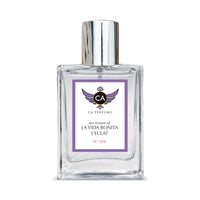
La Vida Bonita L'eclat — Eclat D'arpege Alternative Perfume
4.6
MEI™
Primary Fresh
Secondary Romantic
Confidence
4.2
Presence
4.1
Mood Lift
5.3
Identity
4.2
Warmth
4.7
Social Ease
4.9
Energy
3.2
" I am free.
View full mood profile →
HumanSafe™

Top Green Lilac Fragrances by HumanSafe™ Score

These Green Lilac-based fragrances have the highest product-level HumanSafe™ scores in this ingredient collection.

Highest HumanSafe™ Score
La Vida Bonita L'eclat — Eclat D'arpege Alternative Perfume
A-
HumanSafe™ Score Generally Safe
Safest Evaluated Ingredients EDP
AQUA Solvent / Carrier ISS 10.0
CYCLOHEXANEPROPANOL, 2,2,6-TRIMETHYL-.ALPHA.-PROPYL- Evaluated ingredient ISS 7.0
CYCLOHEXANEMETHANOL, 4-(1-METHYLETHYL)-, CIS- Evaluated ingredient ISS 7.0
CITRAL Evaluated ingredient ISS 7.0
BETA-PINENE Evaluated ingredient ISS 7.0
ALCOHOL DENAT. Solvent / Carrier ISS 7.0
View full safety profile →
Expert Voices

What Masters Say About Green Lilac

“
Lilac is one of perfumery's 'mute flowers' — botanically fragrant but chemically impossible to extract. Every lilac note ever smelled in a perfume was built molecule by molecule from scratch, never from the actual flower.
Matvey Yudov, Perfumer and Fragrance Expert
“
Green Lilac accords synthesize multiple aroma chemicals to evoke the fresh, floral, and slightly powdery nuances of lilac blossoms, enabling perfumers to capture spring’s ephemeral beauty in fragrance compositions.
CA Perfume Editorial
Common Questions

Frequently Asked Questions

Common questions about Green Lilac and its use in perfumery answered with technical detail.

Green Lilac in perfume smells fresh, floral, and slightly sweet with a distinctive green leafy facet. It recreates the scent of lilac blossoms combined with crisp foliage, evoking springtime freshness. The accord is synthetic, composed of molecules like hydroxycitronellal and anisic aldehyde, which provide its characteristic powdery and dewy floral nuances. Fragrances such as Lanvin Éclat d'Arpège and Frederic Malle En Passant showcase this scent profile.

Green Lilac functions primarily as a heart note in perfumery. It provides the floral core of a fragrance, bridging the fresh top notes and the warm, creamy base notes. Its synthetic accord typically lasts through the middle phase of the scent’s evolution, contributing powdery, floral, and green nuances.

Green Lilac is favored in niche perfumery for its ability to evoke the delicate, fresh essence of lilac flowers, which cannot be extracted naturally. Its synthetic accord offers complexity, longevity, and a unique floral-green character that adds sophistication and seasonal freshness to compositions, making it ideal for spring-inspired niche fragrances.

Green Lilac fragrance uses often include pairing with rose, jasmine, vanilla, benzoin, and white honey. These notes complement its fresh floral and green facets by adding warmth, sweetness, and depth. For example, vanilla softens the green sharpness through olfactory masking, while rose enhances floral richness, creating balanced accords.

Green Lilac perfumes can be suitable for summer if formulated with lighter concentrations or combined with citrus notes to maintain brightness. However, heat increases volatility, which may cause rapid evaporation of fresh top notes. Applying on moisturized skin and using lighter formats like Eau de Toilette can optimize wear in hot weather.

Green Lilac accords typically last 4 to 6 hours on skin, depending on formulation, concentration, and environmental factors. Parfum and Eau de Parfum concentrations extend longevity by supporting the floral heart and creamy base, while lighter formats emphasize fresh top notes with shorter duration.

Yes, layering Green Lilac with complementary fragrances enhances its character. It pairs well with vanilla or benzoin to add warmth, sandalwood or cashmere wood for depth, and citrus notes for brightness. Layering techniques leverage molecular compatibility to create unique scent profiles and improve longevity.

For beginners, accessible Green Lilac perfumes include Lanvin Éclat d'Arpège, which offers a fresh, floral bouquet, and Aerin Lilac Path, known for its soft, green floral elegance. These fragrances provide a balanced introduction to the lilac accord without overwhelming complexity.

Choosing the right Green Lilac fragrance involves considering concentration, complementary notes, and seasonal suitability. CA Perfume offers detailed descriptions and layering advice to help select fragrances that highlight Green Lilac’s fresh floral character, ensuring a personalized and enjoyable experience.

Green Lilac primarily smells fresh and floral with a slightly sweet and powdery facet. It is not spicy but may be complemented by subtle warm notes like heliotropin or vanilla that add a creamy sweetness, balancing the green sharpness without introducing spiciness.

Floral Collection

Explore Our Top Green Lilac Fragrances

Discover fragrances that highlight the fresh, floral essence of Green Lilac, perfect for spring and everyday elegance.

Shop all green lilac fragrances at CA Perfume →

Where Green Lilac Comes From — Origin & Extraction

Green Lilac is not derived from a natural essential oil or absolute, as the lilac flower (Syringa vulgaris) does not yield extractable aromatic oils suitable for perfumery. Instead, Green Lilac is a synthetic accord meticulously constructed from aroma chemicals to replicate the scent of lilac blossoms and their fresh green leaves. The botanical source, Syringa vulgaris, is native to the Balkan Peninsula and widely cultivated in temperate regions including the United States (notably the Pacific Northwest), France (Provence), and the United Kingdom, where local soil and climate influence the floral character of the blossoms. Extraction of natural lilac scent is chemically unfeasible; traditional methods such as steam distillation, solvent extraction, enfleurage, and CO2 extraction fail to produce usable material. Consequently, Green Lilac accords are synthesized using molecules like hydroxycitronellal, terpineol, anisic aldehyde, heliotropin, and linalool. These compounds are blended in precise ratios to recreate the fresh, floral, and slightly powdery scent profile of lilac. Synthetic Green Lilac accords cost significantly less than rare natural absolutes, with prices ranging from $100 to $500 per kilogram depending on purity and supplier, compared to the impractical cost of natural extraction. Sustainability is enhanced by synthetic production, eliminating the need for large-scale flower harvesting and reducing environmental impact. The synthetic approach also ensures consistent quality and supply, vital for commercial perfumery.

Famous Fragrances That Define Green Lilac in Perfumery

Green Lilac accords have been employed in numerous notable fragrances to evoke the fresh, floral essence of lilac blossoms. Lanvin's Éclat d'Arpège (2002), crafted by perfumer Olivier Cresp, features Green Lilac as a heart note, blending it with peony and freesia to create a luminous spring bouquet. Frederic Malle's En Passant (2000), by Olivia Giacobetti, uses a lilac accord to capture the ephemeral freshness of a springtime walk, paired with violet and white flowers. Gucci Guilty (2010), designed by perfumer Alberto Morillas, incorporates lilac to add a soft floral nuance amidst fruity and woody notes. Amouage's Lilac Love (2021), by perfumer Christopher Chong, highlights lilac as a central theme, enriched with rose and musk to create a romantic floral composition. Aerin's Lilac Path (2016) offers a sun-drenched interpretation of lilac, combining it with orange flower and angelica seed for a green, slightly spicy freshness. These fragrances exemplify the versatility and appeal of Green Lilac accords in modern perfumery. CA Perfume's collection honors this lineage by offering fragrances that showcase the fresh, floral character of Green Lilac in diverse olfactory contexts.

Natural vs Synthetic Green Lilac in Perfumery

Green Lilac is a quintessential example of a synthetic accord in perfumery, as no natural essential oil or absolute of lilac exists due to the flower's chemical composition and volatile aromatic profile. The synthetic Green Lilac accord is composed of key aroma chemicals such as hydroxycitronellal (CAS 107-75-5), terpineol (CAS 98-55-5), anisic aldehyde (CAS 123-11-5), heliotropin (CAS 120-57-0), and linalool (CAS 78-70-6). These molecules collectively provide the fresh, floral, green, and powdery facets characteristic of lilac. Performance-wise, synthetic Green Lilac accords offer superior longevity, stability, and diffusion compared to any natural attempts at lilac scent capture. They maintain consistent olfactory profiles batch-to-batch, essential for commercial fragrance production. Cost differentials are significant; synthetic Green Lilac accords are more affordable and sustainable, avoiding the ecological and economic challenges of harvesting vast quantities of lilac flowers, which yield no usable oil. Famous fragrances such as Lanvin's Éclat d'Arpège and Frederic Malle's En Passant utilize synthetic Green Lilac accords to evoke the delicate floral heart. The HumanSafe™ platform verifies the safety and transparency of these synthetic molecules, ensuring compliance with IFRA standards and consumer safety. CA Perfume embraces this synthetic approach for Green Lilac, prioritizing quality, sustainability, and olfactory authenticity.