Ingredient Guide · Floral
Floral Family · Perfumery Note

Exotic Floral

Rare blooms captured in concentrated absolutes

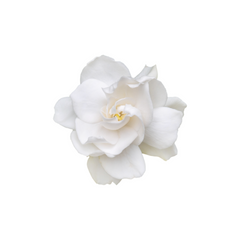
Exotic Floral in perfumery refers to a category of rare, tropical floral absolutes used primarily as heart notes. These absolutes are extracted via solvent methods preserving delicate aromatic compounds. Concentrations typically range from 0.1% to 1% in fine fragrances.

Ingredient Profile

Exotic Floral

Floral Family
Family Floral
Note Position Heart Note
Usage Level 0.1–1%
Key Origins India, Indonesia, Madagascar
Iconic In Samsara, Black Orchid
The Ingredient

What does Exotic Floral smell like and why is it significant in perfumery?

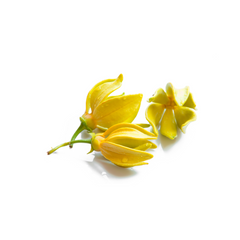
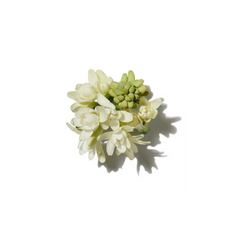
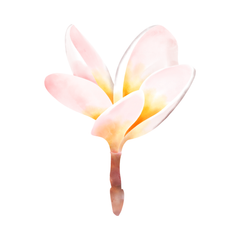
Exotic Floral in perfumery encompasses a group of rare and tropical floral absolutes such as jasmine, tuberose, ylang-ylang, frangipani, magnolia, and osmanthus. These absolutes are produced through solvent extraction methods that preserve the intricate and delicate aromatic molecules, including indoles, methyl anthranilate, and benzyl acetate, which contribute to their rich, creamy, narcotic, and sometimes fruity scent profiles. These notes typically function as heart notes in fragrance compositions, used at concentrations ranging from 0.1% to 1%. Their complex molecular makeup allows them to impart lush, opulent, and exotic floral characters that evolve on the skin, interacting variably with skin pH and body heat to reveal different facets over time. Exotic Floral notes are exemplified in fragrances such as Guerlain's Samsara (1990, perfumer Jean-Paul Guerlain) where ylang-ylang is paired with sandalwood to create a luminous floral woody accord, and Tom Ford's Black Orchid (2006, perfumer David Apel) which uses tuberose and orchid to evoke a dark, creamy floral richness. These notes are essential in crafting compositions that transport wearers to tropical and lush floral landscapes.

0.1–1%
Typical concentration range of exotic floral absolutes in fine fragrance formulations, balancing potency and safety.
4–8 hours
Average longevity of exotic floral notes on skin, influenced by concentration and individual skin chemistry.
$3,000–10,000/kg
Approximate cost range for natural exotic floral absolutes, reflecting labor-intensive harvesting and extraction.
Origin & Extraction

Where Exotic Floral Comes From — Origin & Extraction

Exotic Floral absolutes originate from tropical and subtropical regions where climate, soil, and harvesting methods influence their scent profiles. These factors contribute to variations in aroma intensity, nuance, and quality.

Exotic Floral absolutes are derived from rare tropical flowers including Jasminum grandiflorum (jasmine), Polianthes tuberosa (tuberose), Cananga odorata (ylang-ylang), Plumeria rubra (frangipani), Magnolia spp., Osmanthus fragrans, and Gardenia jasminoides. These flowers are primarily cultivated in regions such as India, Egypt, Indonesia, Madagascar, Tahiti, and parts of Southeast Asia. The extraction of these floral absolutes is predominantly achieved through solvent extraction, using solvents like hexane or ethanol at controlled temperatures to avoid degradation of delicate molecules such as indole and methyl anthranilate. This process yields a concrete which is further processed with alcohol to produce the absolute, a highly concentrated aromatic substance. Production volumes vary by flower; for example, India produces thousands of metric tons of jasmine annually, with yields of absolute ranging from 0.1% to 0.3% of fresh flower weight. The cost of natural exotic floral absolutes is high, typically ranging from $3,000 to $10,000 per kilogram depending on the flower and origin. Synthetic aroma chemicals such as methyl anthranilate (CAS 134-20-3), indole (CAS 120-72-9), and benzyl acetate (CAS 140-11-4) are used to supplement or replicate these natural absolutes, offering cost-effective and sustainable alternatives. Sustainability concerns include overharvesting and labor-intensive harvesting methods, prompting increased interest in synthetic and hybrid sourcing.

IN

India

India is a major producer of jasmine and tuberose absolutes, especially in regions like Tamil Nadu and Karnataka. The tropical climate and manual harvesting at dawn preserve the flowers' delicate aromatic compounds. India accounts for approximately 40% of the global jasmine absolute production.

ID

Indonesia

Indonesia, particularly Java and Bali, produces ylang-ylang absolute. The volcanic soil and humid tropical climate contribute to the flower’s rich, exotic scent. Indonesia is the leading global supplier of ylang-ylang absolute, with annual production around 500 metric tons.

MG

Madagascar

Madagascar is known for producing high-quality ylang-ylang and tuberose absolutes. The island’s unique soil composition and climate impart a creamy, slightly fruity nuance to the flowers. Madagascar’s production is smaller but highly prized for niche perfumery.

TN

Tunisia

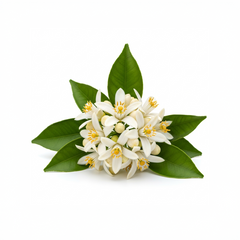
Tunisia is a key producer of orange blossom absolute, often grouped with exotic florals. The Mediterranean climate and traditional harvesting methods yield a sweet, honeyed floral note used in many luxury fragrances.

Chemistry

Natural vs Synthetic Exotic Floral in Perfumery

Natural exotic floral absolutes are prized for their complexity and authenticity, containing hundreds of volatile compounds such as indole, methyl anthranilate, benzyl acetate, and linalool. However, they present challenges including batch variability, high cost, and limited longevity on skin due to volatility. Synthetic molecules like methyl anthranilate (CAS 134-20-3), indole (CAS 120-72-9), and hydroxycitronellal (CAS 107-75-5) are widely used to recreate or enhance exotic floral notes. These synthetics provide greater consistency, improved longevity, and cost efficiency, typically priced between $50 and $500 per kilogram. Famous fragrances using natural exotic floral absolutes include Guerlain Samsara (1990) and Tom Ford Black Orchid (2006), while synthetic-enhanced fragrances include Dior J'adore (1999) and Chanel No.5 (various formulations). The HumanSafe™ platform emphasizes transparency in sourcing and formulation, encouraging the use of ethically sourced natural absolutes combined with safe, high-performance synthetics to balance sustainability, safety, and olfactory richness.

Natural
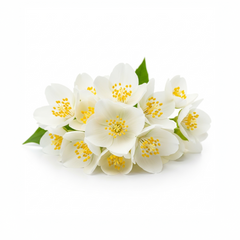
Exotic Floral Absolute
Cost $3,000–6,000/kg
Method Solvent / CO₂
Character Complex, variable
vs
Synthetic
Safranal & Analogues
Cost $50–200/kg
Method Lab synthesis
Character Consistent, stable
Hall of Fame

Famous Fragrances That Define Exotic Floral in Perfumery

1990
dominant note

Samsara

Guerlain
by Jean-Paul Guerlain
SandalwoodAmberSpices
2006
dominant note

Black Orchid

Tom Ford
by David Apel
PatchouliIncenseOrchid
1921
heart note

No.5

Chanel
by Ernest Beaux
AldehydesRoseSandalwood
1999
bridge note

J'adore

Dior
by Calice Becker
Fruity notesWoody notesYlang-ylang
2007
accent note

Jubilation XXV

Amouage
by Christopher Chong
GardeniaTuberoseOud

Exotic Floral notes have been central to many landmark fragrances over the past century. Guerlain's Samsara (1990), crafted by Jean-Paul Guerlain, features ylang-ylang as a dominant note paired with sandalwood, creating a luminous and sensual floral woody accord. Tom Ford's Black Orchid (2006), perfumer David Apel, uses tuberose and orchid as dominant notes, supported by patchouli and incense, evoking a dark, creamy floral richness. Chanel No.5 (1921), perfumer Ernest Beaux, incorporates jasmine absolute as a key heart note, blended with aldehydes and rose, defining the classic floral aldehyde category. Dior J'adore (1999), perfumer Calice Becker, uses jasmine and ylang-ylang as bridge notes, harmonizing with fruity and woody accords for a modern floral bouquet. Amouage's Jubilation XXV (2007), perfumer Christopher Chong, features tuberose and gardenia as accent notes within a complex oriental floral composition. These fragrances illustrate the diverse roles exotic floral notes play, from dominant to supporting, across various fragrance families. CA Perfume's collection honors this lineage by offering nuanced interpretations of exotic floral accords with attention to natural and synthetic balance.

The Accord

How is a captivating Exotic Floral accord crafted?

A balanced exotic floral accord typically combines 25-30% Jasmine Absolute, 20-25% Tuberose Absolute, 20-25% Ylang-Ylang Absolute, and 20-25% Sandalwood. Jasmine provides a sweet, narcotic floral heart rich in indoles; tuberose adds creamy, buttery, and earthy depth with lactones; ylang-ylang contributes exotic, slightly spicy, and floral-fruity nuances; sandalwood anchors the accord with creamy, woody lactones that enhance longevity and smoothness.

30%

Jasmine Absolute

25–30% of blend

Jasmine absolute contains indole and benzyl acetate, providing a lush, sweet, and narcotic floral heart essential for exotic floral accords.

25%

Tuberose Absolute

20–25% of blend

Tuberose offers creamy, buttery lactones and an earthy floral profile, adding warmth and depth to the accord.

25%

Ylang-Ylang Absolute

20–25% of blend

Ylang-ylang contributes exotic, slightly spicy and fruity floral notes, bridging fresh florals and warm bases.

25%

Sandalwood

20–25% of blend

Sandalwood provides creamy, woody lactones that fix and smooth the floral components, enhancing longevity.

The Olfactory Layers

How Exotic Floral Evolves on Skin

Exotic Floral fragrances typically evolve from bright, fresh top notes to a rich, creamy floral heart, and finally settle into a warm, woody base. The top notes evaporate quickly within 0–15 minutes, revealing mid-volatility molecules in the heart notes that last 20–60 minutes. Base notes composed of heavier molecules provide longevity over several hours.

I
Top notes
0–15 min
Bright and Fresh Opening

Initial impressions are often citrus or green notes that highlight freshness. These volatile molecules evaporate rapidly, setting a bright stage before the floral heart unfolds.

FreshBrightCitrus
II
Heart notes
20–60 min
Narcotic and Creamy Floral

The exotic floral heart emerges with molecules like indole and methyl anthranilate, delivering narcotic, creamy, and fruity floral scents. This stage defines the fragrance’s character and richness.

NarcoticCreamyFloral
III
Base notes
Several hours
Warm and Woody Foundation

Woody and musky molecules such as sandalwood lactones and synthetic musks provide depth, warmth, and longevity, anchoring the floral notes and smoothing their transition.

WoodyWarmLong-lasting
TOP NOTES Bright and Fresh Opening 0–15 minutes HEART NOTES Narcotic and Creamy Floral 20–60 minutes BASE NOTES Warm and Woody Foundation Several hours
Through the Ages

The Story of Exotic Floral in Perfumery

The history of exotic floral notes in perfumery spans from ancient use of jasmine and tuberose in traditional cultures to their modern extraction and synthetic recreation in contemporary fragrance design.

Ancient Times

Traditional Use of Jasmine and Tuberose

Jasmine and tuberose were used in ancient Egypt, India, and Southeast Asia for ceremonial and cosmetic purposes, valued for their intoxicating floral aromas.

19th Century

Development of Solvent Extraction

The invention of solvent extraction allowed for the production of floral absolutes from delicate flowers like jasmine and tuberose, preserving their complex aromas better than steam distillation.

1921

Launch of Chanel No.5

Ernest Beaux’s Chanel No.5 introduced jasmine absolute as a key heart note, pioneering the use of exotic floral absolutes in modern perfumery.

1990

Guerlain Samsara Debut

Jean-Paul Guerlain’s Samsara showcased ylang-ylang as a dominant exotic floral note, paired with sandalwood, influencing floral woody compositions.

2006

Tom Ford Black Orchid Release

David Apel’s Black Orchid used tuberose and orchid to create a dark, creamy exotic floral accord, marking a trend toward richer, more opulent floral fragrances.

The Art of Layering

How to Layer Exotic Floral

Understanding how to layer exotic floral notes involves molecular compatibility and olfactory synergy. Combining florals with complementary notes can enhance or soften facets, creating unique personalized scents.

01

Enhance Sweetness

Layer exotic florals like tuberose or frangipani with vanilla or benzoin to soften indolic sharpness through olfactory masking, creating a creamy, gourmand floral blend. This technique is evident in Tom Ford’s Black Orchid where vanilla balances tuberose.

02

Add Depth

Pair exotic florals with woody notes such as sandalwood or cedarwood. The shared lactone compounds in sandalwood smooth the floral edges and extend longevity, as seen in Guerlain Samsara’s ylang-ylang and sandalwood accord.

03

Lighten the Glow

Combine exotic florals with citrus notes like bergamot or lemon. The fresh aldehydes and limonene in citrus brighten the floral heart, enhancing freshness and vibrancy without overpowering, a layering approach used in Dior J'adore.

Wear It Right

How to Wear Exotic Floral Like a Pro

Seasonal Guide

Fall & Winter

Cooler temperatures slow molecular evaporation, allowing exotic floral notes to linger longer with enhanced warmth and depth. Layering with woody or spicy notes can increase richness and projection.

Spring

Moderate temperatures highlight the fresh and bright facets of exotic florals. Light application enhances the floral heart without overwhelming, perfect for transitional weather.

Summer

Heat increases volatility, intensifying top notes but potentially shortening longevity. Use lighter concentrations or apply sparingly to avoid overpowering in humid conditions.

Year-Round Tip

Layer exotic floral fragrances with musks or light woods to stabilize volatility and extend wear across all seasons.

Application Points

Strategic application of exotic floral fragrances optimizes their olfactory impact and longevity.

1

Neck

Pulse points on the neck emit heat, enhancing the diffusion of exotic floral heart notes for a balanced projection.

2

Behind the Ears

This warm area allows subtle release of narcotic floral compounds, creating an intimate scent trail.

3

Inner Wrists

Ideal for layering and refreshing throughout the day, as the skin here warms and activates the fragrance.

4

Hair

Hair holds fragrance molecules longer, releasing exotic floral scents gently with movement and warmth.

★

Pro Tip

Moisturize skin before application to enhance scent longevity and prevent rapid evaporation of delicate floral molecules.

HumanSafe™

Exotic Floral Safety Profile in Our Fragrances

No ingredient collection was found for exotic-floral.

Create or connect a collection with the same handle as this ingredient, then add products that contain this ingredient.

Expert Voices

What Masters Say About Exotic Floral

“
Exotic floral absolutes are indispensable tools in a perfumer’s palette, prized for their richness and ability to evoke vivid sensory experiences.
CA Perfume Editorial
“
Jasmine absolute’s sweet, narcotic aroma adds lush, opulent character to floral, ambery, and woody compositions, varying by country of origin.
Dark Tales Artisan Perfumery
Common Questions

Frequently Asked Questions

Frequently asked questions about exotic floral notes in perfumery, answered with technical detail.

Exotic Floral in perfume typically smells rich, creamy, and tropical, combining sweet, narcotic, and sometimes fruity floral notes. Key molecules like indole and methyl anthranilate contribute to its complex scent profile. It often evokes flowers such as jasmine, tuberose, ylang-ylang, and frangipani, creating a lush and opulent heart note in compositions.

Exotic Floral notes are primarily used as heart notes in fragrance compositions. Their molecular complexity and volatility make them unsuitable as top notes, which are dominated by lighter, more volatile compounds. Exotic Floral notes provide the main floral character and richness that develop after the initial fresh opening.

Exotic Floral notes offer depth, complexity, and a unique sensory experience that appeals to niche perfumers seeking distinctive, luxurious compositions. Their rarity, rich aromatic profile, and ability to evoke tropical and sensual atmospheres make them ideal for creating memorable and sophisticated fragrances.

Exotic Floral fragrance uses often pair well with woody notes like sandalwood and cedarwood to add depth and longevity, citrus notes such as bergamot to brighten and freshen, and gourmand elements like vanilla to soften and add warmth. These combinations create balanced accords that highlight the exotic floral heart.

Exotic Floral perfumes can be suitable for summer, especially when formulated with lighter concentrations or combined with fresh citrus and aquatic notes. However, their rich and narcotic character may be intense in hot, humid climates, so lighter application or eau de toilette versions are recommended for warm weather.

Exotic Floral fragrances typically last between 4 to 8 hours on skin, depending on concentration, formulation, and individual skin chemistry. Parfum concentrations with fixatives can extend longevity beyond 8 hours, while lighter formulations may have shorter wear times.

Yes, layering Exotic Floral perfumes with complementary notes such as woody, citrus, or gourmand accords can enhance complexity and longevity. Layering techniques involve applying a woody base first, followed by the exotic floral scent to create a harmonious and personalized fragrance experience.

For beginners, fragrances like Guerlain Samsara, Dior J'adore, and Tom Ford Black Orchid offer accessible introductions to exotic floral notes. These perfumes balance richness with wearability and showcase the diverse facets of exotic florals in well-known compositions.

Choosing the right Exotic Floral fragrance involves considering your preference for intensity, longevity, and complementary notes. CA Perfume’s collection offers a range of formulations blending natural absolutes and synthetics, with detailed descriptions and transparency via the HumanSafe™ platform to help you select a fragrance suited to your style and skin chemistry.

Exotic Floral notes predominantly smell sweet, creamy, and narcotic, though some flowers like ylang-ylang introduce a slightly spicy facet. The overall impression is lush and tropical, with sweetness balanced by subtle green or spicy undertones depending on the specific flower and formulation.

Floral Collection

Explore Our Top Exotic Floral Fragrances

Discover a curated selection of perfumes featuring rich and complex exotic floral notes, perfect for those seeking tropical floral elegance.

Shop all exotic floral fragrances at CA Perfume →

Where Exotic Floral Comes From — Origin & Extraction

Exotic Floral absolutes are derived from rare tropical flowers including Jasminum grandiflorum (jasmine), Polianthes tuberosa (tuberose), Cananga odorata (ylang-ylang), Plumeria rubra (frangipani), Magnolia spp., Osmanthus fragrans, and Gardenia jasminoides. These flowers are primarily cultivated in regions such as India, Egypt, Indonesia, Madagascar, Tahiti, and parts of Southeast Asia. The extraction of these floral absolutes is predominantly achieved through solvent extraction, using solvents like hexane or ethanol at controlled temperatures to avoid degradation of delicate molecules such as indole and methyl anthranilate. This process yields a concrete which is further processed with alcohol to produce the absolute, a highly concentrated aromatic substance. Production volumes vary by flower; for example, India produces thousands of metric tons of jasmine annually, with yields of absolute ranging from 0.1% to 0.3% of fresh flower weight. The cost of natural exotic floral absolutes is high, typically ranging from $3,000 to $10,000 per kilogram depending on the flower and origin. Synthetic aroma chemicals such as methyl anthranilate (CAS 134-20-3), indole (CAS 120-72-9), and benzyl acetate (CAS 140-11-4) are used to supplement or replicate these natural absolutes, offering cost-effective and sustainable alternatives. Sustainability concerns include overharvesting and labor-intensive harvesting methods, prompting increased interest in synthetic and hybrid sourcing.

Famous Fragrances That Define Exotic Floral in Perfumery

Exotic Floral notes have been central to many landmark fragrances over the past century. Guerlain's Samsara (1990), crafted by Jean-Paul Guerlain, features ylang-ylang as a dominant note paired with sandalwood, creating a luminous and sensual floral woody accord. Tom Ford's Black Orchid (2006), perfumer David Apel, uses tuberose and orchid as dominant notes, supported by patchouli and incense, evoking a dark, creamy floral richness. Chanel No.5 (1921), perfumer Ernest Beaux, incorporates jasmine absolute as a key heart note, blended with aldehydes and rose, defining the classic floral aldehyde category. Dior J'adore (1999), perfumer Calice Becker, uses jasmine and ylang-ylang as bridge notes, harmonizing with fruity and woody accords for a modern floral bouquet. Amouage's Jubilation XXV (2007), perfumer Christopher Chong, features tuberose and gardenia as accent notes within a complex oriental floral composition. These fragrances illustrate the diverse roles exotic floral notes play, from dominant to supporting, across various fragrance families. CA Perfume's collection honors this lineage by offering nuanced interpretations of exotic floral accords with attention to natural and synthetic balance.

Natural vs Synthetic Exotic Floral in Perfumery

Natural exotic floral absolutes are prized for their complexity and authenticity, containing hundreds of volatile compounds such as indole, methyl anthranilate, benzyl acetate, and linalool. However, they present challenges including batch variability, high cost, and limited longevity on skin due to volatility. Synthetic molecules like methyl anthranilate (CAS 134-20-3), indole (CAS 120-72-9), and hydroxycitronellal (CAS 107-75-5) are widely used to recreate or enhance exotic floral notes. These synthetics provide greater consistency, improved longevity, and cost efficiency, typically priced between $50 and $500 per kilogram. Famous fragrances using natural exotic floral absolutes include Guerlain Samsara (1990) and Tom Ford Black Orchid (2006), while synthetic-enhanced fragrances include Dior J'adore (1999) and Chanel No.5 (various formulations). The HumanSafe™ platform emphasizes transparency in sourcing and formulation, encouraging the use of ethically sourced natural absolutes combined with safe, high-performance synthetics to balance sustainability, safety, and olfactory richness.