Ingredient Guide · Floral
Floral Family · Perfumery Note

Magnolia

A luminous floral with citrus, powder, and soft spice facets.

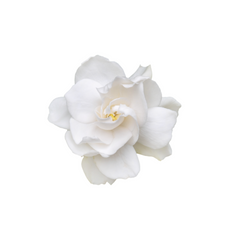
Magnolia is a heart note in perfumery, prized for its creamy, lemon-tinged floral aroma. Its defining scent comes from linalool and other terpenes, used at 1–3% for a fresh, powdery nuance.

Magnolia
Ingredient Profile

Magnolia

Floral Family
Family Floral
Note Position Heart Note
Usage Level 1–3%
Key Origins China, United States, France
Iconic In Miracle, Eau de Magnolia
The Ingredient

What does Magnolia smell like and why is it significant in perfumery?

Magnolia, botanically classified as Magnolia grandiflora or Michelia alba, is celebrated in perfumery for its creamy, lemony floral scent. The primary molecular contributors are linalool (a terpene alcohol responsible for the fresh, slightly citrusy core), α-myrcene, and small amounts of indole and ionones, which lend subtle powder and faintly animalic undertones. The result is a scent profile that is creamy, waxy, and fresh, with a distinct citrus nuance and a powdery, almost airy finish. This unique combination is why the question 'what does magnolia smell like' is so frequently searched by fragrance enthusiasts. In perfumery, magnolia is most often used as a heart note, though its volatility allows it to appear in both top and middle registers. Typical concentrations in fine fragrance range from 1–3%, with higher percentages reserved for soliflore or white floral compositions. Magnolia in perfumery is valued for its ability to bridge citrus top notes and richer white florals, providing a luminous, fresh lift without the indolic heaviness of jasmine or tuberose. Its scent interacts with skin chemistry by amplifying freshness on cooler, drier skin and revealing more powdery, musky facets on warmer, more humid skin. Notable fragrances that exemplify the magnolia scent profile include Lancôme Miracle (2000, by Harry Fremont and Alberto Morillas), where magnolia is paired with lychee and pepper for a sparkling, spicy-floral opening, and Frederic Malle Eau de Magnolia (2014, by Carlos Benaïm), which highlights the citrusy, dew-fresh aspect of magnolia with vetiver and patchouli in the base. These compositions demonstrate the versatility and enduring appeal of magnolia in perfumery.

1–3%
Typical concentration of magnolia absolute or synthetic accord in fine fragrance formulas, balancing freshness with longevity.
$2,000–$4,000/kg
Market price for natural magnolia absolute, reflecting low extraction yields and labor-intensive harvest.
70%+
China’s share of global magnolia oil production, with most output from Michelia alba plantations in Guangxi and Fujian.
Origin & Extraction

Where Magnolia Comes From — Origin & Extraction

Magnolia’s scent varies subtly by origin, shaped by soil, climate, and species. Chinese Michelia alba yields a fresher, more citrusy oil, while American Magnolia grandiflora is creamier and more powdery. Altitude, rainfall, and artisanal harvesting all influence the final aromatic profile.

Magnolia fragrance materials are primarily derived from the blossoms of Magnolia grandiflora and Michelia alba, both members of the Magnoliaceae family. The largest commercial plantations are found in China, especially in Guangxi and Fujian provinces, where Michelia alba is cultivated for essential oil production. Manual harvesting involves picking the delicate flowers by hand, often using bamboo scaffolding to reach blossoms on trees up to 15 meters tall. The yield from fresh flowers is low: solvent extraction with petroleum ether produces a greenish-yellow concrete at 1.2–1.6% yield, while steam distillation of the concrete yields 9–10% of a semi-solid oil. Magnolia leaf oil, obtained by steam distillation, yields only 0.1–0.15%. The cost of natural magnolia absolute is high, typically $2,000–$4,000 per kg, due to the labor-intensive harvest and low extraction yield. In contrast, synthetic magnolia aroma compounds (notably hydroxycitronellal, CAS 107-75-5, and linalool, CAS 78-70-6) are widely used for consistency and cost-effectiveness, at $20–$80 per kg. Sustainability concerns include overharvesting and the energy intensity of solvent extraction; however, the use of synthetics and nature-identical molecules reduces pressure on wild populations and ensures supply chain stability. Magnolia’s introduction to European perfumery dates to the late 18th century, with commercial production for fragrance beginning in the 20th century.

CN

China

Guangxi and Fujian provinces are the main producers of Michelia alba oil. The subtropical climate and acidic soils yield a fresher, more citrus-forward magnolia essence. China supplies over 70% of the world’s commercial magnolia oil, with artisanal manual harvest and on-site distillation.

US

United States

The southern states, especially Louisiana and Mississippi, cultivate Magnolia grandiflora for ornamental and small-scale extraction. The region’s humid climate and loamy soils produce a creamier, more powdery floral oil. Magnolia is the state flower of both Louisiana and Mississippi.

FR

France

Southern France (notably Grasse) has a tradition of cultivating magnolia for perfumery, introduced in the late 18th century. French magnolia is prized for its balanced creamy-citrus profile, though production volumes are limited and mostly used in niche perfumery.

IN

India

Magnolia champaca is cultivated in West Bengal and Assam for its intensely fragrant yellow flowers. Indian magnolia oils are richer in indole, giving a more narcotic, heady profile. Production is artisanal, with most output used locally or for export to niche perfumers.

Chemistry

Natural vs Synthetic Magnolia in Perfumery

Natural magnolia extracts are complex mixtures dominated by linalool, α-myrcene, and trace indole, giving a nuanced creamy-citrus profile. However, natural extraction is costly and yields are low, leading most perfumers to use synthetic analogs. Key synthetic molecules include hydroxycitronellal (CAS 107-75-5), which imparts a fresh, muguet-like floralcy; linalool (CAS 78-70-6), responsible for the citrus-fresh core; and methyl dihydrojasmonate (Hedione, CAS 24851-98-7), which enhances diffusion and radiance. Synthetic magnolia accords offer superior stability, batch-to-batch consistency, and longer shelf life, with improved performance in both longevity and projection compared to natural extracts. Cost differentials are significant: natural absolutes can exceed $3,000/kg, while synthetics range from $20–$100/kg. Notable fragrances using natural magnolia include Frederic Malle Eau de Magnolia, while most mainstream launches rely on synthetics for scalability. From a sustainability perspective, synthetics reduce the environmental impact of large-scale harvesting and provide allergen control. CA Perfume’s HumanSafe™ platform ensures full transparency regarding the origin and safety of both natural and synthetic magnolia materials in its fragrances.

Natural
Magnolia Absolute
Cost $3,000–6,000/kg
Method Solvent / CO₂
Character Complex, variable
vs
Synthetic
Safranal & Analogues
Cost $50–200/kg
Method Lab synthesis
Character Consistent, stable
Hall of Fame

Famous Fragrances That Define Magnolia in Perfumery

2000
dominant note

Miracle

Lancôme
by Harry Fremont & Alberto Morillas
LycheePink PepperJasmineMusk
2014
dominant note

Eau de Magnolia

Frederic Malle
by Carlos Benaïm
VetiverPatchouliLemonOak Moss
2023
dominant note

Flora Gorgeous Magnolia

Gucci
by Daphné Bugey & Marie Salamagne
DewberryCoconutJasmine SambacYlang-YlangMusk
2021
dominant note

Beautiful Magnolia

Estée Lauder
by Anne Flipo, Laurent Le Guernec, Nicolas Beaulieu
Solar GardeniaCedarwoodMusk
2003
bridge note

L’Instant de Guerlain

Guerlain
by Maurice Roucel
AmberHoneyBergamotMusk

Magnolia has played both starring and supporting roles in a diverse range of fragrances across decades. In Lancôme Miracle (2000, Harry Fremont & Alberto Morillas), magnolia is the central floral, paired with lychee and pepper for a sparkling, modern profile. Frederic Malle Eau de Magnolia (2014, Carlos Benaïm) is a landmark soliflore, focusing on the citrusy, dew-fresh aspect of magnolia, supported by vetiver and patchouli. Gucci Flora Gorgeous Magnolia (2023, Daphné Bugey & Marie Salamagne) uses magnolia alba essence with dewberry and coconut for a fruity, luminous floral. Estée Lauder Beautiful Magnolia (2021, Anne Flipo, Laurent Le Guernec, Nicolas Beaulieu) employs magnolia flower oil with gardenia and musk for a radiant, green-floral signature. Guerlain L’Instant de Guerlain (2003, Maurice Roucel) builds a sweet, complex magnolia accord atop amber and musk, demonstrating magnolia’s versatility as both a bridge and dominant note. Historically, magnolia has also appeared in Chanel’s discontinued Magnolia (1920s) and Yves Rocher Magnolia (1983), both of which showcased the note’s powdery, creamy facets. CA Perfume’s magnolia-inspired fragrances draw on this lineage, offering both classic and contemporary interpretations.

The Accord

How is a captivating Magnolia accord crafted?

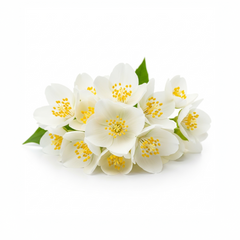
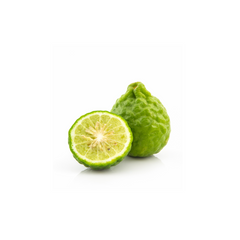
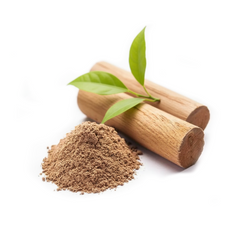
A classic magnolia accord blends Magnolia Absolute (25–30%) for creamy citrus-floralcy, Jasmine Absolute (20–25%) for indolic depth, Bergamot Oil (20–25%) for fresh, zesty lift, and Sandalwood (25–30%) for a smooth, woody base. Each ingredient is selected for its molecular affinity—linalool and indole in jasmine reinforce magnolia’s natural character, while bergamot’s limonene brightens the floral heart and sandalwood’s santalol anchors the accord.

30%

Magnolia Absolute

25–30% of blend

Provides the creamy, lemony floral core via linalool and α-myrcene, mimicking the natural scent of magnolia blossoms.

25%

Jasmine Absolute

20–25% of blend

Adds indolic, narcotic depth and reinforces the white floral character through shared indole and benzyl acetate.

25%

Bergamot Oil

20–25% of blend

Limonene and linalyl acetate brighten the accord, enhancing magnolia’s citrus-fresh facets and increasing volatility.

30%

Sandalwood

25–30% of blend

Santalol provides a creamy, woody base, anchoring the volatile floral notes and extending the accord’s longevity.

The Olfactory Layers

How Magnolia Evolves on Skin

Magnolia’s olfactory evolution begins with a burst of citrus-fresh, waxy floralcy, driven by high-volatility terpenes like linalool and limonene. As these evaporate, the scent transitions to a creamy, powdery heart, before settling into a soft, musky base. Each stage is shaped by the volatility and molecular weight of its dominant compounds.

I
Top notes
0–15 min
Citrus-Laced Freshness

The opening is marked by a fresh, lemony brightness from linalool and limonene, creating a waxy, airy floral impression. These high-volatility molecules evaporate quickly, providing an immediate sense of springtime freshness and a fleeting citrus zest.

Citrus-FreshWaxyAiry
II
Heart notes
20–60 min
Creamy Floral Heart

As the top notes dissipate, the heart reveals creamy, powdery floralcy. Linalool persists, joined by ionones and subtle indole, which add depth and a faintly musky undertone. This stage is lush, soft, and slightly spicy, embodying magnolia’s signature character.

CreamyPowderyFloral
III
Base notes
Several hours
Soft Musk Finish

In the drydown, the scent becomes softer and more musky, with traces of sandalwood or musk fixatives extending longevity. The remaining molecules are less volatile, providing a gentle, skin-like finish that lingers for hours.

MuskySoftSkin-Like
TOP NOTES Citrus-Laced Freshness 0–15 minutes HEART NOTES Creamy Floral Heart 20–60 minutes BASE NOTES Soft Musk Finish Several hours
Through the Ages

The Story of Magnolia in Perfumery

Magnolia’s journey in perfumery spans from ancient Asian symbolism to modern soliflore masterpieces, reflecting both botanical heritage and technical innovation.

Antiquity

Magnolia in Asian Culture

Magnolia flowers are revered in Chinese and Japanese traditions for their beauty and fragrance, symbolizing purity and nobility. The use of magnolia in scented oils and ceremonial garlands dates back over a thousand years.

Late 18th Century

Introduction to European Horticulture

Magnolia grandiflora is introduced to Southern France and Italy, where it is cultivated for ornamental and experimental fragrance use, laying the groundwork for its later adoption in perfumery.

1920s

Early Magnolia Perfumes

Chanel and Yves Rocher release early magnolia-based fragrances, using both natural extracts and synthetic analogs to capture the creamy, lemony floral character.

2000

Magnolia as a Modern Floral Star

Lancôme Miracle launches, with magnolia as the central floral note, marking a new era of transparent, sparkling florals in mainstream perfumery.

2014

Soliflore Renaissance

Frederic Malle Eau de Magnolia, composed by Carlos Benaïm, debuts as a landmark soliflore, focusing on the citrusy, dew-fresh aspect of magnolia and inspiring a wave of magnolia-centric niche releases.

The Art of Layering

How to Layer Magnolia

Understanding how to layer magnolia involves pairing it with notes that share molecular affinities or provide olfactory contrast. The question of how to layer magnolia is best answered by considering both volatility and shared compounds.

01

Enhance Citrus Freshness

Layer magnolia with bergamot or grapefruit fragrances to amplify the shared linalool and limonene content, resulting in a sparkling, luminous floral-citrus blend. This pairing is exemplified in Frederic Malle Eau de Magnolia, where citrus top notes reinforce magnolia’s natural brightness.

02

Add Creamy Depth

Pair magnolia with sandalwood or musk-based scents. Santalol in sandalwood and muscone in musk provide a molecular anchor, extending magnolia’s longevity and emphasizing its creamy, powdery facets. This approach is seen in Estée Lauder Beautiful Magnolia, where musk and woods create a soft, lasting base.

03

Create a Lush Floral Bouquet

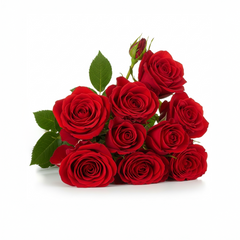
Combine magnolia with jasmine, gardenia, or rose. Shared indole and ionone compounds create a seamless, multidimensional floral accord, as demonstrated in Gucci Flora Gorgeous Magnolia, where jasmine sambac and ylang-ylang complement magnolia’s heart.

Wear It Right

How to Wear Magnolia Like a Pro

Seasonal Guide

Fall & Winter

In cooler weather, magnolia’s creamy, powdery notes are more pronounced, as lower temperatures suppress volatility and slow evaporation. Apply to pulse points under clothing to prolong warmth and diffusion. Layer with woods or musks for added depth.

Spring

Spring’s mild temperatures highlight magnolia’s natural freshness and citrusy brightness. Apply lightly to exposed skin for a luminous, uplifting effect. Pair with green or fruity notes to echo the season’s renewal.

Summer

Heat increases the volatility of magnolia’s top notes, making the scent more radiant but shorter-lived. Apply sparingly to avoid overwhelming projection, and consider layering with aquatic or citrus accords for a refreshing, breezy effect.

Year-Round Tip

Magnolia’s versatility allows it to be worn year-round. Adjust application and layering partners based on temperature and humidity to optimize both projection and longevity.

Application Points

Strategic application of magnolia fragrances enhances both freshness and longevity, with pulse points and hair offering unique diffusion profiles.

1

Neck

Applying magnolia to the neck utilizes body heat to enhance the projection of its citrusy top notes, ensuring a bright, fresh opening.

2

Behind the Ears

This area is slightly cooler, allowing the creamy, powdery heart of magnolia to develop more slowly and linger longer.

3

Inner Wrists

Pulse points on the wrists accelerate evaporation, making the scent evolve rapidly from fresh to powdery. Ideal for experiencing the full olfactory pyramid.

4

Hair

Spraying magnolia on hair provides a gentle, continuous release of scent as the hair moves, emphasizing the floral’s airy, dewy facets.

Pro Tip

Layer magnolia with a light moisturizer or unscented oil before application to slow evaporation and extend longevity, especially in dry climates.

Mood Architecture™

Top Magnolia Fragrances by Mood Score

These Magnolia-based fragrances scored highest on the MEI™ Mood Architecture Framework — measuring how a scent may influence your emotional state.

Highest MEI Score
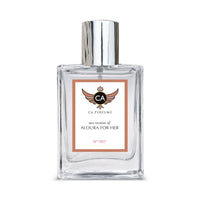
Aloura For Her — Chanel Allure For Her Alternative Perfume
8.68
MEI™
Primary Romantic
Secondary Confident
Confidence
7.83
Presence
8.15
Mood Lift
9.5
Identity
7.83
Warmth
9.5
Social Ease
9.5
Energy
4.6
" I am beautiful.
View full mood profile →
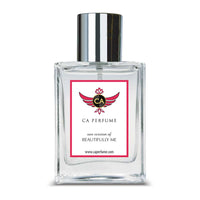
Beautifully Me — Estee Lauder Beautiful Alternative Perfume
8.56
MEI™
Primary Romantic
Secondary Confident
Confidence
7.87
Presence
8.75
Mood Lift
9.5
Identity
8.27
Warmth
9.49
Social Ease
8.35
Energy
4.5
" I am beautiful.
View full mood profile →
Madison Crest — MADISON AVENUE Alternative Perfume
8.01
MEI™
Primary Fresh
Secondary Romantic
Confidence
7.62
Presence
8.48
Mood Lift
8.83
Identity
8.08
Warmth
8.46
Social Ease
7.8
Energy
3.1
" I am radiant.
View full mood profile →
Venetian Bergamot — Tom Ford Venetian Bergamot Alternative Perfume
7.9
MEI™
Primary Fresh
Secondary Romantic
Confidence
6.95
Presence
7.78
Mood Lift
9.26
Identity
7.17
Warmth
8.53
Social Ease
8.15
Energy
3.6
" I am radiant.
View full mood profile →
HumanSafe™

Top Magnolia Fragrances by HumanSafe™ Score

These Magnolia-based fragrances have the highest product-level HumanSafe™ scores in this ingredient collection.

Highest HumanSafe™ Score
Venetian Bergamot — Tom Ford Venetian Bergamot Alternative Perfume
A-
HumanSafe™ Score Generally Safe
Safest Evaluated Ingredients EDP
AQUA Solvent / Carrier ISS 10.0
2-BUTEN-1-OL, 2-METHYL-4-(2,2,3-TRIMETHYL-3- Evaluated ingredient ISS 10.0
BENZYL SALICYLATE Evaluated ingredient ISS 9.0
3-BUTEN-2-ONE, 3-METHYL-4-(2,6,6-TRIMETHYL-2- Evaluated ingredient ISS 8.0
LINALYL ACETATE Evaluated ingredient ISS 7.0
View full safety profile →
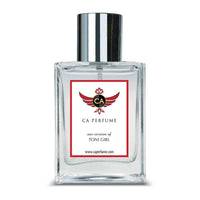
Toni Girl — Tommy Girl Alternative Perfume
A-
HumanSafe™ Score Generally Safe
Safest Evaluated Ingredients EDP
AQUA Solvent / Carrier ISS 10.0
ACETIC ACID, PHENYLMETHYL ESTER Evaluated ingredient ISS 10.0
1,4-DIOXACYCLOHEPTADECANE-5,17-DIONE Evaluated ingredient ISS 10.0
LINALOOL Evaluated ingredient ISS 7.0
CITRONELLOL Evaluated ingredient ISS 7.0
ALCOHOL DENAT. Solvent / Carrier ISS 7.0
View full safety profile →
Spirito Fiorentino — Tiziana Terenzi Spirito Fiorentino Alternative Perfume
A-
HumanSafe™ Score Generally Safe
Safest Evaluated Ingredients EDP
AQUA Solvent / Carrier ISS 10.0
CYCLOHEXANEPROPANOL, 2,2,6-TRIMETHYL-.ALPHA.-PROPYL- Evaluated ingredient ISS 7.0
BENZOIC ACID, 2,4-DIHYDROXY-3,6-DIMETHYL-, METHYL Evaluated ingredient ISS 7.0
ALCOHOL DENAT. Solvent / Carrier ISS 7.0
1-[(2-TERT-BUTYL)CYCLOHEXYLOXY]-2-BUTANOL Evaluated ingredient ISS 7.0
D-LIMONENE Evaluated ingredient ISS 6.8
View full safety profile →
Rosso Pompei — Tiziana Terenzi Rosso Pompei Alternative Perfume
A-
HumanSafe™ Score Generally Safe
Safest Evaluated Ingredients EDP
AQUA Solvent / Carrier ISS 10.0
1,4-DIOXACYCLOHEPTADECANE-5,17-DIONE Evaluated ingredient ISS 10.0
1H-3A,7-METHANOAZULENE, OCTAHYDRO-6-METHOXY-3,6,8,8- Evaluated ingredient ISS 9.0
2-HEXENE, 6,6-DIMETHOXY-2,5,5-TRIMETHYL- Evaluated ingredient ISS 8.0
LINALYL ACETATE Evaluated ingredient ISS 7.0
LINALOOL Evaluated ingredient ISS 7.0
View full safety profile →
Expert Voices

What Masters Say About Magnolia

Magnolia’s scent is creamy sweet with a light citrus nuance, fresh and lush at the same time.
Fragrantica Editorial
Magnolia in perfumery is prized for its ability to bridge citrus top notes and richer white florals, providing a luminous, fresh lift without the indolic heaviness of jasmine or tuberose.
CA Perfume Editorial
Common Questions

Frequently Asked Questions

Frequently asked questions about magnolia in perfumery.

Magnolia in perfume is characterized by a creamy, lemony floral scent with powdery and slightly spicy undertones. The dominant molecules are linalool and α-myrcene, which create a fresh, waxy, and airy impression. Depending on the composition, magnolia can also reveal subtle musky or green facets, making it a versatile note in both soliflore and bouquet fragrances.

Magnolia is most commonly used as a heart (middle) note, though its volatility allows it to appear in both top and heart registers. Its fresh, citrusy opening is due to high-volatility terpenes, while its creamy, powdery heart persists longer. It is rarely used as a base note due to its lack of heavy, fixative molecules.

Magnolia’s nuanced scent profile—combining citrus freshness, creamy floralcy, and powdery softness—offers perfumers a versatile tool for creating both luminous soliflores and complex bouquets. Its ability to bridge top and heart notes makes it especially valuable in niche compositions seeking transparency and modernity.

Magnolia fragrance uses often involve pairing with jasmine, rose, gardenia, bergamot, sandalwood, and musk. These notes share molecular affinities (such as linalool, indole, and ionones) or provide olfactory contrast, enhancing magnolia’s creamy, citrusy, or powdery facets.

Yes, magnolia’s fresh, citrusy top notes and airy floralcy make it ideal for warm weather. Heat amplifies its brightness and projection, though the scent may become more fleeting. Light application and pairing with aquatic or green notes can optimize its performance in summer.

Magnolia fragrances generally last 4–6 hours on skin, depending on concentration and pairing notes. The top notes are most fleeting, while the creamy, powdery heart and musky base linger longer. Use of fixatives like sandalwood or musk can extend longevity.

Yes, magnolia is highly layerable. It pairs well with citrus, woods, musks, and other florals. Layering enhances specific facets—citrus notes amplify freshness, woods add depth, and musks extend longevity. Experiment to find combinations that suit your skin chemistry.

Beginner-friendly magnolia perfumes include Lancôme Miracle (sparkling floral), Estée Lauder Beautiful Magnolia (green-floral), and Frederic Malle Eau de Magnolia (citrus-floral soliflore). These fragrances showcase magnolia’s versatility and are widely available.

Consider your preferred scent profile: for citrusy freshness, select magnolia blends with bergamot or lemon; for creamy, powdery florals, look for those paired with jasmine or sandalwood. CA Perfume offers a range of magnolia-inspired fragrances to suit different tastes.

Magnolia is inherently versatile and can be used in both feminine and unisex compositions. Its creamy, citrusy floralcy is often associated with classic feminine florals, but when paired with woods, musks, or green notes, it becomes suitable for all genders.

Floral Collection

Explore Our Top Magnolia Fragrances

Discover CA Perfume’s most popular magnolia-inspired fragrances, each capturing a different facet of this luminous floral note.

Shop all magnolia fragrances at CA Perfume →

Where Magnolia Comes From — Origin & Extraction

Magnolia fragrance materials are primarily derived from the blossoms of Magnolia grandiflora and Michelia alba, both members of the Magnoliaceae family. The largest commercial plantations are found in China, especially in Guangxi and Fujian provinces, where Michelia alba is cultivated for essential oil production. Manual harvesting involves picking the delicate flowers by hand, often using bamboo scaffolding to reach blossoms on trees up to 15 meters tall. The yield from fresh flowers is low: solvent extraction with petroleum ether produces a greenish-yellow concrete at 1.2–1.6% yield, while steam distillation of the concrete yields 9–10% of a semi-solid oil. Magnolia leaf oil, obtained by steam distillation, yields only 0.1–0.15%. The cost of natural magnolia absolute is high, typically $2,000–$4,000 per kg, due to the labor-intensive harvest and low extraction yield. In contrast, synthetic magnolia aroma compounds (notably hydroxycitronellal, CAS 107-75-5, and linalool, CAS 78-70-6) are widely used for consistency and cost-effectiveness, at $20–$80 per kg. Sustainability concerns include overharvesting and the energy intensity of solvent extraction; however, the use of synthetics and nature-identical molecules reduces pressure on wild populations and ensures supply chain stability. Magnolia’s introduction to European perfumery dates to the late 18th century, with commercial production for fragrance beginning in the 20th century.

Famous Fragrances That Define Magnolia in Perfumery

Magnolia has played both starring and supporting roles in a diverse range of fragrances across decades. In Lancôme Miracle (2000, Harry Fremont & Alberto Morillas), magnolia is the central floral, paired with lychee and pepper for a sparkling, modern profile. Frederic Malle Eau de Magnolia (2014, Carlos Benaïm) is a landmark soliflore, focusing on the citrusy, dew-fresh aspect of magnolia, supported by vetiver and patchouli. Gucci Flora Gorgeous Magnolia (2023, Daphné Bugey & Marie Salamagne) uses magnolia alba essence with dewberry and coconut for a fruity, luminous floral. Estée Lauder Beautiful Magnolia (2021, Anne Flipo, Laurent Le Guernec, Nicolas Beaulieu) employs magnolia flower oil with gardenia and musk for a radiant, green-floral signature. Guerlain L’Instant de Guerlain (2003, Maurice Roucel) builds a sweet, complex magnolia accord atop amber and musk, demonstrating magnolia’s versatility as both a bridge and dominant note. Historically, magnolia has also appeared in Chanel’s discontinued Magnolia (1920s) and Yves Rocher Magnolia (1983), both of which showcased the note’s powdery, creamy facets. CA Perfume’s magnolia-inspired fragrances draw on this lineage, offering both classic and contemporary interpretations.

Natural vs Synthetic Magnolia in Perfumery

Natural magnolia extracts are complex mixtures dominated by linalool, α-myrcene, and trace indole, giving a nuanced creamy-citrus profile. However, natural extraction is costly and yields are low, leading most perfumers to use synthetic analogs. Key synthetic molecules include hydroxycitronellal (CAS 107-75-5), which imparts a fresh, muguet-like floralcy; linalool (CAS 78-70-6), responsible for the citrus-fresh core; and methyl dihydrojasmonate (Hedione, CAS 24851-98-7), which enhances diffusion and radiance. Synthetic magnolia accords offer superior stability, batch-to-batch consistency, and longer shelf life, with improved performance in both longevity and projection compared to natural extracts. Cost differentials are significant: natural absolutes can exceed $3,000/kg, while synthetics range from $20–$100/kg. Notable fragrances using natural magnolia include Frederic Malle Eau de Magnolia, while most mainstream launches rely on synthetics for scalability. From a sustainability perspective, synthetics reduce the environmental impact of large-scale harvesting and provide allergen control. CA Perfume’s HumanSafe™ platform ensures full transparency regarding the origin and safety of both natural and synthetic magnolia materials in its fragrances.