Ingredient Guide · Citrus Aromatic
Citrus Aromatic Family · Perfumery Note

Earl Grey Tea

The iconic blend of black tea and bergamot in perfumery

Earl Grey Tea is a fragrance note combining black tea leaves and bergamot oil, forming a heart note with citrusy and floral nuances. Bergamot's key molecules include linalyl acetate and limonene, typically used at 0.1–0.5% concentration.

Earl Grey Tea
Ingredient Profile

Earl Grey Tea

Citrus Aromatic Family
Family Citrus Aromatic
Note Position Heart Note
Usage Level 0.1–0.5%
Key Origins Italy (Calabria), India (Darjeeling), Sri Lanka (Ceylon)
Iconic In Earl Grey Tea, Twice to Tea
The Ingredient

What does Earl Grey Tea smell like and why is it significant in perfumery?

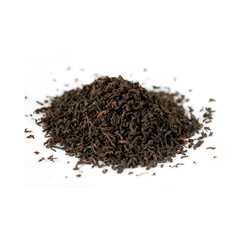
Earl Grey Tea in perfumery is characterized by the aromatic blend of black tea leaves (Camellia sinensis) and the essential oil of bergamot orange (Citrus bergamia). The scent profile features a complex citrus-floral aroma, where bergamot's linalyl acetate and limonene contribute bright, slightly spicy citrus notes, while the black tea imparts a warm, slightly smoky, and astringent depth. As a heart note in fragrance compositions, Earl Grey Tea is typically used at concentrations ranging from 0.1% to 0.5%. Its moderate volatility allows it to bridge fresh top notes and richer base accords effectively. The interaction with skin chemistry can enhance the tea's natural warmth and subtle floral undertones, varying with individual pH and body temperature. Notable perfumes featuring Earl Grey Tea include Demeter Fragrance Library's Earl Grey Tea (1996) by Christopher Brosius, which highlights the bergamot and black tea accord, and Poesie's Twice to Tea, where the note serves as a comforting, aromatic heart. These examples demonstrate Earl Grey Tea's versatility in both unisex and niche perfumery.

0.1–0.5%
Typical concentration range of bergamot oil in Earl Grey Tea accords, balancing aroma intensity and safety.
90%
Approximate percentage of global bergamot oil production sourced from Calabria, Italy, underscoring its origin importance.
5–6 hours
Average longevity of Earl Grey Tea fragrances on skin, influenced by concentration and formulation.
Origin & Extraction

Where Earl Grey Tea Comes From — Origin & Extraction

Earl Grey Tea's aromatic identity is deeply connected to the Calabria region of southern Italy, where bergamot oranges thrive in coastal Mediterranean soils with mild winters and humid summers. This terroir imparts the essential oil with its distinctive bright, floral, and slightly spicy character. Black tea leaves used in blends often come from regions like Darjeeling and Ceylon, where altitude and climate influence leaf oxidation and flavor, contributing to the tea's warm, astringent profile.

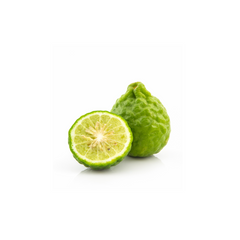
Earl Grey Tea's defining aromatic component is bergamot oil, extracted from the peel of the bergamot orange (Citrus bergamia), a citrus fruit native to southern Italy, particularly the Calabria region. Calabria accounts for approximately 90% of the world's bergamot oil production. The fruit is a probable hybrid of lemon and bitter orange, cultivated extensively for its essential oil rather than fresh consumption due to its sourness. Extraction of bergamot oil is primarily achieved through cold-pressing the peel of nearly ripe fruits, preserving volatile compounds such as linalyl acetate, limonene, and linalool. Approximately 100 bergamot oranges yield about 3 ounces (85 grams) of essential oil. This cold-press method is preferred over steam distillation to maintain the oil's characteristic fresh and floral citrus scent. The black tea component (Camellia sinensis) used in Earl Grey blends typically originates from regions such as Darjeeling, Assam, and Ceylon, where leaves undergo withering, oxidation, and drying to develop their flavor and aroma. Natural bergamot oil costs between $3,000 and $6,000 per kilogram due to its labor-intensive harvesting and limited growing regions. Synthetic bergamot substitutes, composed of aroma chemicals like linalool and limonene, are significantly cheaper but often lack the full complexity of the natural oil. Sustainability concerns focus on preserving bergamot cultivation areas and ethical harvesting practices.

IT

Italy (Calabria)

Calabria produces about 90% of global bergamot oil, grown in coastal areas with calcareous soils and Mediterranean climate. The cold-press extraction preserves the oil's complex aroma. PDO designations protect bergamot quality.

IN

India (Darjeeling)

Darjeeling tea leaves are prized for their delicate floral and muscatel notes, grown at high altitudes with cool temperatures and misty conditions, contributing to Earl Grey's tea depth.

LK

Sri Lanka (Ceylon)

Ceylon black tea offers bright, brisk flavors with citrus undertones, cultivated in mountainous regions with rich volcanic soils, complementing bergamot in Earl Grey blends.

CN

China

Chinese black teas used in Earl Grey blends provide a robust, malty base. Some traditional Chinese bergamot-scented teas involve scenting tea leaves inside hollowed bergamot rinds, a labor-intensive process enhancing aroma.

Chemistry

Natural vs Synthetic Earl Grey Tea in Perfumery

In perfumery, natural Earl Grey Tea accords rely on authentic bergamot essential oil (Citrus bergamia) and black tea extracts, which provide a complex, multi-faceted aroma. Synthetic alternatives use key aroma chemicals such as linalyl acetate (CAS 115-95-7), limonene (CAS 5989-27-5), and linalool (CAS 78-70-6) to replicate the citrus-floral facets of bergamot. These synthetics offer greater stability, longer shelf life, and cost efficiency, with prices around $50–200/kg compared to natural bergamot oil's $3,000–6,000/kg. Performance-wise, natural bergamot oil offers superior diffusion and olfactory richness but is more susceptible to photodegradation and oxidation. Synthetic blends provide consistency and enhanced longevity but may lack the nuanced warmth and freshness of natural oil. Famous fragrances like Demeter's Earl Grey Tea utilize natural extracts, while some mass-market perfumes incorporate synthetic bergamot to balance cost and stability. The HumanSafe™ platform ensures transparency in ingredient sourcing and safety, with CA Perfume favoring natural extracts when feasible, supplemented by verified synthetics to maintain quality and sustainability.

Natural
Earl Grey Tea Absolute
Cost $3,000–6,000/kg
Method Solvent / CO₂
Character Complex, variable
vs
Synthetic
Safranal & Analogues
Cost $50–200/kg
Method Lab synthesis
Character Consistent, stable
Hall of Fame

Famous Fragrances That Define Earl Grey Tea in Perfumery

1996
dominant note

Earl Grey Tea

Demeter Fragrance Library
by Christopher Brosius
bergamotblack tea
—
heart note

Twice to Tea

Poesie
vanillamusk
2019
accent

Tea Sommelier

Villa Erbatium
floral noteswoody notes
2020
top-to-heart bridge

Earl Grey & Cucumber

Jo Malone London
bergamotcucumber
2017
accent

Blue Madeleine

Atelier des Ors
smoky notestea

Earl Grey Tea has inspired several notable fragrances that showcase its unique citrus-tea accord. Demeter Fragrance Library's Earl Grey Tea (1996), crafted by Christopher Brosius, is a landmark scent capturing the authentic blend of black tea and bergamot oil, serving as a dominant note with a fresh yet comforting character. Poesie's Twice to Tea features Earl Grey Tea as a heart note, blending it with vanilla and musk to create a cozy, aromatic experience. Villa Erbatium's Tea Sommelier (2019) uses Earl Grey Tea as an accent, paired with floral and woody notes to evoke a refined tea ceremony. Jo Malone London's Earl Grey & Cucumber (2020) highlights bergamot with a fresh, crisp tea accord, functioning as a top-to-heart bridge. Atelier des Ors' Blue Madeleine (2017) incorporates a smoky twist to the tea note, adding mysterious depth. These fragrances illustrate Earl Grey Tea's versatility, from fresh and bright to warm and complex. CA Perfume's collection embraces this lineage by offering nuanced tea-inspired accords emphasizing natural bergamot and tea extracts.

The Accord

How is a captivating Earl Grey Tea accord crafted?

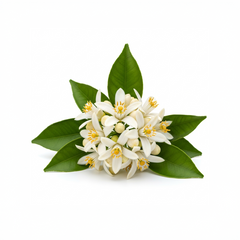
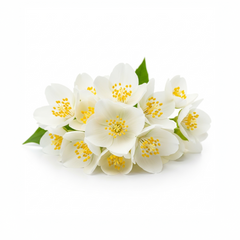
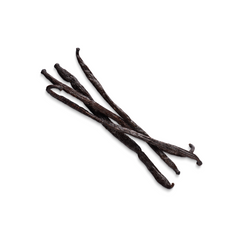
A balanced Earl Grey Tea accord typically comprises 30-35% Bergamot oil for its bright citrus-floral top notes, 30-35% Black Tea absolute or extract providing warm, slightly smoky depth, 15-20% Orange Blossom or Jasmine to enhance floral complexity, and 15-20% Vanilla or Musk to soften and round the blend. Bergamot's linalyl acetate and limonene create fresh citrus facets, while black tea's polyphenols contribute astringency and warmth. Floral ingredients share aromatic compounds like linalool, bridging citrus and tea, and vanilla's vanillin masks any harshness, producing a smooth, comforting finish.

35%

Bergamot Oil

30–35% of blend

Provides the signature citrus-floral brightness with linalyl acetate and limonene, essential for the Earl Grey character.

35%

Black Tea Absolute

30–35% of blend

Contributes warm, slightly smoky, and astringent depth through polyphenolic compounds, anchoring the accord.

20%

Orange Blossom

15–20% of blend

Adds delicate floral notes that share linalool with bergamot, enhancing the accord's complexity.

20%

Vanilla

15–20% of blend

Softens the blend by masking harshness with vanillin, providing a creamy, comforting finish.

The Olfactory Layers

How Earl Grey Tea Evolves on Skin

Earl Grey Tea's olfactory pyramid unfolds from a bright, citrusy top dominated by volatile bergamot components such as limonene and linalyl acetate, transitioning into a warm, aromatic heart where black tea's polyphenols and subtle floral notes emerge. The base reveals soft musks and vanilla, which linger for hours, providing a smooth and comforting dry-down.

I
Top notes
0–15 min
Bright Citrus Spark

The initial impression is dominated by bergamot's fresh, citrusy aroma, driven by high-volatility molecules like limonene and linalyl acetate. These compounds evaporate quickly, delivering a bright, slightly spicy citrus burst reminiscent of fresh bergamot peel.

CitrusyBrightSpicy
II
Heart notes
20–60 min
Warm Tea Embrace

As the top notes fade, the warm, slightly smoky character of black tea emerges, contributed by polyphenols and oxidized catechins. Floral nuances from orange blossom or jasmine add complexity, softening the tea's astringency with linalool and related compounds.

WarmAromaticFloral
III
Base notes
Several hours
Creamy Musk Finish

The dry-down is anchored by creamy vanilla and soft musks, which provide longevity and smoothness. Vanillin masks any harsh edges, while musk molecules enhance skin-like warmth, ensuring a comforting and elegant finish.

CreamyMuskyComforting
TOP NOTES Bright Citrus Spark 0–15 minutes HEART NOTES Warm Tea Embrace 20–60 minutes BASE NOTES Creamy Musk Finish Several hours
Through the Ages

The Story of Earl Grey Tea in Perfumery

The history of Earl Grey Tea in perfumery traces back to the 18th century with the rise of bergamot oil's use, evolving through the 19th century tea trade and culminating in modern niche fragrances that celebrate its unique citrus-tea accord.

18th Century

Introduction of Bergamot Oil to Perfumery

Bergamot oil was first used in European perfumery, prized for its fresh citrus-floral aroma. This period coincides with the early blending of bergamot with black tea in Britain.

1830s

Creation of Earl Grey Tea Blend

Charles Grey, 2nd Earl Grey and British Prime Minister, popularized the bergamot-flavored black tea blend, reportedly gifted by a Chinese mandarin or developed to suit local water.

Late 20th Century

Earl Grey Tea Note in Perfumery

Demeter Fragrance Library launched Earl Grey Tea perfume in 1996, capturing the essence of the tea's bergamot and black tea aroma in a fragrance.

2010s

Rise of Tea-Inspired Niche Fragrances

Niche brands began exploring tea accords, including Earl Grey Tea, blending natural extracts and synthetics to create complex, wearable scents.

2020s

Modern Earl Grey Tea Fragrances

Fragrances like Poesie's Twice to Tea and Jo Malone's Earl Grey & Cucumber highlight Earl Grey Tea's versatility and appeal in contemporary perfumery.

The Art of Layering

How to Layer Earl Grey Tea

Understanding how to layer Earl Grey Tea involves combining molecularly compatible notes that enhance its citrus and tea facets without overpowering them.

01

Enhance Sweetness

Pair Earl Grey Tea with vanilla or tonka bean to soften bergamot's sharpness through olfactory masking by vanillin, creating a creamy, comforting effect. This is exemplified in Poesie's Twice to Tea.

02

Add Depth

Layer with smoky or woody notes like sandalwood or cedarwood to complement black tea's polyphenolic warmth, extending longevity and adding complexity, as seen in Atelier des Ors' Blue Madeleine.

03

Lighten the Glow

Combine with light florals such as orange blossom or jasmine, which share linalool compounds with bergamot, creating a seamless aromatic bridge and enhancing the tea's floral nuances.

Wear It Right

How to Wear Earl Grey Tea Like a Pro

Seasonal Guide

Fall & Winter

Cooler temperatures slow molecular diffusion, allowing the warm, smoky tea and musky base notes to shine. Apply more liberally for enhanced sillage and longevity during colder months.

Spring

Mild weather balances bergamot's brightness and tea's warmth. Moderate application highlights fresh floral undertones, complementing spring's blossoming atmosphere.

Summer

Heat increases volatility, intensifying bergamot's citrus top notes but potentially shortening wear time. Light application on pulse points is advised to avoid overwhelming freshness.

Year-Round Tip

Layer Earl Grey Tea with complementary vanilla or musk base notes to stabilize volatility and extend wear regardless of season.

Application Points

Strategic application of Earl Grey Tea fragrances enhances their olfactory impact and longevity.

1

Neck

Pulse points at the neck provide warmth that activates bergamot's citrus top notes and sustains the tea's aromatic heart.

2

Behind the Ears

This area offers subtle diffusion, ideal for a gentle release of the fragrance throughout the day.

3

Inner Wrists

Wrists allow frequent scent refreshment and promote interaction with body chemistry, enhancing the tea's warmth.

4

Hair

Hair fibers hold fragrance molecules longer, releasing Earl Grey Tea's aroma softly with movement and air flow.

★

Pro Tip

Layer with a vanilla or musk body lotion to create a lasting base that complements the tea's brightness and warmth.

Mood Architecture™

Top Earl Grey Tea Fragrances by Mood Score

These Earl Grey Tea-based fragrances scored highest on the MEI™ Mood Architecture Framework — measuring how a scent may influence your emotional state.

Highest MEI Score
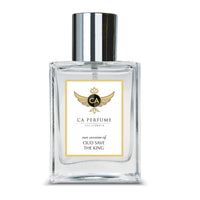
Oud Save The King — Atkinsons Oud Save The King Alternative Perfume
6.3
MEI™
Primary Romantic
Secondary Confident
Confidence
6.65
Presence
7.08
Mood Lift
6.23
Identity
7.18
Warmth
6.6
Social Ease
5.47
Energy
2.27
" I am beautiful.
View full mood profile →
HumanSafe™

Top Earl Grey Tea Fragrances by HumanSafe™ Score

These Earl Grey Tea-based fragrances have the highest product-level HumanSafe™ scores in this ingredient collection.

Highest HumanSafe™ Score
Oud Save The King — Atkinsons Oud Save The King Alternative Perfume
A-
HumanSafe™ Score Generally Safe
Safest Evaluated Ingredients EDP
AQUA Solvent / Carrier ISS 10.0
1,4-DIOXACYCLOHEPTADECANE-5,17-DIONE Evaluated ingredient ISS 10.0
4H-INDEN-4-ONE, 1,2,3,5,6,7-HEXAHYDRO-1,1,2,3,3- Evaluated ingredient ISS 9.0
BETA-PINENE Evaluated ingredient ISS 8.0
2H-1-BENZOPYRAN-2-ONE Evaluated ingredient ISS 8.0
ALPHA-CEDRENE Evaluated ingredient ISS 7.0
View full safety profile →
Expert Voices

What Masters Say About Earl Grey Tea

“
Bergamot's complex citrus-floral aroma, combined with black tea's warm, slightly smoky character, creates a unique fragrance accord that is both refreshing and comforting.
CA Perfume Editorial
“
Earl Grey Tea's signature scent is defined by the balance of bergamot oil's linalyl acetate and limonene with black tea's polyphenols, offering a versatile note used in many contemporary fragrances.
CA Perfume Editorial
Common Questions

Frequently Asked Questions

Frequently asked questions about Earl Grey Tea in perfumery, addressing scent, usage, and pairing.

Earl Grey Tea in perfume smells like a harmonious blend of bright, citrusy bergamot and warm, slightly smoky black tea. The scent often includes floral undertones from orange blossom or jasmine, creating a complex aromatic profile that is fresh yet comforting. Notable perfumes like Demeter's Earl Grey Tea capture this essence with natural bergamot oil and tea extracts.

Earl Grey Tea functions primarily as a heart note in perfumery. While bergamot contributes bright top notes, the black tea component provides a warm, aromatic heart that bridges the fresh opening and the creamy, musky base notes.

Earl Grey Tea is favored in niche perfumery for its unique combination of citrus freshness and warm tea depth, offering a sophisticated and versatile accord. Its complexity allows perfumers to craft fragrances that evoke comfort, elegance, and refinement, appealing to consumers seeking distinctive, non-traditional scents.

Earl Grey Tea fragrance uses pair well with vanilla and tonka bean to soften bergamot's sharpness, sandalwood and cedarwood to add depth and warmth, and floral notes like orange blossom and jasmine to enhance its aromatic complexity. These combinations create balanced accords that highlight the tea's multifaceted character.

Yes, Earl Grey Tea perfumes are suitable for summer due to bergamot's refreshing citrus top notes. However, heat increases volatility, so lighter application is recommended to avoid overwhelming freshness. The tea's warm heart and musky base provide balance, making it adaptable across seasons.

Earl Grey Tea fragrances typically last between 5 to 6 hours on the skin, depending on concentration and formulation. Parfum concentrations offer longer longevity, while Eau de Toilette versions may require reapplication to maintain scent presence.

Yes, layering Earl Grey Tea perfume with complementary notes like vanilla, musk, sandalwood, or light florals enhances its complexity and longevity. Molecular compatibility, such as shared linalool content with florals, ensures harmonious blending without scent clash.

For beginners, Demeter Fragrance Library's Earl Grey Tea offers a straightforward, authentic experience. Jo Malone London's Earl Grey & Cucumber provides a fresh, accessible take, while Poesie's Twice to Tea adds warmth and softness, making these ideal entry points into tea-inspired fragrances.

Choosing the right Earl Grey Tea fragrance involves considering concentration, scent profile balance, and personal preference for freshness versus warmth. CA Perfume's HumanSafe™ platform provides ingredient transparency, helping customers select fragrances with natural extracts or synthetics aligned to their needs.

Earl Grey Tea in fragrance leans more towards a fresh, citrusy, and slightly floral profile rather than sweet or spicy. The bergamot oil imparts a bright, slightly peppery citrus note, while the black tea adds warmth and subtle astringency, with occasional soft floral hints but minimal sweetness or spice.

Citrus Aromatic Collection

Explore Our Top Earl Grey Tea Fragrances

Discover a curated selection of fragrances highlighting Earl Grey Tea's unique citrus and tea accord, perfect for lovers of aromatic, fresh, and comforting scents.

Shop all earl grey tea fragrances at CA Perfume →

Where Earl Grey Tea Comes From — Origin & Extraction

Earl Grey Tea's defining aromatic component is bergamot oil, extracted from the peel of the bergamot orange (Citrus bergamia), a citrus fruit native to southern Italy, particularly the Calabria region. Calabria accounts for approximately 90% of the world's bergamot oil production. The fruit is a probable hybrid of lemon and bitter orange, cultivated extensively for its essential oil rather than fresh consumption due to its sourness. Extraction of bergamot oil is primarily achieved through cold-pressing the peel of nearly ripe fruits, preserving volatile compounds such as linalyl acetate, limonene, and linalool. Approximately 100 bergamot oranges yield about 3 ounces (85 grams) of essential oil. This cold-press method is preferred over steam distillation to maintain the oil's characteristic fresh and floral citrus scent. The black tea component (Camellia sinensis) used in Earl Grey blends typically originates from regions such as Darjeeling, Assam, and Ceylon, where leaves undergo withering, oxidation, and drying to develop their flavor and aroma. Natural bergamot oil costs between $3,000 and $6,000 per kilogram due to its labor-intensive harvesting and limited growing regions. Synthetic bergamot substitutes, composed of aroma chemicals like linalool and limonene, are significantly cheaper but often lack the full complexity of the natural oil. Sustainability concerns focus on preserving bergamot cultivation areas and ethical harvesting practices.

Famous Fragrances That Define Earl Grey Tea in Perfumery

Earl Grey Tea has inspired several notable fragrances that showcase its unique citrus-tea accord. Demeter Fragrance Library's Earl Grey Tea (1996), crafted by Christopher Brosius, is a landmark scent capturing the authentic blend of black tea and bergamot oil, serving as a dominant note with a fresh yet comforting character. Poesie's Twice to Tea features Earl Grey Tea as a heart note, blending it with vanilla and musk to create a cozy, aromatic experience. Villa Erbatium's Tea Sommelier (2019) uses Earl Grey Tea as an accent, paired with floral and woody notes to evoke a refined tea ceremony. Jo Malone London's Earl Grey & Cucumber (2020) highlights bergamot with a fresh, crisp tea accord, functioning as a top-to-heart bridge. Atelier des Ors' Blue Madeleine (2017) incorporates a smoky twist to the tea note, adding mysterious depth. These fragrances illustrate Earl Grey Tea's versatility, from fresh and bright to warm and complex. CA Perfume's collection embraces this lineage by offering nuanced tea-inspired accords emphasizing natural bergamot and tea extracts.

Natural vs Synthetic Earl Grey Tea in Perfumery

In perfumery, natural Earl Grey Tea accords rely on authentic bergamot essential oil (Citrus bergamia) and black tea extracts, which provide a complex, multi-faceted aroma. Synthetic alternatives use key aroma chemicals such as linalyl acetate (CAS 115-95-7), limonene (CAS 5989-27-5), and linalool (CAS 78-70-6) to replicate the citrus-floral facets of bergamot. These synthetics offer greater stability, longer shelf life, and cost efficiency, with prices around $50–200/kg compared to natural bergamot oil's $3,000–6,000/kg. Performance-wise, natural bergamot oil offers superior diffusion and olfactory richness but is more susceptible to photodegradation and oxidation. Synthetic blends provide consistency and enhanced longevity but may lack the nuanced warmth and freshness of natural oil. Famous fragrances like Demeter's Earl Grey Tea utilize natural extracts, while some mass-market perfumes incorporate synthetic bergamot to balance cost and stability. The HumanSafe™ platform ensures transparency in ingredient sourcing and safety, with CA Perfume favoring natural extracts when feasible, supplemented by verified synthetics to maintain quality and sustainability.