Ingredient Guide · Aromatic Woody
Aromatic Woody Family · Perfumery Note

Black Tea

The rich, complex aroma of black tea leaves in perfumery

Black Tea in perfumery is a heart or base note characterized by smoky, spicy, and floral facets derived from Camellia sinensis leaves. Its scent complexity arises from ionones and tannins, typically used at 0.1–1% concentration.

Black Tea
Ingredient Profile

Black Tea

Aromatic Woody Family
Family Aromatic Woody
Note Position Heart Note
Usage Level 0.1–1%
Key Origins India (Assam), China (Yunnan), Sri Lanka (Ceylon)
Iconic In Au Thé Vert, Black Tea
The Ingredient

What does Black Tea smell like and why is it significant in perfumery?

Black Tea in perfumery derives from the leaves of Camellia sinensis, processed through oxidation to develop its characteristic dark, rich aroma. The scent profile is complex, combining smoky, spicy, and floral notes. Chemically, black tea's olfactory signature includes ionones, which contribute powdery, woody, and fruity nuances, and tannins that provide astringency and depth. This complexity makes black tea a versatile note in fragrance creation. In perfumery, black tea functions primarily as a heart or base note, used at concentrations typically ranging from 0.1% to 1%. Its scent interacts uniquely with skin chemistry, often evolving to reveal subtle floral and woody undertones over time. Black tea's moderate volatility allows it to linger, providing a warm, comforting aura that bridges fresh top notes and deeper base accords. Notable examples include Jil Sander’s Black Tea (a spicy, smoky interpretation) and Escentric Molecules’ Molecule 01 + Black Tea (2023), where perfumer Geza Schoen crafted a nuanced accord blending black tea extract with maté absolute and Iso E Super. These fragrances demonstrate black tea’s capacity to serve as both a dominant and supporting note, pairing well with spices, woods, and florals.

0.1–1%
Typical concentration range of black tea absolute in fragrance formulations to balance scent impact and safety.
6–8 hours
Average longevity of black tea fragrances in parfum and eau de parfum formats, supported by woody and musky bases.
600 million kg
Approximate annual black tea production volume from Assam, India, a primary source for perfumery extracts.
Origin & Extraction

Where Black Tea Comes From — Origin & Extraction

Black tea’s scent profile is deeply influenced by its geographic origin. Soil composition, altitude, and climate affect the chemical makeup of the tea leaves, altering aromatic compounds like ionones and polyphenols. These terroir factors contribute to regional scent distinctions, from the brisk, malty notes of Assam to the floral, musky nuances of Darjeeling.

Black Tea is sourced from the leaves of the Camellia sinensis plant, primarily cultivated in countries such as India (notably Assam and Darjeeling regions), China, Sri Lanka, and Kenya. India accounts for a significant portion of global black tea production, with Assam alone producing over 600 million kilograms annually. The terroir, including altitude, soil composition, and climate, profoundly influences the tea's aromatic profile. In perfumery, black tea extracts are obtained through solvent extraction methods, often using ethanol or hexane to preserve delicate aromatic compounds. Steam distillation is less common due to the thermal sensitivity of key odorants like ionones and tannins. Extraction yields are typically low, with about 0.1–0.3% essential oil obtained from dry leaves. Natural black tea absolute commands a high price, approximately $3,000–$6,000 per kilogram, reflecting labor-intensive harvesting and extraction. Synthetic aroma chemicals and accords are often employed to replicate or enhance black tea's scent at a fraction of the cost. Sustainability concerns focus on ethical sourcing, fair labor practices, and minimizing environmental impact in tea agriculture.

IN

India (Assam)

Assam is known for its robust, malty black teas grown at low altitudes in humid conditions. It produces approximately 600 million kg annually, characterized by rich, astringent aromas with pronounced tannins.

CN

China (Yunnan)

Yunnan produces black teas with smoky and earthy profiles due to traditional processing methods. The region’s high altitude and mineral-rich soil contribute to complex aromatic layers.

LK

Sri Lanka (Ceylon)

Ceylon black teas are cultivated at varying altitudes, yielding bright, citrusy, and spicy notes. The region’s volcanic soil enhances the tea’s crispness and aromatic clarity.

KE

Kenya

Kenyan black teas are known for their briskness and boldness, grown in high-altitude regions with volcanic soil. They contribute fresh, fruity, and slightly woody notes to tea accords.

Chemistry

Natural vs Synthetic Black Tea in Perfumery

Natural black tea extracts are prized for their authentic complexity, capturing the nuanced smoky, floral, and astringent facets of Camellia sinensis leaves. However, natural extracts vary due to agricultural conditions and processing methods, leading to batch inconsistencies. Extraction yields are low, and costs are high, limiting their use in mass-market fragrances. Synthetic alternatives include aroma chemicals such as ionones (CAS 127-41-3), which provide powdery, floral, and woody notes, and methylxanthines that mimic tea's bitter facets. Iso E Super (CAS 54464-57-2) is frequently combined to enhance diffusion and longevity. These synthetics offer greater stability, consistency, and cost-effectiveness, with prices ranging from $50 to $200 per kilogram. Famous fragrances like Escentric Molecules’ Molecule 01 + Black Tea blend natural black tea extract with synthetic Iso E Super to achieve a balanced accord. CA Perfume employs the HumanSafe™ platform to transparently disclose ingredient origins and ensure ethical sourcing, blending natural and synthetic components to optimize performance and sustainability.

Natural
Black Tea Absolute
Cost $3,000–6,000/kg
Method Solvent / CO₂
Character Complex, variable
vs
Synthetic
Safranal & Analogues
Cost $50–200/kg
Method Lab synthesis
Character Consistent, stable
Hall of Fame

Famous Fragrances That Define Black Tea in Perfumery

1992
heart note

Au Thé Vert

Bvlgari
by Jean-Claude Ellena
citrusherbal green tea
dominant note

Black Tea

Jil Sander
spicessmoky accords
2023
heart note

Molecule 01 + Black Tea

Escentric Molecules
by Geza Schoen
maté absoluteIso E Super
2024
dominant note

Black Tea

Proad
by Quentin Bisch
cardamompink pepperplummusksandalwood
accent note

Black Tea

Murdoch London
geraniumbasildavanaamberleather

Black tea has been a defining note in several landmark fragrances, showcasing its versatility and depth. Jean-Claude Ellena’s Au Thé Vert for Bvlgari (1992) introduced tea notes to modern perfumery, emphasizing green tea’s fresh facets. Jil Sander’s Black Tea (year unknown) offers a spicy, smoky, and sultry black tea interpretation, pairing the note with warm spices and woods. Escentric Molecules’ Molecule 01 + Black Tea (2023), crafted by Geza Schoen, innovatively combines black tea extract with maté absolute and Iso E Super, highlighting black tea's subtle floral and woody nuances. Proad’s Black Tea (2024), by perfumer Quentin Bisch, layers black tea with cardamom, pink pepper, and plum, supported by musk and sandalwood, creating a rich oriental woody scent. Murdoch London’s Black Tea (year unknown) blends black tea with animalic florals, resins, and spices, evoking a dense fougère with notes of geranium, basil, and davana. These fragrances illustrate black tea’s capacity to serve as a dominant or supporting note in complex compositions. CA Perfume’s collection honors this lineage by offering fragrances that explore black tea’s multifaceted character, balancing tradition with contemporary olfactory innovation.

The Accord

How is a captivating Black Tea accord crafted?

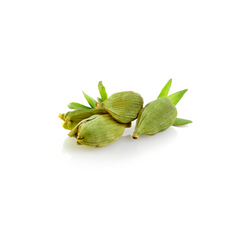
A balanced black tea accord typically blends 30-35% Black Tea absolute or extract to provide the core smoky, tannic character. Cardamom at 15-20% introduces spicy warmth and complexity. Bergamot at 10-15% adds a bright, citrusy top note that lifts the composition. Sandalwood at 25-30% offers a creamy, woody base that anchors the accord and enhances longevity. Each ingredient is chosen for its molecular synergy: ionones in black tea harmonize with the spicy terpenes of cardamom, while bergamot’s limonene brightens the astringent facets, and sandalwood’s santalol provides a smooth, lasting finish.

35%

Black Tea Absolute

30–35% of blend

Provides the smoky, tannic, and floral core of the accord, rich in ionones and polyphenols.

20%

Cardamom

15–20% of blend

Adds spicy warmth and complexity through monoterpenes like 1,8-cineole.

15%

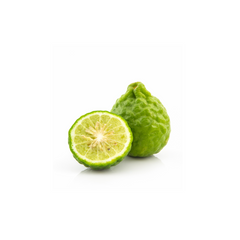
Bergamot

10–15% of blend

Brightens the accord with citrus limonene, balancing black tea’s astringency.

30%

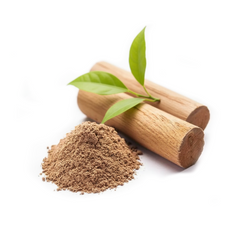
Sandalwood

25–30% of blend

Provides a creamy, woody base with santalol, enhancing longevity and smoothness.

The Olfactory Layers

How Black Tea Evolves on Skin

Black tea fragrances evolve from bright, citrusy top notes to a complex heart dominated by smoky, floral, and spicy molecules, finally settling into a warm, woody base. The initial volatiles like limonene evaporate within 15 minutes, followed by ionones and tannins in the heart lasting up to an hour. Base notes such as sandalwood and musk provide longevity over several hours.

I
Top notes
0–15 min
Bright Citrus & Spices

Bright citrus notes like bergamot limonene and fresh spices create an uplifting opening. These high-volatility molecules evaporate quickly, providing initial freshness that contrasts with the deeper tea facets.

CitrusyFreshSpicy
II
Heart notes
20–60 min
Smoky, Floral, Astringent

The heart reveals black tea’s signature smoky, floral, and astringent qualities. Ionones contribute powdery and woody nuances, while tannins add bitterness and depth. Spices like cardamom enhance warmth and complexity.

SmokyFloralAstringent
III
Base notes
Several hours
Woody & Musky Warmth

Woody and musky base notes such as sandalwood and labdanum provide a creamy, long-lasting foundation. These low-volatility molecules ensure the fragrance’s persistence and smooth dry-down.

WoodyMuskyCreamy
TOP NOTES Bright Citrus & Spices 0–15 minutes HEART NOTES Smoky, Floral, Astringent 20–60 minutes BASE NOTES Woody & Musky Warmth Several hours
Through the Ages

The Story of Black Tea in Perfumery

Black tea’s journey in perfumery spans from ancient cultural use to modern fragrance innovation, marking key milestones in extraction and artistic interpretation.

Ancient China

Origins of Black Tea

Black tea originated from Camellia sinensis leaves processed through oxidation in ancient China over 2,000 years ago, establishing its cultural and aromatic significance.

16th Century

European Introduction

Black tea was introduced to Europe via trade routes, becoming a popular beverage and inspiring early aromatic uses beyond consumption.

1992

Au Thé Vert by Bvlgari

Jean-Claude Ellena created one of the first major tea fragrances, focusing on green tea, setting a precedent for tea notes in modern perfumery.

2023

Molecule 01 + Black Tea Launch

Geza Schoen’s Escentric Molecules fragrance innovatively blended black tea extract with synthetic molecules, highlighting black tea’s complexity.

2024

Proad Black Tea Release

Quentin Bisch’s Proad Black Tea combined black tea with spices and woods, exemplifying contemporary oriental woody tea fragrances.

The Art of Layering

How to Layer Black Tea

Understanding how to layer black tea involves molecular compatibility and olfactory synergy. Layering can amplify or soften facets depending on complementary notes.

01

Enhance Freshness with Citrus

Bergamot and lemon share limonene molecules with black tea’s citrus facets, brightening the accord and balancing tannic bitterness. This pairing is exemplified in Elizabeth Arden’s Green Tea.

02

Add Depth with Woods

Sandalwood’s santalol molecules blend seamlessly with black tea’s woody ionones, extending longevity and smoothing smoky edges. Proad Black Tea demonstrates this synergy.

03

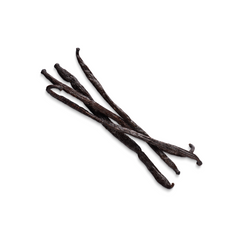
Lighten the Astringency with Vanilla

Vanillin masks black tea’s sharp tannins through olfactory masking, softening the scent and adding warmth. This technique is common in oriental tea fragrances.

Wear It Right

How to Wear Black Tea Like a Pro

Seasonal Guide

Fall & Winter

Cooler temperatures enhance black tea’s smoky and woody notes, increasing sillage and longevity. Apply moderately to pulse points for a cozy, enveloping aura.

Spring

Pair black tea with fresh florals or citrus to brighten the scent. Light application suits moderate temperatures and transitional weather.

Summer

Use sparingly or blend with green or white tea notes to maintain freshness. Heat increases volatility, so lighter sprays prevent overwhelming projection.

Year-Round Tip

Layer black tea with complementary notes like bergamot or sandalwood to modulate intensity and adapt to changing climates.

Application Points

Strategic application enhances black tea’s olfactory impact and longevity.

1

Neck

Pulse points on the neck emit warmth, activating black tea’s spicy and smoky molecules for optimal diffusion.

2

Behind the Ears

This discreet area allows subtle scent release, ideal for intimate black tea fragrances.

3

Inner Wrists

Wrists provide warmth and movement, enhancing projection and scent evolution.

4

Hair

Hair holds fragrance longer; misting black tea scents here creates a lingering, soft trail.

Pro Tip

Moisturize skin before application to increase scent adherence and longevity, especially for black tea’s delicate floral notes.

Mood Architecture™

Top Black Tea Fragrances by Mood Score

These Black Tea-based fragrances scored highest on the MEI™ Mood Architecture Framework — measuring how a scent may influence your emotional state.

Highest MEI Score
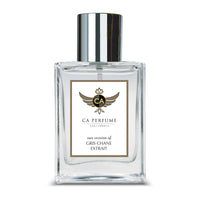
Gris Chane Extrait — Gris Chanel Extrait Alternative Perfume
8.68
MEI™
Primary Romantic
Secondary Confident
Confidence
8.17
Presence
8.82
Mood Lift
9.15
Identity
8.66
Warmth
9.5
Social Ease
8.83
Energy
4.7
" I am beautiful.
View full mood profile →
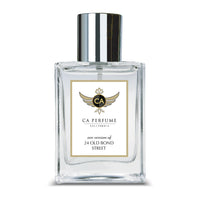
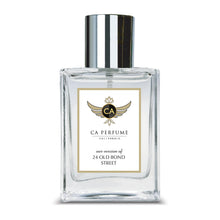
24 Old Bond Street — Atkinsons 24 Old Bond Street Alternative Perfume
6.92
MEI™
Primary Romantic
Secondary Confident
Confidence
6.76
Presence
6.81
Mood Lift
7.16
Identity
7.17
Warmth
7.12
Social Ease
6.94
Energy
5.5
" I am balanced.
View full mood profile →
Assam & Grapefruit — Jo Malone Impression Alternative Cologne
5.34
MEI™
Primary Fresh
Secondary Confident
Confidence
5.12
Presence
5.55
Mood Lift
5.8
Identity
5.42
Warmth
5.38
Social Ease
5.08
Energy
4.5
" I am free.
View full mood profile →
HumanSafe™

Top Black Tea Fragrances by HumanSafe™ Score

These Black Tea-based fragrances have the highest product-level HumanSafe™ scores in this ingredient collection.

Highest HumanSafe™ Score
Gris Chane Extrait — Gris Chanel Extrait Alternative Perfume
A-
HumanSafe™ Score Generally Safe
Safest Evaluated Ingredients EDP
AQUA Solvent / Carrier ISS 10.0
4H-INDEN-4-ONE, 1,2,3,5,6,7-HEXAHYDRO-1,1,2,3,3- Evaluated ingredient ISS 9.0
3-BUTEN-2-ONE, 3-METHYL-4-(2,6,6-TRIMETHYL-2- Evaluated ingredient ISS 8.0
2H-1-BENZOPYRAN-2-ONE Evaluated ingredient ISS 8.0
ALPHA-CEDRENE Evaluated ingredient ISS 7.0
ALCOHOL DENAT. Solvent / Carrier ISS 7.0
View full safety profile →
Assam & Grapefruit — Jo Malone Impression Alternative Cologne
A-
HumanSafe™ Score Generally Safe
Safest Evaluated Ingredients EDP
AQUA Solvent / Carrier ISS 10.0
1,4-DIOXACYCLOHEPTADECANE-5,17-DIONE Evaluated ingredient ISS 10.0
LINALYL ACETATE Evaluated ingredient ISS 7.0
LINALOOL Evaluated ingredient ISS 7.0
ALCOHOL DENAT. Solvent / Carrier ISS 7.0
3-BUTEN-2-ONE, 4-(2,6,6-TRIMETHYL-1-CYCLOHEXEN-1- Evaluated ingredient ISS 7.0
View full safety profile →
24 Old Bond Street — Atkinsons 24 Old Bond Street Alternative Perfume
A-
HumanSafe™ Score Generally Safe
Safest Evaluated Ingredients EDP
AQUA Solvent / Carrier ISS 10.0
1,4-DIOXACYCLOHEPTADECANE-5,17-DIONE Evaluated ingredient ISS 10.0
BENZENEPROPANAL, 4-ETHYL-.ALPHA.,.ALPHA.-DIMETHYL- Evaluated ingredient ISS 8.0
3-BUTEN-2-ONE, 3-METHYL-4-(2,6,6-TRIMETHYL-2- Evaluated ingredient ISS 8.0
1,6,10-DODECATRIEN-3-OL, 3,7,11-TRIMETHYL- Evaluated ingredient ISS 8.0
N° TURKISH REACH: 01-0000453802-44- Evaluated ingredient ISS 7.0
View full safety profile →
Expert Voices

What Masters Say About Black Tea

“The odor of a black tea is somewhere between jasmine and rose with ionones, or a class of materials that exist in categories of powdery, iris, woody, and fruity.”
Joey Rozin, perfumer and founder of Hoax Parfum
Black tea’s subtlety lies in the interplay of airiness against earthiness, with bitter, fresh notes balanced by floral aspects, all with a light touch.
Geza Schoen, perfumer of Molecule 01 + Black Tea
Common Questions

Frequently Asked Questions

Common questions about black tea in perfumery answered with detailed, factual insights.

Black tea in perfume typically smells smoky, spicy, and floral with a powdery, woody undertone. This scent profile arises from ionones and tannins found in Camellia sinensis leaves. Fragrances like Escentric Molecules’ Molecule 01 + Black Tea capture this complexity, blending natural extracts with synthetic molecules for a realistic tea aroma.

Black tea is primarily used as a heart or base note in perfumery. Its moderate volatility allows it to linger longer than top notes, providing depth and warmth. It bridges fresh citrus or spice top notes with woody or musky bases, contributing to the fragrance’s overall complexity.

Black tea’s complex scent profile—combining smoky, floral, and astringent facets—offers perfumers a versatile ingredient to create sophisticated, layered fragrances. Its cultural resonance and ability to evoke comfort and elegance make it popular in niche perfumery, where unique and refined accords are valued.

Black tea fragrance uses often pair it with bergamot, cardamom, sandalwood, vanilla, and musk. Bergamot brightens the astringent facets, cardamom adds spicy warmth, sandalwood provides a creamy woody base, and vanilla softens tannic edges. These combinations enhance black tea’s molecular harmony and olfactory appeal.

Black tea perfumes can be worn in summer if applied lightly or blended with fresher notes like green or white tea. Heat increases volatility, so lighter sprays prevent overwhelming projection. Some black tea fragrances with citrus and floral accents are designed for warmer climates.

Black tea fragrances generally last 6 to 8 hours in parfum or eau de parfum concentrations. The longevity is supported by woody and musky base notes that anchor the smoky and floral heart, ensuring a persistent and evolving scent experience.

Yes, layering black tea perfumes with complementary notes like citrus, woods, or vanilla can enhance or soften its facets. Molecular compatibility, such as shared ionones or masking effects, allows for harmonious blends that tailor the scent to personal preference.

For beginners, fragrances like Escentric Molecules’ Molecule 01 + Black Tea and Proad Black Tea offer approachable yet authentic black tea experiences. These perfumes balance smoky and floral notes with familiar spices and woods, making them versatile and easy to wear.

Selecting a black tea fragrance at CA Perfume involves considering scent intensity, complementary notes, and occasion. Sampling options and expert guidance through the HumanSafe™ platform ensure informed choices aligned with personal style and skin chemistry.

Black tea in perfumery often carries a smoky character due to oxidation and processing of leaves, balanced by clean floral and citrus notes. This duality creates a sophisticated scent that can be both warm and fresh, depending on the composition.

Aromatic Woody Collection

Explore Our Top Black Tea Fragrances

Discover a curated selection of black tea perfumes that showcase the note’s smoky, spicy, and floral complexity.

Shop all black tea fragrances at CA Perfume →

Where Black Tea Comes From — Origin & Extraction

Black Tea is sourced from the leaves of the Camellia sinensis plant, primarily cultivated in countries such as India (notably Assam and Darjeeling regions), China, Sri Lanka, and Kenya. India accounts for a significant portion of global black tea production, with Assam alone producing over 600 million kilograms annually. The terroir, including altitude, soil composition, and climate, profoundly influences the tea's aromatic profile. In perfumery, black tea extracts are obtained through solvent extraction methods, often using ethanol or hexane to preserve delicate aromatic compounds. Steam distillation is less common due to the thermal sensitivity of key odorants like ionones and tannins. Extraction yields are typically low, with about 0.1–0.3% essential oil obtained from dry leaves. Natural black tea absolute commands a high price, approximately $3,000–$6,000 per kilogram, reflecting labor-intensive harvesting and extraction. Synthetic aroma chemicals and accords are often employed to replicate or enhance black tea's scent at a fraction of the cost. Sustainability concerns focus on ethical sourcing, fair labor practices, and minimizing environmental impact in tea agriculture.

Famous Fragrances That Define Black Tea in Perfumery

Black tea has been a defining note in several landmark fragrances, showcasing its versatility and depth. Jean-Claude Ellena’s Au Thé Vert for Bvlgari (1992) introduced tea notes to modern perfumery, emphasizing green tea’s fresh facets. Jil Sander’s Black Tea (year unknown) offers a spicy, smoky, and sultry black tea interpretation, pairing the note with warm spices and woods. Escentric Molecules’ Molecule 01 + Black Tea (2023), crafted by Geza Schoen, innovatively combines black tea extract with maté absolute and Iso E Super, highlighting black tea's subtle floral and woody nuances. Proad’s Black Tea (2024), by perfumer Quentin Bisch, layers black tea with cardamom, pink pepper, and plum, supported by musk and sandalwood, creating a rich oriental woody scent. Murdoch London’s Black Tea (year unknown) blends black tea with animalic florals, resins, and spices, evoking a dense fougère with notes of geranium, basil, and davana. These fragrances illustrate black tea’s capacity to serve as a dominant or supporting note in complex compositions. CA Perfume’s collection honors this lineage by offering fragrances that explore black tea’s multifaceted character, balancing tradition with contemporary olfactory innovation.

Natural vs Synthetic Black Tea in Perfumery

Natural black tea extracts are prized for their authentic complexity, capturing the nuanced smoky, floral, and astringent facets of Camellia sinensis leaves. However, natural extracts vary due to agricultural conditions and processing methods, leading to batch inconsistencies. Extraction yields are low, and costs are high, limiting their use in mass-market fragrances. Synthetic alternatives include aroma chemicals such as ionones (CAS 127-41-3), which provide powdery, floral, and woody notes, and methylxanthines that mimic tea's bitter facets. Iso E Super (CAS 54464-57-2) is frequently combined to enhance diffusion and longevity. These synthetics offer greater stability, consistency, and cost-effectiveness, with prices ranging from $50 to $200 per kilogram. Famous fragrances like Escentric Molecules’ Molecule 01 + Black Tea blend natural black tea extract with synthetic Iso E Super to achieve a balanced accord. CA Perfume employs the HumanSafe™ platform to transparently disclose ingredient origins and ensure ethical sourcing, blending natural and synthetic components to optimize performance and sustainability.