Where Dulce de Leche Comes From — Origin & Extraction
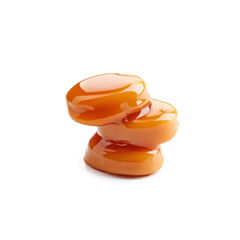
Dulce de leche, as a fragrance note, is inspired by the traditional Latin American confection made by slowly simmering milk and sugar until caramelized. While the culinary dulce de leche is a natural product, the fragrance note is primarily created synthetically for perfumery use. The synthetic accords replicate the rich, creamy, caramelized milk aroma with added vanilla and toasted sugar nuances.
The natural confection originates from countries such as Argentina, Mexico, Chile, and Uruguay, each with regional variations in milk type and preparation methods. Argentina is often cited as the birthplace, with its dulce de leche known for a creamy texture and sweet flavor. Mexican 'cajeta' uses goat's milk, adding a tangy complexity.
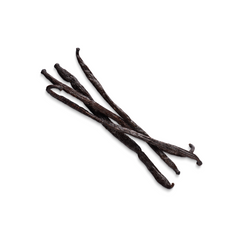
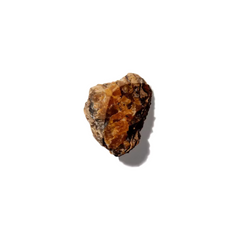
In perfumery, dulce de leche accords are produced through blending synthetic molecules such as ethyl maltol (CAS 4940-11-8), vanillin (CAS 121-33-5), and lactones that mimic the creamy, caramelized facets. These synthetics are combined with natural extracts like benzoin resin and vanilla absolute to enhance depth.
Extraction of natural components involves solvent extraction and distillation for vanilla and benzoin, while caramel-like notes are synthesized chemically. Synthetic dulce de leche accords offer consistency, stability, and sustainability compared to natural caramel extracts, which are prone to degradation and variability.
Cost-wise, synthetic molecules like ethyl maltol are significantly less expensive (approximately $100–300/kg) than natural vanilla absolute ($3,000–5,000/kg). Sustainability considerations favor synthetics due to lower environmental impact and ethical sourcing.
Famous Fragrances That Define Dulce de Leche in Perfumery
Dulce de leche has become a notable gourmand note in contemporary perfumery, featured in a variety of acclaimed fragrances that showcase its creamy, caramelized sweetness.
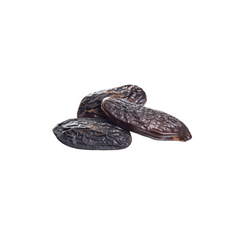
Carolina Herrera's Good Girl Légère (2018), crafted by perfumers Louise Turner and Rosendo Mateu, uses dulce de leche as a heart note paired with tonka bean and jasmine, creating a warm, sensual aroma that balances sweetness with floral brightness.
Lattafa Perfumes' Eclaire Banoffi (2025) highlights dulce de leche as a dominant gourmand note, combining it with vanilla and caramel to evoke a rich, dessert-inspired scent.
Other significant fragrances include Britney Spears' Private Show (2016), where dulce de leche acts as an accent within a sweet, vanilla-amber composition, and Obvious' Dulce de Leche (2025) by Meabh McCurtin, which blends the note with spicy top notes and woody vanilla bases for a complex gourmand experience.
These fragrances demonstrate dulce de leche's versatility as both a dominant and supporting note, often paired with vanilla, caramel, tonka bean, and woods to create inviting, warm compositions.
CA Perfume's collection reflects this gourmand lineage, offering fragrances that explore dulce de leche's rich, comforting qualities with modern olfactory techniques.
Natural vs Synthetic Dulce de Leche in Perfumery
Dulce de leche fragrance notes in perfumery are predominantly synthetic due to the complexity and instability of natural caramelized milk extracts. Synthetic molecules such as ethyl maltol (CAS 4940-11-8), vanillin (CAS 121-33-5), and gamma-undecalactone (CAS 104-67-6) are used to recreate the creamy, sweet, and caramelized aspects of dulce de leche with high precision and longevity.
Natural extracts like vanilla absolute and benzoin resin contribute complementary creamy and resinous facets but are rarely used alone to represent dulce de leche due to cost and variability.
Synthetic dulce de leche accords offer superior stability, diffusion, and consistency across batches, making them preferred in commercial perfumery. They also allow for allergen control and compliance with IFRA standards.
Famous fragrances using synthetic dulce de leche accords include Carolina Herrera Good Girl Légère and Lattafa Perfumes Eclaire Banoffi. Natural vanilla and benzoin are often layered to enrich the accord.
The HumanSafe™ platform emphasizes transparency in ingredient sourcing, and CA Perfume supports using synthetics where they enhance safety, sustainability, and olfactory performance without compromising artistic integrity.