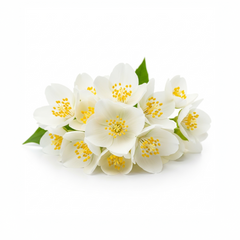
Where Dew Drop Comes From — Origin & Extraction
Dew Drop is not a naturally occurring extract but a fantasy accord developed in the late 20th century as perfumers sought to capture the sensation of morning dew. There is no botanical or mineral source; instead, Dew Drop is constructed entirely from synthetic aroma chemicals. Key molecules include Hedione (methyl dihydrojasmonate), Calone (7-methyl-2H-1,5-benzodioxepin-3(4H)-one), and various ozonic aldehydes. These are produced industrially by major fragrance houses such as Firmenich, Givaudan, and IFF, primarily in Europe and the United States. There is no agricultural production volume, as all components are synthesized in controlled laboratory environments.
The accord is typically formulated as a colorless to pale yellow liquid, with high volatility and strong odor strength. No extraction process is involved; instead, perfumers blend specific molecules in precise ratios to achieve the desired watery, mineral, and green facets. The cost of Dew Drop accords is relatively low compared to natural extracts, with bulk prices for key molecules such as Hedione and Calone ranging from $40–$200 per kg, depending on purity and supplier. In contrast, natural floral absolutes can exceed $5,000 per kg.
Sustainability is a key advantage of synthetic Dew Drop: its production does not require land use, water, or agricultural inputs, and it avoids the ecological impact associated with harvesting natural resources. There are no IFRA restrictions specific to Dew Drop as an accord, and its components are generally recognized as safe when used within standard perfumery concentrations.
Famous Fragrances That Define Dew Drop in Perfumery
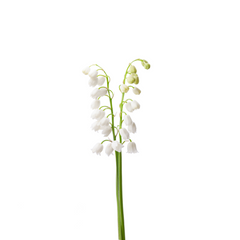
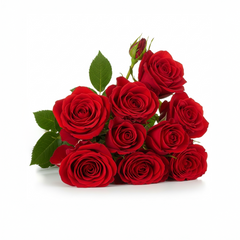
Dew Drop has become a defining note in contemporary perfumery, particularly in fresh, floral, and aquatic compositions. Jo Malone London Wild Bluebell (2011, Christine Nagel) uses Dew Drop as a top note to evoke the sensation of a misty English morning, paired with bluebell, persimmon, and white musk. Viktor&Rolf Flowerbomb Dew (2020, Domitille Michalon Bertier and Carlos Benaïm) features Dew Drop as a translucent, watery backdrop for rose, iris, and musk, creating a soft, skin-like floral impression. Miu Miu L’Eau Bleue (2016, Daniela Andrier) incorporates Dew Drop to amplify the green, dewy character of lily of the valley and honeysuckle.
DedCool Fragrance 01 Taunt (2018) employs Dew Drop to add a sheer, airy quality to its vanilla-musk heart, while Dior Rose Kabuki (2018, François Demachy) uses Dew Drop to enhance the transparency of rose and powdery musks. These fragrances illustrate Dew Drop’s versatility as both a dominant note and a supporting accent, often paired with florals, musks, and light woods. CA Perfume’s collection draws on this lineage, offering Dew Drop-inspired scents that emphasize freshness, clarity, and modernity.
Natural vs Synthetic Dew Drop in Perfumery
Dew Drop is inherently a synthetic construct—there is no natural dew extract with a consistent volatile profile. The accord relies on molecules such as Hedione (CAS 24851-98-7), Calone (CAS 28940-11-6), and Cyclamen Aldehyde (CAS 103-95-7) to create its signature watery, mineral, and green freshness. These synthetics offer superior performance in terms of longevity, diffusion, and batch-to-batch consistency compared to natural materials, which cannot replicate the abstract freshness of dew.
Natural materials like water lily or cucumber can provide a moist, green nuance, but lack the transparency and projection of a true Dew Drop accord. Synthetic Dew Drop is favored in modern perfumery for its ability to impart a clean, airy effect without the variability of natural extracts. Cost is another factor: synthetic aroma chemicals used in Dew Drop accords are significantly less expensive than rare natural absolutes, making them accessible for both niche and mass-market fragrances.
From a sustainability perspective, synthetic Dew Drop is advantageous: its production does not deplete natural resources or require intensive agriculture. The HumanSafe™ platform ensures full transparency regarding the sourcing and safety of all synthetic components, allowing perfumers and consumers to make informed choices. Notable fragrances using synthetic Dew Drop accords include Viktor&Rolf Flowerbomb Dew (2020) and Jo Malone London Wild Bluebell (2011), both of which rely on modern aroma chemistry for their signature freshness.