Where Cotton Flower Comes From — Origin & Extraction
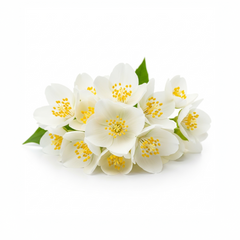
Cotton Flower derives from the blooms of the cotton plant, botanically known as Gossypium hirsutum. The plant produces creamy-white to pale yellow flowers before the cotton bolls develop. However, these flowers have an almost imperceptible natural scent and do not yield essential oils or absolutes suitable for perfumery extraction.
The primary cotton-producing countries include the United States (notably southern states), Egypt, and India. Egyptian cotton is renowned for its superior softness and quality, influencing the aromatic interpretation of cotton flower in perfumery. India’s long history of cotton cultivation contributes to diverse floral nuances in cotton flower accords.
Because natural extraction is not viable, the cotton flower note in perfumery is a synthetic fantasy accord. It is created through blending transparent musks (e.g., Habanolide, ethylene brassylate), aldehydes for freshness, and powdery compounds like heliotropin. This synthetic approach allows for consistent quality and olfactory stability.
Natural cotton flower absolute, if produced, would cost approximately $3,000–6,000 per kilogram, but it is rarely available due to negligible yield. Synthetic accords cost significantly less, around $50–200 per kilogram, enabling broader use in fragrance compositions. Sustainability considerations favor synthetics here, as no natural flower harvesting is required.
Famous Fragrances That Define Cotton Flower in Perfumery
Cotton Flower has been featured in several notable fragrances, where it functions as a soft, clean, and comforting note, often in the heart or top of the composition. These fragrances demonstrate the versatility of cotton flower accords in floral, musky, and woody contexts.
1. Invisible Musk by Juliette Has A Gun (2017) – Perfumers Romano Ricci and Quentin Bisch crafted this eau de parfum with cotton flower as a heart note, blending it with jasmine and white musk to create a soft, airy floral-musk composition.
2. Cotton Flower by Shay & Blue London (2020) – Perfumer Julie Massé designed this fragrance with cotton flower as the top note, accompanied by iris in the heart and cashmere wood in the base, highlighting the fresh and clean character of cotton flower.
3. A Chant D'Amour by Prada (2022) – Cotton flower appears in the heart notes alongside orange blossom, jasmine, and lily of the valley, adding delicate floral nuances to a floral, woody, and musky blend.
4. Giardino Benessere Cotton Flower (2015) – Created by Paolo Terenzi, this floral woody musk fragrance features cotton flower harmonizing with gardenia, bergamot, rose, cloves, jasmine, peony, patchouli, tonka bean, and oak.
5. Vera Bradley Cotton Flower (2016) – A feminine fragrance where cotton flower blends with citrus, vanilla, and musk, providing a comforting and soft floral scent.
CA Perfume’s collection respects this lineage by offering fragrances that emphasize cotton flower’s clean and gentle qualities without overwhelming the wearer.
Natural vs Synthetic Cotton Flower in Perfumery
Cotton Flower in perfumery is predominantly a synthetic accord due to the negligible scent and extraction yield from the natural cotton flower. The synthetic accord is composed of molecules such as Habanolide (CAS 1222-05-5), ethylene brassylate (CAS 105-95-3), and heliotropin (piperonal, CAS 120-57-0). These molecules provide a clean, musky, and powdery scent profile with excellent longevity and diffusion.
Natural cotton flower absolute, if produced, would be complex and variable, with a high cost and limited availability. Synthetic accords offer superior consistency, stability, and cost-effectiveness, making them the preferred choice for perfumers.
Famous fragrances like Invisible Musk by Juliette Has A Gun and Cotton Flower by Shay & Blue London utilize synthetic cotton flower accords for their clean and comforting qualities. The HumanSafe™ platform verifies the safety and transparency of these synthetic ingredients, ensuring consumer confidence.
CA Perfume editorial notes that the synthetic cotton flower accord exemplifies modern perfumery’s ability to evoke natural sensations through carefully engineered molecules, balancing olfactory authenticity with sustainability and performance.