Ingredient Guide · Floral
Floral Family · Perfumery Note

Cotton Flower

Soft, airy scent evoking freshly laundered linens

Cotton Flower is a synthetic fantasy accord representing the clean, fresh, and subtly floral scent of cotton plant blooms. It is primarily used as a heart note at concentrations below 5%, built from musks, aldehydes, and powdery elements.

Cotton Flower
Ingredient Profile

Cotton Flower

Floral Family
Family Floral
Note Position Base Note
Usage Level <5%
Key Origins United States, Egypt, India
Iconic In Invisible Musk, Cotton Flower
The Ingredient

What does Cotton Flower smell like and why is it cherished?

Cotton Flower is an aromatic fantasy accord inspired by the bloom of the cotton plant (Gossypium hirsutum). Unlike many natural flowers, the actual cotton flower emits a very faint scent, so perfumers recreate its aroma using synthetic blends. The scent profile is characterized by a clean, crisp, and subtly floral aroma reminiscent of freshly laundered linens and soft cotton petals. This freshness is achieved through transparent musks such as Habanolide and ethylene brassylate, aldehydes for brightness, and powdery heliotropin, which together create a soft, airy, and comforting olfactory impression. In perfumery, Cotton Flower functions mainly as a heart-to-base note, typically used at concentrations below 5%. It serves as a cleanliness signifier and adds a soft, comforting backdrop to compositions without overpowering other notes. The accord interacts well with skin chemistry by providing a gentle, intimate scent that feels fresh and light, often perceived as soothing and uplifting. Notable fragrances featuring Cotton Flower include Invisible Musk by Juliette Has A Gun, where it complements jasmine and white musk in the heart; Cotton Flower by Shay & Blue London, which highlights it as a fresh, clean top note with iris and cashmere wood; and A Chant D'Amour by Prada, where it blends with orange blossom and lily of the valley to enhance floral and musky accords.

2–4 Sprays
Typical application amount to achieve a noticeable yet balanced cotton flower scent without overpowering.
3–5 Hours
Average longevity of cotton flower accords in well-formulated perfumes, supported by musks and resins.
<5%
Common maximum concentration of cotton flower accord in perfume formulations to maintain clarity and freshness.
Origin & Extraction

Where Cotton Flower Comes From — Origin & Extraction

Cotton Flower's olfactory character is influenced by the geographical origins of the cotton plant, primarily cultivated in warm climates with gentle soil and moderate rainfall. These conditions promote soft, fluffy blooms that inspire the fresh, comforting scent profile used in perfumery.

Cotton Flower derives from the blooms of the cotton plant, botanically known as Gossypium hirsutum. The plant produces creamy-white to pale yellow flowers before the cotton bolls develop. However, these flowers have an almost imperceptible natural scent and do not yield essential oils or absolutes suitable for perfumery extraction. The primary cotton-producing countries include the United States (notably southern states), Egypt, and India. Egyptian cotton is renowned for its superior softness and quality, influencing the aromatic interpretation of cotton flower in perfumery. India’s long history of cotton cultivation contributes to diverse floral nuances in cotton flower accords. Because natural extraction is not viable, the cotton flower note in perfumery is a synthetic fantasy accord. It is created through blending transparent musks (e.g., Habanolide, ethylene brassylate), aldehydes for freshness, and powdery compounds like heliotropin. This synthetic approach allows for consistent quality and olfactory stability. Natural cotton flower absolute, if produced, would cost approximately $3,000–6,000 per kilogram, but it is rarely available due to negligible yield. Synthetic accords cost significantly less, around $50–200 per kilogram, enabling broader use in fragrance compositions. Sustainability considerations favor synthetics here, as no natural flower harvesting is required.

US

United States

Cotton is grown mainly in southern states with warm temperatures and well-drained soils. The soft, fluffy cotton blooms symbolize comfort and purity, influencing the cotton flower accord’s fresh and clean character. The U.S. holds a significant share of global cotton production, supporting the fragrance industry’s demand for cotton-inspired notes.

EG

Egypt

Egyptian cotton is prized for its luxurious softness and fine fibers. The region’s arid climate and rich Nile delta soils produce cotton blooms that inspire refined, aromatic interpretations in perfumery, emphasizing elegance and subtlety.

IN

India

India’s long tradition of cotton cultivation spans diverse climatic zones, resulting in a variety of floral nuances in cotton blooms. Indian cotton flower accords often integrate cultural richness and a sense of warmth and comfort, reflecting the country’s textile heritage.

Chemistry

Natural vs Synthetic Cotton Flower in Perfumery

Cotton Flower in perfumery is predominantly a synthetic accord due to the negligible scent and extraction yield from the natural cotton flower. The synthetic accord is composed of molecules such as Habanolide (CAS 1222-05-5), ethylene brassylate (CAS 105-95-3), and heliotropin (piperonal, CAS 120-57-0). These molecules provide a clean, musky, and powdery scent profile with excellent longevity and diffusion. Natural cotton flower absolute, if produced, would be complex and variable, with a high cost and limited availability. Synthetic accords offer superior consistency, stability, and cost-effectiveness, making them the preferred choice for perfumers. Famous fragrances like Invisible Musk by Juliette Has A Gun and Cotton Flower by Shay & Blue London utilize synthetic cotton flower accords for their clean and comforting qualities. The HumanSafe™ platform verifies the safety and transparency of these synthetic ingredients, ensuring consumer confidence. CA Perfume editorial notes that the synthetic cotton flower accord exemplifies modern perfumery’s ability to evoke natural sensations through carefully engineered molecules, balancing olfactory authenticity with sustainability and performance.

Natural
Cotton Flower Absolute
Cost $3,000–6,000/kg
Method Solvent / CO₂
Character Complex, variable
vs
Synthetic
Safranal & Analogues
Cost $50–200/kg
Method Lab synthesis
Character Consistent, stable
Hall of Fame

Famous Fragrances That Define Cotton Flower in Perfumery

2017
heart note

Invisible Musk

Juliette Has A Gun
by Romano Ricci, Quentin Bisch
jasminewhite musk
2020
top note

Cotton Flower

Shay & Blue London
by Julie Massé
iriscashmere wood
2022
heart note

A Chant D'Amour

Prada
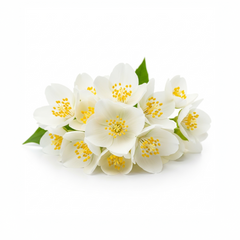
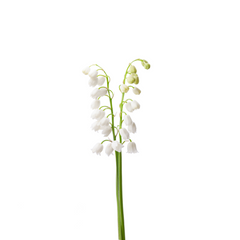
orange blossomjasminelily of the valley
2015
heart note

Cotton Flower

Giardino Benessere
by Paolo Terenzi
gardeniabergamotroseclovesjasminepeonypatchoulitonka beanoak
2016
accent note

Cotton Flower

Vera Bradley
citrusvanillamusk

Cotton Flower has been featured in several notable fragrances, where it functions as a soft, clean, and comforting note, often in the heart or top of the composition. These fragrances demonstrate the versatility of cotton flower accords in floral, musky, and woody contexts. 1. Invisible Musk by Juliette Has A Gun (2017) – Perfumers Romano Ricci and Quentin Bisch crafted this eau de parfum with cotton flower as a heart note, blending it with jasmine and white musk to create a soft, airy floral-musk composition. 2. Cotton Flower by Shay & Blue London (2020) – Perfumer Julie Massé designed this fragrance with cotton flower as the top note, accompanied by iris in the heart and cashmere wood in the base, highlighting the fresh and clean character of cotton flower. 3. A Chant D'Amour by Prada (2022) – Cotton flower appears in the heart notes alongside orange blossom, jasmine, and lily of the valley, adding delicate floral nuances to a floral, woody, and musky blend. 4. Giardino Benessere Cotton Flower (2015) – Created by Paolo Terenzi, this floral woody musk fragrance features cotton flower harmonizing with gardenia, bergamot, rose, cloves, jasmine, peony, patchouli, tonka bean, and oak. 5. Vera Bradley Cotton Flower (2016) – A feminine fragrance where cotton flower blends with citrus, vanilla, and musk, providing a comforting and soft floral scent. CA Perfume’s collection respects this lineage by offering fragrances that emphasize cotton flower’s clean and gentle qualities without overwhelming the wearer.

The Accord

How is a captivating Cotton Flower accord crafted?

A Cotton Flower accord is constructed by blending airy floral and musky elements with soft, powdery notes to evoke the sensation of freshly laundered cotton. The accord typically contains 25-30% Cotton Flower accord, 20-25% White Honey for sweet, velvety richness, 20-25% Vanilla to provide creamy warmth and soften edges, and 20-25% Benzoin for balsamic depth and longevity. Each ingredient is chosen for its molecular compatibility: musks create transparency, white honey adds a smooth floral sweetness, vanilla masks metallic sharpness, and benzoin anchors the accord with resinous warmth.

30%

Cotton Flower Accord

25–30% of blend

Provides the clean, airy, and subtly floral core of the accord, built from synthetic musks and aldehydes to mimic fresh cotton petals.

25%

White Honey

20–25% of blend

Adds sweet, velvety richness that enhances the soft floral facets and smooths the overall texture.

25%

Vanilla

20–25% of blend

Contributes creamy warmth and masks any metallic or sharp notes, creating a comforting base.

25%

Benzoin

20–25% of blend

Provides a balsamic, resinous depth that enhances longevity and anchors the airy qualities.

The Olfactory Layers

How Cotton Flower Evolves on Skin

Cotton Flower fragrances evolve from an initial bright, clean freshness to a soft, powdery floral heart, finishing with a warm, musky base. The high-volatility aldehydes and musks evaporate first, delivering crisp top impressions. The heart reveals gentle floral and powdery molecules, while the base lingers with low-volatility balsamic and vanilla compounds, ensuring a comforting dry down.

I
Top notes
0–15 min
Crisp Freshness

The fragrance opens with bright, clean aldehydic and musky notes that evoke freshly laundered linens and airy cotton fields. These high-volatility molecules, such as aldehydes, provide an immediate crispness and freshness that engage the senses.

CleanAldehydicFresh
II
Heart notes
20–60 min
Soft Floral Embrace

The heart reveals soft, powdery florals and musks reminiscent of cotton petals and sun-dried fabrics. Molecules like heliotropin and transparent musks create a delicate, comforting floral aura that feels intimate and soothing.

PowderyFloralSoft
III
Base notes
Several hours
Warm Musky Dry Down

The base unfolds with warm, creamy vanilla, benzoin resin, and subtle woody musks that anchor the fragrance. These low-volatility compounds provide longevity and a cozy, skin-like trail that balances the airy top and heart.

WarmMuskyCreamy
TOP NOTES Crisp Freshness 0–15 minutes HEART NOTES Soft Floral Embrace 20–60 minutes BASE NOTES Warm Musky Dry Down Several hours
Through the Ages

The Story of Cotton Flower in Perfumery

Cotton Flower’s journey in perfumery reflects the evolution of synthetic accords to capture natural sensations. From ancient cotton cultivation to modern synthetic accords, its olfactory presence has grown steadily in contemporary fragrance design.

4500 BCE

Cotton Cultivation Begins

Cotton cultivation originated in the Indus Valley Civilization, laying the foundation for cotton’s cultural and practical significance globally.

Ancient Egypt

Cotton Symbolizes Purity

Egyptian royalty valued cotton for its softness and breathability, associating it with purity and luxury in textiles.

19th Century

Industrial Revolution and Cotton

Cotton became central to the textile industry, increasing its cultural prominence and inspiring olfactory associations with cleanliness and comfort.

Late 20th Century

Synthetic Cotton Flower Accord Development

Perfumers began creating synthetic accords to replicate the clean, fresh scent of cotton flower, using musks, aldehydes, and powdery molecules.

2010s–2020s

Cotton Flower in Modern Fragrances

Cotton Flower became a popular note in niche and designer perfumes, featured in compositions by Juliette Has A Gun, Shay & Blue, and Prada.

The Art of Layering

How to Layer Cotton Flower

Understanding how to layer cotton flower involves selecting notes that complement its clean, powdery, and musky facets. How to layer cotton flower effectively requires knowledge of molecular compatibility and olfactory masking to create harmonious blends.

01

Enhance Sweetness

Layer cotton flower with vanilla to soften its crisp edges. Vanillin molecules mask metallic aldehydes, creating a creamy, inviting warmth. This pairing is exemplified in Shay & Blue’s Cotton Flower fragrance.

02

Add Depth

Combine cotton flower with benzoin and cashmere wood to introduce balsamic and woody undertones. These molecules anchor the airy accord, extending longevity and adding complexity, as seen in Prada’s A Chant D'Amour.

03

Lighten the Glow

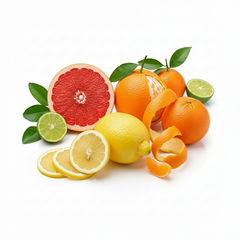
Pair cotton flower with citrus notes like bergamot to brighten the accord. The fresh limonene molecules contrast the musky base, producing a refreshing, uplifting effect, demonstrated in Giardino Benessere’s Cotton Flower.

Wear It Right

How to Wear Cotton Flower Like a Pro

Seasonal Guide

Fall & Winter

In cooler months, cotton flower fragrances may feel softer and less volatile. Layer with warm vanilla or woody notes to enhance warmth and longevity.

Spring

Spring’s mild temperatures highlight the fresh floral heart of cotton flower accords. Light application accentuates the airy, comforting character.

Summer

Heat increases volatility, making cotton flower’s crisp freshness more pronounced. Layer with citrus or aquatic notes for an uplifting, cooling effect.

Year-Round Tip

Apply cotton flower fragrances to pulse points and moisturized skin to maximize diffusion and longevity regardless of season.

Application Points

Strategic application enhances Cotton Flower’s fresh and soft qualities for optimal scent experience.

1

Neck

Pulse points like the neck emit heat that activates the aldehydic and musky facets, enhancing projection.

2

Behind the Ears

This area allows subtle diffusion, perfect for intimate, skin-close cotton flower scents.

3

Inner Wrists

Wrists provide warmth and movement, helping the fragrance evolve naturally throughout the day.

4

Hair

Hair holds fragrance well, releasing cotton flower’s airy notes with each movement for a soft trail.

Pro Tip

Layer cotton flower with unscented moisturizer to enhance scent longevity and prevent dryness.

Mood Architecture™

Top Cotton Flower Fragrances by Mood Score

These Cotton Flower-based fragrances scored highest on the MEI™ Mood Architecture Framework — measuring how a scent may influence your emotional state.

Highest MEI Score
Aqva Pour Homme — Bvlgari Aqva Alternative Cologne
5.21
MEI™
Primary Fresh
Secondary Energizing
Confidence
4.53
Presence
5.02
Mood Lift
6.19
Identity
5.0
Warmth
5.0
Social Ease
5.52
Energy
4.2
" I am free.
View full mood profile →
HumanSafe™

Top Cotton Flower Fragrances by HumanSafe™ Score

These Cotton Flower-based fragrances have the highest product-level HumanSafe™ scores in this ingredient collection.

Highest HumanSafe™ Score
Aqva Pour Homme — Bvlgari Aqva Alternative Cologne
A-
HumanSafe™ Score Generally Safe
Safest Evaluated Ingredients EDP
AQUA Solvent / Carrier ISS 10.0
3-CYCLOHEXENE-1-CARBOXALDEHYDE, 1-METHYL-4-(4- Evaluated ingredient ISS 10.0
TRICYCLO[6.3.1.02,5]DODECAN-1-OL, 4,4,8-TRIMETHYL-, Evaluated ingredient ISS 8.0
LINALYL ACETATE Evaluated ingredient ISS 7.0
LINALOOL Evaluated ingredient ISS 7.0
AMBREIN Evaluated ingredient ISS 7.0
View full safety profile →
Expert Voices

What Masters Say About Cotton Flower

Cotton Flower in perfumery is less about the natural scent of the flower and more about the cultural association with cleanliness and comfort. It is a carefully crafted synthetic accord that evokes the sensation of freshly laundered linens and soft cotton petals.
CA Perfume Editorial
Invisible Musk’s use of cotton flower as a heart note demonstrates how this accord can provide a soft, airy quality that complements floral and musky elements, creating a delicate and intimate fragrance experience.
Romano Ricci, Perfumer
Common Questions

Frequently Asked Questions

Frequently asked questions about Cotton Flower in perfumery, addressing scent, usage, and layering.

Cotton Flower in perfume smells clean, fresh, and subtly floral, reminiscent of freshly laundered linens and soft cotton petals. It is a synthetic accord combining musks, aldehydes, and powdery notes to evoke a comforting and airy scent, commonly used as a heart note in fragrances.

Cotton Flower typically functions as a heart-to-base note in fragrance compositions. It provides a soft, clean, and comforting backdrop that bridges the bright top notes and the warm, musky base notes.

Cotton Flower is favored in niche perfumes for its ability to evoke freshness and comfort without overpowering other notes. Its synthetic accord offers consistency, longevity, and a universally appealing clean scent that complements diverse fragrance families.

Cotton Flower fragrance uses often pair it with vanilla, white honey, benzoin, jasmine, lily of the valley, and citrus. These combinations enhance its soft, powdery, and fresh qualities, creating balanced and harmonious accords.

Yes, Cotton Flower’s light and airy scent profile makes it ideal for summer and hot weather. Its refreshing qualities provide a crisp, clean sensation that feels comfortable and uplifting in warm climates.

Cotton Flower fragrances generally last between 3 to 5 hours, depending on formulation and supporting notes like musks and resins that enhance longevity.

Absolutely. Cotton Flower layers well with vanilla to add warmth, benzoin for depth, and citrus for brightness. Layering allows customization of the scent experience while maintaining the clean, soft character of cotton flower.

Beginner-friendly Cotton Flower perfumes include Shay & Blue’s Cotton Flower, Juliette Has A Gun’s Invisible Musk, and Giardino Benessere’s Cotton Flower. These offer approachable, fresh, and comforting scent profiles.

At CA Perfume, consider your preference for freshness versus warmth. Choose lighter cotton flower accords for crisp, airy scents or those blended with vanilla and benzoin for a richer, cozy feel. Our HumanSafe™ platform ensures ingredient transparency and safety.

Cotton Flower primarily smells clean and subtly floral with a powdery and musky trail. It is not inherently sweet or spicy but can be blended with sweet notes like vanilla or spicy elements like cloves to create varied scent profiles.

Floral Collection

Explore Our Top Cotton Flower Fragrances

Discover a curated selection of fragrances featuring the soft, clean, and comforting scent of cotton flower.

Shop all cotton flower fragrances at CA Perfume →

Where Cotton Flower Comes From — Origin & Extraction

Cotton Flower derives from the blooms of the cotton plant, botanically known as Gossypium hirsutum. The plant produces creamy-white to pale yellow flowers before the cotton bolls develop. However, these flowers have an almost imperceptible natural scent and do not yield essential oils or absolutes suitable for perfumery extraction. The primary cotton-producing countries include the United States (notably southern states), Egypt, and India. Egyptian cotton is renowned for its superior softness and quality, influencing the aromatic interpretation of cotton flower in perfumery. India’s long history of cotton cultivation contributes to diverse floral nuances in cotton flower accords. Because natural extraction is not viable, the cotton flower note in perfumery is a synthetic fantasy accord. It is created through blending transparent musks (e.g., Habanolide, ethylene brassylate), aldehydes for freshness, and powdery compounds like heliotropin. This synthetic approach allows for consistent quality and olfactory stability. Natural cotton flower absolute, if produced, would cost approximately $3,000–6,000 per kilogram, but it is rarely available due to negligible yield. Synthetic accords cost significantly less, around $50–200 per kilogram, enabling broader use in fragrance compositions. Sustainability considerations favor synthetics here, as no natural flower harvesting is required.

Famous Fragrances That Define Cotton Flower in Perfumery

Cotton Flower has been featured in several notable fragrances, where it functions as a soft, clean, and comforting note, often in the heart or top of the composition. These fragrances demonstrate the versatility of cotton flower accords in floral, musky, and woody contexts. 1. Invisible Musk by Juliette Has A Gun (2017) – Perfumers Romano Ricci and Quentin Bisch crafted this eau de parfum with cotton flower as a heart note, blending it with jasmine and white musk to create a soft, airy floral-musk composition. 2. Cotton Flower by Shay & Blue London (2020) – Perfumer Julie Massé designed this fragrance with cotton flower as the top note, accompanied by iris in the heart and cashmere wood in the base, highlighting the fresh and clean character of cotton flower. 3. A Chant D'Amour by Prada (2022) – Cotton flower appears in the heart notes alongside orange blossom, jasmine, and lily of the valley, adding delicate floral nuances to a floral, woody, and musky blend. 4. Giardino Benessere Cotton Flower (2015) – Created by Paolo Terenzi, this floral woody musk fragrance features cotton flower harmonizing with gardenia, bergamot, rose, cloves, jasmine, peony, patchouli, tonka bean, and oak. 5. Vera Bradley Cotton Flower (2016) – A feminine fragrance where cotton flower blends with citrus, vanilla, and musk, providing a comforting and soft floral scent. CA Perfume’s collection respects this lineage by offering fragrances that emphasize cotton flower’s clean and gentle qualities without overwhelming the wearer.

Natural vs Synthetic Cotton Flower in Perfumery

Cotton Flower in perfumery is predominantly a synthetic accord due to the negligible scent and extraction yield from the natural cotton flower. The synthetic accord is composed of molecules such as Habanolide (CAS 1222-05-5), ethylene brassylate (CAS 105-95-3), and heliotropin (piperonal, CAS 120-57-0). These molecules provide a clean, musky, and powdery scent profile with excellent longevity and diffusion. Natural cotton flower absolute, if produced, would be complex and variable, with a high cost and limited availability. Synthetic accords offer superior consistency, stability, and cost-effectiveness, making them the preferred choice for perfumers. Famous fragrances like Invisible Musk by Juliette Has A Gun and Cotton Flower by Shay & Blue London utilize synthetic cotton flower accords for their clean and comforting qualities. The HumanSafe™ platform verifies the safety and transparency of these synthetic ingredients, ensuring consumer confidence. CA Perfume editorial notes that the synthetic cotton flower accord exemplifies modern perfumery’s ability to evoke natural sensations through carefully engineered molecules, balancing olfactory authenticity with sustainability and performance.