Ingredient Guide · Fruity Gourmand
Fruity Gourmand Family · Perfumery Note

Cherry

Sweet, tart, and almond-nuanced—cherry’s aroma is instantly recognizable.

Cherry is a heart note in perfumery, prized for its vivid sweet-tart aroma and almond undertone. Its signature scent is achieved using benzaldehyde and related molecules, typically at 1–5% of the composition for a realistic cherry effect.

Cherry
Ingredient Profile

Cherry

Fruity Gourmand Family
Family Fruity Gourmand
Note Position Heart Note
Usage Level 1–5%
Key Origins United States, Turkey, Iran
Iconic In Lost Cherry, La Petite Robe Noire
The Ingredient

What does Cherry smell like and why is it so distinctive in perfumery?

Cherry in perfumery is defined by a sweet, tart, and slightly bitter scent profile, underpinned by a characteristic almond nuance. This signature comes from benzaldehyde (C7H6O, CAS 100-52-7), a molecule naturally present in cherry kernels and bitter almonds. Benzaldehyde imparts a photorealistic cherry aroma, while supporting molecules like anisaldehyde and heliotropin add marzipan, powdery, and floral facets. The result is a scent that oscillates between juicy red fruit, subtle floral, and creamy almond notes. In perfumery, cherry is most often constructed as a synthetic accord, since natural cherry essential oil cannot be extracted from the fruit. It is typically used as a heart note, with concentrations ranging from 1% in nuanced blends to up to 5% in cherry soliflores or gourmand compositions. Cherry’s volatility is moderate—its top note burst is vivid but short-lived, requiring fixatives or base notes like vanilla and musk for longevity. On skin, cherry’s sweetness and tartness interact with individual pH and moisture, sometimes amplifying the almond aspect or revealing a faint liqueur-like undertone. Landmark fragrances that exemplify cherry in perfumery include Tom Ford Lost Cherry (2018, Louise Turner), which layers cherry with almond, Turkish rose, and tonka bean for a boozy, gourmand effect, and Guerlain La Petite Robe Noire (2012, Thierry Wasser and Delphine Jelk), where cherry is paired with black tea, rose, and licorice to create a modern fruity-floral signature. These compositions demonstrate how cherry’s scent profile can be adapted for both playful and sophisticated olfactory narratives.

1–5%
Typical concentration of cherry accord in fine fragrance compositions. Higher percentages (3–5%) are used for soliflores or gourmand styles; lower percentages (1–2%) add a subtle fruity accent.
4%
Current IFRA maximum for benzaldehyde in fine fragrance. This ensures safety while maintaining a vivid cherry impression. Exceeding this can increase sensitization risk.
4–6 hours
Average longevity of cherry as a dominant note, depending on fixatives and concentration. The top note fades within 30–60 minutes, while the creamy base can persist for several hours.
Origin & Extraction

Where Cherry Comes From — Origin & Extraction

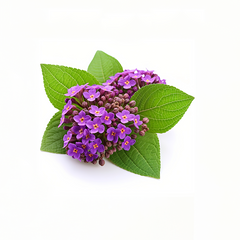
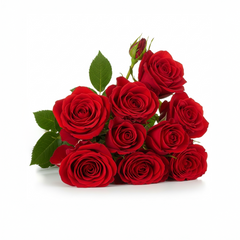
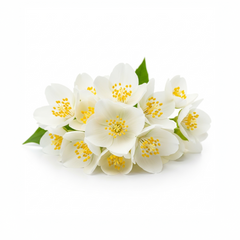
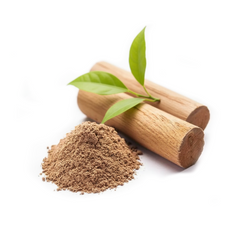
Cherry’s scent character is influenced by the Prunus species, climate, and soil where the fruit is grown. While the note is synthetic in perfumery, the symbolism and inspiration trace to cherry orchards in diverse regions.

Cherry (Prunus avium and Prunus cerasus, family Rosaceae) is native to temperate regions of the Northern Hemisphere, with major cultivation in the United States, Turkey, Iran, and Russia. However, true cherry essential oil cannot be extracted from the fruit via steam distillation or cold pressing due to the absence of volatile aromatic compounds in the flesh. Instead, cherry’s aroma in perfumery is recreated using synthetic molecules, primarily benzaldehyde, which is industrially derived from benzoic acid or toluene oxidation. Benzaldehyde is also naturally present in cherry kernels and bitter almonds, but extraction from natural sources is economically unfeasible and yields are extremely low (less than 0.1%). The majority of benzaldehyde used in fragrance is produced in Europe, the United States, and China, with global production exceeding 10,000 metric tons annually. The cost of synthetic benzaldehyde is approximately $10–30/kg, compared to over $1,000/kg for natural bitter almond oil (which itself is restricted due to cyanogenic glycosides). Other supporting molecules in cherry accords include anisaldehyde (CAS 123-11-5), veratraldehyde (CAS 120-14-9), and heliotropin (CAS 120-57-0), all synthesized via established chemical processes. Sustainability considerations favor synthetics, as natural extraction would require massive quantities of cherry pits and raise food resource concerns. Modern perfumery relies on these synthetics for consistency, safety, and environmental responsibility.

US

United States

The Pacific Northwest (Washington, Oregon) is the leading US cherry producer, with volcanic soils and temperate climate yielding sweet, aromatic fruit. While not used for direct extraction, these cherries inspire perfumery accords. The US accounts for over 15% of global cherry production.

TR

Turkey

The Anatolian plateau, especially around Afyon and Konya, produces sour cherries (Prunus cerasus) with high acidity and intense aroma. Turkey is a top global exporter, supplying over 20% of the world’s cherries. The region’s mineral-rich soils and dry summers influence the fruit’s tartness.

IR

Iran

Northern Iran, particularly Mazandaran and East Azerbaijan, cultivates both sweet and sour cherries. The region’s high altitude and cool climate yield cherries with pronounced tartness and deep color. Iran is among the top five global producers.

RU

Russia

Central and southern Russia (Kursk, Voronezh) specialize in hardy cherry varieties adapted to cold winters. These cherries are smaller and more acidic, influencing the perception of cherry in Eastern European perfumery traditions.

Chemistry

Natural vs Synthetic Cherry in Perfumery

Natural cherry essential oil is not commercially available, as the fruit contains negligible volatile oil and attempts at extraction yield little to no olfactory material. The characteristic cherry scent is instead constructed from synthetic aroma chemicals, with benzaldehyde (CAS 100-52-7) as the cornerstone. Supporting molecules include anisaldehyde (CAS 123-11-5), which imparts a marzipan nuance, veratraldehyde (CAS 120-14-9) for a vanilla-cherry effect, and heliotropin (CAS 120-57-0) for powdery, floral facets. Synthetic cherry accords offer superior performance in terms of longevity, diffusion, and batch-to-batch consistency compared to any natural tincture or extract. Cost-wise, synthetic cherry accords are highly economical—benzaldehyde is available at $10–30/kg, while natural bitter almond oil (sometimes used for almond-cherry nuances) can exceed $1,000/kg and is tightly regulated due to cyanide content. Notable fragrances using synthetic cherry include Tom Ford Lost Cherry, Kayali Lovefest Burning Cherry 48, and Room 1015 Cherry Punk. Sustainability is a key advantage: synthetic production avoids agricultural land use and food resource diversion. The HumanSafe™ platform ensures that all cherry-related aroma chemicals used by CA Perfume are IFRA-compliant and fully traceable for consumer safety.

Natural
Cherry Absolute
Cost $3,000–6,000/kg
Method Solvent / CO₂
Character Complex, variable
vs
Synthetic
Safranal & Analogues
Cost $50–200/kg
Method Lab synthesis
Character Consistent, stable
Hall of Fame

Famous Fragrances That Define Cherry in Perfumery

2018
dominant note

Lost Cherry

Tom Ford
by Louise Turner
almondTurkish rosetonka beansandalwood
2012
bridge note

La Petite Robe Noire

Guerlain
by Thierry Wasser, Delphine Jelk
black tearoselicoricetonka bean
2020
dominant note

Cherry Punk

Room 1015
by Jérôme Epinette
saffronleatherpatchouliviolet
2022
dominant note

Lovefest Burning Cherry 48

Kayali
by Gabriela Chelariu
pralineguaiac woodpatchouliraspberry
2012
dominant note

Cherry Garden

House of Sillage
by Mark Buxton
vanillaalmondwhite floralstonka bean

Cherry has become a defining note in contemporary perfumery, especially within the gourmand and fruity-floral genres. Tom Ford Lost Cherry (2018, perfumer Louise Turner) is perhaps the most influential modern cherry fragrance, featuring a photorealistic cherry accord built on benzaldehyde, almond, and Turkish rose, with a boozy, liqueur-like effect. Guerlain La Petite Robe Noire (2012, Thierry Wasser and Delphine Jelk) uses cherry as a bridge between black tea, rose, and licorice, creating a playful yet sophisticated signature. Room 1015 Cherry Punk (2020, Jérôme Epinette) pairs cherry with saffron, leather, and patchouli for a rebellious, unisex take. Other notable examples include Kayali Lovefest Burning Cherry 48 (2022, Gabriela Chelariu), which combines cherry with praline, guaiac wood, and patchouli for a smoky-gourmand effect, and House of Sillage Cherry Garden (2012, Mark Buxton), where cherry is softened by vanilla, almond, and white florals. These fragrances illustrate cherry’s versatility—from syrupy and playful to dark, woody, or powdery. CA Perfume’s cherry-inspired offerings draw on this lineage, offering both classic and modern interpretations for a wide range of preferences.

The Accord

How is a captivating Cherry accord crafted?

A realistic cherry accord is built from benzaldehyde (20–25%), heliotropin (20–25%), vanilla (25–30%), and almond (25–30%). Benzaldehyde provides the core cherry-almond aroma; heliotropin adds powdery, floral sweetness; vanilla softens the tartness and extends longevity via vanillin; almond reinforces the marzipan nuance and rounds out the accord. This blend mimics the complexity of ripe cherry, balancing fruitiness, creaminess, and subtle bitterness.

25%

Benzaldehyde (Cherry Core)

20–25% of blend

Benzaldehyde is the primary molecule responsible for cherry’s signature aroma, imparting sweet, tart, and almond-like notes. Used at moderate levels for realism.

25%

Heliotropin

20–25% of blend

Heliotropin adds powdery, floral, and slightly fruity nuances, enhancing the creamy, marzipan aspect and extending the accord’s longevity.

30%

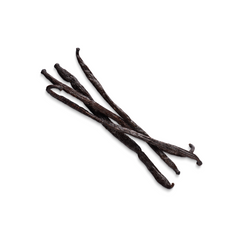
Vanilla

25–30% of blend

Vanillin provides creamy sweetness and acts as a fixative, smoothing cherry’s tartness and supporting the gourmand profile.

30%

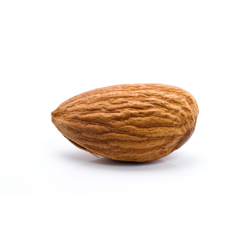
Almond

25–30% of blend

Almond notes (from natural or synthetic sources) reinforce the marzipan and bitter facets, creating a photorealistic cherry impression.

The Olfactory Layers

How Cherry Evolves on Skin

Cherry fragrances evolve from a vivid, juicy opening to a creamy, gourmand heart and a soft, powdery base. High-volatility molecules like benzaldehyde dominate the top, while vanillin and heliotropin anchor the drydown.

I
Top notes
0–15 min
Juicy Burst

The initial impression is a burst of juicy, photorealistic cherry—bright, sweet, and slightly tart. This effect is driven by high-volatility benzaldehyde and supporting fruity esters, which evaporate quickly but create an immediate impact. Some compositions add citrus or berry notes to amplify freshness.

JuicyTartBright
II
Heart notes
20–60 min
Almond Cream

As the top fades, cherry’s almond and marzipan facets emerge, supported by heliotropin and anisaldehyde. Floral notes (rose, jasmine) or gourmand elements (vanilla, praline) may appear, creating a creamy, rounded heart. The scent becomes softer and more complex, with subtle powdery undertones.

CreamyAlmondGourmand
III
Base notes
Several hours
Powdered Vanilla

The drydown reveals lingering vanilla, soft musk, and woody notes. Heliotropin and vanillin provide powdery, sweet warmth, while musk and sandalwood add depth and fixative power. The cherry impression recedes, leaving a faint, creamy sweetness on the skin.

PowderyWarmSoft
TOP NOTES Juicy Burst 0–15 minutes HEART NOTES Almond Cream 20–60 minutes BASE NOTES Powdered Vanilla Several hours
Through the Ages

The Story of Cherry in Perfumery

Cherry’s journey in perfumery spans from ancient symbolism to modern synthetic innovation, reflecting evolving extraction methods and olfactory trends.

Antiquity

Cherry Symbolism in Ancient Cultures

Cherries were associated with fertility and abundance in ancient Mediterranean and Asian societies. While not isolated as a perfume note, cherry-scented preparations were used in Egyptian and Greek rituals.

72 BC

Introduction to Rome

Roman general Lucius Licinius Lucullus brings cultivated cherries from Kerasous (modern Giresun, Turkey) to Rome, spreading cherry cultivation across Europe and embedding its aroma in culinary and cosmetic traditions.

16th–18th centuries

Cherry in Renaissance and Baroque Perfumery

European perfumers experiment with cherry tinctures and liqueurs in scented waters and pomanders, though true cherry oil remains elusive. The fruit’s bittersweet aroma inspires early synthetic attempts.

Late 19th century

Discovery of Benzaldehyde

Benzaldehyde, the key molecule in cherry’s aroma, is synthesized and adopted in perfumery. This enables the creation of stable, photorealistic cherry accords for the first time.

2018

Tom Ford Lost Cherry Launch

Lost Cherry (Louise Turner, Tom Ford) debuts, setting a new standard for cherry in modern perfumery. Its success sparks a wave of cherry-themed fragrances and solidifies the note’s status in the gourmand genre.

The Art of Layering

How to Layer Cherry

Understanding how to layer cherry is key to maximizing its olfactory impact. Molecular compatibility with vanilla, almond, and musk allows for creative, long-lasting blends.

01

Enhance Sweetness

Layering cherry with vanilla leverages vanillin’s olfactory masking effect, softening cherry’s tartness and amplifying its creamy, gourmand profile. This combination is exemplified in Tom Ford Lost Cherry and House of Sillage Cherry Garden, where vanilla extends and rounds out the cherry accord.

02

Add Depth

Pairing cherry with woody or amber notes (e.g., sandalwood, patchouli) introduces fixative molecules that slow the evaporation of benzaldehyde, deepening the drydown. Room 1015 Cherry Punk demonstrates this synergy, with leather and patchouli adding structure and longevity.

03

Brighten the Profile

Combining cherry with citrus or white florals (e.g., bergamot, jasmine) introduces high-volatility molecules that enhance the top note’s freshness and lift. Guerlain La Petite Robe Noire uses black tea and rose for a nuanced, sparkling effect.

Wear It Right

How to Wear Cherry Like a Pro

Seasonal Guide

Fall & Winter

In cooler temperatures, cherry’s creamy, gourmand facets are accentuated, while volatility is reduced, resulting in a softer projection. Apply to pulse points and layer with vanilla or amber for warmth and longevity.

Spring

Spring’s moderate humidity and mild temperatures allow cherry’s floral and fruity notes to shine. Pair with light florals or citrus for a fresh, uplifting effect. Apply sparingly to avoid overwhelming the senses.

Summer

Heat increases cherry’s volatility, intensifying the top note but shortening its lifespan. Opt for lighter concentrations (EDT) or layer with citrus and white musk for a refreshing, airy impression. Apply to hair or clothing for extended wear.

Year-Round Tip

For consistent performance, moisturize skin before application and consider layering with complementary notes (vanilla, almond, musk) to anchor cherry’s fleeting top. Adjust application based on climate and desired projection.

Application Points

Strategic application enhances cherry’s olfactory evolution and longevity. Target pulse points and consider layering for best results.

1

Neck

Applying cherry fragrances to the neck leverages body heat, intensifying the juicy top note and facilitating sillage. The warmth helps volatilize benzaldehyde, creating an immediate impact.

2

Behind the Ears

This area is slightly cooler, slowing evaporation and allowing the creamy, almond heart to linger. It also enhances projection when hair moves, releasing subtle cherry nuances.

3

Inner Wrists

Pulse points on the wrists amplify cherry’s opening, but frequent handwashing can diminish longevity. Ideal for experiencing the scent’s evolution up close.

4

Hair

Spraying cherry fragrance on hair provides a gentle, long-lasting trail. Hair’s porous structure absorbs and diffuses aroma molecules, extending the creamy vanilla base.

Pro Tip

Layer cherry with a vanilla or almond body lotion to anchor the scent and enhance longevity. This technique creates a seamless, gourmand effect and reduces top note volatility.

Mood Architecture™

Top Cherry Fragrances by Mood Score

These Cherry-based fragrances scored highest on the MEI™ Mood Architecture Framework — measuring how a scent may influence your emotional state.

Highest MEI Score
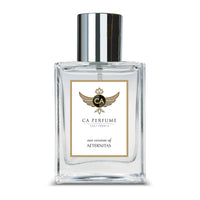
Aeternitas — Franco Muller Aeternitas Alternative Perfume
7.8
MEI™
Primary Romantic
Secondary Confident
Confidence
7.9
Presence
7.9
Mood Lift
8.03
Identity
7.75
Warmth
8.45
Social Ease
7.44
Energy
3.9
" I am beautiful.
View full mood profile →
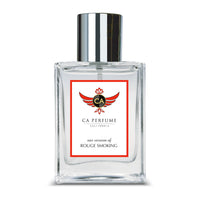
Rouge Smoking — Bdk Parfums Rouge Smoking Alternative Perfume
7.46
MEI™
Primary Romantic
Secondary Grounding
Confidence
6.35
Presence
6.1
Mood Lift
8.45
Identity
6.48
Warmth
9.36
Social Ease
8.06
Energy
3.4
" I am beautiful.
View full mood profile →
In Love W / U — In Love With You Alternative Perfume
7.31
MEI™
Primary Fresh
Secondary Confident
Confidence
7.03
Presence
7.71
Mood Lift
8.24
Identity
7.55
Warmth
7.1
Social Ease
7.15
Energy
3.2
" I am radiant.
View full mood profile →
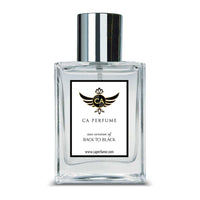
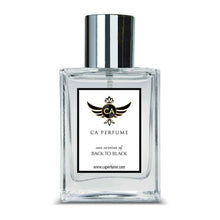
Back To Black — By Kilian Impression Back To Black Alternative Perfume
5.5
MEI™
Primary Serene
Secondary Romantic
Confidence
5.08
Presence
4.73
Mood Lift
6.12
Identity
4.79
Warmth
6.31
Social Ease
5.72
Energy
3.0
" I am at peace.
View full mood profile →
HumanSafe™

Top Cherry Fragrances by HumanSafe™ Score

These Cherry-based fragrances have the highest product-level HumanSafe™ scores in this ingredient collection.

Highest HumanSafe™ Score
Rouge Smoking — Bdk Parfums Rouge Smoking Alternative Perfume
A-
HumanSafe™ Score Generally Safe
Safest Evaluated Ingredients EDP
AQUA Solvent / Carrier ISS 10.0
1,4-DIOXACYCLOHEPTADECANE-5,17-DIONE Evaluated ingredient ISS 10.0
4H-INDEN-4-ONE, 1,2,3,5,6,7-HEXAHYDRO-1,1,2,3,3- Evaluated ingredient ISS 9.0
2H-1-BENZOPYRAN-2-ONE Evaluated ingredient ISS 8.0
LINALYL ACETATE Evaluated ingredient ISS 7.0
LINALOOL Evaluated ingredient ISS 7.0
View full safety profile →
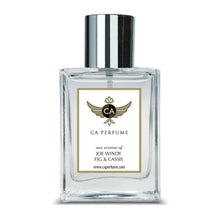
Joe Windy Fig & Cassis — Wild Fig & Cassis Alternative Perfume
A-
HumanSafe™ Score Generally Safe
Safest Evaluated Ingredients EDP
AQUA Solvent / Carrier ISS 10.0
1H-3A,7-METHANOAZULENE, OCTAHYDRO-6-METHOXY- Evaluated ingredient ISS 9.0
3-HEPTANONE, 5-METHYL-, OXIME Evaluated ingredient ISS 8.0
2-HEXENAL, (E)- Evaluated ingredient ISS 8.0
1,2-BENZENEDICARBOXYLIC ACID, DIETHYL ESTER Evaluated ingredient ISS 8.0
BETA-PINENE Evaluated ingredient ISS 7.0
View full safety profile →
In Love W / U — In Love With You Alternative Perfume
A-
HumanSafe™ Score Generally Safe
Safest Evaluated Ingredients EDP
AQUA Solvent / Carrier ISS 10.0
1,4-DIOXACYCLOHEPTADECANE-5,17-DIONE Evaluated ingredient ISS 10.0
BENZYL SALICYLATE Evaluated ingredient ISS 9.0
3-CYCLOPENTENE-1-ACETALDEHYDE, 2,2,3-TRIMETHYL-, Evaluated ingredient ISS 9.0
LINALOOL Evaluated ingredient ISS 7.0
View full safety profile →
Back To Black — By Kilian Impression Back To Black Alternative Perfume
A-
HumanSafe™ Score Generally Safe
Safest Evaluated Ingredients EDP
AQUA Solvent / Carrier ISS 10.0
4H-INDEN-4-ONE, 1,2,3,5,6,7-HEXAHYDRO-1,1,2,3,3- Evaluated ingredient ISS 9.0
1H-BENZOCYCLOHEPTENE, 2,4A,5,6,7,8-HEXAHYDRO- Evaluated ingredient ISS 9.0
3-BUTEN-2-ONE, 3-METHYL-4-(2,6,6-TRIMETHYL-2- Evaluated ingredient ISS 8.0
2H-1-BENZOPYRAN-2-ONE Evaluated ingredient ISS 8.0
LINALYL ACETATE Evaluated ingredient ISS 7.0
View full safety profile →
Expert Voices

What Masters Say About Cherry

Cherry smells sweet, but it is never just sweet. It carries a natural acidity, a subtle bitterness in the pit, and sometimes an alcoholic undertone that is almost edible. In perfumes, cherry can easily come across as synthetic or overly medicinal. When done well, it is enticing, sensual, and slightly addictive.
Markéta Rybínová, Fragrantica Editorial
Cherry’s scent profile in perfumery is constructed from benzaldehyde and related molecules, delivering a vivid, sweet-tart impression with a creamy almond nuance. Its versatility allows for both playful and sophisticated fragrance compositions.
CA Perfume Editorial
Common Questions

Frequently Asked Questions

Cherry’s role in perfumery prompts frequent technical and creative questions.

Cherry in perfume is characterized by a vivid sweet-tart aroma, underpinned by a creamy almond nuance. The scent is primarily constructed from benzaldehyde, which imparts both fruity and marzipan-like facets. Depending on the composition, cherry can evoke fresh fruit, cherry liqueur, or even a subtle powdery finish. Notable examples include Tom Ford Lost Cherry and Guerlain La Petite Robe Noire, where cherry is paired with vanilla, almond, and floral notes for a complex, evolving signature.

Cherry is most often used as a heart (middle) note in perfumery, though its vivid opening can function as a top note. The core aroma molecules, such as benzaldehyde, have moderate volatility—providing an immediate impact that transitions into a creamy, almond-rich heart. Cherry’s longevity is enhanced by pairing with fixatives like vanilla, musk, or woods, anchoring the note in the drydown.

Cherry’s unique balance of sweetness, tartness, and almond bitterness offers perfumers a versatile palette for gourmand, fruity, and even woody compositions. Its synthetic construction allows for creative manipulation—ranging from playful, candy-like effects to dark, boozy, or powdery interpretations. The success of fragrances like Tom Ford Lost Cherry has inspired a wave of cherry-centric niche releases, each exploring different olfactory directions.

Cherry fragrance uses often involve pairing with vanilla (for creamy sweetness), almond (to reinforce marzipan nuances), rose or jasmine (for floral lift), and woods or musk (for depth and longevity). These combinations create harmonious accords, as seen in Guerlain La Petite Robe Noire (cherry, black tea, rose) and Kayali Lovefest Burning Cherry 48 (cherry, praline, guaiac wood).

Cherry can be worn year-round, but its volatility increases in hot weather, intensifying the top note and potentially shortening longevity. For summer, lighter concentrations (EDT) or layering with citrus and white musk are recommended to maintain freshness and avoid overwhelming sweetness.

Cherry’s vivid top note usually lasts 30–60 minutes, while the creamy, gourmand heart and powdery base can persist for 4–6 hours, depending on concentration and fixatives. EDP formats with supporting vanilla, musk, or woods offer the best longevity.

Yes, cherry is highly layerable due to its molecular compatibility with vanilla, almond, musk, and florals. Layering enhances sweetness, adds depth, or brightens the profile, allowing for customized scent experiences. Notable pairings include cherry with vanilla (for a creamy effect) or with woody notes (for added structure).

For those new to cherry, Tom Ford Lost Cherry offers a benchmark gourmand interpretation, while Guerlain La Petite Robe Noire provides a playful, fruity-floral take. Kayali Lovefest Burning Cherry 48 and House of Sillage Cherry Garden are also approachable, each highlighting different facets of cherry’s scent profile.

Consider your preferred style—gourmand, fruity-floral, or woody—and look for supporting notes that align with your taste (vanilla, almond, rose, or sandalwood). CA Perfume’s cherry collection spans classic and modern interpretations, all HumanSafe™ verified for transparency and safety.

Cherry’s sweetness can be balanced by pairing with tart, woody, or powdery notes. Modern cherry fragrances are designed to avoid cloying effects, offering nuanced, wearable profiles suitable for daily use. Adjust concentration and layering to match your personal preference and context.

Fruity Gourmand Collection

Explore Our Top Cherry Fragrances

Discover CA Perfume’s curated selection of cherry-inspired scents, from playful gourmand blends to sophisticated fruity-florals. Each fragrance is crafted for optimal performance and safety.

Shop all cherry fragrances at CA Perfume →

Where Cherry Comes From — Origin & Extraction

Cherry (Prunus avium and Prunus cerasus, family Rosaceae) is native to temperate regions of the Northern Hemisphere, with major cultivation in the United States, Turkey, Iran, and Russia. However, true cherry essential oil cannot be extracted from the fruit via steam distillation or cold pressing due to the absence of volatile aromatic compounds in the flesh. Instead, cherry’s aroma in perfumery is recreated using synthetic molecules, primarily benzaldehyde, which is industrially derived from benzoic acid or toluene oxidation. Benzaldehyde is also naturally present in cherry kernels and bitter almonds, but extraction from natural sources is economically unfeasible and yields are extremely low (less than 0.1%). The majority of benzaldehyde used in fragrance is produced in Europe, the United States, and China, with global production exceeding 10,000 metric tons annually. The cost of synthetic benzaldehyde is approximately $10–30/kg, compared to over $1,000/kg for natural bitter almond oil (which itself is restricted due to cyanogenic glycosides). Other supporting molecules in cherry accords include anisaldehyde (CAS 123-11-5), veratraldehyde (CAS 120-14-9), and heliotropin (CAS 120-57-0), all synthesized via established chemical processes. Sustainability considerations favor synthetics, as natural extraction would require massive quantities of cherry pits and raise food resource concerns. Modern perfumery relies on these synthetics for consistency, safety, and environmental responsibility.

Famous Fragrances That Define Cherry in Perfumery

Cherry has become a defining note in contemporary perfumery, especially within the gourmand and fruity-floral genres. Tom Ford Lost Cherry (2018, perfumer Louise Turner) is perhaps the most influential modern cherry fragrance, featuring a photorealistic cherry accord built on benzaldehyde, almond, and Turkish rose, with a boozy, liqueur-like effect. Guerlain La Petite Robe Noire (2012, Thierry Wasser and Delphine Jelk) uses cherry as a bridge between black tea, rose, and licorice, creating a playful yet sophisticated signature. Room 1015 Cherry Punk (2020, Jérôme Epinette) pairs cherry with saffron, leather, and patchouli for a rebellious, unisex take. Other notable examples include Kayali Lovefest Burning Cherry 48 (2022, Gabriela Chelariu), which combines cherry with praline, guaiac wood, and patchouli for a smoky-gourmand effect, and House of Sillage Cherry Garden (2012, Mark Buxton), where cherry is softened by vanilla, almond, and white florals. These fragrances illustrate cherry’s versatility—from syrupy and playful to dark, woody, or powdery. CA Perfume’s cherry-inspired offerings draw on this lineage, offering both classic and modern interpretations for a wide range of preferences.

Natural vs Synthetic Cherry in Perfumery

Natural cherry essential oil is not commercially available, as the fruit contains negligible volatile oil and attempts at extraction yield little to no olfactory material. The characteristic cherry scent is instead constructed from synthetic aroma chemicals, with benzaldehyde (CAS 100-52-7) as the cornerstone. Supporting molecules include anisaldehyde (CAS 123-11-5), which imparts a marzipan nuance, veratraldehyde (CAS 120-14-9) for a vanilla-cherry effect, and heliotropin (CAS 120-57-0) for powdery, floral facets. Synthetic cherry accords offer superior performance in terms of longevity, diffusion, and batch-to-batch consistency compared to any natural tincture or extract. Cost-wise, synthetic cherry accords are highly economical—benzaldehyde is available at $10–30/kg, while natural bitter almond oil (sometimes used for almond-cherry nuances) can exceed $1,000/kg and is tightly regulated due to cyanide content. Notable fragrances using synthetic cherry include Tom Ford Lost Cherry, Kayali Lovefest Burning Cherry 48, and Room 1015 Cherry Punk. Sustainability is a key advantage: synthetic production avoids agricultural land use and food resource diversion. The HumanSafe™ platform ensures that all cherry-related aroma chemicals used by CA Perfume are IFRA-compliant and fully traceable for consumer safety.