Ingredient Guide · Aquatic
Aquatic Family · Perfumery Note

Calone

Explore the essence of Calone in perfumery

Calone is a synthetic compound known for its fresh, marine-like aroma, reminiscent of a sea breeze. It is used as a heart note in aquatic compositions, typically at concentrations of 0.1–0.5%.

Calone
Ingredient Profile

Calone

Aquatic Family
Family Aquatic
Note Position Heart Note
Usage Level 0.1–0.5%
The Ingredient

What does Calone smell like and why is it significant in perfumery?

Calone, chemically known as 7-methyl-2H-1,5-benzodioxepin-3(4H)-one, is a synthetic compound first synthesized in 1966 by chemists at Pfizer. It is renowned for its fresh, marine-like aroma, reminiscent of a sea breeze, with subtle hints of watermelon and cucumber. This unique scent profile is attributed to its molecular structure, which includes a benzodioxepinone ring system. In perfumery, Calone is predominantly used as a heart note in aquatic compositions, typically at concentrations of 0.1–0.5%. Its high volatility and diffusive nature allow it to impart a cool, ozonic freshness that evokes the essence of the sea. Calone interacts with skin chemistry by releasing its volatile compounds upon application, creating an immediate impression of freshness. Notable fragrances that exemplify the use of Calone include Calvin Klein's Escape (1991), which introduced a new era of fresh, aquatic scents, and Issey Miyake's L'Eau d'Issey (1992), where Calone contributes to its signature marine freshness. These compositions showcase Calone's ability to define the aquatic fragrance family and its enduring presence in modern perfumery.

0.1–0.5%
Typical concentration range of Calone in fine fragrance formulations, providing a fresh, marine-like aroma without overwhelming the composition.
0.02 parts per trillion
Detection threshold of Calone, indicating its high volatility and diffusive nature.
1966
Year when Calone was first synthesized by chemists at Pfizer, marking a significant advancement in the creation of synthetic aroma chemicals.
Origin & Extraction

Where Calone Comes From — Origin & Extraction

Calone is a synthetic compound with no natural source, first synthesized in 1966 by chemists at Pfizer. Its production involves controlled chemical synthesis to ensure purity and consistency, with no specific geographic origin associated with its creation.

Calone is a synthetic aroma chemical with the molecular formula C₁₀H₁₀O₃ and CAS number 28940-11-6. It was first synthesized in 1966 by chemists at Pfizer, who were initially researching flavor compounds. The compound was created through chemical synthesis from substituted catechol derivatives, resulting in a molecule that imparts a fresh, marine-like aroma with subtle hints of watermelon and cucumber. Calone does not occur naturally and has no known natural equivalent. Its introduction marked a significant advancement in perfumery, enabling the creation of aquatic fragrances that evoke the essence of the sea. The compound is produced synthetically, and its production involves controlled chemical synthesis to ensure purity and consistency. Calone is typically used in concentrations of 0.1–0.5% in fine fragrance formulations, contributing to the fresh, ozonic character of aquatic compositions. The cost of Calone varies depending on purity and quantity, but it is generally more expensive than some other synthetic aroma chemicals due to its specialized production process. Sustainability considerations in the production of Calone focus on minimizing waste and energy use, as the compound is produced through chemical synthesis rather than derived from natural sources.

Chemistry

Natural vs Synthetic Calone in Perfumery

Calone is a synthetic aroma chemical with the molecular formula C₁₀H₁₀O₃ and CAS number 28940-11-6. It was first synthesized in 1966 by chemists at Pfizer, who were initially researching flavor compounds. The compound was created through chemical synthesis from substituted catechol derivatives, resulting in a molecule that imparts a fresh, marine-like aroma with subtle hints of watermelon and cucumber. Calone does not occur naturally and has no known natural equivalent. Its introduction marked a significant advancement in perfumery, enabling the creation of aquatic fragrances that evoke the essence of the sea. The compound is produced synthetically, and its production involves controlled chemical synthesis to ensure purity and consistency. Calone is typically used in concentrations of 0.1–0.5% in fine fragrance formulations, contributing to the fresh, ozonic character of aquatic compositions. The cost of Calone varies depending on purity and quantity, but it is generally more expensive than some other synthetic aroma chemicals due to its specialized production process. Sustainability considerations in the production of Calone focus on minimizing waste and energy use, as the compound is produced through chemical synthesis rather than derived from natural sources.

Natural
Calone Absolute
Cost $3,000–6,000/kg
Method Solvent / CO₂
Character Complex, variable
vs
Synthetic
Safranal & Analogues
Cost $50–200/kg
Method Lab synthesis
Character Consistent, stable
Hall of Fame

Famous Fragrances That Define Calone in Perfumery

Calone has been a defining ingredient in the creation of aquatic fragrances, contributing to the fresh, marine-like aroma that characterizes this genre. Notable fragrances that exemplify the use of Calone include: - **Calvin Klein's Escape (1991)**: This fragrance introduced a new era of fresh, aquatic scents, with Calone playing a pivotal role in its signature marine freshness. - **Issey Miyake's L'Eau d'Issey (1992)**: Calone contributes to the fragrance's fresh, aquatic character, evoking the essence of the sea. - **Davidoff's Cool Water (1988)**: Calone imparts a fresh, ozonic quality to this fragrance, enhancing its aquatic appeal. - **Kenzo's Pour Homme (1991)**: The inclusion of Calone adds a marine freshness to this composition, aligning with the aquatic trend of the time. - **Giorgio Armani's Acqua di Giò (1996)**: Calone's presence in this fragrance reinforces its fresh, oceanic character. These fragrances showcase Calone's ability to define the aquatic fragrance family and its enduring presence in modern perfumery.

The Accord

How is a captivating Calone accord crafted?

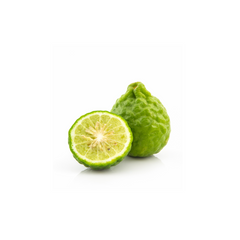
A captivating Calone accord can be crafted by blending the following ingredients: - **Calone**: 20–25% of blend - Provides the fresh, marine-like aroma with subtle hints of watermelon and cucumber. - **Citrus Note (e.g., Bergamot)**: 15–20% of blend - Adds a zesty, uplifting freshness that complements Calone's aquatic character. - **Green Note (e.g., Galbanum)**: 25–30% of blend - Introduces a crisp, vegetal facet that enhances the freshness of the accord. - **Musk Note (e.g., Iso E Super)**: 25–30% of blend - Imparts a clean, musky undertone that anchors the accord and adds depth. This combination results in an accord that evokes the essence of a sea breeze, with a fresh, ozonic character and subtle fruity nuances.

The Olfactory Layers

How Calone Evolves on Skin

The olfactory evolution of a fragrance featuring Calone typically unfolds as follows: - **Top Notes (0–15 minutes)**: The initial impression is a fresh, ozonic burst with subtle hints of watermelon and cucumber, attributed to the high volatility of Calone. - **Heart Notes (20–60 minutes)**: The marine freshness of Calone becomes more pronounced, evoking the essence of the sea. - **Base Notes (Several hours)**: The fragrance settles into a clean, musky undertone, with Calone's aquatic character lingering subtly. This progression highlights Calone's role in providing a fresh, marine-like aroma that evolves over time.

I
Top notes
0–15 min
Fresh Burst

The initial impression is a fresh, ozonic burst with subtle hints of watermelon and cucumber, attributed to the high volatility of Calone.

FreshOzonicFruity
II
Heart notes
20–60 min
Marine Freshness

The marine freshness of Calone becomes more pronounced, evoking the essence of the sea.

MarineAquaticSalty
III
Base notes
Several hours
Lingering Cleanthess

The fragrance settles into a clean, musky undertone, with Calone's aquatic character lingering subtly.

MuskyCleanLingering
TOP NOTES Fresh Burst 0–15 minutes HEART NOTES Marine Freshness 20–60 minutes BASE NOTES Lingering Cleanthess Several hours
Through the Ages

The Story of Calone in Perfumery

Calone's introduction in 1966 marked a significant advancement in perfumery, enabling the creation of aquatic fragrances that evoke the essence of the sea. Its popularity surged in the 1990s, defining the aquatic fragrance family and influencing numerous compositions.

1966

Synthesis of Calone

Calone was first synthesized by chemists at Pfizer, marking a significant advancement in the creation of synthetic aroma chemicals.

1988

Davidoff's Cool Water

This fragrance prominently featured Calone, contributing to its fresh, aquatic character and marking a milestone in the popularity of aquatic scents.

1991

Calvin Klein's Escape

Escape introduced a new era of fresh, aquatic fragrances, with Calone playing a pivotal role in its signature marine freshness.

1992

Issey Miyake's L'Eau d'Issey

Calone's inclusion in this fragrance contributed to its fresh, aquatic character, evoking the essence of the sea.

1996

Giorgio Armani's Acqua di Giò

Calone's presence in this fragrance reinforced its fresh, oceanic character, solidifying its place in modern perfumery.

The Art of Layering

How to Layer Calone

Layering Calone with complementary notes can enhance its fresh, marine-like aroma and create a balanced composition.

01

Enhance Freshness

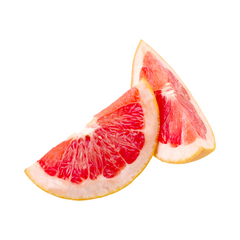
Pairing Calone with citrus notes like bergamot or grapefruit can amplify its fresh, aquatic character, creating a zesty, uplifting fragrance.

02

Add Depth

Combining Calone with green notes like galbanum or basil introduces a crisp, vegetal facet, enhancing the freshness of the composition.

03

Introduce Softness

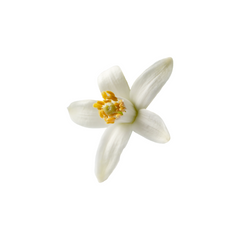
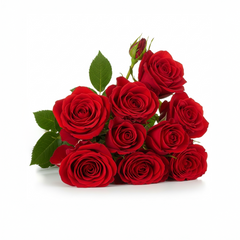
Layering Calone with light florals such as neroli or rose can add a soft, floral nuance, balancing its marine sharpness.

Wear It Right

How to Wear Calone Like a Pro

Seasonal Guide

Fall & Winter

In cooler months, Calone's aquatic freshness may be less pronounced, but it can still provide a refreshing contrast to heavier, warmer scents.

Spring

Calone's fresh, marine-like aroma aligns well with the rejuvenating qualities of spring, adding a crisp, aquatic note to compositions.

Summer

Calone is particularly uplifting in summer, evoking the essence of the sea and providing a cool, refreshing character to fragrances.

Year-Round Tip

Calone's versatility allows it to be used year-round, though its aquatic freshness is most pronounced in warmer climates.

Application Points

Strategic application of Calone can enhance its fresh, marine-like aroma, especially in warmer climates.

1

Neck

Applying Calone to the neck allows the fragrance to diffuse with body heat, enhancing its aquatic freshness.

2

Behind the Ears

This pulse point can amplify Calone's fresh, marine-like aroma, creating an impression of a sea breeze.

3

Inner Wrists

Applying Calone here allows for subtle diffusion, releasing its aquatic freshness over time.

4

Hair

Hair can hold fragrance longer, allowing Calone's fresh, marine-like aroma to linger subtly.

Pro Tip

For a more pronounced effect, apply Calone to areas with higher blood flow, such as the chest or behind the knees.

Mood Architecture™

Top Calone Fragrances by Mood Score

These Calone-based fragrances scored highest on the MEI™ Mood Architecture Framework — measuring how a scent may influence your emotional state.

Highest MEI Score
Nuda Veritas Extrait — Atelier Cologne Nuda Veritas Extrait Alternative Perfume
6.59
MEI™
Primary Fresh
Secondary Confident
Confidence
6.04
Presence
6.32
Mood Lift
8.19
Identity
5.8
Warmth
5.66
Social Ease
7.09
Energy
2.9
" I am radiant.
View full mood profile →
Aqua Di Giorgi Esenza — Acqua Di Gio Essenza Alternative Cologne
6.43
MEI™
Primary Fresh
Secondary Energizing
Confidence
6.0
Presence
6.55
Mood Lift
7.9
Identity
5.97
Warmth
5.79
Social Ease
6.02
Energy
5.0
" I am radiant.
View full mood profile →
L'eau De Issara Mikai Woman — L'eau D'issey For Woman Alternative Perfume
6.13
MEI™
Primary Fresh
Secondary Romantic
Confidence
5.13
Presence
5.39
Mood Lift
7.47
Identity
5.74
Warmth
6.05
Social Ease
7.06
Energy
2.8
" I am radiant.
View full mood profile →
Mon Parisian — Mon Paris Alternative Perfume
6.03
MEI™
Primary Fresh
Secondary Romantic
Confidence
5.46
Presence
5.97
Mood Lift
6.82
Identity
5.77
Warmth
6.44
Social Ease
6.26
Energy
2.6
" I am radiant.
View full mood profile →
HumanSafe™

Top Calone Fragrances by HumanSafe™ Score

These Calone-based fragrances have the highest product-level HumanSafe™ scores in this ingredient collection.

Highest HumanSafe™ Score
Nuda Veritas Extrait — Atelier Cologne Nuda Veritas Extrait Alternative Perfume
A-
HumanSafe™ Score Generally Safe
Safest Evaluated Ingredients EDP
AQUA Solvent / Carrier ISS 10.0
1,4-DIOXACYCLOHEPTADECANE-5,17-DIONE Evaluated ingredient ISS 10.0
BENZYL SALICYLATE EYE IRRITATION - CAT. 2B [H320] Evaluated ingredient ISS 9.0
OCTANAL, 2-(PHENYLMETHYLENE)- Evaluated ingredient ISS 8.0
BENZENEPROPANAL, 4-ETHYL-.ALPHA.,.ALPHA.-DIMETHYL- Evaluated ingredient ISS 8.0
LINALYL ACETATE Evaluated ingredient ISS 7.0
View full safety profile →
Mon Parisian — Mon Paris Alternative Perfume
A-
HumanSafe™ Score Generally Safe
Safest Evaluated Ingredients EDP
AQUA Solvent / Carrier ISS 10.0
1,4-DIOXACYCLOHEPTADECANE-5,17-DIONE Evaluated ingredient ISS 10.0
BENZYL SALICYLATE Evaluated ingredient ISS 9.0
7-OCTEN-2-OL, 2,6-DIMETHYL- Evaluated ingredient ISS 9.0
LINALYL ACETATE Evaluated ingredient ISS 7.0
View full safety profile →
L'eau De Issara Mikai Woman — L'eau D'issey For Woman Alternative Perfume
A-
HumanSafe™ Score Generally Safe
Safest Evaluated Ingredients EDP
AQUA Solvent / Carrier ISS 10.0
BENZENEPROPANAL, 4-METHOXY-.ALPHA.-METHYL- Evaluated ingredient ISS 9.0
OCTANAL, 2-(PHENYLMETHYLENE)- Evaluated ingredient ISS 8.0
LINALOOL Evaluated ingredient ISS 7.0
CYCLOHEXANEMETHANOL, 4-(1-METHYLETHYL)-, CIS- Evaluated ingredient ISS 7.0
CITRONELLOL Evaluated ingredient ISS 7.0
View full safety profile →
Aqua Di Giorgi Esenza — Acqua Di Gio Essenza Alternative Cologne
A-
HumanSafe™ Score Generally Safe
Safest Evaluated Ingredients EDP
AQUA Solvent / Carrier ISS 10.0
1,4-DIOXACYCLOHEPTADECANE-5,17-DIONE Evaluated ingredient ISS 10.0
BENZYL SALICYLATE EYE IRRITATION - CAT.2B [H320] Evaluated ingredient ISS 9.0
1H-3A,7-METHANOAZULENE, OCTAHYDRO-6-METHOXY- Evaluated ingredient ISS 9.0
CITRAL Evaluated ingredient ISS 8.0
3-BUTEN-2-ONE, 3-METHYL-4-(2,6,6-TRIMETHYL-2- Evaluated ingredient ISS 8.0
View full safety profile →
Expert Voices

What Masters Say About Calone

"Calone is not a note you smell—it’s a space you feel. It opens the air around the other ingredients. Used well, it makes a fragrance breathe. Used poorly, it screams."
Olivia Giacobetti, Creator of Philosykos and L’Eau des Merveilles
"Calone represents the birth of the 'aquatic' fragrance family, showing how a single synthetic discovery can change the course of perfumery trends."
CA Perfume Editorial
Common Questions

Frequently Asked Questions

Frequently asked questions about Calone in perfumery.

Calone imparts a fresh, marine-like aroma with subtle hints of watermelon and cucumber, evoking the essence of the sea. Its high volatility and diffusive nature allow it to project a cool, ozonic freshness upon application.

Calone is typically used as a heart note in fragrances, contributing to the fresh, aquatic character of the composition. Its moderate tenacity means it requires fixative support from musks or woods to persist.

Calone's unique ability to evoke the essence of the sea and its fresh, ozonic character make it a popular choice in niche perfumes aiming to create aquatic or marine compositions. Its versatility allows it to be paired with various notes to achieve desired effects.

Calone pairs well with citrus notes like bergamot and grapefruit, green notes like galbanum and basil, and light florals such as neroli and rose. These combinations enhance its fresh, marine-like aroma and create balanced compositions.

Yes, Calone's fresh, marine-like aroma is particularly uplifting in warm weather, evoking the essence of the sea and providing a cool, refreshing character to fragrances. Its high volatility makes it well-suited for summer compositions.

Calone's moderate tenacity means it requires fixative support from musks or woods to persist. In fine fragrance formulations, it typically lasts several hours, with its fresh, aquatic character remaining noticeable over time.

Yes, Calone can be layered with other fragrances, especially those with fresh, aquatic, or citrus notes. Its versatility allows it to complement various compositions, adding a marine-like freshness without overpowering other elements.

For those new to Calone, fragrances like Calvin Klein's Escape (1991) and Issey Miyake's L'Eau d'Issey (1992) are excellent starting points. These compositions showcase Calone's ability to define the aquatic fragrance family and its enduring presence in modern perfumery.

When selecting a Calone-based fragrance, consider the overall composition and how Calone's fresh, marine-like aroma complements other notes. Look for fragrances that balance Calone with citrus, green, or floral notes to achieve a harmonious scent profile.

Calone does not impart a sweet or spicy aroma. Instead, it provides a fresh, marine-like scent with subtle hints of watermelon and cucumber, evoking the essence of the sea.

Aquatic Collection

Explore Our Top Calone Fragrances

Discover fragrances that highlight Calone's fresh, marine-like aroma.

Shop all Calone fragrances at CA Perfume →

Where Calone Comes From — Origin & Extraction

Calone is a synthetic aroma chemical with the molecular formula C₁₀H₁₀O₃ and CAS number 28940-11-6. It was first synthesized in 1966 by chemists at Pfizer, who were initially researching flavor compounds. The compound was created through chemical synthesis from substituted catechol derivatives, resulting in a molecule that imparts a fresh, marine-like aroma with subtle hints of watermelon and cucumber. Calone does not occur naturally and has no known natural equivalent. Its introduction marked a significant advancement in perfumery, enabling the creation of aquatic fragrances that evoke the essence of the sea. The compound is produced synthetically, and its production involves controlled chemical synthesis to ensure purity and consistency. Calone is typically used in concentrations of 0.1–0.5% in fine fragrance formulations, contributing to the fresh, ozonic character of aquatic compositions. The cost of Calone varies depending on purity and quantity, but it is generally more expensive than some other synthetic aroma chemicals due to its specialized production process. Sustainability considerations in the production of Calone focus on minimizing waste and energy use, as the compound is produced through chemical synthesis rather than derived from natural sources.

Famous Fragrances That Define Calone in Perfumery

Calone has been a defining ingredient in the creation of aquatic fragrances, contributing to the fresh, marine-like aroma that characterizes this genre. Notable fragrances that exemplify the use of Calone include: - **Calvin Klein's Escape (1991)**: This fragrance introduced a new era of fresh, aquatic scents, with Calone playing a pivotal role in its signature marine freshness. - **Issey Miyake's L'Eau d'Issey (1992)**: Calone contributes to the fragrance's fresh, aquatic character, evoking the essence of the sea. - **Davidoff's Cool Water (1988)**: Calone imparts a fresh, ozonic quality to this fragrance, enhancing its aquatic appeal. - **Kenzo's Pour Homme (1991)**: The inclusion of Calone adds a marine freshness to this composition, aligning with the aquatic trend of the time. - **Giorgio Armani's Acqua di Giò (1996)**: Calone's presence in this fragrance reinforces its fresh, oceanic character. These fragrances showcase Calone's ability to define the aquatic fragrance family and its enduring presence in modern perfumery.

Natural vs Synthetic Calone in Perfumery

Calone is a synthetic aroma chemical with the molecular formula C₁₀H₁₀O₃ and CAS number 28940-11-6. It was first synthesized in 1966 by chemists at Pfizer, who were initially researching flavor compounds. The compound was created through chemical synthesis from substituted catechol derivatives, resulting in a molecule that imparts a fresh, marine-like aroma with subtle hints of watermelon and cucumber. Calone does not occur naturally and has no known natural equivalent. Its introduction marked a significant advancement in perfumery, enabling the creation of aquatic fragrances that evoke the essence of the sea. The compound is produced synthetically, and its production involves controlled chemical synthesis to ensure purity and consistency. Calone is typically used in concentrations of 0.1–0.5% in fine fragrance formulations, contributing to the fresh, ozonic character of aquatic compositions. The cost of Calone varies depending on purity and quantity, but it is generally more expensive than some other synthetic aroma chemicals due to its specialized production process. Sustainability considerations in the production of Calone focus on minimizing waste and energy use, as the compound is produced through chemical synthesis rather than derived from natural sources.