Ingredient Guide · Floral Green
Floral Green Family · Perfumery Note

Bluebell

A crisp, green floral echoing springtime woodlands.

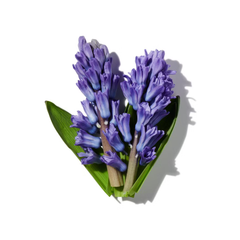
Bluebell is a heart note in perfumery, prized for its ethereal, green-floral character reminiscent of spring blooms. Its profile is defined by hyacinth-like freshness, with usage typically under 2% in compositions for a subtle, uplifting effect.

Bluebell
Ingredient Profile

Bluebell

Floral Green Family
Family Floral Green
Note Position Heart Note
Usage Level <2%
Key Origins United Kingdom, France, Germany
Iconic In Bluebell, Wild Bluebell
The Ingredient

What does Bluebell smell like and why is it significant in perfumery?

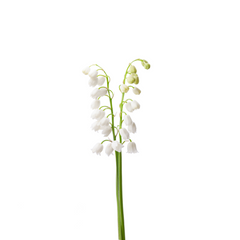
Bluebell (Hyacinthoides non-scripta) is botanically related to hyacinth and lily-of-the-valley, and its scent profile is often described as a crisp, green floral with subtle sweetness and a dewy, woodland freshness. The olfactory character is shaped by a blend of green, slightly earthy notes and delicate floralcy, evoking the sensation of walking through a springtime forest. Because true bluebell oil cannot be extracted from the flower, perfumers recreate its scent using a combination of natural and synthetic materials, often referencing molecules found in hyacinth (such as 3-hexen-1-ol and phenylacetaldehyde) and lily-of-the-valley (hydroxycitronellal). What does bluebell smell like? It is a nuanced interplay of green, watery, and powdery floral notes, with a gentle, almost ethereal sweetness. In perfumery, bluebell is classified as a heart note, typically used at concentrations below 2%. Its role is to impart a sense of lightness and natural freshness, bridging top citrus or green notes with deeper base accords. Bluebell in perfumery is valued for its ability to evoke the tranquility of woodland landscapes and to add a soft, uplifting character to floral and green compositions. Its interaction with skin chemistry is subtle; the green facets may become more pronounced on warmer or more acidic skin, while the floralcy remains airy and diffusive. Notable fragrances that exemplify the use of bluebell include Penhaligon’s Bluebell (1978, perfumer Michael Pickthall), which blends hyacinth, lily-of-the-valley, and galbanum to evoke a classic English woodland, and Jo Malone London Wild Bluebell (2011, Christine Nagel), where bluebell is paired with clove, lily-of-the-valley, and white musk for a modern, transparent floral effect. These fragrances showcase the versatility of bluebell as both a central and supporting note in contemporary perfumery.

1–2 Sprays
A light application is sufficient to achieve a noticeable presence, as bluebell’s volatile molecules project well without overwhelming the senses.
4–6 Hours
Typical longevity for bluebell fragrances, reflecting the moderate persistence of green and floral molecules in EDP or EDT formats.
<2%
Bluebell is usually used at concentrations below 2% in fragrance formulas, balancing its ethereal character with overall composition stability.
Origin & Extraction

Where Bluebell Comes From — Origin & Extraction

Bluebell’s scent is shaped by its woodland origins, where cool, moist soils and filtered sunlight produce a uniquely fresh, green floral aroma. Regional differences in soil, rainfall, and climate subtly influence the perceived intensity and clarity of the note.

Bluebell, botanically known as Hyacinthoides non-scripta, is native to temperate woodlands of Western Europe, with the United Kingdom hosting approximately 50% of the world’s population. The flower blooms in dense carpets across British, French, and German forests each spring. Bluebell’s scent is highly prized, but direct extraction of essential oil is not feasible due to the flower’s delicate structure and low yield of volatile compounds. Traditional methods such as steam distillation or solvent extraction are ineffective; the flower yields no usable oil, and attempts at extraction often result in a watery, faint aroma lacking the complexity of the living bloom. To recreate bluebell in perfumery, fragrance houses use a blend of natural isolates and synthetic aroma chemicals. Key molecules include 3-hexen-1-ol (green, leafy), phenylacetaldehyde (floral, hyacinth-like), and hydroxycitronellal (lily-of-the-valley). Synthetic bluebell accords are constructed in the laboratory, often referencing the scent of hyacinth and lily-of-the-valley for authenticity. Bluebell absolute, when produced, is typically obtained via solvent or supercritical CO₂ extraction from related species, but this is rare and costly, with prices ranging from $3,000–6,000/kg for natural absolutes. Synthetic analogues, such as safranal and hydroxycitronellal, cost $50–200/kg, offering greater consistency and sustainability. Sustainability is a critical concern: Hyacinthoides non-scripta is protected under the UK Wildlife and Countryside Act (1981), making it illegal to harvest wild bluebells. All bluebell notes in modern perfumery are therefore synthetic or reconstructed, ensuring no impact on wild populations. Major manufacturers of bluebell aroma chemicals include Firmenich, Givaudan, and IFF, with most production centered in Europe. The use of synthetics ensures both ecological protection and batch-to-batch consistency in fragrance production.

GB

United Kingdom

English bluebells (Hyacinthoides non-scripta) thrive in ancient woodlands, especially in southern England. The cool, shaded, and moist soils yield a bluebell with pronounced green and dewy facets. The UK hosts about 50% of the world’s bluebell population, and wild harvesting is strictly prohibited to protect native stands.

FR

France

French bluebells are found in Normandy and Brittany, where mild Atlantic climates and rich loamy soils produce a softer, more floral bluebell scent. French perfumers often blend bluebell with countryside florals to evoke rural landscapes.

DE

Germany

German bluebells grow in the Black Forest and northern woodlands, where cooler temperatures and higher rainfall yield a bluebell note with greater purity and a pronounced green, almost ozonic character. Production is limited, with most bluebell notes in German perfumery being synthetic reconstructions.

Chemistry

Natural vs Synthetic Bluebell in Perfumery

True natural bluebell oil is virtually nonexistent in commercial perfumery due to the flower’s low yield and protected status. Instead, perfumers rely on synthetic molecules to recreate bluebell’s distinctive scent. Key synthetic components include hydroxycitronellal (CAS 107-75-5), which imparts a lily-of-the-valley freshness; phenylacetaldehyde (CAS 122-78-1), contributing a hyacinth-like floralcy; and 3-hexen-1-ol (CAS 928-96-1), providing green, leafy facets. These molecules are selected for their ability to mimic the crisp, watery, and powdery aspects of bluebell’s aroma. Performance-wise, synthetic bluebell accords offer superior longevity, diffusion, and stability compared to any natural extraction attempts. Natural bluebell absolute, when available, is highly variable and lacks the clarity of the synthetic accord. Cost is a significant differentiator: natural absolutes (if obtainable) range from $3,000–6,000/kg, while synthetics are available for $50–200/kg. Notable fragrances using synthetic bluebell include Jo Malone London Wild Bluebell and Penhaligon’s Bluebell. Sustainability is paramount; synthetics avoid the ecological impact of harvesting wild bluebells, which are protected species. The HumanSafe™ platform ensures all bluebell materials used by CA Perfume are fully traceable, IFRA-compliant, and sourced with transparency, balancing safety, performance, and environmental responsibility.

Natural
Bluebell Absolute
Cost $3,000–6,000/kg
Method Solvent / CO₂
Character Complex, variable
vs
Synthetic
Safranal & Analogues
Cost $50–200/kg
Method Lab synthesis
Character Consistent, stable
Hall of Fame

Famous Fragrances That Define Bluebell in Perfumery

1978
dominant note

Bluebell

Penhaligon’s
by Michael Pickthall
HyacinthLily-of-the-ValleyRoseGalbanumCloveCinnamon
2011
dominant note

Wild Bluebell

Jo Malone London
by Christine Nagel
CloveLily-of-the-ValleyRose HipMusk
2020
accent

Bluebell & Wild Strawberry

Molton Brown
Wild StrawberryGreen NotesMusk
2018
bridge note

Blueberry Musk

Shay & Blue
BlueberryMuskGreen Notes
2017
supporting note

Bluebell & Sweet Pea

Yardley
Sweet PeaMuskGreen Notes

Bluebell has inspired several landmark fragrances, particularly in British perfumery. Penhaligon’s Bluebell (1978, perfumer Michael Pickthall) is perhaps the most iconic, blending hyacinth, lily-of-the-valley, rose, and galbanum to evoke the scent of an English woodland in spring. Jo Malone London Wild Bluebell (2011, Christine Nagel) modernized the note with a transparent, dewy accord, pairing bluebell with clove, lily-of-the-valley, and musk for a fresh, ethereal effect. Molton Brown Bluebell & Wild Strawberry (2020) combines bluebell with fruity and green notes for a playful, contemporary twist. Shay & Blue Blueberry Musk (2018) uses bluebell as a bridge between berry and musk, highlighting its versatility in both floral and fruity compositions. Yardley Bluebell & Sweet Pea (2017) offers a classic, approachable interpretation, blending bluebell with sweet pea and musk for a soft, everyday floral. CA Perfume’s collection draws inspiration from these benchmarks, offering bluebell-centered fragrances that honor both tradition and innovation.

The Accord

How is a captivating Bluebell accord crafted?

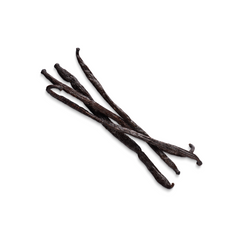
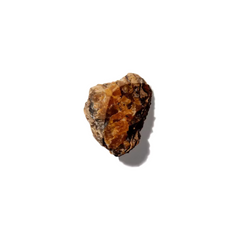
A bluebell accord is constructed by blending green, dewy, and powdery floral notes to evoke the freshness of a spring woodland. Typical proportions: Bluebell (reconstructed accord) 25–30%, Rose 20–25%, Benzoin 15–20%, Vanilla 10–15%. Each component is selected for its molecular affinity to bluebell’s facets: green notes for freshness, rose for floralcy, benzoin for warmth, and vanilla for creamy sweetness.

30%

Bluebell (reconstructed accord)

25–30% of blend

Built from hydroxycitronellal, phenylacetaldehyde, and 3-hexen-1-ol, this accord mimics bluebell’s crisp, green, and powdery floral signature.

25%

Rose

20–25% of blend

Rose absolute provides damascenone and phenylethyl alcohol, amplifying bluebell’s floralcy and creating a seamless transition to heart notes.

20%

Benzoin

15–20% of blend

Benzoin’s vanillic and balsamic molecules add warmth and roundness, stabilizing the volatile green notes of bluebell.

15%

Vanilla

10–15% of blend

Vanillin softens the green, watery edges of bluebell, enhancing creamy sweetness and improving olfactory longevity through molecular masking.

The Olfactory Layers

How Bluebell Evolves on Skin

Bluebell fragrances evolve from crisp, green top notes to a soft, powdery floral heart and a gentle, musky base. High-volatility green molecules evaporate first, giving way to persistent floral and balsamic components.

I
Top notes
0–15 min
Dewy Woodland

The opening is marked by green, dewy molecules such as 3-hexen-1-ol and cis-3-hexenyl acetate, which evaporate quickly to create a fresh, almost ozonic impression reminiscent of a spring forest after rain. These high-volatility compounds provide the initial burst of leafy, watery brightness.

GreenDewyFresh
II
Heart notes
20–60 min
Powdery Floralcy

As the top notes dissipate, the heart reveals powdery floralcy from hydroxycitronellal and phenylacetaldehyde, echoing hyacinth and lily-of-the-valley. This stage is soft, airy, and gently sweet, with rose and cyclamen nuances supporting the bluebell accord.

PowderyFloralAiry
III
Base notes
Several hours
Soft Musk

The drydown is subtle, with lingering traces of benzoin, musk, and soft woods. These low-volatility molecules anchor the composition, providing warmth and gentle sweetness without overpowering the delicate floral character.

SoftMuskyWarm
TOP NOTES Dewy Woodland 0–15 minutes HEART NOTES Powdery Floralcy 20–60 minutes BASE NOTES Soft Musk Several hours
Through the Ages

The Story of Bluebell in Perfumery

Bluebell’s journey in perfumery spans from ancient folklore to modern synthetic reconstruction, reflecting both botanical heritage and technical innovation.

Antiquity

Bluebell in Folklore and Medicine

Bluebells were revered in Celtic and Anglo-Saxon traditions for their mystical properties and were believed to ward off evil spirits. The plant’s sap was used as a natural glue and in folk remedies, though its scent was not yet harnessed for perfumery.

19th Century

Botanical Classification

English bluebell (Hyacinthoides non-scripta) was formally classified, distinguishing it from Spanish and Scottish relatives. The flower became a symbol of British springtime and inspired Victorian floral arrangements.

1978

Penhaligon’s Bluebell Launch

Perfumer Michael Pickthall created Penhaligon’s Bluebell, pioneering the use of a synthetic bluebell accord to evoke the scent of English woodlands. The fragrance became a classic, noted for its green, floral, and spicy facets.

2011

Jo Malone London Wild Bluebell

Christine Nagel introduced Wild Bluebell, a modern, transparent interpretation using advanced aroma chemicals. The fragrance highlighted bluebell’s ethereal, watery qualities and expanded its appeal to a global audience.

2020s

Sustainable Bluebell Reconstruction

Advances in green chemistry and sustainability led to the exclusive use of synthetic bluebell accords, ensuring protection of wild populations and consistent olfactory quality in contemporary perfumery.

The Art of Layering

How to Layer Bluebell

Understanding how to layer bluebell involves selecting notes with molecular compatibility—shared aldehydes, green facets, or floralcy—to create harmonious blends.

01

Enhance Freshness

Pair bluebell with citrus notes like bergamot or grapefruit. Both share high-volatility aldehydes and green molecules, resulting in a brighter, more invigorating scent. Jo Malone Wild Bluebell layered with Grapefruit exemplifies this synergy.

02

Add Floral Depth

Combine bluebell with rose or jasmine. Damascenone and phenylethyl alcohol in rose and jasmine amplify bluebell’s heart, creating a seamless, romantic floral accord. Penhaligon’s Bluebell demonstrates this pairing with hyacinth and rose.

03

Soften with Sweetness

Layer bluebell with vanilla or benzoin. Vanillin and benzoin’s balsamic molecules mask the sharper green notes, yielding a creamy, comforting finish. This approach is seen in modern bluebell blends with soft musks and sweet bases.

Wear It Right

How to Wear Bluebell Like a Pro

Seasonal Guide

Fall & Winter

In cooler months, bluebell’s green and floral notes are more restrained, resulting in a subtle, close-to-skin effect. Apply to pulse points under clothing to preserve warmth and enhance diffusion. Layer with richer florals or woods for added depth.

Spring

Spring is the natural season for bluebell, when its crisp, dewy character aligns with the environment. Higher humidity and moderate temperatures enhance projection, making bluebell fragrances feel vibrant and uplifting. Apply lightly to avoid overwhelming the senses.

Summer

Heat increases the volatility of bluebell’s top notes, intensifying the green freshness but shortening longevity. Use sparingly and reapply as needed. Pair with citrus or aquatic notes for a refreshing, breezy effect.

Year-Round Tip

For consistent performance, layer bluebell with a neutral moisturizer to lock in the scent and moderate evaporation. Adjust application based on climate and activity level to maintain the desired projection.

Application Points

Strategic application of bluebell fragrances maximizes their fresh, floral impact.

1

Neck

Applying bluebell to the neck exploits body heat, enhancing the diffusion of green top notes and allowing the floral heart to unfold naturally.

2

Behind the Ears

This area retains warmth and is less exposed to air, prolonging the longevity of delicate bluebell molecules and maintaining a soft sillage.

3

Inner Wrists

Pulse points on the wrists accelerate the evaporation of volatile compounds, highlighting bluebell’s fresh, dewy opening. Reapply as needed for sustained effect.

4

Hair

Spraying bluebell on hair provides a gentle, lingering trail as the scent is released with movement. Hair’s porous structure absorbs and slowly releases fragrance molecules.

Pro Tip

Layer bluebell over a light, unscented lotion to create a hydrated base, improving scent adhesion and moderating the volatility of top notes.

HumanSafe™

Bluebell Safety Profile in Our Fragrances

No ingredient collection was found for bluebell.

Create or connect a collection with the same handle as this ingredient, then add products that contain this ingredient.

Expert Voices

What Masters Say About Bluebell

Bluebell in perfume serves as a delightful harmony that enhances compositions, often evoking fresh spring blooms and a sense of nature.
CA Perfume Editorial
Bluebell is so monolithic that it doesn't come across as citrus at all, yet there is plenty of orange in it; but it's a slightly baked, candied, very sweet orange. It has such a childish taste that it feels like the school year has ended, and endless holidays have begun.
Alex Osipov, Fragrantica
Common Questions

Frequently Asked Questions

Answers to common questions about bluebell in perfumery.

Bluebell in perfume is characterized by a crisp, green floral scent with dewy, hyacinth-like freshness and a subtle powdery sweetness. The note is typically constructed from synthetic molecules such as hydroxycitronellal and phenylacetaldehyde, which together evoke the sensation of walking through a spring woodland. Notable examples include Penhaligon’s Bluebell and Jo Malone London Wild Bluebell.

Bluebell is classified as a heart note in perfumery. Its volatile green molecules provide a fresh opening, but its main floral character persists through the heart of the fragrance, bridging top citrus or green notes with deeper base accords.

Bluebell is favored in niche perfumery for its ability to evoke natural, woodland freshness and its versatility in floral, green, and even fruity compositions. Its synthetic reconstruction allows for creative blending without ecological impact, making it a popular choice for perfumers seeking a unique, uplifting floral note.

Bluebell fragrance uses often involve pairing with rose, jasmine, lily-of-the-valley, and green notes like galbanum. These combinations amplify bluebell’s floralcy and freshness, while vanilla or benzoin can add warmth and depth.

Yes, bluebell’s light, green-floral character is particularly refreshing in summer. Its volatile molecules project well in heat, though longevity may be reduced. Look for bluebell fragrances blended with citrus or aquatic notes for optimal summer wear.

Bluebell fragrances generally last 4–6 hours, depending on concentration and formula. The green top notes fade quickly, while the powdery floral heart and soft musky base linger for several hours.

Yes, bluebell layers well with citrus, rose, jasmine, and vanilla-based fragrances. Layering enhances either the freshness or floral depth, depending on the pairing. For example, Jo Malone Wild Bluebell pairs well with Grapefruit or Peony & Blush Suede.

For beginners, Jo Malone London Wild Bluebell and Yardley Bluebell & Sweet Pea offer approachable, transparent interpretations. Penhaligon’s Bluebell is a classic choice for those seeking a more complex, green-floral experience.

Explore CA Perfume’s bluebell collection to sample different blends—look for options that highlight bluebell’s green, floral, or sweet facets depending on your preference. Discovery sets allow you to compare various bluebell-centered compositions before selecting a full bottle.

Bluebell’s scent profile balances both green and sweet facets. The initial impression is crisp and green, while the heart reveals a powdery, gently sweet floralcy. The overall effect is airy and uplifting, not overly sweet or heavy.

Floral Green Collection

Explore Our Top Bluebell Fragrances

Discover bluebell’s crisp, green-floral signature in our curated collection. Each fragrance highlights the note’s unique freshness and versatility.

Shop all bluebell fragrances at CA Perfume →

Where Bluebell Comes From — Origin & Extraction

Bluebell, botanically known as Hyacinthoides non-scripta, is native to temperate woodlands of Western Europe, with the United Kingdom hosting approximately 50% of the world’s population. The flower blooms in dense carpets across British, French, and German forests each spring. Bluebell’s scent is highly prized, but direct extraction of essential oil is not feasible due to the flower’s delicate structure and low yield of volatile compounds. Traditional methods such as steam distillation or solvent extraction are ineffective; the flower yields no usable oil, and attempts at extraction often result in a watery, faint aroma lacking the complexity of the living bloom. To recreate bluebell in perfumery, fragrance houses use a blend of natural isolates and synthetic aroma chemicals. Key molecules include 3-hexen-1-ol (green, leafy), phenylacetaldehyde (floral, hyacinth-like), and hydroxycitronellal (lily-of-the-valley). Synthetic bluebell accords are constructed in the laboratory, often referencing the scent of hyacinth and lily-of-the-valley for authenticity. Bluebell absolute, when produced, is typically obtained via solvent or supercritical CO₂ extraction from related species, but this is rare and costly, with prices ranging from $3,000–6,000/kg for natural absolutes. Synthetic analogues, such as safranal and hydroxycitronellal, cost $50–200/kg, offering greater consistency and sustainability. Sustainability is a critical concern: Hyacinthoides non-scripta is protected under the UK Wildlife and Countryside Act (1981), making it illegal to harvest wild bluebells. All bluebell notes in modern perfumery are therefore synthetic or reconstructed, ensuring no impact on wild populations. Major manufacturers of bluebell aroma chemicals include Firmenich, Givaudan, and IFF, with most production centered in Europe. The use of synthetics ensures both ecological protection and batch-to-batch consistency in fragrance production.

Famous Fragrances That Define Bluebell in Perfumery

Bluebell has inspired several landmark fragrances, particularly in British perfumery. Penhaligon’s Bluebell (1978, perfumer Michael Pickthall) is perhaps the most iconic, blending hyacinth, lily-of-the-valley, rose, and galbanum to evoke the scent of an English woodland in spring. Jo Malone London Wild Bluebell (2011, Christine Nagel) modernized the note with a transparent, dewy accord, pairing bluebell with clove, lily-of-the-valley, and musk for a fresh, ethereal effect. Molton Brown Bluebell & Wild Strawberry (2020) combines bluebell with fruity and green notes for a playful, contemporary twist. Shay & Blue Blueberry Musk (2018) uses bluebell as a bridge between berry and musk, highlighting its versatility in both floral and fruity compositions. Yardley Bluebell & Sweet Pea (2017) offers a classic, approachable interpretation, blending bluebell with sweet pea and musk for a soft, everyday floral. CA Perfume’s collection draws inspiration from these benchmarks, offering bluebell-centered fragrances that honor both tradition and innovation.

Natural vs Synthetic Bluebell in Perfumery

True natural bluebell oil is virtually nonexistent in commercial perfumery due to the flower’s low yield and protected status. Instead, perfumers rely on synthetic molecules to recreate bluebell’s distinctive scent. Key synthetic components include hydroxycitronellal (CAS 107-75-5), which imparts a lily-of-the-valley freshness; phenylacetaldehyde (CAS 122-78-1), contributing a hyacinth-like floralcy; and 3-hexen-1-ol (CAS 928-96-1), providing green, leafy facets. These molecules are selected for their ability to mimic the crisp, watery, and powdery aspects of bluebell’s aroma. Performance-wise, synthetic bluebell accords offer superior longevity, diffusion, and stability compared to any natural extraction attempts. Natural bluebell absolute, when available, is highly variable and lacks the clarity of the synthetic accord. Cost is a significant differentiator: natural absolutes (if obtainable) range from $3,000–6,000/kg, while synthetics are available for $50–200/kg. Notable fragrances using synthetic bluebell include Jo Malone London Wild Bluebell and Penhaligon’s Bluebell. Sustainability is paramount; synthetics avoid the ecological impact of harvesting wild bluebells, which are protected species. The HumanSafe™ platform ensures all bluebell materials used by CA Perfume are fully traceable, IFRA-compliant, and sourced with transparency, balancing safety, performance, and environmental responsibility.