Ingredient Guide · Gourmand
Gourmand Family · Perfumery Note

Almond Milk

Soft, nutty, and comforting almond milk aroma

Almond Milk is a heart note in perfumery, known for its creamy, nutty, and warm character. It is typically used below 5% concentration, providing a velvety texture and cozy aura.

Almond Milk
Ingredient Profile

Almond Milk

Gourmand Family
Family Gourmand
Note Position Heart Note
Usage Level <5%
Key Origins Spain, United States, France
Iconic In Almond Milk, Honey & Crocus
The Ingredient

What does Almond Milk smell like and why is it special?

Almond Milk in perfumery is a creamy, comforting note derived from the essence of almonds transformed into a soft liquid form. Its scent profile is rich and nutty with sweet undertones, creating a velvety texture that feels nurturing and warm. The key molecular contributors include benzaldehyde, which imparts the characteristic almond aroma, and lactones that add creamy softness. As a heart note, almond milk is typically used at concentrations below 5% in perfume compositions. It interacts well with skin chemistry by providing a smooth, enveloping scent that evolves gently over 6 to 8 hours without overwhelming. Its creamy nature allows it to blend seamlessly with floral, gourmand, and woody notes, enhancing the overall fragrance complexity. Notable examples of almond milk use include Mischief Academy's Almond Milk (2026) by Luis Hou, which combines almond milk with cotton flower and vanilla for a soft gourmand effect, and Jo Malone's Honey & Crocus, which features creamy almond accords. These fragrances showcase almond milk's versatility in creating intimate, warm compositions.

1–3 Sprays
This application amount balances almond milk’s warming essence without overwhelming, suitable for heart note concentrations below 5%.
6–8 Hours
Almond milk fragrances typically last this duration, with creamy lactones and fixative woods supporting sustained presence.
<5%
Almond milk is generally used below 5% concentration in perfumes to maintain balance and avoid cloying sweetness.
Origin & Extraction

Where Almond Milk Comes From — Origin & Extraction

Almond milk’s creamy and nutty scent is influenced by the almond’s geographical origin, where soil composition, climate, and agricultural practices shape the aromatic profile. Mediterranean regions with warm, dry summers and mild winters produce almonds with sweeter, richer notes, while cooler climates yield subtler nuances.

Almond Milk as a fragrance note originates from the almond nut, botanically known as Prunus dulcis. The almond tree is cultivated primarily in Mediterranean climates, with key producing countries including Spain, the United States (notably California), and France. Spain's Mediterranean climate yields almonds with a sweet, nutty flavor that translates into the almond milk aroma. California's diverse agriculture supports the production of rich, creamy almond milk, while French culinary traditions contribute to the nuanced creamy nuances found in almond milk. Extraction of almond milk fragrance involves solvent extraction or supercritical CO2 extraction of almond kernels or bitter almond varieties. These methods preserve the delicate aromatic compounds, such as benzaldehyde, responsible for the almond scent. The yield of almond absolute is limited, contributing to its cost, which ranges from $3,000 to $6,000 per kilogram for natural almond milk absolute. Synthetic almond aroma compounds, including safranal analogues, are produced via laboratory synthesis at significantly lower costs ($50–200/kg), offering consistent and stable fragrance profiles. Sustainability considerations favor synthetic production due to reduced agricultural resource demands, while natural almond milk extraction remains labor-intensive and dependent on crop yields.

ES

Spain

Spain’s Mediterranean climate with well-drained soils and warm temperatures produces almonds with a distinctive sweet and nutty aroma, contributing significantly to global almond milk fragrance quality. Spanish almonds represent approximately 15% of global production and are harvested manually to preserve quality.

US

United States

California’s diverse agricultural zones allow for creamy, rich almond milk production. The state accounts for about 80% of the world’s almond supply, with mechanized harvesting and advanced irrigation techniques enhancing yield and consistency.

FR

France

French almonds, cultivated mainly in Provence, benefit from limestone-rich soils and traditional harvesting methods, imparting delicate creamy and floral nuances to almond milk fragrances. French almonds contribute a smaller but highly regarded share of the market.

Chemistry

Natural vs Synthetic Almond Milk in Perfumery

Natural almond milk fragrance is derived from almond nuts (Prunus dulcis) through solvent or CO2 extraction, resulting in a complex and variable aroma profile rich in benzaldehyde and lactones. This natural absolute is prized for its authentic creamy and nutty nuances but is costly ($3,000–6,000/kg) and subject to agricultural variability. Synthetic almond milk aroma is primarily composed of benzaldehyde (CAS 100-52-7) and related analogues such as safranal, which provide a consistent, stable, and cost-effective alternative ($50–200/kg). Synthetic molecules offer improved longevity and diffusion in fragrances, making them suitable for mass-market applications. Famous fragrances often blend natural and synthetic almond notes to balance authenticity and performance. CA Perfume's approach emphasizes transparency through the HumanSafe™ platform, ensuring ingredient safety and sustainability. Three key aroma chemicals in synthetic almond milk accords include benzaldehyde, safranal, and coumarin, each contributing to the sweet, creamy, and slightly woody facets of the note.

Natural
Almond Milk Absolute
Cost $3,000–6,000/kg
Method Solvent / CO₂
Character Complex, variable
vs
Synthetic
Safranal & Analogues
Cost $50–200/kg
Method Lab synthesis
Character Consistent, stable
Hall of Fame

Famous Fragrances That Define Almond Milk in Perfumery

2026
dominant note

Almond Milk

Mischief Academy
by Luis Hou
Cotton FlowerVanillaSugar
2018
supporting note

Honey & Crocus

Jo Malone
HoneyFloral Notes
2003
accent

Burberry Brit

Burberry
VanillaPraline
2021
accent

Italica

Xerjoff
VanillaCaramel
2015
bridge note

Jour de Fete

L'Artisan Parfumeur
FloralPowdery

Almond milk has been featured prominently in several landmark fragrances over the past decades, showcasing its versatility and appeal. Mischief Academy's Almond Milk (2026), crafted by perfumer Luis Hou, uses almond milk as a dominant note combined with cotton flower and vanilla to create a soft, gourmand scent emphasizing creamy warmth and subtle sweetness. Jo Malone's Honey & Crocus (2018) utilizes almond milk as a supporting note, blending it with honey and floral elements to evoke a comforting yet elegant aura. Burberry Brit (2003) features almond accords as an accent, paired with vanilla and praline, adding depth to its gourmand profile. Xerjoff's Italica (2021) highlights almond milk in a rich, sweet composition alongside vanilla and caramel, appealing to gourmand fragrance enthusiasts. L'Artisan Parfumeur's Jour de Fete (2015) incorporates almond milk as a bridge note with floral and powdery accords, enhancing softness and complexity. These fragrances demonstrate almond milk's ability to function as a dominant, accent, or bridge note, enriching compositions with creamy, nutty warmth. CA Perfume's collection reflects this lineage by offering fragrances that balance almond milk's creamy sweetness with complementary notes for a nuanced sensory experience.

The Accord

How is a captivating Almond Milk accord crafted?

A balanced almond milk accord typically combines almond milk (25-30%) for creamy nutty warmth, vanilla (20-25%) to soften and add sweetness, sandalwood (25-30%) for woody depth and longevity, and honey (15-20%) to enhance gourmand richness. Almond milk's lactones and benzaldehyde provide the creamy and nutty facets, vanilla's vanillin masks sharp edges creating smoothness, sandalwood's alpha- and beta-santalol molecules contribute fixative properties and woody nuances, while honey adds complex sugars and floral sweetness, rounding the accord into a harmonious gourmand experience.

30%

Almond Milk

25–30% of blend

Provides the core creamy, nutty character through benzaldehyde and lactones, forming the accord’s heart.

25%

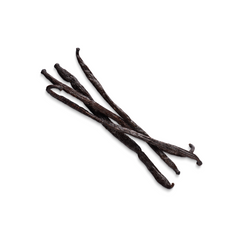
Vanilla

20–25% of blend

Vanillin softens almond’s sharpness via olfactory masking, adding sweet warmth and smoothness.

30%

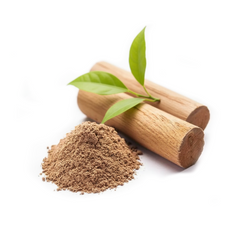
Sandalwood

25–30% of blend

Alpha- and beta-santalol molecules provide woody depth and fixative qualities, extending longevity.

20%

Honey

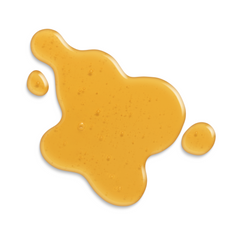
15–20% of blend

Adds gourmand sweetness and floral complexity, enhancing richness and roundness of the accord.

The Olfactory Layers

How Almond Milk Evolves on Skin

Almond milk fragrances evolve from an initial creamy, slightly sweet opening dominated by volatile lactones to a warm, nutty heart where benzaldehyde imparts characteristic almond aroma. Over several hours, the base notes of vanilla and sandalwood emerge, providing woody depth and lasting softness as the almond facets gently fade.

I
Top notes
0–15 min
Creamy Introduction

The top notes feature volatile lactones and light sweet facets that provide a creamy, milky impression. These molecules evaporate quickly, creating an inviting softness that introduces the almond milk character.

CreamySoftSweet
II
Heart notes
20–60 min
Nutty Warmth

Heart notes reveal benzaldehyde, the key almond molecule, delivering a rich nutty and slightly bitter-sweet aroma. This stage defines the almond milk’s core scent profile with velvety texture and warmth.

NuttyVelvetyWarm
III
Base notes
Several hours
Sweet Woody Finish

Base notes consist of vanilla and sandalwood molecules that provide creamy sweetness and woody depth. These fixative components extend longevity and soften the almond’s sharp edges, leaving a comforting trail.

WoodySweetLong-lasting
TOP NOTES Creamy Introduction 0–15 minutes HEART NOTES Nutty Warmth 20–60 minutes BASE NOTES Sweet Woody Finish Several hours
Through the Ages

The Story of Almond Milk in Perfumery

Almond milk’s use in perfumery traces back to ancient civilizations, evolving through modern extraction and synthesis techniques to become a staple gourmand note in contemporary fragrances.

Antiquity

Ancient Use of Almonds in Fragrance

Almonds were used in ancient Egypt and the Middle East for perfume and incense, valued for their aromatic kernels and symbolic significance.

1832

Chemical Elucidation of Benzaldehyde

Friedrich Wöhler and Justus von Liebig identified benzaldehyde as the key almond aroma compound, advancing understanding of almond scent chemistry.

20th Century

Development of Almond Absolute Extraction

Solvent and CO2 extraction methods were refined to produce almond absolute for perfumery, enabling richer and more consistent almond milk notes.

1960s

Introduction of Synthetic Almond Molecules

Synthetic benzaldehyde and analogues became widely used, offering cost-effective and stable almond scent alternatives.

2020s

Rise of Almond Milk in Gourmand Perfumery

Almond milk gained prominence as a creamy, comforting heart note in modern gourmand and floral fragrances, exemplified by recent launches like Mischief Academy Almond Milk (2026).

The Art of Layering

How to Layer Almond Milk

Understanding how to layer almond milk involves molecular compatibility and olfactory synergy. Layering enhances or balances almond milk’s creamy, nutty character by combining notes with shared or complementary compounds.

01

Enhance Sweetness

Pair almond milk with vanilla, whose vanillin molecules mask almond’s metallic edges and amplify sweetness. This combination is exemplified in Mischief Academy Almond Milk, where vanilla softens almond’s sharpness.

02

Add Depth

Layer almond milk with sandalwood, whose alpha- and beta-santalol compounds provide woody fixative qualities that extend almond milk’s longevity and add complexity, as seen in Xerjoff Italica.

03

Lighten the Glow

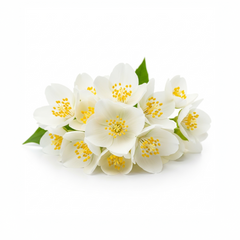
Combine almond milk with light florals like jasmine, which shares trace compounds such as damascenone, creating a seamless molecular bridge that brightens almond milk’s richness without overpowering it.

Wear It Right

How to Wear Almond Milk Like a Pro

Seasonal Guide

Fall & Winter

Cooler temperatures slow molecular evaporation, enhancing almond milk’s creamy warmth and longevity. Layering with warm woods and vanilla enriches cozy, enveloping scents ideal for cold weather.

Spring

Moderate warmth allows almond milk’s nutty facets to shine alongside fresh florals. Lighter application balances creaminess with seasonal brightness.

Summer

Heat increases volatility, which can soften almond milk’s richness. Pairing with aquatic or citrus notes maintains freshness while preserving creamy nuances.

Year-Round Tip

Adjust application intensity and layering notes based on temperature to maintain almond milk’s creamy presence without overwhelming.

Application Points

Strategic application enhances almond milk’s creamy warmth and longevity.

1

Neck

Pulse points like the neck emit heat, accelerating almond milk’s creamy top and heart notes for a warm, inviting aura.

2

Behind the Ears

This discreet area allows almond milk’s intimate scent to develop closely with skin chemistry, enhancing softness.

3

Inner Wrists

Wrists provide warmth and movement, releasing almond milk’s nutty and sweet facets subtly throughout the day.

4

Hair

Hair fibers hold fragrance molecules longer, allowing almond milk’s creamy nuances to linger with gentle diffusion.

★

Pro Tip

Layer almond milk perfumes with complementary vanilla or sandalwood lotions to extend scent longevity and deepen creaminess.

Mood Architecture™

Top Almond Milk Fragrances by Mood Score

These Almond Milk-based fragrances scored highest on the MEI™ Mood Architecture Framework — measuring how a scent may influence your emotional state.

Highest MEI Score
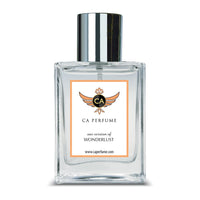
Wonderlust — Michael Kors Wonderlust Alternative Perfume
6.9
MEI™
Primary Romantic
Secondary Confident
Confidence
6.43
Presence
6.85
Mood Lift
7.38
Identity
6.33
Warmth
8.4
Social Ease
6.67
Energy
2.67
" I am beautiful.
View full mood profile →
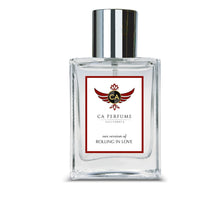
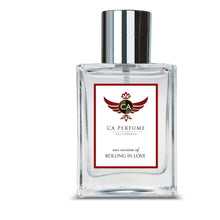
Rolling in Love — By Kilian Rolling In Love Alternative Perfume
6.8
MEI™
Primary Romantic
Secondary Confident
Confidence
5.94
Presence
6.17
Mood Lift
7.5
Identity
6.57
Warmth
7.95
Social Ease
7.11
Energy
2.72
" I am beautiful.
View full mood profile →
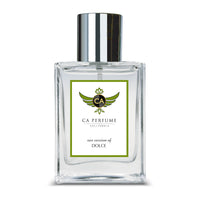
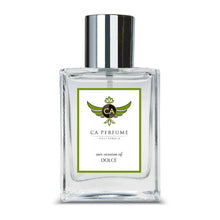
Dolce — Dolce & Gabbana Dolce Alternative Perfume
6.7
MEI™
Primary Romantic
Secondary Confident
Confidence
5.59
Presence
5.84
Mood Lift
7.72
Identity
6.17
Warmth
7.93
Social Ease
7.41
Energy
2.63
" I am beautiful.
View full mood profile →
HumanSafe™

Top Almond Milk Fragrances by HumanSafe™ Score

These Almond Milk-based fragrances have the highest product-level HumanSafe™ scores in this ingredient collection.

Highest HumanSafe™ Score
Wonderlust — Michael Kors Wonderlust Alternative Perfume
A-
HumanSafe™ Score Generally Safe
Safest Evaluated Ingredients EDP
AQUA Solvent / Carrier ISS 10.0
BENZYL SALICYLATE Evaluated ingredient ISS 9.0
3-CYCLOPENTENE-1-ACETALDEHYDE, 2,2,3-TRIMETHYL-, Evaluated ingredient ISS 9.0
2H-1-BENZOPYRAN-2-ONE Evaluated ingredient ISS 8.0
LINALYL ACETATE Evaluated ingredient ISS 7.0
LINALOOL Evaluated ingredient ISS 7.0
View full safety profile →
Rolling in Love — By Kilian Rolling In Love Alternative Perfume
A-
HumanSafe™ Score Generally Safe
Safest Evaluated Ingredients EDP
AQUA Solvent / Carrier ISS 10.0
1,4-DIOXACYCLOHEPTADECANE-5,17-DIONE Evaluated ingredient ISS 10.0
BENZYL SALICYLATE Evaluated ingredient ISS 9.0
LINALYL ACETATE Evaluated ingredient ISS 7.0
LINALOOL Evaluated ingredient ISS 7.0
BENZENEPROPANAL, 4-(1-METHYLETHYL)- Evaluated ingredient ISS 7.0
View full safety profile →
Dolce — Dolce & Gabbana Dolce Alternative Perfume
A-
HumanSafe™ Score Generally Safe
Safest Evaluated Ingredients EDP
AQUA Solvent / Carrier ISS 10.0
1,4-DIOXACYCLOHEPTADECANE-5,17-DIONE Evaluated ingredient ISS 10.0
BENZYL SALICYLATE Evaluated ingredient ISS 9.0
3-CYCLOPENTENE-1-ACETALDEHYDE, 2,2,3-TRIMETHYL-, Evaluated ingredient ISS 9.0
3-BUTEN-2-ONE, 3-METHYL-4-(2,6,6-TRIMETHYL-2- Evaluated ingredient ISS 8.0
LINALOOL Evaluated ingredient ISS 7.0
View full safety profile →
Expert Voices

What Masters Say About Almond Milk

“
Almond milk in perfume offers a creamy, comforting texture that balances sweetness with a nutty warmth, making it a versatile heart note in gourmand compositions.
CA Perfume Editorial
“
The almond note’s characteristic aroma stems primarily from benzaldehyde, which provides that distinctive marzipan-like scent, while lactones contribute the creamy softness essential to almond milk accords.
CA Perfume Editorial
Common Questions

Frequently Asked Questions

Common questions about almond milk fragrance note answered with detailed insights.

Almond milk in perfume smells creamy, nutty, and warm, characterized by benzaldehyde’s marzipan-like aroma combined with lactones that add softness. It evokes a cozy, velvety texture often used as a heart note in gourmand and floral fragrances, lasting 6 to 8 hours depending on formulation.

Almond milk is primarily used as a heart note in perfumery. It provides creamy warmth and nutty richness that bridges top notes and base notes, typically used below 5% concentration to maintain balance and longevity.

Almond milk’s unique creamy and nutty scent adds depth and texture to niche perfumes, offering a comforting yet sophisticated character. Its versatility allows it to blend well with floral, gourmand, and woody notes, making it a favored choice for creating intimate, layered compositions.

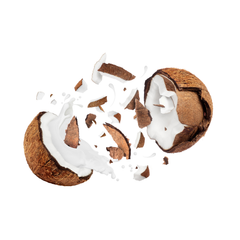
Almond milk fragrance uses often pair best with vanilla, sandalwood, honey, coconut, and floral notes like jasmine. Vanilla’s vanillin softens almond’s sharpness, sandalwood adds woody fixative depth, and honey enhances gourmand sweetness, creating harmonious accords.

Almond milk perfumes can be suitable for summer when paired with fresh or aquatic notes to balance creaminess. Heat increases volatility, so lighter applications and layering with citrus or mineral notes help maintain freshness without overwhelming richness.

Almond milk fragrances generally last between 6 to 8 hours, supported by fixative base notes like sandalwood and vanilla that extend the creamy, nutty heart note’s presence on skin.

Yes, layering almond milk perfume with complementary notes such as vanilla, sandalwood, or light florals enhances its creamy warmth and longevity. Molecular compatibility ensures smooth blending and a personalized scent experience.

Beginners may prefer almond milk fragrances with lighter profiles or floral blends, such as Mischief Academy Almond Milk or Jo Malone Honey & Crocus, which offer creamy softness without overwhelming sweetness.

Selecting the right almond milk fragrance involves considering your preference for sweetness, creaminess, and complementary notes. CA Perfume offers expert guidance and samples to help find a blend that balances almond milk’s warmth with your personal style.

Almond milk in fragrance primarily smells sweet and nutty rather than spicy. Its sweetness is creamy and gourmand, often balanced with woody or floral notes to avoid cloying richness.

Gourmand Collection

Explore Our Top Almond Milk Fragrances

Discover a curated selection of almond milk fragrances that showcase creamy, nutty warmth and gourmand elegance.

Shop all almond milk fragrances at CA Perfume →

Where Almond Milk Comes From — Origin & Extraction

Almond Milk as a fragrance note originates from the almond nut, botanically known as Prunus dulcis. The almond tree is cultivated primarily in Mediterranean climates, with key producing countries including Spain, the United States (notably California), and France. Spain's Mediterranean climate yields almonds with a sweet, nutty flavor that translates into the almond milk aroma. California's diverse agriculture supports the production of rich, creamy almond milk, while French culinary traditions contribute to the nuanced creamy nuances found in almond milk. Extraction of almond milk fragrance involves solvent extraction or supercritical CO2 extraction of almond kernels or bitter almond varieties. These methods preserve the delicate aromatic compounds, such as benzaldehyde, responsible for the almond scent. The yield of almond absolute is limited, contributing to its cost, which ranges from $3,000 to $6,000 per kilogram for natural almond milk absolute. Synthetic almond aroma compounds, including safranal analogues, are produced via laboratory synthesis at significantly lower costs ($50–200/kg), offering consistent and stable fragrance profiles. Sustainability considerations favor synthetic production due to reduced agricultural resource demands, while natural almond milk extraction remains labor-intensive and dependent on crop yields.

Famous Fragrances That Define Almond Milk in Perfumery

Almond milk has been featured prominently in several landmark fragrances over the past decades, showcasing its versatility and appeal. Mischief Academy's Almond Milk (2026), crafted by perfumer Luis Hou, uses almond milk as a dominant note combined with cotton flower and vanilla to create a soft, gourmand scent emphasizing creamy warmth and subtle sweetness. Jo Malone's Honey & Crocus (2018) utilizes almond milk as a supporting note, blending it with honey and floral elements to evoke a comforting yet elegant aura. Burberry Brit (2003) features almond accords as an accent, paired with vanilla and praline, adding depth to its gourmand profile. Xerjoff's Italica (2021) highlights almond milk in a rich, sweet composition alongside vanilla and caramel, appealing to gourmand fragrance enthusiasts. L'Artisan Parfumeur's Jour de Fete (2015) incorporates almond milk as a bridge note with floral and powdery accords, enhancing softness and complexity. These fragrances demonstrate almond milk's ability to function as a dominant, accent, or bridge note, enriching compositions with creamy, nutty warmth. CA Perfume's collection reflects this lineage by offering fragrances that balance almond milk's creamy sweetness with complementary notes for a nuanced sensory experience.

Natural vs Synthetic Almond Milk in Perfumery

Natural almond milk fragrance is derived from almond nuts (Prunus dulcis) through solvent or CO2 extraction, resulting in a complex and variable aroma profile rich in benzaldehyde and lactones. This natural absolute is prized for its authentic creamy and nutty nuances but is costly ($3,000–6,000/kg) and subject to agricultural variability. Synthetic almond milk aroma is primarily composed of benzaldehyde (CAS 100-52-7) and related analogues such as safranal, which provide a consistent, stable, and cost-effective alternative ($50–200/kg). Synthetic molecules offer improved longevity and diffusion in fragrances, making them suitable for mass-market applications. Famous fragrances often blend natural and synthetic almond notes to balance authenticity and performance. CA Perfume's approach emphasizes transparency through the HumanSafe™ platform, ensuring ingredient safety and sustainability. Three key aroma chemicals in synthetic almond milk accords include benzaldehyde, safranal, and coumarin, each contributing to the sweet, creamy, and slightly woody facets of the note.