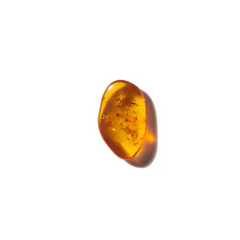
Where White Honey Comes From — Origin & Extraction
White Honey as a perfumery note is derived from both natural and synthetic sources. Natural white honey is produced by Apis mellifera bees foraging primarily on acacia (Robinia pseudoacacia) and other white-flowering plants. Major producing countries include Greece (notably the Peloponnese and Crete, contributing over 10,000 metric tons annually), France (Provence and Occitanie regions), and the United States (notably California and Florida). Each region’s honey exhibits subtle differences in aroma due to local flora, soil composition, and climate.
For use in perfumery, the most common natural extraction is beeswax absolute, obtained by washing beeswax with ethanol at low temperatures (10–20°C) to preserve volatile compounds. The yield is typically 1–2% of the starting wax mass. This absolute contains a complex mixture of esters, acids, and alcohols, including phenylacetic acid and phenylacetaldehyde, which are responsible for the honeyed scent. However, due to cost (beeswax absolute ranges from $1,200–$2,500/kg) and IFRA restrictions on natural animalic materials, most modern fragrances use synthetic honey bases.
Synthetic white honey accords are constructed from molecules such as phenylacetic acid, phenylacetaldehyde, and methyl anthranilate, often blended with lactones and aldehydes to mimic the creamy, floral, and slightly animalic aspects of natural honey. These synthetics are more affordable (typically $50–$200/kg for key aroma chemicals) and offer greater batch-to-batch consistency. Sustainability is a growing concern: overharvesting of wild honey can disrupt bee populations, so the industry increasingly favors synthetic or sustainably sourced absolutes. The first synthetic honey bases appeared in the early 20th century, with major suppliers like Symrise and Firmenich now offering proprietary white honey accords.
Famous Fragrances That Define White Honey in Perfumery
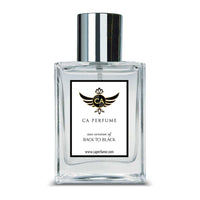
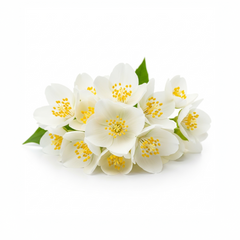
White Honey has played a pivotal role in both classic and contemporary perfumery, serving as a bridge between gourmand, floral, and amber accords. One of the earliest and most influential uses is found in Guerlain L’Instant (2003, Maurice Roucel), where white honey forms the heart of a radiant floral-amber composition, paired with magnolia, jasmine, and benzoin. By Kilian’s Back to Black (2009, Calice Becker) is another landmark, using honey as a dominant note alongside tobacco, cherry, and vanilla to create a decadent, opulent gourmand.
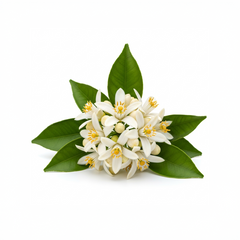
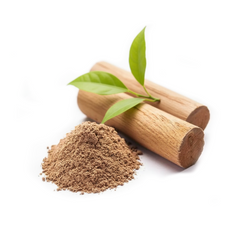
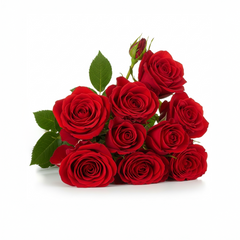
Lady Million by Rabanne (2010, Anne Flipo, Béatrice Piquet, Dominique Ropion, Bruno Jovanovic) demonstrates white honey’s versatility in a modern fruity-floral context, where it is paired with neroli, orange blossom, and patchouli for a luminous, sweet effect. Serge Lutens Miel de Bois (2005, Christopher Sheldrake) explores the more animalic, woody facets of honey, blending it with oak, beeswax, and guaiac wood for an avant-garde interpretation. Maison Francis Kurkdjian’s Cologne Pour Le Soir (2011, Francis Kurkdjian) uses honey as a bridge note, connecting rose, incense, and musk for a sensual, enveloping signature.
These fragrances illustrate white honey’s adaptability across styles—from luminous florals to deep gourmands and experimental woods. CA Perfume’s collection draws inspiration from this lineage, offering white honey-centered compositions that honor both tradition and innovation.
Natural vs Synthetic White Honey in Perfumery
Natural white honey notes in perfumery are primarily derived from beeswax absolute, which captures the multifaceted sweetness, floral, and slightly animalic nuances of real honey. This absolute is rich in phenylacetic acid (CAS 103-82-2), phenylacetaldehyde (CAS 122-78-1), and minor esters, but is expensive and subject to IFRA restrictions due to potential allergenic compounds. Synthetic white honey accords, by contrast, rely on a blend of aroma chemicals such as phenylacetic acid, phenylacetaldehyde, and methyl anthranilate (CAS 134-20-3), as well as supporting lactones and aldehydes to recreate the creamy, nectar-like profile.
Performance-wise, synthetic honey notes offer superior stability, batch consistency, and longevity (often 6–8 hours on skin), while natural extracts can vary in intensity and may degrade faster due to oxidation. Cost is a significant factor: synthetic honey bases cost $50–$200/kg, compared to $1,200–$2,500/kg for beeswax absolute. Many landmark fragrances—such as Guerlain L’Instant and By Kilian Back to Black—use a combination of both, but the majority of contemporary launches favor synthetics for sustainability and regulatory compliance.
From a supply chain perspective, synthetic honey accords reduce pressure on bee populations and allow for transparent sourcing, aligning with the HumanSafe™ platform’s emphasis on traceable, allergen-controlled ingredients. CA Perfume utilizes HumanSafe™ verified honey accords, ensuring both safety and olfactory fidelity. Notable aroma chemicals in these blends include phenylacetic acid, phenylacetaldehyde, and methyl anthranilate, each contributing distinct facets to the overall honey impression.