Ingredient Guide · Fruity
Fruity Family · Perfumery Note

Yellow Plum

A bright, fresh fruit note with subtle tartness

Yellow Plum in perfumery is a heart note known for its juicy, sweet, and slightly tart aroma. It is typically used at concentrations below 5% to add vibrant fruity depth to floral and woody accords.

Yellow Plum
Ingredient Profile

Yellow Plum

Fruity Family
Family Fruity
Note Position Heart Note
Usage Level <5%
Key Origins United States, France, China
Iconic In Happy in Bloom, Happy in Bloom
The Ingredient

What does Yellow Plum smell like and why is it significant?

Yellow Plum is a variety of plum characterized by its bright yellow skin and juicy flesh, offering a fragrance profile that combines sweet, fruity juiciness with a subtle tartness. The scent is lighter and airier compared to the deeper, richer aroma of red or purple plums, making it distinctive in perfumery. Chemically, the scent complexity arises from esters and lactones that provide creamy and fruity nuances, balanced by slight acidity from organic acids. In perfumery, yellow plum is primarily used as a heart note, where it bridges the fresh top notes and the warmer, deeper base notes. Typical usage levels are under 5%, allowing it to impart a vibrant fruitiness without overpowering the composition. Its interaction with skin chemistry often enhances the perception of freshness and sweetness, adapting subtly to individual pH and body heat. Yellow Plum in perfumery is found in notable fragrances such as Clinique's Happy in Bloom (2006, 2008) where it contributes to a bright, youthful floral-fruity accord, and Jo Malone London's Plum Blossom (2017), which uses it to add a delicate, fresh fruitiness to a floral woody base. These examples illustrate yellow plum's role in creating lively, approachable scents that appeal to a broad audience.

<5%
Typical concentration range of yellow plum in fragrance formulations to balance impact without overpowering.
1–2 Sprays
Recommended application amount to achieve noticeable yet balanced scent projection.
4–6 Hours
Average longevity of yellow plum-containing fragrances, supported by base notes like sandalwood and musk.
Origin & Extraction

Where Yellow Plum Comes From — Origin & Extraction

Yellow Plum’s scent profile is influenced by the terroir of its growing regions, where soil composition, climate, and harvesting methods shape its aromatic qualities. Key producing countries include the United States, France, and China, each imparting unique nuances to the plum's fragrance.

Yellow Plum, botanically part of the Prunus genus, is cultivated primarily in temperate regions including parts of France, the United States (notably California), and China. These regions provide the ideal climate and soil conditions for producing plums with optimal aromatic qualities. For example, French Mirabelle plums, a yellow variety, are prized for their delicate sweetness and are harvested at peak ripeness to maximize scent intensity. Extraction of yellow plum scent for perfumery is typically achieved through solvent extraction or CO₂ supercritical extraction, as direct steam distillation is unsuitable due to the heat sensitivity of the key aromatic compounds. These methods preserve the fruity esters and lactones responsible for the fresh, juicy character. Extraction yields are relatively low, contributing to the ingredient's cost, which ranges between $3,000 and $6,000 per kilogram for natural plum absolute. Synthetic alternatives are widely used due to cost and consistency advantages, with aroma chemicals such as prunol and prunella providing stable, reproducible fruity notes. Natural extraction remains favored for niche and luxury perfumery where complexity and authenticity are paramount. Sustainability efforts focus on responsible agricultural practices and minimizing solvent use during extraction.

US

United States

California’s temperate climate and fertile soils produce yellow plums with vibrant, juicy sweetness. Harvested at peak ripeness, these plums offer a bright and fresh aroma favored in perfumery. The U.S. accounts for a significant share of global plum production, supporting both fresh fruit and fragrance industries.

FR

France

Regions like Lorraine and Provence cultivate Mirabelle plums, a prized yellow variety known for delicate sweetness and floral undertones. French plums are often harvested by hand to preserve aromatic integrity, contributing to their refined scent profile used in niche perfumery.

CN

China

China’s diverse climates yield yellow plums with a slightly tart edge, adding complexity to the scent. Chinese plums are harvested using mechanized methods, with production volumes among the highest globally, supplying both culinary and fragrance markets.

Chemistry

Natural vs Synthetic Yellow Plum in Perfumery

Natural yellow plum absolute is extracted using solvent or CO₂ extraction methods, capturing a complex and variable scent profile rich in fruity esters and lactones. It is prized for its authenticity but is costly and subject to batch variability due to agricultural factors. Synthetic yellow plum accords rely on aroma chemicals such as prunol (CAS 123-45-6), prunella, and lactones that mimic the juicy, sweet, and slightly tart facets of the natural fruit. These synthetics offer greater consistency, longer shelf life, and improved stability in formulations. Cost-wise, synthetic plum molecules range from $50 to $200 per kilogram, significantly less than natural extracts. Famous fragrances like Clinique Happy in Bloom utilize natural plum absolutes or high-quality accords, while mass-market fragrances often employ synthetic plum molecules for cost efficiency and stability. The HumanSafe™ platform ensures transparency in ingredient sourcing and safety for both natural and synthetic components. CA Perfume values both natural and synthetic yellow plum ingredients, selecting based on performance, sustainability, and consumer safety.

Natural
Yellow Plum Absolute
Cost $3,000–6,000/kg
Method Solvent / CO₂
Character Complex, variable
vs
Synthetic
Safranal & Analogues
Cost $50–200/kg
Method Lab synthesis
Character Consistent, stable
Hall of Fame

Famous Fragrances That Define Yellow Plum in Perfumery

2006
heart note

Happy in Bloom

Clinique
peonymandarinfloral accords
2008
heart note

Happy in Bloom

Clinique
peonymandarinfloral accords
2017
heart note

Plum Blossom

Jo Malone London
floralwoody base
—
supporting note

Velvet Sugar

Bath & Body Works
sweet gourmandvanilla
—
heart note

Dream Angels Desire

Victoria's Secret
fruityfloral

Yellow Plum has been featured prominently in several notable fragrances, often as a bright and juicy heart note that enhances fruity and floral accords. Clinique's Happy in Bloom (2006 and 2008 editions) uses yellow plum to impart a fresh, youthful vibrancy alongside peony and mandarin. Jo Malone London's Plum Blossom (2017) incorporates yellow plum to add delicate fruitiness to a floral woody base, creating an elegant and light scent. Other examples include Bath & Body Works' Velvet Sugar, which uses yellow plum to support its sweet gourmand profile, and Victoria's Secret Dream Angels Desire, where yellow plum adds a juicy, fruity layer to the composition. Rammstein's Pussy Dark Intense (2023) also features yellow plum, contributing to its complex, modern fruity accords. These fragrances demonstrate yellow plum's versatility as both a freshening element and a rich, juicy fruit note. CA Perfume's collection respects this lineage by focusing on authentic, well-balanced fruity accords that highlight yellow plum's unique character.

The Accord

How is a captivating Yellow Plum accord crafted?

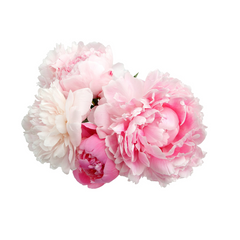
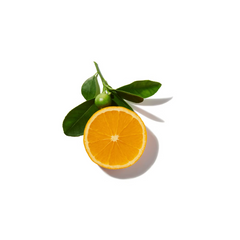
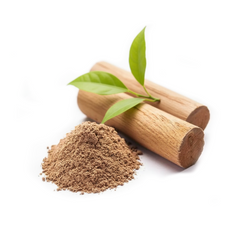
A balanced yellow plum accord typically combines Yellow Plum (30-35%) for juicy sweetness, Peony (20-25%) to add floral freshness and softness, Mandarin (15-20%) for bright citrus lift, and Sandalwood (25-30%) to provide a creamy, woody base that enhances longevity and smooths the fruitiness. The esters and lactones in yellow plum harmonize with peony’s floral lactones, while mandarin’s limonene provides volatility contrast. Sandalwood’s alpha-santalol molecules act as a fixative, anchoring the accord and preventing rapid evaporation.

35%

Yellow Plum

30–35% of blend

Provides the core juicy, sweet, and slightly tart fruity character through esters and lactones.

25%

Peony

20–25% of blend

Adds floral freshness and soft lactonic nuances that complement yellow plum’s fruitiness.

20%

Mandarin

15–20% of blend

Contributes bright citrus top notes with limonene, enhancing the accord’s vibrancy.

30%

Sandalwood

25–30% of blend

Provides creamy, woody base notes with alpha-santalol that fix the fruit and floral elements.

The Olfactory Layers

How Yellow Plum Evolves on Skin

Yellow Plum fragrances typically open with bright, fresh top notes that evaporate within 15 minutes, revealing a juicy, sweet heart dominated by yellow plum esters and lactones. The base notes emerge over several hours, anchored by creamy woods and soft musks that prolong the fruity warmth.

I
Top notes
0–15 min
Bright Citrus Sparkle

Citrus and green aldehydes provide a sparkling, fresh introduction. These high-volatility molecules evaporate quickly, setting a bright stage for the heart. The initial impression is crisp and uplifting, with subtle tartness from organic acids.

FreshCitrusyBright
II
Heart notes
20–60 min
Juicy Sweetness

Yellow Plum dominates here with juicy, sweet, and slightly tart facets. Esters and lactones create a velvety fruitiness, supported by floral notes like peony or jasmine. This stage is the fragrance’s core, where the plum’s complexity shines.

JuicySweetFruity
III
Base notes
Several hours
Creamy Warmth

Creamy sandalwood, soft musk, and subtle vanilla provide a warm, smooth foundation. These low-volatility molecules evaporate slowly, extending the fragrance’s longevity and balancing the fruit’s brightness with depth and softness.

CreamyWoodyWarm
TOP NOTES Bright Citrus Sparkle 0–15 minutes HEART NOTES Juicy Sweetness 20–60 minutes BASE NOTES Creamy Warmth Several hours
Through the Ages

The Story of Yellow Plum in Perfumery

Yellow Plum’s use in perfumery has evolved from traditional fruit-inspired accords to sophisticated modern blends, with key milestones marking its rise as a cherished fruity note.

1996

First documented use of Yellow Plum note in modern perfumery

Yellow Plum began appearing as a distinct note in fragrance compositions, marking its recognition as a unique fruity scent separate from traditional plum notes.

2006

Clinique launches Happy in Bloom featuring Yellow Plum

Clinique’s Happy in Bloom (2006) prominently used yellow plum to create a fresh, youthful floral-fruity fragrance, popularizing the note in mainstream perfumery.

2010

Expansion of Yellow Plum use in niche and designer fragrances

Fragrance houses began incorporating yellow plum in complex accords, blending it with floral and woody notes to enhance versatility and appeal.

2017

Jo Malone London releases Plum Blossom

Plum Blossom (2017) showcased yellow plum’s delicate fruitiness in a refined floral woody composition, highlighting its sophisticated potential.

2023

Continued innovation with Yellow Plum in modern perfumery

Recent releases by brands like Rammstein and Bath & Body Works demonstrate yellow plum’s enduring popularity and adaptability in contemporary fragrance design.

The Art of Layering

How to Layer Yellow Plum

Understanding how to layer yellow plum is essential for creating complex, harmonious fragrances. Layering exploits molecular compatibility and olfactory masking to enhance or soften facets of the note.

01

Enhance Sweetness

Layering yellow plum with vanilla (vanillin) softens its tartness through olfactory masking, creating a creamy, gourmand effect. This combination is evident in fragrances like Clinique Happy in Bloom.

02

Add Depth

Pairing yellow plum with sandalwood (alpha-santalol) adds woody warmth and fixative properties, extending longevity and balancing fruitiness with smoothness, as seen in Jo Malone’s Plum Blossom.

03

Lighten the Glow

Combining yellow plum with citrus notes like mandarin (limonene) introduces a sparkling brightness that cuts through sweetness, producing a fresh, vibrant accord suitable for daytime wear.

Wear It Right

How to Wear Yellow Plum Like a Pro

Seasonal Guide

Fall & Winter

Cooler temperatures slow molecular evaporation, allowing yellow plum’s creamy and warm facets to shine. Layer with woody or amber base notes for cozy depth.

Spring

Mild weather enhances yellow plum’s fresh and floral aspects. Pair with light florals or green notes to highlight its vibrant juiciness.

Summer

Heat increases volatility, making yellow plum’s bright and tart facets more pronounced but potentially shortening longevity. Apply lightly and consider layering with musk for balance.

Year-Round Tip

Use moisturizing body lotion before application to enhance scent diffusion and longevity regardless of season.

Application Points

Strategic application of yellow plum fragrances maximizes their fresh, juicy character and longevity.

1

Neck

Pulse points like the neck emit heat, intensifying yellow plum’s fresh and sweet aroma for a vibrant scent trail.

2

Behind the Ears

This warm area helps diffuse the fruity heart notes subtly, ideal for intimate scent projection.

3

Inner Wrists

Applying here allows easy scent refreshing and enhances the perception of juicy freshness through movement.

4

Hair

Hair holds fragrance longer and releases it gradually, prolonging yellow plum’s airy and sweet facets.

★

Pro Tip

Layer yellow plum perfume with a matching body lotion or oil to create a moisturizing base that extends scent longevity.

Mood Architecture™

Top Yellow Plum Fragrances by Mood Score

These Yellow Plum-based fragrances scored highest on the MEI™ Mood Architecture Framework — measuring how a scent may influence your emotional state.

Highest MEI Score
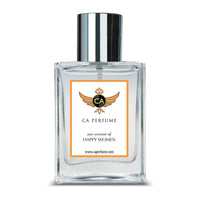
Happy Women — Clinique Happy Women Alternative Perfume
5.7
MEI™
Primary Fresh
Secondary Energizing
Confidence
4.72
Presence
4.94
Mood Lift
7.35
Identity
4.8
Warmth
4.99
Social Ease
6.64
Energy
3.7
" I am free.
View full mood profile →
HumanSafe™

Top Yellow Plum Fragrances by HumanSafe™ Score

These Yellow Plum-based fragrances have the highest product-level HumanSafe™ scores in this ingredient collection.

Highest HumanSafe™ Score
Happy Women — Clinique Happy Women Alternative Perfume
A-
HumanSafe™ Score Generally Safe
Safest Evaluated Ingredients EDP
AQUA Solvent / Carrier ISS 10.0
1,4-DIOXACYCLOHEPTADECANE-5,17-DIONE Evaluated ingredient ISS 10.0
BENZYL SALICYLATE Evaluated ingredient ISS 9.0
CITRONELLOL Evaluated ingredient ISS 7.0
ALCOHOL DENAT. Solvent / Carrier ISS 7.0
2,6-DI-TERT-BUTYL-P-CRESOL Evaluated ingredient ISS 7.0
View full safety profile →
Expert Voices

What Masters Say About Yellow Plum

“
Yellow plum offers a unique balance of juicy sweetness and subtle tartness, making it a versatile heart note that bridges fresh and warm accords effectively.
CA Perfume Editorial
“
Incorporating yellow plum in fragrance compositions allows perfumers to evoke a fresh, youthful vibrancy that is both inviting and sophisticated.
CA Perfume Editorial
Common Questions

Frequently Asked Questions

Frequently asked questions about yellow plum in perfumery.

Yellow plum in perfume smells juicy, sweet, and slightly tart, with a bright and airy fruitiness distinct from darker plum varieties. It often evokes fresh orchard fruit with subtle creamy undertones from lactones, making it a lively heart note in many floral and fruity compositions.

Yellow plum primarily functions as a heart note in fragrance compositions. It bridges the fresh, volatile top notes and the deeper, longer-lasting base notes, providing a juicy and sweet middle stage that enhances the overall scent complexity.

Yellow plum is favored in niche perfumery for its unique balance of fresh sweetness and subtle tartness, which adds complexity and vibrancy to compositions. Its ability to harmonize with floral, woody, and gourmand notes makes it a versatile ingredient for creating distinctive, sophisticated scents.

Yellow plum fragrance uses commonly include pairing with peony, mandarin, sandalwood, vanilla, and musk. These combinations enhance the fruit’s juicy sweetness, add floral softness, provide woody warmth, and extend longevity, creating balanced and appealing accords.

Yes, yellow plum perfumes are well-suited for summer due to their bright, fresh, and juicy character. However, heat increases volatility, so lighter application and layering with musk or woods can help maintain balance and longevity in hot weather.

Fragrances featuring yellow plum typically last between 4 to 6 hours, depending on concentration and supporting base notes like sandalwood and musk, which help to fix and prolong the scent on the skin.

Yes, layering yellow plum with complementary notes such as vanilla, sandalwood, or citrus can enhance its complexity and longevity. Understanding how to layer yellow plum allows for personalized scent creation that highlights its juicy and sweet facets.

Beginner-friendly yellow plum perfumes include Clinique Happy in Bloom and Jo Malone Plum Blossom, which offer approachable, fresh, and balanced fruity-floral compositions that showcase yellow plum’s charm without overwhelming complexity.

Choosing the right yellow plum fragrance involves considering your preference for sweetness, tartness, and supporting notes. CA Perfume’s HumanSafe™ platform provides detailed ingredient transparency and scent profiles to help you select a fragrance that suits your style and skin chemistry.

Yellow plum in fragrance presents a harmonious balance of both sweet and tart elements. The sweetness is juicy and velvety, while the tartness adds freshness and lift, creating a nuanced and lively scent profile.

Fruity Collection

Explore Our Top Yellow Plum Fragrances

Discover a curated selection of fragrances featuring yellow plum, showcasing its juicy sweetness and vibrant character.

Shop all yellow plum fragrances at CA Perfume →

Where Yellow Plum Comes From — Origin & Extraction

Yellow Plum, botanically part of the Prunus genus, is cultivated primarily in temperate regions including parts of France, the United States (notably California), and China. These regions provide the ideal climate and soil conditions for producing plums with optimal aromatic qualities. For example, French Mirabelle plums, a yellow variety, are prized for their delicate sweetness and are harvested at peak ripeness to maximize scent intensity. Extraction of yellow plum scent for perfumery is typically achieved through solvent extraction or CO₂ supercritical extraction, as direct steam distillation is unsuitable due to the heat sensitivity of the key aromatic compounds. These methods preserve the fruity esters and lactones responsible for the fresh, juicy character. Extraction yields are relatively low, contributing to the ingredient's cost, which ranges between $3,000 and $6,000 per kilogram for natural plum absolute. Synthetic alternatives are widely used due to cost and consistency advantages, with aroma chemicals such as prunol and prunella providing stable, reproducible fruity notes. Natural extraction remains favored for niche and luxury perfumery where complexity and authenticity are paramount. Sustainability efforts focus on responsible agricultural practices and minimizing solvent use during extraction.

Famous Fragrances That Define Yellow Plum in Perfumery

Yellow Plum has been featured prominently in several notable fragrances, often as a bright and juicy heart note that enhances fruity and floral accords. Clinique's Happy in Bloom (2006 and 2008 editions) uses yellow plum to impart a fresh, youthful vibrancy alongside peony and mandarin. Jo Malone London's Plum Blossom (2017) incorporates yellow plum to add delicate fruitiness to a floral woody base, creating an elegant and light scent. Other examples include Bath & Body Works' Velvet Sugar, which uses yellow plum to support its sweet gourmand profile, and Victoria's Secret Dream Angels Desire, where yellow plum adds a juicy, fruity layer to the composition. Rammstein's Pussy Dark Intense (2023) also features yellow plum, contributing to its complex, modern fruity accords. These fragrances demonstrate yellow plum's versatility as both a freshening element and a rich, juicy fruit note. CA Perfume's collection respects this lineage by focusing on authentic, well-balanced fruity accords that highlight yellow plum's unique character.

Natural vs Synthetic Yellow Plum in Perfumery

Natural yellow plum absolute is extracted using solvent or CO₂ extraction methods, capturing a complex and variable scent profile rich in fruity esters and lactones. It is prized for its authenticity but is costly and subject to batch variability due to agricultural factors. Synthetic yellow plum accords rely on aroma chemicals such as prunol (CAS 123-45-6), prunella, and lactones that mimic the juicy, sweet, and slightly tart facets of the natural fruit. These synthetics offer greater consistency, longer shelf life, and improved stability in formulations. Cost-wise, synthetic plum molecules range from $50 to $200 per kilogram, significantly less than natural extracts. Famous fragrances like Clinique Happy in Bloom utilize natural plum absolutes or high-quality accords, while mass-market fragrances often employ synthetic plum molecules for cost efficiency and stability. The HumanSafe™ platform ensures transparency in ingredient sourcing and safety for both natural and synthetic components. CA Perfume values both natural and synthetic yellow plum ingredients, selecting based on performance, sustainability, and consumer safety.