Ingredient Guide · Woody Spicy
Woody Spicy Family · Perfumery Note

White Sandalwood

Creamy, woody, and subtly sweet — a perfumery cornerstone.

White Sandalwood is a heart-to-base note in perfumery, valued for its creamy, woody, and gently sweet aroma. Its defining quality is the high α-santalol content, which imparts lasting warmth and fixative power in blends.

White Sandalwood
Ingredient Profile

White Sandalwood

Woody Spicy Family
Family Woody Spicy
Note Position Base Note
Usage Level 2–4%
Key Origins India, Australia, Indonesia
Iconic In Goldfield & Banks White Sandalwood, Le Labo Santal 33
The Ingredient

What does White Sandalwood smell like and why is it so significant in perfumery?

White Sandalwood, botanically known as Santalum album, is renowned in perfumery for its creamy, milky, and woody scent profile. The aroma is primarily attributed to the sesquiterpene alcohols α-santalol and β-santalol, which together account for the distinctive olfactory signature: soft, rich, and subtly sweet with a persistent, velvety woodiness. This molecular composition gives White Sandalwood its signature smoothness and a faint balsamic undertone, distinguishing it from sharper or more resinous woods. In perfumery, White Sandalwood functions predominantly as a heart-to-base note, providing both structure and longevity to compositions. It is typically used at concentrations of 1–8% in fine fragrance formulas, though even low percentages impart a noticeable creamy warmth. White Sandalwood in perfumery acts as a fixative, stabilizing more volatile top notes and extending the overall wear of a fragrance. Its interaction with skin chemistry is notable: the santalol content binds well to skin lipids, resulting in a scent that evolves gently and persists for hours, often becoming softer and more musky as it dries down. Two exemplary fragrances that showcase the versatility of White Sandalwood are Goldfield & Banks White Sandalwood (2016, perfumer François Merle-Baudoin), which highlights the creamy, spicy, and musky facets alongside Turkish rose and saffron, and Diptyque Tam Dao, where sandalwood’s lactonic, woody quality is paired with cypress and myrtle for a meditative, milky effect. These illustrate how the note can anchor both floral and spicy-woody compositions, making it a foundational ingredient in modern perfumery.

2–4%
Typical concentration of White Sandalwood oil in fine fragrance formulas, providing a persistent, creamy base without overpowering the composition.
6–8 Hours
Average longevity of White Sandalwood as a base note, due to the slow evaporation rate of high molecular weight santalols.
$2,500–6,000/kg
Market price for natural White Sandalwood oil, reflecting its rarity, high santalol content, and sustainable cultivation practices.
Origin & Extraction

Where White Sandalwood Comes From — Origin & Extraction

White Sandalwood’s scent character is shaped by the terroir of its origin. Soil composition, rainfall, and climate influence santalol content and olfactory nuance, from Mysore’s creamy richness to Australia’s fresher, greener profile.

White Sandalwood is derived from the heartwood of Santalum album, a slow-growing, semi-parasitic tree native to southern India but now cultivated in Australia, Indonesia, and other regions. The Mysore region of Karnataka, India, historically produced the world’s most prized sandalwood, but overharvesting and export restrictions have shifted significant production to Western Australia, where plantations now account for a growing share of global supply. Annual global production of Santalum album oil is estimated at 50–70 metric tons, with Australia contributing over 30% of the market by 2026. Extraction of White Sandalwood oil is primarily achieved through steam distillation of powdered heartwood and roots. This process typically operates at 100°C for 20–36 hours, yielding an oil rich in α-santalol (41–55%) and β-santalol (16–24%), as per ISO 3518:2002 standards. Alternative extraction methods, such as supercritical CO₂ extraction, are increasingly used to improve yield and preserve delicate aroma compounds, with yields ranging from 2–4% by weight. Solvent extraction is reserved for producing sandalwood absolute, a more concentrated but less common form. The cost of natural White Sandalwood oil ranges from $2,500 to $6,000 per kg, depending on origin and santalol content. In contrast, synthetic sandalwood aroma chemicals (such as Javanol or Polysantol) cost $50–200 per kg. Sustainability is a critical concern: wild Santalum album is CITES-listed due to overharvesting, while Australian plantations employ managed replanting and continuous distillation to reduce environmental impact. The shift to plantation-grown sandalwood and advanced extraction technologies has improved both traceability and ecological footprint.

IN

India

Mysore, Karnataka: Renowned for producing the richest, creamiest White Sandalwood oil, with heartwood containing up to 55% α-santalol. Annual production is now limited due to CITES restrictions, but Mysore sandalwood remains the reference for quality and depth.

AU

Australia

Kununurra, Western Australia: Plantation-grown Santalum album yields a fresher, slightly greener sandalwood oil, with high sustainability standards and traceable supply. Australia now supplies over 30% of global demand, with annual output exceeding 20 metric tons.

ID

Indonesia

East Nusa Tenggara: Indonesian sandalwood is softer and more delicate, with nuanced, powdery facets. Production is smaller scale, with unique harvesting and drying methods influencing the oil’s subtle complexity.

LK

Sri Lanka

Central Highlands: Sri Lankan sandalwood is less common but valued for its balanced, gently sweet aroma. The region’s volcanic soils and high humidity yield oil with moderate santalol content and a smooth, rounded profile.

Chemistry

Natural vs Synthetic White Sandalwood in Perfumery

Natural White Sandalwood oil is composed primarily of α-santalol (CAS 115-71-9) and β-santalol (CAS 115-72-0), which provide the creamy, woody, and slightly sweet scent profile. Synthetic alternatives include Javanol (CAS 199067-92-9), Polysantol (CAS 255639-12-6), and Ebanol (CAS 67801-20-1), each designed to mimic or amplify specific facets of sandalwood’s aroma. Javanol, for example, offers a powerful, radiant sandalwood note with exceptional tenacity and is widely used in modern perfumery for its stability and cost-effectiveness. Performance-wise, synthetic sandalwood molecules often provide greater consistency, longer diffusion, and improved stability under light and heat compared to natural oil. However, they may lack the nuanced, multi-layered evolution of genuine Santalum album oil, which contains over 90 minor constituents contributing to its complexity. Cost is a major differentiator: natural sandalwood oil can exceed $6,000/kg, while synthetics are available at $50–200/kg, making them accessible for large-scale production and affordable fragrance lines. Famous fragrances such as Le Labo Santal 33 (2011, perfumer Frank Voelkl) rely heavily on synthetic sandalwood molecules, while Guerlain Samsara (1989, Jean-Paul Guerlain) originally used natural Mysore sandalwood before reformulation. Sustainability and supply chain transparency are paramount; synthetic molecules reduce pressure on endangered wild populations, while plantation-grown sandalwood and HumanSafe™ verification platforms ensure traceability and ethical sourcing for natural oil. CA Perfume employs a hybrid approach, favoring HumanSafe™-verified sandalwood and high-purity synthetics to balance olfactory authenticity, safety, and environmental responsibility.

Natural
White Sandalwood Absolute
Cost $3,000–6,000/kg
Method Solvent / CO₂
Character Complex, variable
vs
Synthetic
Safranal & Analogues
Cost $50–200/kg
Method Lab synthesis
Character Consistent, stable
Hall of Fame

Famous Fragrances That Define White Sandalwood in Perfumery

2016
dominant note

Goldfield & Banks White Sandalwood

Goldfield & Banks
by François Merle-Baudoin
Turkish RoseSaffronThymePepperAmber
2011
dominant note

Le Labo Santal 33

Le Labo
by Frank Voelkl
VioletCardamomPapyrusCedarwoodLeather
2003
dominant note

Diptyque Tam Dao

Diptyque
by Daniel Molière
CypressMyrtleRosewood
2011
dominant note

Tom Ford Santal Blush

Tom Ford
by Yann Vasnier
CinnamonYlang-YlangJasmineBenzoin
1989
dominant note

Guerlain Samsara

Guerlain
by Jean-Paul Guerlain
JasmineYlang-YlangIrisTonka Bean

White Sandalwood has been a cornerstone of perfumery for centuries, serving as both a dominant note and a subtle bridge in numerous iconic compositions. Notable early uses include Guerlain Jicky (1889, Aimé Guerlain), where sandalwood provided a creamy, woody base for the pioneering fougère structure. Chanel Bois des Iles (1926, Ernest Beaux) elevated sandalwood to the heart of a floral-woody blend, pairing it with ylang-ylang and iris for a powdery, enveloping effect. In contemporary perfumery, Goldfield & Banks White Sandalwood (2016, François Merle-Baudoin) exemplifies the modern Australian interpretation, combining white sandalwood with Turkish rose, saffron, thyme, pepper, and amber for a spicy, musky, and floral-woody profile. Le Labo Santal 33 (2011, Frank Voelkl) is a benchmark for synthetic sandalwood, using Javanol and Polysantol to create a clean, creamy, and persistent sandalwood accord that has become a signature of niche perfumery. Diptyque Tam Dao (2003, Daniel Molière) showcases the lactonic, meditative side of sandalwood, blending it with cypress and myrtle for a tranquil, milky woodiness. Other significant examples include Tom Ford Santal Blush (2011, Yann Vasnier), which layers sandalwood with spices and florals for a spicy, creamy composition, and Guerlain Samsara (1989, Jean-Paul Guerlain), where natural Mysore sandalwood was originally used as a dominant, enveloping base. CA Perfume’s sandalwood collection draws inspiration from this lineage, offering both natural and synthetic interpretations that honor the note’s historical and contemporary significance.

The Accord

How is a captivating White Sandalwood accord crafted?

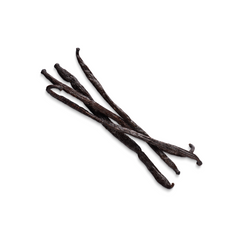
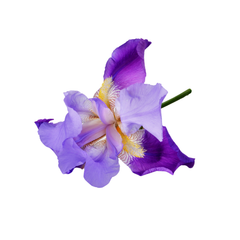
A White Sandalwood accord balances creamy, woody, and subtly sweet facets. Typical proportions: White Sandalwood 30–35%, Iris 20–25%, Rose 20–25%, Vanilla 20–25%. Iris introduces a powdery, buttery nuance via irones, complementing sandalwood’s lactonic santalols. Rose (rich in damascenone) bridges floral and woody notes, while vanilla (vanillin) softens and rounds the accord, enhancing the creamy sweetness and masking any sharpness.

35%

White Sandalwood

30–35% of blend

Provides the creamy, woody, and persistent base via high α-santalol and β-santalol content, anchoring the accord with warmth and fixative power.

25%

Iris

20–25% of blend

Irones in iris root add a powdery, buttery texture, enhancing the lactonic smoothness of sandalwood and introducing a refined, elegant facet.

25%

Rose

20–25% of blend

Damascenone and other rose molecules bridge floral and woody notes, creating a seamless transition and amplifying sandalwood’s natural sweetness.

25%

Vanilla

20–25% of blend

Vanillin softens sandalwood’s woody edge, providing a sweet, creamy finish and enhancing the accord’s overall smoothness through olfactory masking.

The Olfactory Layers

How White Sandalwood Evolves on Skin

White Sandalwood’s olfactory evolution unfolds gradually. Top notes dissipate within 15 minutes, revealing creamy, woody heart notes that persist for hours. High molecular weight santalols evaporate slowly, ensuring a lingering, velvety base.

I
Top notes
0–15 min
Fresh Spiced Opening

The initial impression is fresh, slightly green, and spicy, often due to volatile terpenes and supporting notes like thyme and pepper. These high-volatility molecules evaporate quickly, giving way to the heart.

FreshSpicyGreen
II
Heart notes
20–60 min
Creamy Woody Core

Creamy, woody, and lactonic facets emerge as α-santalol and β-santalol dominate. These sesquiterpenes have moderate volatility, creating a persistent, enveloping warmth with subtle floral and powdery undertones.

CreamyWoodyPowdery
III
Base notes
Several hours
Musky Sweet Drydown

The drydown is rich, musky, and subtly sweet, as the highest molecular weight santalols and minor constituents linger. The scent becomes softer and more skin-like, with a persistent, comforting finish.

MuskySweetVelvety
TOP NOTES Fresh Spiced Opening 0–15 minutes HEART NOTES Creamy Woody Core 20–60 minutes BASE NOTES Musky Sweet Drydown Several hours
Through the Ages

The Story of White Sandalwood in Perfumery

White Sandalwood’s history in perfumery spans millennia, from ancient ritual use to modern niche fragrance icons.

Antiquity

Sacred Use in India

White Sandalwood (Santalum album) is used in Vedic rituals, Ayurvedic medicine, and temple incense, valued for its calming, sacred aroma and longevity.

19th Century

Introduction to Western Perfumery

Sandalwood oil enters European perfumery, prized for its fixative properties and creamy, woody scent. Mysore sandalwood becomes the gold standard.

1926

Chanel Bois des Iles

Ernest Beaux creates Bois des Iles, making sandalwood the heart of a floral-woody composition and establishing its role in luxury fragrance.

1989

Guerlain Samsara

Jean-Paul Guerlain launches Samsara, using natural Mysore sandalwood as the dominant base, paired with jasmine and ylang-ylang for a creamy, enveloping effect.

2011

Le Labo Santal 33

Frank Voelkl’s Santal 33 popularizes synthetic sandalwood molecules, creating a modern, genderless sandalwood icon with Javanol and Polysantol.

2016

Goldfield & Banks White Sandalwood

François Merle-Baudoin crafts a contemporary Australian sandalwood fragrance, highlighting the note’s creamy, spicy, and musky facets with rose and saffron.

The Art of Layering

How to Layer White Sandalwood

Understanding how to layer White Sandalwood is key to creating harmonious, complex fragrances. Molecular compatibility with florals, spices, and musks allows for versatile, personalized blends.

01

Enhance Creaminess

Pair White Sandalwood with iris or orris root to amplify the powdery, buttery facets. Both share lactonic and ionone compounds, resulting in a seamless, velvety texture. Fragrances like Diptyque Tam Dao and Serge Lutens Santal Majuscule demonstrate this synergy.

02

Add Spicy Warmth

Layer with saffron, cardamom, or pepper to accentuate sandalwood’s spicy, resinous undertones. Shared aromatic terpenes create a radiant, exotic effect, as in Goldfield & Banks White Sandalwood and Tom Ford Santal Blush.

03

Soften with Florals

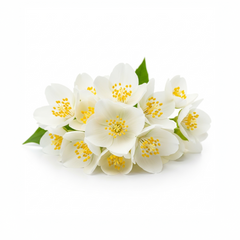
Combine with rose or jasmine to introduce damascenone and indole, which bridge woody and floral notes. This molecular interaction produces a balanced, sophisticated scent, as seen in Guerlain Samsara and Chanel Bois des Iles.

Wear It Right

How to Wear White Sandalwood Like a Pro

Seasonal Guide

Fall & Winter

Cooler temperatures slow the evaporation of santalols, allowing White Sandalwood’s creamy, woody warmth to linger and project more subtly. Apply to pulse points and under clothing for a cozy, enveloping effect.

Spring

Moderate warmth enhances sandalwood’s floral and powdery facets. Layer with lighter florals or citrus notes to create a fresh, uplifting scent that transitions well from day to evening.

Summer

High heat increases volatility, amplifying sandalwood’s projection but shortening longevity. Opt for lighter applications and consider layering with citrus or green notes to maintain freshness without overwhelming.

Year-Round Tip

Adjust application based on climate and activity. In humid conditions, sandalwood’s creamy base can become more pronounced, while dry environments may require reapplication to maintain presence.

Application Points

Strategic application of White Sandalwood maximizes its creamy, woody evolution and longevity.

1

Neck

Pulse points on the neck provide warmth, accelerating the release of creamy santalols and enhancing projection, especially in cooler weather.

2

Behind the Ears

This area maintains moderate heat and is less exposed to air, allowing sandalwood’s base notes to develop slowly and persistently.

3

Inner Wrists

Frequent movement and warmth at the wrists help diffuse sandalwood’s heart notes, but may require reapplication due to hand washing.

4

Hair

Applying to hair traps sandalwood molecules, providing a subtle, lingering scent trail as the hair moves and retains fragrance longer than skin.

Pro Tip

Layer White Sandalwood over unscented moisturizer or oil to enhance absorption and slow evaporation, maximizing longevity and sillage.

Mood Architecture™

Top White Sandalwood Fragrances by Mood Score

These White Sandalwood-based fragrances scored highest on the MEI™ Mood Architecture Framework — measuring how a scent may influence your emotional state.

Highest MEI Score
Sandalwood & White Musk — Almond Gourmand Perfume
7.61
MEI™
Primary Romantic
Secondary Grounding
Confidence
6.42
Presence
6.73
Mood Lift
8.31
Identity
6.74
Warmth
9.5
Social Ease
8.32
Energy
4.3
" I am beautiful.
View full mood profile →
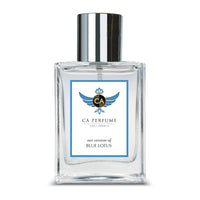
Blue Lotus — Musk Floral Perfume
#2
Blue Lotus — Musk Floral Perfume
Starting from $14.99
6.88
MEI™
Primary Fresh
Secondary Romantic
Confidence
6.4
Presence
6.78
Mood Lift
7.7
Identity
6.52
Warmth
7.45
Social Ease
6.88
Energy
3.4
" I am radiant.
View full mood profile →
Kallan — Kalan Alternative Perfume
#3
Kallan — Kalan Alternative Perfume
Starting from $14.99
6.41
MEI™
Primary Romantic
Secondary Confident
Confidence
6.08
Presence
6.68
Mood Lift
6.85
Identity
5.78
Warmth
6.98
Social Ease
6.32
Energy
4.1
" I am beautiful.
View full mood profile →
HumanSafe™

Top White Sandalwood Fragrances by HumanSafe™ Score

These White Sandalwood-based fragrances have the highest product-level HumanSafe™ scores in this ingredient collection.

Highest HumanSafe™ Score
Sandalwood & White Musk — Almond Gourmand Perfume
A-
HumanSafe™ Score Generally Safe
Safest Evaluated Ingredients EDP
AQUA Solvent / Carrier ISS 10.0
AMBROXIDE Evaluated ingredient ISS 9.0
3-BUTEN-2-ONE, 3-METHYL-4-(2,6,6-TRIMETHYL-2- Evaluated ingredient ISS 8.0
LINALYL ACETATE Evaluated ingredient ISS 7.0
View full safety profile →
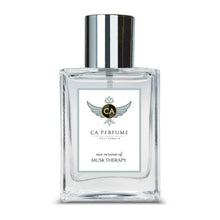
Musk Therapy — Musk Therapy Alternative Perfume
A-
HumanSafe™ Score Generally Safe
Safest Evaluated Ingredients EDP
AQUA Solvent / Carrier ISS 10.0
AMBROXID Evaluated ingredient ISS 10.0
1,4-DIOXACYCLOHEPTADECANE-5,17-DIONE Evaluated ingredient ISS 10.0
3-BUTEN-2-ONE, 3-METHYL-4-(2,6,6-TRIMETHYL-2- Evaluated ingredient ISS 8.0
2H-1-BENZOPYRAN-2-ONE Evaluated ingredient ISS 8.0
LINALYL ACETATE Evaluated ingredient ISS 7.0
View full safety profile →
Kallan — Kalan Alternative Perfume
#3
Kallan — Kalan Alternative Perfume
Starting from $14.99
A-
HumanSafe™ Score Generally Safe
Safest Evaluated Ingredients EDP
AQUA Solvent / Carrier ISS 10.0
1,4-DIOXACYCLOHEPTADECANE-5,17-DIONE Evaluated ingredient ISS 10.0
4H-INDEN-4-ONE, 1,2,3,5,6,7-HEXAHYDRO-1,1,2,3,3- Evaluated ingredient ISS 9.0
2H-1-BENZOPYRAN-2-ONE Evaluated ingredient ISS 8.0
BENZOIC ACID, 2,4-DIHYDROXY-3,6-DIMETHYL-, METHYL Evaluated ingredient ISS 7.0
ALCOHOL DENAT. Solvent / Carrier ISS 7.0
View full safety profile →
Blue Lotus — Musk Floral Perfume
#4
Blue Lotus — Musk Floral Perfume
Starting from $14.99
A-
HumanSafe™ Score Generally Safe
Safest Evaluated Ingredients EDP
AQUA Solvent / Carrier ISS 10.0
1,4-DIOXACYCLOHEPTADECANE-5,17-DIONE Evaluated ingredient ISS 10.0
BENZYL SALICYLATE Evaluated ingredient ISS 9.0
7-OCTEN-2-OL, 2,6-DIMETHYL- Evaluated ingredient ISS 9.0
LINALYL ACETATE Evaluated ingredient ISS 7.0
LINALOOL Evaluated ingredient ISS 7.0
View full safety profile →
Expert Voices

What Masters Say About White Sandalwood

Santalum album is a rich, creamy, milky woody note, with a very enveloping and comforting sweet balsamic character and delicate smoky and suede undertones.
Kevin Mathys, Perfumer at CPL Aromas
White Sandalwood’s molecular structure is unique among woody notes, with α-santalol and β-santalol providing a persistent, rounded evolution that is both tenacious and long-lasting.
CA Perfume Editorial
Common Questions

Frequently Asked Questions

Frequently asked questions about White Sandalwood in perfumery.

White Sandalwood in perfume is characterized by a creamy, woody, and subtly sweet aroma, primarily due to its high content of α-santalol and β-santalol. The scent profile is smooth, milky, and persistent, with gentle balsamic and powdery undertones. Depending on the blend, it may also reveal spicy, floral, or musky nuances. Notable examples include Goldfield & Banks White Sandalwood and Diptyque Tam Dao, both of which highlight the note’s creamy, enveloping qualities.

White Sandalwood functions as a heart-to-base note in perfumery. Its high molecular weight santalols evaporate slowly, providing a persistent, creamy foundation that anchors more volatile top notes. While it may appear in the heart of a composition, its primary role is as a base note, contributing longevity and fixative power.

White Sandalwood is prized in niche perfumery for its complex, multi-layered scent profile and its ability to harmonize with a wide range of notes. Its creamy, woody character adds depth and sophistication, while its fixative properties enhance the longevity of other ingredients. Niche brands value its versatility and the nuanced evolution it brings to both floral and woody compositions.

White Sandalwood fragrance uses often involve pairing with iris, rose, vanilla, jasmine, saffron, and amber. These notes share molecular affinities—such as damascenone in rose or vanillin in vanilla—that create seamless, harmonious blends. Spices like cardamom and pepper also complement sandalwood’s creamy, woody facets.

White Sandalwood can be worn year-round, but in hot weather, its creamy, woody base may project more strongly and evolve more quickly due to increased volatility. For summer use, opt for lighter applications or blends with citrus and green notes to maintain freshness and prevent the scent from becoming overwhelming.

Fragrances featuring White Sandalwood typically last 6–8 hours or more, depending on concentration and skin chemistry. The high molecular weight of santalols ensures a slow, persistent evaporation, making sandalwood one of the most tenacious base notes in perfumery.

Yes, White Sandalwood is highly versatile for layering. Its creamy, woody base pairs well with florals, spices, and musks, allowing for personalized blends. Layering with iris or vanilla enhances creaminess, while spices or citrus notes add freshness or warmth. Always test combinations on skin to assess compatibility.

For those new to White Sandalwood, fragrances like Diptyque Tam Dao and Goldfield & Banks White Sandalwood offer accessible, balanced interpretations. These blends highlight sandalwood’s creamy warmth without overwhelming intensity, making them suitable entry points for exploring this classic note.

At CA Perfume, explore discovery sets or sample collections featuring both natural and synthetic sandalwood interpretations. Consider your preference for creamy, woody, or spicy blends, and consult ingredient breakdowns to find a profile that matches your taste and desired longevity.

White Sandalwood’s scent profile is primarily creamy and woody, with a subtle, natural sweetness from santalol compounds. When paired with spices like saffron or pepper, it can take on a spicy, radiant edge. The overall impression depends on the composition, but the core remains smooth, milky, and gently sweet.

Woody Spicy Collection

Explore Our Top White Sandalwood Fragrances

Discover CA Perfume’s curated selection of White Sandalwood fragrances, featuring both classic and modern interpretations for every scent preference.

Shop all white sandalwood fragrances at CA Perfume →

Where White Sandalwood Comes From — Origin & Extraction

White Sandalwood is derived from the heartwood of Santalum album, a slow-growing, semi-parasitic tree native to southern India but now cultivated in Australia, Indonesia, and other regions. The Mysore region of Karnataka, India, historically produced the world’s most prized sandalwood, but overharvesting and export restrictions have shifted significant production to Western Australia, where plantations now account for a growing share of global supply. Annual global production of Santalum album oil is estimated at 50–70 metric tons, with Australia contributing over 30% of the market by 2026. Extraction of White Sandalwood oil is primarily achieved through steam distillation of powdered heartwood and roots. This process typically operates at 100°C for 20–36 hours, yielding an oil rich in α-santalol (41–55%) and β-santalol (16–24%), as per ISO 3518:2002 standards. Alternative extraction methods, such as supercritical CO₂ extraction, are increasingly used to improve yield and preserve delicate aroma compounds, with yields ranging from 2–4% by weight. Solvent extraction is reserved for producing sandalwood absolute, a more concentrated but less common form. The cost of natural White Sandalwood oil ranges from $2,500 to $6,000 per kg, depending on origin and santalol content. In contrast, synthetic sandalwood aroma chemicals (such as Javanol or Polysantol) cost $50–200 per kg. Sustainability is a critical concern: wild Santalum album is CITES-listed due to overharvesting, while Australian plantations employ managed replanting and continuous distillation to reduce environmental impact. The shift to plantation-grown sandalwood and advanced extraction technologies has improved both traceability and ecological footprint.

Famous Fragrances That Define White Sandalwood in Perfumery

White Sandalwood has been a cornerstone of perfumery for centuries, serving as both a dominant note and a subtle bridge in numerous iconic compositions. Notable early uses include Guerlain Jicky (1889, Aimé Guerlain), where sandalwood provided a creamy, woody base for the pioneering fougère structure. Chanel Bois des Iles (1926, Ernest Beaux) elevated sandalwood to the heart of a floral-woody blend, pairing it with ylang-ylang and iris for a powdery, enveloping effect. In contemporary perfumery, Goldfield & Banks White Sandalwood (2016, François Merle-Baudoin) exemplifies the modern Australian interpretation, combining white sandalwood with Turkish rose, saffron, thyme, pepper, and amber for a spicy, musky, and floral-woody profile. Le Labo Santal 33 (2011, Frank Voelkl) is a benchmark for synthetic sandalwood, using Javanol and Polysantol to create a clean, creamy, and persistent sandalwood accord that has become a signature of niche perfumery. Diptyque Tam Dao (2003, Daniel Molière) showcases the lactonic, meditative side of sandalwood, blending it with cypress and myrtle for a tranquil, milky woodiness. Other significant examples include Tom Ford Santal Blush (2011, Yann Vasnier), which layers sandalwood with spices and florals for a spicy, creamy composition, and Guerlain Samsara (1989, Jean-Paul Guerlain), where natural Mysore sandalwood was originally used as a dominant, enveloping base. CA Perfume’s sandalwood collection draws inspiration from this lineage, offering both natural and synthetic interpretations that honor the note’s historical and contemporary significance.

Natural vs Synthetic White Sandalwood in Perfumery

Natural White Sandalwood oil is composed primarily of α-santalol (CAS 115-71-9) and β-santalol (CAS 115-72-0), which provide the creamy, woody, and slightly sweet scent profile. Synthetic alternatives include Javanol (CAS 199067-92-9), Polysantol (CAS 255639-12-6), and Ebanol (CAS 67801-20-1), each designed to mimic or amplify specific facets of sandalwood’s aroma. Javanol, for example, offers a powerful, radiant sandalwood note with exceptional tenacity and is widely used in modern perfumery for its stability and cost-effectiveness. Performance-wise, synthetic sandalwood molecules often provide greater consistency, longer diffusion, and improved stability under light and heat compared to natural oil. However, they may lack the nuanced, multi-layered evolution of genuine Santalum album oil, which contains over 90 minor constituents contributing to its complexity. Cost is a major differentiator: natural sandalwood oil can exceed $6,000/kg, while synthetics are available at $50–200/kg, making them accessible for large-scale production and affordable fragrance lines. Famous fragrances such as Le Labo Santal 33 (2011, perfumer Frank Voelkl) rely heavily on synthetic sandalwood molecules, while Guerlain Samsara (1989, Jean-Paul Guerlain) originally used natural Mysore sandalwood before reformulation. Sustainability and supply chain transparency are paramount; synthetic molecules reduce pressure on endangered wild populations, while plantation-grown sandalwood and HumanSafe™ verification platforms ensure traceability and ethical sourcing for natural oil. CA Perfume employs a hybrid approach, favoring HumanSafe™-verified sandalwood and high-purity synthetics to balance olfactory authenticity, safety, and environmental responsibility.