Where Saffron Comes From — Origin & Extraction
Saffron is sourced from the dried stigmas of Crocus sativus, a sterile triploid species propagated exclusively by corm division. Each flower produces just three crimson stigmas, which must be hand-harvested during a brief two-week autumn window. Approximately 150,000 flowers are required to yield one kilogram of dried saffron, demanding 350–400 hours of manual labor. Iran dominates global production, supplying over 90% of the world’s saffron (estimated 350–400 metric tons annually), primarily from the Khorasan Razavi and South Khorasan provinces. Other notable producers include India (Kashmir/Pampore, 2–3 metric tons), Spain (La Mancha DOP, <2 metric tons), and Greece (Kozani, <1 metric ton).
Extraction for perfumery employs solvent extraction (typically hexane or ethanol) to produce saffron absolute (CAS 8022-19-3), a dark amber, viscous liquid of extreme potency. Supercritical CO2 extraction, conducted at ~31°C and 74 bar, is increasingly used for its ability to preserve the full spectrum of volatile compounds with minimal thermal degradation. Steam distillation is rarely used, as high temperatures degrade safranal and picrocrocin. The yield of absolute from dried stigmas is extremely low (often <0.05%), contributing to saffron’s high cost: dried saffron retails at $5,000–15,000/kg (depending on grade and origin), while saffron absolute can exceed $30,000/kg. Synthetic substitutes, such as safranal and isophorone, cost $50–200/kg.
Sustainability is a concern due to the labor intensity and risk of adulteration in the supply chain. Supercritical CO2 extraction and certified organic cultivation are being adopted to improve traceability and reduce environmental impact. Saffron’s rarity and cost have made it a symbol of luxury and authenticity in perfumery.
Famous Fragrances That Define Saffron in Perfumery
Saffron has become a signature note in modern perfumery, especially within the amber, woody, and spicy fragrance families. Landmark fragrances include:
1. L’Artisan Parfumeur Safran Troublant (2002, perfumer Olivia Giacobetti): One of the earliest niche explorations of saffron, paired with rose and vanilla for a gourmand, creamy effect.
2. Byredo Black Saffron (2012, perfumer Jérôme Epinette): Saffron is the dominant note, contrasted with raspberry, violet, and leather, creating a modern, unisex signature.
3. Maison Francis Kurkdjian Baccarat Rouge 540 (2015, perfumer Francis Kurkdjian): Saffron is fused with jasmine and ambergris, producing a radiant, crystalline warmth that has become iconic in contemporary perfumery.
4. Initio Parfums Prives Oud for Greatness (2018): Saffron acts as a bridge between oud, nutmeg, and patchouli, amplifying the woody and spicy facets.
5. Matiere Premiere Crystal Saffron (2021, perfumer Aurélien Guichard): A minimalist composition where saffron is paired with musk and ambroxan, highlighting its metallic and mineral qualities.
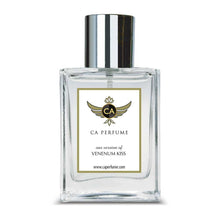
These fragrances demonstrate saffron’s versatility as a dominant note, bridge, or accent, often paired with rose, oud, amber, and resins. CA Perfume’s collection draws inspiration from this lineage, focusing on the molecular complexity and cultural resonance of saffron in perfumery.
Natural vs Synthetic Saffron in Perfumery
Natural saffron absolute is prized for its multidimensional, evolving scent profile, but its use is limited by cost, low yield, and IFRA restrictions (due to potential allergens such as safrole). The primary synthetic substitute is safranal (CAS 116-26-7), which replicates the hay-metallic facet of natural saffron. Other key aroma chemicals include isophorone (CAS 78-59-1), which imparts a leathery undertone, and 4-hydroxy-2,6,6-trimethyl-1-cyclohexene-1-carboxaldehyde (HTCC, CAS 65405-70-1), which adds herbaceous warmth. Givaudan’s Safreine is a proprietary synthetic saffron molecule used in modern compositions.
Synthetic saffron notes offer greater consistency, stability, and safety, with improved longevity and diffusion compared to the natural absolute. They are widely used in designer and niche fragrances, including Maison Francis Kurkdjian Baccarat Rouge 540 and Byredo Black Saffron. Natural saffron is more common in artisanal or attar perfumery, where its subtle nuances are valued. The cost differential is significant: natural saffron absolute can exceed $30,000/kg, while synthetic aroma chemicals are $50–200/kg.
From a sustainability perspective, synthetics reduce pressure on crocus cultivation and minimize supply chain risks. The HumanSafe™ platform at CA Perfume ensures full transparency and IFRA compliance for all saffron-derived ingredients, whether natural or synthetic, with batch-level documentation and allergen disclosure.