Where White Sandalwood Comes From — Origin & Extraction
White Sandalwood is derived from the heartwood of Santalum album, a slow-growing, semi-parasitic tree native to southern India but now cultivated in Australia, Indonesia, and other regions. The Mysore region of Karnataka, India, historically produced the world’s most prized sandalwood, but overharvesting and export restrictions have shifted significant production to Western Australia, where plantations now account for a growing share of global supply. Annual global production of Santalum album oil is estimated at 50–70 metric tons, with Australia contributing over 30% of the market by 2026.
Extraction of White Sandalwood oil is primarily achieved through steam distillation of powdered heartwood and roots. This process typically operates at 100°C for 20–36 hours, yielding an oil rich in α-santalol (41–55%) and β-santalol (16–24%), as per ISO 3518:2002 standards. Alternative extraction methods, such as supercritical CO₂ extraction, are increasingly used to improve yield and preserve delicate aroma compounds, with yields ranging from 2–4% by weight. Solvent extraction is reserved for producing sandalwood absolute, a more concentrated but less common form.
The cost of natural White Sandalwood oil ranges from $2,500 to $6,000 per kg, depending on origin and santalol content. In contrast, synthetic sandalwood aroma chemicals (such as Javanol or Polysantol) cost $50–200 per kg. Sustainability is a critical concern: wild Santalum album is CITES-listed due to overharvesting, while Australian plantations employ managed replanting and continuous distillation to reduce environmental impact. The shift to plantation-grown sandalwood and advanced extraction technologies has improved both traceability and ecological footprint.
Famous Fragrances That Define White Sandalwood in Perfumery
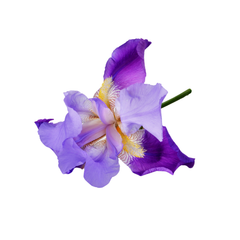
White Sandalwood has been a cornerstone of perfumery for centuries, serving as both a dominant note and a subtle bridge in numerous iconic compositions. Notable early uses include Guerlain Jicky (1889, Aimé Guerlain), where sandalwood provided a creamy, woody base for the pioneering fougère structure. Chanel Bois des Iles (1926, Ernest Beaux) elevated sandalwood to the heart of a floral-woody blend, pairing it with ylang-ylang and iris for a powdery, enveloping effect.
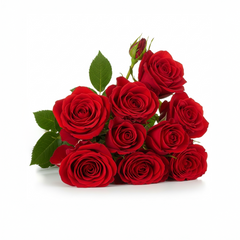
In contemporary perfumery, Goldfield & Banks White Sandalwood (2016, François Merle-Baudoin) exemplifies the modern Australian interpretation, combining white sandalwood with Turkish rose, saffron, thyme, pepper, and amber for a spicy, musky, and floral-woody profile. Le Labo Santal 33 (2011, Frank Voelkl) is a benchmark for synthetic sandalwood, using Javanol and Polysantol to create a clean, creamy, and persistent sandalwood accord that has become a signature of niche perfumery. Diptyque Tam Dao (2003, Daniel Molière) showcases the lactonic, meditative side of sandalwood, blending it with cypress and myrtle for a tranquil, milky woodiness.
Other significant examples include Tom Ford Santal Blush (2011, Yann Vasnier), which layers sandalwood with spices and florals for a spicy, creamy composition, and Guerlain Samsara (1989, Jean-Paul Guerlain), where natural Mysore sandalwood was originally used as a dominant, enveloping base. CA Perfume’s sandalwood collection draws inspiration from this lineage, offering both natural and synthetic interpretations that honor the note’s historical and contemporary significance.
Natural vs Synthetic White Sandalwood in Perfumery
Natural White Sandalwood oil is composed primarily of α-santalol (CAS 115-71-9) and β-santalol (CAS 115-72-0), which provide the creamy, woody, and slightly sweet scent profile. Synthetic alternatives include Javanol (CAS 199067-92-9), Polysantol (CAS 255639-12-6), and Ebanol (CAS 67801-20-1), each designed to mimic or amplify specific facets of sandalwood’s aroma. Javanol, for example, offers a powerful, radiant sandalwood note with exceptional tenacity and is widely used in modern perfumery for its stability and cost-effectiveness.
Performance-wise, synthetic sandalwood molecules often provide greater consistency, longer diffusion, and improved stability under light and heat compared to natural oil. However, they may lack the nuanced, multi-layered evolution of genuine Santalum album oil, which contains over 90 minor constituents contributing to its complexity. Cost is a major differentiator: natural sandalwood oil can exceed $6,000/kg, while synthetics are available at $50–200/kg, making them accessible for large-scale production and affordable fragrance lines.
Famous fragrances such as Le Labo Santal 33 (2011, perfumer Frank Voelkl) rely heavily on synthetic sandalwood molecules, while Guerlain Samsara (1989, Jean-Paul Guerlain) originally used natural Mysore sandalwood before reformulation. Sustainability and supply chain transparency are paramount; synthetic molecules reduce pressure on endangered wild populations, while plantation-grown sandalwood and HumanSafe™ verification platforms ensure traceability and ethical sourcing for natural oil. CA Perfume employs a hybrid approach, favoring HumanSafe™-verified sandalwood and high-purity synthetics to balance olfactory authenticity, safety, and environmental responsibility.