Ingredient Guide · Fruity Aquatic
Fruity Aquatic Family · Perfumery Note

Watermelon

A burst of summer in every spritz, engineered for uplifting freshness.

In perfumery, watermelon is a top note prized for its juicy, aqueous, and sweetly green character. Its signature scent is recreated through synthetic molecules like Calone and cis-3,6-nonadienal, with typical use at 0.1–1% of the formula for a crisp, refreshing effect.

Watermelon
Ingredient Profile

Watermelon

Fruity Aquatic Family
Family Fruity Aquatic
Note Position Base Note
Usage Level 0.1–1% in formula
Key Origins China, Turkey, United States
Iconic In D&G Anthology L'Imperatrice 3, Sorbetto Rosso
The Ingredient

What does Watermelon smell like and why is it so distinctive in perfumery?

Watermelon’s scent profile is defined by its juicy, aqueous, and sweetly green facets, closely mimicking the experience of biting into fresh fruit. The primary aroma molecules responsible are cis,cis-3,6-nonadienal (the so-called 'watermelon aldehyde'), ethyl butyrate, and Calone (methylbenzodioxepinone), which together create the illusion of the fruit’s watery, refreshing sweetness. Trace amounts of γ-terpinene and limonene add a subtle citrus lift, while 2,3-butanedione imparts a faint creamy nuance. These compounds are not extractable from the fruit itself in usable quantities, so the note is always a synthetic reconstruction. In perfumery, watermelon is classified as a top note due to its high volatility and immediate impact. It is typically dosed at 0.1–1% of the total formula, providing an instant burst of freshness that can be perceived within the first 5–20 minutes after application. Watermelon’s interaction with skin chemistry is notable: on acidic skin, it can lean more tart and green, while on alkaline skin, the sweetness and aquatic facets are amplified. Its volatility means it rarely persists into the drydown unless anchored by fixatives or heavier base notes. Watermelon in perfumery is showcased in fragrances such as Dolce & Gabbana D&G Anthology L'Imperatrice 3 (2009, perfumer Nathalie Lorson), where it forms the heart of a fruity-aquatic accord with kiwi and pink cyclamen, and Escada Sorbetto Rosso (2018), where watermelon is paired with praline and citrus for a sweet, summery effect. Guerlain Aqua Allegoria Flora Cherrysia (2019) also features watermelon as a key note, blending it with cherry blossom and pear for a delicate, watery floral impression.

0.1–1% in formula
Watermelon aroma chemicals are typically dosed at 0.1–1% of the total fragrance formula, as their high volatility and potency require careful balancing to avoid overpowering other notes.
2–3 hours
The watermelon note’s longevity on skin is limited to 2–3 hours, due to the rapid evaporation of key molecules like cis-3,6-nonadienal and Calone. Longevity can be extended with fixatives.
$50–400/kg
The cost of synthetic watermelon aroma chemicals ranges from $50/kg (Calone) to $400/kg (cis-3,6-nonadienal), making them accessible and sustainable compared to natural extracts.
Origin & Extraction

Where Watermelon Comes From — Origin & Extraction

Watermelon’s scent profile is influenced by the climate and soil of its growing regions, with sweetness and juiciness peaking in warm, sun-drenched environments. The synthetic note used in perfumery, however, is consistent regardless of agricultural origin.

Watermelon (Citrullus lanatus) is a member of the Cucurbitaceae family, originally domesticated in Africa and now cultivated globally, with China producing over 60% of the world’s supply (over 60 million metric tons annually). In perfumery, the fruit itself is not directly used, as it contains over 92% water and lacks the volatile oil content necessary for traditional extraction methods such as steam distillation or solvent extraction. Attempts to extract aroma from the rind or flesh yield negligible olfactory material. Instead, the watermelon note is synthesized in the laboratory. The defining molecule, cis,cis-3,6-nonadienal (CAS 557-48-2), is produced via chemical synthesis and has an extremely low odor threshold (0.2 ppb in water), making it highly potent. Other supporting molecules include Calone (CAS 28940-11-6), which provides an ozonic, marine freshness, and ethyl butyrate (CAS 105-54-4) for fruity sweetness. The cost of these synthetics is significantly lower than natural fruit extracts, with Calone priced around $50–100/kg and cis-3,6-nonadienal at $200–400/kg, compared to the impracticality of natural extraction. Sustainability is favorable, as synthetic production avoids agricultural resource use and does not impact biodiversity. No IFRA restrictions currently exist for the main watermelon aroma chemicals. The note’s synthetic nature ensures consistent quality and supply, with leading manufacturers based in Europe, the US, and Japan.

CN

China

China’s Xinjiang and Gansu provinces are the world’s largest watermelon producers, contributing over 60% of global output. The arid climate and fertile soil yield exceptionally sweet, crisp fruit, though in perfumery, the note is always synthetic.

TR

Turkey

The Adana region in southern Turkey is renowned for early-season watermelon harvests, with sandy soils and high temperatures producing fruit with high sugar content. Local varieties are celebrated at annual festivals.

US

United States

Florida and Texas lead US production, with sandy loam soils and long growing seasons. Watermelons from these states are known for their juiciness and are often featured in summer festivals, but are not used directly in perfumery.

BR

Brazil

Brazil’s São Paulo and Bahia regions produce watermelons with a high water content and mild flavor, favored for export. The warm, humid climate supports large-scale cultivation.

Chemistry

Natural vs Synthetic Watermelon in Perfumery

Natural extraction of watermelon aroma is not feasible, as the fruit’s high water content and lack of essential oil preclude traditional methods. All watermelon notes in perfumery are constructed from synthetic aroma chemicals. The primary molecules are cis,cis-3,6-nonadienal (CAS 557-48-2), Calone (CAS 28940-11-6), and ethyl butyrate (CAS 105-54-4). Calone, discovered by Pfizer in 1966, is especially important for imparting the aquatic, ozonic freshness associated with modern watermelon accords. Synthetic watermelon notes offer superior longevity, projection, and stability compared to any hypothetical natural extract. They are also more cost-effective, with prices ranging from $50–400/kg for the key molecules, versus the impracticality and expense of attempting natural extraction. Notable fragrances such as Dolce & Gabbana L'Imperatrice 3 and Escada Sorbetto Rosso rely exclusively on synthetic watermelon notes. From a sustainability perspective, synthetic production minimizes agricultural impact and ensures consistent supply. CA Perfume’s HumanSafe™ platform verifies the transparency and safety of all synthetic watermelon aroma chemicals used in its fragrances, ensuring regulatory compliance and consumer confidence.

Natural
Watermelon Absolute
Cost $3,000–6,000/kg
Method Solvent / CO₂
Character Complex, variable
vs
Synthetic
Safranal & Analogues
Cost $50–200/kg
Method Lab synthesis
Character Consistent, stable
Hall of Fame

Famous Fragrances That Define Watermelon in Perfumery

2009
dominant note

D&G Anthology L'Imperatrice 3

Dolce & Gabbana
by Nathalie Lorson
kiwipink cyclamenmusk
2018
dominant note

Sorbetto Rosso

Escada
citruspralinepear
2019
bridge note

Aqua Allegoria Flora Cherrysia

Guerlain
by Thierry Wasser
cherry blossompearmusk
2011
accent

Wild Bluebell

Jo Malone
by Christine Nagel
bluebellclovemusk
2015
dominant note

Watermelons

Shay & Blue London
honeysucklegreen notestea

Watermelon has become a signature note in contemporary perfumery, especially in fruity-aquatic and summer-themed compositions. Dolce & Gabbana D&G Anthology L'Imperatrice 3 (2009, Nathalie Lorson) is perhaps the most iconic, with watermelon forming the heart of a vibrant, juicy accord alongside kiwi and cyclamen. Escada Sorbetto Rosso (2018) uses watermelon as a dominant note, paired with citrus and praline for a sweet, refreshing effect. Guerlain Aqua Allegoria Flora Cherrysia (2019, Thierry Wasser) features watermelon blended with cherry blossom and pear, emphasizing its watery, delicate side. Jo Malone Wild Bluebell (2011, Christine Nagel) incorporates watermelon for a dewy, green freshness, while Shay & Blue London Watermelons (2015) focuses on a photorealistic, chilled watermelon effect with honeysuckle and green notes. These fragrances showcase watermelon as a bridge note, dominant note, or accent, often paired with florals, citrus, and musks to enhance its refreshing character. CA Perfume’s collection draws inspiration from this lineage, offering a range of watermelon-centered compositions for diverse preferences.

The Accord

How is a captivating Watermelon accord crafted?

A classic watermelon accord blends 25–30% watermelon (Calone/cis-3,6-nonadienal), 20–25% rose for floral lift, 20–25% citrus (bergamot or lemon) for brightness, and 25–30% white honey for creamy sweetness. Rose introduces damascenone, which bridges the green and fruity facets. Citrus provides high-volatility top notes, enhancing freshness. White honey adds lactonic depth, smoothing the transition from fruit to floral. The result is a balanced, photorealistic watermelon impression.

30%

Watermelon (Calone/cis-3,6-nonadienal)

25–30% of blend

Synthetic watermelon is the backbone, providing the juicy, watery, and green facets through Calone and cis-3,6-nonadienal. These molecules have extremely low odor thresholds and high volatility, defining the accord's freshness.

25%

Rose

20–25% of blend

Rose adds damascenone and β-damascenone, which bridge the fruity and floral aspects, enhancing the naturalistic sweetness and providing a seamless transition into the heart of the fragrance.

25%

Citrus (Bergamot/Lemon)

20–25% of blend

Citrus oils contribute limonene and citral, amplifying the top note’s brightness and volatility, and reinforcing the impression of freshly cut fruit.

30%

White Honey

25–30% of blend

White honey introduces lactones and aldehydes, which add creamy, rounded sweetness and extend the longevity of the otherwise fleeting watermelon note.

The Olfactory Layers

How Watermelon Evolves on Skin

Watermelon’s olfactory evolution is rapid, with high-volatility aldehydes and esters dominating the initial 0–15 minutes. As these evaporate, floral and musky notes emerge, followed by a subtle, creamy drydown anchored by fixatives.

I
Top notes
0–15 min
Juicy Burst

The opening is dominated by cis-3,6-nonadienal and Calone, which evaporate quickly to deliver a burst of juicy, watery freshness. Ethyl butyrate and γ-terpinene add fruity and citrusy nuances, creating an immediate impression of freshly sliced watermelon.

JuicyAqueousGreen
II
Heart notes
20–60 min
Dewy Florals

As the top notes dissipate, rose and subtle white florals emerge, supported by damascenone and β-ionone. These molecules provide a soft, dewy floralcy that blends seamlessly with the lingering fruitiness, while musks begin to anchor the composition.

FloralDewySoft
III
Base notes
Several hours
Creamy Musk

The drydown is subtle, with white honey and musky notes providing a creamy, slightly sweet finish. Trace lactones and cedarwood molecules extend the longevity, but the watermelon character is largely gone after 2–3 hours unless reinforced by fixatives.

CreamyMuskySubtle
TOP NOTES Juicy Burst 0–15 minutes HEART NOTES Dewy Florals 20–60 minutes BASE NOTES Creamy Musk Several hours
Through the Ages

The Story of Watermelon in Perfumery

Watermelon’s journey in perfumery is a modern story of synthetic innovation, from early marine notes to contemporary fruity-aquatic icons.

1966

Discovery of Calone

Pfizer chemists synthesize Calone (methylbenzodioxepinone), a molecule with a powerful marine and watermelon-like scent, laying the foundation for the future of aquatic and fruity accords.

1992

Rise of Aquatic Fragrances

Calone becomes a signature ingredient in the aquatic fragrance trend, with perfumes like L'Eau d'Issey (Issey Miyake) popularizing watery, melon-like top notes.

2009

D&G Anthology L'Imperatrice 3 Launch

Nathalie Lorson creates L'Imperatrice 3 for Dolce & Gabbana, making watermelon a mainstream note in fruity-aquatic perfumery.

2018

Escada Sorbetto Rosso Debuts

Escada introduces Sorbetto Rosso, with watermelon as the dominant note, paired with citrus and praline for a sweet, summer-centric profile.

2019

Guerlain Aqua Allegoria Flora Cherrysia

Thierry Wasser blends watermelon with cherry blossom and pear, showcasing the note’s versatility in modern floral-aquatic compositions.

The Art of Layering

How to Layer Watermelon

Understanding how to layer watermelon enhances its impact and longevity. The key is molecular compatibility: pairing with notes that share aldehydes, esters, or ozonic molecules amplifies freshness and prevents clashing. Here’s how to layer watermelon for different effects.

01

Enhance Freshness

Layer watermelon with citrus notes (bergamot, lemon) to amplify the top note’s brightness. Both share high-volatility molecules like limonene and citral, creating a seamless, sparkling effect. Dolce & Gabbana L'Imperatrice 3 demonstrates this synergy with kiwi and citrus.

02

Add Depth

Pair watermelon with musks or white woods to anchor its volatility. Musks provide a soft, skin-like base that extends the fruity freshness, while woods add subtle warmth. Guerlain Aqua Allegoria Flora Cherrysia uses musk and pear to round out the composition.

03

Soften Sweetness

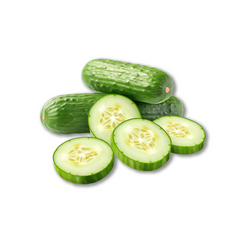
Combine watermelon with green notes (cucumber, violet leaf) or light florals (rose, jasmine) to balance sweetness and add complexity. The shared aldehydes and ionones create a dewy, naturalistic impression, as seen in Jo Malone Wild Bluebell.

Wear It Right

How to Wear Watermelon Like a Pro

Seasonal Guide

Fall & Winter

In cooler temperatures, watermelon’s projection is subdued as low ambient heat slows the evaporation of volatile aldehydes and esters. Apply to pulse points and layer with warmer notes like amber or sandalwood to extend longevity and add depth.

Spring

Spring’s moderate temperatures allow watermelon’s freshness to shine without overwhelming the senses. Pair with green or floral notes for a dewy, uplifting effect, and apply to moisturized skin for better diffusion.

Summer

Heat and humidity accelerate the evaporation of watermelon’s aroma molecules, maximizing projection and sillage. Apply sparingly to avoid overwhelming sweetness, and consider layering with citrus or aquatic notes for a crisp, cooling effect.

Year-Round Tip

To enjoy watermelon’s freshness year-round, layer with complementary notes that anchor its volatility, such as musks or light woods. Apply to hair or clothing for a longer-lasting impression, as fabric retains volatile molecules better than skin.

Application Points

Strategic application maximizes watermelon’s fleeting freshness and enhances projection.

1

Neck

Applying to the neck leverages body heat to release watermelon’s top notes quickly, creating an immediate burst of freshness. Ideal for first impressions or uplifting your mood.

2

Behind the Ears

This area is slightly cooler, allowing the volatile watermelon aroma to linger a bit longer. It also benefits from subtle diffusion as you move.

3

Inner Wrists

Pulse points on the wrists accelerate evaporation, intensifying the initial juicy burst. Reapply as needed to maintain the effect throughout the day.

4

Hair

Spraying on hair provides a gentle, sustained release of watermelon’s aroma as you move. Hair fibers trap volatile molecules, extending the note’s presence.

Pro Tip

Layer watermelon fragrances over an unscented moisturizer or matching body lotion to slow evaporation and enhance longevity. This technique anchors the fleeting top note.

Mood Architecture™

Top Watermelon Fragrances by Mood Score

These Watermelon-based fragrances scored highest on the MEI™ Mood Architecture Framework — measuring how a scent may influence your emotional state.

Highest MEI Score
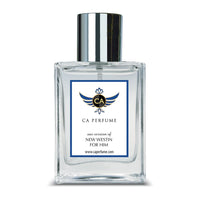
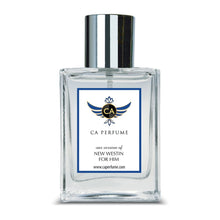
New Westin For Him — New West For Him Alternative Cologne
8.18
MEI™
Primary Magnetic
Secondary Confident
Confidence
8.74
Presence
9.44
Mood Lift
7.75
Identity
8.92
Warmth
8.29
Social Ease
7.34
Energy
5.6
" I am bold.
View full mood profile →
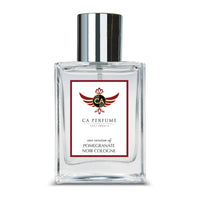
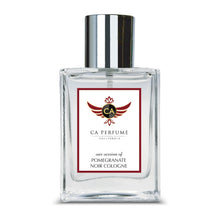
Pomegranate Noir Cologne — Jo Malone Pomegranate Noir Cologne Alternative Cologne
6.1
MEI™
Primary Grounding
Secondary Confident
Confidence
6.23
Presence
6.49
Mood Lift
6.11
Identity
6.3
Warmth
6.79
Social Ease
5.47
Energy
3.8
" I am enough.
View full mood profile →
HumanSafe™

Top Watermelon Fragrances by HumanSafe™ Score

These Watermelon-based fragrances have the highest product-level HumanSafe™ scores in this ingredient collection.

Highest HumanSafe™ Score
Pomegranate Noir Cologne — Jo Malone Pomegranate Noir Cologne Alternative Cologne
A-
HumanSafe™ Score Generally Safe
Safest Evaluated Ingredients EDP
AQUA Solvent / Carrier ISS 10.0
1,4-DIOXACYCLOHEPTADECANE-5,17-DIONE Evaluated ingredient ISS 10.0
4H-INDEN-4-ONE, 1,2,3,5,6,7-HEXAHYDRO-1,1,2,3,3- Evaluated ingredient ISS 9.0
ALCOHOL DENAT. Solvent / Carrier ISS 7.0
1,6-METHANONAPHTHALEN-1(2H)-OL, OCTAHYDRO- Evaluated ingredient ISS 7.0
1,3-BENZODIOXOLE-5-PROPANAL, .ALPHA.-METHYL- Evaluated ingredient ISS 7.0
View full safety profile →
New Westin For Him — New West For Him Alternative Cologne
A-
HumanSafe™ Score Generally Safe
Safest Evaluated Ingredients EDP
AQUA Solvent / Carrier ISS 10.0
3-CYCLOHEXENE-1-CARBOXALDEHYDE, 1-METHYL-4-(4- Evaluated ingredient ISS 10.0
7-OCTEN-2-OL, 2,6-DIMETHYL- CAT. 3 Evaluated ingredient ISS 9.0
BENZENEPROPANAL, 4-ETHYL-.ALPHA.,.ALPHA.-DIMETHYL- Evaluated ingredient ISS 8.0
LINALYL ACETATE Evaluated ingredient ISS 7.0
LINALOOL Evaluated ingredient ISS 7.0
View full safety profile →
Expert Voices

What Masters Say About Watermelon

Unlike some botanical ingredients that yield essential oils through distillation or extraction, watermelon presents a unique challenge to perfumers. The fruit's composition lacks the necessary components for traditional oil extraction. As a result, the sweet and refreshing aroma of watermelon cannot be captured through natural means.
Oo La Lab Editorial
Watermelon’s scent profile is defined by its juicy, aqueous, and sweetly green facets, closely mimicking the experience of biting into fresh fruit. In perfumery, this effect is achieved exclusively through synthetic molecules such as Calone and cis-3,6-nonadienal.
CA Perfume Editorial
Common Questions

Frequently Asked Questions

Answers to common questions about watermelon in perfumery.

In perfume, watermelon smells juicy, watery, and sweet, with a fresh, green undertone. The scent is created by synthetic molecules such as cis-3,6-nonadienal and Calone, which replicate the sensation of biting into chilled watermelon. It is instantly recognizable, highly volatile, and often paired with florals, citrus, or musks for added complexity. Notable examples include Dolce & Gabbana L'Imperatrice 3 and Escada Sorbetto Rosso.

Watermelon is used exclusively as a top note in perfumery due to its high volatility and immediate impact. Its aroma molecules evaporate quickly, providing a burst of freshness within the first 5–20 minutes after application. The note rarely persists into the heart or base unless anchored by fixatives or heavier supporting notes.

Watermelon is favored in niche perfumery for its ability to evoke summer, playfulness, and freshness. Its synthetic reconstruction allows perfumers to create photorealistic fruit effects not possible with natural extracts. Watermelon’s versatility enables it to bridge fruity, aquatic, and floral accords, making it a popular choice for innovative, modern compositions.

Watermelon fragrance uses often involve pairing with citrus (bergamot, lemon), green notes (cucumber, violet leaf), florals (rose, jasmine), and musks. These combinations enhance watermelon’s freshness, balance sweetness, and extend longevity. For example, Guerlain Aqua Allegoria Flora Cherrysia pairs watermelon with cherry blossom and pear for a delicate, watery effect.

Yes, watermelon perfumes are ideal for summer and hot weather. The note’s high volatility means it projects well in heat, delivering a cooling, refreshing sensation. However, rapid evaporation may require reapplication or layering with longer-lasting notes to maintain the effect throughout the day.

Watermelon fragrances typically last 2–3 hours on skin, as the key aroma molecules are highly volatile. Longevity can be extended by layering with musks, woods, or applying to hair and clothing. Oil-based formats may also help slow evaporation.

Yes, watermelon is excellent for layering. It pairs well with citrus, green, floral, and musky notes. Layering enhances freshness, adds complexity, and can extend longevity. For best results, choose fragrances with compatible top notes and apply to moisturized skin.

For beginners, Dolce & Gabbana L'Imperatrice 3, Escada Sorbetto Rosso, and Shay & Blue London Watermelons are highly recommended. These fragrances showcase watermelon’s juicy, fresh character in approachable, well-balanced compositions.

Consider your preferred style—whether you enjoy fruity, aquatic, or floral compositions. Review the scent pyramid and note pairings in each fragrance. CA Perfume’s collection offers a range of watermelon-centric options, all formulated with HumanSafe™ verified aroma chemicals for safety and transparency.

Watermelon in fragrance can lean either sweet or aquatic depending on the supporting notes. When paired with citrus and green notes, it emphasizes aquatic freshness; when combined with praline, honey, or musks, the sweetness is more pronounced. The balance is determined by the formula’s composition.

Fruity Aquatic Collection

Explore Our Top Watermelon Fragrances

Discover CA Perfume’s most popular watermelon-inspired scents, each crafted for maximum freshness and summer appeal.

Shop all watermelon fragrances at CA Perfume →

Where Watermelon Comes From — Origin & Extraction

Watermelon (Citrullus lanatus) is a member of the Cucurbitaceae family, originally domesticated in Africa and now cultivated globally, with China producing over 60% of the world’s supply (over 60 million metric tons annually). In perfumery, the fruit itself is not directly used, as it contains over 92% water and lacks the volatile oil content necessary for traditional extraction methods such as steam distillation or solvent extraction. Attempts to extract aroma from the rind or flesh yield negligible olfactory material. Instead, the watermelon note is synthesized in the laboratory. The defining molecule, cis,cis-3,6-nonadienal (CAS 557-48-2), is produced via chemical synthesis and has an extremely low odor threshold (0.2 ppb in water), making it highly potent. Other supporting molecules include Calone (CAS 28940-11-6), which provides an ozonic, marine freshness, and ethyl butyrate (CAS 105-54-4) for fruity sweetness. The cost of these synthetics is significantly lower than natural fruit extracts, with Calone priced around $50–100/kg and cis-3,6-nonadienal at $200–400/kg, compared to the impracticality of natural extraction. Sustainability is favorable, as synthetic production avoids agricultural resource use and does not impact biodiversity. No IFRA restrictions currently exist for the main watermelon aroma chemicals. The note’s synthetic nature ensures consistent quality and supply, with leading manufacturers based in Europe, the US, and Japan.

Famous Fragrances That Define Watermelon in Perfumery

Watermelon has become a signature note in contemporary perfumery, especially in fruity-aquatic and summer-themed compositions. Dolce & Gabbana D&G Anthology L'Imperatrice 3 (2009, Nathalie Lorson) is perhaps the most iconic, with watermelon forming the heart of a vibrant, juicy accord alongside kiwi and cyclamen. Escada Sorbetto Rosso (2018) uses watermelon as a dominant note, paired with citrus and praline for a sweet, refreshing effect. Guerlain Aqua Allegoria Flora Cherrysia (2019, Thierry Wasser) features watermelon blended with cherry blossom and pear, emphasizing its watery, delicate side. Jo Malone Wild Bluebell (2011, Christine Nagel) incorporates watermelon for a dewy, green freshness, while Shay & Blue London Watermelons (2015) focuses on a photorealistic, chilled watermelon effect with honeysuckle and green notes. These fragrances showcase watermelon as a bridge note, dominant note, or accent, often paired with florals, citrus, and musks to enhance its refreshing character. CA Perfume’s collection draws inspiration from this lineage, offering a range of watermelon-centered compositions for diverse preferences.

Natural vs Synthetic Watermelon in Perfumery

Natural extraction of watermelon aroma is not feasible, as the fruit’s high water content and lack of essential oil preclude traditional methods. All watermelon notes in perfumery are constructed from synthetic aroma chemicals. The primary molecules are cis,cis-3,6-nonadienal (CAS 557-48-2), Calone (CAS 28940-11-6), and ethyl butyrate (CAS 105-54-4). Calone, discovered by Pfizer in 1966, is especially important for imparting the aquatic, ozonic freshness associated with modern watermelon accords. Synthetic watermelon notes offer superior longevity, projection, and stability compared to any hypothetical natural extract. They are also more cost-effective, with prices ranging from $50–400/kg for the key molecules, versus the impracticality and expense of attempting natural extraction. Notable fragrances such as Dolce & Gabbana L'Imperatrice 3 and Escada Sorbetto Rosso rely exclusively on synthetic watermelon notes. From a sustainability perspective, synthetic production minimizes agricultural impact and ensures consistent supply. CA Perfume’s HumanSafe™ platform verifies the transparency and safety of all synthetic watermelon aroma chemicals used in its fragrances, ensuring regulatory compliance and consumer confidence.