Ingredient Guide · Fruity Green
Fruity Green Family · Perfumery Note

Cucumber

Aqueous freshness meets green clarity in modern perfumery.

Cucumber is a top note in perfumery, prized for its crisp, watery freshness and green clarity. Its defining scent comes from 2,6-nonadienal, used at 0.5–2% in compositions for a cooling, clean effect.

Cucumber
Ingredient Profile

Cucumber

Fruity Green Family
Family Fruity Green
Note Position Top Note
Usage Level 0.5–2% in formula
Key Origins China, United States, Turkey
Iconic In DKNY Be Delicious, Polo Blue
The Ingredient

What does Cucumber smell like and why is it significant in perfumery?

Cucumber (Cucumis sativus) in perfumery is defined by its crisp, aqueous, and green scent profile, largely attributed to the molecule 2(E),6(Z)-nonadienal. This unsaturated aldehyde is responsible for the instantly recognizable fresh-sliced cucumber aroma, characterized by a watery, slightly vegetal quality with a faint bitterness reminiscent of the rind and green snap. The scent is transparent, clean, and cooling, often described as evoking the sensation of freshly cut cucumber and pale juice, with subtle hints of wet seeds and a vegetal edge. This molecular signature is supported in compositions by green aldehydes, violet leaf, and airy musks to enhance diffusion and longevity. In perfumery, cucumber is almost exclusively used as a top note due to its high volatility and rapid evaporation rate. Typical concentrations range from 0.5% to 2% of the total formula, just enough to impart a pronounced freshness without dominating the composition. Its interaction with skin chemistry is subtle: on acidic skin, cucumber’s green facets are accentuated, while on alkaline skin, the watery and musky aspects become more prominent. The note is delicate and can fade quickly, so it is often reinforced with supporting notes such as violet leaf, lily of the valley, or green apple to prolong its presence in the opening of a fragrance. Cucumber in perfumery is exemplified in fragrances like DKNY Be Delicious (Donna Karan, 2004, perfumer Maurice Roucel), where it provides a crisp, juicy opening paired with apple and grapefruit, and in Jo Malone London Earl Grey & Cucumber (2011, perfumer Christine Nagel), where it brings a cooling, spa-like clarity to a tea-based composition. These examples highlight cucumber’s role in creating modern, refreshing, and clean scent profiles that are especially popular in summer and aquatic-themed fragrances.

0.5–2% in formula
Cucumber aldehyde is typically used at 0.5–2% of the total fragrance formula, balancing freshness with stability and preventing rapid dissipation.
15–30 minutes
The top note’s crisp freshness lasts 15–30 minutes on skin, after which supporting green and musky notes take over. Reapplication may be needed for sustained effect.
$150–400/kg
The cost of synthetic cucumber aldehyde is $150–400 per kg, making it accessible for large-scale use compared to the impractical cost of natural extraction.
Origin & Extraction

Where Cucumber Comes From — Origin & Extraction

Cucumber’s scent character is shaped by climate and soil: warm, sunny regions yield fruit with higher concentrations of 2,6-nonadienal, enhancing the crisp, green aroma prized in perfumery.

Cucumber (Cucumis sativus) is a member of the Cucurbitaceae family, cultivated for over 3,000 years with origins in the Indian subcontinent. Today, major producers include China (over 70% of global output), the United States (notably California and Florida), Turkey, and India. In perfumery, the note is rarely derived from direct extraction of the vegetable due to its high water content and low yield of volatile aroma compounds. When natural extraction is attempted, solvent extraction (using ethanol or hexane) or glycerite maceration is used, but yields are extremely low—often less than 0.01% by weight—and the resulting extract is unstable and prone to rapid oxidation. The characteristic cucumber scent in modern perfumery is primarily recreated using synthetic molecules, most notably 2(E),6(Z)-nonadienal (CAS 557-48-2), sometimes referred to as "cucumber aldehyde." This compound is produced via aldol condensation and subsequent isomerization in industrial settings, offering high purity and stability. The cost of synthetic cucumber aldehyde is approximately $150–400 per kg, while natural extraction is not commercially viable for large-scale fragrance production. Sustainability is enhanced by the use of synthetics, as it avoids agricultural resource use and waste. The first use of synthetic cucumber aldehyde in perfumery dates to the 1970s, with Firmenich and Givaudan among the earliest producers. Today, nearly all cucumber notes in fragrance are synthetic, ensuring consistency and minimizing environmental impact.

CN

China

Shandong province leads cucumber production, with loamy soils and moderate rainfall supporting high yields. Chinese cucumbers are known for their clean, watery aroma and account for over 70% of global output, though rarely used directly in perfumery.

US

United States

California and Florida produce cucumbers with a pronounced crispness due to sandy soils and long sunlight hours. US-grown cucumbers are favored for culinary and cosmetic extracts, with annual production exceeding 900,000 metric tons.

TR

Turkey

Aegean and Mediterranean regions yield cucumbers with lighter sweetness and delicate green notes, shaped by traditional open-field cultivation and moderate humidity. Turkey supplies over 2 million metric tons annually.

IN

India

Northern Indian states, especially Uttar Pradesh, produce cucumbers with a distinct watery crunch and fresh aroma, benefiting from alluvial soils and monsoon rainfall. India is a major global supplier, though most output is for food.

Chemistry

Natural vs Synthetic Cucumber in Perfumery

The natural scent of cucumber is fleeting and difficult to capture due to its high water content and low concentration of volatile compounds. As a result, perfumers rely on synthetic aroma chemicals to reproduce the cucumber note. The primary molecule is 2(E),6(Z)-nonadienal (CAS 557-48-2), which imparts the signature watery-green aroma. Other supporting molecules include cis-3-hexenol (CAS 928-96-1), which adds a leafy green nuance, and 2,6-nonadienol (CAS 557-48-2), which enhances the fresh, slightly fruity aspect. Synthetic cucumber notes offer superior stability, diffusion, and batch-to-batch consistency compared to natural extracts. They are more cost-effective, with prices ranging from $150–400/kg for the key aldehydes, compared to the impractical cost of natural extraction. Notable fragrances such as DKNY Be Delicious (Donna Karan, 2004) and Polo Blue (Ralph Lauren, 2003) use synthetic cucumber aldehyde for a crisp, modern freshness. Sustainability is improved through synthetics, as no agricultural land or water is required, and the carbon footprint is lower than for natural extraction. CA Perfume utilizes HumanSafe™ platform transparency to ensure all cucumber aroma chemicals are IFRA-compliant and traceable, prioritizing consumer safety and environmental responsibility.

Natural
Cucumber Absolute
Cost $3,000–6,000/kg
Method Solvent / CO₂
Character Complex, variable
vs
Synthetic
Safranal & Analogues
Cost $50–200/kg
Method Lab synthesis
Character Consistent, stable
Hall of Fame

Famous Fragrances That Define Cucumber in Perfumery

2004
dominant note

DKNY Be Delicious

Donna Karan
by Maurice Roucel
Green AppleGrapefruitMagnoliaVioletSandalwood
2003
accent

Polo Blue

Ralph Lauren
by Carlos Benaïm, Christophe Laudamiel
MelonBasilSuedeMusk
2000
bridge note

En Passant

Frédéric Malle
by Olivia Giacobetti
LilacWheatOrange BlossomWater Notes
2011
accent

Earl Grey & Cucumber

Jo Malone London
by Christine Nagel
BergamotTeaAngelicaMusk
2017
bridge note

Aqua Allegoria Rosa Verde

Guerlain
by Thierry Wasser
RoseCitrusGreen NotesMusk

Cucumber has become a hallmark of modern fresh and aquatic fragrances, often used to impart a cooling, green clarity. One of the most influential uses is in DKNY Be Delicious (Donna Karan, 2004, perfumer Maurice Roucel), where cucumber is paired with apple and grapefruit to create a crisp, juicy top note that defines the fragrance’s signature. Polo Blue (Ralph Lauren, 2003, perfumers Carlos Benaïm and Christophe Laudamiel) uses cucumber to add a fresh, aquatic dimension to a woody-aromatic structure, supporting melon and basil in the opening. In niche perfumery, En Passant (Frédéric Malle, 2000, perfumer Olivia Giacobetti) employs cucumber to evoke the sensation of lilac and spring rain, creating a dewy, transparent effect. Jo Malone London Earl Grey & Cucumber (2011, perfumer Christine Nagel) uses cucumber as a cooling accent to bergamot and tea, reinforcing the spa-like cleanliness and modern British character. Guerlain Aqua Allegoria Rosa Verde (2017, perfumer Thierry Wasser) features cucumber as a bridge note, linking rose and citrus for a refreshing, garden-inspired scent. These fragrances demonstrate cucumber’s versatility as both a dominant and supporting note, often paired with green apple, melon, violet leaf, and aquatic florals. CA Perfume’s collection draws inspiration from these landmark uses, offering modern interpretations of cucumber’s crisp, green freshness.

The Accord

How is a captivating Cucumber accord crafted?

A classic cucumber accord is built by blending 25–30% cucumber aldehyde (2,6-nonadienal) for watery freshness, 20–25% melon for sweet juiciness, 20–25% violet leaf for green metallic nuance, and 25–30% cashmere wood for a soft, diffusive base. Each ingredient is chosen for molecular synergy: melon’s lactones amplify cucumber’s fruitiness, violet leaf’s ionones reinforce green facets, and cashmere wood anchors the accord with subtle warmth.

30%

Cucumber Aldehyde

25–30% of blend

2,6-Nonadienal provides the signature watery-green, crisp freshness that defines the cucumber accord, diffusing rapidly for an immediate cooling effect.

25%

Melon

20–25% of blend

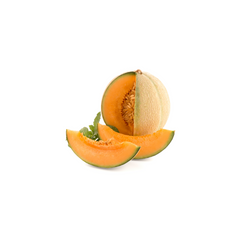
Melon’s lactones and aldehydes enhance the juicy, sweet aspect of cucumber, creating a seamless, summery freshness through shared green and fruity molecules.

25%

Violet Leaf

20–25% of blend

Violet leaf’s ionones and green aldehydes reinforce cucumber’s metallic-green nuance, extending its longevity and adding a dewy, vegetal edge.

30%

Cashmere Wood

25–30% of blend

Cashmere wood’s musky, soft base molecules stabilize volatile top notes, providing a gentle warmth and supporting cucumber’s airy, clean diffusion.

The Olfactory Layers

How Cucumber Evolves on Skin

Cucumber’s olfactory evolution begins with a burst of volatile aldehydes, transitions to green and floral nuances, and settles into a soft, musky base. The top note is fleeting, lasting 0–15 minutes, while supporting green and woody molecules extend freshness for up to an hour.

I
Top notes
0–15 min
Watery Green Burst

Cucumber aldehyde (2,6-nonadienal) dominates the opening, providing a sharp, watery-green freshness that diffuses rapidly. The initial impression is crisp, clean, and cooling, with subtle bitterness from the rind and a hint of metallic green from supporting aldehydes. This volatile phase is highly diffusive but fades quickly.

WateryGreenCrisp
II
Heart notes
20–60 min
Dewy Vegetal Clarity

As top notes evaporate, violet leaf and melon molecules emerge, imparting a dewy, slightly floral-green character. Ionones and cis-3-hexenol provide a soft, vegetal nuance, while subtle fruity facets add juiciness. The heart is transparent and airy, bridging the initial freshness with the base.

DewyFloral-greenJuicy
III
Base notes
Several hours
Soft Musky Drydown

The base is anchored by musks and soft woods such as cashmere wood, which stabilize the composition and provide a gentle, skin-like warmth. These heavier molecules extend the clean, airy impression, creating a subtle, lingering freshness that persists close to the skin.

MuskySoftSkin-like
TOP NOTES Watery Green Burst 0–15 minutes HEART NOTES Dewy Vegetal Clarity 20–60 minutes BASE NOTES Soft Musky Drydown Several hours
Through the Ages

The Story of Cucumber in Perfumery

Cucumber’s journey in perfumery spans from ancient cosmetic use to modern synthetic chemistry, shaping its role as a symbol of freshness and clarity.

Ancient Egypt

Cucumber in Early Cosmetics

Cucumber was cultivated for skin-soothing and hydrating properties in ancient Egypt, with documented use in facial creams and balms dating back over 3,000 years.

Middle Ages

Spread to Europe

Charlemagne introduced cucumber cultivation to France in the 9th century, where it became a staple in monastic gardens and later in European cuisine and herbal remedies.

18th Century

Cosmetic Ingredient in Europe

Cucumber extracts were used in face creams and lotions for their cooling effect, paving the way for its eventual adoption in perfumery.

1970s

Synthesis of Cucumber Aldehyde

Firmenich and Givaudan developed industrial synthesis of 2,6-nonadienal, enabling consistent, stable cucumber notes in modern fragrance compositions.

2000s–Present

Cucumber as a Modern Fragrance Note

Cucumber becomes a defining note in fresh and aquatic perfumes, exemplified by DKNY Be Delicious (2004) and Jo Malone London Earl Grey & Cucumber (2011), shaping a new era of clean, green scent profiles.

The Art of Layering

How to Layer Cucumber

Understanding how to layer cucumber is key to maximizing its impact. Layering cucumber with complementary notes leverages molecular compatibility for a balanced, long-lasting effect.

01

Enhance Green Freshness

Pair cucumber with violet leaf or galbanum to reinforce the green, vegetal aspect. Both share ionone and green aldehyde molecules, creating a seamless, dewy effect. DKNY Be Delicious demonstrates this synergy with apple and violet leaf.

02

Add Aquatic Depth

Layer cucumber with aquatic notes such as calone or water lily. Calone’s marine, ozonic molecules amplify cucumber’s watery freshness, as seen in Polo Blue (Ralph Lauren), where melon and aquatic accords extend the cooling sensation.

03

Soften with Musk and Woods

Combine cucumber with soft musks or cashmere wood to anchor its volatility and add warmth. Musks provide a skin-like base, while woods stabilize the top note, as in En Passant (Frédéric Malle) and Guerlain Aqua Allegoria Rosa Verde.

Wear It Right

How to Wear Cucumber Like a Pro

Seasonal Guide

Fall & Winter

Cooler temperatures suppress cucumber’s volatility, causing the note to sit closer to the skin and last slightly longer. Layer with woody or musky bases to enhance projection and create a clean, comforting effect suitable for indoor environments.

Spring

Moderate temperatures and rising humidity allow cucumber’s freshness to shine, making it ideal for transitional weather. Pair with green florals or citrus notes for a dewy, invigorating impression that complements the season’s renewal.

Summer

High heat accelerates evaporation, maximizing cucumber’s crisp, cooling effect but shortening its duration. Apply generously to pulse points and consider layering with aquatic or fruity notes to extend freshness throughout the day.

Year-Round Tip

For consistent performance, apply cucumber fragrances to moisturized skin and avoid direct sunlight exposure, which can degrade aldehydic molecules. Reapply as needed to maintain the refreshing top note.

Application Points

Strategic application enhances cucumber’s fleeting freshness. Focus on pulse points and layering for optimal diffusion.

1

Neck

The neck’s warmth accelerates evaporation, releasing cucumber’s crisp top note quickly for an immediate burst of freshness. Ideal for making a strong first impression.

2

Behind the Ears

This area diffuses scent subtly as body heat rises, extending the green, watery effect and allowing for a gentle, lingering freshness throughout the day.

3

Inner Wrists

Pulse points on the wrists amplify volatility, showcasing cucumber’s aldehydic brightness. Frequent movement helps project the scent, though reapplication may be needed.

4

Hair

Spraying on hair provides a slow, sustained release of cucumber’s freshness, as hair fibers trap volatile molecules and diffuse them gradually with movement.

Pro Tip

Layer cucumber fragrances with unscented moisturizer or a matching body lotion to prolong the top note’s lifespan and enhance overall projection.

Mood Architecture™

Top Cucumber Fragrances by Mood Score

These Cucumber-based fragrances scored highest on the MEI™ Mood Architecture Framework — measuring how a scent may influence your emotional state.

Highest MEI Score
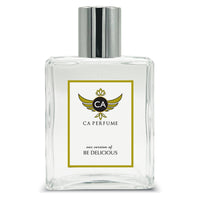
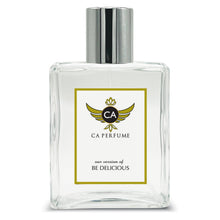
Be Delicious — Donna Karan Be Delicious Alternative Perfume
7.13
MEI™
Primary Romantic
Secondary Grounding
Confidence
6.19
Presence
6.52
Mood Lift
7.9
Identity
6.52
Warmth
8.75
Social Ease
7.31
Energy
4.2
" I am beautiful.
View full mood profile →
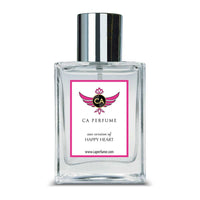
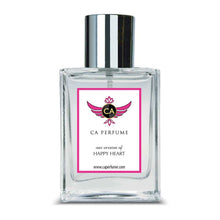
Happy Heart — Clinique Happy Heart Alternative Perfume
5.73
MEI™
Primary Fresh
Secondary Romantic
Confidence
5.12
Presence
5.25
Mood Lift
6.58
Identity
5.0
Warmth
5.94
Social Ease
6.21
Energy
3.6
" I am radiant.
View full mood profile →
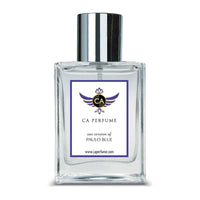
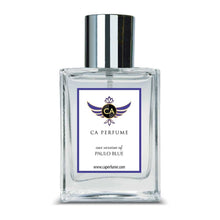
Paulo Blue — Polo Blue Alternative Cologne
5.69
MEI™
Primary Fresh
Secondary Romantic
Confidence
5.46
Presence
5.62
Mood Lift
6.0
Identity
5.34
Warmth
5.5
Social Ease
6.13
Energy
4.5
" I am radiant.
View full mood profile →
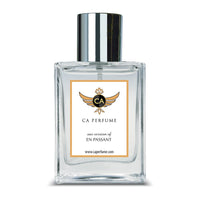
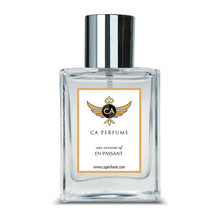
En Passant — Frederic Malle En Passant Alternative Perfume
5.11
MEI™
Primary Fresh
Secondary Romantic
Confidence
4.23
Presence
4.24
Mood Lift
6.02
Identity
4.33
Warmth
5.83
Social Ease
5.68
Energy
3.4
" I am radiant.
View full mood profile →
HumanSafe™

Top Cucumber Fragrances by HumanSafe™ Score

These Cucumber-based fragrances have the highest product-level HumanSafe™ scores in this ingredient collection.

Highest HumanSafe™ Score
Paulo Blue — Polo Blue Alternative Cologne
A-
HumanSafe™ Score Generally Safe
Safest Evaluated Ingredients EDP
AQUA Solvent / Carrier ISS 10.0
7-OCTEN-2-OL, 2,6-DIMETHYL- Evaluated ingredient ISS 9.0
3-BUTEN-2-ONE, 3-METHYL-4-(2,6,6-TRIMETHYL-2- Evaluated ingredient ISS 8.0
LINALYL ACETATE Evaluated ingredient ISS 7.0
LINALOOL Evaluated ingredient ISS 7.0
ALCOHOL DENAT. Solvent / Carrier ISS 7.0
View full safety profile →
Happy Heart — Clinique Happy Heart Alternative Perfume
A-
HumanSafe™ Score Generally Safe
Safest Evaluated Ingredients EDP
AQUA Solvent / Carrier ISS 10.0
BENZYL SALICYLATE EYE IRRITATION - CAT.2B [H320] Evaluated ingredient ISS 9.0
BENZENEPROPANAL, 4-METHOXY-.ALPHA.-METHYL- Evaluated ingredient ISS 9.0
3-HEXEN-1-OL, BENZOATE, (Z)- Evaluated ingredient ISS 9.0
OCTANAL, 2-(PHENYLMETHYLENE)- Evaluated ingredient ISS 8.0
LINALOOL Evaluated ingredient ISS 7.0
View full safety profile →
En Passant — Frederic Malle En Passant Alternative Perfume
A-
HumanSafe™ Score Generally Safe
Safest Evaluated Ingredients EDP
AQUA Solvent / Carrier ISS 10.0
BENZYL SALICYLATE Evaluated ingredient ISS 9.0
BENZENEPROPANAL, 4-METHOXY-.ALPHA.-METHYL- Evaluated ingredient ISS 9.0
AMBROXIDE Evaluated ingredient ISS 9.0
View full safety profile →
Be Delicious — Donna Karan Be Delicious Alternative Perfume
A-
HumanSafe™ Score Generally Safe
Safest Evaluated Ingredients EDP
AQUA Evaluated ingredient ISS 10.0
ZINC PCA Evaluated ingredient ISS 8.5
METHYL IONONES Evaluated ingredient ISS 8.5
2,6-DIMETHYL-7-OCTEN-2-OL Evaluated ingredient ISS 8.5
(2,5-DIMETHYL-2,3-DIHYDRO-1H-INDEN-2-YL)METHANOL Evaluated ingredient ISS 8.5
4-METHYL-3-DECEN-5-OL Evaluated ingredient ISS 8.0
View full safety profile →
Expert Voices

What Masters Say About Cucumber

Cucumber in perfumery is water with a green rind. It is crisp, cool, and clean, with that fresh-sliced brightness that feels almost transparent.
Fragrantica Editorial
Cucumber’s scent profile is defined by 2,6-nonadienal, which provides the signature watery-green freshness prized in modern fragrance.
CA Perfume Editorial
Common Questions

Frequently Asked Questions

Answers to common questions about cucumber in perfumery, from scent profile to layering and seasonal use.

Cucumber in perfume smells crisp, watery, and green, defined by the molecule 2,6-nonadienal. The scent evokes freshly sliced cucumber with a clean, cooling effect and a subtle vegetal bitterness from the rind. It is highly diffusive but fleeting, often lasting 15–30 minutes as a top note before transitioning to supporting green or musky notes. Notable examples include DKNY Be Delicious and Jo Malone London Earl Grey & Cucumber.

Cucumber is almost exclusively used as a top note in fragrance due to its high volatility and rapid evaporation. Its aldehydic molecules diffuse quickly, providing an immediate burst of freshness that defines the opening of a composition. After 15–30 minutes, the note fades, giving way to heart and base notes such as violet leaf, melon, or musk.

Cucumber is favored in niche perfumes for its ability to impart a unique, transparent freshness that is distinct from citrus or traditional green notes. Its clean, watery character creates a modern, spa-like effect and pairs well with florals, aquatics, and woods. Niche perfumers use cucumber to evoke clarity, lightness, and a sense of natural vitality, as seen in En Passant by Frédéric Malle and Aqua Allegoria Rosa Verde by Guerlain.

Cucumber fragrance uses often include pairing with violet leaf, melon, green apple, lily of the valley, and aquatic notes. These ingredients share green aldehydes and ionones, creating a seamless, dewy effect. Woods and musks can be added to anchor the freshness and extend longevity, while citrus notes enhance the crisp, clean impression.

Cucumber perfume is especially suitable for summer and hot weather due to its high volatility and cooling effect. Heat amplifies the diffusion of cucumber’s aldehydic molecules, providing an immediate, refreshing burst. However, the note’s fleeting nature means it may require reapplication or layering with aquatic and fruity notes to maintain freshness throughout the day.

Cucumber’s top note typically lasts 15–30 minutes on skin, after which supporting green, floral, or musky notes become more prominent. The overall longevity of a cucumber-based fragrance depends on the formula, but the initial crisp freshness is inherently short-lived due to the volatility of its key molecules.

Yes, cucumber can be layered with a variety of fragrances to enhance green, aquatic, or musky facets. For best results, pair with violet leaf, melon, or aquatic notes for a seamless, dewy effect, or with woods and musks to anchor the freshness. Layering with citrus or floral compositions can also amplify cucumber’s crisp, clean impression.

For beginners, DKNY Be Delicious (Donna Karan, 2004) offers a crisp, juicy cucumber note paired with apple and grapefruit. Jo Malone London Earl Grey & Cucumber (2011) provides a modern, spa-like freshness, while En Passant (Frédéric Malle, 2000) showcases cucumber’s dewy, transparent effect in a floral context. These fragrances are approachable and highlight cucumber’s versatility.

When choosing a cucumber fragrance at CA Perfume, consider the overall composition and desired effect. Look for blends that pair cucumber with green, aquatic, or fruity notes for maximum freshness, or with woods and musks for added warmth and longevity. Sampling different concentrations and layering options can help you find the ideal balance for your preferences and skin chemistry.

Cucumber in fragrance is primarily green and watery, with a subtle vegetal sweetness. The dominant impression is crisp and clean, with a faint bitterness from the rind and a dewy, refreshing quality. When paired with melon or green apple, the sweetness is accentuated, but the core character remains green and transparent.

Fruity Green Collection

Explore Our Top Cucumber Fragrances

Discover CA Perfume’s most popular cucumber-based scents, each crafted to showcase the note’s crisp, green freshness in both classic and modern compositions.

Shop all cucumber fragrances at CA Perfume →

Where Cucumber Comes From — Origin & Extraction

Cucumber (Cucumis sativus) is a member of the Cucurbitaceae family, cultivated for over 3,000 years with origins in the Indian subcontinent. Today, major producers include China (over 70% of global output), the United States (notably California and Florida), Turkey, and India. In perfumery, the note is rarely derived from direct extraction of the vegetable due to its high water content and low yield of volatile aroma compounds. When natural extraction is attempted, solvent extraction (using ethanol or hexane) or glycerite maceration is used, but yields are extremely low—often less than 0.01% by weight—and the resulting extract is unstable and prone to rapid oxidation. The characteristic cucumber scent in modern perfumery is primarily recreated using synthetic molecules, most notably 2(E),6(Z)-nonadienal (CAS 557-48-2), sometimes referred to as "cucumber aldehyde." This compound is produced via aldol condensation and subsequent isomerization in industrial settings, offering high purity and stability. The cost of synthetic cucumber aldehyde is approximately $150–400 per kg, while natural extraction is not commercially viable for large-scale fragrance production. Sustainability is enhanced by the use of synthetics, as it avoids agricultural resource use and waste. The first use of synthetic cucumber aldehyde in perfumery dates to the 1970s, with Firmenich and Givaudan among the earliest producers. Today, nearly all cucumber notes in fragrance are synthetic, ensuring consistency and minimizing environmental impact.

Famous Fragrances That Define Cucumber in Perfumery

Cucumber has become a hallmark of modern fresh and aquatic fragrances, often used to impart a cooling, green clarity. One of the most influential uses is in DKNY Be Delicious (Donna Karan, 2004, perfumer Maurice Roucel), where cucumber is paired with apple and grapefruit to create a crisp, juicy top note that defines the fragrance’s signature. Polo Blue (Ralph Lauren, 2003, perfumers Carlos Benaïm and Christophe Laudamiel) uses cucumber to add a fresh, aquatic dimension to a woody-aromatic structure, supporting melon and basil in the opening. In niche perfumery, En Passant (Frédéric Malle, 2000, perfumer Olivia Giacobetti) employs cucumber to evoke the sensation of lilac and spring rain, creating a dewy, transparent effect. Jo Malone London Earl Grey & Cucumber (2011, perfumer Christine Nagel) uses cucumber as a cooling accent to bergamot and tea, reinforcing the spa-like cleanliness and modern British character. Guerlain Aqua Allegoria Rosa Verde (2017, perfumer Thierry Wasser) features cucumber as a bridge note, linking rose and citrus for a refreshing, garden-inspired scent. These fragrances demonstrate cucumber’s versatility as both a dominant and supporting note, often paired with green apple, melon, violet leaf, and aquatic florals. CA Perfume’s collection draws inspiration from these landmark uses, offering modern interpretations of cucumber’s crisp, green freshness.

Natural vs Synthetic Cucumber in Perfumery

The natural scent of cucumber is fleeting and difficult to capture due to its high water content and low concentration of volatile compounds. As a result, perfumers rely on synthetic aroma chemicals to reproduce the cucumber note. The primary molecule is 2(E),6(Z)-nonadienal (CAS 557-48-2), which imparts the signature watery-green aroma. Other supporting molecules include cis-3-hexenol (CAS 928-96-1), which adds a leafy green nuance, and 2,6-nonadienol (CAS 557-48-2), which enhances the fresh, slightly fruity aspect. Synthetic cucumber notes offer superior stability, diffusion, and batch-to-batch consistency compared to natural extracts. They are more cost-effective, with prices ranging from $150–400/kg for the key aldehydes, compared to the impractical cost of natural extraction. Notable fragrances such as DKNY Be Delicious (Donna Karan, 2004) and Polo Blue (Ralph Lauren, 2003) use synthetic cucumber aldehyde for a crisp, modern freshness. Sustainability is improved through synthetics, as no agricultural land or water is required, and the carbon footprint is lower than for natural extraction. CA Perfume utilizes HumanSafe™ platform transparency to ensure all cucumber aroma chemicals are IFRA-compliant and traceable, prioritizing consumer safety and environmental responsibility.