Ingredient Guide · White Floral Aquatic
White Floral Aquatic Family · Perfumery Note

Water Jasmine

A dewy, clean floral with serene aquatic freshness.

Water Jasmine is a white floral heart note prized in perfumery for its fresh, aquatic, and subtly sweet aroma. Its defining quality is a translucent, airy floralcy, shaped by molecules like benzyl acetate and linalool, and typically used at 1–3% in compositions.

Water Jasmine
Ingredient Profile

Water Jasmine

White Floral Aquatic Family
Family White Floral Aquatic
Note Position Heart Note
Usage Level 1–3%
Key Origins Thailand, Indonesia, Japan
Iconic In Water Jasmine, Jasmine & Water Lily
The Ingredient

What does Water Jasmine smell like and why is it prized in perfumery?

Water Jasmine, often referencing the aquatic-leaning varieties of Jasminum species (notably Jasminum sambac and Jasminum grandiflorum), is celebrated in perfumery for its fresh, clean, and lightly sweet floral aroma. The scent profile is defined by molecules such as benzyl acetate (providing a sweet, fruity-floral note), linalool (imparting a gentle floral freshness), and indole (in trace amounts, adding a subtle depth). Unlike traditional jasmine, Water Jasmine is less indolic and more transparent, often described as dewy, aquatic, and reminiscent of morning air over water gardens. This unique character answers the question: what does Water Jasmine smell like? It is a delicate, serene floral with hints of green and watery nuances, making it highly sought after for modern, clean fragrance compositions. In perfumery, Water Jasmine is typically classified as a heart note, sitting at the core of the fragrance pyramid. Its concentration in formulas usually ranges from 1–3%, enough to impart a distinct floral freshness without overpowering other notes. Water Jasmine in perfumery is valued for its ability to bridge citrus top notes and musky or woody bases, enhancing the overall structure with an airy, uplifting effect. Its interaction with skin chemistry is notable—on warmer, more acidic skin, the aquatic and green facets become more pronounced, while on cooler or neutral skin, the sweetness and floralcy are more evident. Several fragrances exemplify the use of Water Jasmine. Marks & Spencer Water Jasmine (2020) features the note as a central theme, combining it with citrus, rose, and musk for a fresh, shower-clean impression. Acca Kappa Jasmine & Water Lily (2022) pairs Water Jasmine with water lily and bergamot, creating a serene, aquatic-floral heart. These examples illustrate Water Jasmine’s versatility and enduring appeal in contemporary perfumery.

800 kg
Approximately 800 kg of fresh jasmine flowers are needed to produce 1 kg of concrete, reflecting the labor-intensive nature of natural extraction.
$10,000–$15,000/kg
The cost of natural jasmine absolute, driving the widespread use of synthetic analogs for Water Jasmine effects in modern perfumery.
1–3%
Typical concentration of Water Jasmine in fragrance formulas, sufficient to impart a distinct aquatic floral character without overpowering other notes.
Origin & Extraction

Where Water Jasmine Comes From — Origin & Extraction

The scent character of Water Jasmine is shaped by its origin—humid, water-rich regions yield the freshest, most aquatic profiles. Soil, rainfall, and altitude all influence the aromatic balance.

Water Jasmine refers to the aquatic, dewy facets of jasmine species, primarily Jasminum sambac and Jasminum grandiflorum. These species are native to tropical and subtropical regions of Asia, including India, Thailand, Indonesia, and southern China. The plants thrive in humid, water-rich environments, which contribute to the fresh, clean scent profile associated with Water Jasmine in perfumery. Major producing countries include India (responsible for over 60% of global jasmine absolute production), Egypt, and China, with smaller but high-quality yields from southern France and Italy. Extraction of Water Jasmine’s scent is achieved primarily through solvent extraction, as the delicate flowers cannot withstand steam distillation without degrading key aroma compounds. The process involves harvesting flowers at dawn, followed by immediate extraction using solvents such as hexane or ethanol to produce a concrete, which is then further processed into an absolute. Modern techniques like supercritical CO2 extraction are increasingly used to preserve the most volatile, aquatic molecules. Yields are low—approximately 800 kg of fresh flowers are required to produce 1 kg of concrete, which yields about 600 g of absolute. The cost of natural jasmine absolute ranges from $10,000 to $15,000 per kg, while synthetic analogs (e.g., hedione, methyl dihydrojasmonate) cost $100–$500 per kg. Sustainability is a growing concern, as jasmine cultivation is labor-intensive and subject to environmental pressures. Water usage, pesticide application, and land management are monitored in major producing regions. Synthetic alternatives help reduce pressure on natural resources but may lack the full complexity of natural extracts. The discovery of hedione (methyl dihydrojasmonate, CAS 24851-98-7) by Firmenich in 1962 revolutionized aquatic jasmine accords, offering a sustainable, hypoallergenic, and highly diffusive option for modern perfumery.

TH

Thailand

In Thailand, Water Jasmine (Dok Mali Nam) thrives in tropical lowlands with high humidity and rich alluvial soils. The flowers are harvested at dawn, yielding a sun-kissed, vibrant aroma with pronounced aquatic facets. Thailand supplies a significant share of Southeast Asian jasmine for perfumery, with local cooperatives focusing on sustainable, pesticide-free cultivation.

ID

Indonesia

Indonesia’s wetlands, particularly in Java and Sumatra, produce Water Jasmine with a lush, dewy freshness. The volcanic soil and frequent rainfall result in a more intense, green-floral profile. Indonesia accounts for approximately 15% of global jasmine absolute production, with traditional hand-harvesting methods ensuring high quality.

JP

Japan

Japanese Water Jasmine, often used in ceremonial and artisanal perfumery, is cultivated in the humid river valleys of Kyushu and Shikoku. The flowers are prized for their subtlety and balance, with a delicate, almost tea-like aquatic note. Local standards emphasize purity and minimal intervention, resulting in a refined, tranquil scent.

IN

India

India remains the world’s largest producer of jasmine, particularly in Tamil Nadu and Karnataka. While most production focuses on Jasminum sambac, water-rich regions yield blossoms with enhanced freshness and clarity. Indian jasmine is known for its sweet, slightly fruity undertones and is a staple in both traditional and modern perfumery.

Chemistry

Natural vs Synthetic Water Jasmine in Perfumery

Natural Water Jasmine extracts are complex blends of hundreds of volatile compounds, including benzyl acetate, linalool, indole, and cis-jasmone. These provide a nuanced, evolving scent profile that is difficult to replicate fully with synthetics. However, natural jasmine absolute is costly ($10,000–$15,000/kg) and subject to batch variation due to climate and soil differences. Synthetic alternatives, such as hedione (methyl dihydrojasmonate, CAS 24851-98-7), jasmone (CAS 488-10-8), and cis-hexenyl salicylate (CAS 65405-77-8), are widely used to reproduce the fresh, watery, and floral qualities of Water Jasmine. These molecules offer consistency, stability, and hypoallergenic properties, making them suitable for large-scale production and for consumers with sensitivities to natural absolutes. Performance-wise, synthetics like hedione provide excellent diffusion and longevity, often outlasting natural jasmine on skin. Many contemporary fragrances, such as Dior Eau Sauvage (1966, Edmond Roudnitska), rely heavily on hedione for their luminous, airy floral heart. Natural jasmine is still favored in niche and luxury perfumery for its depth and complexity, as seen in Serge Lutens A La Nuit (2000). Sustainability considerations favor synthetics, as they reduce the environmental impact of large-scale flower harvesting. The HumanSafe™ platform ensures transparency in ingredient sourcing and allergen disclosure, allowing consumers to make informed choices about Water Jasmine in their fragrances.

Natural
Water Jasmine Absolute
Cost $3,000–6,000/kg
Method Solvent / CO₂
Character Complex, variable
vs
Synthetic
Safranal & Analogues
Cost $50–200/kg
Method Lab synthesis
Character Consistent, stable
Hall of Fame

Famous Fragrances That Define Water Jasmine in Perfumery

2020
dominant note

Water Jasmine

Marks & Spencer
LemonCedarRoseMuskAmber
2022
dominant note

Jasmine & Water Lily

Acca Kappa
Water LilyBergamotOsmanthusPeach BlossomDamask RoseVanillaMusk
2024
dominant note

Chanson d’Eau Jasmine

Coty
Green LeavesTuberoseVanillaMusk
2011
bridge note

Les Voyages Olfactifs 03 Paris-Tokyo

Guerlain
by Thierry Wasser
VioletAquatic NotesCitrus
2013
accent note

Inflorescence

Byredo
by Jérôme Epinette
RoseMagnoliaLily of the ValleyAquatic Notes

Water Jasmine, with its aquatic, dewy floralcy, has become a signature note in several landmark fragrances. Marks & Spencer Water Jasmine (2020) is a modern example, featuring Water Jasmine as the dominant note, paired with lemon, cedar, and musk for a fresh, clean impression. Acca Kappa Jasmine & Water Lily (2022) highlights Water Jasmine in combination with water lily, peach blossom, and bergamot, creating a serene, aquatic-floral heart. Coty Chanson d’Eau Jasmine (2024) blends Water Jasmine with green leaves, tuberose, vanilla, and musk, resulting in a fresh, soapy, and slightly sweet profile. Other notable fragrances include Guerlain Les Voyages Olfactifs 03 Paris-Tokyo (2011, Thierry Wasser), where Water Jasmine is paired with violet and aquatic notes for a dewy, transparent heart, and Byredo Inflorescence (2013, Jérôme Epinette), which uses a watery jasmine accord to evoke the feeling of spring blooms after rain. In niche perfumery, James Heeley Ophelia (2010) and Arquiste Flor y Canto (2012, Rodrigo Flores-Roux) showcase Water Jasmine’s versatility, blending it with green, aquatic, and white floral notes. CA Perfume’s collection draws inspiration from these iconic uses, offering Water Jasmine-centered compositions that balance aquatic freshness with floral depth, suitable for both modern and classic fragrance preferences.

The Accord

How is a captivating Water Jasmine accord crafted?

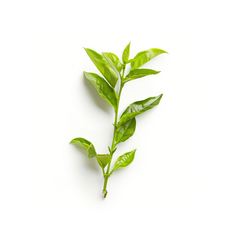
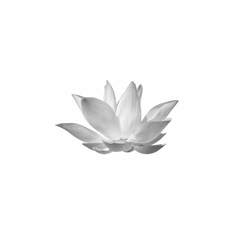
A Water Jasmine accord is built by blending 25–30% Water Jasmine absolute or synthetic analog, 20–25% green tea for crispness, 20–25% lotus for creamy aquatic depth, and 25–30% citrus (bergamot or lemon) for brightness. Each component is chosen for its molecular synergy: green tea (cis-3-hexenol) enhances freshness, lotus (lactones) adds creamy aquatic facets, and citrus (limonene, citral) lifts the floral heart.

30%

Water Jasmine

25–30% of blend

Provides the core aquatic-floral character via benzyl acetate and linalool, delivering a dewy, clean heart to the accord.

25%

Green Tea

20–25% of blend

Cis-3-hexenol and green tea lactones add crisp, leafy freshness, amplifying Water Jasmine’s clean, airy facets.

25%

Lotus

20–25% of blend

Lotus lactones and ionones contribute a creamy, watery nuance, reinforcing the aquatic dimension of Water Jasmine.

30%

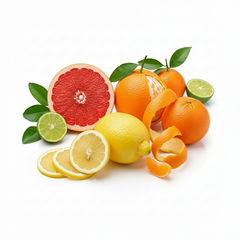
Citrus

25–30% of blend

Limonene and citral from bergamot or lemon introduce a zesty brightness, enhancing the overall freshness and lift of the accord.

The Olfactory Layers

How Water Jasmine Evolves on Skin

Water Jasmine’s olfactory evolution is marked by a rapid, airy opening (0–15 minutes) dominated by high-volatility molecules like linalool and cis-3-hexenol, transitioning to a lush, aquatic floral heart (20–60 minutes) as benzyl acetate and jasmone emerge. The base (several hours) is anchored by subtle musks and woody notes, with indole and lactones providing lingering depth.

I
Top notes
0–15 min
Dewy Freshness

The initial impression is fresh, dewy, and slightly green, driven by high-volatility compounds such as linalool and cis-3-hexenol. These molecules evaporate quickly, creating a sparkling, watery effect reminiscent of morning dew on jasmine petals. Citrus and green tea facets may also be present, amplifying the sense of cleanliness.

DewyGreenSparkling
II
Heart notes
20–60 min
Aquatic Floral Heart

The heart reveals the core Water Jasmine character: a translucent, aquatic floralcy shaped by benzyl acetate, jasmone, and lotus lactones. This stage is lush yet airy, with a seamless blend of floral and watery notes. The scent remains light and uplifting, avoiding the indolic heaviness of traditional jasmine.

Aquatic FloralAiryLuminous
III
Base notes
Several hours
Clean Musk Drydown

As the fragrance dries down, subtle musks and soft woods (often iso E super or cashmere wood) emerge, anchored by trace indole and lactones. The base is clean, slightly creamy, and persistent, providing a gentle foundation that extends the aquatic floral impression for hours.

Clean MuskSoft WoodSubtle Cream
TOP NOTES Dewy Freshness 0–15 minutes HEART NOTES Aquatic Floral Heart 20–60 minutes BASE NOTES Clean Musk Drydown Several hours
Through the Ages

The Story of Water Jasmine in Perfumery

Water Jasmine’s journey in perfumery spans from ancient Asian traditions to its modern role in aquatic-floral compositions.

Antiquity

Early Use in Asian Rituals

Jasmine blossoms, including aquatic varieties, are used in ceremonial garlands and temple offerings in India, Thailand, and Indonesia. Their association with purity and water is documented in Sanskrit and Thai texts.

19th Century

Introduction to European Perfumery

Jasmine absolute becomes a staple in French perfumery, with Grasse importing blossoms from Asia. Early attempts to capture the dewy, aquatic facets lay the groundwork for modern Water Jasmine accords.

1962

Discovery of Hedione

Dr. Edouard Demole at Firmenich isolates methyl dihydrojasmonate (hedione), revolutionizing the creation of luminous, watery jasmine effects in perfumery.

2011

Aquatic Jasmine in Niche Fragrance

Guerlain Les Voyages Olfactifs 03 Paris-Tokyo (Thierry Wasser) showcases Water Jasmine paired with aquatic and violet notes, influencing a new wave of aquatic-floral perfumes.

2020s

Mainstream Adoption of Water Jasmine

Water Jasmine becomes a popular note in both niche and mass-market fragrances, appearing in compositions by Marks & Spencer, Acca Kappa, and Coty, reflecting consumer demand for clean, fresh, and versatile florals.

The Art of Layering

How to Layer Water Jasmine

Understanding how to layer Water Jasmine involves pairing it with notes that share molecular affinities or create olfactory contrast. This approach ensures a harmonious, multidimensional scent profile and answers the question of how to layer Water Jasmine for maximum effect.

01

Enhance Freshness

Layer Water Jasmine with citrus notes (bergamot, lemon) to amplify its sparkling, dewy character. Both share high concentrations of limonene and linalool, which synergistically boost the clean, uplifting effect. Fragrances like Guerlain Les Voyages Olfactifs 03 Paris-Tokyo demonstrate this pairing, resulting in a vibrant, modern freshness.

02

Add Creamy Depth

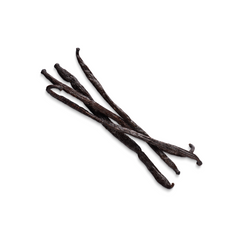
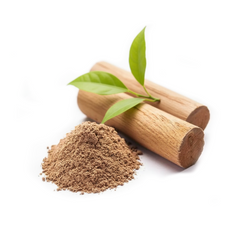
Pair Water Jasmine with vanilla or sandalwood to introduce a creamy, enveloping base. Vanillin and sandalwood lactones mask the sharper green facets of Water Jasmine, creating a smoother, more sensual drydown. Coty Chanson d’Eau Jasmine and Acca Kappa Jasmine & Water Lily illustrate this molecular interplay.

03

Amplify Florals

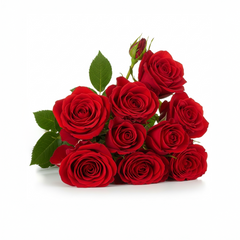
Combine Water Jasmine with other white florals (lotus, tuberose, gardenia) to create a lush, opulent bouquet. Shared floral molecules (benzyl acetate, methyl anthranilate) create a seamless transition between notes, enhancing overall complexity and longevity. Byredo Inflorescence uses this technique for a radiant, multi-floral heart.

Wear It Right

How to Wear Water Jasmine Like a Pro

Seasonal Guide

Fall & Winter

In cooler weather, Water Jasmine’s aquatic and green facets are subdued, allowing the creamy, musky base to become more prominent. Apply to pulse points and layer with woody or amber notes to enhance warmth and projection. Lower temperatures slow evaporation, resulting in a more intimate, skin-like scent.

Spring

Spring’s moderate temperatures and increased humidity amplify Water Jasmine’s dewy, floral freshness. The scent projects well and feels uplifting, making it ideal for daytime wear. Pair with green tea or citrus notes for a vibrant, seasonal effect.

Summer

High heat and humidity accelerate the volatility of Water Jasmine’s top notes, intensifying the aquatic, clean impression but shortening longevity. Apply lightly and consider layering with citrus or light musks for a refreshing, cooling effect. Reapply as needed to maintain freshness.

Year-Round Tip

For consistent performance, moisturize skin before application and avoid direct sunlight exposure, which can degrade delicate floral molecules. Water Jasmine’s versatility makes it suitable for both casual and formal occasions throughout the year.

Application Points

Strategic application enhances Water Jasmine’s projection and longevity.

1

Neck

Applying Water Jasmine to the neck maximizes sillage, as body heat from this pulse point accelerates evaporation of top notes, creating an immediate aura of freshness.

2

Behind the Ears

This area is slightly cooler, allowing the aquatic floral heart to develop more gradually and prolonging the scent’s evolution throughout the day.

3

Inner Wrists

The warmth and movement of the wrists help diffuse Water Jasmine’s luminous, dewy facets, making it ideal for subtle, personal enjoyment.

4

Hair

Spraying lightly on hair provides a gentle, long-lasting trail, as hair fibers retain volatile molecules and release them gradually with movement.

★

Pro Tip

Layer Water Jasmine over an unscented moisturizer to lock in moisture and extend the fragrance’s longevity, especially in dry or cold climates.

Mood Architecture™

Top Water Jasmine Fragrances by Mood Score

These Water Jasmine-based fragrances scored highest on the MEI™ Mood Architecture Framework — measuring how a scent may influence your emotional state.

Highest MEI Score
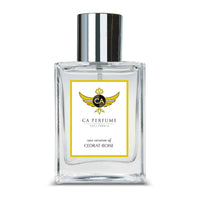
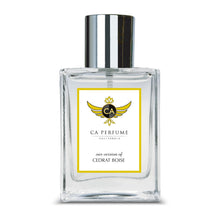
Cedrat Boise — Mancera Cedrat Boise Alternative Perfume
7.9
MEI™
Primary Romantic
Secondary Confident
Confidence
7.85
Presence
8.35
Mood Lift
8.01
Identity
7.96
Warmth
9.08
Social Ease
7.27
Energy
4.07
" I am beautiful.
View full mood profile →
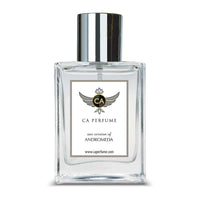
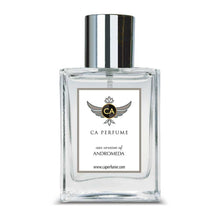
Andromeda — Tiziana Terenzi Andromeda Alternative Perfume
7.1
MEI™
Primary Romantic
Secondary Confident
Confidence
6.36
Presence
6.72
Mood Lift
7.85
Identity
6.7
Warmth
8.4
Social Ease
7.48
Energy
2.97
" I am beautiful.
View full mood profile →
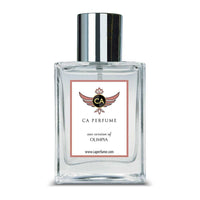
Olimpia — Olympea Alternative Perfume for Women
6.9
MEI™
Primary Romantic
Secondary Confident
Confidence
6.4
Presence
6.9
Mood Lift
6.9
Identity
6.78
Warmth
9.27
Social Ease
6.6
Energy
3.9
" I am beautiful.
View full mood profile →
HumanSafe™

Top Water Jasmine Fragrances by HumanSafe™ Score

These Water Jasmine-based fragrances have the highest product-level HumanSafe™ scores in this ingredient collection.

Highest HumanSafe™ Score
Olimpia — Olympea Alternative Perfume for Women
A-
HumanSafe™ Score Generally Safe
Safest Evaluated Ingredients EDP
AQUA Solvent / Carrier ISS 10.0
BENZYL SALICYLATE Evaluated ingredient ISS 9.0
BENZENEPROPANAL, 4-METHOXY-.ALPHA.-METHYL- Evaluated ingredient ISS 9.0
4H-INDEN-4-ONE, 1,2,3,5,6,7-HEXAHYDRO-1,1,2,3,3- Evaluated ingredient ISS 9.0
2,6-DI-TERT-BUTYL-P-CRESOL Evaluated ingredient ISS 8.0
LINALOOL Evaluated ingredient ISS 7.0
View full safety profile →
Cedrat Boise — Mancera Cedrat Boise Alternative Perfume
A-
HumanSafe™ Score Generally Safe
Safest Evaluated Ingredients EDP
AQUA Solvent / Carrier ISS 10.0
1H-3A,7-METHANOAZULEN-6-OL, OCTAHYDRO-3,6,8,8- Evaluated ingredient ISS 9.0
LINALYL ACETATE Evaluated ingredient ISS 7.0
LINALOOL Evaluated ingredient ISS 7.0
BENZOIC ACID, 2,4-DIHYDROXY-3,6-DIMETHYL-, METHYL Evaluated ingredient ISS 7.0
ALCOHOL DENAT. Solvent / Carrier ISS 7.0
View full safety profile →
Andromeda — Tiziana Terenzi Andromeda Alternative Perfume
A-
HumanSafe™ Score Generally Safe
Safest Evaluated Ingredients EDP
AQUA Solvent / Carrier ISS 10.0
1,4-DIOXACYCLOHEPTADECANE-5,17-DIONE Evaluated ingredient ISS 10.0
7-OCTEN-2-OL, 2,6-DIMETHYL- Evaluated ingredient ISS 9.0
3-CYCLOPENTENE-1-ACETALDEHYDE, 2,2,3-TRIMETHYL-, Evaluated ingredient ISS 9.0
LINALOOL Evaluated ingredient ISS 7.0
CYCLOHEXANEPROPANOL, 2,2,6-TRIMETHYL-.ALPHA.-PROPYL- Evaluated ingredient ISS 7.0
View full safety profile →
Expert Voices

What Masters Say About Water Jasmine

“
Water Jasmine offers a fresh, aquatic twist on the classic jasmine note, making it ideal for contemporary, clean fragrance compositions.
CA Perfume Editorial
“
Hedione, a synthetic jasmine molecule, revolutionized the way perfumers create luminous, watery floral effects—now a hallmark of modern Water Jasmine accords.
CA Perfume Editorial
Common Questions

Frequently Asked Questions

Frequently asked questions about Water Jasmine in perfumery.

Water Jasmine in perfume smells fresh, clean, and lightly sweet, with a dewy, aquatic floralcy that distinguishes it from traditional jasmine. The scent profile is shaped by molecules like benzyl acetate and linalool, resulting in a luminous, airy impression. It is less indolic and more transparent than classic jasmine, making it ideal for modern, clean fragrances.

Water Jasmine is typically used as a heart note in fragrance compositions. Its molecular weight and volatility position it between the fleeting freshness of top notes and the lasting depth of base notes. In most formulas, Water Jasmine appears after the initial citrus or green notes dissipate, forming the core of the scent’s evolution.

Water Jasmine is favored in niche perfumery for its versatility and ability to impart a modern, aquatic freshness. Its clean, dewy profile bridges the gap between floral and watery accords, allowing perfumers to create innovative, luminous fragrances that appeal to contemporary tastes. The use of advanced synthetics like hedione further enhances its appeal.

Water Jasmine fragrance uses often involve pairing it with green tea, lotus, citrus, rose, vanilla, and sandalwood. These notes share molecular affinities or provide olfactory contrast, enhancing Water Jasmine’s freshness, depth, or floral complexity. Citrus and green tea amplify its clean facets, while vanilla and sandalwood add creamy warmth.

Yes, Water Jasmine is particularly well-suited for summer and hot weather due to its light, aquatic, and refreshing character. The high volatility of its top notes creates an immediate cooling effect, while the floral heart remains uplifting and non-cloying. However, longevity may be reduced in high heat, so reapplication is recommended.

Water Jasmine fragrances generally last 4–6 hours in Eau de Parfum format, with the aquatic floral heart persisting after the top notes fade. Longevity is influenced by concentration, skin chemistry, and environmental factors. Oil-based formats and layering with fixatives can extend wear time.

Yes, Water Jasmine is highly layerable due to its clean, transparent profile. It pairs well with citrus, green, woody, and creamy notes, allowing for customized scent experiences. Layering techniques can enhance freshness, add depth, or amplify floralcy, depending on the chosen combinations.

Beginner-friendly Water Jasmine perfumes include Marks & Spencer Water Jasmine, Acca Kappa Jasmine & Water Lily, and Coty Chanson d’Eau Jasmine. These fragrances showcase the note’s aquatic floral character in approachable, balanced compositions, making them ideal entry points for those new to this ingredient.

To choose the right Water Jasmine fragrance at CA Perfume, consider your preferred scent profile—whether you favor fresh, green, creamy, or floral accents. Explore the collection’s descriptions for note pairings and concentration levels, and use layering tips to customize your experience. Sampling is recommended to find your ideal match.

Water Jasmine balances both sweet and aquatic facets. The initial impression is fresh and watery, while the heart reveals a gentle sweetness from benzyl acetate and jasmone. The overall effect is luminous and clean, with neither aspect overwhelming the other, making it suitable for a wide range of fragrance styles.

White Floral Aquatic Collection

Explore Our Top Water Jasmine Fragrances

Discover CA Perfume’s most-loved Water Jasmine scents, each crafted to highlight the note’s aquatic floral beauty and versatility.

Shop all water jasmine fragrances at CA Perfume →

Where Water Jasmine Comes From — Origin & Extraction

Water Jasmine refers to the aquatic, dewy facets of jasmine species, primarily Jasminum sambac and Jasminum grandiflorum. These species are native to tropical and subtropical regions of Asia, including India, Thailand, Indonesia, and southern China. The plants thrive in humid, water-rich environments, which contribute to the fresh, clean scent profile associated with Water Jasmine in perfumery. Major producing countries include India (responsible for over 60% of global jasmine absolute production), Egypt, and China, with smaller but high-quality yields from southern France and Italy. Extraction of Water Jasmine’s scent is achieved primarily through solvent extraction, as the delicate flowers cannot withstand steam distillation without degrading key aroma compounds. The process involves harvesting flowers at dawn, followed by immediate extraction using solvents such as hexane or ethanol to produce a concrete, which is then further processed into an absolute. Modern techniques like supercritical CO2 extraction are increasingly used to preserve the most volatile, aquatic molecules. Yields are low—approximately 800 kg of fresh flowers are required to produce 1 kg of concrete, which yields about 600 g of absolute. The cost of natural jasmine absolute ranges from $10,000 to $15,000 per kg, while synthetic analogs (e.g., hedione, methyl dihydrojasmonate) cost $100–$500 per kg. Sustainability is a growing concern, as jasmine cultivation is labor-intensive and subject to environmental pressures. Water usage, pesticide application, and land management are monitored in major producing regions. Synthetic alternatives help reduce pressure on natural resources but may lack the full complexity of natural extracts. The discovery of hedione (methyl dihydrojasmonate, CAS 24851-98-7) by Firmenich in 1962 revolutionized aquatic jasmine accords, offering a sustainable, hypoallergenic, and highly diffusive option for modern perfumery.

Famous Fragrances That Define Water Jasmine in Perfumery

Water Jasmine, with its aquatic, dewy floralcy, has become a signature note in several landmark fragrances. Marks & Spencer Water Jasmine (2020) is a modern example, featuring Water Jasmine as the dominant note, paired with lemon, cedar, and musk for a fresh, clean impression. Acca Kappa Jasmine & Water Lily (2022) highlights Water Jasmine in combination with water lily, peach blossom, and bergamot, creating a serene, aquatic-floral heart. Coty Chanson d’Eau Jasmine (2024) blends Water Jasmine with green leaves, tuberose, vanilla, and musk, resulting in a fresh, soapy, and slightly sweet profile. Other notable fragrances include Guerlain Les Voyages Olfactifs 03 Paris-Tokyo (2011, Thierry Wasser), where Water Jasmine is paired with violet and aquatic notes for a dewy, transparent heart, and Byredo Inflorescence (2013, Jérôme Epinette), which uses a watery jasmine accord to evoke the feeling of spring blooms after rain. In niche perfumery, James Heeley Ophelia (2010) and Arquiste Flor y Canto (2012, Rodrigo Flores-Roux) showcase Water Jasmine’s versatility, blending it with green, aquatic, and white floral notes. CA Perfume’s collection draws inspiration from these iconic uses, offering Water Jasmine-centered compositions that balance aquatic freshness with floral depth, suitable for both modern and classic fragrance preferences.

Natural vs Synthetic Water Jasmine in Perfumery

Natural Water Jasmine extracts are complex blends of hundreds of volatile compounds, including benzyl acetate, linalool, indole, and cis-jasmone. These provide a nuanced, evolving scent profile that is difficult to replicate fully with synthetics. However, natural jasmine absolute is costly ($10,000–$15,000/kg) and subject to batch variation due to climate and soil differences. Synthetic alternatives, such as hedione (methyl dihydrojasmonate, CAS 24851-98-7), jasmone (CAS 488-10-8), and cis-hexenyl salicylate (CAS 65405-77-8), are widely used to reproduce the fresh, watery, and floral qualities of Water Jasmine. These molecules offer consistency, stability, and hypoallergenic properties, making them suitable for large-scale production and for consumers with sensitivities to natural absolutes. Performance-wise, synthetics like hedione provide excellent diffusion and longevity, often outlasting natural jasmine on skin. Many contemporary fragrances, such as Dior Eau Sauvage (1966, Edmond Roudnitska), rely heavily on hedione for their luminous, airy floral heart. Natural jasmine is still favored in niche and luxury perfumery for its depth and complexity, as seen in Serge Lutens A La Nuit (2000). Sustainability considerations favor synthetics, as they reduce the environmental impact of large-scale flower harvesting. The HumanSafe™ platform ensures transparency in ingredient sourcing and allergen disclosure, allowing consumers to make informed choices about Water Jasmine in their fragrances.