Ingredient Guide · Floral
Floral Family · Perfumery Note

Water Hyacinth

Delicate blooms with crisp, green aquatic freshness

Water Hyacinth is a floating aquatic flower prized in perfumery for its light, fresh floral character and crisp green aquatic nuances. Its scent profile combines subtle lilac floral notes with refreshing watery overtones, often used at low concentrations to brighten aquatic and floral compositions.

Water Hyacinth
Ingredient Profile

Water Hyacinth

Floral Family
Family Floral
Note Position Heart Note
Usage Level <5%
Key Origins Brazil, Egypt, India
Iconic In Malachite Special Edition, Malachite
The Ingredient

What does Water Hyacinth smell like and why is it unique in perfumery?

Water Hyacinth (Eichhornia crassipes) is a floating aquatic plant known for its clusters of lilac blooms and delicate scent. Its fragrance profile is light and refreshing, combining subtle floral notes with crisp, green aquatic overtones. The key aromatic impression is a green floral with watery nuances, less intense than traditional hyacinth but distinct for its fresh, airy character. This note is prized for evoking tranquil waterside atmospheres. In perfumery, Water Hyacinth is primarily used as a heart or middle note, typically at concentrations below 5%, where it acts as a brightening element in aquatic and floral accords. Its volatile compounds include green aldehydes and light floral esters that contribute to its crispness and freshness. On skin, it interacts with body chemistry to enhance a sensation of coolness and clarity, making it ideal for spring and summer fragrances. Notable fragrances featuring Water Hyacinth include Banana Republic's Malachite Special Edition (2011), where it complements sandalwood and peony to create a fresh floral woody scent, and Neela Vermeire Creations' Ashoka, which uses Water Hyacinth to add airy green nuances alongside incense and musk. These examples illustrate Water Hyacinth's role in adding aquatic brightness and floral delicacy in modern perfumery.

<5%
Typical concentration of Water Hyacinth absolute in fragrance formulations to maintain balance without overpowering.
4–6 Hours
Average longevity of Water Hyacinth-based perfumes on skin, influenced by formulation and supporting notes.
0.13–0.23%
Extraction yield range of Water Hyacinth concrete from fresh flowers using solvent extraction methods.
Origin & Extraction

Where Water Hyacinth Comes From — Origin & Extraction

Water Hyacinth's scent nuances are influenced by its geographic origins, where soil, climate, and aquatic ecosystems shape its aromatic profile. Tropical and subtropical regions with nutrient-rich waterways produce flowers with vibrant floral and aquatic notes.

Water Hyacinth (Eichhornia crassipes), belonging to the Pontederiaceae family, is native to the Amazon basin in South America. It is widely distributed today across tropical, subtropical, and warm temperate regions worldwide due to its rapid growth and adaptability. Major natural populations exist in Brazil's Amazon waterways, Egypt's Nile River, and Indian wetlands such as those in Kerala. The plant produces dense mats on water surfaces, with flowers growing on spikes up to 50 cm tall, featuring six mauve or purple lobes with a distinctive yellow patch. The flowers open synchronously at night and wither by the next day. Extraction of Water Hyacinth fragrance is typically achieved through solvent extraction methods, yielding concrete and absolute forms. The delicate floral and aquatic notes are preserved by avoiding high heat processes like steam distillation, which can degrade key odorants. Yields are low due to the plant's high water content and delicate flowers, making natural extracts relatively costly. Synthetic aroma chemicals are often used to replicate Water Hyacinth's scent due to extraction challenges. The natural absolute costs range significantly higher than synthetics, reflecting labor intensity and yield constraints. Sustainability concerns arise from the plant's invasive nature in some regions, prompting controlled harvesting practices to balance ecological impact.

BR

Brazil

In the Amazon basin, Water Hyacinth thrives in nutrient-rich waterways, producing flowers with vibrant lilac hues and a fresh, opulent floral essence. Brazil is a major natural source, contributing significantly to the global supply used in perfumery.

EG

Egypt

Along the Nile River, Water Hyacinth grows in calm waters, imparting a delicate aquatic floral scent with subtle green freshness. Its presence in Egyptian waterways adds a tranquil character to the note's aromatic profile.

IN

India

In Indian wetlands, especially Kerala, Water Hyacinth blooms abundantly, combining freshness with floral grace. The tropical climate and wetland soils influence the note’s crisp aquatic and gentle floral nuances.

Chemistry

Natural vs Synthetic Water Hyacinth in Perfumery

Natural Water Hyacinth absolute is extracted via solvent extraction or supercritical CO2 methods, preserving its delicate aquatic floral character. The yield is low, typically below 0.2%, and the cost ranges from $3,000 to $6,000 per kilogram. The natural extract contains complex mixtures of green aldehydes, floral esters, and aquatic lactones, which provide its nuanced freshness. Synthetic alternatives use aroma chemicals such as cis-3-Hexenol (CAS 928-96-1), ethyl 2-methylbutyrate, and hydroxycitronellal to mimic the green, watery, and floral facets of Water Hyacinth. These synthetics offer consistent quality, greater stability, and cost between $50 and $200 per kilogram. Performance-wise, natural extracts offer a more complex and variable scent profile but can be less stable and have shorter longevity. Synthetics provide reliable diffusion and longer-lasting freshness but may lack some of the subtle nuances of the natural note. Famous fragrances such as Banana Republic's Malachite Special Edition use natural Water Hyacinth, while others incorporate synthetic versions for cost-effectiveness and supply stability. The HumanSafe™ platform ensures transparency in ingredient sourcing and safety for both natural and synthetic forms.

Natural
Water Hyacinth Absolute
Cost $3,000–6,000/kg
Method Solvent / CO₂
Character Complex, variable
vs
Synthetic
Safranal & Analogues
Cost $50–200/kg
Method Lab synthesis
Character Consistent, stable
Hall of Fame

Famous Fragrances That Define Water Hyacinth in Perfumery

2011
heart note

Malachite Special Edition

Banana Republic
sandalwoodpeony
2007
heart note

Malachite

Banana Republic
muskpeppervanillagreen mango
—
accent note

Ashoka

Neela Vermeire Creations
incensemusk
2012
supporting note

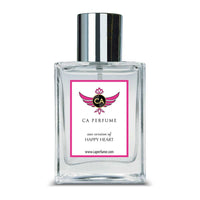
Happy Heart

Clinique
fruityfloral
—
supporting note

Hugo Woman

Hugo Boss
floralcitrus
—
accent note

Wicked Love

Maison Martin Margiela
woodymusky

Water Hyacinth has been featured in a variety of notable fragrances, where it contributes fresh, aquatic floral nuances that enhance the overall composition. Banana Republic's Malachite Special Edition (2011) uses Water Hyacinth as a bright floral heart note paired with sandalwood and peony, creating a balanced woody-floral scent. The predecessor, Malachite (2007), also highlights Water Hyacinth alongside musk, vanilla, and green mango for a fresh yet warm effect. Neela Vermeire Creations' Ashoka incorporates Water Hyacinth to add airy, green freshness that contrasts with incense and musk base notes, producing a light yet complex fragrance. Clinique Happy Heart (2012) features Water Hyacinth as a supporting note, blending it with fruity and floral accords to evoke a vibrant, youthful character. Hugo Boss's Hugo Woman uses Water Hyacinth to complement its floral and citrus elements, enhancing the fragrance's crispness. Maison Martin Margiela's Wicked Love employs Water Hyacinth to introduce a watery floral brightness that contrasts with deeper woody and musky notes. These fragrances illustrate Water Hyacinth's versatility in perfumery, from dominant heart notes to subtle accents, contributing to fresh, aquatic, and floral fragrance profiles. CA Perfume's collection draws inspiration from this lineage, emphasizing natural freshness and aquatic elegance.

The Accord

How is a captivating Water Hyacinth accord crafted?

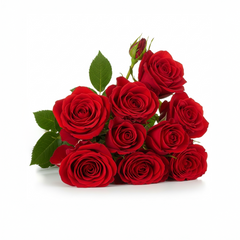
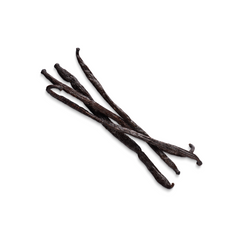
A Water Hyacinth accord is constructed by blending the light, airy floral qualities of the flower with fresh green and aquatic elements that evoke natural watery environments. Complementary ingredients are chosen for their molecular compatibility and olfactory synergy, creating a balanced and harmonious fragrance. Water Hyacinth (30-35%) provides the delicate floral and aquatic heart. Rose (20-25%) adds lush floral depth and shares phenylacetaldehyde compounds that enhance floral continuity. Vanilla (15-20%) contributes creamy sweetness, softening the crispness through vanillin's olfactory masking. White Honey (15-20%) introduces velvety sweetness that accentuates floral nuances. Benzoin (10-15%) offers a warm, balsamic base that deepens the accord and evokes natural resinous warmth.

35%

Water Hyacinth

30–35% of blend

Provides the core delicate floral and aquatic character with crisp green nuances essential for the accord's freshness.

25%

Rose

20–25% of blend

Adds lush floral depth and shares phenylacetaldehyde compounds that create a seamless molecular bridge with Water Hyacinth.

20%

Vanilla

15–20% of blend

Contributes creamy sweetness that softens Water Hyacinth’s crispness through vanillin’s olfactory masking effect.

20%

White Honey

15–20% of blend

Introduces velvety sweetness that accentuates the light floral character, enriching the accord’s overall richness.

15%

Benzoin

10–15% of blend

Provides a warm, balsamic base that deepens the accord and evokes the soothing aspects of natural resinous warmth.

The Olfactory Layers

How Water Hyacinth Evolves on Skin

Water Hyacinth’s olfactory journey unfolds from a fresh, bright aquatic opening to a soft floral heart and a subtle, warm base. The initial evaporation of high-volatility green aldehydes and aquatic lactones creates a crisp, watery impression, which transitions into the delicate floral esters of the heart. The base notes provide a gentle balsamic warmth that anchors the scent.

I
Top notes
0–15 min
Crisp Aquatic Freshness

The opening is characterized by high-volatility green aldehydes and aquatic lactones, producing a crisp, watery freshness with subtle hints of cucumber and lilac. These molecules evaporate quickly, delivering an immediate sensation of coolness and clarity.

FreshAquaticGreen
II
Heart notes
20–60 min
Delicate Floral Bouquet

The heart reveals delicate floral esters and green nuances that soften the initial freshness into a gentle lilac floral bouquet with watery undertones. These mid-volatility compounds sustain the airy, light floral character.

FloralDelicateAiry
III
Base notes
Several hours
Warm Balsamic Softness

Base notes consist of warm, balsamic resins and soft vanillin derivatives that provide subtle depth and longevity. These low-volatility molecules anchor the fragrance, offering a smooth, comforting finish.

WarmBalsamicSoft
TOP NOTES Crisp Aquatic Freshness 0–15 minutes HEART NOTES Delicate Floral Bouquet 20–60 minutes BASE NOTES Warm Balsamic Softness Several hours
Through the Ages

The Story of Water Hyacinth in Perfumery

Water Hyacinth’s journey in perfumery reflects its botanical origins and evolving extraction techniques, from early natural harvesting to modern synthetic recreations.

1879-1882

Introduction to Africa

Water Hyacinth was introduced into Africa through Egypt, spreading rapidly along the Nile River and establishing itself in aquatic ecosystems.

Early 1900s

Initial Extraction Methods

Early perfumery extraction of aquatic floral notes began, though Water Hyacinth itself was rarely isolated due to extraction challenges.

1920s

Wild Hyacinth Extraction in France

Wild hyacinth flowers were extracted in South France using enfleurage and solvent methods, producing concrete and absolute oils with fresh floral profiles.

Late 20th Century

Synthetic Aroma Chemicals Developed

Synthetic compounds mimicking Water Hyacinth’s aquatic floral scent were developed, enabling cost-effective and stable fragrance formulations.

2010s-2020s

Modern Perfumery Usage

Water Hyacinth gained popularity as a brightening note in aquatic and floral perfumes, featured in fragrances like Banana Republic’s Malachite Special Edition and Neela Vermeire’s Ashoka.

The Art of Layering

How to Layer Water Hyacinth

Understanding how to layer Water Hyacinth involves molecular compatibility and olfactory synergy. Its green aldehydes and aquatic lactones blend well with citrus top notes that share similar volatile profiles, enhancing brightness. Floral notes like rose and jasmine share phenylacetaldehyde compounds, creating a seamless floral bridge. Vanilla’s vanillin masks Water Hyacinth’s metallic edges, softening the scent through olfactory masking. Layering with white honey adds velvety sweetness that complements the aquatic freshness. These combinations optimize the note’s clarity and longevity.

01

Enhance Freshness with Citrus

Pairing Water Hyacinth with bergamot or lemon introduces complementary volatile terpenes that amplify brightness and crispness, creating a vibrant opening as seen in aquatic floral perfumes.

02

Add Floral Depth with Rose

Rose shares phenylacetaldehyde with Water Hyacinth, providing a molecular bridge that enriches the floral heart without overpowering the aquatic freshness, exemplified in many springtime fragrances.

03

Soften with Vanilla and White Honey

Vanilla’s vanillin and white honey’s sugars mask sharp edges and add creamy sweetness, balancing Water Hyacinth’s crispness and extending wear, a technique used in accords like Banana Republic’s Malachite.

Wear It Right

How to Wear Water Hyacinth Like a Pro

Seasonal Guide

Fall & Winter

Cooler temperatures reduce volatility, muting Water Hyacinth’s fresh aquatic facets. Layering with warm woods or resins enhances longevity and adds depth. Apply more generously on pulse points to boost projection.

Spring

Ideal season for Water Hyacinth’s fresh, floral aquatic character. Moderate temperatures allow balanced diffusion, highlighting its crisp and delicate nuances. Light application suits daytime wear.

Summer

Heat increases volatility, intensifying the note’s fresh aquatic facets but shortening longevity. Use lighter sprays and reapply as needed. Layer with citrus or light musks to maintain freshness.

Year-Round Tip

Combine Water Hyacinth with creamy or warm base notes like vanilla or benzoin to extend wear and add complexity regardless of season.

Application Points

Strategic application enhances Water Hyacinth’s fresh aquatic character and longevity.

1

Neck

Pulse points like the neck emit heat that activates Water Hyacinth’s volatile green aldehydes and aquatic lactones, enhancing freshness and projection.

2

Behind the Ears

This warm area helps diffuse the delicate floral facets subtly, allowing the note to unfold naturally throughout the day.

3

Inner Wrists

Ideal for controlled diffusion; the warmth here releases the note’s crisp aquatic and floral nuances steadily.

4

Hair

Hair fibers hold fragrance molecules longer, providing a soft, lingering aquatic floral trail with every movement.

★

Pro Tip

Layer Water Hyacinth with complementary citrus or musk scents on clothing for enhanced sillage and lasting freshness.

Mood Architecture™

Top Water Hyacinth Fragrances by Mood Score

These Water Hyacinth-based fragrances scored highest on the MEI™ Mood Architecture Framework — measuring how a scent may influence your emotional state.

Highest MEI Score
Happy Heart — Clinique Happy Heart Alternative Perfume
5.5
MEI™
Primary Fresh
Secondary Romantic
Confidence
4.72
Presence
4.74
Mood Lift
6.58
Identity
4.73
Warmth
5.76
Social Ease
6.21
Energy
3.56
" I am radiant.
View full mood profile →
HumanSafe™

Top Water Hyacinth Fragrances by HumanSafe™ Score

These Water Hyacinth-based fragrances have the highest product-level HumanSafe™ scores in this ingredient collection.

Highest HumanSafe™ Score
Happy Heart — Clinique Happy Heart Alternative Perfume
A-
HumanSafe™ Score Generally Safe
Safest Evaluated Ingredients EDP
AQUA Solvent / Carrier ISS 10.0
BENZYL SALICYLATE EYE IRRITATION - CAT.2B [H320] Evaluated ingredient ISS 9.0
BENZENEPROPANAL, 4-METHOXY-.ALPHA.-METHYL- Evaluated ingredient ISS 9.0
3-HEXEN-1-OL, BENZOATE, (Z)- Evaluated ingredient ISS 9.0
1H-3A,7-METHANOAZULENE, OCTAHYDRO-6-METHOXY- Evaluated ingredient ISS 9.0
OCTANAL, 2-(PHENYLMETHYLENE)- Evaluated ingredient ISS 8.0
View full safety profile →
Expert Voices

What Masters Say About Water Hyacinth

“
Water Hyacinth’s fragrance profile is light and refreshing, combining subtle floral notes with crisp, green overtones. It acts as a brightening note that adds dimension to aquatic and floral compositions.
CA Perfume Editorial
“
The Water Hyacinth accord is thoughtfully constructed by harmonizing the light, airy qualities of the flower with fresh, green elements that mirror a natural aquatic atmosphere.
CA Perfume Editorial
Common Questions

Frequently Asked Questions

Common questions about Water Hyacinth in perfumery answered with detailed insights.

Water Hyacinth in perfume smells light, fresh, and aquatic with subtle lilac floral notes and crisp green overtones. It evokes a watery, serene atmosphere reminiscent of tranquil waterways. This note is often used in spring and summer fragrances to add brightness and a delicate floral aquatic character, as seen in Banana Republic’s Malachite Special Edition and Neela Vermeire Creations’ Ashoka.

Water Hyacinth is typically used as a heart or middle note in fragrances. Its fresh aquatic and floral nuances provide a brightening effect that supports both top and base notes, but it is not usually a dominant top or base note due to its delicate nature and volatility.

Water Hyacinth is favored in niche perfumery for its unique combination of fresh aquatic and delicate floral characteristics, which add complexity and brightness to compositions. Its ability to evoke serene waterside environments and freshness makes it a versatile ingredient for creating sophisticated, uplifting scents.

Water Hyacinth fragrance uses often pair it with rose and jasmine for floral depth, vanilla and white honey for creamy sweetness, and benzoin or sandalwood for warm balsamic bases. Citrus notes like bergamot enhance its brightness, while musk adds softness and longevity.

Yes, Water Hyacinth’s fresh, aquatic profile makes it ideal for summer and hot weather. Its crisp, watery notes provide a cooling effect, and when blended with light florals or citrus, it creates refreshing fragrances perfect for warm climates.

Water Hyacinth-based fragrances typically last 4 to 6 hours on the skin. Longevity depends on formulation and supporting notes, with fixatives like musk or benzoin extending wear time.

Yes, layering Water Hyacinth with complementary notes such as citrus for brightness, rose for floral richness, or vanilla for sweetness can enhance its character and create personalized scent combinations.

Beginner-friendly Water Hyacinth perfumes include Banana Republic’s Malachite Special Edition for its balanced floral-woody profile and Clinique Happy Heart for a fresh, youthful floral blend. These offer accessible introductions to the note’s aquatic floral charm.

Choosing the right Water Hyacinth fragrance involves considering your preference for aquatic freshness versus floral richness. Explore blends that balance Water Hyacinth with complementary notes like vanilla or musk for warmth, and sample fragrances to find your ideal intensity and longevity.

Water Hyacinth primarily smells fresh, aquatic, and floral with subtle green and slightly sweet undertones. It is not inherently spicy but can be combined with spicy notes like pepper or cardamom in complex compositions.

Floral Collection

Explore Our Top Water Hyacinth Fragrances

Discover fresh, aquatic floral scents featuring Water Hyacinth in our curated selection of popular perfumes.

Shop all water hyacinth fragrances at CA Perfume →

Where Water Hyacinth Comes From — Origin & Extraction

Water Hyacinth (Eichhornia crassipes), belonging to the Pontederiaceae family, is native to the Amazon basin in South America. It is widely distributed today across tropical, subtropical, and warm temperate regions worldwide due to its rapid growth and adaptability. Major natural populations exist in Brazil's Amazon waterways, Egypt's Nile River, and Indian wetlands such as those in Kerala. The plant produces dense mats on water surfaces, with flowers growing on spikes up to 50 cm tall, featuring six mauve or purple lobes with a distinctive yellow patch. The flowers open synchronously at night and wither by the next day. Extraction of Water Hyacinth fragrance is typically achieved through solvent extraction methods, yielding concrete and absolute forms. The delicate floral and aquatic notes are preserved by avoiding high heat processes like steam distillation, which can degrade key odorants. Yields are low due to the plant's high water content and delicate flowers, making natural extracts relatively costly. Synthetic aroma chemicals are often used to replicate Water Hyacinth's scent due to extraction challenges. The natural absolute costs range significantly higher than synthetics, reflecting labor intensity and yield constraints. Sustainability concerns arise from the plant's invasive nature in some regions, prompting controlled harvesting practices to balance ecological impact.

Famous Fragrances That Define Water Hyacinth in Perfumery

Water Hyacinth has been featured in a variety of notable fragrances, where it contributes fresh, aquatic floral nuances that enhance the overall composition. Banana Republic's Malachite Special Edition (2011) uses Water Hyacinth as a bright floral heart note paired with sandalwood and peony, creating a balanced woody-floral scent. The predecessor, Malachite (2007), also highlights Water Hyacinth alongside musk, vanilla, and green mango for a fresh yet warm effect. Neela Vermeire Creations' Ashoka incorporates Water Hyacinth to add airy, green freshness that contrasts with incense and musk base notes, producing a light yet complex fragrance. Clinique Happy Heart (2012) features Water Hyacinth as a supporting note, blending it with fruity and floral accords to evoke a vibrant, youthful character. Hugo Boss's Hugo Woman uses Water Hyacinth to complement its floral and citrus elements, enhancing the fragrance's crispness. Maison Martin Margiela's Wicked Love employs Water Hyacinth to introduce a watery floral brightness that contrasts with deeper woody and musky notes. These fragrances illustrate Water Hyacinth's versatility in perfumery, from dominant heart notes to subtle accents, contributing to fresh, aquatic, and floral fragrance profiles. CA Perfume's collection draws inspiration from this lineage, emphasizing natural freshness and aquatic elegance.

Natural vs Synthetic Water Hyacinth in Perfumery

Natural Water Hyacinth absolute is extracted via solvent extraction or supercritical CO2 methods, preserving its delicate aquatic floral character. The yield is low, typically below 0.2%, and the cost ranges from $3,000 to $6,000 per kilogram. The natural extract contains complex mixtures of green aldehydes, floral esters, and aquatic lactones, which provide its nuanced freshness. Synthetic alternatives use aroma chemicals such as cis-3-Hexenol (CAS 928-96-1), ethyl 2-methylbutyrate, and hydroxycitronellal to mimic the green, watery, and floral facets of Water Hyacinth. These synthetics offer consistent quality, greater stability, and cost between $50 and $200 per kilogram. Performance-wise, natural extracts offer a more complex and variable scent profile but can be less stable and have shorter longevity. Synthetics provide reliable diffusion and longer-lasting freshness but may lack some of the subtle nuances of the natural note. Famous fragrances such as Banana Republic's Malachite Special Edition use natural Water Hyacinth, while others incorporate synthetic versions for cost-effectiveness and supply stability. The HumanSafe™ platform ensures transparency in ingredient sourcing and safety for both natural and synthetic forms.