Ingredient Guide · Gourmand
Gourmand Family · Perfumery Note

Sugar Cane

A sunlit note of fresh-cut sweetness and green vibrancy.

Sugar cane is a heart note in perfumery, prized for its syrupy, green sweetness and nostalgic, uplifting character. Its defining quality comes from its complex blend of sweet aldehydes and green facets, with typical usage below 3% in a composition.

Sugar Cane
Ingredient Profile

Sugar Cane

Gourmand Family
Family Gourmand
Note Position Heart Note
Usage Level <3%
Key Origins Brazil, India, Philippines
Iconic In Sugar Cane, Idole de Lubin
The Ingredient

What does Sugar Cane smell like and why is it significant in perfumery?

Sugar cane (Saccharum officinarum) is a tropical grass whose sap yields a fragrance note celebrated for its vivid, syrupy sweetness and subtle green undertones. What does sugar cane smell like? The sugar cane scent profile is defined by a blend of sweet, juicy, and slightly grassy facets, often described as reminiscent of fresh sugar syrup, crushed stalks, and a hint of almond or marzipan. This olfactory character is primarily due to a mix of volatile aldehydes, minor lactones, and green alcohols present in the sap, with trace amounts of vanillin and coumarin-like molecules contributing to its creamy, gourmand nuance. In perfumery, sugar cane in perfumery is not a single molecule but a complex natural extract, with sugar cane absolute or sugar cane accord capturing the multi-layered sweetness and vegetal freshness. In fragrance compositions, sugar cane is typically classified as a heart note, though it can also appear in the top for an immediate burst of sweetness. Usage concentrations are generally below 3%, as its intensity can easily dominate a blend. Sugar cane interacts with skin chemistry by amplifying sweet and green facets on warmer, more acidic skin, while on drier or more alkaline skin, it can lean toward powdery or nutty nuances. Its volatility is moderate, allowing it to bridge the transition from sparkling top notes to creamy or woody bases, making it a versatile tool for perfumers seeking to evoke nostalgia, warmth, or a summery mood. Several contemporary fragrances showcase sugar cane’s unique profile. Demeter Fragrance Library’s Sugar Cane (2003) offers a linear, photorealistic interpretation with pronounced sweet-almond and green notes. In Idole de Lubin (2005, Olivia Giacobetti), sugar cane is woven into a spicy-woody structure, paired with rum, saffron, and exotic resins, creating a lush, tropical heart. More recently, Menahra’s Sugar Cane (2024) blends sugarcane juice with jasmine and lemon balm for a fresh, uplifting effect, while DSH Perfumes’ Flor de Cana (2024) uses sugar cane to evoke Caribbean warmth. These examples illustrate sugar cane in perfumery as both a nostalgic gourmand note and a modern, versatile ingredient.

<3%
Sugar cane absolute is typically used at concentrations below 3% in fragrance formulas, as its sweetness can easily dominate a blend.
5–7 Hours
Sugar cane-based fragrances generally last 5–7 hours on skin, with longevity extended when anchored by warm base notes such as benzoin or vanilla.
0.1–0.3%
Typical extraction yield of sugar cane absolute from fresh stalks is 0.1–0.3% by weight, reflecting the rarity and cost of the natural material.
Origin & Extraction

Where Sugar Cane Comes From — Origin & Extraction

Sugar cane’s scent character is shaped by the terroir of its origin—sunlight, rainfall, and soil minerals all influence the aromatic profile, from Brazil’s lush, juicy canes to India’s warm, spicy strains.

Sugar cane (Saccharum officinarum) is a perennial grass native to Southeast Asia and New Guinea, now cultivated extensively in tropical and subtropical regions worldwide. Brazil leads global production, accounting for over 35% of the world’s supply (approximately 750 million metric tons annually), followed by India (20%, ~400 million metric tons) and the Philippines (about 2%, ~30 million metric tons). In perfumery, the ingredient is sourced primarily from these regions, with each origin imparting subtle differences in aromatic profile due to variations in soil, climate, and cane variety. Extraction of sugar cane for fragrance use typically involves solvent extraction (using ethanol or hexane) or supercritical CO₂ extraction of the pressed stalks and sap. The process operates at low temperatures (below 40°C) to preserve volatile aldehydes and green alcohols, with yields averaging 0.1–0.3% of the fresh weight. Sugar cane absolute is a rare and costly material, priced between $3,000–6,000 per kilogram due to the large biomass required and the labor-intensive extraction. By contrast, synthetic analogues (such as ethyl maltol, vanillin, and green aldehydes) cost $50–200/kg and offer greater consistency. Sustainability is a key consideration: modern sugar cane agriculture in Brazil and India increasingly adopts mechanized harvesting and crop rotation to reduce environmental impact. However, water usage and land conversion remain concerns. Certified organic sugar cane alcohol is also used as a clean carrier in natural perfumery, providing a plant-based, biodegradable alternative to petroleum-derived solvents. The choice between natural and synthetic sugar cane notes often balances cost, olfactory complexity, and environmental footprint.

BR

Brazil

The São Paulo region produces over 35% of global sugar cane. Rich volcanic soils and high rainfall yield canes with a juicy, intensely sweet aroma and subtle green freshness. Mechanized harvesting and organic practices are increasingly common, with Brazil setting global sustainability standards.

IN

India

Uttar Pradesh and Maharashtra are leading producers. Indian sugar cane is noted for its warm, slightly spicy scent, influenced by alluvial soils and monsoon climate. India supplies about 20% of the world’s cane, with traditional hand-cutting still prevalent in many regions.

PH

Philippines

Negros Island is the heart of Philippine sugar cane, known for its bright, clean sweetness and tropical freshness. The region’s volcanic soil and humid climate foster canes with a lighter, more refreshing aromatic profile. The Philippines accounts for about 2% of global production.

ID

Indonesia

Java and Sumatra produce distinctive sugar cane with a slightly earthy, green character, shaped by volcanic soils and equatorial rainfall. Indonesian cane is often used for local spirits and traditional perfumery.

Chemistry

Natural vs Synthetic Sugar Cane in Perfumery

Natural sugar cane absolute is produced via solvent extraction or supercritical CO₂ extraction from Saccharum officinarum stalks. Its composition is complex, containing a mixture of sweet aldehydes (such as 2-methylbutanal), green alcohols (hexenol, hexanal), minor lactones, and trace vanillin. The absolute is prized for its nuanced, evolving sweetness but is costly ($3,000–6,000/kg) and variable in quality due to agricultural factors. Synthetic sugar cane notes are constructed from aroma chemicals such as ethyl maltol (CAS 118-71-8), vanillin (CAS 121-33-5), and green aldehydes like cis-3-hexenol (CAS 928-96-1). These molecules provide a consistent, stable, and cost-effective alternative ($50–200/kg), with enhanced longevity and diffusion. Synthetic blends can be tailored to emphasize specific facets—syrupy, nutty, or grassy—depending on the desired effect. Many modern gourmand and fruity fragrances rely on these synthetics for their reliability and IFRA-compliant safety profile. Famous fragrances such as Demeter Sugar Cane and DSH Perfumes Flor de Cana use natural extracts for authenticity, while larger commercial releases often employ synthetic accords for scalability. Sustainability is improved with synthetics, reducing agricultural land use and water consumption. CA Perfume’s HumanSafe™ platform transparently documents ingredient sourcing and safety, ensuring all sugar cane notes—natural or synthetic—are fully traceable and IFRA-compliant.

Natural
Sugar Cane Absolute
Cost $3,000–6,000/kg
Method Solvent / CO₂
Character Complex, variable
vs
Synthetic
Safranal & Analogues
Cost $50–200/kg
Method Lab synthesis
Character Consistent, stable
Hall of Fame

Famous Fragrances That Define Sugar Cane in Perfumery

2003
dominant note

Sugar Cane

Demeter Fragrance Library
almondgreen notes
2005
bridge note

Idole de Lubin

Lubin
by Olivia Giacobetti
rumsaffronresins
2007
accent

Fleur de Canne à Sucre

Ligne St Barth
vanillacoconut
2015
supporting note

Al Contrario

Tiziana Terenzi
hazelnutcacaovanilla
2024
dominant note

Sugar Cane

Menahra
jasminelemon balm
2024
accent

Flor de Cana

DSH Perfumes
tropical fruitswoods

Sugar cane has appeared in a variety of landmark fragrances, both as a dominant note and as a supporting accent. Demeter Fragrance Library’s Sugar Cane (2003) is a photorealistic solinote, capturing the fresh, syrupy sweetness of cut cane with subtle almond and green undertones. In Idole de Lubin (2005, perfumer Olivia Giacobetti), sugar cane is woven into a spicy-woody structure alongside rum, saffron, and exotic resins, evoking a lush, tropical heart. Ligne St Barth’s Fleur de Canne à Sucre (2007) uses sugar cane as a bridge between floral and gourmand notes, paired with vanilla and coconut for a sun-drenched, island-inspired scent. Tiziana Terenzi’s Al Contrario (2015) employs sugar cane as a creamy, nutty accent, blending it with hazelnut, cacao, and vanilla for a rich, dessert-like effect. Menahra’s Sugar Cane (2024) highlights the ingredient’s fresh juice character, pairing it with jasmine and lemon balm for a bright, uplifting composition. DSH Perfumes’ Flor de Cana (2024) uses sugar cane to evoke the warmth and sweetness of Caribbean landscapes, layered with tropical fruits and soft woods. These fragrances illustrate sugar cane’s versatility: as a dominant note in solinotes, a bridge in tropical and gourmand blends, and a subtle accent in complex, layered compositions. CA Perfume’s collection draws inspiration from this lineage, offering sugar cane fragrances that span photorealistic, nostalgic, and innovative interpretations.

The Accord

How is a captivating Sugar Cane accord crafted?

A sugar cane accord is constructed by blending 25–30% sugar cane absolute or synthetic accord for the core syrupy sweetness, 20–25% benzoin for balsamic warmth, 20–25% green notes (such as cis-3-hexenol) for freshness, and 25–30% vanilla for creamy depth. Each component is selected for its molecular synergy: benzoin’s benzoic acid esters reinforce the sweet aldehydes, green notes add lift, and vanilla’s vanillin smooths the transition to the base.

30%

Sugar Cane Absolute or Accord

25–30% of blend

Provides the core syrupy, juicy sweetness and subtle green nuance, driven by a mix of sweet aldehydes and green alcohols.

25%

Benzoin

20–25% of blend

Adds balsamic, resinous warmth via benzoic acid esters, reinforcing the gourmand profile and smoothing sharp edges.

25%

Green Notes (cis-3-hexenol)

20–25% of blend

Imparts fresh, grassy lift; cis-3-hexenol mimics the green facet of crushed cane, balancing the sweetness.

30%

Vanilla

25–30% of blend

Vanillin and related molecules provide creamy, soft depth, enhancing the dessert-like, nostalgic character.

The Olfactory Layers

How Sugar Cane Evolves on Skin

Sugar cane’s olfactory evolution begins with a burst of fresh, green sweetness (0–15 min), transitions to creamy, syrupy heart notes (20–60 min), and settles into a soft, powdery base. Volatile aldehydes evaporate first, revealing deeper lactonic and vanillin facets.

I
Top notes
0–15 min
Juicy Green Burst

Bright, fresh sweetness and green facets dominate the opening, driven by high-volatility aldehydes (2-methylbutanal, hexanal) and green alcohols. The impression is juicy and uplifting, reminiscent of freshly cut cane and dewy grass.

FreshJuicyGreen
II
Heart notes
20–60 min
Syrupy Creaminess

The heart reveals creamy, syrupy sweetness as lactones and minor vanillin emerge. The green edge softens, replaced by a round, dessert-like warmth. This stage is shaped by the interplay of sweet aldehydes and vanillin derivatives.

CreamySyrupyWarm
III
Base notes
Several hours
Powdery Almond Finish

As the fragrance dries down, powdery, nutty, and slightly woody nuances appear. Trace coumarin and almond-like molecules linger, providing a soft, comforting finish. The base is subtle but persistent, anchoring the sweetness.

PowderyNuttySoft
TOP NOTES Juicy Green Burst 0–15 minutes HEART NOTES Syrupy Creaminess 20–60 minutes BASE NOTES Powdery Almond Finish Several hours
Through the Ages

The Story of Sugar Cane in Perfumery

Sugar cane’s journey in perfumery spans ancient cultivation, colonial expansion, and modern gourmand trends, with each era shaping its aromatic legacy.

8000 BCE

Domestication in New Guinea

Sugar cane is first cultivated in New Guinea, spreading across Southeast Asia. Early uses focus on chewing raw stalks for sweetness, with aromatic byproducts valued in local rituals.

327 BCE

Introduction to India

Alexander the Great documents sugar cane cultivation in India. By 300 CE, Indian methods of pressing and boiling cane to extract syrup lay the groundwork for future fragrance and culinary uses.

1492

Transatlantic Expansion

Columbus introduces sugar cane to the Caribbean, where it becomes a major crop. The sweet, green aroma of cane fields influences local perfumery and culinary traditions.

2003

Modern Solinote Debut

Demeter Fragrance Library releases Sugar Cane, a photorealistic solinote capturing the fresh, syrupy scent of cut cane. This marks the ingredient’s entry into contemporary gourmand perfumery.

2015–2024

Gourmand Renaissance

Sugar cane features in niche and mainstream fragrances, from Tiziana Terenzi’s Al Contrario to Menahra’s Sugar Cane and DSH Perfumes Flor de Cana, reflecting a renewed interest in natural, nostalgic sweetness.

The Art of Layering

How to Layer Sugar Cane

Understanding how to layer sugar cane is key to maximizing its sweet, green complexity. Molecular compatibility with vanilla, coconut, and citrus notes enables seamless blends and olfactory masking, while green notes add lift.

01

Enhance Creaminess

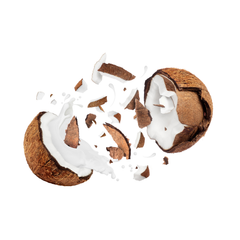
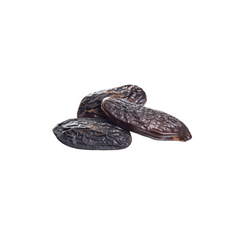
Layer sugar cane with vanilla or tonka bean to reinforce shared vanillin and coumarin molecules. This combination produces a dessert-like, nostalgic warmth, as seen in Tiziana Terenzi’s Al Contrario, where sugar cane and vanilla create a rich, gourmand accord.

02

Add Tropical Freshness

Pair sugar cane with coconut or tropical fruits. The lactones in coconut and the esters in fruit notes synergize with sugar cane’s green aldehydes, producing a refreshing, sunlit effect. Ligne St Barth’s Fleur de Canne à Sucre demonstrates this pairing.

03

Brighten with Citrus

Combine sugar cane with citrus notes (bergamot, lime) to accentuate the green, juicy facets. Shared aldehydes create a seamless transition, as in Menahra’s Sugar Cane, where lemon balm and sugar cane form a sparkling, uplifting top.

Wear It Right

How to Wear Sugar Cane Like a Pro

Seasonal Guide

Fall & Winter

In colder temperatures, sugar cane’s creamy, syrupy notes become more subdued, while powdery and nutty facets linger. Apply to pulse points under clothing to enhance warmth and diffusion. Layer with vanilla, benzoin, or woods for added depth and persistence.

Spring

Spring’s mild climate allows sugar cane’s green and fresh facets to shine. Increased humidity enhances projection, making it ideal for light, uplifting compositions. Pair with citrus or floral notes for a breezy, energetic effect.

Summer

Heat amplifies sugar cane’s juicy, sweet top notes, increasing volatility and sillage. Apply sparingly to avoid overwhelming intensity. Combine with coconut, tropical fruits, or aquatic notes for a refreshing, sunlit scent.

Year-Round Tip

Adjust application based on temperature and humidity: use lighter concentrations in summer, richer blends in winter. Layer with complementary notes to tailor the scent’s evolution to seasonal moods and personal style.

Application Points

Strategic application enhances sugar cane’s evolving sweetness and ensures balanced projection throughout the day.

1

Neck

Applying to the neck leverages body heat to diffuse the fresh, green top notes, ensuring an immediate burst of juicy sweetness.

2

Behind the Ears

This area radiates warmth, helping the creamy, syrupy heart notes linger and evolve gently as the fragrance dries down.

3

Inner Wrists

Pulse points on the wrists accelerate evaporation of volatile aldehydes, highlighting the sparkling, uplifting facets of sugar cane.

4

Hair

Spraying lightly on hair provides a subtle, long-lasting trail, emphasizing the powdery, nutty base notes as the scent moves with you.

★

Pro Tip

Layer sugar cane fragrances over unscented moisturizer to slow evaporation and enhance both projection and longevity, especially in dry climates.

Mood Architecture™

Top Sugar Cane Fragrances by Mood Score

These Sugar Cane-based fragrances scored highest on the MEI™ Mood Architecture Framework — measuring how a scent may influence your emotional state.

Highest MEI Score
Arabian Tonka — Arabians Tonka Alternative Perfume
7.0
MEI™
Primary Romantic
Secondary Confident
Confidence
7.2
Presence
6.83
Mood Lift
7.3
Identity
6.8
Warmth
7.45
Social Ease
6.83
Energy
2.82
" I am beautiful.
View full mood profile →
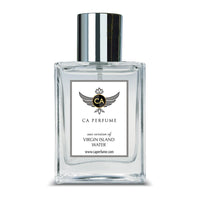
Virgin Island Water — Virgin Island Water Alternative Perfume
6.6
MEI™
Primary Fresh
Secondary Romantic
Confidence
6.12
Presence
6.38
Mood Lift
7.5
Identity
6.0
Warmth
6.85
Social Ease
6.67
Energy
4.08
" I am radiant.
View full mood profile →
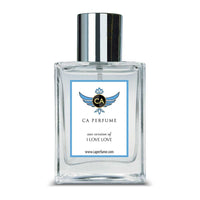
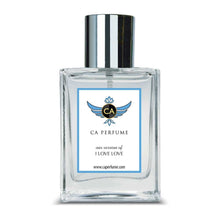
I Love Love — Moschino I Love Love Alternative Perfume
6.6
MEI™
Primary Romantic
Secondary Confident
Confidence
6.27
Presence
6.43
Mood Lift
7.05
Identity
6.4
Warmth
7.2
Social Ease
6.78
Energy
4.03
" I am beautiful.
View full mood profile →
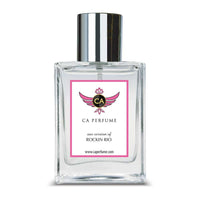
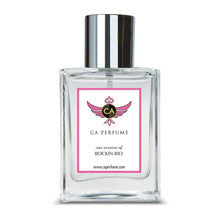
Rockin Rio — Escada Rockin Rio Alternative Perfume
6.4
MEI™
Primary Romantic
Secondary Confident
Confidence
5.98
Presence
6.12
Mood Lift
6.9
Identity
6.4
Warmth
7.35
Social Ease
6.6
Energy
3.05
" I am beautiful.
View full mood profile →
HumanSafe™

Top Sugar Cane Fragrances by HumanSafe™ Score

These Sugar Cane-based fragrances have the highest product-level HumanSafe™ scores in this ingredient collection.

Highest HumanSafe™ Score
Virgin Island Water — Virgin Island Water Alternative Perfume
A-
HumanSafe™ Score Generally Safe
Safest Evaluated Ingredients EDP
AQUA Solvent / Carrier ISS 10.0
HEXYL SALICYLATE Evaluated ingredient ISS 9.0
BENZYL SALICYLATE Evaluated ingredient ISS 9.0
2-OXABICYCLO[2.2.2]OCTANE, 1,3,3-TRIMETHYL- Evaluated ingredient ISS 9.0
2,6-OCTADIEN-1-OL, 3,7-DIMETHYL-, ACETATE, (Z)- Evaluated ingredient ISS 9.0
CITRAL Evaluated ingredient ISS 8.0
View full safety profile →
Rockin Rio — Escada Rockin Rio Alternative Perfume
A-
HumanSafe™ Score Generally Safe
Safest Evaluated Ingredients EDP
AQUA Solvent / Carrier ISS 10.0
ACETIC ACID, PHENYLMETHYL ESTER Evaluated ingredient ISS 10.0
1,4-DIOXACYCLOHEPTADECANE-5,17-DIONE Evaluated ingredient ISS 10.0
7-OCTEN-2-OL, 2,6-DIMETHYL- CAT. 3 Evaluated ingredient ISS 9.0
OCTANAL, 2-(PHENYLMETHYLENE)- Evaluated ingredient ISS 8.0
3-DECEN-5-OL, 4-METHYL- Evaluated ingredient ISS 8.0
View full safety profile →
I Love Love — Moschino I Love Love Alternative Perfume
A-
HumanSafe™ Score Generally Safe
Safest Evaluated Ingredients EDP
AQUA Solvent / Carrier ISS 10.0
BENZYL SALICYLATE EYE IRRITATION - CAT.2B [H320] Evaluated ingredient ISS 9.0
2,6-OCTADIEN-1-OL, 3,7-DIMETHYL-, ACETATE, (Z)- Evaluated ingredient ISS 9.0
LINALYL ACETATE Evaluated ingredient ISS 7.0
LINALOOL Evaluated ingredient ISS 7.0
CEDROL Evaluated ingredient ISS 7.0
View full safety profile →
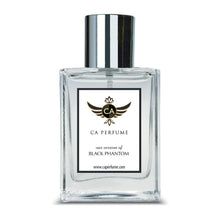
Black Phantom — By Kilian Black Phantom Alternative Perfume
A-
HumanSafe™ Score Generally Safe
Safest Evaluated Ingredients EDP
AQUA Solvent / Carrier ISS 10.0
3-CYCLOPENTENE-1-ACETALDEHYDE, 2,2,3-TRIMETHYL-, Evaluated ingredient ISS 9.0
BUTANOIC ACID, 1,1-DIMETHYL-2-PHENYLETHYL ESTER Evaluated ingredient ISS 8.0
ALCOHOL DENAT. Solvent / Carrier ISS 7.0
2-BUTEN-1-OL, 2-ETHYL-4-(2,2,3-TRIMETHYL-3- Evaluated ingredient ISS 7.0
ETHANONE, 1-(2,3,4,7,8,8A-HEXAHYDRO-3,6,8,8- Evaluated ingredient ISS 6.6
View full safety profile →
Expert Voices

What Masters Say About Sugar Cane

“
Sugar cane delivers an irresistible sweetness that transforms any fragrance into a luscious experience. Known for its captivating aroma, it evokes nostalgia and joy, bringing vibrancy and comfort to compositions.
CA Perfume Editorial
“
Demeter’s Sugar Cane is sweet and surprisingly heavy on the almond, with a touch of green that keeps it from smelling entirely like baked goods. Even so, I can't help being reminded of pound cake batter when I wear this (my recipe uses both almond and vanilla).
Fragrantica User Review
Common Questions

Frequently Asked Questions

Answers to common questions about sugar cane as a fragrance ingredient.

Sugar cane in perfume smells sweet, green, and slightly nutty, with a syrupy, juicy freshness reminiscent of cut cane and a creamy, powdery drydown. The scent profile is shaped by volatile aldehydes, green alcohols, and minor vanillin and coumarin traces. Fragrances like Demeter Sugar Cane and Menahra Sugar Cane exemplify its photorealistic, uplifting character.

Sugar cane is most commonly used as a heart note, bridging the transition from sparkling top notes to creamy or woody bases. Its moderate volatility allows it to provide lasting sweetness and green freshness, though in some compositions it may appear in the top for immediate impact.

Sugar cane is favored in niche perfumery for its ability to evoke nostalgia, warmth, and a sense of place. Its complex, evolving sweetness provides both realism and versatility, allowing perfumers to create gourmand, tropical, or fresh compositions with a distinctive, natural character.

Sugar cane fragrance uses often involve pairing with vanilla, coconut, benzoin, and green notes. These ingredients share molecular affinities (vanillin, lactones, aldehydes) that reinforce sugar cane’s creamy, sweet, and fresh facets. Citrus and floral notes can also add lift and complexity.

Yes, sugar cane’s juicy, fresh sweetness is ideal for summer scents. Its volatility increases in heat, amplifying projection and sillage. Pairing with tropical fruits, coconut, or aquatic notes creates a refreshing, sunlit effect, though lighter application is recommended to avoid overwhelming intensity.

Sugar cane fragrances generally last 5–7 hours on skin, with longevity extended by anchoring base notes such as vanilla or benzoin. The top notes are most prominent in the first 30 minutes, while creamy and powdery facets persist into the drydown.

Yes, sugar cane is highly layerable due to its molecular compatibility with vanilla, coconut, citrus, and green notes. Layering enhances creaminess, freshness, or brightness, depending on the chosen combination. For example, pairing with vanilla creates a dessert-like warmth, while citrus adds lift.

Demeter Sugar Cane offers a straightforward, photorealistic introduction. For more complex blends, try Idole de Lubin or Ligne St Barth Fleur de Canne à Sucre, which showcase sugar cane in tropical and gourmand contexts. These fragrances highlight the note’s versatility and accessibility.

Explore CA Perfume’s sugar cane collection by considering your preferred style—photorealistic, gourmand, or tropical. Sample different blends to experience how sugar cane interacts with your skin chemistry and personal taste. The HumanSafe™ platform provides ingredient transparency and safety data.

Sugar cane’s sweetness is balanced by green and powdery facets, making it suitable for daily use when blended thoughtfully. In lighter concentrations or paired with fresh notes, it offers a clean, uplifting effect. For those preferring subtlety, opt for EDT or layer with citrus or green accords.

Gourmand Collection

Explore Our Top Sugar Cane Fragrances

Discover photorealistic, gourmand, and tropical sugar cane scents in our curated collection—each blend highlights the ingredient’s sweet, green complexity.

Shop all sugar cane fragrances at CA Perfume →

Where Sugar Cane Comes From — Origin & Extraction

Sugar cane (Saccharum officinarum) is a perennial grass native to Southeast Asia and New Guinea, now cultivated extensively in tropical and subtropical regions worldwide. Brazil leads global production, accounting for over 35% of the world’s supply (approximately 750 million metric tons annually), followed by India (20%, ~400 million metric tons) and the Philippines (about 2%, ~30 million metric tons). In perfumery, the ingredient is sourced primarily from these regions, with each origin imparting subtle differences in aromatic profile due to variations in soil, climate, and cane variety. Extraction of sugar cane for fragrance use typically involves solvent extraction (using ethanol or hexane) or supercritical CO₂ extraction of the pressed stalks and sap. The process operates at low temperatures (below 40°C) to preserve volatile aldehydes and green alcohols, with yields averaging 0.1–0.3% of the fresh weight. Sugar cane absolute is a rare and costly material, priced between $3,000–6,000 per kilogram due to the large biomass required and the labor-intensive extraction. By contrast, synthetic analogues (such as ethyl maltol, vanillin, and green aldehydes) cost $50–200/kg and offer greater consistency. Sustainability is a key consideration: modern sugar cane agriculture in Brazil and India increasingly adopts mechanized harvesting and crop rotation to reduce environmental impact. However, water usage and land conversion remain concerns. Certified organic sugar cane alcohol is also used as a clean carrier in natural perfumery, providing a plant-based, biodegradable alternative to petroleum-derived solvents. The choice between natural and synthetic sugar cane notes often balances cost, olfactory complexity, and environmental footprint.

Famous Fragrances That Define Sugar Cane in Perfumery

Sugar cane has appeared in a variety of landmark fragrances, both as a dominant note and as a supporting accent. Demeter Fragrance Library’s Sugar Cane (2003) is a photorealistic solinote, capturing the fresh, syrupy sweetness of cut cane with subtle almond and green undertones. In Idole de Lubin (2005, perfumer Olivia Giacobetti), sugar cane is woven into a spicy-woody structure alongside rum, saffron, and exotic resins, evoking a lush, tropical heart. Ligne St Barth’s Fleur de Canne à Sucre (2007) uses sugar cane as a bridge between floral and gourmand notes, paired with vanilla and coconut for a sun-drenched, island-inspired scent. Tiziana Terenzi’s Al Contrario (2015) employs sugar cane as a creamy, nutty accent, blending it with hazelnut, cacao, and vanilla for a rich, dessert-like effect. Menahra’s Sugar Cane (2024) highlights the ingredient’s fresh juice character, pairing it with jasmine and lemon balm for a bright, uplifting composition. DSH Perfumes’ Flor de Cana (2024) uses sugar cane to evoke the warmth and sweetness of Caribbean landscapes, layered with tropical fruits and soft woods. These fragrances illustrate sugar cane’s versatility: as a dominant note in solinotes, a bridge in tropical and gourmand blends, and a subtle accent in complex, layered compositions. CA Perfume’s collection draws inspiration from this lineage, offering sugar cane fragrances that span photorealistic, nostalgic, and innovative interpretations.

Natural vs Synthetic Sugar Cane in Perfumery

Natural sugar cane absolute is produced via solvent extraction or supercritical CO₂ extraction from Saccharum officinarum stalks. Its composition is complex, containing a mixture of sweet aldehydes (such as 2-methylbutanal), green alcohols (hexenol, hexanal), minor lactones, and trace vanillin. The absolute is prized for its nuanced, evolving sweetness but is costly ($3,000–6,000/kg) and variable in quality due to agricultural factors. Synthetic sugar cane notes are constructed from aroma chemicals such as ethyl maltol (CAS 118-71-8), vanillin (CAS 121-33-5), and green aldehydes like cis-3-hexenol (CAS 928-96-1). These molecules provide a consistent, stable, and cost-effective alternative ($50–200/kg), with enhanced longevity and diffusion. Synthetic blends can be tailored to emphasize specific facets—syrupy, nutty, or grassy—depending on the desired effect. Many modern gourmand and fruity fragrances rely on these synthetics for their reliability and IFRA-compliant safety profile. Famous fragrances such as Demeter Sugar Cane and DSH Perfumes Flor de Cana use natural extracts for authenticity, while larger commercial releases often employ synthetic accords for scalability. Sustainability is improved with synthetics, reducing agricultural land use and water consumption. CA Perfume’s HumanSafe™ platform transparently documents ingredient sourcing and safety, ensuring all sugar cane notes—natural or synthetic—are fully traceable and IFRA-compliant.