Ingredient Guide · Gourmand
Gourmand Family · Perfumery Note

Sugar

The molecular clarity of pure sweetness in modern perfumery.

Sugar is a heart note in gourmand perfumery, prized for its crystalline, clean sweetness and versatility. Its defining quality is the use of ethyl maltol and maltol, which deliver a cotton-candy, caramelized aroma at concentrations typically below 1%.

Sugar
Ingredient Profile

Sugar

Gourmand Family
Family Gourmand
Note Position Heart Note
Usage Level <1% of formula
Key Origins France, China, Germany
Iconic In Angel, Rochas Man
The Ingredient

What does Sugar smell like and why is it essential in modern perfumery?

Sugar in perfumery is not literal sucrose but a constructed olfactory note designed to evoke the crystalline, clean, and purely sweet aroma of refined sugar. The scent character is defined by synthetic molecules such as ethyl maltol (CAS 4940-11-8), maltol (CAS 118-71-8), and furaneol, which together produce a profile reminiscent of cotton candy, caramel, and candied fruit. Unlike caramel or vanilla, sugar notes are devoid of warmth or creaminess, instead offering a bright, sparkling, and almost transparent sweetness. This 'sugar scent profile' is often described as crystalline, airy, and youthful, with an immediate and unmistakable impact on the senses. In perfumery, sugar is classified as a heart note within the gourmand family. It is typically used at concentrations ranging from 0.1% to 1% of the total formula, depending on the desired intensity and the presence of other sweet or creamy notes. Sugar interacts with skin chemistry by amplifying the perception of sweetness, especially on warmer or more humid skin, due to increased volatility of the key molecules. Its clean sweetness can mask or soften sharper notes, making it a versatile tool for perfumers seeking to balance complex compositions. The question 'what does sugar smell like' is central to understanding its role in creating both playful and sophisticated fragrances. 'Sugar in perfumery' is exemplified in several landmark fragrances. Maison Francis Kurkdjian's Baccarat Rouge 540 (2015, Francis Kurkdjian) uses ethyl maltol to create a crystalline, almost mineral sweetness paired with saffron and amberwood. By Kilian's Love, Don't Be Shy (2007, Calice Becker) features a marshmallow sugar accord as the heart of its composition, demonstrating sugar's ability to serve as both a dominant and supporting note. These examples highlight sugar's significance as a modern perfumery staple.

<1% of formula
Sugar aroma chemicals such as ethyl maltol are typically used at concentrations below 1% to achieve the desired sweetness without overpowering the composition.
4–8 hours
Sugar notes provide moderate longevity, with crystalline sweetness persisting for 4–8 hours depending on concentration and skin chemistry.
$20–$60/kg
Ethyl maltol and maltol are cost-effective, high-purity aroma chemicals, making sugar notes accessible for both niche and mass-market fragrances.
Origin & Extraction

Where Sugar Comes From — Origin & Extraction

The scent character of sugar notes is shaped by the purity and quality of synthetic aroma chemicals, with regional manufacturers in Europe and Asia leading global supply. Soil and climate factors are less relevant than laboratory precision.

The sugar note in perfumery is a synthetic construct, not derived from actual sucrose (C12H22O11) or natural sugar cane (Saccharum officinarum). Instead, it is built from a palette of aroma molecules, most notably ethyl maltol (CAS 4940-11-8), maltol (CAS 118-71-8), and furaneol (CAS 3188-00-9). These compounds are synthesized via chemical processes involving the cyclization of carbohydrates or the modification of furans, often starting from plant-derived feedstocks such as glucose or cellulose. Ethyl maltol, for example, is produced industrially through the reaction of ethyl acetoacetate with glyoxylic acid, followed by cyclization and purification. The primary production centers for these synthetic molecules are large aroma chemical manufacturers in Europe (notably Givaudan, Firmenich, and Symrise in Switzerland, France, and Germany) and China. Global production volumes for ethyl maltol exceed 1,000 metric tons annually, with prices ranging from $20–$60 per kilogram, depending on purity and supplier. In contrast, natural sugar is not used as a direct fragrance material due to its lack of volatility and inability to diffuse in air. Extraction of the sugar note is thus a matter of laboratory synthesis and blending, not agricultural harvesting or distillation. Sustainability considerations focus on the use of renewable feedstocks and green chemistry principles in the synthesis of these molecules. Compared to natural extracts, synthetic sugar notes offer consistent quality, lower environmental impact, and reduced allergenicity. The HumanSafe™ platform at CA Perfume ensures full transparency regarding the sourcing and safety of all sugar-related aroma chemicals.

FR

France

Grasse and Paris are home to leading aroma chemical producers (Givaudan, Firmenich), known for pharmaceutical-grade ethyl maltol and maltol. French production emphasizes purity and traceability, supplying much of the European perfumery market.

CN

China

China’s Jiangsu and Zhejiang provinces produce large volumes of ethyl maltol and maltol for global export, often at lower cost but with variable purity. Chinese manufacturers supply over 50% of the world’s ethyl maltol.

DE

Germany

German firms such as Symrise and BASF manufacture high-purity sugar aroma chemicals, focusing on sustainable feedstocks and advanced green chemistry processes. German products are favored for technical applications in fine fragrance.

Chemistry

Natural vs Synthetic Sugar in Perfumery

In perfumery, the sugar note is almost exclusively synthetic, as natural sucrose lacks volatility and cannot be perceived as a scent. The most important synthetic molecules are ethyl maltol (CAS 4940-11-8), maltol (CAS 118-71-8), and furaneol (CAS 3188-00-9). Ethyl maltol provides the iconic cotton-candy sweetness, while maltol adds a caramelized, toasty nuance, and furaneol imparts a fruity, strawberry-like aspect. These molecules are prized for their stability, high diffusion, and ability to persist on skin for several hours. Performance-wise, synthetic sugar notes offer superior longevity and projection compared to any natural sweet material. They are highly stable under light and heat, making them ideal for both top and heart note construction. The cost differential is significant: ethyl maltol and maltol are available at $20–$60/kg, while natural sweet absolutes (such as honey or maple) can exceed $1,000/kg and are less consistent. Iconic fragrances such as Mugler Angel (1992, Olivier Cresp) and Rochas Man (1999, Maurice Roucel) rely on these synthetics for their signature sweetness. From a sustainability perspective, synthetic sugar notes reduce pressure on agricultural resources and avoid allergenic impurities. The HumanSafe™ platform at CA Perfume verifies the origin, purity, and safety of all sugar-related molecules, ensuring full transparency for consumers. The use of these synthetics enables perfumers to create gourmand effects that are both safe and environmentally responsible.

Natural
Sugar Absolute
Cost $3,000–6,000/kg
Method Solvent / CO₂
Character Complex, variable
vs
Synthetic
Safranal & Analogues
Cost $50–200/kg
Method Lab synthesis
Character Consistent, stable
Hall of Fame

Famous Fragrances That Define Sugar in Perfumery

1992
dominant note

Angel

Thierry Mugler
by Olivier Cresp
patchoulichocolatered fruits
1999
dominant note

Rochas Man

Rochas
by Maurice Roucel
coffeelavenderamber
2015
bridge note

Baccarat Rouge 540

Maison Francis Kurkdjian
by Francis Kurkdjian
saffronamberwoodjasmine
2007
dominant note

Love, Don't Be Shy

By Kilian
by Calice Becker
orange blossomvanillacaramel
2004
dominant note

Pink Sugar

Aquolina
by Givaudan (team)
vanillacaramelcitrus

Sugar notes have defined the gourmand trend in perfumery since the early 1990s. Thierry Mugler's Angel (1992, Olivier Cresp) is widely recognized as the first major fragrance to use ethyl maltol in overdose, creating an unmistakable cotton-candy sweetness paired with patchouli and chocolate. Rochas Man (1999, Maurice Roucel) showcased Levistamel, a Givaudan molecule with caramel and anise nuances, as the centerpiece of a coffee fougère. Maison Francis Kurkdjian's Baccarat Rouge 540 (2015, Francis Kurkdjian) employs ethyl maltol to achieve a crystalline, mineral sweetness that has become iconic in niche perfumery. By Kilian's Love, Don't Be Shy (2007, Calice Becker) features a marshmallow sugar accord, blending orange blossom, vanilla, and caramelized sugar for a plush, addictive heart. Aquolina Pink Sugar (2004, Givaudan) is a mass-market example, using ethyl maltol and vanilla for a photorealistic spun sugar effect. These fragrances demonstrate sugar's versatility as a dominant note, bridge, or accent, often paired with vanilla, citrus, florals, or amber. CA Perfume's collection draws inspiration from this lineage, offering sugar-based scents that balance clarity, longevity, and complexity.

The Accord

How is a captivating Sugar accord crafted?

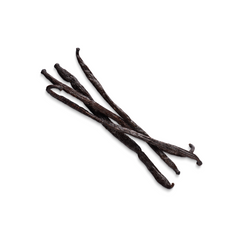
A sugar accord typically blends ethyl maltol (25–30%), vanilla absolute (20–25%), orange blossom (20–25%), and musk (25–30%). Ethyl maltol provides the crystalline sweetness; vanilla adds creamy depth through vanillin; orange blossom introduces a floral-citrus lift via linalool and nerolidol; musk extends the accord’s longevity and rounds the edges by olfactory masking of sharp sweetness.

30%

Ethyl Maltol

25–30% of blend

Ethyl maltol delivers the core cotton-candy sweetness and high diffusion, forming the backbone of the sugar accord through its low odor threshold and stability.

25%

Vanilla Absolute

20–25% of blend

Vanilla adds creamy, warm facets via vanillin, softening the crystalline edge of ethyl maltol and enhancing the accord’s roundness.

25%

Orange Blossom

20–25% of blend

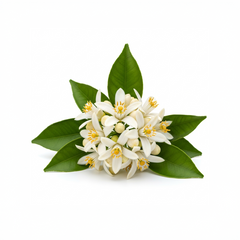
Orange blossom introduces linalool and nerolidol, providing a floral-citrus lift that prevents the accord from becoming cloying.

30%

Musk

25–30% of blend

Musk extends longevity and rounds the accord, using olfactory masking to balance the sweetness and improve skin performance.

The Olfactory Layers

How Sugar Evolves on Skin

Sugar notes evolve rapidly on skin, with high-volatility molecules like ethyl maltol and maltol dominating the first 30 minutes before settling into a creamy, musky base. The olfactory pyramid is shaped by evaporation rate and molecular weight.

I
Top notes
0–15 min
Crystalline Sparkle

The opening is marked by a crystalline, sparkling sweetness from ethyl maltol and furaneol, which evaporate quickly to create an immediate cotton-candy effect. These high-volatility molecules provide a bright, almost effervescent first impression.

crystallinesparklingairy
II
Heart notes
20–60 min
Caramelized Warmth

As the top notes dissipate, maltol and caramel lactones emerge, adding a caramelized, slightly toasted nuance. The sweetness becomes rounder and more balanced, often supported by vanilla and floral notes for depth.

caramelizedroundgourmand
III
Base notes
Several hours
Musky Creaminess

In the drydown, musks and creamy vanillin persist, anchoring the sweetness and providing a soft, skin-like finish. These heavier molecules have low volatility, ensuring the sugar accord lingers without becoming overwhelming.

softmuskyskin-like
TOP NOTES Crystalline Sparkle 0–15 minutes HEART NOTES Caramelized Warmth 20–60 minutes BASE NOTES Musky Creaminess Several hours
Through the Ages

The Story of Sugar in Perfumery

Sugar notes have transformed perfumery since the 1990s, evolving from novelty to a mainstay of modern fragrance design.

1880s

Discovery of Maltol

Maltol, a naturally occurring compound with a caramel-sweet aroma, is first isolated from larch bark and roasted malt, laying the groundwork for future synthetic sweet notes.

1962

Pfizer Patents Veltol (Maltol)

Pfizer trademarks 'Veltol' for maltol, introducing it as a food and fragrance additive. Maltol’s caramelized sweetness becomes a staple in flavor and fragrance chemistry.

1992

Angel by Mugler Launches

Olivier Cresp creates Angel for Thierry Mugler, using ethyl maltol in overdose to create the first true gourmand fragrance, revolutionizing the use of sugar notes in perfumery.

1999

Levistamel Debuts in Rochas Man

Maurice Roucel centers Levistamel, a caramel-anise molecule, in Rochas Man, demonstrating the versatility of sugar notes in fougère compositions.

2015

Baccarat Rouge 540 Defines Modern Sugar

Francis Kurkdjian’s Baccarat Rouge 540 uses ethyl maltol to create a crystalline, mineral sweetness, cementing sugar’s place in contemporary niche perfumery.

The Art of Layering

How to Layer Sugar

Understanding how to layer sugar is key to customizing its sweetness and complexity. Layering at a molecular level involves pairing sugar notes with ingredients that share or complement their key aroma compounds, such as vanillin, linalool, or musks.

01

Enhance Creaminess

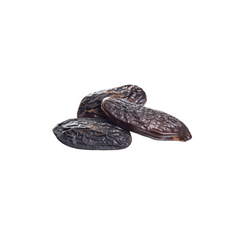
Layer sugar with vanilla or tonka bean fragrances. Vanillin and coumarin share structural similarities with ethyl maltol, creating a seamless, creamy gourmand effect. This combination is exemplified in Pink Sugar by Aquolina and Love, Don't Be Shy by By Kilian.

02

Add Freshness

Combine sugar notes with citrus or green fragrances. Limonene and linalool in citrus oils mask the sharpest facets of ethyl maltol, resulting in a sparkling, uplifting sweetness. Maison Francis Kurkdjian’s Aqua Universalis demonstrates this synergy.

03

Deepen with Woods

Pair sugar with woody or amber accords. Iso E Super and amberwood molecules provide a dry, diffusive counterpoint, balancing the crystalline sweetness and extending longevity. Baccarat Rouge 540 is a prime example of this molecular interplay.

Wear It Right

How to Wear Sugar Like a Pro

Seasonal Guide

Fall & Winter

In cooler weather, sugar notes project less but last longer, creating a cozy, comforting aura. Apply to pulse points under clothing to maximize warmth and diffusion. Pair with amber or vanilla for added richness.

Spring

Spring’s moderate temperatures allow sugar notes to shine without becoming overwhelming. Layer with floral or citrus accords for a fresh, playful effect. Lighter application is recommended for daytime wear.

Summer

Heat and humidity increase the volatility of sugar molecules, intensifying projection but reducing longevity. Apply sparingly to avoid cloying effects, and consider layering with ozonic or green notes for balance.

Year-Round Tip

Adjust application based on climate and setting. In dry environments, sugar notes may become more powdery; in humid conditions, their crystalline sweetness is amplified. Experiment with layering to customize performance.

Application Points

Strategic application enhances the evolution and projection of sugar notes.

1

Neck

Applying sugar-based fragrances to the neck leverages body heat to accelerate the diffusion of ethyl maltol, creating an immediate, sparkling impression.

2

Behind the Ears

This area maintains a stable temperature, allowing the sugar note’s heart and base to develop gradually, prolonging the creamy, musky drydown.

3

Inner Wrists

Pulse points on the wrists amplify volatility, showcasing the top and heart notes. Avoid rubbing to preserve the integrity of the crystalline sweetness.

4

Hair

Spraying on hair provides a sustained, gentle release of sugar notes, as the molecules adhere to hair fibers and diffuse slowly throughout the day.

Pro Tip

Layer sugar-based fragrances over unscented moisturizer to enhance longevity and prevent rapid evaporation, especially in dry or cold climates.

Mood Architecture™

Top Sugar Fragrances by Mood Score

These Sugar-based fragrances scored highest on the MEI™ Mood Architecture Framework — measuring how a scent may influence your emotional state.

Highest MEI Score
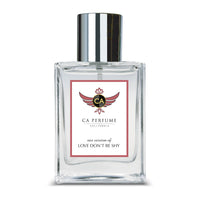
Love Don't Be Shy — By Kilian Love Don't Be Shy Alternative Perfume
8.03
MEI™
Primary Romantic
Secondary Energizing
Confidence
6.32
Presence
6.39
Mood Lift
9.5
Identity
6.61
Warmth
9.5
Social Ease
9.5
Energy
4.5
" I am beautiful.
View full mood profile →
Roses Vanile — Roses Vanille Alternative Perfume
7.83
MEI™
Primary Romantic
Secondary Confident
Confidence
6.85
Presence
6.81
Mood Lift
8.68
Identity
7.35
Warmth
8.93
Social Ease
8.72
Energy
3.7
" I am beautiful.
View full mood profile →
Kissing Burns 6.4 Calories — Kissing Burns 6.4 Calories An Hour. Wanna Work Out? Alternative Perfume
7.06
MEI™
Primary Romantic
Secondary Grounding
Confidence
5.11
Presence
4.6
Mood Lift
8.64
Identity
5.21
Warmth
9.09
Social Ease
8.75
Energy
3.9
" I am beautiful.
View full mood profile →
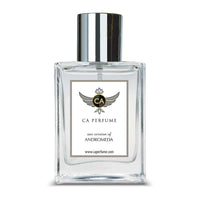
Andromeda — Tiziana Terenzi Andromeda Alternative Perfume
6.84
MEI™
Primary Romantic
Secondary Confident
Confidence
5.99
Presence
6.19
Mood Lift
7.52
Identity
6.24
Warmth
8.0
Social Ease
7.44
Energy
3.5
" I am beautiful.
View full mood profile →
HumanSafe™

Top Sugar Fragrances by HumanSafe™ Score

These Sugar-based fragrances have the highest product-level HumanSafe™ scores in this ingredient collection.

Highest HumanSafe™ Score
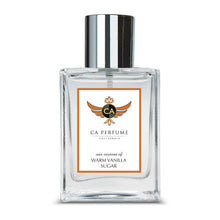
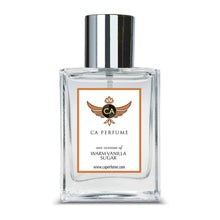
Warm Vanilla Sugar — Bath & Body Work WARM VANILLA SUGAR Alternative Perfume
A-
HumanSafe™ Score Generally Safe
Safest Evaluated Ingredients EDP
AQUA Solvent / Carrier ISS 10.0
2H-1-BENZOPYRAN-6-OL, 3,4-DIHYDRO-2,5,7,8-TETRAMETHYL- Evaluated ingredient ISS 8.0
LINALOOL Evaluated ingredient ISS 7.0
BENZALDEHYDE, 3,4-DIMETHOXY- Evaluated ingredient ISS 7.0
ALCOHOL DENAT. Solvent / Carrier ISS 7.0
1,3,4,6,7,8-HEXAHYDRO-4,6,6,7,8,8-HEXAMETHYLINDENO[5,6- Evaluated ingredient ISS 7.0
View full safety profile →
Warm Vanilla Sugar — Coconut Gourmand Perfume
A-
HumanSafe™ Score Generally Safe
Safest Evaluated Ingredients EDP
AQUA Evaluated ingredient ISS 10.0
HEXYL SALICYLATE Evaluated ingredient ISS 9.0
BENZYL SALICYLATE Evaluated ingredient ISS 9.0
ALCOHOL DENAT. Evaluated ingredient ISS 7.0
1,3,4,6,7,8-HEXAHYDRO-4,6,6,7,8,8- Evaluated ingredient ISS 7.0
View full safety profile →
Twisted — Victoria's Secret Twisted Alternative Perfume
A-
HumanSafe™ Score Generally Safe
Safest Evaluated Ingredients EDP
OXACYCLOHEPTADEC-10-EN-2-ONE Evaluated ingredient ISS 10.0
AQUA Solvent / Carrier ISS 10.0
BENZYL SALICYLATE Evaluated ingredient ISS 9.0
ALCOHOL DENAT. Solvent / Carrier ISS 7.0
2-BUTEN-1-OL, 2-ETHYL-4-(2,2,3-TRIMETHYL-3- Evaluated ingredient ISS 7.0
View full safety profile →
Roses Vanile — Roses Vanille Alternative Perfume
A-
HumanSafe™ Score Generally Safe
Safest Evaluated Ingredients EDP
AQUA Solvent / Carrier ISS 10.0
BENZYL SALICYLATE Evaluated ingredient ISS 9.0
LINALYL ACETATE Evaluated ingredient ISS 7.0
LINALOOL Evaluated ingredient ISS 7.0
ALCOHOL DENAT. Solvent / Carrier ISS 7.0
View full safety profile →
Expert Voices

What Masters Say About Sugar

Sugar in fragrance refers to a sweet note replicating the aroma of sugary treats like candy or caramel. While not derived from real sugar, these notes are crafted using synthetic and natural ingredients to evoke warmth and indulgence.
Kate Shulga, Fragrance Writer
Ethyl maltol and related sweet molecules create the cotton-candy-like sweetness associated with sugar notes. Sugar is clean, crystalline, and purely sweet without the warmth of caramel or depth of vanilla.
CA Perfume Editorial
Common Questions

Frequently Asked Questions

Frequently asked questions about sugar as a perfume note.

Sugar in perfume smells crystalline, clean, and purely sweet, reminiscent of cotton candy or spun sugar. The scent is created using synthetic molecules such as ethyl maltol and maltol, which provide a bright, sparkling sweetness without the warmth or creaminess of caramel or vanilla. This note is central to many gourmand fragrances, including Angel by Mugler and Baccarat Rouge 540.

Sugar is typically used as a heart note in perfumery. Its key molecules, such as ethyl maltol, have moderate volatility, allowing the sweetness to persist beyond the initial spray but not dominate the base. The note bridges the transition from sparkling top notes to creamy or musky bases.

Sugar is popular in niche perfumery for its ability to create photorealistic gourmand effects and evoke nostalgia. Its crystalline sweetness is versatile, blending well with florals, woods, and ambers. Iconic niche fragrances like Baccarat Rouge 540 and Love, Don't Be Shy showcase sugar’s modern appeal.

Sugar fragrance uses include pairing with vanilla, tonka bean, orange blossom, and musk for creamy, gourmand effects. Citrus and green notes add freshness, while woods and ambers provide depth and balance. These combinations are found in fragrances such as Pink Sugar and By Kilian Love, Don't Be Shy.

Sugar-based perfumes can be worn in summer, but high temperatures increase the volatility of ethyl maltol, intensifying projection and sweetness. Lighter application and pairing with citrus or green notes can prevent the scent from becoming cloying in hot weather.

Sugar notes provide moderate longevity, typically lasting 4–8 hours on skin. Longevity depends on concentration, skin chemistry, and environmental factors. The crystalline sweetness is most prominent in the first few hours, with creamy musks lingering in the drydown.

Yes, sugar perfumes are ideal for layering. They blend well with vanilla, citrus, florals, and woods. Layering allows you to customize the sweetness and complexity, as seen in combinations like Pink Sugar with citrus or Baccarat Rouge 540 with amber and saffron.

Beginner-friendly sugar perfumes include Aquolina Pink Sugar, By Kilian Love, Don't Be Shy, and Mugler Angel. These fragrances highlight the crystalline sweetness of sugar while balancing it with vanilla, caramel, and floral notes.

At CA Perfume, explore the sugar collection by considering your preferred sweetness level and complementary notes. Look for fragrances that balance sugar with vanilla, citrus, or woods for versatility. Sampling different concentrations can help you find your ideal match.

Sugar notes can be intense, but when balanced with musks, woods, or citrus, they become suitable for daily use. Adjusting application and layering with fresher notes can prevent the scent from becoming overwhelming, making sugar perfumes versatile for all occasions.

Gourmand Collection

Explore Our Top Sugar Fragrances

Discover the most popular sugar-based perfumes in the CA Perfume collection, featuring crystalline sweetness and modern gourmand accords.

Shop all sugar fragrances at CA Perfume →

Where Sugar Comes From — Origin & Extraction

The sugar note in perfumery is a synthetic construct, not derived from actual sucrose (C12H22O11) or natural sugar cane (Saccharum officinarum). Instead, it is built from a palette of aroma molecules, most notably ethyl maltol (CAS 4940-11-8), maltol (CAS 118-71-8), and furaneol (CAS 3188-00-9). These compounds are synthesized via chemical processes involving the cyclization of carbohydrates or the modification of furans, often starting from plant-derived feedstocks such as glucose or cellulose. Ethyl maltol, for example, is produced industrially through the reaction of ethyl acetoacetate with glyoxylic acid, followed by cyclization and purification. The primary production centers for these synthetic molecules are large aroma chemical manufacturers in Europe (notably Givaudan, Firmenich, and Symrise in Switzerland, France, and Germany) and China. Global production volumes for ethyl maltol exceed 1,000 metric tons annually, with prices ranging from $20–$60 per kilogram, depending on purity and supplier. In contrast, natural sugar is not used as a direct fragrance material due to its lack of volatility and inability to diffuse in air. Extraction of the sugar note is thus a matter of laboratory synthesis and blending, not agricultural harvesting or distillation. Sustainability considerations focus on the use of renewable feedstocks and green chemistry principles in the synthesis of these molecules. Compared to natural extracts, synthetic sugar notes offer consistent quality, lower environmental impact, and reduced allergenicity. The HumanSafe™ platform at CA Perfume ensures full transparency regarding the sourcing and safety of all sugar-related aroma chemicals.

Famous Fragrances That Define Sugar in Perfumery

Sugar notes have defined the gourmand trend in perfumery since the early 1990s. Thierry Mugler's Angel (1992, Olivier Cresp) is widely recognized as the first major fragrance to use ethyl maltol in overdose, creating an unmistakable cotton-candy sweetness paired with patchouli and chocolate. Rochas Man (1999, Maurice Roucel) showcased Levistamel, a Givaudan molecule with caramel and anise nuances, as the centerpiece of a coffee fougère. Maison Francis Kurkdjian's Baccarat Rouge 540 (2015, Francis Kurkdjian) employs ethyl maltol to achieve a crystalline, mineral sweetness that has become iconic in niche perfumery. By Kilian's Love, Don't Be Shy (2007, Calice Becker) features a marshmallow sugar accord, blending orange blossom, vanilla, and caramelized sugar for a plush, addictive heart. Aquolina Pink Sugar (2004, Givaudan) is a mass-market example, using ethyl maltol and vanilla for a photorealistic spun sugar effect. These fragrances demonstrate sugar's versatility as a dominant note, bridge, or accent, often paired with vanilla, citrus, florals, or amber. CA Perfume's collection draws inspiration from this lineage, offering sugar-based scents that balance clarity, longevity, and complexity.

Natural vs Synthetic Sugar in Perfumery

In perfumery, the sugar note is almost exclusively synthetic, as natural sucrose lacks volatility and cannot be perceived as a scent. The most important synthetic molecules are ethyl maltol (CAS 4940-11-8), maltol (CAS 118-71-8), and furaneol (CAS 3188-00-9). Ethyl maltol provides the iconic cotton-candy sweetness, while maltol adds a caramelized, toasty nuance, and furaneol imparts a fruity, strawberry-like aspect. These molecules are prized for their stability, high diffusion, and ability to persist on skin for several hours. Performance-wise, synthetic sugar notes offer superior longevity and projection compared to any natural sweet material. They are highly stable under light and heat, making them ideal for both top and heart note construction. The cost differential is significant: ethyl maltol and maltol are available at $20–$60/kg, while natural sweet absolutes (such as honey or maple) can exceed $1,000/kg and are less consistent. Iconic fragrances such as Mugler Angel (1992, Olivier Cresp) and Rochas Man (1999, Maurice Roucel) rely on these synthetics for their signature sweetness. From a sustainability perspective, synthetic sugar notes reduce pressure on agricultural resources and avoid allergenic impurities. The HumanSafe™ platform at CA Perfume verifies the origin, purity, and safety of all sugar-related molecules, ensuring full transparency for consumers. The use of these synthetics enables perfumers to create gourmand effects that are both safe and environmentally responsible.