Ingredient Guide · Fruity Gourmand
Fruity Gourmand Family · Perfumery Note

Sour Cherry

A vibrant, almond-nuanced fruit note with modern versatility.

Sour Cherry is a heart or top note in perfumery, prized for its tart, juicy, and subtly almond-like aroma. Its signature scent derives from benzaldehyde and ionones, and is typically reconstructed synthetically due to extraction challenges.

Sour Cherry
Ingredient Profile

Sour Cherry

Fruity Gourmand Family
Family Fruity Gourmand
Note Position Top Note
Usage Level 1–5% of formula
Key Origins Poland, Russia, Turkey
Iconic In Lost Cherry, La Petite Robe Noire
The Ingredient

What does Sour Cherry smell like and why is it significant in modern perfumery?

Sour Cherry (Prunus cerasus) in perfumery is defined by a tart, juicy, and slightly bitter aroma, often accompanied by a nuanced almond undertone. This distinctive scent profile is primarily constructed using benzaldehyde (the main molecule responsible for the almond nuance), ionones (for fruity-violet facets), and damascones (for a subtle floral-fruity lift). The natural fruit itself is difficult to distill or extract for perfumery, so the note is almost always a synthetic reconstruction, designed to evoke the sharp tang and mouthwatering juiciness of real sour cherries. The result is a complex olfactory signature that balances sweet, tart, and faintly woody elements, with trace contributions from acids and lactones to mimic the fruit’s natural acidity and roundness. In perfumery, sour cherry is most often used as a heart or top note, appearing at concentrations of 1–5% in the overall formula depending on the desired intensity. Its volatility is moderate: the note is bright and prominent on first application, then gradually softens as the composition develops. On skin, the interplay of sour cherry’s aldehydic and fruity molecules with individual pH and skin lipids can accentuate either the tartness or the creamy-almond aspect, making the note highly dynamic and personal. In modern compositions, perfumers use sour cherry to bridge gourmand, floral, and woody elements, lending both vibrancy and a sense of playful sophistication. Notable examples of sour cherry in perfumery include Tom Ford’s Lost Cherry (2018, perfumer Louise Turner), where the note is paired with bitter almond, Turkish rose, and tonka bean, and Guerlain’s La Petite Robe Noire (2012, Thierry Wasser), which uses sour cherry as a signature top note alongside black tea, almond, and licorice. These fragrances demonstrate the versatility of sour cherry in both gourmand and floral-woody contexts, cementing its status as a modern classic in the perfumer’s palette.

1–5% of formula
Typical concentration of synthetic sour cherry accord in a finished fragrance, sufficient to dominate the opening without overwhelming the composition.
4–6 hours
Average longevity of the cherry note on skin, with top and heart facets most prominent in the first 2 hours due to volatility of key molecules.
$100–500/kg
Approximate cost of a high-quality synthetic cherry accord, reflecting the complexity of blending benzaldehyde, ionones, and specialty aroma chemicals.
Origin & Extraction

Where Sour Cherry Comes From — Origin & Extraction

The terroir of sour cherry production shapes its aromatic profile, with soil composition, climate, and cultivar selection influencing fruit acidity and anthocyanin content. These factors are critical for food and beverage use, though perfumery relies on synthetic reconstruction.

Sour Cherry (Prunus cerasus) is a member of the Rosaceae family, believed to have originated from a natural hybridization between the sweet cherry (Prunus avium) and the steppe cherry (Prunus fruticosa) in regions overlapping Eastern Europe and the Iranian Plateau. Today, major agricultural producers of sour cherries include Russia, Poland, Turkey, and the United States, with Poland alone accounting for over 200,000 metric tons annually (ca. 20% of global production). The fruit is divided into two main cultivar groups: Morello (dark, intensely tart) and Amarelle (lighter, more delicate). Despite its agricultural abundance, sour cherry’s aromatic compounds are not amenable to traditional essential oil extraction. The fruit contains water-soluble anthocyanins and polyphenols, but its volatile aroma is lost during steam distillation, and solvent extraction yields are extremely low and unstable. Modern studies (see Chatzimitakos et al., 2024) have explored green extraction techniques for polyphenols and fatty acids from cherry kernels, but these extracts lack the characteristic cherry aroma. As a result, perfumers reconstruct the note using synthetic molecules: benzaldehyde (CAS 100-52-7) for the almond-pit nuance, ionones (CAS 127-41-3, 14901-07-6) for fruity-violet facets, damascones, and microdoses of acids (e.g., 2-methylbutyric acid) for tartness. Benzaldehyde is typically produced by hydrolysis of benzal chloride or by oxidation of toluene, costing around $10–20/kg, while specialty cherry aroma bases can range from $100–500/kg depending on complexity. Natural cherry extracts are not commercially viable for perfumery. Synthetic reconstructions offer consistency, safety, and sustainability, as they do not rely on agricultural harvests or generate significant by-products. The environmental impact is further minimized by the use of green chemistry in the synthesis of key aroma molecules.

PL

Poland

The Lubelskie region produces over 200,000 metric tons of sour cherries annually. Its loess soils and temperate climate yield intensely tart Morello cherries with high anthocyanin content, prized for their deep color and acidity.

RU

Russia

Central and southern Russia (notably the Volga and Black Earth regions) cultivate cold-hardy Amarelle cultivars. The fruit is lighter in color, with a milder tartness and higher frost resistance, adapted to continental climates.

TR

Turkey

The Anatolian plateau, especially Afyon and Konya, produces sour cherries with moderate acidity and robust yields. Turkish cherries are favored for their balance of tartness and sweetness, contributing to both culinary and industrial uses.

US

United States

Michigan’s Traverse City region is the leading US producer, specializing in Montmorency cherries. The glacial soils and cool summers yield fruit with bright acidity and moderate sugar, ideal for preserves and juice.

Chemistry

Natural vs Synthetic Sour Cherry in Perfumery

Natural sour cherry essential oil does not exist in commercial perfumery due to the fruit’s high water content and the instability of its volatile aroma compounds during extraction. Instead, the sour cherry note is built from a palette of synthetic molecules. The primary components are benzaldehyde (CAS 100-52-7), which imparts the almond-pit nuance; alpha- and beta-ionone (CAS 127-41-3, 14901-07-6) for fruity-violet aspects; and damascone isomers (CAS 23726-91-2) for floral-fruity depth. Additional molecules such as furfural (CAS 98-01-1) and maltol (CAS 118-71-8) are used to enhance caramelic and sweet facets, while microdoses of acids (e.g., 2-methylbutyric acid, CAS 116-53-0) add tartness and juiciness. Synthetic sour cherry accords offer superior performance in terms of longevity, diffusion, and batch-to-batch consistency compared to hypothetical natural extracts. For example, benzaldehyde is highly stable and diffusive, while ionones provide a persistent, powdery-fruity trail. The cost of a synthetic cherry accord is typically $100–500/kg, compared to the theoretical cost of natural cherry absolute (if it could be produced), which would exceed $10,000/kg due to extremely low yields. Notable fragrances such as Tom Ford Lost Cherry, Guerlain La Petite Robe Noire, and BDK Rouge Smoking all rely on synthetic cherry reconstructions. From a sustainability perspective, synthetic molecules reduce pressure on agricultural resources and minimize waste. The HumanSafe™ platform ensures full transparency of all aroma chemicals used in CA Perfume’s cherry accords, with rigorous IFRA compliance and allergen screening. This approach guarantees both safety and environmental responsibility while preserving the olfactory integrity of the sour cherry note.

Natural
Sour Cherry Absolute
Cost $3,000–6,000/kg
Method Solvent / CO₂
Character Complex, variable
vs
Synthetic
Safranal & Analogues
Cost $50–200/kg
Method Lab synthesis
Character Consistent, stable
Hall of Fame

Famous Fragrances That Define Sour Cherry in Perfumery

2018
dominant note

Lost Cherry

Tom Ford
by Louise Turner
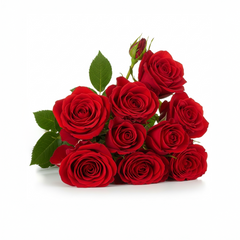
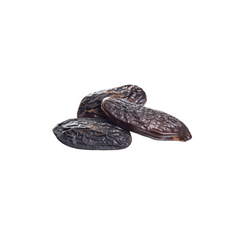
Bitter AlmondTurkish RoseTonka BeanPeru Balsam
2012
signature top note

La Petite Robe Noire

Guerlain
by Thierry Wasser
Black TeaAlmondLicoriceRose
2018
dominant note

Rouge Smoking

BDK Parfums
by Amelie Bourgeois
TobaccoVanillaCashmeranTonka Bean
2024
top note

Juliette

Juliette Has A Gun
by Romano Ricci
Floral NotesSpicy NuancesAmber
2022
dominant note

Caspian Cherry

Electimuss
AppleAmberWoody Notes

The modern prominence of sour cherry in perfumery can be traced to several landmark compositions. Tom Ford’s Lost Cherry (2018, perfumer Louise Turner) is widely credited with transforming the note from a playful accent into a sophisticated centerpiece, pairing a photorealistic sour cherry accord with bitter almond, Turkish rose, and tonka bean for a rich, boozy-gourmand effect. Guerlain’s La Petite Robe Noire (2012, Thierry Wasser) established sour cherry as a signature top note in a floral-gourmand context, blending it with black tea, almond, and licorice for a nuanced, powdery finish. BDK Rouge Smoking (2018, Amelie Bourgeois) explores the smoky, syrupy side of cherry, pairing it with tobacco, vanilla, and cashmeran for a sultry, urban character. Other notable examples include Juliette Has A Gun Juliette (2024, Romano Ricci), which features a bright, tart cherry opening with floral and spicy nuances, and Electimuss Caspian Cherry (2022), which combines sour cherry with apple and amber for a sparkling, refreshing effect. These fragrances demonstrate the versatility of sour cherry as both a dominant note and a bridge between fruity, floral, and gourmand accords. CA Perfume’s collection draws inspiration from this lineage, offering a range of cherry-infused compositions that highlight the note’s multifaceted character.

The Accord

How is a captivating Sour Cherry accord crafted?

A classic sour cherry accord is built from: Sour Cherry Accord (30–35%), Almond (20–25%), Turkish Rose (20–25%), and Vanilla (20–25%). The cherry accord provides tart juiciness via benzaldehyde and ionones; almond enhances the pit nuance with benzaldehyde; Turkish rose bridges fruity and floral facets through damascenone; vanilla rounds out the blend, masking sharpness with vanillin for creamy sweetness.

35%

Sour Cherry Accord

30–35% of blend

Provides the tart, juicy, and almond-nuanced core using benzaldehyde, ionones, and damascones to mimic the fruit’s natural aroma.

25%

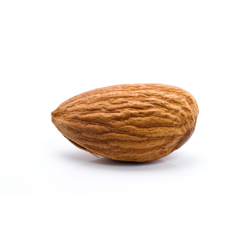
Almond

20–25% of blend

Benzaldehyde from almond enhances the pit-like, marzipan facet of cherry, reinforcing realism and adding gourmand depth.

25%

Turkish Rose

20–25% of blend

Damascenone in rose creates a molecular bridge between cherry’s fruity and floral aspects, adding complexity and lift.

25%

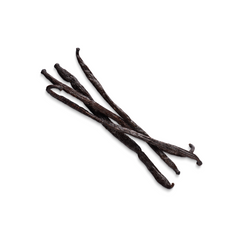
Vanilla

20–25% of blend

Vanillin softens the tartness of cherry through olfactory masking, creating a creamy, rounded finish and enhancing longevity.

The Olfactory Layers

How Sour Cherry Evolves on Skin

Sour cherry’s olfactory evolution is marked by a bright, tart opening that transitions into creamy-almond and floral facets before settling into a soft, gourmand base. High-volatility aldehydes and acids dominate the initial phase, while heavier molecules like vanillin and tonka bean persist in the drydown.

I
Top notes
0–15 min
Tart Red Burst

The initial impression is a burst of tart, juicy cherry, driven by benzaldehyde and short-chain acids (e.g., 2-methylbutyric acid) that provide sharpness and mouthwatering freshness. Ionones contribute a fleeting violet-fruity lift, while microdoses of green aldehydes add realism.

TartJuicyVibrant
II
Heart notes
20–60 min
Almond Cream

As the top notes dissipate, the almond-pit nuance becomes more prominent, with benzaldehyde and damascones lending a creamy, marzipan-like character. Turkish rose and tonka bean introduce floral and gourmand facets, softening the tartness.

AlmondFloralGourmand
III
Base notes
Several hours
Powdered Vanilla Woods

The drydown is defined by vanillin, coumarin, and soft musks, which round out the cherry accord into a sweet, powdery, and slightly woody finish. The tartness fades, leaving a lingering impression of cherry-vanilla and subtle woods.

SweetPowderyWoody
TOP NOTES Tart Red Burst 0–15 minutes HEART NOTES Almond Cream 20–60 minutes BASE NOTES Powdered Vanilla Woods Several hours
Through the Ages

The Story of Sour Cherry in Perfumery

Sour cherry’s journey in perfumery spans from ancient ritual use to modern synthetic reconstruction, with key milestones in both agricultural and fragrance chemistry.

4th century BCE

Early Cultivation in the Mediterranean

Theophrastus documents cherry cultivation in Greece, with cherries valued for both culinary and aromatic uses. Roman expansion spreads cherry orchards throughout Europe.

12th–16th centuries

Sour Cherry in Eastern Europe and Russia

Sour cherry saplings are introduced from Byzantium to Russia, where they become a staple orchard crop. The fruit’s tartness and frost resistance are prized in local cuisine and folk remedies.

19th century

Synthetic Benzaldehyde Discovered

Benzaldehyde, the key molecule for cherry’s almond-pit aroma, is first synthesized from bitter almond oil. This enables the recreation of cherry notes in flavor and fragrance applications.

2012

Guerlain La Petite Robe Noire Launches

Thierry Wasser’s composition brings sour cherry to the forefront of modern perfumery, blending it with black tea, almond, and licorice for a signature gourmand-floral effect.

2018

Tom Ford Lost Cherry Sets a New Standard

Louise Turner’s Lost Cherry elevates the note to luxury status, using a complex synthetic accord to capture the fruit’s tartness, juiciness, and subtle booziness, inspiring a wave of cherry-centric fragrances.

The Art of Layering

How to Layer Sour Cherry

Understanding how to layer sour cherry is essential for creating a multidimensional scent. Molecular compatibility—such as shared benzaldehyde or damascenone content—enables seamless blending with complementary notes.

01

Enhance Sweetness

Layering sour cherry with vanilla or tonka bean amplifies the creamy-gourmand aspect through vanillin and coumarin, masking tartness and extending longevity. This technique is exemplified in Tom Ford Lost Cherry and Guerlain La Petite Robe Noire.

02

Add Depth

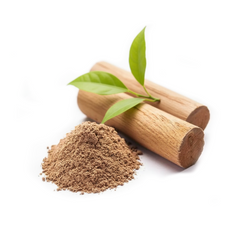
Pairing with woody or smoky notes (e.g., sandalwood, tobacco, or oud) introduces heavier molecules that anchor the cherry accord, creating a sultry, evening-appropriate effect. BDK Rouge Smoking and Fragrance Du Bois Sirène demonstrate this synergy.

03

Brighten the Tartness

Combining sour cherry with citrus (bergamot, lemon) or green notes (violet leaf) enhances the fruit’s freshness via shared aldehydic and ionone components, resulting in a sparkling, daytime-friendly composition as seen in Juliette Has A Gun Juliette.

Wear It Right

How to Wear Sour Cherry Like a Pro

Seasonal Guide

Fall & Winter

Cooler temperatures slow the evaporation of aldehydes and acids, allowing the creamy-almond and gourmand facets to linger. Apply to pulse points and layer with vanilla or amber to enhance warmth and longevity.

Spring

Moderate temperatures highlight the fruity-tart aspect, with balanced projection. Pair with floral notes like rose or peony for a fresh, playful effect. Apply lightly to avoid overwhelming delicate spring scents.

Summer

Heat increases volatility, intensifying the tart cherry burst but shortening longevity. Apply sparingly to cooler areas (inner elbows, behind knees) and consider layering with citrus or aquatic notes for a refreshing twist.

Year-Round Tip

Adjust application based on humidity: in dry climates, use a richer base (body lotion) to anchor the cherry note; in humid conditions, opt for lighter concentrations and avoid overapplication to prevent cloying sweetness.

Application Points

Strategic application enhances sour cherry’s projection and evolution, with pulse points and layering techniques optimizing performance.

1

Neck

The warmth of the neck accelerates the release of volatile cherry aldehydes, ensuring a vivid tart opening and moderate sillage.

2

Behind the Ears

This area maintains a stable temperature, allowing the cherry note to evolve gradually from tart to creamy, with subtle projection.

3

Inner Wrists

Body heat and movement here amplify the fruity burst, but frequent washing may reduce longevity. Reapply as needed for sustained impact.

4

Hair

Spraying on hair provides a gentle, long-lasting cherry trail, as the scent is released with movement and less affected by skin chemistry.

Pro Tip

Layer cherry fragrances over unscented lotion to slow evaporation and enhance the creamy-gourmand facets, especially in dry or cold weather.

Mood Architecture™

Top Sour Cherry Fragrances by Mood Score

These Sour Cherry-based fragrances scored highest on the MEI™ Mood Architecture Framework — measuring how a scent may influence your emotional state.

Highest MEI Score
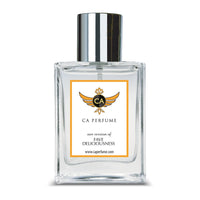
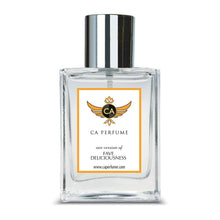
Fave Deliciousness — Feve Delicieuse Alternative Perfume
8.35
MEI™
Primary Romantic
Secondary Energizing
Confidence
7.22
Presence
7.07
Mood Lift
9.5
Identity
7.64
Warmth
9.5
Social Ease
9.15
Energy
4.9
" I am beautiful.
View full mood profile →
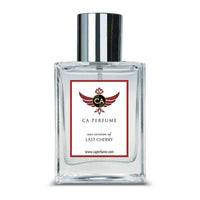
Last Cherry — Tom Ford Lost Cherry Alternative Perfume
6.8
MEI™
Primary Romantic
Secondary Grounding
Confidence
6.37
Presence
6.27
Mood Lift
7.11
Identity
6.08
Warmth
8.38
Social Ease
6.62
Energy
4.9
" I am beautiful.
View full mood profile →
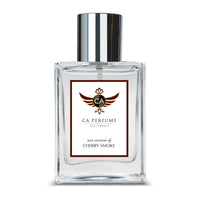
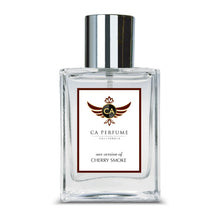
Cherry Smoke — Tom Ford Cherry Smoke Alternative Perfume
6.59
MEI™
Primary Magnetic
Secondary Confident
Confidence
7.14
Presence
8.03
Mood Lift
5.8
Identity
7.14
Warmth
6.75
Social Ease
5.98
Energy
5.1
" I am bold.
View full mood profile →
HumanSafe™

Top Sour Cherry Fragrances by HumanSafe™ Score

These Sour Cherry-based fragrances have the highest product-level HumanSafe™ scores in this ingredient collection.

Highest HumanSafe™ Score
Last Cherry — Tom Ford Lost Cherry Alternative Perfume
A-
HumanSafe™ Score Generally Safe
Safest Evaluated Ingredients EDP
AQUA Solvent / Carrier ISS 10.0
3-CYCLOPENTENE-1-ACETALDEHYDE, 2,2,3-TRIMETHYL-, Evaluated ingredient ISS 9.0
2H-1-BENZOPYRAN-2-ONE Evaluated ingredient ISS 8.0
ALCOHOL DENAT. Solvent / Carrier ISS 7.0
1-[(2-TERT-BUTYL)CYCLOHEXYLOXY]-2-BUTANOL Evaluated ingredient ISS 7.0
1,3-BENZODIOXOLE-5-CARBOXALDEHYDE Evaluated ingredient ISS 7.0
View full safety profile →
Fave Deliciousness — Feve Delicieuse Alternative Perfume
A-
HumanSafe™ Score Generally Safe
Safest Evaluated Ingredients EDP
AQUA Solvent / Carrier ISS 10.0
BENZYL SALICYLATE Evaluated ingredient ISS 9.0
2-OXABICYCLO[2.2.2]OCTANE, 1,3,3-TRIMETHYL- Evaluated ingredient ISS 9.0
3-BUTEN-2-ONE, 3-METHYL-4-(2,6,6-TRIMETHYL-2- Evaluated ingredient ISS 8.0
2H-1-BENZOPYRAN-2-ONE Evaluated ingredient ISS 8.0
LINALYL ACETATE Evaluated ingredient ISS 7.0
View full safety profile →
Cherry Smoke — Tom Ford Cherry Smoke Alternative Perfume
A-
HumanSafe™ Score Generally Safe
Safest Evaluated Ingredients EDP
AQUA Solvent / Carrier ISS 10.0
1,4-DIOXACYCLOHEPTADECANE-5,17-DIONE Evaluated ingredient ISS 10.0
4H-INDEN-4-ONE, 1,2,3,5,6,7-HEXAHYDRO-1,1,2,3,3- Evaluated ingredient ISS 9.0
3-CYCLOPENTENE-1-ACETALDEHYDE, 2,2,3-TRIMETHYL-, Evaluated ingredient ISS 9.0
3-BUTEN-2-ONE, 3-METHYL-4-(2,6,6-TRIMETHYL-2- Evaluated ingredient ISS 8.0
2H-1-BENZOPYRAN-2-ONE Evaluated ingredient ISS 8.0
View full safety profile →
Expert Voices

What Masters Say About Sour Cherry

In summary, to construct a sour cherry, one must emphasize almond tones, ionones, damascones, and spicy facets. Flavorists would likely even insist on adding free acids—ranging from the cheesy 2-methylbutyric acid to methylcaprylic acid, which, to me at least, smells like plastic and hair.
Matvey Yudov, Fragrantica Aroma Chemistry
Sour cherry’s signature in perfumery is almost always a synthetic reconstruction, as natural extraction yields are negligible and unstable. Benzaldehyde, ionones, and damascones are the key molecules for its tart, juicy, and almond-nuanced profile.
CA Perfume Editorial
Common Questions

Frequently Asked Questions

Frequently asked questions about sour cherry in perfumery, covering scent profile, note position, layering, and practical usage.

Sour cherry in perfume is characterized by a tart, juicy, and slightly bitter aroma with a distinct almond nuance. The scent profile is achieved through a blend of benzaldehyde (for the almond-pit effect), ionones (fruity-violet), and damascones (floral-fruity). The result is a vibrant, mouthwatering note that evolves from sharp fruitiness to creamy sweetness, as seen in fragrances like Tom Ford Lost Cherry and Guerlain La Petite Robe Noire.

Sour cherry is typically used as a heart or top note in fragrance compositions. Its volatility is moderate: the tart, juicy facets are most prominent in the opening and early heart, while the almond and creamy aspects persist into the drydown. In most formulas, sour cherry accounts for 1–5% of the total composition, providing a vivid introduction and a smooth transition to gourmand or floral bases.

Sour cherry’s popularity in niche perfumery stems from its ability to bridge fruity, gourmand, and floral accords. Its tartness adds vibrancy, while the almond nuance introduces complexity and a subtle gourmand effect. Modern synthetic chemistry allows perfumers to fine-tune the balance between tart, sweet, and creamy, enabling innovative compositions that stand out in a crowded market.

Sour cherry fragrance uses often involve pairing with almond (for shared benzaldehyde content), vanilla (for creamy sweetness), rose (for floral lift via damascenone), and woody notes like sandalwood or tobacco (for depth and longevity). These combinations create harmonious, multidimensional accords, as demonstrated in Tom Ford Lost Cherry and BDK Rouge Smoking.

Sour cherry’s tart, refreshing character makes it suitable for summer, but its volatility increases in heat, causing the note to dissipate more quickly. To maximize longevity, apply to cooler areas of the body and consider layering with citrus or aquatic notes. In humid conditions, use lighter concentrations to avoid cloying sweetness.

The cherry note itself lasts 4–6 hours on skin, with the tart top and creamy heart most pronounced in the first 2 hours. Longevity depends on concentration, skin chemistry, and the presence of fixatives like vanilla or tonka bean. Eau de Parfum formats generally provide the best balance of projection and persistence.

Yes, sour cherry is highly versatile for layering. It blends well with vanilla, almond, rose, and woody notes due to shared molecular components (benzaldehyde, damascenone, ionones). Layering can enhance sweetness, add depth, or brighten tartness, allowing for personalized scent experiences. Always test combinations on skin for optimal results.

Beginner-friendly sour cherry perfumes include Guerlain La Petite Robe Noire (2012), which balances tart cherry with almond and licorice, and BDK Rouge Smoking (2018), which offers a smoky-gourmand take. Tom Ford Lost Cherry is a benchmark for photorealistic cherry, while Juliette Has A Gun Juliette provides a playful, modern interpretation.

Consider your preferred balance of tartness, sweetness, and depth. If you enjoy vibrant, fruity openings, look for cherry-centric EDPs with citrus or floral accents. For a creamier, gourmand effect, select blends with vanilla, almond, or tonka bean. CA Perfume’s collection offers a range of cherry-focused compositions to suit diverse tastes and occasions.

Sour cherry is not inherently too sweet; its tartness and almond nuance provide balance and complexity. The overall sweetness depends on the formula and accompanying notes. In modern compositions, perfumers often temper the fruitiness with woody, floral, or smoky elements, making sour cherry suitable for both casual and formal settings.

Fruity Gourmand Collection

Explore Our Top Sour Cherry Fragrances

Discover CA Perfume’s curated selection of cherry-centric compositions, from tart and playful to creamy and gourmand, each crafted for maximum olfactory impact.

Shop all sour cherry fragrances at CA Perfume →

Where Sour Cherry Comes From — Origin & Extraction

Sour Cherry (Prunus cerasus) is a member of the Rosaceae family, believed to have originated from a natural hybridization between the sweet cherry (Prunus avium) and the steppe cherry (Prunus fruticosa) in regions overlapping Eastern Europe and the Iranian Plateau. Today, major agricultural producers of sour cherries include Russia, Poland, Turkey, and the United States, with Poland alone accounting for over 200,000 metric tons annually (ca. 20% of global production). The fruit is divided into two main cultivar groups: Morello (dark, intensely tart) and Amarelle (lighter, more delicate). Despite its agricultural abundance, sour cherry’s aromatic compounds are not amenable to traditional essential oil extraction. The fruit contains water-soluble anthocyanins and polyphenols, but its volatile aroma is lost during steam distillation, and solvent extraction yields are extremely low and unstable. Modern studies (see Chatzimitakos et al., 2024) have explored green extraction techniques for polyphenols and fatty acids from cherry kernels, but these extracts lack the characteristic cherry aroma. As a result, perfumers reconstruct the note using synthetic molecules: benzaldehyde (CAS 100-52-7) for the almond-pit nuance, ionones (CAS 127-41-3, 14901-07-6) for fruity-violet facets, damascones, and microdoses of acids (e.g., 2-methylbutyric acid) for tartness. Benzaldehyde is typically produced by hydrolysis of benzal chloride or by oxidation of toluene, costing around $10–20/kg, while specialty cherry aroma bases can range from $100–500/kg depending on complexity. Natural cherry extracts are not commercially viable for perfumery. Synthetic reconstructions offer consistency, safety, and sustainability, as they do not rely on agricultural harvests or generate significant by-products. The environmental impact is further minimized by the use of green chemistry in the synthesis of key aroma molecules.

Famous Fragrances That Define Sour Cherry in Perfumery

The modern prominence of sour cherry in perfumery can be traced to several landmark compositions. Tom Ford’s Lost Cherry (2018, perfumer Louise Turner) is widely credited with transforming the note from a playful accent into a sophisticated centerpiece, pairing a photorealistic sour cherry accord with bitter almond, Turkish rose, and tonka bean for a rich, boozy-gourmand effect. Guerlain’s La Petite Robe Noire (2012, Thierry Wasser) established sour cherry as a signature top note in a floral-gourmand context, blending it with black tea, almond, and licorice for a nuanced, powdery finish. BDK Rouge Smoking (2018, Amelie Bourgeois) explores the smoky, syrupy side of cherry, pairing it with tobacco, vanilla, and cashmeran for a sultry, urban character. Other notable examples include Juliette Has A Gun Juliette (2024, Romano Ricci), which features a bright, tart cherry opening with floral and spicy nuances, and Electimuss Caspian Cherry (2022), which combines sour cherry with apple and amber for a sparkling, refreshing effect. These fragrances demonstrate the versatility of sour cherry as both a dominant note and a bridge between fruity, floral, and gourmand accords. CA Perfume’s collection draws inspiration from this lineage, offering a range of cherry-infused compositions that highlight the note’s multifaceted character.

Natural vs Synthetic Sour Cherry in Perfumery

Natural sour cherry essential oil does not exist in commercial perfumery due to the fruit’s high water content and the instability of its volatile aroma compounds during extraction. Instead, the sour cherry note is built from a palette of synthetic molecules. The primary components are benzaldehyde (CAS 100-52-7), which imparts the almond-pit nuance; alpha- and beta-ionone (CAS 127-41-3, 14901-07-6) for fruity-violet aspects; and damascone isomers (CAS 23726-91-2) for floral-fruity depth. Additional molecules such as furfural (CAS 98-01-1) and maltol (CAS 118-71-8) are used to enhance caramelic and sweet facets, while microdoses of acids (e.g., 2-methylbutyric acid, CAS 116-53-0) add tartness and juiciness. Synthetic sour cherry accords offer superior performance in terms of longevity, diffusion, and batch-to-batch consistency compared to hypothetical natural extracts. For example, benzaldehyde is highly stable and diffusive, while ionones provide a persistent, powdery-fruity trail. The cost of a synthetic cherry accord is typically $100–500/kg, compared to the theoretical cost of natural cherry absolute (if it could be produced), which would exceed $10,000/kg due to extremely low yields. Notable fragrances such as Tom Ford Lost Cherry, Guerlain La Petite Robe Noire, and BDK Rouge Smoking all rely on synthetic cherry reconstructions. From a sustainability perspective, synthetic molecules reduce pressure on agricultural resources and minimize waste. The HumanSafe™ platform ensures full transparency of all aroma chemicals used in CA Perfume’s cherry accords, with rigorous IFRA compliance and allergen screening. This approach guarantees both safety and environmental responsibility while preserving the olfactory integrity of the sour cherry note.