Where Solar Notes Comes From — Origin & Extraction
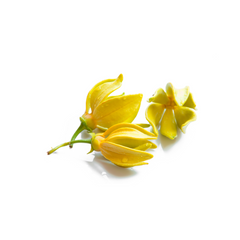
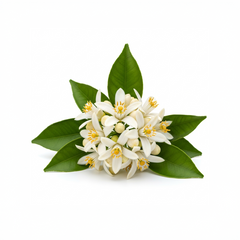
Solar notes are not derived from a single botanical or mineral source; instead, they are a perfumer's accord constructed from both natural extracts and synthetic aroma chemicals. Key natural contributors include white florals such as frangipani (Plumeria spp.), tiare (Gardenia taitensis), ylang-ylang (Cananga odorata), and orange blossom (Citrus aurantium amara). These are sourced primarily from Madagascar, Tahiti, Comoros, and North Africa, with global production of ylang-ylang essential oil estimated at 40–50 metric tons annually (Madagascar supplying over 60%). Extraction methods for these florals include steam distillation (ylang-ylang), solvent extraction (jasmine, tiare), and enfleurage (historically for gardenia and tiare, now rare).
The solar accord is completed with synthetic molecules such as benzyl salicylate, heliotropin (piperonal, CAS 120-57-0), and Helional (CAS 141-13-9). Benzyl salicylate is produced via esterification of salicylic acid and benzyl alcohol, primarily in Europe and Asia, with annual global production exceeding 10,000 metric tons. The cost of natural floral absolutes used in solar notes ranges from $1,500–$5,000/kg (ylang-ylang, tiare), while key synthetics like benzyl salicylate and heliotropin are significantly less expensive ($10–$50/kg). Sustainability considerations favor the use of synthetics, as overharvesting of tropical florals can threaten biodiversity. The solar note concept emerged in the late 20th century, with the first deliberate "solar" marketing in Jil Sander Sun (1989), and has since become a staple in both niche and mainstream perfumery.
Famous Fragrances That Define Solar Notes in Perfumery
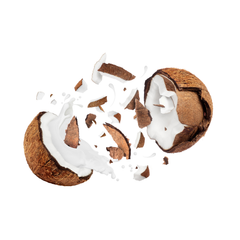
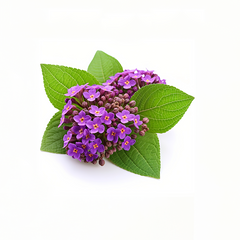
Solar notes have become a defining signature in modern perfumery, especially in compositions aiming to evoke sunlight, warmth, and radiant skin. Jil Sander Sun (1989, perfumer Pierre Bourdon) is often cited as the first fragrance to explicitly market a 'solar' accord, blending orange blossom, ylang-ylang, and benzyl salicylate for a sun-drenched effect. Estée Lauder Bronze Goddess (2008, Rodrigo Flores-Roux) popularized the beachy, coconut-laced solar style, combining tiare, coconut, and amber. Tom Ford Soleil Blanc (2016, Nathalie Gracia-Cetto) elevated the genre with a luxurious blend of ylang-ylang, coconut, and musks, while Maison Margiela Beach Walk (2012, Jacques Cavallier) used ylang-ylang, heliotrope, and musks to evoke sun-kissed skin and salty air. More recent examples include Penhaligon's Solaris (2023, Marie Salamagne), which features tiare, ylang-ylang, and vanilla, and Rabanne 1 Million Parfum (2020, Quentin Bisch and Christophe Raynaud), which employs a salty, monoi-tuberose solar accord. These fragrances demonstrate the versatility of solar notes as dominant, bridge, or accent notes, often paired with coconut, white florals, amber, and musks. CA Perfume's collection draws inspiration from this lineage, offering solar-inspired compositions with full ingredient transparency.
Natural vs Synthetic Solar Notes in Perfumery
Solar notes are inherently hybrid, blending natural extracts (ylang-ylang, tiare, orange blossom) with synthetic molecules that provide radiance, longevity, and a sunlit effect. The most important synthetic aroma chemicals in solar accords include benzyl salicylate (CAS 118-58-1), heliotropin/piperonal (CAS 120-57-0), and Helional (CAS 141-13-9). Benzyl salicylate imparts a creamy, sun-warmed floral character and is a key component of classic sunscreen scents. Helional adds a watery, ozonic freshness, while heliotropin brings almondy, powdery nuances. Synthetic musks (e.g., Galaxolide, CAS 1222-05-5) and lactones (gamma-undecalactone, CAS 104-67-6) are also common.
Performance-wise, synthetics offer greater stability, diffusion, and consistency compared to natural extracts, which can be variable due to climate and harvest conditions. Cost differentials are significant: natural ylang-ylang absolute may cost $2,000–$5,000/kg, while benzyl salicylate is typically $10–$20/kg. Many iconic solar fragrances—such as Tom Ford Soleil Blanc and Maison Margiela Beach Walk—rely on a blend of both, with synthetics providing the luminous, persistent "solar" effect. Sustainability and supply chain reliability also favor synthetics, reducing pressure on endangered floral species. CA Perfume's HumanSafe™ platform ensures full transparency regarding the sourcing and safety of both natural and synthetic solar note components.