Ingredient Guide · Floral Solar
Floral Solar Family · Perfumery Note

Solar Notes

The olfactory impression of sunlight, bottled.

Solar Notes in perfumery are an abstract, modern accord evoking the sensation of sun-warmed skin and luminous air. Technically, they blend creamy white florals, coconut, musks, and salicylate molecules for a radiant, enveloping effect.

Solar Notes
Ingredient Profile

Solar Notes

Floral Solar Family
Family Floral Solar
Note Position Heart Note
Usage Level 1–8% in formula
Key Origins Madagascar, French Polynesia, Comoros
Iconic In Jil Sander Sun, Estée Lauder Bronze Goddess Eau Fraîche Skinscent
The Ingredient

What does Solar Notes smell like and why are they significant in perfumery?

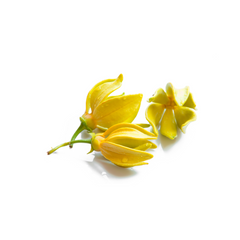
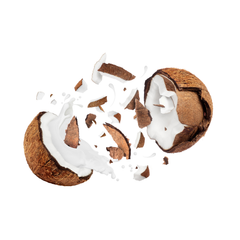
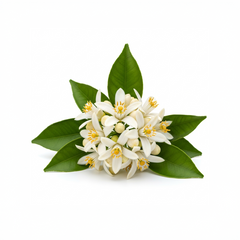
Solar Notes are not a single raw material but an olfactory construct designed to evoke the sensation of sunlight, warmth, and radiant air. The scent profile is characterized by creamy, lactonic florals (notably frangipani, tiare, ylang-ylang, and orange blossom), coconut, subtle musks, and a supporting structure of salicylate molecules such as benzyl salicylate (CAS 118-58-1) and octyl salicylate. These compounds impart a sun-warmed, slightly sweet, and luminous quality, often described as reminiscent of skin after sunbathing, warm sand, or the nostalgic aroma of classic suntan lotion. The solar notes scent profile is airy, radiant, and enveloping, with creamy, powdery, and sometimes slightly salty undertones. In perfumery, solar notes are typically classified as heart notes, providing a bridge between fresh top notes and deeper base accords. Their concentration in compositions ranges from 1% to 8%, depending on the desired intensity and the interplay with other notes. Solar notes interact dynamically with skin chemistry: on warmer, more humid skin, their creamy and musky facets are amplified, while on drier skin, the floral and powdery aspects become more pronounced. This makes solar notes highly versatile for both feminine and unisex fragrances. The question "what does solar notes smell like" is often answered with references to white florals, coconut, and musks, but the true signature is their radiant, almost intangible warmth. Solar notes in perfumery have become a defining element in modern fragrance design, especially in compositions aiming to evoke summer, beach, or luminous skin. Notable examples include Tom Ford Soleil Blanc (2016), where perfumer Nathalie Gracia-Cetto used coconut, ylang-ylang, and benzyl salicylate to create a sun-drenched effect, and Maison Margiela Beach Walk (2012), which blends ylang-ylang, heliotrope, and musks for a nostalgic, sunlit impression. These fragrances exemplify the use of solar notes as both a dominant theme and a supporting, radiant accent.

1–8% in formula
Solar notes are typically used at 1–8% of a fragrance's composition, balancing radiance and diffusion without overpowering other notes.
4–8 hours
Solar note fragrances offer moderate longevity, with creamy florals and musks persisting for 4–8 hours depending on concentration and skin chemistry.
>$2,000/kg (natural absolute)
Natural ylang-ylang and tiare absolutes used in solar accords can cost over $2,000/kg, while key synthetics like benzyl salicylate are $10–$50/kg.
Origin & Extraction

Where Solar Notes Comes From — Origin & Extraction

Solar notes draw on ingredients from tropical and Mediterranean regions, where abundant sunlight shapes the chemistry of white florals and coconut. Soil, humidity, and temperature influence the lactonic and floral molecules that define the solar scent profile.

Solar notes are not derived from a single botanical or mineral source; instead, they are a perfumer's accord constructed from both natural extracts and synthetic aroma chemicals. Key natural contributors include white florals such as frangipani (Plumeria spp.), tiare (Gardenia taitensis), ylang-ylang (Cananga odorata), and orange blossom (Citrus aurantium amara). These are sourced primarily from Madagascar, Tahiti, Comoros, and North Africa, with global production of ylang-ylang essential oil estimated at 40–50 metric tons annually (Madagascar supplying over 60%). Extraction methods for these florals include steam distillation (ylang-ylang), solvent extraction (jasmine, tiare), and enfleurage (historically for gardenia and tiare, now rare). The solar accord is completed with synthetic molecules such as benzyl salicylate, heliotropin (piperonal, CAS 120-57-0), and Helional (CAS 141-13-9). Benzyl salicylate is produced via esterification of salicylic acid and benzyl alcohol, primarily in Europe and Asia, with annual global production exceeding 10,000 metric tons. The cost of natural floral absolutes used in solar notes ranges from $1,500–$5,000/kg (ylang-ylang, tiare), while key synthetics like benzyl salicylate and heliotropin are significantly less expensive ($10–$50/kg). Sustainability considerations favor the use of synthetics, as overharvesting of tropical florals can threaten biodiversity. The solar note concept emerged in the late 20th century, with the first deliberate "solar" marketing in Jil Sander Sun (1989), and has since become a staple in both niche and mainstream perfumery.

MG

Madagascar

The Sambava region is the world's leading ylang-ylang producer, with volcanic soils and high humidity yielding oil rich in methyl salicylate esters. Madagascar supplies over 60% of global ylang-ylang essential oil, prized for its creamy, radiant profile.

PF

French Polynesia

Tahiti is synonymous with tiare flower, the heart of Monoi de Tahiti. Flowers are macerated in coconut oil, producing a lactonic, creamy extract. The region's unique terroir and artisanal enfleurage methods ensure a distinctive, sun-drenched aroma.

KM

Comoros

Comoros produces high-quality ylang-ylang and frangipani, with volcanic soils and equatorial sun intensifying floral and lactonic notes. The region's ylang-ylang is often fractionated for use in solar accords.

ES

Spain

Andalusia's orange blossom is a key solar note ingredient. Warm, dry summers and calcareous soils produce neroli and orange blossom absolute with luminous, honeyed facets, widely used in Mediterranean solar accords.

Chemistry

Natural vs Synthetic Solar Notes in Perfumery

Solar notes are inherently hybrid, blending natural extracts (ylang-ylang, tiare, orange blossom) with synthetic molecules that provide radiance, longevity, and a sunlit effect. The most important synthetic aroma chemicals in solar accords include benzyl salicylate (CAS 118-58-1), heliotropin/piperonal (CAS 120-57-0), and Helional (CAS 141-13-9). Benzyl salicylate imparts a creamy, sun-warmed floral character and is a key component of classic sunscreen scents. Helional adds a watery, ozonic freshness, while heliotropin brings almondy, powdery nuances. Synthetic musks (e.g., Galaxolide, CAS 1222-05-5) and lactones (gamma-undecalactone, CAS 104-67-6) are also common. Performance-wise, synthetics offer greater stability, diffusion, and consistency compared to natural extracts, which can be variable due to climate and harvest conditions. Cost differentials are significant: natural ylang-ylang absolute may cost $2,000–$5,000/kg, while benzyl salicylate is typically $10–$20/kg. Many iconic solar fragrances—such as Tom Ford Soleil Blanc and Maison Margiela Beach Walk—rely on a blend of both, with synthetics providing the luminous, persistent "solar" effect. Sustainability and supply chain reliability also favor synthetics, reducing pressure on endangered floral species. CA Perfume's HumanSafe™ platform ensures full transparency regarding the sourcing and safety of both natural and synthetic solar note components.

Natural
Solar Notes Absolute
Cost $3,000–6,000/kg
Method Solvent / CO₂
Character Complex, variable
vs
Synthetic
Safranal & Analogues
Cost $50–200/kg
Method Lab synthesis
Character Consistent, stable
Hall of Fame

Famous Fragrances That Define Solar Notes in Perfumery

1989
dominant note

Jil Sander Sun

Jil Sander
by Pierre Bourdon
orange blossomylang-ylangbenzyl salicylate
2008
dominant note

Estée Lauder Bronze Goddess Eau Fraîche Skinscent

Estée Lauder
by Rodrigo Flores-Roux
tiarecoconutamber
2016
dominant note

Tom Ford Soleil Blanc

Tom Ford
by Nathalie Gracia-Cetto
ylang-ylangcoconutmuskamber
2012
bridge note

Maison Margiela Beach Walk

Maison Margiela
by Jacques Cavallier
ylang-ylangheliotropemuskcoconut
2023
dominant note

Penhaligon's Solaris

Penhaligon's
by Marie Salamagne
tiareylang-ylangvanillasandalwood
2020
accent

Rabanne 1 Million Parfum

Rabanne
by Quentin Bisch, Christophe Raynaud
monoituberoseambergrisleather

Solar notes have become a defining signature in modern perfumery, especially in compositions aiming to evoke sunlight, warmth, and radiant skin. Jil Sander Sun (1989, perfumer Pierre Bourdon) is often cited as the first fragrance to explicitly market a 'solar' accord, blending orange blossom, ylang-ylang, and benzyl salicylate for a sun-drenched effect. Estée Lauder Bronze Goddess (2008, Rodrigo Flores-Roux) popularized the beachy, coconut-laced solar style, combining tiare, coconut, and amber. Tom Ford Soleil Blanc (2016, Nathalie Gracia-Cetto) elevated the genre with a luxurious blend of ylang-ylang, coconut, and musks, while Maison Margiela Beach Walk (2012, Jacques Cavallier) used ylang-ylang, heliotrope, and musks to evoke sun-kissed skin and salty air. More recent examples include Penhaligon's Solaris (2023, Marie Salamagne), which features tiare, ylang-ylang, and vanilla, and Rabanne 1 Million Parfum (2020, Quentin Bisch and Christophe Raynaud), which employs a salty, monoi-tuberose solar accord. These fragrances demonstrate the versatility of solar notes as dominant, bridge, or accent notes, often paired with coconut, white florals, amber, and musks. CA Perfume's collection draws inspiration from this lineage, offering solar-inspired compositions with full ingredient transparency.

The Accord

How is a captivating Solar Notes accord crafted?

A solar notes accord is built to evoke radiant warmth and creamy luminosity. Typical proportions: Ylang-Ylang 20–25%, Tiare Flower 20–25%, Coconut 25–30%, Benzyl Salicylate 25–30%. Ylang-ylang provides creamy, floral radiance via methyl salicylate esters. Tiare offers exotic, lactonic sweetness. Coconut introduces milky, sun-tan nuances through lactones. Benzyl salicylate delivers persistent, sun-warmed floral warmth and boosts diffusion.

25%

Ylang-Ylang

20–25% of blend

Ylang-ylang's methyl salicylate esters impart creamy, radiant floralcy, forming the luminous heart of the solar accord.

25%

Tiare Flower

20–25% of blend

Tiare contributes lactonic, exotic sweetness and a sun-warmed, tropical nuance, enhancing the accord's solar character.

30%

Coconut

25–30% of blend

Coconut's gamma-lactones provide milky, creamy facets reminiscent of sun-tan lotion and warm skin.

30%

Benzyl Salicylate

25–30% of blend

Benzyl salicylate is a key synthetic, imparting persistent, radiant warmth and boosting the diffusion of floral and lactonic notes.

The Olfactory Layers

How Solar Notes Evolves on Skin

Solar notes evolve from sparkling citrus and airy florals in the opening, through creamy, lactonic heart notes, to a sun-warmed, musky base. High-volatility molecules like citrus aldehydes evaporate first, followed by persistent salicylates and musks.

I
Top notes
0–15 min
Radiant Citrus Burst

The initial impression is bright and radiant, with fleeting citrus aldehydes (e.g., citral, limonene) and airy white florals (neroli, orange blossom). These high-volatility molecules create a sparkling, sunlit effect that quickly transitions to the heart.

RadiantCitrusAiry
II
Heart notes
20–60 min
Creamy Floral Glow

Creamy florals (ylang-ylang, tiare, frangipani) and lactones (gamma-undecalactone) dominate, supported by benzyl salicylate and heliotropin. This phase is enveloping and sun-warmed, with persistent radiance and a subtle, milky sweetness.

CreamyFloralLactonic
III
Base notes
Several hours
Sun-Warmed Musk

Musks (Galaxolide, Ambrette), amber, and soft woods (sandalwood) provide a lingering, skin-like warmth. These low-volatility molecules anchor the solar accord, ensuring longevity and a gentle, sun-baked finish.

MuskyAmberSkin-like
TOP NOTES Radiant Citrus Burst 0–15 minutes HEART NOTES Creamy Floral Glow 20–60 minutes BASE NOTES Sun-Warmed Musk Several hours
Through the Ages

The Story of Solar Notes in Perfumery

The solar notes concept has evolved from early associations with sun care products to a sophisticated, abstract accord in modern perfumery.

1935

Ambre Solaire and the Solar Scent Reference

L'Oréal launches Ambre Solaire, using benzyl salicylate for both UV protection and its distinctive sun-warmed scent. This product becomes the olfactory reference for solar notes in Europe.

1960s–1970s

Rise of Salicylates and Synthetic Musks

Perfumers begin using benzyl salicylate, heliotropin, and synthetic musks to evoke sunlit, creamy, and skin-like effects in both fine fragrance and sun care products.

1989

Jil Sander Sun: The First 'Solar' Fragrance

Jil Sander Sun, composed by Pierre Bourdon, is marketed as a solar fragrance, blending orange blossom, ylang-ylang, and benzyl salicylate to evoke sunlight and warmth.

2008

Bronze Goddess and the Beachy Solar Trend

Estée Lauder Bronze Goddess (Rodrigo Flores-Roux) popularizes the beachy solar style, combining tiare, coconut, and amber for a sun-drenched, vacation-inspired effect.

2016–Present

Solar Notes in Niche and Mainstream Perfumery

Solar notes become a staple in both niche and designer fragrances, with compositions like Tom Ford Soleil Blanc and Penhaligon's Solaris showcasing the versatility and modern appeal of the solar accord.

The Art of Layering

How to Layer Solar Notes

Understanding how to layer solar notes is key to creating a radiant, multidimensional scent. Solar notes blend well with creamy florals, musks, and gourmand notes due to shared lactonic and salicylate compounds.

01

Enhance Creaminess

Layering solar notes with vanilla or tonka bean amplifies the creamy, gourmand facets through shared lactones and coumarin. This combination is demonstrated in Tom Ford Soleil Blanc, where vanilla softens the solar accord for a sun-baked dessert effect.

02

Add Freshness

Pairing solar notes with citrus (bergamot, mandarin) or green notes introduces a sparkling, uplifting dimension. The volatile aldehydes and terpenes in citrus enhance the luminous opening, as seen in Penhaligon's Solaris, which combines solar notes with black currant and lemon oil.

03

Deepen with Woods

Blending solar notes with sandalwood or amber adds depth and longevity via shared fixative molecules (santalol, ambroxan). Maison Margiela Beach Walk demonstrates this synergy, with sandalwood grounding the radiant, sunlit accord.

Wear It Right

How to Wear Solar Notes Like a Pro

Seasonal Guide

Fall & Winter

In cooler weather, solar notes provide a comforting, radiant warmth. Lower temperatures suppress the volatility of citrus and aldehydes, allowing creamy florals and musks to dominate. Apply to pulse points under clothing to maximize diffusion and create a subtle, sunlit aura.

Spring

Spring's moderate temperatures highlight the fresh, floral facets of solar notes. Increased humidity enhances the projection of lactonic and musky molecules, making solar fragrances feel uplifting and luminous. Apply lightly to exposed skin for a balanced, radiant effect.

Summer

High heat and humidity amplify the volatility of solar notes, intensifying their radiant, beachy character. The creamy, tropical aspects become more pronounced, but rapid evaporation can reduce longevity. Reapply as needed and consider layering with a matching body lotion for extended wear.

Year-Round Tip

Solar notes can be worn year-round by adjusting application technique and concentration. In dry climates, moisturize skin before application to enhance longevity. In humid environments, use lighter concentrations to prevent overwhelming projection.

Application Points

Strategic application enhances the radiance and longevity of solar notes.

1

Neck

Applying solar notes to the neck leverages body heat, accelerating the diffusion of radiant florals and musks for an immediate sunlit impression.

2

Behind the Ears

This area retains warmth and allows the creamy, lactonic facets of solar notes to develop gradually, creating a soft, enveloping aura.

3

Inner Wrists

Pulse points on the wrists intensify the projection of volatile citrus and aldehydes in the opening, then mellow into creamy, musky warmth as the fragrance evolves.

4

Hair

Spraying solar notes on hair provides a gentle, long-lasting sillage, as hair fibers retain lactonic and musky molecules, releasing them with movement.

Pro Tip

Layer solar note fragrances with unscented or matching body lotion to enhance longevity and diffusion, especially in dry or cold conditions.

Mood Architecture™

Top Solar Notes Fragrances by Mood Score

These Solar Notes-based fragrances scored highest on the MEI™ Mood Architecture Framework — measuring how a scent may influence your emotional state.

Highest MEI Score
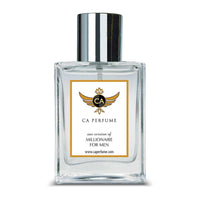
Millionaire For Men — One Million Alternative Cologne
7.2
MEI™
Primary Romantic
Secondary Confident
Confidence
7.11
Presence
7.18
Mood Lift
7.43
Identity
6.99
Warmth
8.5
Social Ease
6.59
Energy
4.4
" I am beautiful.
View full mood profile →
HumanSafe™

Top Solar Notes Fragrances by HumanSafe™ Score

These Solar Notes-based fragrances have the highest product-level HumanSafe™ scores in this ingredient collection.

Highest HumanSafe™ Score
Millionaire For Men — One Million Alternative Cologne
A-
HumanSafe™ Score Generally Safe
Safest Evaluated Ingredients EDP
AQUA Solvent / Carrier ISS 10.0
7-OCTEN-2-OL, 2,6-DIMETHYL- Evaluated ingredient ISS 9.0
3-BUTEN-2-ONE, 3-METHYL-4-(2,6,6-TRIMETHYL-2- Evaluated ingredient ISS 8.0
2H-1-BENZOPYRAN-2-ONE Evaluated ingredient ISS 8.0
2-HEXENE, 6,6-DIMETHOXY-2,5,5-TRIMETHYL- Evaluated ingredient ISS 8.0
N° TURKISH REACH: 01-0000453802-44- Evaluated ingredient ISS 7.0
View full safety profile →
Expert Voices

What Masters Say About Solar Notes

Solar denotes a feeling of sunshine – but with it a physical feeling of being uplifted, of turning our faces toward the light source, a perfumed purr of warm cat contentedness.
Alberto Morillas, Master Perfumer
Solar notes are an abstract accord, blending creamy florals, lactones, and musks to evoke the sensation of radiant, sun-warmed skin.
CA Perfume Editorial
Common Questions

Frequently Asked Questions

Answers to common questions about solar notes in perfumery.

Solar notes in perfume evoke the sensation of sunlight and warmth, blending creamy white florals (ylang-ylang, tiare), coconut, musks, and salicylate molecules. The result is a radiant, sun-warmed scent profile that is both abstract and enveloping, often reminiscent of sun-tanned skin, tropical air, and classic suntan lotion. Notable examples include Tom Ford Soleil Blanc and Maison Margiela Beach Walk.

Solar notes are typically classified as heart notes, providing a radiant bridge between fresh top notes (citrus, aldehydes) and deeper base notes (musks, woods, amber). Their persistence and diffusion are enhanced by salicylates and musks, allowing the solar accord to linger throughout the fragrance's evolution.

Solar notes offer perfumers a versatile, abstract tool for evoking sunlight, warmth, and radiant skin. Their blend of creamy florals, coconut, and musks creates a modern, uplifting signature that appeals to both niche and mainstream audiences. The solar accord's ability to harmonize with a wide range of notes makes it a staple in contemporary fragrance design.

Solar notes fragrance uses often include pairing with vanilla, sandalwood, amber, citrus, and green notes. Vanilla and tonka bean amplify the creamy, gourmand facets; sandalwood and amber add depth and longevity; citrus and green notes provide a sparkling, uplifting contrast. These combinations are demonstrated in fragrances like Tom Ford Soleil Blanc and Penhaligon's Solaris.

Yes, solar notes are especially popular in summer and warm climates due to their radiant, sunlit character. High temperatures and humidity amplify the creamy, tropical aspects of solar notes, though rapid evaporation may reduce longevity. Applying to moisturized skin and reapplying as needed can help maintain the luminous effect.

Solar notes fragrances offer moderate longevity, typically lasting 4–8 hours depending on concentration, skin chemistry, and environmental conditions. The persistence of musks and salicylates in the base ensures a lingering, sun-warmed impression even as the brighter top notes fade.

Yes, solar notes are highly layerable due to their abstract, radiant character. They blend well with creamy gourmands (vanilla, tonka), fresh citrus, and woody or musky bases. Layering can enhance creaminess, add freshness, or deepen the accord, allowing for a customized, multidimensional scent.

Recommended entry points include Estée Lauder Bronze Goddess, Maison Margiela Beach Walk, and Tom Ford Soleil Blanc. These fragrances showcase the classic solar accord—creamy florals, coconut, and musks—in approachable, balanced compositions suitable for everyday wear.

Explore CA Perfume's solar-inspired collection by sampling a range of profiles, from creamy and tropical to airy and musky. Consider your preferred season, layering preferences, and desired intensity. The HumanSafe™ platform provides full ingredient transparency for informed selection.

Solar notes are designed to be balanced and versatile, with creamy, lactonic sweetness offset by airy florals, musks, and occasional citrus or green notes. Most solar fragrances avoid excessive sweetness, making them suitable for daily use across a range of climates and occasions.

Floral Solar Collection

Explore Our Top Solar Notes Fragrances

Discover CA Perfume's curated selection of radiant, sun-inspired fragrances featuring solar notes. Each composition offers a unique interpretation of sunlight in scent.

Shop all solar notes fragrances at CA Perfume →

Where Solar Notes Comes From — Origin & Extraction

Solar notes are not derived from a single botanical or mineral source; instead, they are a perfumer's accord constructed from both natural extracts and synthetic aroma chemicals. Key natural contributors include white florals such as frangipani (Plumeria spp.), tiare (Gardenia taitensis), ylang-ylang (Cananga odorata), and orange blossom (Citrus aurantium amara). These are sourced primarily from Madagascar, Tahiti, Comoros, and North Africa, with global production of ylang-ylang essential oil estimated at 40–50 metric tons annually (Madagascar supplying over 60%). Extraction methods for these florals include steam distillation (ylang-ylang), solvent extraction (jasmine, tiare), and enfleurage (historically for gardenia and tiare, now rare). The solar accord is completed with synthetic molecules such as benzyl salicylate, heliotropin (piperonal, CAS 120-57-0), and Helional (CAS 141-13-9). Benzyl salicylate is produced via esterification of salicylic acid and benzyl alcohol, primarily in Europe and Asia, with annual global production exceeding 10,000 metric tons. The cost of natural floral absolutes used in solar notes ranges from $1,500–$5,000/kg (ylang-ylang, tiare), while key synthetics like benzyl salicylate and heliotropin are significantly less expensive ($10–$50/kg). Sustainability considerations favor the use of synthetics, as overharvesting of tropical florals can threaten biodiversity. The solar note concept emerged in the late 20th century, with the first deliberate "solar" marketing in Jil Sander Sun (1989), and has since become a staple in both niche and mainstream perfumery.

Famous Fragrances That Define Solar Notes in Perfumery

Solar notes have become a defining signature in modern perfumery, especially in compositions aiming to evoke sunlight, warmth, and radiant skin. Jil Sander Sun (1989, perfumer Pierre Bourdon) is often cited as the first fragrance to explicitly market a 'solar' accord, blending orange blossom, ylang-ylang, and benzyl salicylate for a sun-drenched effect. Estée Lauder Bronze Goddess (2008, Rodrigo Flores-Roux) popularized the beachy, coconut-laced solar style, combining tiare, coconut, and amber. Tom Ford Soleil Blanc (2016, Nathalie Gracia-Cetto) elevated the genre with a luxurious blend of ylang-ylang, coconut, and musks, while Maison Margiela Beach Walk (2012, Jacques Cavallier) used ylang-ylang, heliotrope, and musks to evoke sun-kissed skin and salty air. More recent examples include Penhaligon's Solaris (2023, Marie Salamagne), which features tiare, ylang-ylang, and vanilla, and Rabanne 1 Million Parfum (2020, Quentin Bisch and Christophe Raynaud), which employs a salty, monoi-tuberose solar accord. These fragrances demonstrate the versatility of solar notes as dominant, bridge, or accent notes, often paired with coconut, white florals, amber, and musks. CA Perfume's collection draws inspiration from this lineage, offering solar-inspired compositions with full ingredient transparency.

Natural vs Synthetic Solar Notes in Perfumery

Solar notes are inherently hybrid, blending natural extracts (ylang-ylang, tiare, orange blossom) with synthetic molecules that provide radiance, longevity, and a sunlit effect. The most important synthetic aroma chemicals in solar accords include benzyl salicylate (CAS 118-58-1), heliotropin/piperonal (CAS 120-57-0), and Helional (CAS 141-13-9). Benzyl salicylate imparts a creamy, sun-warmed floral character and is a key component of classic sunscreen scents. Helional adds a watery, ozonic freshness, while heliotropin brings almondy, powdery nuances. Synthetic musks (e.g., Galaxolide, CAS 1222-05-5) and lactones (gamma-undecalactone, CAS 104-67-6) are also common. Performance-wise, synthetics offer greater stability, diffusion, and consistency compared to natural extracts, which can be variable due to climate and harvest conditions. Cost differentials are significant: natural ylang-ylang absolute may cost $2,000–$5,000/kg, while benzyl salicylate is typically $10–$20/kg. Many iconic solar fragrances—such as Tom Ford Soleil Blanc and Maison Margiela Beach Walk—rely on a blend of both, with synthetics providing the luminous, persistent "solar" effect. Sustainability and supply chain reliability also favor synthetics, reducing pressure on endangered floral species. CA Perfume's HumanSafe™ platform ensures full transparency regarding the sourcing and safety of both natural and synthetic solar note components.