Ingredient Guide · Citrus Aromatic
Citrus Aromatic Family · Perfumery Note

Sicilian Bergamot

The essential citrus top note, prized for its nuanced freshness.

Sicilian Bergamot is a definitive top note in perfumery, valued for its complex citrus character and volatile freshness. Its essential oil, rich in limonene, linalyl acetate, and linalool, is typically used at 1–3% concentration to impart a sparkling, floral-citrus opening.

Sicilian Bergamot
Ingredient Profile

Sicilian Bergamot

Citrus Aromatic Family
Family Citrus Aromatic
Note Position Heart Note
Usage Level 1–3% in EDP
Key Origins Italy (Calabria), Italy (Sicily), Turkey (Mersin)
Iconic In Eau de Cologne (1709), Creed Aventus
The Ingredient

What does Sicilian Bergamot smell like and why is it so prized in perfumery?

Sicilian Bergamot (Citrus bergamia) is renowned in perfumery for its multifaceted scent profile, which combines bright citrus facets with subtle floral, green, and spicy undertones. Its aroma is primarily defined by high concentrations of limonene (30–45%), linalyl acetate (20–30%), and linalool (5–15%), creating a scent that is simultaneously tart, sweet, and lightly bitter. The result is a fragrance note that evokes the freshness of orange, the floral softness of lemon blossom, and a mild spicy nuance reminiscent of Earl Grey tea. This complexity is why the question 'what does Sicilian Bergamot smell like' is central to understanding its role in modern fragrance. In perfumery, Sicilian Bergamot is classified as a top note due to its volatility and rapid evaporation rate. It is typically used at concentrations of 1–3% in Eau de Parfum and up to 5% in Eau de Cologne formulations. Its molecular composition allows it to interact dynamically with skin chemistry, often amplifying the freshness of other citrus notes or providing a seamless bridge to floral and woody heart notes. The presence of trace aldehydes and coumarins in natural bergamot oil further enhances its diffusion and radiance on skin, making it a staple in both classic and contemporary compositions. 'Sicilian Bergamot in perfumery' is thus synonymous with vibrancy and olfactory clarity. Notable fragrances that exemplify the use of Sicilian Bergamot include Creed Aventus (2010, Olivier Creed & Erwin Creed), where it forms the sparkling opening alongside blackcurrant and apple, and Tom Ford Neroli Portofino (2011, Rodrigo Flores-Roux), which relies on Sicilian Bergamot to anchor its citrus-aromatic structure. In both, the bergamot note is essential for imparting a sense of Mediterranean freshness and sophistication.

0.5–1 kg/200 kg
It takes 200 kg of fresh bergamot fruit to yield just 0.5–1 kg of essential oil, reflecting the labor-intensive nature of cold pressing and the rarity of high-quality oil.
1–3% in EDP
Sicilian Bergamot is typically used at 1–3% concentration in Eau de Parfum, balancing freshness with safety and longevity while complying with IFRA restrictions.
$180–$350/kg
The price of natural Sicilian Bergamot oil reflects its limited geographic origin, intensive labor, and high demand in both perfumery and flavor industries.
Origin & Extraction

Where Sicilian Bergamot Comes From — Origin & Extraction

The terroir of southern Italy, especially Calabria and Sicily, imparts unique aromatic qualities to bergamot oil. Volcanic soils, coastal humidity, and Mediterranean sun yield a fruit with high limonene and linalyl acetate content, resulting in a more floral, less bitter oil than bergamot grown elsewhere.

Sicilian Bergamot is derived from the fruit of Citrus bergamia Risso et Poiteau, a small citrus tree believed to be a hybrid between bitter orange (Citrus aurantium) and lemon (Citrus limon). The primary cultivation area is the coastal region of Calabria in southern Italy, which accounts for approximately 90% of global production, with annual yields estimated at 200–250 metric tons of essential oil. Sicily, particularly the provinces of Messina and Syracuse, also produces high-quality bergamot, though in smaller volumes compared to Calabria. The extraction of bergamot oil is performed by cold pressing the outer rind (flavedo) of the ripe fruit, typically harvested between November and March. The traditional 'sfumatura' method involved manual abrasion and sponge absorption, but modern production uses mechanical cold pressing (pelatrice machines) to maximize yield and preserve volatile compounds. The process operates at ambient temperatures (below 30°C) to prevent degradation of key aroma molecules such as limonene, linalool, and linalyl acetate. Yields average 0.5–1 kg of essential oil per 200 kg of fruit, making bergamot one of the most labor-intensive citrus oils. Natural bergamot oil is significantly more expensive than synthetic substitutes, with prices ranging from $180–$350 per kg for Calabrian or Sicilian oil, compared to $20–$40 per kg for synthetic blends. Sustainability is a concern due to the limited geographic range and susceptibility to disease; however, the Appellation d’Origine Protégée (AOP) designation for Calabrian bergamot ensures traceability and quality standards. Synthetic production, often used to supplement natural supply, relies on aroma chemicals such as linalyl acetate (CAS 115-95-7) and limonene (CAS 138-86-3) to mimic the natural profile.

IT

Italy (Calabria)

Calabria’s Ionian coast is the world’s primary source of bergamot, producing over 90% of global supply. The region’s clay-limestone soils, mild winters, and sea breezes result in oil with elevated linalyl acetate and a pronounced floral-citrus aroma. Calabria’s bergamot is protected by AOP status, ensuring origin and quality.

IT

Italy (Sicily)

Sicily, particularly Messina and Syracuse, produces smaller volumes of bergamot with a slightly greener, zestier profile due to higher limonene and lower coumarin content. The volcanic soils and higher altitude contribute to a more vibrant, less sweet oil.

TR

Turkey (Mersin)

The Mersin region cultivates bergamot for both essential oil and juice. Turkish oil is typically more bitter and less floral, with a higher proportion of limonene and lower linalyl acetate, used mainly in flavoring and less in fine perfumery.

MA

Morocco (Souss-Massa)

Moroccan bergamot is a minor crop, with oil characterized by a drier, sharper citrus note and lower overall ester content. Used primarily in industrial applications and as a blending component.

Chemistry

Natural vs Synthetic Sicilian Bergamot in Perfumery

Natural Sicilian Bergamot oil is a complex mixture of over 300 volatile compounds, with limonene, linalyl acetate, and linalool as the principal constituents. Synthetic bergamot accords are constructed from isolated aroma chemicals, most commonly linalyl acetate (CAS 115-95-7), limonene (CAS 138-86-3), and linalool (CAS 78-70-6). While natural oil offers greater olfactory complexity and subtlety, synthetics provide batch-to-batch consistency, improved photostability, and reduced allergenic risk due to the absence of furanocoumarins (notably bergapten, CAS 484-20-8). Performance-wise, synthetic bergamot accords can offer longer-lasting top notes and greater stability in sunlight, as natural oil is prone to oxidation and phototoxicity. The cost differential is substantial: natural Sicilian Bergamot oil can reach $350/kg, while synthetic blends are produced for as little as $20–$40/kg. Iconic fragrances such as Le Labo Bergamote 22 (2006) and Atelier Cologne Bergamote Soleil (2016) use both natural and synthetic fractions to balance authenticity with performance. From a sustainability perspective, synthetic molecules reduce pressure on limited agricultural land and mitigate the risk of crop failure. The HumanSafe™ platform at CA Perfume ensures full traceability of both natural and synthetic bergamot sources, with all natural oils tested for furanocoumarin content and synthetic blends screened for purity and safety. This approach supports both environmental responsibility and consumer transparency.

Natural
Sicilian Bergamot Absolute
Cost $3,000–6,000/kg
Method Solvent / CO₂
Character Complex, variable
vs
Synthetic
Safranal & Analogues
Cost $50–200/kg
Method Lab synthesis
Character Consistent, stable
Hall of Fame

Famous Fragrances That Define Sicilian Bergamot in Perfumery

1709
dominant note

Eau de Cologne (1709)

Farina Gegenüber
by Gian Maria Farina
nerolilavenderrosemary
2010
dominant note

Creed Aventus

Creed
by Olivier Creed & Erwin Creed
blackcurrantapplepineapple
2011
bridge note

Neroli Portofino

Tom Ford
by Rodrigo Flores-Roux
neroliorange blossomamber
2006
dominant note

Bergamote 22

Le Labo
by Daphne Bugey
vetiverpetitgrainamber
2009
accent

Aqua Universalis

Maison Francis Kurkdjian
by Francis Kurkdjian
lemonwhite musklily of the valley
2014
dominant note

Bergamask

Orto Parisi
by Alessandro Gualtieri
musk

Sicilian Bergamot has been a cornerstone of perfumery since the 18th century, defining the opening of countless iconic fragrances. In 1709, Gian Maria Farina’s Eau de Cologne established bergamot as the archetypal citrus top note, paired with neroli and lavender. In the modern era, Creed Aventus (2010, Olivier Creed & Erwin Creed) utilizes Sicilian Bergamot for its effervescent, fruity opening, blending it with blackcurrant and apple to create a signature freshness. Tom Ford Neroli Portofino (2011, Rodrigo Flores-Roux) features Sicilian Bergamot as a key component in its Mediterranean citrus bouquet, alongside neroli and orange blossom. Le Labo Bergamote 22 (2006, Daphne Bugey) is a contemporary example where natural and synthetic bergamot are combined to amplify the note’s brightness and longevity, supported by vetiver and petitgrain. Maison Francis Kurkdjian Aqua Universalis (2009, Francis Kurkdjian) employs Sicilian Bergamot to impart a crystalline, clean freshness, harmonized with lemon and white musk. In niche perfumery, Orto Parisi Bergamask (2014, Alessandro Gualtieri) explores the raw, animalic facets of bergamot, pairing it with musk for a provocative twist. CA Perfume’s collection draws inspiration from this lineage, offering bergamot-forward compositions that highlight both traditional and modern uses of the note.

The Accord

How is a captivating Sicilian Bergamot accord crafted?

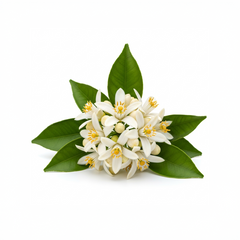
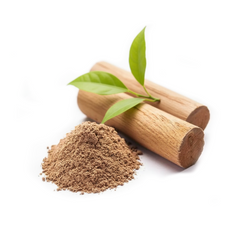
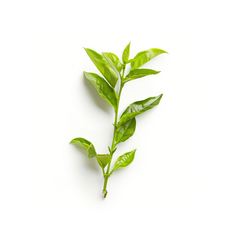
A classic Sicilian Bergamot accord balances citrus vibrancy with floral and woody nuances. Typical proportions: Sicilian Bergamot 35–40%, Neroli 20–25%, Green Tea 15–20%, Sandalwood 20–25%. Bergamot provides the sparkling citrus core, neroli adds floral-green facets via nerolidol, green tea introduces a subtle tannic freshness (theanine, catechins), and sandalwood anchors the accord with creamy, lactonic depth (santalol). This structure creates a multidimensional, long-lasting citrus signature.

40%

Sicilian Bergamot

35–40% of blend

Provides the core citrus-floral brightness, driven by limonene and linalyl acetate, essential for a radiant top note.

25%

Neroli

20–25% of blend

Adds green-floral complexity through nerolidol and linalool, enhancing the natural floral undertone of bergamot.

20%

Green Tea

15–20% of blend

Introduces a tannic, slightly bitter facet via catechins and theanine, complementing bergamot’s tartness and extending freshness.

25%

Sandalwood

20–25% of blend

Acts as a fixative and softens the citrus edges with creamy santalol, providing longevity and a smooth drydown.

The Olfactory Layers

How Sicilian Bergamot Evolves on Skin

Sicilian Bergamot’s olfactory evolution is rapid and volatile, with the brightest citrus molecules evaporating within the first 10–20 minutes. As the top fades, floral and green nuances persist, supported by subtle woody undertones that anchor the composition.

I
Top notes
0–15 min
Citrus Spark

The initial impression is dominated by limonene and linalyl acetate, producing a sparkling, zesty citrus aroma with a hint of floral sweetness. These high-volatility compounds evaporate quickly, creating an immediate sense of freshness and clarity.

citrusysparklingfresh
II
Heart notes
20–60 min
Floral Green Veil

As the top notes dissipate, linalool and nerolidol emerge, lending a soft floral-green character. Subtle spicy and herbal nuances, from trace coumarins and aldehydes, provide depth and complexity.

floralgreenspicy
III
Base notes
Several hours
Woody Softness

Bergamot’s base is subtle, with faint woody and musky undertones from residual coumarins and lactones. These molecules have lower volatility and linger on skin, supporting the transition to the fragrance’s deeper notes.

woodymuskysoft
TOP NOTES Citrus Spark 0–15 minutes HEART NOTES Floral Green Veil 20–60 minutes BASE NOTES Woody Softness Several hours
Through the Ages

The Story of Sicilian Bergamot in Perfumery

Sicilian Bergamot’s history in perfumery spans over three centuries, from its emergence in Italian colognes to its enduring role in modern niche fragrances.

1709

Eau de Cologne Created

Gian Maria Farina formulates the original Eau de Cologne in Cologne, Germany, using Calabrian and Sicilian Bergamot as the dominant top note, establishing the citrus cologne archetype.

1844

Calabrian Machine Invented

Nicola Barilla and Luigi Auteri invent the Calabrian Machine, mechanizing the cold-press extraction of bergamot oil and increasing production efficiency in southern Italy.

1908

AOP Protection for Calabrian Bergamot

The region of Calabria receives Appellation d’Origine Protégée status, ensuring that all bergamot oil labeled as Calabrian or Sicilian meets strict quality and geographic criteria.

2010

Creed Aventus Launches

Olivier Creed & Erwin Creed release Creed Aventus, featuring Sicilian Bergamot as the signature opening, influencing a new generation of citrus-fruity fragrances.

2014

Orto Parisi Bergamask Debuts

Alessandro Gualtieri introduces Bergamask, a niche fragrance that explores the raw, animalic side of bergamot, showcasing its versatility beyond traditional citrus accords.

2024

Sicilian Bergamot in Modern Niche Perfumery

Sicilian Bergamot remains a staple in contemporary launches, with perfumers increasingly blending natural and synthetic fractions for optimal performance and sustainability.

The Art of Layering

How to Layer Sicilian Bergamot

Understanding how to layer Sicilian Bergamot requires attention to molecular compatibility. Its high limonene and linalyl acetate content pairs best with notes that share or complement these compounds, such as neroli, sandalwood, or green tea. Layering can modulate volatility, extend freshness, or add depth.

01

Brighten Florals

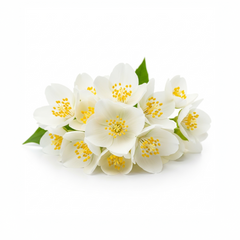
Layering Sicilian Bergamot with neroli or jasmine leverages shared linalool and nerolidol content, creating a seamless transition from citrus to floral. This combination is demonstrated in Tom Ford Neroli Portofino, where bergamot amplifies the green-floral heart and enhances radiance.

02

Enhance Woody Depth

Pairing bergamot with sandalwood or cedarwood utilizes olfactory masking: the creamy, lactonic santalol in sandalwood tempers bergamot’s sharpness, while the citrus note brightens the wood’s density. Le Labo Bergamote 22 exemplifies this synergy, balancing citrus and wood for a long-lasting effect.

03

Extend Freshness

Combining bergamot with green tea or aquatic notes (rich in theanine and synthetic ozonic molecules) slows the perception of citrus evaporation. The result is a fresher, more persistent top note, as seen in Maison Francis Kurkdjian Aqua Universalis.

Wear It Right

How to Wear Sicilian Bergamot Like a Pro

Seasonal Guide

Fall & Winter

In cooler months, bergamot’s volatility is reduced, resulting in a softer, more persistent citrus effect. Apply to pulse points and layer with woody or spicy notes for warmth. Lower ambient humidity preserves the top note, while dry air can shorten projection.

Spring

Spring’s moderate temperatures and rising humidity enhance bergamot’s radiance and diffusion. The note remains crisp and uplifting, ideal for pairing with floral or green accords. Apply lightly to avoid overwhelming the senses as temperatures rise.

Summer

High heat accelerates evaporation, intensifying bergamot’s initial brightness but shortening its lifespan. Apply to cooler areas (inner elbows, behind knees) and consider layering with aquatic or green notes to extend freshness. Avoid direct sunlight if using non-FCF oil.

Year-Round Tip

For maximum longevity, moisturize skin before application and use bergaptene-free (FCF) bergamot oil to prevent phototoxicity. Adjust application sites and layering partners based on climate and activity.

Application Points

Strategic application of Sicilian Bergamot maximizes its projection and longevity, leveraging skin temperature and diffusion dynamics.

1

Neck

Pulse points on the neck emit heat, accelerating bergamot’s evaporation and enhancing the initial citrus burst. Ideal for immediate freshness, but reapplication may be needed as the note fades quickly.

2

Behind the Ears

This area maintains moderate warmth and is less exposed to sunlight, allowing bergamot’s top note to linger while reducing phototoxic risk. Suitable for subtle, close-range diffusion.

3

Inner Wrists

The thin skin and high blood flow here amplify volatility, making the citrus opening more pronounced. Frequent hand washing may reduce longevity, so consider layering with a fixative.

4

Hair

Hair fibers hold scent molecules and release them gradually, extending bergamot’s freshness. Spray lightly to avoid dryness or buildup; avoid direct sunlight if using non-FCF oil.

★

Pro Tip

Layer bergamot-based fragrances over unscented moisturizer to slow evaporation, or combine with a base-heavy scent to anchor the citrus and extend its presence.

Mood Architecture™

Top Sicilian Bergamot Fragrances by Mood Score

These Sicilian Bergamot-based fragrances scored highest on the MEI™ Mood Architecture Framework — measuring how a scent may influence your emotional state.

Highest MEI Score
Acqua Fiorentina — Creed Acqua Fiorentina Alternative Perfume
7.3
MEI™
Primary Fresh
Secondary Energizing
Confidence
6.75
Presence
7.03
Mood Lift
8.75
Identity
6.7
Warmth
6.8
Social Ease
7.22
Energy
5.12
" I am radiant.
View full mood profile →
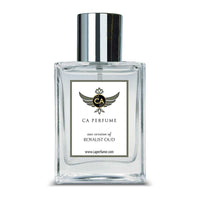
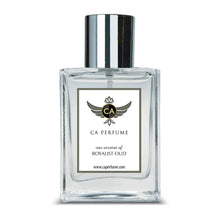
Royalist Oud — Royal Oud Alternative Perfume
6.7
MEI™
Primary Romantic
Secondary Confident
Confidence
6.78
Presence
7.08
Mood Lift
6.85
Identity
6.92
Warmth
7.52
Social Ease
6.0
Energy
3.35
" I am beautiful.
View full mood profile →
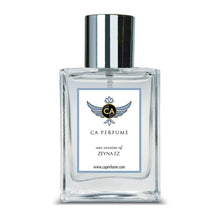
Zeyna Ez — Zegna Z Alternative Cologne
6.4
MEI™
Primary Romantic
Secondary Confident
Confidence
6.18
Presence
6.62
Mood Lift
6.5
Identity
6.72
Warmth
7.5
Social Ease
6.2
Energy
3.6
" I am beautiful.
View full mood profile →
HumanSafe™

Top Sicilian Bergamot Fragrances by HumanSafe™ Score

These Sicilian Bergamot-based fragrances have the highest product-level HumanSafe™ scores in this ingredient collection.

Highest HumanSafe™ Score
Zeyna Ez — Zegna Z Alternative Cologne
A-
HumanSafe™ Score Generally Safe
Safest Evaluated Ingredients EDP
AQUA Solvent / Carrier ISS 10.0
1,4-DIOXACYCLOHEPTADECANE-5,17-DIONE Evaluated ingredient ISS 10.0
BENZYL SALICYLATE EYE IRRITATION - CAT. 2B [H320] Evaluated ingredient ISS 9.0
7-OCTEN-2-OL, 2,6-DIMETHYL- Evaluated ingredient ISS 9.0
1H-3A,7-METHANOAZULENE, OCTAHYDRO-6-METHOXY-3,6,8,8- Evaluated ingredient ISS 9.0
3-BUTEN-2-ONE, 3-METHYL-4-(2,6,6-TRIMETHYL-2- Evaluated ingredient ISS 8.0
View full safety profile →
Royalist Oud — Royal Oud Alternative Perfume
A-
HumanSafe™ Score Generally Safe
Safest Evaluated Ingredients EDP
BICYCLO[3.3.1]NONANE, 2-ETHOXY-2,6,6-TRIMETHYL-9- Evaluated ingredient ISS 10.0
AQUA Solvent / Carrier ISS 10.0
1,4-DIOXACYCLOHEPTADECANE-5,17-DIONE Evaluated ingredient ISS 10.0
4H-INDEN-4-ONE, 1,2,3,5,6,7-HEXAHYDRO-1,1,2,3,3- Evaluated ingredient ISS 9.0
3-BUTEN-2-ONE, 4-(2,6,6-TRIMETHYL-2-CYCLOHEXEN-1- Evaluated ingredient ISS 9.0
LINALYL ACETATE Evaluated ingredient ISS 7.0
View full safety profile →
Acqua Fiorentina — Creed Acqua Fiorentina Alternative Perfume
A-
HumanSafe™ Score Generally Safe
Safest Evaluated Ingredients EDP
AQUA Solvent / Carrier ISS 10.0
AMBROXIDE Evaluated ingredient ISS 9.0
2-BUTEN-1-ONE, 1-(2,6,6-TRIMETHYL-2-CYCLOHEXEN-1- Evaluated ingredient ISS 9.0
PROPANEDIOIC ACID, 1-[1-(3,3-DIMETHYLCYCLOHEXYL)ETHYL] Evaluated ingredient ISS 8.0
CITRAL Evaluated ingredient ISS 8.0
LINALOOL Evaluated ingredient ISS 7.0
View full safety profile →
Expert Voices

What Masters Say About Sicilian Bergamot

“
Bergamot is the universal opening note, the first breath of a cologne, the invisible handshake between a perfume and the person who just sprayed it.
Julien Marchetti, Première Peau
“
Sicilian Bergamot’s scent profile is defined by its high limonene and linalyl acetate content, creating a luminous citrus impression with subtle floral and green undertones.
CA Perfume Editorial
Common Questions

Frequently Asked Questions

Answers to the most common questions about Sicilian Bergamot in perfumery, covering scent, usage, performance, and safety.

Sicilian Bergamot in perfume offers a complex citrus aroma with bright, tart facets from limonene, softened by floral and green undertones from linalyl acetate and linalool. The result is a scent that is simultaneously fresh, slightly bitter, and subtly sweet, often evoking the aroma of Earl Grey tea. Its rapid evaporation creates an immediate burst of radiance, making it a quintessential top note in both classic and modern fragrances.

Sicilian Bergamot is classified as a top note due to its high volatility and rapid evaporation rate. Its principal aroma molecules, such as limonene and linalyl acetate, are highly volatile and dissipate within the first 15–30 minutes of wear. This makes bergamot ideal for creating a vibrant, uplifting opening in a fragrance, but it does not persist into the base.

Sicilian Bergamot is favored in niche perfumery for its olfactory complexity and ability to bridge citrus, floral, and green notes. Its high-quality oil from Calabria and Sicily offers nuanced aroma facets that cannot be replicated by other citrus oils. Niche perfumers value bergamot for its ability to impart freshness, sophistication, and a sense of Mediterranean authenticity to both traditional and avant-garde compositions.

Sicilian Bergamot fragrance uses include pairing with neroli, jasmine, sandalwood, green tea, and cedar. These notes share or complement bergamot’s key aroma molecules, creating harmonious transitions and extending the citrus freshness. Woody and musky bases help anchor the volatile top note, while florals amplify its green and sweet facets.

Yes, Sicilian Bergamot is ideal for summer and hot weather due to its refreshing, uplifting character and rapid diffusion. However, high temperatures accelerate evaporation, so the citrus effect may fade quickly. To maximize longevity, apply to cooler skin areas and consider layering with green or aquatic notes. Use bergaptene-free (FCF) oil to avoid phototoxicity when exposed to sunlight.

The citrus top note of Sicilian Bergamot typically lasts 15–30 minutes in Eau de Parfum and up to 1 hour in Eau de Cologne. The overall fragrance may persist for several hours, but the initial citrus brightness fades quickly due to the high volatility of its principal molecules. Longevity can be extended by layering with fixatives or applying to well-moisturized skin.

Yes, layering Sicilian Bergamot with complementary notes such as neroli, sandalwood, or green tea can enhance complexity and extend freshness. Molecular compatibility is key: shared compounds like linalool and santalol create seamless transitions, while woody or musky bases anchor the citrus. Experimenting with layering allows for personalized scent profiles and improved performance.

Beginner-friendly Sicilian Bergamot perfumes include Tom Ford Neroli Portofino, Le Labo Bergamote 22, and Maison Francis Kurkdjian Aqua Universalis. These fragrances showcase bergamot’s citrus brilliance in balanced compositions, making them accessible and versatile for daily wear.

At CA Perfume, selecting the right Sicilian Bergamot fragrance involves considering your preferred scent profile (citrus-forward, floral, woody), desired longevity, and layering options. The HumanSafe™ platform provides transparency on ingredient sourcing and safety, allowing you to choose between natural and synthetic bergamot blends based on your needs and sensitivities.

Sicilian Bergamot’s scent is a balance of sweet, tart, and slightly bitter facets. Limonene imparts a juicy, sweet-citrus effect, while linalyl acetate and coumarins add floral and green nuances. The overall impression is more elegant and less sugary than orange or mandarin, with a refined bitterness that adds sophistication to the composition.

Citrus Aromatic Collection

Explore Our Top Sicilian Bergamot Fragrances

Discover CA Perfume’s most popular bergamot-forward scents, each highlighting the ingredient’s citrus brilliance and Mediterranean heritage.

Shop all sicilian bergamot fragrances at CA Perfume →

Where Sicilian Bergamot Comes From — Origin & Extraction

Sicilian Bergamot is derived from the fruit of Citrus bergamia Risso et Poiteau, a small citrus tree believed to be a hybrid between bitter orange (Citrus aurantium) and lemon (Citrus limon). The primary cultivation area is the coastal region of Calabria in southern Italy, which accounts for approximately 90% of global production, with annual yields estimated at 200–250 metric tons of essential oil. Sicily, particularly the provinces of Messina and Syracuse, also produces high-quality bergamot, though in smaller volumes compared to Calabria. The extraction of bergamot oil is performed by cold pressing the outer rind (flavedo) of the ripe fruit, typically harvested between November and March. The traditional 'sfumatura' method involved manual abrasion and sponge absorption, but modern production uses mechanical cold pressing (pelatrice machines) to maximize yield and preserve volatile compounds. The process operates at ambient temperatures (below 30°C) to prevent degradation of key aroma molecules such as limonene, linalool, and linalyl acetate. Yields average 0.5–1 kg of essential oil per 200 kg of fruit, making bergamot one of the most labor-intensive citrus oils. Natural bergamot oil is significantly more expensive than synthetic substitutes, with prices ranging from $180–$350 per kg for Calabrian or Sicilian oil, compared to $20–$40 per kg for synthetic blends. Sustainability is a concern due to the limited geographic range and susceptibility to disease; however, the Appellation d’Origine Protégée (AOP) designation for Calabrian bergamot ensures traceability and quality standards. Synthetic production, often used to supplement natural supply, relies on aroma chemicals such as linalyl acetate (CAS 115-95-7) and limonene (CAS 138-86-3) to mimic the natural profile.

Famous Fragrances That Define Sicilian Bergamot in Perfumery

Sicilian Bergamot has been a cornerstone of perfumery since the 18th century, defining the opening of countless iconic fragrances. In 1709, Gian Maria Farina’s Eau de Cologne established bergamot as the archetypal citrus top note, paired with neroli and lavender. In the modern era, Creed Aventus (2010, Olivier Creed & Erwin Creed) utilizes Sicilian Bergamot for its effervescent, fruity opening, blending it with blackcurrant and apple to create a signature freshness. Tom Ford Neroli Portofino (2011, Rodrigo Flores-Roux) features Sicilian Bergamot as a key component in its Mediterranean citrus bouquet, alongside neroli and orange blossom. Le Labo Bergamote 22 (2006, Daphne Bugey) is a contemporary example where natural and synthetic bergamot are combined to amplify the note’s brightness and longevity, supported by vetiver and petitgrain. Maison Francis Kurkdjian Aqua Universalis (2009, Francis Kurkdjian) employs Sicilian Bergamot to impart a crystalline, clean freshness, harmonized with lemon and white musk. In niche perfumery, Orto Parisi Bergamask (2014, Alessandro Gualtieri) explores the raw, animalic facets of bergamot, pairing it with musk for a provocative twist. CA Perfume’s collection draws inspiration from this lineage, offering bergamot-forward compositions that highlight both traditional and modern uses of the note.

Natural vs Synthetic Sicilian Bergamot in Perfumery

Natural Sicilian Bergamot oil is a complex mixture of over 300 volatile compounds, with limonene, linalyl acetate, and linalool as the principal constituents. Synthetic bergamot accords are constructed from isolated aroma chemicals, most commonly linalyl acetate (CAS 115-95-7), limonene (CAS 138-86-3), and linalool (CAS 78-70-6). While natural oil offers greater olfactory complexity and subtlety, synthetics provide batch-to-batch consistency, improved photostability, and reduced allergenic risk due to the absence of furanocoumarins (notably bergapten, CAS 484-20-8). Performance-wise, synthetic bergamot accords can offer longer-lasting top notes and greater stability in sunlight, as natural oil is prone to oxidation and phototoxicity. The cost differential is substantial: natural Sicilian Bergamot oil can reach $350/kg, while synthetic blends are produced for as little as $20–$40/kg. Iconic fragrances such as Le Labo Bergamote 22 (2006) and Atelier Cologne Bergamote Soleil (2016) use both natural and synthetic fractions to balance authenticity with performance. From a sustainability perspective, synthetic molecules reduce pressure on limited agricultural land and mitigate the risk of crop failure. The HumanSafe™ platform at CA Perfume ensures full traceability of both natural and synthetic bergamot sources, with all natural oils tested for furanocoumarin content and synthetic blends screened for purity and safety. This approach supports both environmental responsibility and consumer transparency.