Ingredient Guide · Aquatic
Aquatic Family · Perfumery Note

Sea Notes

Crisp, ozonic, and unmistakably oceanic in modern perfumery.

Sea notes are a synthetic marine accord, typically a heart note, evoking the briny freshness of ocean air. Their defining character comes from molecules like Calone and Ambroxan, used at 0.2–1% for a vivid, aquatic effect.

Sea Notes
Ingredient Profile

Sea Notes

Aquatic Family
Family Aquatic
Note Position Heart Note
Usage Level 0.2–1% of formula
Key Origins France, Italy, United States
Iconic In Davidoff Cool Water, Giorgio Armani Acqua di Giò
The Ingredient

What does Sea Notes smell like and why are they pivotal in perfumery?

Sea notes, also known as marine or oceanic notes, are a synthetic olfactory construct designed to evoke the sensation of standing by the sea. What does sea notes smell like? Their scent profile is defined by a crisp, salty, ozonic freshness, often with subtle mineral, iodine, and watermelon-like facets. The primary molecule responsible is Calone (methylbenzodioxepinone, CAS 28940-11-6), which imparts a powerful, diffusive marine aroma with a slightly fruity, melon undertone. Other key synthetics include Cascalone (for a rounder, more aqueous effect), Ambroxan (for salty-mineral warmth), and Calypsone (for a realistic wet-salt impression). Trace additions of seaweed absolute or algae extracts can introduce vegetal, iodine-like nuances, but the backbone of the sea notes scent profile is always synthetic. In perfumery, sea notes function predominantly as heart notes, providing a transparent, expansive quality that bridges top citrus and floral notes with deeper woody or musky bases. Typical usage concentrations range from 0.2% to 1% of the total formula, as higher levels can overwhelm a composition with their intense, diffusive character. Sea notes interact with skin chemistry in complex ways: on warmer, more acidic skin, their ozonic sharpness is accentuated, while on drier or more alkaline skin, the mineral and musky facets become more prominent. Their volatility is moderate, ensuring a persistent freshness without dominating the drydown. Sea notes in perfumery achieved iconic status with the launch of Davidoff Cool Water (1988, Pierre Bourdon), which used Calone to create a new aquatic-fresh genre. Giorgio Armani Acqua di Giò (1996, Alberto Morillas) further popularized the note, blending marine accords with citrus and jasmine. More recent examples include Maison Margiela Replica Sailing Day (2017, Violaine Collas), which pairs sea notes with aldehydes and seaweed, and Tom Ford Oud Minérale (2023), where marine synthetics are juxtaposed with smoky woods. These fragrances demonstrate the versatility and enduring appeal of the sea notes accord in both mainstream and niche perfumery.

0.2–1% of formula
Typical usage concentration of Calone or Cascalone in a finished fragrance. Higher levels can overwhelm the composition due to their intense diffusion.
5–8 hours
Average longevity of a sea notes fragrance in EDP format, with Ambroxan and white musks extending the marine accord’s persistence on skin.
$100–$400/kg
Approximate cost of Calone or Cascalone, compared to $1,000+/kg for seaweed absolute and $20,000+/kg for natural ambergris.
Origin & Extraction

Where Sea Notes Comes From — Origin & Extraction

The marine accord is a synthetic construct, but its inspiration is drawn from diverse coastlines—each with unique olfactory signatures shaped by local climate, seaweed species, and mineral content.

Sea notes are not extracted from actual seawater, as water itself is odorless and contains no volatile aromatic compounds suitable for perfumery. Instead, the marine accord is constructed from a palette of synthetic molecules, the most important of which is Calone (methylbenzodioxepinone, CAS 28940-11-6). Calone was discovered accidentally by Pfizer chemists in 1951 while searching for a watermelon flavoring agent. It was first marketed in 1966, patented in 1970, and entered perfumery in the late 1980s. Other key marine molecules include Cascalone (Firmenich, 2006), Calypsone (Givaudan), Helional (BASF, 1958), and Floralozone (IFF). These are produced via standard organic synthesis, typically from petrochemical feedstocks, in large-scale chemical plants in the United States, Switzerland, France, and Germany. Natural marine notes can be approximated by using seaweed absolute (extracted from marine algae via volatile solvent extraction), but these materials are used sparingly due to their strong, sometimes animalic, iodine-heavy aroma. The yield of seaweed absolute is low ( Sustainability considerations favor synthetics for marine notes: Calone and related molecules are synthesized from abundant raw materials with minimal environmental impact, and their production does not threaten marine ecosystems. There is no significant agricultural or geographic limitation, but the largest manufacturers are IFF, Firmenich, Givaudan, and BASF. The HumanSafe™ platform at CA Perfume ensures all marine synthetics used are IFRA-compliant and traceable to responsible sources.

FR

France

French marine accords often evoke the Mediterranean, with a focus on sunlit, mineral-rich breezes. Grasse-based perfumers use Calone and citrus oils to capture the region’s salty, ozonic freshness. France is a leading producer of marine synthetics, with Grasse and Paris as formulation hubs.

IT

Italy

Italy’s Ligurian and Tyrrhenian coasts inspire marine accords with a citrus twist, blending Calone with bergamot, lemon, and sea fennel. Italian perfumers emphasize freshness and vibrancy, often referencing the Riviera’s unique microclimate and abundant coastal flora.

US

United States

The US, with its Atlantic and Pacific coastlines, inspires marine accords that range from crisp, bracing Atlantic air to warmer, more mineral Pacific breezes. Major aroma chemical manufacturers in New Jersey and Texas supply Calone and related molecules globally.

CH

Switzerland

Switzerland, home to Firmenich and Givaudan, is a center for marine aroma chemical innovation. Cascalone and Calypsone are developed here, offering nuanced marine effects for perfumers worldwide.

Chemistry

Natural vs Synthetic Sea Notes in Perfumery

Natural marine notes, such as seaweed absolute or sea fennel extract, provide a vegetal, iodine-rich character but lack the clean, diffusive freshness of synthetic sea notes. The vast majority of marine accords in perfumery rely on synthetic molecules, notably Calone (CAS 28940-11-6), Cascalone (CAS 1205-17-0), and Ambroxan (CAS 6790-58-5). Calone delivers a powerful, ozonic, watermelon-like freshness; Cascalone offers a more aqueous, less fruity profile; Ambroxan imparts salty-mineral warmth and musky depth. Other synthetics like Helional (CAS 141-13-9) and Floralozone (CAS 67634-15-5) provide supporting ozonic and airy effects. Performance-wise, synthetic sea notes exhibit superior longevity, projection, and batch consistency compared to natural marine extracts, which can be unstable and variable. Synthetic marine molecules are highly diffusive and persistent, with Calone detectable at concentrations as low as 0.01%. Cost is another differentiator: Calone and Cascalone are available at $100–$400/kg, whereas natural seaweed absolute can exceed $1,000/kg, and natural ambergris is prohibitively expensive. Iconic fragrances such as Davidoff Cool Water (1988), Giorgio Armani Acqua di Giò (1996), and Maison Margiela Replica Sailing Day (2017) all use synthetic marine molecules as their core. Sustainability and supply chain transparency are major advantages of synthetics: their production does not deplete marine resources or require large-scale harvesting. CA Perfume’s HumanSafe™ platform ensures that all marine aroma chemicals are IFRA-compliant, batch-tested, and sourced from responsible suppliers, providing transparency and consumer safety.

Natural
Sea Notes Absolute
Cost $3,000–6,000/kg
Method Solvent / CO₂
Character Complex, variable
vs
Synthetic
Safranal & Analogues
Cost $50–200/kg
Method Lab synthesis
Character Consistent, stable
Hall of Fame

Famous Fragrances That Define Sea Notes in Perfumery

1988
dominant note

Davidoff Cool Water

Davidoff
by Pierre Bourdon
mintlavendermuskcoriander
1996
dominant note

Giorgio Armani Acqua di Giò

Giorgio Armani
by Alberto Morillas
bergamotjasminemuskpatchouli
1992
bridge note

Issey Miyake L’Eau d’Issey

Issey Miyake
by Jacques Cavallier
lotusrosemuskamber
2017
dominant note

Maison Margiela Replica Sailing Day

Maison Margiela
by Violaine Collas
aldehydesseaweedambergrisiris
2023
accent

Tom Ford Oud Minérale

Tom Ford
oudsaltpink pepperseaweed
2017
supporting note

Dolce & Gabbana Light Blue Eau Intense Pour Homme

Dolce & Gabbana
by Alberto Morillas
grapefruitmandarinjunipermusk

Sea notes have defined the aquatic fragrance genre since the late 1980s. The breakthrough came with Davidoff Cool Water (1988, Pierre Bourdon), which used Calone to create a new, bracingly fresh marine accord. This was followed by Giorgio Armani Acqua di Giò (1996, Alberto Morillas), where sea notes were blended with citrus, jasmine, and musk for a Mediterranean effect. Issey Miyake L’Eau d’Issey (1992, Jacques Cavallier) further popularized the aquatic style with a transparent, ozonic construction. Maison Margiela Replica Sailing Day (2017, Violaine Collas) is a modern example, combining sea notes, aldehydes, and seaweed for a realistic oceanic impression. Tom Ford Oud Minérale (2023) juxtaposes marine synthetics with smoky woods and mineral notes, demonstrating the versatility of sea notes in both fresh and dark compositions. Other notable examples include Dolce & Gabbana Light Blue Eau Intense Pour Homme (2017, Alberto Morillas), which pairs sea notes with citrus and musk, and Bvlgari Aqva Pour Homme (2005, Jacques Cavallier), where marine accords are enriched with neroli and amber. These fragrances illustrate the evolution of sea notes from their synthetic origins to their central role in contemporary perfumery. CA Perfume’s collection draws on this lineage, offering marine-inspired scents that balance freshness, transparency, and complexity.

The Accord

How is a captivating Sea Notes accord crafted?

A marine accord is built by blending 25–30% Calone (for ozonic, watermelon freshness), 20–25% Ambroxan (for salty-mineral warmth), 20–25% citrus oils (bergamot, grapefruit for brightness), and 25–30% white musk (for clean, airy diffusion). Calone provides the core marine identity; Ambroxan adds depth and longevity; citrus oils sharpen the top; white musk extends the airy freshness and smooths transitions.

30%

Calone

25–30% of blend

Calone (CAS 28940-11-6) imparts the signature ozonic, marine, and watermelon-like freshness essential to the sea notes accord.

25%

Ambroxan

20–25% of blend

Ambroxan (CAS 6790-58-5) provides salty-mineral warmth and musky depth, anchoring the marine freshness and enhancing longevity.

25%

Bergamot

20–25% of blend

Bergamot oil adds zesty, citrus brightness, sharpening the top notes and accentuating the clean, airy facets of the marine accord.

30%

White Musk

25–30% of blend

White musk molecules (e.g., Galaxolide, Muscenone) extend the airy, clean character, smoothing transitions and enhancing sillage.

The Olfactory Layers

How Sea Notes Evolves on Skin

The olfactory evolution of sea notes is marked by a rapid burst of ozonic freshness, followed by a persistent, mineral heart and a musky, salty drydown. High-volatility molecules like Calone dominate the opening, while Ambroxan and white musks provide lasting depth.

I
Top notes
0–15 min
Brisk Marine Freshness

The initial impression is a brisk, ozonic freshness—Calone and related marine molecules evaporate quickly, releasing a sharp, salty, and slightly fruity (watermelon) aroma. Citrus oils (bergamot, grapefruit) amplify the effect, creating the sensation of sea spray and sunlit air.

ozonicsaltycitrus-fresh
II
Heart notes
20–60 min
Mineral Aquatic Heart

As the top fades, the heart reveals a wetter, more mineral character. Cascalone and Calypsone provide a rounder, aqueous effect, while traces of seaweed absolute or algae extract introduce subtle iodine and vegetal nuances. The marine accord becomes broader and more atmospheric.

mineralaquaticairy
III
Base notes
Several hours
Salty Musky Drydown

In the drydown, Ambroxan and white musks dominate, imparting a salty, skin-like warmth and persistent clean freshness. The marine impression lingers, softened by musky and woody undertones, evoking the sensation of salt crystals drying on sun-warmed skin.

muskysalineclean
TOP NOTES Brisk Marine Freshness 0–15 minutes HEART NOTES Mineral Aquatic Heart 20–60 minutes BASE NOTES Salty Musky Drydown Several hours
Through the Ages

The Story of Sea Notes in Perfumery

The history of sea notes in perfumery is a story of synthetic innovation, beginning in the mid-20th century and revolutionizing fragrance design in the 1990s.

1951

Discovery of Calone by Pfizer

Pfizer chemists in the United States discover Calone (methylbenzodioxepinone) while searching for a watermelon flavoring. Its marine, ozonic aroma is noted, but not immediately used in perfumery.

1966–1970

Calone Marketed and Patented

Calone is first marketed as an aroma chemical in 1966 and patented in 1970. Its potential for marine accords is recognized by perfumers in the late 1980s.

1988

Davidoff Cool Water Launches

Pierre Bourdon uses Calone as the dominant note in Davidoff Cool Water, creating the first true aquatic-marine fragrance and sparking a global trend.

1992–1996

Aquatic Genre Expands

Issey Miyake L’Eau d’Issey (1992) and Giorgio Armani Acqua di Giò (1996) popularize sea notes, blending marine synthetics with citrus, florals, and musk.

2006–2023

New Marine Molecules and Modern Fragrances

Firmenich introduces Cascalone (2006), Givaudan develops Calypsone, and marine accords evolve in niche and luxury perfumery. Maison Margiela Replica Sailing Day (2017) and Tom Ford Oud Minérale (2023) exemplify contemporary uses.

The Art of Layering

How to Layer Sea Notes

Understanding how to layer sea notes is key to achieving molecular harmony. Pairing sea notes with citrus, floral, or woody accords leverages shared volatile compounds and olfactory masking for a balanced, multidimensional effect.

01

Enhance Freshness

Layer sea notes with citrus oils (bergamot, grapefruit) to amplify the top note’s brightness. Both share high-volatility aldehydes and terpenes, resulting in a sparkling, invigorating opening. Giorgio Armani Acqua di Giò demonstrates this synergy.

02

Add Depth

Combine sea notes with woody or amber accords (cedar, ambergris, Ambroxan) to ground the marine freshness. Ambroxan’s musky, salty undertone complements Calone, extending longevity and adding complexity. Tom Ford Oud Minérale exemplifies this pairing.

03

Soften with Florals

Pair sea notes with jasmine or rose for a soft, airy heart. Shared molecules like hedione and damascenone create a seamless transition, balancing the marine accord’s sharpness with floral sweetness. Maison Margiela Replica Sailing Day uses this approach.

Wear It Right

How to Wear Sea Notes Like a Pro

Seasonal Guide

Fall & Winter

In cooler temperatures, sea notes are less volatile and project more subtly. Layer with woody or amber notes to add warmth and depth, and apply to pulse points under clothing for a longer-lasting effect.

Spring

Spring’s moderate temperatures allow marine freshness to shine without becoming overpowering. Pair with citrus or green notes for a brisk, uplifting effect, and apply lightly to exposed skin for optimal diffusion.

Summer

High heat and humidity intensify the volatility of Calone and Cascalone, maximizing projection and sillage. Apply sparingly to avoid olfactory fatigue, and consider layering with citrus or floral notes for a balanced, refreshing result.

Year-Round Tip

Adjust application based on climate and personal skin chemistry. In dry conditions, moisturize skin before applying to enhance longevity; in humid weather, limit sprays to avoid over-projection.

Application Points

Strategic application of sea notes fragrances can optimize their freshness and longevity.

1

Neck

The neck’s warmth accelerates evaporation of marine molecules, enhancing the initial burst of freshness and projection.

2

Behind the Ears

This area maintains a moderate temperature, allowing sea notes to diffuse gradually and interact with hair for subtle sillage.

3

Inner Wrists

Pulse points on the wrists amplify the marine accord’s volatility, providing a crisp, personal scent experience with each movement.

4

Hair

Hair fibers retain fragrance molecules, extending the airy, ozonic freshness of sea notes throughout the day with gentle diffusion.

Pro Tip

Spray lightly on clothing or a scarf to preserve the marine accord’s top notes, as fabric holds volatile molecules longer than skin.

Mood Architecture™

Top Sea Notes Fragrances by Mood Score

These Sea Notes-based fragrances scored highest on the MEI™ Mood Architecture Framework — measuring how a scent may influence your emotional state.

Highest MEI Score
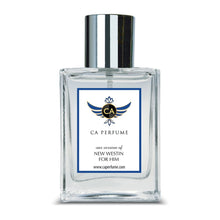
New Westin For Him — New West For Him Alternative Cologne
8.18
MEI™
Primary Magnetic
Secondary Confident
Confidence
8.74
Presence
9.44
Mood Lift
7.75
Identity
8.92
Warmth
8.29
Social Ease
7.34
Energy
5.6
" I am bold.
View full mood profile →
Roses Vanile — Roses Vanille Alternative Perfume
7.83
MEI™
Primary Romantic
Secondary Confident
Confidence
6.85
Presence
6.81
Mood Lift
8.68
Identity
7.35
Warmth
8.93
Social Ease
8.72
Energy
3.7
" I am beautiful.
View full mood profile →
Fierceful — Fierce Alternative Cologne
7.38
MEI™
Primary Fresh
Secondary Confident
Confidence
7.22
Presence
7.6
Mood Lift
7.9
Identity
7.42
Warmth
7.66
Social Ease
7.03
Energy
5.1
" I am radiant.
View full mood profile →
Crush 68 — Cheriosa 68 Alternative Perfume
7.36
MEI™
Primary Fresh
Secondary Romantic
Confidence
6.44
Presence
6.57
Mood Lift
8.61
Identity
6.4
Warmth
7.78
Social Ease
8.1
Energy
3.8
" I am radiant.
View full mood profile →
HumanSafe™

Top Sea Notes Fragrances by HumanSafe™ Score

These Sea Notes-based fragrances have the highest product-level HumanSafe™ scores in this ingredient collection.

Highest HumanSafe™ Score
Roses Vanile — Roses Vanille Alternative Perfume
A-
HumanSafe™ Score Generally Safe
Safest Evaluated Ingredients EDP
AQUA Solvent / Carrier ISS 10.0
BENZYL SALICYLATE Evaluated ingredient ISS 9.0
LINALYL ACETATE Evaluated ingredient ISS 7.0
LINALOOL Evaluated ingredient ISS 7.0
ALCOHOL DENAT. Solvent / Carrier ISS 7.0
View full safety profile →
Pure Vetiver — Azzaro Pure Vetiver Alternative Cologne
A-
HumanSafe™ Score Generally Safe
Safest Evaluated Ingredients EDP
AQUA Solvent / Carrier ISS 10.0
1,4-DIOXACYCLOHEPTADECANE-5,17-DIONE Evaluated ingredient ISS 10.0
HEXYL SALICYLATE Evaluated ingredient ISS 9.0
BENZYL SALICYLATE EYE IRRITATION - CAT.2B [H320] Evaluated ingredient ISS 9.0
7-OCTEN-2-OL, 2,6-DIMETHYL- CAT. 3 Evaluated ingredient ISS 9.0
1H-3A,7-METHANOAZULENE, OCTAHYDRO-6-METHOXY- Evaluated ingredient ISS 9.0
View full safety profile →
New Westin For Him — New West For Him Alternative Cologne
A-
HumanSafe™ Score Generally Safe
Safest Evaluated Ingredients EDP
AQUA Solvent / Carrier ISS 10.0
3-CYCLOHEXENE-1-CARBOXALDEHYDE, 1-METHYL-4-(4- Evaluated ingredient ISS 10.0
7-OCTEN-2-OL, 2,6-DIMETHYL- CAT. 3 Evaluated ingredient ISS 9.0
BENZENEPROPANAL, 4-ETHYL-.ALPHA.,.ALPHA.-DIMETHYL- Evaluated ingredient ISS 8.0
LINALYL ACETATE Evaluated ingredient ISS 7.0
LINALOOL Evaluated ingredient ISS 7.0
View full safety profile →
Millesime Imperial — Creed Millesime Imperial Alternative Perfume
A-
HumanSafe™ Score Generally Safe
Safest Evaluated Ingredients EDP
AQUA Solvent / Carrier ISS 10.0
7-OCTEN-2-OL, 2,6-DIMETHYL- Evaluated ingredient ISS 9.0
4H-INDEN-4-ONE, 1,2,3,5,6,7-HEXAHYDRO-1,1,2,3,3- Evaluated ingredient ISS 9.0
2-BUTEN-1-ONE, 1-(2,6,6-TRIMETHYL-2-CYCLOHEXEN-1- Evaluated ingredient ISS 9.0
3-BUTEN-2-ONE, 3-METHYL-4-(2,6,6-TRIMETHYL-2- Evaluated ingredient ISS 8.0
LINALYL ACETATE Evaluated ingredient ISS 7.0
View full safety profile →
Expert Voices

What Masters Say About Sea Notes

"Calone’s discovery in the 1950s revolutionized perfumery, enabling the creation of the aquatic genre and forever changing the landscape of fresh fragrances."
CA Perfume Editorial
"Sea notes are not the smell of water itself, but of everything the water carries: salt, minerals, ozone, and the memory of the ocean breeze."
CA Perfume Editorial
Common Questions

Frequently Asked Questions

Frequently asked questions about sea notes in perfumery, covering scent character, usage, and technical details.

Sea notes in perfume evoke the sensation of ocean air—crisp, salty, and ozonic, with subtle mineral and watermelon-like nuances. The scent is built from synthetic molecules like Calone and Cascalone, which provide a powerful, diffusive freshness. Depending on the composition, sea notes may also include hints of seaweed, ambergris, or citrus, creating a multifaceted marine impression. Notable examples include Davidoff Cool Water and Giorgio Armani Acqua di Giò.

Sea notes are typically classified as heart (middle) notes in fragrance pyramids. Their volatility is moderate—more persistent than citrus top notes, but less tenacious than woody or musky base notes. In most compositions, sea notes appear after the initial citrus burst and persist through the heart, gradually fading into the drydown.

Sea notes offer a unique olfactory signature that stands apart from traditional floral, woody, or spicy accords. Their crisp, expansive freshness provides a modern, unisex appeal and can evoke powerful emotional associations with the ocean, freedom, and travel. Niche perfumers use sea notes to create atmospheric, evocative scents that challenge conventional fragrance categories.

Sea notes fragrance uses often involve pairing with citrus (bergamot, grapefruit), florals (jasmine, rose), woods (cedar, sandalwood), and musks. These combinations leverage shared volatile compounds and olfactory masking to balance the marine accord’s sharpness, enhance longevity, and create multidimensional compositions.

Yes, sea notes are especially well-suited for summer and hot weather. Heat and humidity amplify the volatility and diffusion of marine molecules, maximizing their refreshing, invigorating effect. Many aquatic fragrances are designed for warm climates, offering a cooling, breezy sensation.

In Eau de Parfum (EDP) format, sea notes fragrances typically last 5–8 hours on skin. Longevity depends on the concentration of marine molecules, supporting base notes (e.g., Ambroxan, musk), and individual skin chemistry. Oil-based or Parfum formats may offer a subtler, longer-lasting effect.

Yes, sea notes are highly versatile for layering. They combine well with citrus for brightness, woods for depth, and florals for softness. Layering at a molecular level leverages shared aldehydes, terpenes, and musks, allowing for customized, multidimensional scent experiences.

Recommended entry points include Davidoff Cool Water, Giorgio Armani Acqua di Giò, Dolce & Gabbana Light Blue Eau Intense Pour Homme, and Maison Margiela Replica Sailing Day. These fragrances showcase the marine accord in accessible, balanced compositions.

Explore CA Perfume’s curated collection of marine-inspired scents, considering your preferred level of freshness, supporting notes, and seasonality. Sampling is recommended, as sea notes interact uniquely with individual skin chemistry.

Sea notes can present as both clean (ozonic, airy) and mineral (salty, briny), depending on the supporting notes and concentration. Fragrances like Cool Water emphasize clean freshness, while Tom Ford Oud Minérale highlights mineral and salty facets.

Aquatic Collection

Explore Our Top Sea Notes Fragrances

Discover CA Perfume’s best-selling marine-inspired scents, each crafted to capture the invigorating freshness and complexity of the ocean.

Shop all sea notes fragrances at CA Perfume →

Where Sea Notes Comes From — Origin & Extraction

Sea notes are not extracted from actual seawater, as water itself is odorless and contains no volatile aromatic compounds suitable for perfumery. Instead, the marine accord is constructed from a palette of synthetic molecules, the most important of which is Calone (methylbenzodioxepinone, CAS 28940-11-6). Calone was discovered accidentally by Pfizer chemists in 1951 while searching for a watermelon flavoring agent. It was first marketed in 1966, patented in 1970, and entered perfumery in the late 1980s. Other key marine molecules include Cascalone (Firmenich, 2006), Calypsone (Givaudan), Helional (BASF, 1958), and Floralozone (IFF). These are produced via standard organic synthesis, typically from petrochemical feedstocks, in large-scale chemical plants in the United States, Switzerland, France, and Germany. Natural marine notes can be approximated by using seaweed absolute (extracted from marine algae via volatile solvent extraction), but these materials are used sparingly due to their strong, sometimes animalic, iodine-heavy aroma. The yield of seaweed absolute is low (<1% by mass), and its cost can exceed $1,000/kg, compared to $100–$400/kg for Calone or Cascalone. Ambergris (natural or synthetic Ambroxan) is sometimes added for its salty, musky undertone, but true ambergris is rare and expensive ($20,000–$50,000/kg), so Ambroxan (CAS 6790-58-5) is the industry standard. Sustainability considerations favor synthetics for marine notes: Calone and related molecules are synthesized from abundant raw materials with minimal environmental impact, and their production does not threaten marine ecosystems. There is no significant agricultural or geographic limitation, but the largest manufacturers are IFF, Firmenich, Givaudan, and BASF. The HumanSafe™ platform at CA Perfume ensures all marine synthetics used are IFRA-compliant and traceable to responsible sources.

Famous Fragrances That Define Sea Notes in Perfumery

Sea notes have defined the aquatic fragrance genre since the late 1980s. The breakthrough came with Davidoff Cool Water (1988, Pierre Bourdon), which used Calone to create a new, bracingly fresh marine accord. This was followed by Giorgio Armani Acqua di Giò (1996, Alberto Morillas), where sea notes were blended with citrus, jasmine, and musk for a Mediterranean effect. Issey Miyake L’Eau d’Issey (1992, Jacques Cavallier) further popularized the aquatic style with a transparent, ozonic construction. Maison Margiela Replica Sailing Day (2017, Violaine Collas) is a modern example, combining sea notes, aldehydes, and seaweed for a realistic oceanic impression. Tom Ford Oud Minérale (2023) juxtaposes marine synthetics with smoky woods and mineral notes, demonstrating the versatility of sea notes in both fresh and dark compositions. Other notable examples include Dolce & Gabbana Light Blue Eau Intense Pour Homme (2017, Alberto Morillas), which pairs sea notes with citrus and musk, and Bvlgari Aqva Pour Homme (2005, Jacques Cavallier), where marine accords are enriched with neroli and amber. These fragrances illustrate the evolution of sea notes from their synthetic origins to their central role in contemporary perfumery. CA Perfume’s collection draws on this lineage, offering marine-inspired scents that balance freshness, transparency, and complexity.

Natural vs Synthetic Sea Notes in Perfumery

Natural marine notes, such as seaweed absolute or sea fennel extract, provide a vegetal, iodine-rich character but lack the clean, diffusive freshness of synthetic sea notes. The vast majority of marine accords in perfumery rely on synthetic molecules, notably Calone (CAS 28940-11-6), Cascalone (CAS 1205-17-0), and Ambroxan (CAS 6790-58-5). Calone delivers a powerful, ozonic, watermelon-like freshness; Cascalone offers a more aqueous, less fruity profile; Ambroxan imparts salty-mineral warmth and musky depth. Other synthetics like Helional (CAS 141-13-9) and Floralozone (CAS 67634-15-5) provide supporting ozonic and airy effects. Performance-wise, synthetic sea notes exhibit superior longevity, projection, and batch consistency compared to natural marine extracts, which can be unstable and variable. Synthetic marine molecules are highly diffusive and persistent, with Calone detectable at concentrations as low as 0.01%. Cost is another differentiator: Calone and Cascalone are available at $100–$400/kg, whereas natural seaweed absolute can exceed $1,000/kg, and natural ambergris is prohibitively expensive. Iconic fragrances such as Davidoff Cool Water (1988), Giorgio Armani Acqua di Giò (1996), and Maison Margiela Replica Sailing Day (2017) all use synthetic marine molecules as their core. Sustainability and supply chain transparency are major advantages of synthetics: their production does not deplete marine resources or require large-scale harvesting. CA Perfume’s HumanSafe™ platform ensures that all marine aroma chemicals are IFRA-compliant, batch-tested, and sourced from responsible suppliers, providing transparency and consumer safety.