Ingredient Guide · Floral
Floral Family · Perfumery Note

Rose Water

A delicate, aqueous floral note rooted in centuries of tradition.

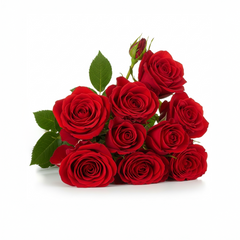
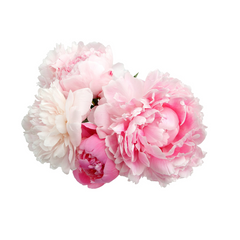
Rose Water is a heart note in perfumery, prized for its fresh, dewy floral character and subtle green nuances. Its defining scent comes from phenylethyl alcohol and citronellol, with typical use at 1–5% of a fragrance composition.

Rose Water
Ingredient Profile

Rose Water

Floral Family
Family Floral
Note Position Heart Note
Usage Level <2%
Key Origins Bulgaria, Turkey, Iran
Iconic In Diptyque Eau Rose, Guerlain Rosa Rossa Harvest
The Ingredient

What does Rose Water smell like and why is it prized in perfumery?

Rose Water in perfumery is derived from the hydrosol produced during the steam distillation of Rosa damascena or Rosa centifolia petals. What does Rose Water smell like? Its scent profile is fresh, aqueous, and floral, with a gentle sweetness and a subtle green undertone. The primary molecules responsible for its aroma are phenylethyl alcohol (sweet, floral, slightly soapy), citronellol (lemony-rosy), and geraniol (floral-citrusy). Unlike rose absolute or rose oil, Rose Water is lighter and more transparent, evoking the sensation of freshly cut rose petals immersed in cool water. This makes it distinct from denser, jammy, or spicy rose notes. In perfumery, Rose Water is classified as a heart note, typically used at concentrations of 1–5% in a composition. Its volatility is lower than citrus top notes but higher than heavy base notes, allowing it to bridge the opening and the drydown. Rose Water interacts with skin chemistry by amplifying its fresh facets on warmer, more humid skin, while cooler or drier skin may emphasize its green or slightly soapy aspects. Its hydrosol nature means it can subtly shift in character depending on the pH and moisture of the wearer’s skin, contributing to the fragrance’s individuality. Rose Water in perfumery is exemplified in fragrances such as Diptyque Eau Rose (2012, Fabrice Pellegrin), which pairs Rose Water with lychee and ambroxan for a modern, airy floral, and Guerlain Rosa Rossa Harvest (2023), where Rose Water is used alongside rose oil to create a luminous, watery floral effect. These compositions showcase Rose Water’s ability to impart a sense of freshness and naturalness, making it a cherished note in both classic and contemporary perfumery.

1,000–3,000 kg
Amount of rose petals required to produce 1 ton of Rose Water via steam distillation. High input reflects the ingredient’s rarity and value.
4–6 Hours
Typical longevity of Rose Water as a heart note in EDP formulations. Volatility is higher than rose absolute, but sillage remains soft and persistent.
<2%
Maximum safe concentration of phenylethyl alcohol and citronellol in finished fragrances, per IFRA guidelines, to minimize sensitization risk.
Origin & Extraction

Where Rose Water Comes From — Origin & Extraction

The scent character of Rose Water is shaped by geography, with soil, altitude, and climate influencing the aromatic profile. High-altitude roses yield more intense, nuanced hydrosols.

Rose Water is produced as a byproduct of the steam distillation of rose petals, primarily from Rosa damascena (Damask rose) and Rosa centifolia (cabbage rose). The main producing countries are Bulgaria (notably the Kazanlak Valley), Turkey (Isparta region), and Iran (Kashan), with Bulgaria and Turkey together accounting for over 70% of global rose oil and rose water output. Annual production in Bulgaria alone exceeds 1,000 metric tons of rose water, with the majority destined for perfumery and cosmetics. The extraction process involves harvesting rose petals at dawn, when their volatile oil content is highest. Petals are loaded into copper or stainless steel stills, and steam is passed through the material for 1–2 hours at temperatures of 95–100°C. The resulting vapor condenses into a mixture of rose essential oil and hydrosol (rose water). The oil, being less dense, separates and is collected, while the remaining aqueous phase is Rose Water, containing 0.02–0.05% dissolved aromatic compounds. Cohobation, or redistillation of the hydrosol, is sometimes used to maximize yield. It takes approximately 3,500–4,000 kg of petals to produce 1 kg of rose oil, but the same batch yields 2–3 tons of Rose Water. Natural Rose Water retails at $20–$50 per liter, while synthetic rose hydrosols or reconstituted waters (using phenylethyl alcohol and citronellol) can be produced for under $5 per liter. Sustainability concerns include the high labor input (manual harvesting), water usage, and the need for organic cultivation to avoid pesticide residues in the hydrosol. Some producers are adopting closed-loop water systems and organic certification to improve environmental impact.

BG

Bulgaria

The Kazanlak Valley produces over 1,000 metric tons of Rose Water annually. The region’s loamy soil, cool nights, and morning mists yield hydrosol with high phenylethyl alcohol and a balanced, fresh-floral scent. Bulgarian Rose Water is prized for its clarity and longevity, with PGI status ensuring quality.

TR

Turkey

Isparta’s rose fields, at 1,000 meters altitude, produce Rose Water with a rich, slightly spicy floral profile. Turkish hydrosol is noted for its pronounced citronellol content and is produced by both traditional and modern distillation, accounting for 30% of global supply.

IR

Iran

Kashan’s arid climate and mineral-rich soils yield Rose Water with a delicate, honeyed aroma and subtle green undertones. Iran’s annual output exceeds 500 metric tons, with centuries-old distillation methods and a reputation for purity.

IN

India

Kannauj and Aligarh regions produce Rose Water from Rosa damascena and Rosa bourboniana. Indian hydrosol is softer, with a sweet, romantic aroma, and is often used in both perfumery and culinary applications. Production is smaller scale but highly valued for artisanal quality.

Chemistry

Natural vs Synthetic Rose Water in Perfumery

Natural Rose Water is a hydrosol containing a complex mixture of over 300 volatile compounds, with phenylethyl alcohol (CAS 60-12-8), citronellol (CAS 106-22-9), and geraniol (CAS 106-24-1) as dominant aroma molecules. Synthetic Rose Water is typically a reconstitution using purified water and a blend of these key molecules, sometimes with rose oxide (CAS 16409-43-1) and beta-damascenone (CAS 23726-93-4) for added realism. Performance-wise, natural Rose Water offers nuanced, evolving freshness but is less stable and has a shorter shelf life than synthetic versions. Synthetic blends provide consistency, longer shelf life, and allergen control, but may lack the subtlety and depth of the natural hydrosol. Cost is a major differentiator: natural Rose Water can cost $20–$50/L, while synthetics are $2–$5/L. Notable fragrances using natural Rose Water include Guerlain Rosa Rossa Harvest and Jo Malone Rose Water & Vanilla Cologne (2023); synthetic rose water accords are common in mass-market and functional perfumery. From a sustainability perspective, synthetic molecules reduce pressure on rose agriculture and allow for upcycling of byproducts. CA Perfume’s HumanSafe™ platform ensures full traceability and allergen disclosure for both natural and synthetic rose water notes, supporting consumer transparency.

Natural
Rose Water Absolute
Cost $3,000–6,000/kg
Method Solvent / CO₂
Character Complex, variable
vs
Synthetic
Safranal & Analogues
Cost $50–200/kg
Method Lab synthesis
Character Consistent, stable
Hall of Fame

Famous Fragrances That Define Rose Water in Perfumery

2012
dominant note

Diptyque Eau Rose

Diptyque
by Fabrice Pellegrin
lycheeblackcurrantmusk
2023
dominant note

Guerlain Rosa Rossa Harvest

Guerlain
rose oilpeachmusk
2023
dominant note

Jo Malone Rose Water & Vanilla Cologne

Jo Malone London
vanillamusk
2013
bridge note

Penhaligon’s Vaara

Penhaligon’s
by Bertrand Duchaufour
saffronquincecoriander
2016
accent

Bvlgari Rose Goldea

Bvlgari
by Alberto Morillas
pomegranatemusksandalwood

Rose Water has been featured in numerous landmark fragrances, both as a central note and as a supporting element. Diptyque Eau Rose (2012, Fabrice Pellegrin) is a contemporary classic, using Rose Water to create a fresh, dewy floral heart, paired with lychee, blackcurrant, and musk. Guerlain Rosa Rossa Harvest (2023) employs both rose oil and Rose Water for a luminous, watery floral effect, with a lasting sillage. Jo Malone Rose Water & Vanilla Cologne (2023) highlights the transparent, aqueous aspect of Rose Water, softened by vanilla and musk. Penhaligon’s Vaara (2013, Bertrand Duchaufour) uses Rose Water alongside saffron and quince for an airy, modern interpretation of Indian rose gardens. Bvlgari Rose Goldea (2016, Alberto Morillas) blends Rose Water with pomegranate and musk for a radiant, feminine signature. Historically, Crabtree & Evelyn Rosewater (1972) and Annick Goutal Rose Absolue (1984) set the standard for realistic rose water notes in Western perfumery. CA Perfume’s rose water-inspired collection draws on this lineage, offering both pure and blended interpretations for modern layering.

The Accord

How is a captivating Rose Water accord crafted?

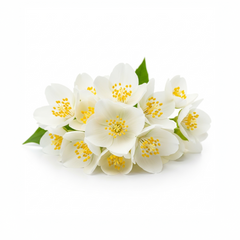
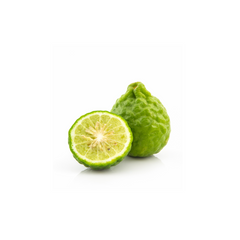
A Rose Water accord balances the hydrosol’s dewy freshness with supporting notes for complexity. Typical proportions: Rose Water hydrosol 35–40%, Jasmine absolute 20–25%, Bergamot oil 15–20%, Benzoin resin 20–25%. Jasmine introduces indolic sweetness, bergamot provides citrus lift, and benzoin offers a creamy, balsamic base—each selected for molecular synergy with Rose Water’s phenylethyl alcohol and citronellol.

40%

Rose Water Hydrosol

35–40% of blend

Provides the core dewy, aqueous floral character, rich in phenylethyl alcohol and citronellol, essential for the accord’s freshness.

25%

Jasmine Absolute

20–25% of blend

Adds indole and benzyl acetate, amplifying the floralcy and lending a creamy, sensual undertone that harmonizes with rose molecules.

20%

Bergamot Oil

15–20% of blend

Contributes linalool and limonene, providing a citrusy top lift that enhances the green, fresh facets of Rose Water.

25%

Benzoin Resin

20–25% of blend

Supplies vanillin and benzoic acid derivatives, grounding the accord with a soft, balsamic sweetness that extends longevity.

The Olfactory Layers

How Rose Water Evolves on Skin

Rose Water’s olfactory evolution begins with a burst of aqueous freshness, transitions to a lush floral heart, and settles into a creamy, slightly musky base. The volatility of phenylethyl alcohol and citronellol drives the top and heart transitions, while trace balsamic and musky molecules linger in the base.

I
Top notes
0–15 min
Dewy Petal Burst

The initial impression is watery, green, and slightly citrusy, dominated by high-volatility molecules like linalool and citronellol. This phase is marked by the sensation of freshly cut rose petals and dew, with a subtle sparkle from bergamot or citrus companions.

dewygreencitrus-fresh
II
Heart notes
20–60 min
Floral Embrace

The heart reveals the full floralcy of Rose Water, with phenylethyl alcohol and geraniol providing a sweet, soapy, and romantic character. Jasmine or peony may emerge, amplifying the bouquet, while the aqueous quality remains prominent.

floralsoapyromantic
III
Base notes
Several hours
Creamy Musk Veil

The drydown is soft, creamy, and slightly musky, with benzoin or sandalwood lending warmth and fixative power. Trace vanillin and ambrettolide molecules contribute to a lingering, skin-like finish that is subtle but persistent.

creamymuskysoft
TOP NOTES Dewy Petal Burst 0–15 minutes HEART NOTES Floral Embrace 20–60 minutes BASE NOTES Creamy Musk Veil Several hours
Through the Ages

The Story of Rose Water in Perfumery

Rose Water’s history in perfumery spans from ancient Persian distillation to modern niche fragrances, reflecting both technical innovation and enduring cultural significance.

10th–11th century

Avicenna perfects rose distillation

Persian polymath Avicenna (Ibn Sina) develops and documents the steam distillation of rose petals, enabling large-scale production of Rose Water and rose oil in Persia (modern Iran).

17th century

Spread to Ottoman Empire and India

Rose Water production expands to Turkey and India, with the Isparta and Kannauj regions becoming major centers. Rose Water is used in both perfumery and ceremonial contexts.

18th century

Bulgarian Kazanlak Valley becomes global center

Rose cultivation and distillation flourish in Bulgaria’s Kazanlak Valley, establishing the region’s reputation for high-quality Rose Water and rose oil.

1972

Crabtree & Evelyn Rosewater launches

One of the first Western commercial fragrances to feature a realistic Rose Water note, setting a standard for freshness and transparency in rose-themed perfumery.

2012–present

Modern niche and designer rose water fragrances

Fragrances like Diptyque Eau Rose and Guerlain Rosa Rossa Harvest use advanced extraction and blending techniques to showcase Rose Water’s dewy, natural character in contemporary compositions.

The Art of Layering

How to Layer Rose Water

Understanding how to layer rose water is essential for creating multidimensional fragrances. Molecular compatibility is key: Rose Water’s phenylethyl alcohol and citronellol blend seamlessly with both floral and citrus notes, while gourmand or woody bases provide depth and longevity.

01

Enhance Sweetness

Layer Rose Water with vanilla or tonka bean fragrances. Vanillin molecules in vanilla mask any sharpness from citronellol, creating a creamy, gourmand effect. Jo Malone Rose Water & Vanilla Cologne demonstrates this synergy, where vanilla softens and extends the floral heart.

02

Add Depth

Pair Rose Water with sandalwood or patchouli. The sesquiterpenes in sandalwood and patchouli anchor the volatile rose molecules, increasing longevity and adding a creamy, woody undertone. Bvlgari Rose Goldea blends Rose Water with sandalwood for a balanced, long-lasting scent.

03

Lighten the Glow

Combine Rose Water with bergamot or grapefruit. The high linalool and limonene content in these citrus oils amplifies Rose Water’s freshness, resulting in a sparkling, airy composition. Diptyque Eau Rose uses lychee and citrus to lift the floral heart, creating a modern, radiant effect.

Wear It Right

How to Wear Rose Water Like a Pro

Seasonal Guide

Fall & Winter

In cooler months, Rose Water’s projection is reduced as lower temperatures slow molecular diffusion. Layer with richer base notes (amber, sandalwood) to enhance warmth and longevity. Apply to pulse points under clothing for a subtle, intimate effect.

Spring

Spring’s moderate temperatures and humidity amplify Rose Water’s natural freshness. Use as a standalone scent or layer with green notes (galbanum, violet leaf) for a garden-like effect. Apply to neck and wrists for a radiant, uplifting aura.

Summer

Heat increases volatility, making Rose Water feel especially airy and refreshing. Apply lightly to avoid rapid evaporation; consider hair mist or fabric application for sustained diffusion. Pair with citrus or aquatic notes for a cooling effect.

Year-Round Tip

To maximize longevity in any season, layer Rose Water with a matching body lotion or unscented moisturizer. This anchors the hydrosol’s molecules, slowing evaporation and enhancing sillage.

Application Points

Strategic application enhances Rose Water’s freshness and longevity while allowing for subtle, personal expression.

1

Neck

Pulse points on the neck radiate warmth, accelerating the release of Rose Water’s volatile molecules for an immediate, enveloping freshness.

2

Behind the Ears

This area is slightly cooler, allowing the scent to linger and evolve more slowly, highlighting the heart and base notes over time.

3

Inner Wrists

Frequent movement and thin skin enhance projection, but avoid rubbing to prevent rapid dissipation of top notes.

4

Hair

Spraying Rose Water on hair or a hairbrush provides a gentle, long-lasting trail as the molecules are gradually released with movement.

Pro Tip

Layer Rose Water over a matching or unscented moisturizer to lock in the hydrosol’s aroma and extend wear time, especially in dry climates.

Mood Architecture™

Top Rose Water Fragrances by Mood Score

These Rose Water-based fragrances scored highest on the MEI™ Mood Architecture Framework — measuring how a scent may influence your emotional state.

Highest MEI Score
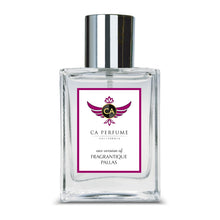
Fragrantique Pallas — PERFUMISTA AVENUE Alternative Perfume
6.61
MEI™
Primary Romantic
Secondary Confident
Confidence
6.71
Presence
6.48
Mood Lift
6.81
Identity
6.96
Warmth
6.99
Social Ease
6.39
Energy
3.6
" I am beautiful.
View full mood profile →
France Town Leather — French Leather Alternative Perfume
6.54
MEI™
Primary Fresh
Secondary Romantic
Confidence
6.17
Presence
6.63
Mood Lift
7.48
Identity
6.67
Warmth
6.14
Social Ease
6.62
Energy
3.5
" I am radiant.
View full mood profile →
L'eau De Issara Mikai Woman — L'eau D'issey For Woman Alternative Perfume
6.13
MEI™
Primary Fresh
Secondary Romantic
Confidence
5.13
Presence
5.39
Mood Lift
7.47
Identity
5.74
Warmth
6.05
Social Ease
7.06
Energy
2.8
" I am radiant.
View full mood profile →
HumanSafe™

Top Rose Water Fragrances by HumanSafe™ Score

These Rose Water-based fragrances have the highest product-level HumanSafe™ scores in this ingredient collection.

Highest HumanSafe™ Score
L'eau De Issara Mikai Woman — L'eau D'issey For Woman Alternative Perfume
A-
HumanSafe™ Score Generally Safe
Safest Evaluated Ingredients EDP
AQUA Solvent / Carrier ISS 10.0
BENZENEPROPANAL, 4-METHOXY-.ALPHA.-METHYL- Evaluated ingredient ISS 9.0
OCTANAL, 2-(PHENYLMETHYLENE)- Evaluated ingredient ISS 8.0
LINALOOL Evaluated ingredient ISS 7.0
CYCLOHEXANEMETHANOL, 4-(1-METHYLETHYL)-, CIS- Evaluated ingredient ISS 7.0
CITRONELLOL Evaluated ingredient ISS 7.0
View full safety profile →
France Town Leather — French Leather Alternative Perfume
A-
HumanSafe™ Score Generally Safe
Safest Evaluated Ingredients EDP
AQUA Solvent / Carrier ISS 10.0
LINALYL ACETATE Evaluated ingredient ISS 7.0
ALCOHOL DENAT. Solvent / Carrier ISS 7.0
2H-INDENO[4,5-B]FURAN, DECAHYDRO-2,2,6,6,7,8,8- Evaluated ingredient ISS 7.0
2,6-DI-TERT-BUTYL-P-CRESOL Evaluated ingredient ISS 7.0
1-[(2-TERT-BUTYL)CYCLOHEXYLOXY]-2-BUTANOL Evaluated ingredient ISS 7.0
View full safety profile →
Fragrantique Pallas — PERFUMISTA AVENUE Alternative Perfume
A-
HumanSafe™ Score Generally Safe
Safest Evaluated Ingredients EDP
AQUA Solvent / Carrier ISS 10.0
1,4-DIOXACYCLOHEPTADECANE-5,17-DIONE Evaluated ingredient ISS 10.0
4H-INDEN-4-ONE, 1,2,3,5,6,7-HEXAHYDRO-1,1,2,3,3- Evaluated ingredient ISS 9.0
REACTION MASS OF: (E)-OXACYCLOHEXADEC-12-EN-2-ONE, (E)- Evaluated ingredient ISS 7.0
CYCLOHEXANEPROPANOL, 2,2,6-TRIMETHYL-.ALPHA.-PROPYL- Evaluated ingredient ISS 7.0
CITRONELLOL Evaluated ingredient ISS 7.0
View full safety profile →
Expert Voices

What Masters Say About Rose Water

A generally rosy note can be created with just the 3 main aromatic molecules of roses: geraniol, citronellol, and phenyl ethyl alcohol (PEA). For more rosiness, adding rose oxide, beta-damascenone, and beta-ionone goes a long way.
Aubrey Allison, Scent Appreciation
Rose Water’s scent profile is fresh, dewy, and floral, with a gentle sweetness and subtle green undertones. Its hydrosol nature makes it uniquely transparent and uplifting.
CA Perfume Editorial
Common Questions

Frequently Asked Questions

Answers to common questions about Rose Water in perfumery.

Rose Water in perfume smells fresh, dewy, and floral, with a natural sweetness and subtle green undertones. Its aroma is lighter and more transparent than rose absolute or oil, evoking the sensation of rose petals in cool water. The main molecules responsible are phenylethyl alcohol, citronellol, and geraniol. This makes Rose Water ideal for airy, uplifting fragrances and for layering with citrus, vanilla, or woody notes.

Rose Water is primarily used as a heart (middle) note in perfumery. Its volatility is lower than citrus top notes but higher than base notes like sandalwood or amber. This allows it to bridge the opening freshness and the lasting base, providing a persistent floralcy that evolves over 4–6 hours in most compositions.

Rose Water is favored in niche perfumery for its ability to impart natural freshness, transparency, and a sense of authenticity. Its hydrosol character allows perfumers to create dewy, airy florals without heaviness. It also blends well with both modern and traditional notes, making it versatile for innovative compositions.

Rose Water fragrance uses include pairing with jasmine (for floral depth), bergamot (for citrus lift), vanilla (for creamy sweetness), and sandalwood (for a soft, woody base). These combinations are supported by molecular compatibility: indoles in jasmine, linalool in bergamot, and vanillin in vanilla all interact favorably with Rose Water’s main aroma compounds.

Yes, Rose Water is ideal for summer due to its refreshing, airy character and moderate volatility. In hot weather, its dewy freshness is amplified, providing a cooling, uplifting effect. Apply lightly and consider layering with citrus or aquatic notes for optimal performance.

Rose Water fragrances generally last 4–6 hours as a heart note in EDP formulations. Longevity depends on concentration, skin chemistry, and environmental conditions. Layering with fixative notes or moisturizers can extend wear time.

Absolutely. Rose Water is highly compatible for layering, especially with vanilla, sandalwood, bergamot, and jasmine. Its hydrosol character allows it to blend seamlessly, enhancing both freshness and depth. Start with a light application and experiment to find your preferred combination.

Beginner-friendly Rose Water perfumes include Diptyque Eau Rose, Jo Malone Rose Water & Vanilla Cologne, and Crabtree & Evelyn Rosewater. These fragrances showcase Rose Water’s freshness and transparency, making them approachable and versatile for daily wear.

Consider your preferred style: for pure freshness, select a Rose Water-forward composition; for added depth, look for blends with vanilla, musk, or sandalwood. CA Perfume’s collection offers both single-note and layered options, with full ingredient transparency and HumanSafe™ verification.

Rose Water’s sweetness is subtle and natural, not overpowering. Its soapy nuance comes from phenylethyl alcohol and is balanced by green and citrus notes. When well-formulated, Rose Water is clean, airy, and suitable for everyday wear, especially in warm weather.

Floral Collection

Explore Our Top Rose Water Fragrances

Discover CA Perfume’s most popular Rose Water scents, from pure hydrosol blends to modern floral bouquets, all HumanSafe™ verified.

Shop all rose water fragrances at CA Perfume →

Where Rose Water Comes From — Origin & Extraction

Rose Water is produced as a byproduct of the steam distillation of rose petals, primarily from Rosa damascena (Damask rose) and Rosa centifolia (cabbage rose). The main producing countries are Bulgaria (notably the Kazanlak Valley), Turkey (Isparta region), and Iran (Kashan), with Bulgaria and Turkey together accounting for over 70% of global rose oil and rose water output. Annual production in Bulgaria alone exceeds 1,000 metric tons of rose water, with the majority destined for perfumery and cosmetics. The extraction process involves harvesting rose petals at dawn, when their volatile oil content is highest. Petals are loaded into copper or stainless steel stills, and steam is passed through the material for 1–2 hours at temperatures of 95–100°C. The resulting vapor condenses into a mixture of rose essential oil and hydrosol (rose water). The oil, being less dense, separates and is collected, while the remaining aqueous phase is Rose Water, containing 0.02–0.05% dissolved aromatic compounds. Cohobation, or redistillation of the hydrosol, is sometimes used to maximize yield. It takes approximately 3,500–4,000 kg of petals to produce 1 kg of rose oil, but the same batch yields 2–3 tons of Rose Water. Natural Rose Water retails at $20–$50 per liter, while synthetic rose hydrosols or reconstituted waters (using phenylethyl alcohol and citronellol) can be produced for under $5 per liter. Sustainability concerns include the high labor input (manual harvesting), water usage, and the need for organic cultivation to avoid pesticide residues in the hydrosol. Some producers are adopting closed-loop water systems and organic certification to improve environmental impact.

Famous Fragrances That Define Rose Water in Perfumery

Rose Water has been featured in numerous landmark fragrances, both as a central note and as a supporting element. Diptyque Eau Rose (2012, Fabrice Pellegrin) is a contemporary classic, using Rose Water to create a fresh, dewy floral heart, paired with lychee, blackcurrant, and musk. Guerlain Rosa Rossa Harvest (2023) employs both rose oil and Rose Water for a luminous, watery floral effect, with a lasting sillage. Jo Malone Rose Water & Vanilla Cologne (2023) highlights the transparent, aqueous aspect of Rose Water, softened by vanilla and musk. Penhaligon’s Vaara (2013, Bertrand Duchaufour) uses Rose Water alongside saffron and quince for an airy, modern interpretation of Indian rose gardens. Bvlgari Rose Goldea (2016, Alberto Morillas) blends Rose Water with pomegranate and musk for a radiant, feminine signature. Historically, Crabtree & Evelyn Rosewater (1972) and Annick Goutal Rose Absolue (1984) set the standard for realistic rose water notes in Western perfumery. CA Perfume’s rose water-inspired collection draws on this lineage, offering both pure and blended interpretations for modern layering.

Natural vs Synthetic Rose Water in Perfumery

Natural Rose Water is a hydrosol containing a complex mixture of over 300 volatile compounds, with phenylethyl alcohol (CAS 60-12-8), citronellol (CAS 106-22-9), and geraniol (CAS 106-24-1) as dominant aroma molecules. Synthetic Rose Water is typically a reconstitution using purified water and a blend of these key molecules, sometimes with rose oxide (CAS 16409-43-1) and beta-damascenone (CAS 23726-93-4) for added realism. Performance-wise, natural Rose Water offers nuanced, evolving freshness but is less stable and has a shorter shelf life than synthetic versions. Synthetic blends provide consistency, longer shelf life, and allergen control, but may lack the subtlety and depth of the natural hydrosol. Cost is a major differentiator: natural Rose Water can cost $20–$50/L, while synthetics are $2–$5/L. Notable fragrances using natural Rose Water include Guerlain Rosa Rossa Harvest and Jo Malone Rose Water & Vanilla Cologne (2023); synthetic rose water accords are common in mass-market and functional perfumery. From a sustainability perspective, synthetic molecules reduce pressure on rose agriculture and allow for upcycling of byproducts. CA Perfume’s HumanSafe™ platform ensures full traceability and allergen disclosure for both natural and synthetic rose water notes, supporting consumer transparency.