Where Rice Comes From — Origin & Extraction
Rice (Oryza sativa) is an annual grass native to Asia, with over 90% of global production concentrated in Asian and Southeast Asian countries. Major aromatic varieties used for fragrance inspiration include basmati (India, Pakistan) and jasmine rice (Thailand, Vietnam). The characteristic aroma of these rices is due to 2-acetyl-1-pyrroline (2-AP), present at approximately 0.1 ppm in basmati and jasmine rice. This molecule is detectable by the human nose at 0.02 ppb, making it one of the most potent food odorants known.
No commercial rice essential oil or absolute is used in perfumery, as rice bran oil (obtained by cold-pressing the outer layer of the grain) has minimal fragrance and is primarily used in cosmetics. The rice note in perfumery is therefore a fantasy accord, reconstructed using synthetic aroma chemicals such as methyl laitone (CAS 3188-00-9), Habanolide (CAS 114-83-0), and musks, often with the addition of lactonic and powdery molecules to evoke the starchy, creamy character. 2-AP itself is not commercially isolated for perfumery due to its instability and extremely low natural yield.
Natural rice-derived materials are cost-prohibitive and impractical for fragrance use; thus, the rice note is typically built from synthetics, with cost per kg for a rice accord ranging from $50–$300 depending on the complexity and quality of the blend. Sustainability considerations are favorable for synthetics, as they avoid the agricultural and water-intensive demands of rice cultivation. The rice note’s rise in perfumery coincides with the growth of Asian-owned niche brands and a broader appreciation for comfort-driven, skin-like scents.
Famous Fragrances That Define Rice in Perfumery
Rice has become a hallmark of modern comfort perfumery, especially within the niche and indie sectors. Landmark fragrances include Kenzo Amour (Kenzo, 2006, perfumers Daphné Bugey and Olivier Cresp), which introduced a soft, milky rice note paired with vanilla and cherry blossom, creating a signature skin scent effect. By Kilian Moonlight in Heaven (2016, Calice Becker) uses rice as a creamy, starchy bridge between mango, coconut, and tonka bean, highlighting its tropical, gourmand versatility. d’Annam White Rice (2023, Anh Ngo, IFF) offers a photorealistic steamed rice accord, emphasizing the nutty, powdery, and musky qualities of jasmine rice, with orris and musk in the base.
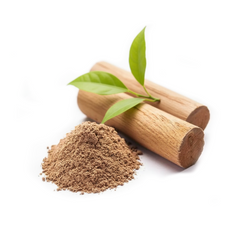
Etat Libre d’Orange Fils de Dieu du Riz et des Agrumes (2012, Ralf Schwieger) employs a rice note to evoke Southeast Asian cuisine, blending it with lime, coconut, and coriander for a savory, umami-rich effect. Floraïku One Umbrella for Two (2017, Sophie Labbé) features a rice powder accord alongside blackcurrant and tea, creating a delicate, translucent impression. Other notable mentions include d.grayi Jasmine Rice (2020s), which pairs rice with jasmine and black tea, and Affinessence Santal Basmati (2017), where rice is combined with sandalwood for a creamy, woody drydown.
These fragrances demonstrate rice’s versatility as both a dominant and supporting note, often paired with florals, woods, and musks to create comforting, skin-like compositions. CA Perfume’s collection draws inspiration from this lineage, offering rice-centered accords that emphasize textural nuance and olfactory subtlety.
Natural vs Synthetic Rice in Perfumery
There is no direct natural extraction of rice for perfumery use. The key aromatic molecule, 2-acetyl-1-pyrroline (2-AP, CAS 85213-22-5), is present at trace levels in basmati and jasmine rice but is not commercially isolated due to its volatility and instability. As a result, rice is always a fantasy note in perfumery, constructed from synthetic aroma chemicals. Common molecules used include methyl laitone (CAS 3188-00-9) for creamy, lactonic facets; Habanolide (CAS 114-83-0) for powdery muskiness; and various musks and lactones to replicate the starchy, nutty, and powdery aspects of cooked rice.
Performance-wise, synthetic rice accords offer consistent longevity (4–8 hours as a heart note), moderate diffusion, and excellent batch-to-batch stability. The cost of a synthetic rice accord is significantly lower than any hypothetical natural extraction, with prices ranging from $50–$300/kg. Notable fragrances using synthetic rice accords include d’Annam White Rice (2023), By Kilian Moonlight in Heaven (2016), and Kenzo Amour (2006). The HumanSafe™ platform verifies the transparency and safety of all synthetic components used in CA Perfume’s rice accords, ensuring allergen compliance and traceability.
Synthetics also offer sustainability advantages, avoiding the environmental impact of large-scale rice agriculture and water use. The supply chain for rice aroma chemicals is robust, with leading manufacturers such as IFF, Givaudan, and Firmenich producing high-purity materials for consistent olfactory results.