Ingredient Guide · Fruity
Fruity Family · Perfumery Note

Red Fruits

Vibrant, fresh, and tangy berry-inspired notes

Red Fruits in perfumery represent synthetic accords mimicking strawberries, raspberries, cherries, and blackcurrants. These notes typically appear in heart or top positions at 0.5–3% concentration, delivering a fresh, sweet, and tangy character.

Red Fruits
Ingredient Profile

Red Fruits

Fruity Family
Family Fruity
Note Position Top Note
Usage Level 0.5–3%
Key Origins United States, Poland, Russia
Iconic In Flowerbomb, Lost Cherry
The Ingredient

What does Red Fruits smell like and why are they significant in perfumery?

Red Fruits in perfumery are synthetic accords designed to replicate the scent of various berries such as strawberries, raspberries, cherries, blackcurrants, and blackberries. Their scent profile is characterized by a sweet, fresh, and often slightly tangy aroma, which is primarily created through molecules like frambinone (raspberry ketone), C16 strawberry aldehyde, and other fruity esters. These molecules provide the juicy, vibrant, and mouth-watering facets that define the red fruits scent profile. In perfumery, red fruits are commonly used as heart or top notes, typically at concentrations ranging from 0.5% to 3%. They interact with skin chemistry by offering a bright, youthful freshness that can enhance the perception of energy and vibrancy in a fragrance. Their volatility allows them to be perceived early in the fragrance development, often creating an immediate olfactory impact. Notable fragrances featuring red fruits include Viktor & Rolf's Flowerbomb (2005), where red fruits add a bright, juicy opening before transitioning to a floral heart, and Tom Ford's Lost Cherry (2018), which uses cherry notes as a dominant, luscious facet paired with almond and tonka bean. These examples illustrate the versatility and appeal of red fruits in modern perfumery.

0.5–3%
Typical concentration range of red fruits accords in fragrance formulations, balancing impact and longevity.
2–4 hours
Average longevity of red fruits top and heart notes on skin before transitioning to base notes.
$100–500/kg
Approximate cost range for synthetic red fruit aroma chemicals, reflecting their accessibility compared to rare natural isolates.
Origin & Extraction

Where Red Fruits Comes From — Origin & Extraction

Red fruits as a perfumery ingredient are synthesized worldwide, but the natural berries inspiring these accords are primarily cultivated in temperate regions with specific soil and climate conditions that influence their aromatic profiles.

Red Fruits as a perfumery ingredient are primarily synthetic accords rather than direct natural extracts, due to the high water content and volatility of the fresh fruits themselves. The botanical sources inspiring these accords include various berries such as Fragaria × ananassa (strawberry), Rubus idaeus (raspberry), Prunus avium (cherry), Ribes nigrum (blackcurrant), and Rubus fruticosus (blackberry). The main producing countries for natural berries include the United States, Poland, Russia, and Turkey, but these fruits are rarely used directly in perfumery due to extraction challenges. Instead, perfumers rely on synthetic molecules such as frambinone (CAS 5471-51-2), C16 aldehydes, and lactones to recreate the scent. Extraction of natural berry aromas is complicated by their high water content and delicate aromatic compounds that degrade easily. Techniques like solvent extraction and headspace analysis help isolate aroma molecules, but the final red fruit notes in perfumes are mostly created by blending synthetic molecules into accords. Synthetic red fruit molecules are produced via chemical synthesis in controlled laboratory environments, ensuring consistency and scalability. The cost of synthetic red fruit aroma chemicals ranges from approximately $100 to $500 per kilogram, significantly lower than natural berry absolutes which are rare and expensive. Sustainability considerations favor synthetic production as it avoids overharvesting and environmental impact associated with natural berry farming. Synthetic accords also provide perfumers with greater creative control and stability in fragrance formulations.

US

United States

Regions like Oregon and Washington produce high-quality strawberries and raspberries, benefiting from mild coastal climates and well-drained volcanic soils. The US accounts for approximately 20% of global berry production, with mechanized harvesting methods enhancing yield.

PL

Poland

Poland is a leading producer of raspberries and blackcurrants, with temperate continental climate and fertile loamy soils. Polish berries are prized for their intense aroma and are harvested mainly by hand, contributing about 15% of the global market.

RU

Russia

Russia cultivates a variety of red berries in regions like Krasnodar and Altai, where cold winters and warm summers produce berries with pronounced tartness. Production is largely traditional, with an estimated 10% share of global berry output.

TR

Turkey

Turkey grows cherries and strawberries in the Marmara and Aegean regions, favored by Mediterranean climate and alluvial soils. Turkish berries are known for their sweetness and are harvested manually, supplying both fresh markets and perfumery raw materials.

Chemistry

Natural vs Synthetic Red Fruits in Perfumery

Natural red fruit extracts are extremely rare and expensive due to the high water content and volatility of fresh berries, which make direct extraction inefficient and unstable. Some natural isolates like natural frambinone (raspberry ketone) exist but are costly and limited in supply. Synthetic molecules dominate the red fruits category in perfumery. Key synthetic aroma chemicals include frambinone (CAS 5471-51-2), C16 aldehydes (strawberry aldehyde), and gamma-undecalactone (peach-like lactone contributing to fruity sweetness). These synthetics offer superior longevity, diffusion, and batch-to-batch consistency compared to natural extracts. Cost differentials are significant: synthetic red fruit molecules cost roughly $100–500/kg, while natural isolates can exceed $3,000/kg. Synthetic accords also provide perfumers with precise control over scent profile and intensity. Famous fragrances using synthetic red fruits include Viktor & Rolf Flowerbomb (2005) and Tom Ford Lost Cherry (2018), which showcase the bright, juicy facets achievable with synthetics. Natural red fruit notes are more common in niche or artisanal perfumes emphasizing natural ingredients. CA Perfume employs the HumanSafe™ platform to ensure transparency and safety in sourcing both natural and synthetic ingredients, favoring sustainable synthetic molecules for red fruits due to their environmental and performance advantages.

Natural
Red Fruits Absolute
Cost $3,000–6,000/kg
Method Solvent / CO₂
Character Complex, variable
vs
Synthetic
Safranal & Analogues
Cost $50–200/kg
Method Lab synthesis
Character Consistent, stable
Hall of Fame

Famous Fragrances That Define Red Fruits in Perfumery

2005
accent note

Flowerbomb

Viktor & Rolf
by Olivier Polge, Carlos Benaim
JasminePatchouliOrange Blossom
2018
dominant note

Lost Cherry

Tom Ford
by Sonia Constant
AlmondTonka BeanBenzoin
1995
accent note

Xeryus Rouge

Givenchy
by Annick Menardo
SpicesWoodsRaspberry
1992
supporting note

Angel

Mugler
by Olivier Cresp
RaspberryCaramelPatchouli
2005
heart note

Miss Dior Chérie

Dior
by François Demachy
StrawberryJasminePatchouli

Red fruits have become a staple in contemporary perfumery, featuring prominently in both mainstream and niche fragrances. Viktor & Rolf's Flowerbomb (2005), crafted by perfumers Olivier Polge and Carlos Benaim, uses red fruits as a bright, juicy opening that energizes the floral heart of jasmine and patchouli. Tom Ford's Lost Cherry (2018), by perfumer Sonia Constant, places cherry as a dominant note, paired with almond and tonka bean to create a luscious gourmand effect. Givenchy Xeryus Rouge (1995) by perfumer Annick Menardo introduced raspberry prominently in men's fragrance, blending it with spices and woods for a tangy yet masculine scent. Mugler Angel (1992), by Olivier Cresp, incorporates red fruit facets like raspberry to soften the gourmand sweetness. More recent examples include Dior Miss Dior Chérie (2005), which uses strawberry to add youthful freshness, and Creed Aventus (2010), where pineapple and apple notes complement the red fruit spectrum. CA Perfume's collection reflects this lineage by offering fragrances that balance red fruits with floral, woody, and gourmand accords, emphasizing the note's versatility and appeal.

The Accord

How is a captivating Red Fruits accord crafted?

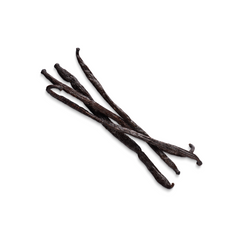
A balanced red fruits accord typically includes Red Fruits 30-35%, Raspberry 20-25%, Blackcurrant 15-20%, and Vanilla 20-25%. Red Fruits provide the juicy, sweet core through synthetic esters and aldehydes. Raspberry adds tartness and vibrancy via frambinone. Blackcurrant contributes a slightly musky, green facet from natural isolates or synthetics. Vanilla softens the blend, masking sharp edges and enhancing longevity through vanillin’s olfactory masking effect.

35%

Red Fruits Accord

30–35% of blend

Provides the juicy, sweet core using synthetic fruity esters and aldehydes that mimic strawberry, cherry, and raspberry nuances.

25%

Raspberry

20–25% of blend

Adds tartness and bright vibrancy through frambinone (raspberry ketone), enhancing freshness and energy.

20%

Blackcurrant

15–20% of blend

Contributes musky, green facets from natural isolates or synthetic molecules, adding complexity and depth.

25%

Vanilla

20–25% of blend

Softens the blend and extends longevity by masking sharp edges with vanillin’s warm, creamy sweetness.

The Olfactory Layers

How Red Fruits Evolves on Skin

Red fruits notes typically appear in the top and heart phases of a fragrance, with high-volatility esters and aldehydes evaporating within the first 15-60 minutes. Their molecular structure allows for a bright, juicy opening that gradually softens as the base notes emerge, creating a dynamic olfactory evolution.

I
Top notes
0–15 min
Bright Juicy Burst

The initial impression is bright and juicy, dominated by volatile esters such as ethyl butyrate and aldehydes like C16 strawberry aldehyde. These molecules evaporate rapidly, producing a fresh, sweet, and slightly tangy aroma reminiscent of freshly picked berries.

JuicyBrightFresh
II
Heart notes
20–60 min
Rich Berry Complexity

As the top notes fade, the heart reveals deeper fruity facets from molecules like frambinone (raspberry ketone) and blackcurrant lactones. These provide a richer, more complex berry aroma with subtle musky and green undertones, blending smoothly with floral or woody elements.

FruityComplexVelvety
III
Base notes
Several hours
Soft Creamy Dry-down

The base phase features softer, creamy notes from vanillin and tonka bean, which mask any sharpness and prolong the fruity impression. These molecules have lower volatility, ensuring a lingering, warm, and slightly sweet dry-down.

CreamyWarmLingering
TOP NOTES Bright Juicy Burst 0–15 minutes HEART NOTES Rich Berry Complexity 20–60 minutes BASE NOTES Soft Creamy Dry-down Several hours
Through the Ages

The Story of Red Fruits in Perfumery

The evolution of red fruits in perfumery spans from early synthetic discoveries in the early 20th century to their widespread use in modern fragrance compositions.

1919

Introduction of Peach Aldehyde in Mitsouko

Guerlain’s Mitsouko (1919) was the first fragrance to prominently feature the synthetic aldehyde C14, introducing a fruity facet that paved the way for future fruit notes in perfumery.

1980s

Rise of Synthetic Red Fruit Molecules

The synthesis of frambinone (raspberry ketone) and other fruity esters enabled perfumers to create convincing red fruit accords, coinciding with the 1980s trend for bright, energetic fragrances.

1992

Mugler Angel Launch

Mugler’s Angel incorporated red fruit notes like raspberry to soften its gourmand sweetness, marking a milestone in fruity fragrance popularity.

2005

Viktor & Rolf Flowerbomb Debut

Flowerbomb used red fruits as a bright opening, demonstrating their versatility in complex floral compositions.

2018

Tom Ford Lost Cherry Release

Lost Cherry placed cherry at the forefront, blending it with gourmand and woody notes, showcasing the modern appeal of red fruits in luxury perfumery.

The Art of Layering

How to Layer Red Fruits

Understanding how to layer red fruits involves molecular compatibility and olfactory masking to create harmonious blends.

01

Enhance Sweetness

Layering red fruits with vanilla softens their tangy edge through vanillin’s olfactory masking, producing a warm, creamy sweetness. This combination is exemplified in Tom Ford’s Lost Cherry, where cherry and vanilla create a luscious gourmand effect.

02

Add Depth

Pairing red fruits with patchouli introduces an earthier, musky facet via patchouli’s sesquiterpenes, balancing the brightness with complexity. Viktor & Rolf Flowerbomb uses this synergy to enrich its floral-fruity heart.

03

Lighten the Glow

Combining red fruits with citrus notes like bergamot introduces fresh, zesty top notes that elevate the fruity brightness. The shared ester compounds create a seamless transition, as seen in Jo Malone’s Earl Grey & Cucumber.

Wear It Right

How to Wear Red Fruits Like a Pro

Seasonal Guide

Fall & Winter

Cooler temperatures slow molecular evaporation, softening red fruits’ brightness but enhancing their warm, velvety facets. Apply moderately to avoid muted projection; layering with vanilla or woods enhances warmth.

Spring

Mild weather favors balanced diffusion of red fruits, highlighting fresh and juicy qualities. Ideal for moderate application; pairs well with floral notes for a vibrant, uplifting scent.

Summer

Heat increases volatility, intensifying the juicy, tangy facets but shortening longevity. Use lighter sprays and consider layering with musks or ambers to extend wear without overwhelming freshness.

Year-Round Tip

Adjust application based on temperature and humidity. Layer red fruits with complementary accords like vanilla or patchouli to modulate brightness and enhance complexity regardless of season.

Application Points

Strategic application enhances red fruits’ olfactory impact and longevity.

1

Neck

Pulse points like the neck emit heat, accelerating evaporation of red fruits’ volatile top notes for a bright initial impression.

2

Behind the Ears

This warm area allows subtle diffusion of fruity notes, creating an intimate scent aura that evolves softly.

3

Inner Wrists

Wrists provide warmth and movement, enhancing projection and allowing the fruity facets to bloom naturally.

4

Hair

Hair fibers retain fragrance molecules longer, releasing red fruits notes gradually with motion and warmth.

★

Pro Tip

Layer red fruits perfumes with vanilla or musk-based body lotions to extend longevity and smooth transitions between notes.

Mood Architecture™

Top Red Fruits Fragrances by Mood Score

These Red Fruits-based fragrances scored highest on the MEI™ Mood Architecture Framework — measuring how a scent may influence your emotional state.

Highest MEI Score
Essence of Belle Gabriel — Gabrielle Essence Alternative Perfume
7.6
MEI™
Primary Romantic
Secondary Confident
Confidence
6.63
Presence
6.97
Mood Lift
8.85
Identity
6.6
Warmth
9.35
Social Ease
7.21
Energy
3.6
" I am beautiful.
View full mood profile →
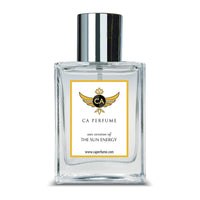
The Sun Energy — Gliza The Sun Energy Alternative Perfume
6.7
MEI™
Primary Fresh
Secondary Romantic
Confidence
6.3
Presence
6.88
Mood Lift
7.1
Identity
7.0
Warmth
6.85
Social Ease
6.8
Energy
3.35
" I am radiant.
View full mood profile →
HumanSafe™

Top Red Fruits Fragrances by HumanSafe™ Score

These Red Fruits-based fragrances have the highest product-level HumanSafe™ scores in this ingredient collection.

Highest HumanSafe™ Score
The Sun Energy — Gliza The Sun Energy Alternative Perfume
A-
HumanSafe™ Score Generally Safe
Safest Evaluated Ingredients EDP
AQUA Solvent / Carrier ISS 10.0
LINALYL ACETATE Evaluated ingredient ISS 7.0
LINALOOL Evaluated ingredient ISS 7.0
BENZOIC ACID, 2,4-DIHYDROXY-3,6-DIMETHYL-, METHYL ESTER Evaluated ingredient ISS 7.0
ALCOHOL DENAT. Solvent / Carrier ISS 7.0
2,6-DI-TERT-BUTYL-P-CRESOL Evaluated ingredient ISS 7.0
View full safety profile →
Essence of Belle Gabriel — Gabrielle Essence Alternative Perfume
A-
HumanSafe™ Score Generally Safe
Safest Evaluated Ingredients EDP
AQUA Solvent / Carrier ISS 10.0
ACETIC ACID, PHENYLMETHYL ESTER Evaluated ingredient ISS 10.0
1,4-DIOXACYCLOHEPTADECANE-5,17-DIONE Evaluated ingredient ISS 10.0
BENZYL SALICYLATE EYE IRRITATION - CAT. 2B [H320] Evaluated ingredient ISS 9.0
OCTANAL, 2-(PHENYLMETHYLENE)- Evaluated ingredient ISS 8.0
3-BUTEN-2-ONE, 3-METHYL-4-(2,6,6-TRIMETHYL-2- Evaluated ingredient ISS 8.0
View full safety profile →
Expert Voices

What Masters Say About Red Fruits

“
Red fruits, full-bodied and rich in juice, give the perception of velvety and graceful sensations, they also go very well with fragrances with floral facets. They help to fade woody accords, sometimes diffusing softly to create a harmonious balance.
CA Perfume Editorial
“
The synthesis of raspberry ketone and fruity esters in the 1980s created the technical conditions for genuinely convincing red fruit notes, which have since become a cornerstone of modern perfumery.
Fragrenza Editorial Team
Common Questions

Frequently Asked Questions

Answers to common questions about red fruits in perfumery.

Red fruits in perfume smell sweet, fresh, and tangy, reminiscent of ripe strawberries, raspberries, cherries, and blackcurrants. This scent profile is created primarily through synthetic molecules like frambinone and C16 aldehydes, which provide juicy, vibrant, and slightly tart fruity notes. These accords evoke youthful energy and are commonly used in heart or top notes of fragrances such as Viktor & Rolf Flowerbomb and Tom Ford Lost Cherry.

Red fruits typically function as top or heart notes in fragrance compositions. Their volatile esters and aldehydes evaporate relatively quickly, producing a bright and juicy opening or a fresh, fruity heart. They rarely appear as base notes, where heavier, longer-lasting molecules like vanilla or patchouli dominate.

Red fruits are popular in niche perfumery due to their ability to add vibrant, fresh, and youthful energy to compositions. Their synthetic accords offer perfumers creative flexibility to craft unique, complex fruity profiles that can be combined with florals, woods, or gourmands. This versatility and consumer appeal make red fruits a favored ingredient in artistic and niche fragrances.

Red fruits fragrance uses often include pairing with vanilla, patchouli, musk, rose, and sandalwood. Vanilla softens the tartness through olfactory masking, patchouli adds earthy depth, musk enhances sensuality, rose bridges floral and fruity facets, and sandalwood provides a creamy, woody base. These combinations create balanced, multi-dimensional accords.

Yes, red fruits perfumes are well-suited for summer due to their fresh and juicy character. However, heat increases volatility, intensifying the fruity brightness but shortening longevity. Lighter application and layering with musks or ambers can help maintain balance and extend wear in hot weather.

Red fruits notes generally last 2 to 4 hours on the skin, primarily in the top and heart phases. Their synthetic esters and aldehydes evaporate relatively quickly, though layering with base notes like vanilla or musk can extend overall fragrance longevity.

Yes, layering red fruits perfume is effective for creating signature scents. They layer well with vanilla to enhance sweetness, patchouli to add depth, and citrus notes to brighten freshness. Understanding molecular compatibility helps avoid clashes and ensures harmonious blends.

For beginners, fragrances like Viktor & Rolf Flowerbomb, Dior Miss Dior Chérie, and Jo Malone Earl Grey & Cucumber offer approachable red fruits notes balanced with florals and woods. These provide a clear, vibrant fruity character without overwhelming complexity.

Choosing the right red fruits fragrance involves considering concentration, note composition, and personal preference for sweetness or tartness. CA Perfume offers detailed ingredient transparency and HumanSafe™ verified formulations to help select fragrances that suit your skin chemistry and style.

Red fruits predominantly smell sweet and tangy rather than spicy. Their synthetic accords emphasize juicy, fresh berry notes with subtle tartness. Spiciness is usually introduced by complementary ingredients like pink pepper or cinnamon, not the red fruits themselves.

Fruity Collection

Explore Our Top Red Fruits Fragrances

Discover popular perfumes featuring red fruits notes, from vibrant florals to rich gourmand blends.

Shop all red fruits fragrances at CA Perfume →

Where Red Fruits Comes From — Origin & Extraction

Red Fruits as a perfumery ingredient are primarily synthetic accords rather than direct natural extracts, due to the high water content and volatility of the fresh fruits themselves. The botanical sources inspiring these accords include various berries such as Fragaria × ananassa (strawberry), Rubus idaeus (raspberry), Prunus avium (cherry), Ribes nigrum (blackcurrant), and Rubus fruticosus (blackberry). The main producing countries for natural berries include the United States, Poland, Russia, and Turkey, but these fruits are rarely used directly in perfumery due to extraction challenges. Instead, perfumers rely on synthetic molecules such as frambinone (CAS 5471-51-2), C16 aldehydes, and lactones to recreate the scent. Extraction of natural berry aromas is complicated by their high water content and delicate aromatic compounds that degrade easily. Techniques like solvent extraction and headspace analysis help isolate aroma molecules, but the final red fruit notes in perfumes are mostly created by blending synthetic molecules into accords. Synthetic red fruit molecules are produced via chemical synthesis in controlled laboratory environments, ensuring consistency and scalability. The cost of synthetic red fruit aroma chemicals ranges from approximately $100 to $500 per kilogram, significantly lower than natural berry absolutes which are rare and expensive. Sustainability considerations favor synthetic production as it avoids overharvesting and environmental impact associated with natural berry farming. Synthetic accords also provide perfumers with greater creative control and stability in fragrance formulations.

Famous Fragrances That Define Red Fruits in Perfumery

Red fruits have become a staple in contemporary perfumery, featuring prominently in both mainstream and niche fragrances. Viktor & Rolf's Flowerbomb (2005), crafted by perfumers Olivier Polge and Carlos Benaim, uses red fruits as a bright, juicy opening that energizes the floral heart of jasmine and patchouli. Tom Ford's Lost Cherry (2018), by perfumer Sonia Constant, places cherry as a dominant note, paired with almond and tonka bean to create a luscious gourmand effect. Givenchy Xeryus Rouge (1995) by perfumer Annick Menardo introduced raspberry prominently in men's fragrance, blending it with spices and woods for a tangy yet masculine scent. Mugler Angel (1992), by Olivier Cresp, incorporates red fruit facets like raspberry to soften the gourmand sweetness. More recent examples include Dior Miss Dior Chérie (2005), which uses strawberry to add youthful freshness, and Creed Aventus (2010), where pineapple and apple notes complement the red fruit spectrum. CA Perfume's collection reflects this lineage by offering fragrances that balance red fruits with floral, woody, and gourmand accords, emphasizing the note's versatility and appeal.

Natural vs Synthetic Red Fruits in Perfumery

Natural red fruit extracts are extremely rare and expensive due to the high water content and volatility of fresh berries, which make direct extraction inefficient and unstable. Some natural isolates like natural frambinone (raspberry ketone) exist but are costly and limited in supply. Synthetic molecules dominate the red fruits category in perfumery. Key synthetic aroma chemicals include frambinone (CAS 5471-51-2), C16 aldehydes (strawberry aldehyde), and gamma-undecalactone (peach-like lactone contributing to fruity sweetness). These synthetics offer superior longevity, diffusion, and batch-to-batch consistency compared to natural extracts. Cost differentials are significant: synthetic red fruit molecules cost roughly $100–500/kg, while natural isolates can exceed $3,000/kg. Synthetic accords also provide perfumers with precise control over scent profile and intensity. Famous fragrances using synthetic red fruits include Viktor & Rolf Flowerbomb (2005) and Tom Ford Lost Cherry (2018), which showcase the bright, juicy facets achievable with synthetics. Natural red fruit notes are more common in niche or artisanal perfumes emphasizing natural ingredients. CA Perfume employs the HumanSafe™ platform to ensure transparency and safety in sourcing both natural and synthetic ingredients, favoring sustainable synthetic molecules for red fruits due to their environmental and performance advantages.