Ingredient Guide · Powdery
Powdery Family · Perfumery Note

Powdery Notes

The olfactory texture of vintage cosmetics and clean linens.

In perfumery, powdery notes are not a single material but an effect—an accord blending iris, violet, heliotrope, musks, and vanilla. The defining molecule, irone from aged orris root, imparts a dry, dusty sweetness; powdery accords are typically used as heart or base notes at 5–15% of a composition.

Powdery Notes
Ingredient Profile

Powdery Notes

Powdery Family
Family Powdery
Note Position Heart Note
Usage Level 5–15% of blend
Key Origins Italy, Morocco, France
Iconic In L’Heure Bleue, Narcisse Noir
The Ingredient

What does Powdery Notes smell like and why are they significant in perfumery?

Powdery notes in perfumery evoke the tactile sensation of fine talcum powder, vintage face powder, or freshly laundered linens. This effect is achieved through a blend of ingredients, most notably orris (iris root, rich in irone molecules), violet (ionones), heliotrope (heliotropin), musks, and vanilla or coumarin. The powdery notes scent profile is characterized by a dry, soft, slightly sweet aroma with a floral-musky backbone. Key molecules include irone (from iris), alpha- and beta-ionone (from violet), heliotropin, and musks such as galaxolide and muscenone. These compounds combine to produce an airy, clean, and nostalgic olfactory texture, reminiscent of cosmetics or baby powder. In perfumery, powdery notes are most often classified as heart or base notes due to their moderate volatility and ability to impart lasting softness. Typical concentrations in a finished fragrance range from 5–15% for the powdery accord, though the proportion of individual ingredients (e.g., orris butter, musks) is much lower due to their potency and cost. Powdery notes interact with skin chemistry in unique ways: musks and ionones can be amplified or subdued depending on skin pH and moisture, sometimes creating a more pronounced 'makeup' effect or, conversely, a subtle clean aura. The effect is often linear, with powdery fragrances maintaining their character throughout the wear. Powdery notes in perfumery are exemplified by iconic fragrances such as Guerlain L’Heure Bleue (1912, Jacques Guerlain), which blends iris, violet, heliotrope, and musks to create a plush, powdery heart, and Chanel No. 19 (1970, Henri Robert), where orris and galbanum produce a dry, powdery floral base. More recent examples include Prada Infusion d’Iris (2007, Daniela Andrier) and Narciso Rodriguez for Her (2003, Francis Kurkdjian and Christine Nagel), both of which use modern musks and iris to create a contemporary powdery effect.

5–15% of blend
Powdery accords typically comprise 5–15% of a fragrance composition, balancing intensity and subtlety without overwhelming other notes.
1,000 kg → 1 kg
It takes approximately 1,000 kg of orris rhizomes to produce 1 kg of orris butter, highlighting the rarity and expense of natural iris in powdery accords.
6–10 hours
Powdery fragrances, especially those rich in musks and orris, often last 6–10 hours on skin due to the low volatility and fixative properties of their key molecules.
Origin & Extraction

Where Powdery Notes Comes From — Origin & Extraction

Geography shapes the character of powdery notes, especially in iris and violet production. Soil composition, climate, and altitude influence the irone content of orris rhizomes, while regional extraction techniques affect the final scent profile.

Powdery notes are not a single raw material but an olfactory effect constructed from a blend of natural and synthetic ingredients. The most important natural source is orris root (Iris pallida or Iris germanica), cultivated primarily in Tuscany, Italy, and Morocco. Orris rhizomes must be harvested, peeled, and aged for 3–5 years to develop irone content, after which they are processed via steam distillation or solvent extraction to yield orris butter. The yield is extremely low: approximately 1 kg of orris butter from 1,000 kg of rhizomes, contributing to prices of €12,000–€15,000 per kg for orris butter and up to €120,000 per kg for orris absolute. Violet flower extraction is impractical due to low yield (over 1 ton of flowers for 30 g of extract), so violet’s powdery effect is recreated with synthetic ionones (alpha- and beta-ionone, CAS 127-41-3 and 14901-07-6). Other key contributors include heliotropin (piperonal, CAS 120-57-0), which is synthesized from catechol and imparts an almond-vanilla powderiness, and coumarin (CAS 91-64-5), originally isolated from tonka bean but now produced synthetically. Musks such as galaxolide (CAS 1222-05-5) and muscenone (CAS 116-66-5) are used for their clean, powdery facets. Vanilla (vanillin, CAS 121-33-5) and aldehydes (e.g., C-12 MNA, CAS 110-41-8) are also common in powdery accords. The cost differential between natural and synthetic components is significant: orris butter can exceed $15,000/kg, while synthetic ionones and musks are available for $50–$200/kg. Sustainability concerns focus on the resource intensity of iris cultivation and the environmental impact of solvent extraction; synthetic alternatives offer greater consistency and lower ecological footprint.

IT

Italy

Tuscany, particularly the Chianti and Florence regions, is renowned for Iris pallida cultivation. The mineral-rich, well-drained soils and temperate climate yield rhizomes with high irone content. Italy supplies a significant share of the world's orris butter, prized for its refined, dry, and elegant powdery aroma.

MA

Morocco

The Atlas Mountains region produces Iris germanica, which has a denser, earthier powdery profile. Moroccan orris is often used for its cost-effectiveness, though the scent is less nuanced than Italian orris. Production volumes are lower, but Morocco remains a key supplier to the global market.

FR

France

Grasse and the surrounding Provence region historically processed orris and violet for perfumery. While large-scale cultivation has declined, French expertise in extraction and blending continues to influence powdery accords, especially in classic French perfumery.

CN

China

China is a major producer of synthetic ionones and heliotropin, supplying global perfumery with cost-effective, high-purity aroma chemicals used in powdery accords. The consistency and scale of Chinese production support modern powdery fragrances.

Chemistry

Natural vs Synthetic Powdery Notes in Perfumery

Powdery notes are achieved through a combination of natural materials—such as orris butter and natural musks (now largely replaced)—and a wide array of synthetic aroma chemicals. Key synthetic molecules include alpha-ionone (CAS 127-41-3), beta-ionone (CAS 14901-07-6), and heliotropin (CAS 120-57-0), which replicate the powdery facets of violet and heliotrope. Macrocyclic musks such as galaxolide (CAS 1222-05-5) and muscenone (CAS 116-66-5) provide clean, powdery, and skin-like effects with excellent stability and diffusion. Synthetic coumarin (CAS 91-64-5) and vanillin (CAS 121-33-5) are also widely used for their sweet, powdery warmth. Performance-wise, synthetic powdery notes offer greater longevity, consistency, and batch-to-batch stability compared to their natural counterparts. Orris butter, while prized for its complexity, is highly expensive and subject to agricultural variability. Most modern powdery fragrances rely on synthetic ionones and musks for cost-effectiveness and sustainability. For example, Guerlain’s L’Heure Bleue (1912) originally used natural orris, but contemporary formulations use a blend of natural and synthetic materials. Prada Infusion d’Iris (2007) and Narciso Rodriguez for Her (2003) both exemplify the use of synthetic musks and ionones for a modern powdery effect. The HumanSafe™ platform at CA Perfume ensures transparency in sourcing, favoring sustainable and IFRA-compliant materials.

Natural
Powdery Notes Absolute
Cost $3,000–6,000/kg
Method Solvent / CO₂
Character Complex, variable
vs
Synthetic
Safranal & Analogues
Cost $50–200/kg
Method Lab synthesis
Character Consistent, stable
Hall of Fame

Famous Fragrances That Define Powdery Notes in Perfumery

1912
dominant note

L’Heure Bleue

Guerlain
by Jacques Guerlain
irisvioletheliotropemuskvanilla
1911
bridge note

Narcisse Noir

Caron
by Ernest Daltroff
orange blossomnarcissusmusk
1970
supporting note

No. 19

Chanel
by Henri Robert
orrisgalbanumrosemusk
2007
dominant note

Infusion d’Iris

Prada
by Daniela Andrier
irismuskcedarincense
2003
dominant note

For Her

Narciso Rodriguez
by Francis Kurkdjian, Christine Nagel
muskrosepeachamber
2000
dominant note

Teint de Neige

Lorenzo Villoresi
heliotroperosemuskvanilla

Powdery notes have shaped some of the most iconic fragrances in perfumery, from early 20th-century classics to contemporary bestsellers. Guerlain L’Heure Bleue (1912, Jacques Guerlain) is widely regarded as the archetype of powdery fragrances, blending orris, violet, heliotrope, and musks to create a plush, powdery heart. Chanel No. 19 (1970, Henri Robert) uses orris and galbanum to produce a dry, powdery floral base, while Caron Narcisse Noir (1911, Ernest Daltroff) combines orange blossom, narcissus, and musks for a vintage powder effect. More recent examples include Prada Infusion d’Iris (2007, Daniela Andrier), which modernized the powdery iris accord with clean musks, and Narciso Rodriguez for Her (2003, Francis Kurkdjian and Christine Nagel), which uses a musky-powdery heart to evoke skin-like softness. Lorenzo Villoresi Teint de Neige (2000) is another benchmark, known for its dense, powdery, and sweet profile reminiscent of vintage face powder. These fragrances demonstrate the versatility of powdery notes, functioning as dominant notes, bridge notes, or supporting accents, and are often paired with rose, vanilla, amber, and aldehydes. CA Perfume’s collection draws inspiration from this lineage, offering powdery compositions that balance tradition and innovation.

The Accord

How is a captivating Powdery Notes accord crafted?

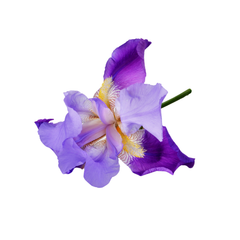
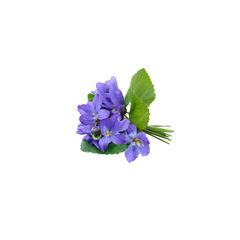
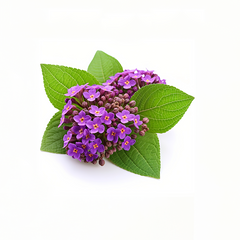
A classic powdery accord blends Orris (20–25%), Violet (20–25%), Heliotrope (20–25%), and Musk (30–35%). Orris provides the dry, dusty backbone via irone molecules, while violet (ionones) adds airy sweetness. Heliotrope (heliotropin) imparts creamy almond-vanilla nuances, and musks (e.g., galaxolide) create a soft, clean, skin-like finish. This balanced combination yields the signature powdery effect.

25%

Orris

20–25% of blend

Orris root, aged and extracted for irone content, imparts the dry, dusty, and slightly woody backbone essential to powdery accords.

25%

Violet

20–25% of blend

Violet (ionones) adds a light, floral, and airy sweetness, bridging the gap between orris and heliotrope for a nostalgic cosmetic effect.

25%

Heliotrope

20–25% of blend

Heliotropin provides creamy, almond-vanilla facets, enhancing the soft, powdery texture and lending a sweet, comforting nuance.

35%

Musk

30–35% of blend

Musks (e.g., galaxolide, muscenone) deliver clean, skin-like softness and prolong the powdery effect through low volatility and high tenacity.

The Olfactory Layers

How Powdery Notes Evolves on Skin

Powdery notes evolve gradually, with top notes fading quickly to reveal a persistent heart and base. The volatility of ionones and musks determines the olfactory evolution, with the powdery effect intensifying as higher-volatility compounds evaporate.

I
Top notes
0–15 min
Airy Softness

The initial impression is often subtle, with fleeting aldehydes or citrus providing a brief brightness before dissipating. High-volatility molecules such as aldehyde C-12 MNA evaporate quickly, allowing the powdery accord to emerge. The top is airy, clean, and slightly sweet, setting the stage for the heart.

airycleansubtle
II
Heart notes
20–60 min
Floral-Musk Veil

The heart is where powdery notes fully develop, dominated by ionones (violet), irones (orris), and heliotropin (heliotrope). These mid-weight molecules create a soft, dry, and floral-musky effect that lingers close to the skin. The powdery texture is most pronounced in this phase.

softfloral-muskydry
III
Base notes
Several hours
Creamy Skin Finish

In the base, long-lasting musks (galaxolide, muscenone) and vanilla or coumarin anchor the powdery effect, imparting warmth and persistence. These high-molecular-weight compounds have low volatility, ensuring the powdery aura endures for hours, often with a creamy, skin-like finish.

creamywarmpersistent
TOP NOTES Airy Softness 0–15 minutes HEART NOTES Floral-Musk Veil 20–60 minutes BASE NOTES Creamy Skin Finish Several hours
Through the Ages

The Story of Powdery Notes in Perfumery

Powdery notes have a storied history, evolving from cosmetic powders to a defining element in modern perfumery.

17th–18th Century

Cosmetic Powders and Early Perfume

Rice powder and orris root were used in cosmetics by European aristocracy, with Catherine de Medici popularizing orris powder in skincare. These materials laid the foundation for the powdery scent in both cosmetics and perfumery.

1898

Discovery of Ionones

Tiemann and Kruger synthesized alpha- and beta-ionone, enabling perfumers to recreate violet’s powdery aroma. This breakthrough allowed for consistent, affordable powdery effects in fragrance.

1912

Guerlain L’Heure Bleue Launch

Jacques Guerlain introduced L’Heure Bleue, blending orris, violet, heliotrope, and musks to create the archetypal powdery fragrance. This marked the rise of powdery notes as a central theme in perfumery.

1970

Chanel No. 19 and Modern Powdery Florals

Henri Robert’s Chanel No. 19 showcased a dry, powdery iris and galbanum accord, influencing a generation of powdery floral fragrances and expanding the gender association of powdery notes.

2000s–Present

Contemporary Powdery Fragrances

Modern compositions such as Prada Infusion d’Iris and Narciso Rodriguez for Her use synthetic musks and ionones for a clean, skin-like powdery effect, reflecting advances in aroma chemistry and shifting consumer preferences.

The Art of Layering

How to Layer Powdery Notes

Understanding how to layer powdery notes is key to customizing their effect. The molecular compatibility of musks, florals, and vanillic notes allows for seamless blending and olfactory masking.

01

Enhance Sweetness

Layering powdery notes with vanilla or tonka-based fragrances amplifies the creamy, sweet facets via olfactory masking—vanillin and coumarin molecules soften the dry edge of orris and musks. This combination is demonstrated in Guerlain Shalimar, where vanilla and powdery notes create a plush, enveloping effect.

02

Add Floral Depth

Pairing powdery notes with rose or violet fragrances leverages shared ionone and damascenone compounds, creating a seamless floral-powder bridge. Chanel No. 19 and Guerlain L’Heure Bleue both illustrate this synergy, with rose and violet deepening the powdery heart.

03

Lighten the Texture

Combining powdery notes with citrus or green fragrances introduces high-volatility molecules (e.g., limonene, cis-3-hexenol) that brighten the composition and reduce perceived density. Prada Infusion d’Iris uses citrus top notes to create a fresh, modern powdery effect.

Wear It Right

How to Wear Powdery Notes Like a Pro

Seasonal Guide

Fall & Winter

In cooler temperatures, powdery notes project less but last longer, creating a cozy, enveloping aura. The dry, soft texture is especially comforting in cold weather, and the lower volatility of musks and orris ensures persistence. Apply to pulse points under clothing for best effect.

Spring

Spring’s moderate temperatures allow powdery notes to bloom gently, balancing projection and longevity. The floral facets of violet and heliotrope are accentuated, and the scent feels fresh and uplifting. Apply lightly to wrists and neck for a subtle, elegant presence.

Summer

Heat increases the volatility of powdery molecules, causing the fragrance to project more but fade faster. The airy, clean aspect of powdery notes is ideal for hot weather, but reapplication may be needed. Use lighter concentrations (EDT or body mist) and focus on hair or clothing for extended wear.

Year-Round Tip

Layering powdery fragrances with unscented body lotion or matching powder enhances longevity and diffusion in any season. Adjust concentration and application area based on climate and personal preference for optimal effect.

Application Points

Strategic application enhances the performance and perception of powdery notes.

1

Neck

Applying powdery fragrances to the neck leverages body heat, helping musks and ionones diffuse gently and create a soft, enveloping aura.

2

Behind the Ears

This area is slightly cooler, allowing powdery notes to linger and evolve slowly, emphasizing their clean, skin-like qualities.

3

Inner Wrists

Pulse points on the wrists amplify the powdery heart through warmth and movement, enhancing projection and sillage.

4

Hair

Spraying on hair or a hairbrush allows powdery molecules to be released gradually, creating a subtle, long-lasting trail.

Pro Tip

Layer with unscented or matching body powder to reinforce the powdery effect and extend longevity, especially in humid conditions.

Mood Architecture™

Top Powdery Notes Fragrances by Mood Score

These Powdery Notes-based fragrances scored highest on the MEI™ Mood Architecture Framework — measuring how a scent may influence your emotional state.

Highest MEI Score
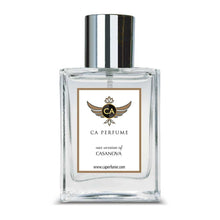
Casanova — Tiziana Terenzi Casanova Alternative Perfume
7.17
MEI™
Primary Magnetic
Secondary Confident
Confidence
7.25
Presence
7.76
Mood Lift
7.24
Identity
7.21
Warmth
7.37
Social Ease
7.09
Energy
3.5
" I am bold.
View full mood profile →
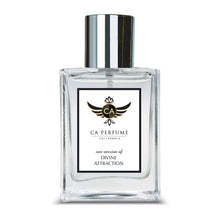
Divine Attraction — Initio Parfums Prives Divine Attraction Alternative Perfume
6.3
MEI™
Primary Magnetic
Secondary Confident
Confidence
6.56
Presence
7.81
Mood Lift
6.12
Identity
7.35
Warmth
5.98
Social Ease
5.96
Energy
2.5
" I am bold.
View full mood profile →
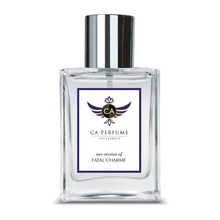
Fatal Charme — Xerjoff Fatal Charme Impression Alternative Perfume
6.0
MEI™
Primary Romantic
Secondary Confident
Confidence
6.25
Presence
6.45
Mood Lift
6.06
Identity
7.01
Warmth
5.98
Social Ease
5.64
Energy
2.4
" I am beautiful.
View full mood profile →
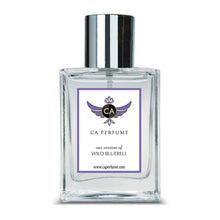
Wild Bluebell — Jo Malone Wild Bluebell Alternative Perfume
5.95
MEI™
Primary Fresh
Secondary Romantic
Confidence
5.34
Presence
5.21
Mood Lift
6.96
Identity
5.63
Warmth
5.84
Social Ease
6.52
Energy
3.8
" I am radiant.
View full mood profile →
HumanSafe™

Top Powdery Notes Fragrances by HumanSafe™ Score

These Powdery Notes-based fragrances have the highest product-level HumanSafe™ scores in this ingredient collection.

Highest HumanSafe™ Score
Wild Bluebell — Jo Malone Wild Bluebell Alternative Perfume
A-
HumanSafe™ Score Generally Safe
Safest Evaluated Ingredients EDP
AQUA Solvent / Carrier ISS 10.0
1,4-DIOXACYCLOHEPTADECANE-5,17-DIONE Evaluated ingredient ISS 10.0
BENZYL SALICYLATE Evaluated ingredient ISS 9.0
3-HEXEN-1-OL, BENZOATE, (Z)- Evaluated ingredient ISS 9.0
BENZENEPROPANAL, 4-ETHYL-.ALPHA.,.ALPHA.-DIMETHYL- Evaluated ingredient ISS 8.0
View full safety profile →
Fatal Charme — Xerjoff Fatal Charme Impression Alternative Perfume
A-
HumanSafe™ Score Generally Safe
Safest Evaluated Ingredients EDP
BICYCLO[3.3.1]NONANE, 2-ETHOXY-2,6,6-TRIMETHYL-9- Evaluated ingredient ISS 10.0
AQUA Solvent / Carrier ISS 10.0
3-BUTEN-2-ONE, 4-(2,6,6-TRIMETHYL-2-CYCLOHEXEN-1- Evaluated ingredient ISS 9.0
AMBERKETAL Evaluated ingredient ISS 8.0
3-BUTEN-2-ONE, 3-METHYL-4-(2,6,6-TRIMETHYL-2- Evaluated ingredient ISS 8.0
LINALYL ACETATE Evaluated ingredient ISS 7.0
View full safety profile →
Divine Attraction — Initio Parfums Prives Divine Attraction Alternative Perfume
A-
HumanSafe™ Score Generally Safe
Safest Evaluated Ingredients EDP
AQUA Solvent / Carrier ISS 10.0
LINALYL ACETATE Evaluated ingredient ISS 7.0
LINALOOL Evaluated ingredient ISS 7.0
BULNESIA SARMIENTI, EXT., ACETATE Evaluated ingredient ISS 7.0
ALCOHOL DENAT. Solvent / Carrier ISS 7.0
1,3,4,6,7,8-HEXAHYDRO-4,6,6,7,8,8- Evaluated ingredient ISS 7.0
View full safety profile →
Casanova — Tiziana Terenzi Casanova Alternative Perfume
A-
HumanSafe™ Score Generally Safe
Safest Evaluated Ingredients EDP
AQUA Solvent / Carrier ISS 10.0
1,4-DIOXACYCLOHEPTADECANE-5,17-DIONE Evaluated ingredient ISS 10.0
4H-INDEN-4-ONE, 1,2,3,5,6,7-HEXAHYDRO-1,1,2,3,3- Evaluated ingredient ISS 9.0
3-BUTEN-2-ONE, 3-METHYL-4-(2,6,6-TRIMETHYL-2- Evaluated ingredient ISS 8.0
LINALYL ACETATE Evaluated ingredient ISS 7.0
LINALOOL Evaluated ingredient ISS 7.0
View full safety profile →
Expert Voices

What Masters Say About Powdery Notes

Powdery fragrances have a delicate, soft touch—imagine the smell of fine talcum powder or a vintage face powder puff. This texture often carries a sense of nostalgia and comfort, enveloping you like a soft veil.
Olfactive Aesthetics Editorial
The powdery effect is the result of a carefully crafted blend of ingredients, artistic choices in scent structure, and even how the fragrance reacts with your skin.
CA Perfume Editorial
Common Questions

Frequently Asked Questions

Frequently asked questions about powdery notes in perfumery.

Powdery notes in perfume evoke the scent of fine talcum powder, vintage cosmetics, or freshly laundered linens. The effect is achieved through a blend of iris (orris), violet, heliotrope, musks, and vanilla, producing a dry, soft, slightly sweet, and floral-musky aroma. This scent profile is both nostalgic and comforting, often described as clean, airy, and subtly sweet. Iconic examples include Guerlain L’Heure Bleue and Prada Infusion d’Iris.

Powdery notes are typically found in the heart or base of a fragrance. Their main components—ionones, irones, heliotropin, and musks—have moderate to low volatility, allowing the powdery effect to persist after the top notes fade. This makes powdery notes ideal for imparting lasting softness and a tactile, skin-like aura in the drydown.

Powdery notes are favored in niche perfumery for their ability to evoke nostalgia, comfort, and sophistication. The blend of orris, violet, and musks creates a unique olfactory texture that appeals to those seeking vintage glamour or understated elegance. Niche brands often use high-quality orris and innovative musks to craft distinctive powdery accords that stand out from mainstream offerings.

Powdery notes fragrance uses include pairing with rose, violet, vanilla, tonka bean, and sandalwood. These ingredients share molecular affinities—such as ionones and damascenone with rose, or vanillin with vanilla—that enhance the powdery effect. Citrus and green notes can also be layered to lighten the texture and add freshness.

Powdery notes can be worn year-round, but their soft, airy texture is especially well-suited to spring and summer. In hot weather, the volatility of musks and ionones increases, making the fragrance project more but fade faster. Lighter concentrations (EDT or body mist) and application to hair or clothing can help maintain a fresh, clean powdery effect in summer.

Powdery fragrances, especially those rich in musks and orris, typically last 6–10 hours on skin. The longevity depends on the concentration, skin chemistry, and the specific molecules used. Musks and coumarin provide excellent fixative properties, ensuring a persistent powdery aura throughout the day.

Yes, powdery notes are highly versatile for layering. They blend well with vanilla, rose, and woody fragrances, leveraging molecular affinities and olfactory masking. Layering can enhance sweetness, add floral depth, or lighten the texture, allowing for personalized scent experiences.

For those new to powdery fragrances, recommended options include Prada Infusion d’Iris, Narciso Rodriguez for Her, and Lorenzo Villoresi Teint de Neige. These fragrances showcase the powdery effect in accessible, modern compositions, balancing classic ingredients with contemporary musks.

Choosing the right powdery fragrance involves considering your preferred intensity, supporting notes, and desired mood. CA Perfume offers a range of powdery compositions, from vintage-inspired to modern clean musks. Sampling different blends and layering with complementary notes can help you find your ideal powdery scent.

Powdery notes are typically dry and soft rather than overtly sweet. While some compositions include vanilla or tonka for added sweetness, the overall effect remains balanced and wearable for daily use. The powdery accord’s subtlety and skin-like finish make it suitable for a wide range of occasions.

Powdery Collection

Explore Our Top Powdery Notes Fragrances

Discover CA Perfume’s curated selection of powdery fragrances, from vintage-inspired iris blends to modern musky compositions.

Shop all powdery notes fragrances at CA Perfume →

Where Powdery Notes Comes From — Origin & Extraction

Powdery notes are not a single raw material but an olfactory effect constructed from a blend of natural and synthetic ingredients. The most important natural source is orris root (Iris pallida or Iris germanica), cultivated primarily in Tuscany, Italy, and Morocco. Orris rhizomes must be harvested, peeled, and aged for 3–5 years to develop irone content, after which they are processed via steam distillation or solvent extraction to yield orris butter. The yield is extremely low: approximately 1 kg of orris butter from 1,000 kg of rhizomes, contributing to prices of €12,000–€15,000 per kg for orris butter and up to €120,000 per kg for orris absolute. Violet flower extraction is impractical due to low yield (over 1 ton of flowers for 30 g of extract), so violet’s powdery effect is recreated with synthetic ionones (alpha- and beta-ionone, CAS 127-41-3 and 14901-07-6). Other key contributors include heliotropin (piperonal, CAS 120-57-0), which is synthesized from catechol and imparts an almond-vanilla powderiness, and coumarin (CAS 91-64-5), originally isolated from tonka bean but now produced synthetically. Musks such as galaxolide (CAS 1222-05-5) and muscenone (CAS 116-66-5) are used for their clean, powdery facets. Vanilla (vanillin, CAS 121-33-5) and aldehydes (e.g., C-12 MNA, CAS 110-41-8) are also common in powdery accords. The cost differential between natural and synthetic components is significant: orris butter can exceed $15,000/kg, while synthetic ionones and musks are available for $50–$200/kg. Sustainability concerns focus on the resource intensity of iris cultivation and the environmental impact of solvent extraction; synthetic alternatives offer greater consistency and lower ecological footprint.

Famous Fragrances That Define Powdery Notes in Perfumery

Powdery notes have shaped some of the most iconic fragrances in perfumery, from early 20th-century classics to contemporary bestsellers. Guerlain L’Heure Bleue (1912, Jacques Guerlain) is widely regarded as the archetype of powdery fragrances, blending orris, violet, heliotrope, and musks to create a plush, powdery heart. Chanel No. 19 (1970, Henri Robert) uses orris and galbanum to produce a dry, powdery floral base, while Caron Narcisse Noir (1911, Ernest Daltroff) combines orange blossom, narcissus, and musks for a vintage powder effect. More recent examples include Prada Infusion d’Iris (2007, Daniela Andrier), which modernized the powdery iris accord with clean musks, and Narciso Rodriguez for Her (2003, Francis Kurkdjian and Christine Nagel), which uses a musky-powdery heart to evoke skin-like softness. Lorenzo Villoresi Teint de Neige (2000) is another benchmark, known for its dense, powdery, and sweet profile reminiscent of vintage face powder. These fragrances demonstrate the versatility of powdery notes, functioning as dominant notes, bridge notes, or supporting accents, and are often paired with rose, vanilla, amber, and aldehydes. CA Perfume’s collection draws inspiration from this lineage, offering powdery compositions that balance tradition and innovation.

Natural vs Synthetic Powdery Notes in Perfumery

Powdery notes are achieved through a combination of natural materials—such as orris butter and natural musks (now largely replaced)—and a wide array of synthetic aroma chemicals. Key synthetic molecules include alpha-ionone (CAS 127-41-3), beta-ionone (CAS 14901-07-6), and heliotropin (CAS 120-57-0), which replicate the powdery facets of violet and heliotrope. Macrocyclic musks such as galaxolide (CAS 1222-05-5) and muscenone (CAS 116-66-5) provide clean, powdery, and skin-like effects with excellent stability and diffusion. Synthetic coumarin (CAS 91-64-5) and vanillin (CAS 121-33-5) are also widely used for their sweet, powdery warmth. Performance-wise, synthetic powdery notes offer greater longevity, consistency, and batch-to-batch stability compared to their natural counterparts. Orris butter, while prized for its complexity, is highly expensive and subject to agricultural variability. Most modern powdery fragrances rely on synthetic ionones and musks for cost-effectiveness and sustainability. For example, Guerlain’s L’Heure Bleue (1912) originally used natural orris, but contemporary formulations use a blend of natural and synthetic materials. Prada Infusion d’Iris (2007) and Narciso Rodriguez for Her (2003) both exemplify the use of synthetic musks and ionones for a modern powdery effect. The HumanSafe™ platform at CA Perfume ensures transparency in sourcing, favoring sustainable and IFRA-compliant materials.