Ingredient Guide · Fruity
Fruity Family · Perfumery Note

Pitahaya

Bright, exotic, and refreshingly fruity

Pitahaya, or dragon fruit, is a heart note in perfumery known for its light, fruity character with sweet kiwi and pear nuances. It is typically used below 2% concentration, extracted via solvent or CO₂ methods.

Pitahaya
Ingredient Profile

Pitahaya

Fruity Family
Family Fruity
Note Position Heart Note
Usage Level <2%
Key Origins Mexico, Vietnam, Thailand
Iconic In La Bomba, 9 PM Night Out
The Ingredient

What does Pitahaya smell like and why is it so unique?

Pitahaya, commonly known as dragon fruit, is a tropical fruit from the cactus genus Hylocereus and Stenocereus. Its scent profile is light and fruity, characterized by sweet notes reminiscent of a fusion between kiwi (Actinidia deliciosa) and pear (Pyrus communis). This unique olfactory signature is due to a complex mixture of volatile esters and lactones that produce its fresh, juicy aroma. In perfumery, pitahaya functions primarily as a heart note, used at concentrations typically below 2%. Its moderate volatility allows it to provide a bright, uplifting character that interacts well with skin chemistry, often enhancing the freshness and juiciness of a fragrance without overwhelming. Pitahaya’s scent tends to evolve softly on skin, maintaining a tropical fruitiness that complements both fresh and floral accords. Notable fragrances showcasing pitahaya include Carolina Herrera's La Bomba (2025), where it adds a vibrant fruity heart, and Sol de Janeiro's Cheirosa '68 (2022), which uses pitahaya to evoke a tropical, sun-drenched atmosphere. These examples highlight pitahaya’s role in creating lively, joyful compositions that resonate with warm weather and summer themes.

1–3 Sprays
Recommended application range to deliver pitahaya's refreshing scent without overwhelming, ensuring balanced projection.
3–5 Hours
Typical longevity of pitahaya-based fragrances, influenced by formulation and supporting notes that sustain freshness.
<2%
Common usage concentration in perfume formulations to maintain pitahaya's vibrant character while avoiding dominance.
Origin & Extraction

Where Pitahaya Comes From — Origin & Extraction

Pitahaya thrives in tropical and subtropical climates where warm temperatures and high humidity foster its unique fruity aroma. Soil composition and cultivation practices in key regions influence the scent nuances of the fruit, contributing to variations in sweetness and juiciness.

Pitahaya, or dragon fruit, originates from tropical and subtropical regions, primarily cultivated in Mexico, Vietnam, and Thailand. The botanical sources belong to the cactus genera Hylocereus and Stenocereus. Mexico is renowned for producing pitahaya fruits celebrated for their sweetness and high water content, ideal for refreshing fragrance notes. Vietnam contributes vibrant, colorful varieties that provide unique olfactory profiles, while Thailand offers distinct types with bright, juicy flavors enhancing the tropical essence. Extraction of pitahaya for perfumery typically involves solvent extraction or supercritical CO₂ extraction. These methods preserve the delicate fruity and floral volatiles without heat degradation, yielding a complex and variable absolute. Extraction yields are relatively low, contributing to the ingredient’s cost, which ranges from $3,000 to $6,000 per kilogram for natural pitahaya absolute. Sustainability considerations include the cultivation of pitahaya in regions with warm, humid climates, requiring careful agricultural practices to maintain soil health and water use efficiency. The fruit’s seasonal availability and labor-intensive harvesting also impact supply stability. Synthetic aroma chemicals mimicking pitahaya’s scent are more cost-effective but lack the complexity of the natural extract.

MX

Mexico

Mexico is a primary producer of pitahaya, especially in regions with warm, humid climates and well-drained soils. Mexican pitahaya is noted for its sweetness and high water content, making it ideal for fresh, vibrant fragrance notes. Production volume is significant, supporting both local consumption and export.

VN

Vietnam

Vietnam cultivates colorful pitahaya varieties with bright, juicy flavors. The tropical climate and fertile soils contribute to the fruit's aromatic complexity, which is highly valued in perfumery. Vietnam's production has grown rapidly, gaining international recognition.

TH

Thailand

Thailand produces distinct pitahaya varieties characterized by bright, tropical fruitiness. The country's warm climate and agricultural expertise ensure high-quality fruits with authentic tropical scent profiles, enhancing their appeal in fragrance compositions.

Chemistry

Natural vs Synthetic Pitahaya in Perfumery

Natural pitahaya absolute is obtained through solvent or CO₂ extraction, producing a complex and variable aromatic profile that captures the fresh, fruity nuances of the dragon fruit. This natural extract costs approximately $3,000–6,000 per kilogram and offers a multifaceted scent with subtle tropical and floral undertones. Synthetic substitutes primarily use safranal (CAS 116-26-7) and related analogues to replicate the key fruity and green facets of pitahaya. These synthetics are produced via laboratory synthesis, costing between $50 and $200 per kilogram. Synthetic molecules provide consistent, stable aroma profiles with enhanced longevity and diffusion but lack the full complexity of natural extracts. Famous fragrances such as Carolina Herrera's La Bomba utilize natural pitahaya absolute for its authentic tropical character, while some niche compositions may incorporate synthetic analogues for cost efficiency and stability. Sustainability concerns favor natural extracts sourced responsibly, while synthetic molecules reduce agricultural impact and supply chain volatility. At CA Perfume, we prioritize transparency through the HumanSafe™ platform, offering detailed ingredient sourcing and formulation data to ensure consumer confidence in both natural and synthetic pitahaya-based fragrances.

Natural
Pitahaya Absolute
Cost $3,000–6,000/kg
Method Solvent / CO₂
Character Complex, variable
vs
Synthetic
Safranal & Analogues
Cost $50–200/kg
Method Lab synthesis
Character Consistent, stable
Hall of Fame

Famous Fragrances That Define Pitahaya in Perfumery

2025
heart note

La Bomba

Carolina Herrera
citrusfloral
2026
heart note

9 PM Night Out

Afnan
pink pepperbergamot
2022
accent

Cheirosa '68

Sol de Janeiro
coconutvanilla
2023
accent

Cloud Pink

Ariana Grande
floralfruity
2017
supporting note

Basilico & Fellini

Vilhelm Parfumerie
herbalaromatic

Pitahaya has become a distinctive note in modern perfumery, featured in several notable fragrances that showcase its tropical, fruity essence. Carolina Herrera's La Bomba (2025) prominently uses pitahaya as a heart note, where it contributes a vibrant, juicy character paired with citrus and floral accords, crafted by a leading perfumer team. Afnan's 9 PM Night Out (2026) employs pitahaya to add brightness and tropical freshness, blending it with pink pepper and bergamot for an energetic opening. Sol de Janeiro's Cheirosa '68 (2022) integrates pitahaya to evoke a sun-drenched, tropical atmosphere, harmonizing with coconut and vanilla notes. Ariana Grande's Cloud Pink (2023) features pitahaya as an accent, enhancing the fruity-floral bouquet with its light, refreshing quality. Vilhelm Parfumerie's Basilico & Fellini (2017) uses pitahaya to add a subtle exotic fruitiness within a complex aromatic structure. These examples illustrate pitahaya's versatility across fragrance families and its role in creating joyful, uplifting scent experiences. CA Perfume's collection reflects this lineage by offering fragrances that balance pitahaya's tropical vibrancy with complementary notes for diverse olfactory preferences.

The Accord

How is a captivating Pitahaya accord crafted?

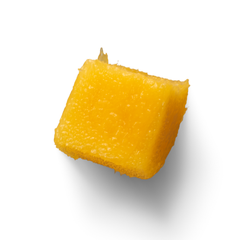
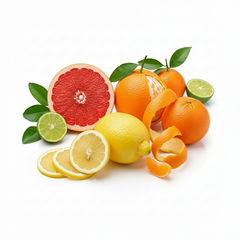
A well-balanced pitahaya accord combines its bright, fruity essence with complementary ingredients to enhance its tropical character. Mango (25–30%) adds luscious sweetness and depth, amplifying the fruitiness. Citrus notes like bergamot (20–25%) contribute fresh, zesty top facets that lift the accord. Jasmine (15–20%) introduces a delicate floral complexity, bridging fruit and floral elements through shared aromatic compounds. Vetiver (20–25%) provides a subtle earthy base, grounding the accord and enhancing longevity with its woody nuances. This blend totals approximately 90–100%, creating a fresh, vibrant, and multi-dimensional fragrance experience.

25%

Pitahaya

20–25% of blend

Provides the core tropical fruity character with sweet kiwi-pear notes, adding brightness and vibrancy.

30%

Mango

25–30% of blend

Enhances the fruity depth with luscious sweetness and exotic tropical nuances.

20%

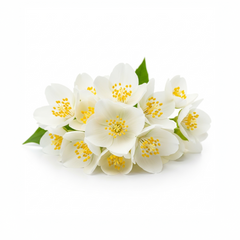
Jasmine

15–20% of blend

Adds floral complexity and aromatic bridging through shared compounds like indole and benzyl acetate.

25%

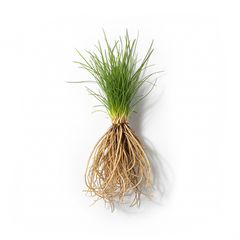
Vetiver

20–25% of blend

Provides an earthy woody base that anchors the accord and improves longevity.

The Olfactory Layers

How Pitahaya Evolves on Skin

Pitahaya's olfactory evolution begins with bright, volatile fruity esters that evaporate within the first 15 minutes, delivering an immediate tropical freshness. The heart phase (20–60 minutes) reveals the fuller fruity and subtle floral nuances stabilized by less volatile lactones. The base notes (several hours) feature woody and earthy undertones from complementary ingredients, providing depth and longevity to the composition.

I
Top notes
0–15 min
Bright Fruity Burst

High-volatility esters such as ethyl butyrate and hexyl acetate evaporate quickly, producing a fresh, juicy impression reminiscent of kiwi and pear. This initial brightness sets a lively and inviting tone.

FreshJuicyBright
II
Heart notes
20–60 min
Creamy Tropical Fruit

Moderate volatility compounds like lactones and fruity aldehydes emerge, enriching the scent with creamy tropical fruitiness and subtle floral hints. This phase sustains the tropical character with smooth transitions.

FruityCreamyFloral
III
Base notes
Several hours
Woody Earthy Depth

Low-volatility woody and earthy molecules from supporting notes like vetiver and musk provide a grounding effect, enhancing longevity and adding complexity without overpowering the fruity heart.

WoodyEarthyLong-lasting
TOP NOTES Bright Fruity Burst 0–15 minutes HEART NOTES Creamy Tropical Fruit 20–60 minutes BASE NOTES Woody Earthy Depth Several hours
Through the Ages

The Story of Pitahaya in Perfumery

The history of pitahaya in perfumery traces from its botanical origins in the Americas to its modern use as a vibrant tropical note in contemporary fragrances, reflecting evolving extraction technologies and fragrance trends.

Antiquity

Botanical Recognition

Pitahaya, native to Mexico and Colombia, was recognized for its edible fruit and ornamental flowers by indigenous peoples, laying the foundation for its cultural and aromatic significance.

19th Century

Global Cultivation Spread

Pitahaya cultivation expanded to tropical regions worldwide, including Southeast Asia and Australia, increasing availability for culinary and aromatic uses.

Late 20th Century

Introduction to Perfumery

Pitahaya began to be explored as a fragrance ingredient, with early extraction methods focusing on solvent extraction to capture its fresh fruity aroma.

2010s

Advances in Extraction

Supercritical CO₂ extraction techniques improved the quality and complexity of pitahaya absolute, enhancing its use in niche and designer perfumes.

2020s

Rise in Popularity

Pitahaya gained prominence in perfumery, featured in high-profile launches such as Carolina Herrera's La Bomba (2025), reflecting consumer interest in exotic and tropical notes.

The Art of Layering

How to Layer Pitahaya

Understanding how to layer pitahaya involves recognizing molecular compatibilities that enhance its tropical fruitiness and brightness.

01

Enhance Sweetness

Layering pitahaya with mango amplifies shared lactones and fruity esters, deepening the tropical sweetness. This combination is evident in fragrances like Sol de Janeiro's Cheirosa '68, where mango's lusciousness complements pitahaya's brightness.

02

Add Depth

Combining pitahaya with vetiver introduces earthy terpenes that ground the fruity top notes, extending longevity and adding complexity. This molecular synergy balances freshness with woody depth.

03

Lighten the Glow

Pairing pitahaya with jasmine exploits shared aromatic compounds such as benzyl acetate, creating a seamless floral-fruity bridge. This layering softens the fruitiness while maintaining vibrancy, as seen in compositions like Carolina Herrera's La Bomba.

Wear It Right

How to Wear Pitahaya Like a Pro

Seasonal Guide

Fall & Winter

Pitahaya's fresh fruity notes may be subdued in cold weather due to reduced volatility. Layer with warm spicy or woody notes to maintain presence and add depth.

Spring

Spring's moderate temperatures allow pitahaya's brightness to shine. Pair with light florals and citrus for a fresh, uplifting scent ideal for the season.

Summer

Heat amplifies pitahaya's tropical fruitiness and sillage. Apply lightly for a refreshing, invigorating fragrance perfect for hot weather.

Year-Round Tip

Use pitahaya in layered compositions with complementary notes to adapt its character across seasons, balancing freshness with warmth as needed.

Application Points

Strategic application enhances pitahaya's fresh and vibrant scent expression.

1

Neck

Pulse points like the neck emit heat, accelerating evaporation and enhancing pitahaya's bright fruity top notes.

2

Behind the Ears

Warmth behind the ears helps diffuse pitahaya's tropical aroma subtly, creating a pleasant aura.

3

Inner Wrists

Applying on wrists allows for easy scent projection and personal enjoyment of pitahaya's evolving fruity heart.

4

Hair

Hair fibers retain fragrance longer, releasing pitahaya's fresh notes gradually with movement.

★

Pro Tip

Layer pitahaya-based fragrances with complementary citrus or floral body lotions to enhance longevity and complexity.

Mood Architecture™

Top Pitahaya Fragrances by Mood Score

These Pitahaya-based fragrances scored highest on the MEI™ Mood Architecture Framework — measuring how a scent may influence your emotional state.

Highest MEI Score
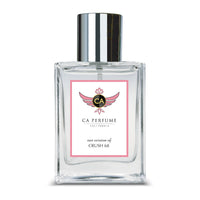
Crush 68 — Cheriosa 68 Alternative Perfume
6.4
MEI™
Primary Fresh
Secondary Romantic
Confidence
5.69
Presence
5.62
Mood Lift
7.38
Identity
5.65
Warmth
6.85
Social Ease
6.94
Energy
3.0
" I am radiant.
View full mood profile →
HumanSafe™

Top Pitahaya Fragrances by HumanSafe™ Score

These Pitahaya-based fragrances have the highest product-level HumanSafe™ scores in this ingredient collection.

Highest HumanSafe™ Score
Crush 68 — Cheriosa 68 Alternative Perfume
A-
HumanSafe™ Score Generally Safe
Safest Evaluated Ingredients EDP
AQUA Solvent / Carrier ISS 10.0
2H-1-BENZOPYRAN-6-OL, 3,4-DIHYDRO-2,5,7,8-TETRAMETHYL- Evaluated ingredient ISS 8.0
BENZOIC ACID, 2,4-DIHYDROXY-3,6-DIMETHYL-, METHYL ESTER Evaluated ingredient ISS 7.0
ALCOHOL DENAT. Solvent / Carrier ISS 7.0
1-[(2-TERT-BUTYL)CYCLOHEXYLOXY]-2-BUTANOL Evaluated ingredient ISS 7.0
ETHANONE, 1-(1,2,3,4,5,6,7,8-OCTAHYDRO-2,3,8,8- Evaluated ingredient ISS 6.6
View full safety profile →
Expert Voices

What Masters Say About Pitahaya

“
Pitahaya's light, fruity aroma with kiwi and pear nuances offers a unique tropical freshness that invigorates fragrance compositions, especially in summer blends.
CA Perfume Editorial
“
The molecular complexity of pitahaya absolute, captured through solvent and CO₂ extraction, provides a vibrant and variable scent profile that synthetic analogues strive to replicate but cannot fully match.
CA Perfume Editorial
Common Questions

Frequently Asked Questions

Answers to common questions about pitahaya in perfumery.

Pitahaya in perfume smells light and fruity, with sweet notes reminiscent of kiwi and pear. It provides a fresh, tropical heart note that brightens compositions and evokes a sunny, uplifting atmosphere. Its scent is subtle yet distinctive, often used below 2% concentration for balanced vibrancy.

Pitahaya is primarily used as a heart note in perfumery. Its moderate volatility allows it to sustain the fruity character beyond the initial top notes, providing a bright and juicy core that supports the fragrance's development.

Pitahaya's unique tropical fruitiness and refreshing character make it a favored ingredient in niche perfumery, where originality and vibrant scent profiles are prized. Its ability to blend well with both fresh and warm notes adds versatility to creative compositions.

Pitahaya fragrance uses include pairing with tropical fruits like mango and pineapple to enhance sweetness, floral notes such as jasmine and ylang-ylang for aromatic complexity, and woody bases like vetiver to add depth and longevity.

Yes, pitahaya perfumes are exceptionally suitable for summer and warm climates. Their light, fruity profile provides a refreshing and invigorating scent that performs well in heat, offering bright diffusion without heaviness.

Pitahaya-based fragrances typically last between 3 to 5 hours, depending on formulation and supporting notes. Its moderate volatility means it maintains presence through the heart phase but may require complementary base notes for extended longevity.

Yes, layering pitahaya with complementary notes like mango, jasmine, or vetiver can enhance its tropical brightness and add complexity. Understanding how to layer pitahaya at a molecular level helps create harmonious blends that highlight its unique character.

For beginners, fragrances that feature pitahaya alongside other fruity notes such as mango or citrus offer a balanced and approachable introduction. Light, breezy compositions that highlight pitahaya’s uplifting qualities are ideal starting points.

Choosing the right pitahaya fragrance involves considering your preference for fruity brightness versus floral or woody complexity. At CA Perfume, explore options that balance pitahaya with complementary notes and check detailed ingredient transparency via the HumanSafe™ platform.

Pitahaya primarily smells sweet and fruity rather than spicy. Its scent profile emphasizes tropical fruitiness with kiwi and pear-like sweetness, making it a refreshing and non-spicy ingredient in perfumery.

Fruity Collection

Explore Our Top Pitahaya Fragrances

Discover vibrant and refreshing perfumes featuring pitahaya's tropical fruitiness, perfect for warm weather and joyful scent experiences.

Shop all pitahaya fragrances at CA Perfume →

Where Pitahaya Comes From — Origin & Extraction

Pitahaya, or dragon fruit, originates from tropical and subtropical regions, primarily cultivated in Mexico, Vietnam, and Thailand. The botanical sources belong to the cactus genera Hylocereus and Stenocereus. Mexico is renowned for producing pitahaya fruits celebrated for their sweetness and high water content, ideal for refreshing fragrance notes. Vietnam contributes vibrant, colorful varieties that provide unique olfactory profiles, while Thailand offers distinct types with bright, juicy flavors enhancing the tropical essence. Extraction of pitahaya for perfumery typically involves solvent extraction or supercritical CO₂ extraction. These methods preserve the delicate fruity and floral volatiles without heat degradation, yielding a complex and variable absolute. Extraction yields are relatively low, contributing to the ingredient’s cost, which ranges from $3,000 to $6,000 per kilogram for natural pitahaya absolute. Sustainability considerations include the cultivation of pitahaya in regions with warm, humid climates, requiring careful agricultural practices to maintain soil health and water use efficiency. The fruit’s seasonal availability and labor-intensive harvesting also impact supply stability. Synthetic aroma chemicals mimicking pitahaya’s scent are more cost-effective but lack the complexity of the natural extract.

Famous Fragrances That Define Pitahaya in Perfumery

Pitahaya has become a distinctive note in modern perfumery, featured in several notable fragrances that showcase its tropical, fruity essence. Carolina Herrera's La Bomba (2025) prominently uses pitahaya as a heart note, where it contributes a vibrant, juicy character paired with citrus and floral accords, crafted by a leading perfumer team. Afnan's 9 PM Night Out (2026) employs pitahaya to add brightness and tropical freshness, blending it with pink pepper and bergamot for an energetic opening. Sol de Janeiro's Cheirosa '68 (2022) integrates pitahaya to evoke a sun-drenched, tropical atmosphere, harmonizing with coconut and vanilla notes. Ariana Grande's Cloud Pink (2023) features pitahaya as an accent, enhancing the fruity-floral bouquet with its light, refreshing quality. Vilhelm Parfumerie's Basilico & Fellini (2017) uses pitahaya to add a subtle exotic fruitiness within a complex aromatic structure. These examples illustrate pitahaya's versatility across fragrance families and its role in creating joyful, uplifting scent experiences. CA Perfume's collection reflects this lineage by offering fragrances that balance pitahaya's tropical vibrancy with complementary notes for diverse olfactory preferences.

Natural vs Synthetic Pitahaya in Perfumery

Natural pitahaya absolute is obtained through solvent or CO₂ extraction, producing a complex and variable aromatic profile that captures the fresh, fruity nuances of the dragon fruit. This natural extract costs approximately $3,000–6,000 per kilogram and offers a multifaceted scent with subtle tropical and floral undertones. Synthetic substitutes primarily use safranal (CAS 116-26-7) and related analogues to replicate the key fruity and green facets of pitahaya. These synthetics are produced via laboratory synthesis, costing between $50 and $200 per kilogram. Synthetic molecules provide consistent, stable aroma profiles with enhanced longevity and diffusion but lack the full complexity of natural extracts. Famous fragrances such as Carolina Herrera's La Bomba utilize natural pitahaya absolute for its authentic tropical character, while some niche compositions may incorporate synthetic analogues for cost efficiency and stability. Sustainability concerns favor natural extracts sourced responsibly, while synthetic molecules reduce agricultural impact and supply chain volatility. At CA Perfume, we prioritize transparency through the HumanSafe™ platform, offering detailed ingredient sourcing and formulation data to ensure consumer confidence in both natural and synthetic pitahaya-based fragrances.