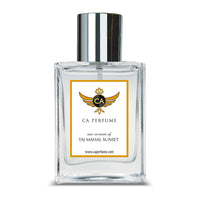
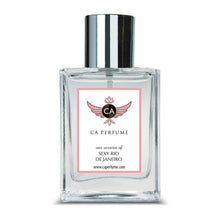
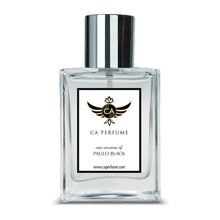
Great class packaging and the scent is spot on!
I loove this scent. It smells like the original at a reasonable price. It brings back great memories and it is spot on!
A vibrant note with tropical, green, and creamy facets.
In perfumery, mango is a heart or top note prized for its multifaceted, juicy, and tropical character. Its scent is defined by esters, terpenes, and lactones, with key molecules like ethyl butanoate and δ-3-carene shaping its aroma.
Mango (Mangifera indica) in perfumery is recognized for its complex, tropical scent profile, which is both juicy and multifaceted. The aroma is primarily constructed from a blend of esters (notably ethyl butanoate and ethyl-2-methylpropanoate), terpenes (such as δ-3-carene and myrcene), and lactones (γ-octalactone). These molecules create a scent that is simultaneously sweet, fruity, green, and creamy, with nuances of peach, pineapple, and even pine. The presence of δ-3-carene imparts a distinctive pine-turpentine undertone, while γ-octalactone adds a creamy, coconut-like depth. This intricate molecular composition explains why the question "what does mango smell like" is often answered with references to both fruit and subtle resinous or green notes. Mango in perfumery is most commonly used as a heart or top note, depending on the composition. Its volatility allows it to provide an immediate burst of juicy freshness, but the presence of heavier lactones and terpenes ensures it lingers into the heart of the fragrance. Typical concentration in fine fragrance ranges from 0.2% to 2% of the formula, with higher levels in tropical or gourmand compositions. Mango’s interaction with skin chemistry can accentuate its green or creamy facets, depending on individual pH and skin moisture, making it a dynamic note that evolves throughout wear. Several modern fragrances exemplify mango’s role in perfumery. Vilhelm Parfumerie’s Mango Skin (2018, perfumer Jérôme Epinette) uses mango as a dominant note, paired with blackcurrant, jasmine, and vanilla to evoke the sensation of biting into ripe fruit. By Kilian’s Moonlight in Heaven (2016, Calice Becker) features mango as a bridge between citrus and coconut, demonstrating its versatility in both fresh and creamy contexts. These examples highlight mango’s significance in contemporary scent design and its enduring appeal in both niche and mainstream perfumery.
Mango’s scent profile varies with geography, as soil, climate, and cultivar influence the balance of esters, terpenes, and lactones. Tropical humidity and volcanic soils enhance the fruit’s aromatic complexity.
Mango (Mangifera indica) is a tropical stone fruit originating from the Indian subcontinent, now cultivated in over 100 countries across Asia, Africa, and the Americas. India remains the world’s largest producer, accounting for approximately 40% of global mango output, with annual production exceeding 20 million metric tons. Other significant producers include Mexico, Thailand, and Indonesia, each contributing distinct cultivars with unique aromatic profiles. In perfumery, the mango note is not typically extracted directly from the fruit due to its low essential oil yield and high water content. Instead, the scent is reconstructed using a blend of natural isolates and synthetic aroma chemicals. Key extraction methods for natural mango-related materials include solvent extraction (for leaves and flowers) and CO2 extraction, though these are rare and primarily used for research or niche applications. The primary aroma compounds—such as ethyl butanoate, (E,Z)-2,6-nonadienal, δ-3-carene, and γ-octalactone—are either isolated from natural sources or synthesized. The cost of natural mango absolute, when available, can exceed $6,000/kg due to low yield, while synthetic mango accords (using compounds like ethyl butanoate and δ-3-carene) are significantly more economical at $50–200/kg. Sustainability considerations focus on the environmental impact of large-scale mango agriculture (water use, land conversion) and the ecological footprint of synthetic aroma chemicals. However, most mango notes in perfumery are HumanSafe™ verified, ensuring transparency and traceability in sourcing and formulation.
The Western Ghats and Andhra Pradesh regions produce Alphonso and Kesar mangoes, prized for their intense sweetness and floral undertones. India accounts for over 40% of global mango production, with strict quality standards for export varieties.
Chiapas and Sinaloa regions yield Ataulfo and Kent mangoes, known for their creamy texture and balanced acidity. Mexico is the world’s largest mango exporter, with annual production exceeding 2 million metric tons.
The Chachoengsao and Nakhon Ratchasima regions are famous for Nam Dok Mai mangoes, which are exceptionally fragrant and floral. Thailand’s mangoes are celebrated for their high ester content and are often used in perfumery for their aromatic intensity.
Java and Sumatra produce unique cultivars like Mangifera foetida, contributing green, resinous nuances to the mango scent profile. Indonesian mangoes are less sweet but highly aromatic, with distinctive terpene signatures.
The mango note in perfumery is almost always a synthetic reconstruction, as direct extraction from the fruit is impractical and yields are extremely low. Key synthetic molecules used to replicate mango’s scent include ethyl butanoate (CAS 105-54-4), (E,Z)-2,6-nonadienal (CAS 557-48-2), and γ-octalactone (CAS 104-50-7). These compounds are blended with other esters, terpenes, and lactones to mimic the multifaceted aroma of ripe mango. Synthetic mango accords offer superior consistency, stability, and longevity compared to rare natural extracts. For example, ethyl butanoate provides the juicy, pineapple-like facet, while δ-3-carene (CAS 13466-78-9) imparts the green, piney nuance. Myrcene (CAS 123-35-3) and (E)-β-ionone (CAS 14901-07-6) are also commonly used for their fruity and violet-like contributions. The cost differential is substantial: synthetic mango aroma chemicals are available at $50–200/kg, while natural mango absolutes (when produced) can exceed $6,000/kg due to extremely low extraction yields. Famous fragrances such as Vilhelm Parfumerie Mango Skin and Rabanne Fame rely on synthetic mango accords for olfactory accuracy and performance. CA Perfume’s HumanSafe™ platform ensures all mango notes used are fully traceable, allergen-screened, and compliant with IFRA safety standards, balancing creative freedom with consumer safety and environmental responsibility.
Mango has become a signature note in several landmark fragrances, especially in the last two decades as fruity-floral and tropical compositions gained popularity. Vilhelm Parfumerie Mango Skin (2018, Jérôme Epinette) is widely regarded as a modern reference, placing mango at the forefront and pairing it with blackcurrant, jasmine, and vanilla for a photorealistic, juicy effect. By Kilian Moonlight in Heaven (2016, Calice Becker) uses mango as a bridge between citrus and coconut, creating a creamy, exotic heart. Paco Rabanne Fame (2022, Dora Baghriche, Marie Salamagne, Alberto Morillas, Fabrice Pellegrin) features mango as a top note, blended with bergamot, jasmine, and incense for a playful, contemporary twist. Xerjoff Cruz del Sur II (2017, Chris Maurice) employs mango as a dominant note, supported by guava, pineapple, and vetiver, evoking the lushness of South American fruit markets. Montale Mango Manga (2010, Pierre Montale) is another notable example, where mango is paired with orange blossom, jasmine, and oud for a tropical-gourmand effect. These fragrances illustrate the versatility of mango as both a dominant and supporting note, often paired with creamy, floral, or woody accords. CA Perfume’s collection draws inspiration from this lineage, offering mango-centric compositions that reflect both classic and contemporary styles.
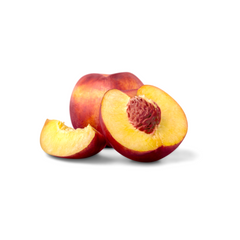
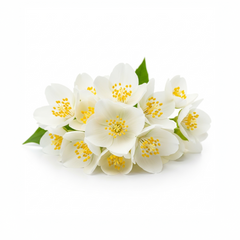
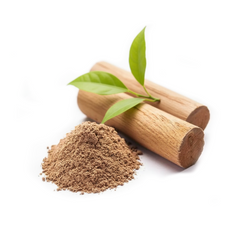
A mango accord is typically constructed with Mango (25–30%), Peach (20–25%), Jasmine (20–25%), and Sandalwood (25–30%). Mango provides the juicy, tropical core via esters and lactones. Peach adds a soft, fuzzy sweetness through γ-decalactone, bridging the fruit and floral facets. Jasmine introduces indolic, creamy white floral notes, enhancing the tropical impression. Sandalwood grounds the accord with lactonic, woody warmth, increasing longevity and providing a creamy base. This blend creates a photorealistic, multidimensional mango effect.
Provides the core tropical, juicy, and green-fruity character via esters (ethyl butanoate, ethyl-2-methylpropanoate) and terpenes (δ-3-carene).
Adds soft, fuzzy sweetness and lactonic depth through γ-decalactone, bridging mango’s fruitiness with creamy facets.
Introduces indolic, creamy white floral notes, enhancing the tropical and exotic impression of the accord.
Provides lactonic, woody warmth and fixative properties, increasing the accord’s longevity and creamy base.
Mango’s olfactory evolution begins with a burst of juicy, green freshness, transitions to a creamy, tropical heart, and settles into a soft, lactonic base. High-volatility esters and aldehydes evaporate quickly, while lactones and terpenes linger, shaping the scent’s progression.
The opening features a vivid, juicy burst dominated by esters like ethyl butanoate and ethyl acetate, delivering immediate sweetness and tropical freshness. (E,Z)-2,6-nonadienal adds a green, slightly spicy nuance. These high-volatility compounds evaporate rapidly, creating a lively, mouthwatering introduction.
The heart reveals creamy, floral, and peach-like facets as lactones (γ-octalactone) and terpenes (δ-3-carene, myrcene) become more prominent. Jasmine and peach notes may emerge if blended, enhancing the accord’s complexity. This stage is characterized by a lush, tropical fruit cocktail impression.
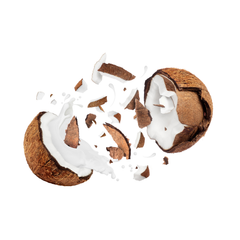
The drydown is anchored by lactones and woody undertones, with sandalwood or musk providing a soft, lingering base. γ-octalactone imparts a coconut-like, nutty warmth, while residual terpenes add subtle green and resinous depth. The overall effect is smooth, creamy, and slightly gourmand.
Mango’s journey in perfumery spans from ancient cultivation in India to its modern role in tropical and gourmand fragrance design.
Mango (Mangifera indica) is domesticated in the Indian subcontinent, where it is revered for both its fruit and aromatic blossoms. Early uses include ceremonial garlands and flavoring.
Portuguese traders introduce mango to Africa and the Americas, expanding its cultivation and leading to new aromatic cultivars with diverse scent profiles.
Advances in aroma chemistry enable the creation of synthetic mango accords using esters and lactones, allowing perfumers to evoke tropical themes in modern compositions.
Pierre Montale releases Mango Manga, one of the first niche fragrances to place mango as a dominant note, blending it with orange blossom and oud.
Fragrances like Vilhelm Parfumerie Mango Skin and Rabanne Fame popularize mango as a signature note, inspiring a wave of tropical, fruity-floral, and gourmand creations.
Understanding how to layer mango is key to maximizing its scent profile. Layering at a molecular level involves pairing mango’s esters and lactones with notes that share or complement these compounds, creating harmonious or contrasting effects.
Pair mango with vanilla or coconut, both rich in lactones, to amplify the creamy, gourmand facets. This olfactory synergy is demonstrated in fragrances like Montale Mango Manga, where vanilla and oud create a smooth, tropical base.
Layer mango with green notes such as galbanum or fig leaf, which share high levels of aldehydes and green terpenes. This combination enhances the fresh, vibrant aspect, as seen in By Kilian Moonlight in Heaven, where mango and rice accord are balanced by vetiver and citrus.
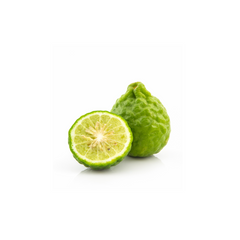
Combine mango with bergamot or lime, which are rich in limonene and citral, to intensify the juicy, zesty top notes. Paco Rabanne Fame uses bergamot alongside mango to create a sparkling, uplifting opening.
In cooler temperatures, mango’s creamy, lactonic base notes are more prominent, while projection is subdued. Apply to pulse points under clothing to enhance diffusion. Layer with warm woody or gourmand notes (such as sandalwood or vanilla) to create a cozy, enveloping effect.
Spring’s moderate temperatures allow mango’s juicy, green facets to shine. Apply lightly to exposed skin for a fresh, uplifting impression. Pair with floral or citrus notes to enhance the sense of renewal and vibrancy.
Heat increases the volatility of mango’s esters, amplifying the juicy, tropical top notes but shortening longevity. Apply sparingly to avoid overwhelming projection. Layer with aquatic or green notes for a refreshing, beach-ready effect.
For consistent performance, apply mango fragrances to well-moisturized skin and consider layering with a neutral base (such as musk or sandalwood) to anchor the volatile esters and extend wear time.
Strategic application enhances mango’s evolution and projection. Placement affects how the note interacts with body heat and air movement.
Applying mango fragrances to the neck leverages body heat to accelerate the evaporation of esters, enhancing the juicy, tropical opening. This area also allows for optimal sillage as you move.
This pulse point maintains a moderate temperature, allowing mango’s creamy and green facets to unfold gradually. It’s ideal for a more intimate, long-lasting impression.
The warmth and movement of the wrists amplify mango’s top notes, providing a burst of freshness with every gesture. Reapply as needed to maintain the juicy effect.
Spraying mango fragrances onto hair extends the longevity of lighter esters, as the fibers release scent gradually. Avoid alcohol-based sprays on dry hair to prevent dehydration.
Layer mango with a neutral base (musk or sandalwood) on skin before applying the main fragrance. This anchors volatile esters and enhances the creamy, long-lasting base.
These Mango-based fragrances scored highest on the MEI™ Mood Architecture Framework — measuring how a scent may influence your emotional state.
These Mango-based fragrances have the highest product-level HumanSafe™ scores in this ingredient collection.
Mango’s aroma is a complex interplay of esters, terpenes, and lactones, making it one of the most challenging fruit notes to replicate authentically in perfumery.
The key substance here is δ-3-carene, which we know from turpentine itself and partly from the now trendy marijuana perfume profile. It smells like young pine and a bit of orange peel.
Answers to common questions about mango in perfumery.
Mango in perfume smells juicy, tropical, and multifaceted, with sweet, green, and creamy facets. The scent is built from esters (like ethyl butanoate), terpenes (δ-3-carene, myrcene), and lactones (γ-octalactone), creating a profile reminiscent of ripe mango flesh, peach, pineapple, and subtle pine. Notable fragrances such as Vilhelm Parfumerie Mango Skin and By Kilian Moonlight in Heaven showcase mango’s complexity.
Mango is typically used as a heart or top note in perfumery. Its high ester content provides an immediate burst of juiciness, while heavier lactones and terpenes allow it to persist into the heart of the fragrance. In some compositions, mango’s creamy facets extend into the base, especially when paired with sandalwood or musk.
Mango’s complex scent profile—juicy, tropical, green, and creamy—offers perfumers a versatile tool for creating modern, photorealistic fruit accords. Its ability to bridge fresh, floral, and gourmand notes makes it popular in niche compositions seeking to evoke exotic or playful themes. Advances in aroma chemistry have made high-fidelity mango accords more accessible to perfumers.
Mango fragrance uses often include pairing with peach, jasmine, vanilla, sandalwood, and coconut. These notes share molecular similarities (lactones, indoles, esters) that enhance mango’s creamy, floral, or tropical facets. Citrus notes like bergamot or lime can brighten mango’s juiciness, while green notes add freshness.
Mango perfumes are especially popular in summer due to their refreshing, tropical character. Heat increases the volatility of mango’s esters, amplifying the juicy top notes but shortening longevity. For best results, apply sparingly and consider layering with aquatic or green notes to maintain freshness in hot weather.
Mango-centric fragrances in Eau de Parfum format typically last 5–7 hours. The juicy top notes dissipate within 30–60 minutes, while creamy, lactonic base notes can persist for several hours. Longevity varies with concentration, skin chemistry, and environmental conditions.
Yes, mango is highly versatile for layering. It pairs well with creamy notes (vanilla, coconut), green notes (fig leaf, galbanum), and citrus (bergamot, lime). Layering enhances specific facets—creamy, fresh, or zesty—depending on the desired effect. Notable examples include layering mango with vanilla for a gourmand profile or with citrus for brightness.
Beginner-friendly mango perfumes include Vilhelm Parfumerie Mango Skin, Rabanne Fame, and By Kilian Moonlight in Heaven. These fragrances showcase mango’s juicy, tropical character in accessible, well-balanced compositions. Montale Mango Manga and Xerjoff Cruz del Sur II are also recommended for those seeking more niche interpretations.
Selecting the right mango fragrance depends on your preferred scent profile—juicy and fresh, creamy and gourmand, or green and vibrant. Explore CA Perfume’s collection for mango-centric options, and consider sampling different blends to find the composition that best suits your skin chemistry and seasonal preferences.
Mango can smell both sweet and green, depending on the formulation and skin chemistry. Esters and lactones provide juicy, sweet, and creamy facets, while terpenes and aldehydes contribute green, piney, or slightly spicy nuances. The balance of these molecules determines whether the scent leans more toward ripe fruit or fresh, green notes.
Discover CA Perfume’s curated selection of mango-centric fragrances, each capturing a unique facet of this vibrant, tropical note.
Shop all mango fragrances at CA Perfume →Mango (Mangifera indica) is a tropical stone fruit originating from the Indian subcontinent, now cultivated in over 100 countries across Asia, Africa, and the Americas. India remains the world’s largest producer, accounting for approximately 40% of global mango output, with annual production exceeding 20 million metric tons. Other significant producers include Mexico, Thailand, and Indonesia, each contributing distinct cultivars with unique aromatic profiles. In perfumery, the mango note is not typically extracted directly from the fruit due to its low essential oil yield and high water content. Instead, the scent is reconstructed using a blend of natural isolates and synthetic aroma chemicals. Key extraction methods for natural mango-related materials include solvent extraction (for leaves and flowers) and CO2 extraction, though these are rare and primarily used for research or niche applications. The primary aroma compounds—such as ethyl butanoate, (E,Z)-2,6-nonadienal, δ-3-carene, and γ-octalactone—are either isolated from natural sources or synthesized. The cost of natural mango absolute, when available, can exceed $6,000/kg due to low yield, while synthetic mango accords (using compounds like ethyl butanoate and δ-3-carene) are significantly more economical at $50–200/kg. Sustainability considerations focus on the environmental impact of large-scale mango agriculture (water use, land conversion) and the ecological footprint of synthetic aroma chemicals. However, most mango notes in perfumery are HumanSafe™ verified, ensuring transparency and traceability in sourcing and formulation.
Mango has become a signature note in several landmark fragrances, especially in the last two decades as fruity-floral and tropical compositions gained popularity. Vilhelm Parfumerie Mango Skin (2018, Jérôme Epinette) is widely regarded as a modern reference, placing mango at the forefront and pairing it with blackcurrant, jasmine, and vanilla for a photorealistic, juicy effect. By Kilian Moonlight in Heaven (2016, Calice Becker) uses mango as a bridge between citrus and coconut, creating a creamy, exotic heart. Paco Rabanne Fame (2022, Dora Baghriche, Marie Salamagne, Alberto Morillas, Fabrice Pellegrin) features mango as a top note, blended with bergamot, jasmine, and incense for a playful, contemporary twist. Xerjoff Cruz del Sur II (2017, Chris Maurice) employs mango as a dominant note, supported by guava, pineapple, and vetiver, evoking the lushness of South American fruit markets. Montale Mango Manga (2010, Pierre Montale) is another notable example, where mango is paired with orange blossom, jasmine, and oud for a tropical-gourmand effect. These fragrances illustrate the versatility of mango as both a dominant and supporting note, often paired with creamy, floral, or woody accords. CA Perfume’s collection draws inspiration from this lineage, offering mango-centric compositions that reflect both classic and contemporary styles.
The mango note in perfumery is almost always a synthetic reconstruction, as direct extraction from the fruit is impractical and yields are extremely low. Key synthetic molecules used to replicate mango’s scent include ethyl butanoate (CAS 105-54-4), (E,Z)-2,6-nonadienal (CAS 557-48-2), and γ-octalactone (CAS 104-50-7). These compounds are blended with other esters, terpenes, and lactones to mimic the multifaceted aroma of ripe mango. Synthetic mango accords offer superior consistency, stability, and longevity compared to rare natural extracts. For example, ethyl butanoate provides the juicy, pineapple-like facet, while δ-3-carene (CAS 13466-78-9) imparts the green, piney nuance. Myrcene (CAS 123-35-3) and (E)-β-ionone (CAS 14901-07-6) are also commonly used for their fruity and violet-like contributions. The cost differential is substantial: synthetic mango aroma chemicals are available at $50–200/kg, while natural mango absolutes (when produced) can exceed $6,000/kg due to extremely low extraction yields. Famous fragrances such as Vilhelm Parfumerie Mango Skin and Rabanne Fame rely on synthetic mango accords for olfactory accuracy and performance. CA Perfume’s HumanSafe™ platform ensures all mango notes used are fully traceable, allergen-screened, and compliant with IFRA safety standards, balancing creative freedom with consumer safety and environmental responsibility.