Ingredient Guide · Gourmand
Gourmand Family · Perfumery Note

Pistachio

A nutty, creamy note bridging gourmand and woody accords.

Pistachio is a heart note in modern perfumery, prized for its creamy, nutty, and subtly green character. Its defining quality comes from a blend of natural and synthetic aroma compounds, with 2-ethyl-4-methyl-1,3-thiazole delivering the signature pistachio scent.

Pistachio
Ingredient Profile

Pistachio

Gourmand Family
Family Gourmand
Note Position Heart Note
Usage Level 0.5–2% of formula
Key Origins Iran, United States, Turkey
Iconic In Tom Ford Soleil Blanc, Kayali Yum Pistachio Gelato | 33 Eau de Parfum Intense
The Ingredient

What does Pistachio smell like and why is it a modern gourmand signature?

Pistachio (Pistacia vera) in perfumery is characterized by a creamy, nutty, and subtly green aroma, distinct from other nut notes due to its delicate balance of savory and sweet facets. The key molecular contributor to the pistachio scent profile is 2-ethyl-4-methyl-1,3-thiazole, also known as pistachio thiazole, which imparts a vivid green nuttiness and savory undertones. Additional supporting molecules include DL-limonene, alpha-phellandrene, and beta-myrcene, which add citrusy brightness and a faintly resinous edge. The result is a scent that is less confectionery than almond, more natural than hazelnut, and with a unique buttery, almost milky quality. In perfumery, pistachio is most often used as a heart note, providing a bridge between gourmand, floral, and woody accords. Its typical concentration in fine fragrance ranges from 0.5% to 2% of the total composition, depending on the desired intensity and the presence of other gourmand notes. Pistachio interacts with skin chemistry by amplifying its creamy and nutty facets on warmer, more acidic skin, while cooler or more alkaline skin may emphasize its green, savory aspects. This adaptability makes pistachio a versatile ingredient, suitable for both unisex and gendered compositions. Notable fragrances that exemplify pistachio in perfumery include Kayali Yum Pistachio Gelato | 33 Eau de Parfum Intense (2023, perfumer unknown), where pistachio is paired with whipped cream and roasted hazelnut for a dessert-like effect, and D.S. & Durga Pistachio (2022, David Seth Moltz), which highlights pistachio’s green and savory qualities alongside cardamom and patchouli. The note has also been featured in Tom Ford Soleil Blanc (2016, perfumer unknown), where it contributes to a creamy, sunlit accord alongside coconut and amber. The question “what does pistachio smell like” is increasingly common as this note becomes a signature of contemporary gourmand perfumery, and “pistachio in perfumery” now signals both comfort and sophistication.

0.5–2% of formula
Pistachio is typically used at 0.5–2% of the total fragrance composition, balancing impact with blendability. Higher concentrations can overwhelm, while lower levels risk losing the note’s signature character.
120+ hours
Synthetic pistachio thiazole offers exceptional longevity, persisting for over 120 hours on a smelling strip. This high stability ensures pistachio’s presence throughout the fragrance’s evolution.
$150–300/kg
The cost of synthetic pistachio thiazole is $150–300 per kilogram, compared to $4,000+/kg for rare natural pistachio absolute. This price differential enables broader use in both niche and mainstream perfumery.
Origin & Extraction

Where Pistachio Comes From — Origin & Extraction

Pistachio’s scent character is shaped by its origin, with soil mineral content, climate, and cultivation methods influencing the nut’s aromatic profile. Warm, arid regions with well-drained soils yield pistachios with more pronounced green and savory facets.

Pistachio used in perfumery is derived primarily from the species Pistacia vera, known as the true pistachio or Oriental pistachio. The main producing countries are Iran (responsible for approximately 50% of global pistachio output, with annual production exceeding 300,000 metric tons), the United States (mainly California, producing around 250,000 metric tons), and Turkey (about 150,000 metric tons). Pistachio trees thrive in arid, sunny climates with well-drained soils, and are cultivated in regions such as Kerman (Iran), San Joaquin Valley (California), and Gaziantep (Turkey). Direct extraction of pistachio essence is rare due to the low yield and instability of natural pistachio oil. Traditional extraction methods, such as effleurage (macerating ground pistachios in fat), are largely obsolete. Modern extraction for aromatic purposes may involve solvent extraction or supercritical CO2 extraction, but these are seldom used commercially due to cost and low yield (often less than 0.1% by weight of raw material). Instead, the pistachio note in perfumery is typically constructed using synthetic aroma chemicals, with 2-ethyl-4-methyl-1,3-thiazole (CAS 15679-09-1) being the most prominent. This molecule is produced via chemical synthesis, offering high purity and stability. Natural pistachio absolute, when available, can cost upwards of $4,000/kg due to the labor-intensive extraction and low yield, while synthetic pistachio thiazole is available for $150–300/kg. Sustainability considerations favor synthetic production, as large-scale extraction of natural pistachio oil would require significant agricultural resources and could impact food supply chains. The use of synthetic pistachio accords allows for consistent quality, reduced environmental impact, and greater creative flexibility in modern perfumery.

IR

Iran

Kerman province is Iran’s main pistachio region, producing over 50% of the country’s output. The arid climate and mineral-rich soils yield pistachios with an intense green, slightly resinous aroma. Iran’s pistachios are prized for their depth and are often used as a quality benchmark in both food and fragrance industries.

US

United States

California’s San Joaquin Valley produces over 98% of US pistachios, with annual output around 250,000 metric tons. The region’s hot, dry summers and well-drained soils result in pistachios with a milder, creamier aroma and less pronounced green notes. US pistachios are favored for their consistency and are a major source for industrial applications.

TR

Turkey

Gaziantep in southeastern Turkey is renowned for its pistachios, which have a distinctive, sweet, and buttery aroma due to the region’s unique combination of volcanic soils and Mediterranean climate. Turkish pistachios are often used in confectionery and are increasingly valued in perfumery for their nuanced scent.

GR

Greece

Aegina Island pistachios have PDO status, reflecting their unique terroir. The island’s limestone-rich soils and mild climate yield pistachios with a delicate, floral-green aroma and subtle sweetness. Greek pistachios are produced in smaller volumes but are highly regarded for artisanal uses.

Chemistry

Natural vs Synthetic Pistachio in Perfumery

Natural pistachio oil is rarely used in perfumery due to its low yield, instability, and high cost. The primary synthetic aroma chemical for pistachio is 2-ethyl-4-methyl-1,3-thiazole (CAS 15679-09-1), often referred to as pistachio thiazole or chocolate thiazole. Other molecules contributing to the pistachio accord include DL-limonene (CAS 138-86-3), alpha-phellandrene (CAS 99-83-2), and beta-myrcene (CAS 123-35-3), which provide citrus, green, and resinous nuances. Synthetic pistachio notes offer superior performance in terms of longevity (lasting over 120 hours on a smelling strip) and stability compared to natural extracts, which can oxidize and degrade rapidly. The cost differential is significant: natural pistachio absolute may exceed $4,000/kg, while synthetic pistachio thiazole is typically $150–300/kg. Most contemporary pistachio fragrances, such as D.S. & Durga Pistachio (2022) and Kayali Yum Pistachio Gelato | 33 (2023), rely on synthetic accords for consistency and creative control. From a sustainability perspective, synthetic pistachio reduces pressure on agricultural resources and avoids the environmental impact of large-scale nut oil extraction. The HumanSafe™ platform at CA Perfume ensures all pistachio-containing fragrances are transparently labeled, with full disclosure of synthetic components and allergen profiles. This approach balances olfactory authenticity, safety, and environmental responsibility, reflecting the broader trend in perfumery towards hybrid compositions that combine natural and synthetic materials for optimal performance and sustainability.

Natural
Pistachio Absolute
Cost $3,000–6,000/kg
Method Solvent / CO₂
Character Complex, variable
vs
Synthetic
Safranal & Analogues
Cost $50–200/kg
Method Lab synthesis
Character Consistent, stable
Hall of Fame

Famous Fragrances That Define Pistachio in Perfumery

2016
bridge note

Tom Ford Soleil Blanc

Tom Ford
coconutamberylang-ylangbergamot
2023
dominant note

Kayali Yum Pistachio Gelato | 33 Eau de Parfum Intense

Kayali Fragrances
whipped creamhazelnutsweet rummarshmallow
2022
dominant note

D.S. & Durga Pistachio

D.S. & Durga
by David Seth Moltz
cardamomalmondpatchoulivanilla
2016
accent

Sol de Janeiro Cheirosa '62

Sol de Janeiro
almondsalted carameljasminesandalwood
2025
bridge note

Mugler Angel Stellar

Mugler
muskgalbanumtonka beanamber

Pistachio has become a defining note in modern gourmand and niche perfumery, with several landmark fragrances showcasing its versatility. Tom Ford Soleil Blanc (2016, perfumer unknown) was one of the first major releases to feature pistachio as part of a creamy, sun-drenched accord, blending it with coconut, amber, and ylang-ylang. Kayali Yum Pistachio Gelato | 33 Eau de Parfum Intense (2023, perfumer unknown) brought pistachio to the forefront, pairing it with whipped cream, hazelnut, and sweet rum for a dessert-inspired scent. D.S. & Durga Pistachio (2022, David Seth Moltz) offers a more savory, green interpretation, combining pistachio with cardamom, almond, patchouli, and vanilla. Other notable pistachio fragrances include Sol de Janeiro Cheirosa '62 (2016), which blends pistachio with almond, salted caramel, and jasmine for a tropical gourmand effect, and Mugler Angel Stellar (2025), where pistachio is paired with musk and galbanum to create a nuanced, unisex composition. These fragrances demonstrate pistachio’s ability to function as a dominant note, bridge note, or accent, depending on the context and supporting ingredients. CA Perfume’s collection draws inspiration from this lineage, offering pistachio-based fragrances that explore both sweet and savory facets, always with full ingredient transparency.

The Accord

How is a captivating Pistachio accord crafted?

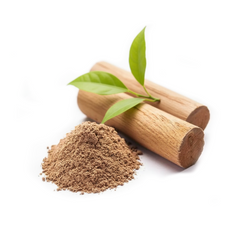
A pistachio accord is typically constructed with Pistachio Thiazole (25–30%), Vanilla (20–25%), Almond (20–25%), and Sandalwood (25–30%). Pistachio Thiazole provides the core green, nutty aroma. Vanilla adds creamy sweetness and extends the gourmand effect through vanillin’s olfactory masking. Almond introduces marzipan-like, powdery nuances via benzaldehyde, enhancing the nutty profile. Sandalwood offers a soft, lactonic base, stabilizing the accord and amplifying the creamy facets.

30%

Pistachio Thiazole

25–30% of blend

2-ethyl-4-methyl-1,3-thiazole delivers the signature green, nutty, and savory pistachio aroma. Its high impact and persistence make it the backbone of the accord.

25%

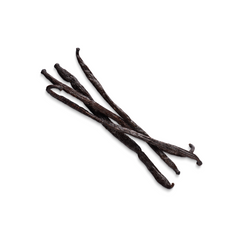
Vanilla

20–25% of blend

Vanillin softens pistachio’s green edge and enhances the creamy, dessert-like quality through olfactory masking and sweet threshold effects.

25%

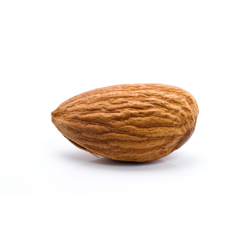
Almond

20–25% of blend

Benzaldehyde in almond creates a marzipan-like, powdery nuance, reinforcing the nutty character and adding complexity to the accord.

30%

Sandalwood

25–30% of blend

Santalol in sandalwood provides a soft, lactonic, and creamy base, stabilizing the accord and amplifying pistachio’s richness and longevity.

The Olfactory Layers

How Pistachio Evolves on Skin

Pistachio’s olfactory evolution is defined by its high-impact top notes, creamy heart, and soft woody base. The green, nutty molecules evaporate quickly, while lactonic and woody facets persist, creating a nuanced drydown.

I
Top notes
0–15 min
Green Nutty Burst

The opening features a vivid green, nutty aroma dominated by 2-ethyl-4-methyl-1,3-thiazole and DL-limonene. These high-volatility molecules create an immediate impression of fresh pistachio, with subtle citrus and savory undertones. The initial impact is sharp and photorealistic, but begins to mellow as the more persistent heart notes emerge.

greennuttyfresh
II
Heart notes
20–60 min
Creamy Gourmand Heart

As the top notes dissipate, the creamy, sweet, and slightly powdery facets of pistachio become prominent. Benzaldehyde (from almond) and vanillin contribute to a marzipan-like, dessert quality, while santalol from sandalwood adds lactonic warmth. This stage is where pistachio’s gourmand character is most apparent.

creamygourmandpowdery
III
Base notes
Several hours
Woody Skin Finish

The drydown is anchored by sandalwood, patchouli, and subtle musks, which provide a soft, woody, and slightly earthy foundation. The green facet of pistachio thiazole lingers, but is gradually overtaken by the creamy, woody molecules, resulting in a comforting, skin-like finish.

woodysoftskin-like
TOP NOTES Green Nutty Burst 0–15 minutes HEART NOTES Creamy Gourmand Heart 20–60 minutes BASE NOTES Woody Skin Finish Several hours
Through the Ages

The Story of Pistachio in Perfumery

Pistachio has a long history as a prized nut in the Middle East, but its use in perfumery is a recent phenomenon, gaining prominence in the 21st century as part of the gourmand trend.

Antiquity

Cultivation in Persia and the Mediterranean

Pistachio (Pistacia vera) is cultivated in Persia (modern Iran) and spreads throughout the Mediterranean. The nut is valued for its flavor, nutritional content, and use in hospitality rituals, but is not yet used in fragrance.

1960s–1980s

Industrial Extraction and Food Flavoring

Pistachio flavoring is developed for the food industry, using both natural extracts and synthetic molecules. Early attempts at pistachio absolute for perfumery are limited by low yield and instability.

2000s

Emergence in Niche Perfumery

Perfumers begin experimenting with pistachio accords, using synthetic thiazoles and aldehydes to recreate the nut’s creamy, green aroma. Pistachio appears in limited-edition and artisanal fragrances.

2016

Mainstream Breakthrough

Tom Ford Soleil Blanc (2016) introduces pistachio to a wider audience, blending it with coconut and amber for a luxurious, sun-drenched effect. This marks the note’s entry into high-end perfumery.

2022–2025

Pistachio as a Signature Gourmand Note

Fragrances like D.S. & Durga Pistachio (2022), Kayali Yum Pistachio Gelato | 33 (2023), and Mugler Angel Stellar (2025) place pistachio at the center of complex, modern compositions. The note becomes a hallmark of contemporary gourmand and unisex perfumery.

The Art of Layering

How to Layer Pistachio

Understanding how to layer pistachio is key to creating a signature scent. The molecular compatibility of pistachio with vanilla, almond, and sandalwood enables seamless blending, while contrasting notes like citrus or cherry introduce complexity. Here’s how to layer pistachio for maximum effect.

01

Enhance Sweetness

Layer pistachio with vanilla-based fragrances to amplify the creamy, dessert-like quality. Vanillin’s sweet threshold masks pistachio’s green edge, resulting in a smooth, indulgent blend. This technique is exemplified in Kayali Yum Pistachio Gelato | 33, where vanilla and pistachio create a photorealistic gelato effect.

02

Add Depth

Combine pistachio with woody notes such as sandalwood or patchouli to ground the composition and extend longevity. Santalol and patchoulol molecules interact with pistachio thiazole, stabilizing the accord and enhancing the savory, nutty facets. D.S. & Durga Pistachio demonstrates this synergy with its woody, earthy drydown.

03

Brighten with Citrus

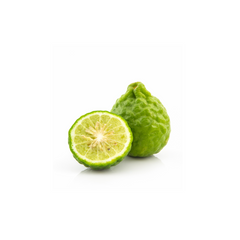
Layer pistachio with citrus notes like bergamot or lemon for a fresh, uplifting effect. Limonene and citral molecules in citrus oils create a molecular bridge, accentuating pistachio’s green top notes and adding vibrancy. Tom Ford Soleil Blanc uses this approach for a sunlit, beachy impression.

Wear It Right

How to Wear Pistachio Like a Pro

Seasonal Guide

Fall & Winter

In cooler weather, pistachio’s creamy, gourmand facets are enhanced as lower temperatures slow the evaporation of volatile top notes. Apply to pulse points and layer with vanilla or sandalwood to create a cozy, enveloping scent that persists throughout the day.

Spring

Spring’s moderate temperatures allow pistachio’s green and floral nuances to shine. Lighter application on wrists and neck highlights the note’s freshness, while pairing with citrus or white florals adds vibrancy and lift.

Summer

Heat increases pistachio’s volatility, amplifying its green, nutty top notes but shortening overall longevity. Apply sparingly to avoid overwhelming projection, and consider layering with aquatic or citrus notes for a refreshing, beach-ready effect.

Year-Round Tip

Adjust application based on climate and desired intensity. In humid conditions, pistachio’s creamy heart can become more pronounced, while dry air emphasizes its woody base. Experiment with layering to tailor the scent to your environment and personal style.

Application Points

Strategic application maximizes pistachio’s nuanced evolution and projection.

1

Neck

Applying pistachio fragrances to the neck leverages body heat to enhance the projection of green, nutty top notes, creating an immediate and noticeable impression.

2

Behind the Ears

This area maintains a stable temperature, allowing pistachio’s creamy heart notes to develop gradually and persistently, ideal for close encounters.

3

Inner Wrists

Pulse points on the wrists accelerate the evolution of pistachio’s volatile molecules, showcasing the transition from green top to creamy heart. Reapply as needed for sustained effect.

4

Hair

Spraying pistachio fragrance on hair provides a subtle, long-lasting sillage. Hair fibers retain scent molecules, allowing the creamy, nutty aroma to diffuse gently throughout the day.

Pro Tip

Layer pistachio fragrances over unscented or complementary body lotions to extend longevity and enhance the creamy, gourmand facets. Avoid direct application to delicate fabrics, as pistachio thiazole can stain.

Mood Architecture™

Top Pistachio Fragrances by Mood Score

These Pistachio-based fragrances scored highest on the MEI™ Mood Architecture Framework — measuring how a scent may influence your emotional state.

Highest MEI Score
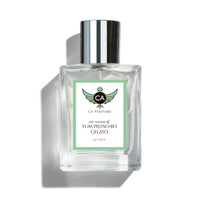
Yum Pistachio Gelato — Yum Pistachio Gelato 33 Alternative Perfume
7.63
MEI™
Primary Romantic
Secondary Energizing
Confidence
7.04
Presence
6.46
Mood Lift
8.69
Identity
6.76
Warmth
8.45
Social Ease
7.51
Energy
6.8
" I am beautiful.
View full mood profile →
HumanSafe™

Top Pistachio Fragrances by HumanSafe™ Score

These Pistachio-based fragrances have the highest product-level HumanSafe™ scores in this ingredient collection.

Highest HumanSafe™ Score
Yum Pistachio Gelato — Yum Pistachio Gelato 33 Alternative Perfume
A-
HumanSafe™ Score Generally Safe
Safest Evaluated Ingredients EDP
AQUA Solvent / Carrier ISS 10.0
AMBROXIDE Evaluated ingredient ISS 9.0
2H-1-BENZOPYRAN-2-ONE Evaluated ingredient ISS 8.0
LINALYL ACETATE Evaluated ingredient ISS 7.0
LINALOOL Evaluated ingredient ISS 7.0
View full safety profile →
Expert Voices

What Masters Say About Pistachio

When used in fragrance, pistachio is a really full-bodied note that isn’t sugary by default. It should smell nutty but not dry, creamy but not milky, and it has an almost buttery quality with a natural warmth to it.
Richard Saint-Ford, perfumer and founder of Iggywoo
Pistachio’s scent profile is defined by its balance of creamy, nutty, and green facets, making it a versatile ingredient that bridges gourmand and woody compositions.
CA Perfume Editorial
Common Questions

Frequently Asked Questions

Answers to the most common questions about pistachio in perfumery.

Pistachio in perfume smells creamy, nutty, and subtly green, with a balance of savory and sweet facets. The scent is photorealistic, reminiscent of fresh pistachio nuts, and is often supported by vanilla, almond, and woody notes. Fragrances like D.S. & Durga Pistachio and Kayali Yum Pistachio Gelato | 33 showcase its unique aroma.

Pistachio is most commonly used as a heart (middle) note in perfumery. Its creamy, nutty character bridges the transition from bright top notes to warm, woody base notes, providing both impact and longevity in the fragrance pyramid.

Pistachio’s versatility and photorealistic aroma make it a favorite in niche perfumery. It offers a sophisticated alternative to sweeter gourmand notes, blending seamlessly with both woody and floral ingredients. Its unique scent profile appeals to consumers seeking comfort and novelty in modern fragrances.

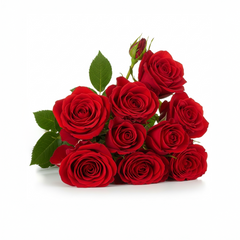
Pistachio fragrance uses often involve pairing with vanilla, almond, sandalwood, and rose. These notes share molecular affinities—vanillin and benzaldehyde enhance pistachio’s sweetness, while sandalwood and rose provide creamy and floral bridges, respectively.

Pistachio perfumes can be worn year-round, but in hot weather, the green, nutty top notes become more pronounced due to increased volatility. For summer, lighter applications and pairing with citrus or aquatic notes help maintain freshness and prevent overwhelming projection.

Synthetic pistachio accords, especially those built on pistachio thiazole, offer excellent longevity—often persisting for 6–10 hours on skin and over 120 hours on a smelling strip. Longevity may vary based on concentration and supporting notes.

Yes, pistachio is highly layerable. It blends well with vanilla, almond, sandalwood, and rose for a creamy, gourmand effect, or with citrus and cherry for a brighter, more playful twist. Layering enhances complexity and personalizes the scent.

For those new to pistachio, Kayali Yum Pistachio Gelato | 33 and Sol de Janeiro Cheirosa '62 are approachable, sweet-leaning options. D.S. & Durga Pistachio offers a more nuanced, savory take for those seeking complexity.

Consider your preferred scent profile—whether you favor creamy, sweet, or green interpretations. CA Perfume’s collection provides full ingredient transparency, allowing you to select a pistachio fragrance that aligns with your taste and skin chemistry.

Pistachio is less sugary than many gourmand notes, offering a balanced, natural sweetness with savory and green undertones. Its versatility makes it suitable for everyday wear, especially when paired with woody or floral notes to temper the sweetness.

Gourmand Collection

Explore Our Top Pistachio Fragrances

Discover CA Perfume’s curated selection of pistachio-based fragrances, each highlighting the note’s creamy, nutty, and sophisticated character.

Shop all pistachio fragrances at CA Perfume →

Where Pistachio Comes From — Origin & Extraction

Pistachio used in perfumery is derived primarily from the species Pistacia vera, known as the true pistachio or Oriental pistachio. The main producing countries are Iran (responsible for approximately 50% of global pistachio output, with annual production exceeding 300,000 metric tons), the United States (mainly California, producing around 250,000 metric tons), and Turkey (about 150,000 metric tons). Pistachio trees thrive in arid, sunny climates with well-drained soils, and are cultivated in regions such as Kerman (Iran), San Joaquin Valley (California), and Gaziantep (Turkey). Direct extraction of pistachio essence is rare due to the low yield and instability of natural pistachio oil. Traditional extraction methods, such as effleurage (macerating ground pistachios in fat), are largely obsolete. Modern extraction for aromatic purposes may involve solvent extraction or supercritical CO2 extraction, but these are seldom used commercially due to cost and low yield (often less than 0.1% by weight of raw material). Instead, the pistachio note in perfumery is typically constructed using synthetic aroma chemicals, with 2-ethyl-4-methyl-1,3-thiazole (CAS 15679-09-1) being the most prominent. This molecule is produced via chemical synthesis, offering high purity and stability. Natural pistachio absolute, when available, can cost upwards of $4,000/kg due to the labor-intensive extraction and low yield, while synthetic pistachio thiazole is available for $150–300/kg. Sustainability considerations favor synthetic production, as large-scale extraction of natural pistachio oil would require significant agricultural resources and could impact food supply chains. The use of synthetic pistachio accords allows for consistent quality, reduced environmental impact, and greater creative flexibility in modern perfumery.

Famous Fragrances That Define Pistachio in Perfumery

Pistachio has become a defining note in modern gourmand and niche perfumery, with several landmark fragrances showcasing its versatility. Tom Ford Soleil Blanc (2016, perfumer unknown) was one of the first major releases to feature pistachio as part of a creamy, sun-drenched accord, blending it with coconut, amber, and ylang-ylang. Kayali Yum Pistachio Gelato | 33 Eau de Parfum Intense (2023, perfumer unknown) brought pistachio to the forefront, pairing it with whipped cream, hazelnut, and sweet rum for a dessert-inspired scent. D.S. & Durga Pistachio (2022, David Seth Moltz) offers a more savory, green interpretation, combining pistachio with cardamom, almond, patchouli, and vanilla. Other notable pistachio fragrances include Sol de Janeiro Cheirosa '62 (2016), which blends pistachio with almond, salted caramel, and jasmine for a tropical gourmand effect, and Mugler Angel Stellar (2025), where pistachio is paired with musk and galbanum to create a nuanced, unisex composition. These fragrances demonstrate pistachio’s ability to function as a dominant note, bridge note, or accent, depending on the context and supporting ingredients. CA Perfume’s collection draws inspiration from this lineage, offering pistachio-based fragrances that explore both sweet and savory facets, always with full ingredient transparency.

Natural vs Synthetic Pistachio in Perfumery

Natural pistachio oil is rarely used in perfumery due to its low yield, instability, and high cost. The primary synthetic aroma chemical for pistachio is 2-ethyl-4-methyl-1,3-thiazole (CAS 15679-09-1), often referred to as pistachio thiazole or chocolate thiazole. Other molecules contributing to the pistachio accord include DL-limonene (CAS 138-86-3), alpha-phellandrene (CAS 99-83-2), and beta-myrcene (CAS 123-35-3), which provide citrus, green, and resinous nuances. Synthetic pistachio notes offer superior performance in terms of longevity (lasting over 120 hours on a smelling strip) and stability compared to natural extracts, which can oxidize and degrade rapidly. The cost differential is significant: natural pistachio absolute may exceed $4,000/kg, while synthetic pistachio thiazole is typically $150–300/kg. Most contemporary pistachio fragrances, such as D.S. & Durga Pistachio (2022) and Kayali Yum Pistachio Gelato | 33 (2023), rely on synthetic accords for consistency and creative control. From a sustainability perspective, synthetic pistachio reduces pressure on agricultural resources and avoids the environmental impact of large-scale nut oil extraction. The HumanSafe™ platform at CA Perfume ensures all pistachio-containing fragrances are transparently labeled, with full disclosure of synthetic components and allergen profiles. This approach balances olfactory authenticity, safety, and environmental responsibility, reflecting the broader trend in perfumery towards hybrid compositions that combine natural and synthetic materials for optimal performance and sustainability.