Ingredient Guide · Floral
Floral Family · Perfumery Note

Pink Violet

Discover the enchanting world of pink violet.

Pink violet is a captivating floral note in perfumery, known for its sweet and powdery aroma. Its scent profile is characterized by the presence of ionones, typically used at 0.1–0.5%.

Pink Violet
Ingredient Profile

Pink Violet

Floral Family
Family Floral
Note Position Heart Note
Key Origins France, Italy, Egypt
Iconic In Guerlain Insolence, Byredo Bal d'Afrique
The Ingredient

What does Pink Violet smell like and why is it significant?

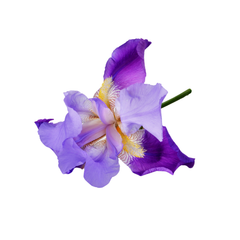
Pink violet, primarily derived from the flower *Viola odorata*, emits a sweet, powdery, and slightly green aroma. This scent is largely attributed to ionones, specifically alpha-ionone (CAS 127-51-5) and beta-ionone (CAS 14901-07-6), which contribute to its floral character. In perfumery, pink violet is classified as a heart note, typically used at concentrations of 0.1–0.5%. Its dual nature allows it to enhance floral bouquets or add a vintage nuance to compositions. Notable fragrances featuring pink violet include Guerlain's *Insolence* (2006) and Byredo's *Bal d'Afrique* (2009). In these compositions, pink violet serves as a central note, bridging other elements and enhancing the overall scent profile. Its versatility makes it a favorite among perfumers, allowing for both traditional and modern interpretations.

33 tons
Amount of fresh violet petals required to produce 1 kg of violet absolute, underscoring its rarity and cost.
4–7 hours
Average longevity of pink violet as a heart note in Eau de Parfum, showcasing its lasting power.
$20,000/kg
Historical price of natural violet absolute, reflecting its status as one of the most expensive floral materials.
Origin & Extraction

Where Pink Violet Comes From — Origin & Extraction

Pink violet is primarily cultivated in temperate regions, particularly in France, Italy, and Egypt. The unique climate and soil conditions in these areas contribute to the distinctive scent profile of the flowers.

The primary botanical source for pink violet in perfumery is *Viola odorata*, commonly known as sweet violet. Historically, violet fields blossomed in Grasse, France, in 1867, where the enfleurage technique was first used to extract its delicate scent. This method involves macerating the flowers in fat to capture their fragrance, later extracted with alcohol. The yield from violet flowers is extremely low, requiring approximately 33 tons of petals to produce just 1 kg of violet absolute, making it one of the most expensive floral materials in perfumery, historically priced at over $20,000/kg. Today, synthetic ionones are predominantly used to recreate the violet scent, first synthesized in 1893 by Tiemann and Krüger. These synthetic alternatives provide a consistent and affordable means to achieve the violet aroma without the environmental impact of natural extraction. The sustainability of synthetic materials reduces pressure on wild and cultivated violet populations, ensuring that this beloved note remains accessible in modern perfumery.

FR

France

The region of Grasse is renowned for its violet fields, where the enfleurage technique was first developed. The climate and soil contribute to the rich, sweet aroma of the flowers.

IT

Italy

Italy is known for its high-quality violet varieties, particularly in regions like Tuscany, where the flowers thrive in well-drained soil and moderate rainfall.

EG

Egypt

Egyptian violets are prized for their aromatic qualities, benefiting from the country's favorable growing conditions and traditional harvesting methods.

Chemistry

Natural vs Synthetic Pink Violet in Perfumery

Natural pink violet absolute is derived from the petals of *Viola odorata*, offering a sweet, powdery floral scent. However, due to the high cost and low yield of natural extraction, synthetic alternatives like alpha-ionone (CAS 127-51-5) and beta-ionone (CAS 14901-07-6) are commonly used in modern perfumery. These synthetic compounds provide a similar scent profile at a fraction of the cost, typically ranging from $50 to $200/kg compared to $20,000/kg for natural violet absolute. Performance-wise, synthetic ionones exhibit moderate longevity (4–7 hours) and diffusion, while natural violet leaf absolute is more volatile, often acting as a heart note. The HumanSafe™ platform at CA Perfume ensures that all violet materials, whether natural or synthetic, are IFRA-compliant and sustainably sourced, promoting transparency in fragrance production.

Natural
Pink Violet Absolute
Cost $3,000–6,000/kg
Method Solvent / CO₂
Character Complex, variable
vs
Synthetic
Safranal & Analogues
Cost $50–200/kg
Method Lab synthesis
Character Consistent, stable
Hall of Fame

Famous Fragrances That Define Pink Violet in Perfumery

2006
dominant note

Guerlain Insolence

Guerlain
by Maurice Roucel, Sylvaine Delacourte
red fruitsvanilla
2009
bridge note

Byredo Bal d'Afrique

Byredo
by Jérôme Epinette
citruswoody notes
—
supporting note

Estée Lauder Beautiful

Estée Lauder
floral bouquet
—
accent

Sol de Janeiro Carioca Crush

Sol de Janeiro
fruity notes
—
foundation

A.P. Durand Parfums Prestige Flower

A.P. Durand
floral accords

Pink violet has been a cherished note in numerous iconic fragrances, showcasing its versatility and appeal. Here are some notable examples: 1. **Guerlain Insolence** (2006) - Created by perfumers Maurice Roucel and Sylvaine Delacourte, this fragrance features candied violet paired with red fruits and vanilla, making it a modern classic. 2. **Byredo Bal d'Afrique** (2009) - In this composition by Jérôme Epinette, pink violet serves as a bridge between citrus and woody notes, demonstrating its adaptability. 3. **Estée Lauder Beautiful** - A floral fragrance that incorporates pink violet, enhancing its romantic and soft character. 4. **Sol de Janeiro Carioca Crush** - This fragrance blends pink violet with fruity notes, creating a playful and vibrant scent. 5. **A.P. Durand Parfums Prestige Flower** - A floral composition that highlights the elegance of pink violet in a sophisticated manner.

The Accord

How is a captivating Pink Violet accord crafted?

Creating a pink violet accord involves balancing floral, fruity, and powdery notes. A typical formulation might include: - Pink Violet 30-35%: The central floral note, providing sweetness and powdery character. - Jasmine 20-25%: Adds depth and richness, enhancing the floral bouquet. - Pear 15-20%: Introduces a fruity freshness that complements the violet. - Musk 20-25%: Provides warmth and longevity, anchoring the accord.

30-35%

Pink Violet

30-35% of blend

The core floral note, imparting sweetness and a powdery character.

20-25%

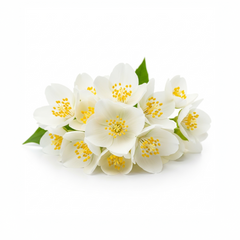
Jasmine

20-25% of blend

Enhances the floral bouquet with depth and richness.

15-20%

Pear

15-20% of blend

Introduces a fruity freshness that complements the violet.

20-25%

Musk

20-25% of blend

Anchors the accord with warmth and longevity.

The Olfactory Layers

How Pink Violet Evolves on Skin

The olfactory evolution of pink violet unfolds in three stages, showcasing its complex character. The top notes are bright and fresh, while the heart reveals its floral richness, culminating in a soft, powdery base.

I
Top notes
0–15 min
Opening

Initially, pink violet presents a bright and fresh aroma, characterized by its sweet and slightly green facets. This is primarily due to the presence of alpha-ionone, which evaporates quickly, creating an uplifting first impression.

freshsweetgreen
II
Heart notes
20–60 min
Heart

As the fragrance develops, the heart reveals the full floral richness of pink violet, enhanced by the addition of jasmine. This stage is marked by a soft, powdery character, creating a comforting and romantic aura.

floralpowderyromantic
III
Base notes
Several hours
Drydown

In the dry down, the fragrance settles into a warm, musky base that lingers on the skin. The musk adds depth and longevity, ensuring that the sweet, powdery essence of pink violet remains detectable for hours.

warmmuskylingering
TOP NOTES Opening 0–15 minutes HEART NOTES Heart 20–60 minutes BASE NOTES Drydown Several hours
Through the Ages

The Story of Pink Violet in Perfumery

The history of pink violet in perfumery is rich and varied, with its use dating back centuries. From ancient Greece to modern niche fragrances, pink violet has maintained its allure.

4th Century BC

Ancient Greece

Violets are celebrated in Greek mythology, symbolizing love and beauty, and are associated with the goddess Aphrodite.

1867

Violet Fields in Grasse

The first violet fields are cultivated in Grasse, France, marking the beginning of violet extraction for perfumery.

1893

Synthesis of Ionones

Ferdinand Tiemann and Wilhelm Krüger synthesize ionones, revolutionizing the use of violet in perfumery.

2006

Guerlain Insolence

Guerlain launches Insolence, featuring pink violet as a dominant note, showcasing its modern interpretation.

2009

Byredo Bal d'Afrique

Byredo introduces Bal d'Afrique, using pink violet to bridge citrus and woody notes, highlighting its versatility.

The Art of Layering

How to Layer Pink Violet

When considering how to layer pink violet, it's essential to focus on molecular compatibility. Pink violet pairs beautifully with other floral notes, creating a harmonious blend.

01

Enhance Freshness

Pairing pink violet with citrus notes like bergamot or lemon brightens the overall scent profile, making it ideal for daytime wear. This combination creates a fresh and uplifting fragrance experience.

02

Add Depth

Layering pink violet with woody notes such as sandalwood or cedar adds complexity and warmth, perfect for evening wear. This pairing enhances the floral character while grounding it with earthy undertones.

03

Lighten the Glow

Combining pink violet with green notes like violet leaf or fresh herbs softens the sweetness, creating a more balanced and versatile fragrance. This blend is suitable for casual settings and everyday wear.

Wear It Right

How to Wear Pink Violet Like a Pro

Seasonal Guide

Fall & Winter

In cooler months, pink violet's warm, powdery characteristics shine, making it an excellent choice for cozy evenings and festive gatherings.

Spring

As flowers bloom, pink violet embodies the essence of spring, offering a fresh and uplifting scent that complements the season's vibrancy.

Summer

In warmer weather, pink violet's bright and playful aspects come to the forefront, making it ideal for daytime wear and outdoor events.

Year-Round Tip

Pink violet's versatility allows it to be worn throughout the year, adapting to different occasions and moods with ease.

Application Points

Strategic application of pink violet enhances its fragrance experience, ensuring longevity and projection.

1

Neck

Applying pink violet perfume to the neck allows for warmth and projection, ensuring the scent radiates throughout the day.

2

Behind the Ears

This pulse point enhances the fragrance's longevity and intimacy, making it perfect for close encounters.

3

Inner Wrists

Wearing pink violet on the inner wrists allows for a subtle scent that can be easily refreshed throughout the day.

4

Hair

Spritzing pink violet on hair provides a lasting scent trail, as the fragrance is released with movement.

★

Pro Tip

Layering pink violet with complementary scents can enhance its floral character, creating a unique and personalized fragrance experience.

Mood Architecture™

Top Pink Violet Fragrances by Mood Score

These Pink Violet-based fragrances scored highest on the MEI™ Mood Architecture Framework — measuring how a scent may influence your emotional state.

Highest MEI Score
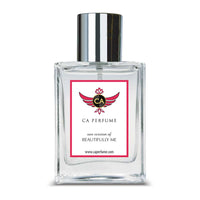
Beautifully Me — Estee Lauder Beautiful Alternative Perfume
8.6
MEI™
Primary Romantic
Secondary Confident
Confidence
7.87
Presence
8.75
Mood Lift
9.5
Identity
8.27
Warmth
9.49
Social Ease
8.35
Energy
4.51
" I am beautiful.
View full mood profile →
HumanSafe™

Top Pink Violet Fragrances by HumanSafe™ Score

These Pink Violet-based fragrances have the highest product-level HumanSafe™ scores in this ingredient collection.

Highest HumanSafe™ Score
Beautifully Me — Estee Lauder Beautiful Alternative Perfume
A-
HumanSafe™ Score Generally Safe
Safest Evaluated Ingredients EDP
OXACYCLOHEPTADEC-10-EN-2-ONE Evaluated ingredient ISS 10.0
AQUA Solvent / Carrier ISS 10.0
ACETIC ACID, PHENYLMETHYL ESTER Evaluated ingredient ISS 10.0
1,4-DIOXACYCLOHEPTADECANE-5,17-DIONE Evaluated ingredient ISS 10.0
3-CYCLOPENTENE-1-ACETALDEHYDE, 2,2,3-TRIMETHYL-, Evaluated ingredient ISS 9.0
1H-3A,7-METHANOAZULEN-6-OL, OCTAHYDRO-3,6,8,8- Evaluated ingredient ISS 9.0
View full safety profile →
Expert Voices

What Masters Say About Pink Violet

“
Pink violet is a versatile note that can enhance both floral bouquets and add a vintage nuance to compositions.
CA Perfume Editorial
“
The discovery of ionones revolutionized the use of violet in perfumery, allowing for consistent and affordable violet accords.
CA Perfume Editorial
Common Questions

Frequently Asked Questions

Frequently asked questions about pink violet in perfumery.

Pink violet in perfume is characterized by its sweet, powdery, and slightly green aroma. It often evokes a sense of nostalgia and romance, making it a popular choice in floral compositions.

Pink violet is primarily used as a heart note in fragrances, although it can also appear in top notes due to its volatility.

Pink violet's versatility and unique scent profile make it a favorite among niche perfumers, allowing for both traditional and modern interpretations in fragrance compositions.

Pink violet pairs beautifully with floral notes like jasmine and rose, as well as woody notes like sandalwood and musky undertones, creating a harmonious blend.

Yes, pink violet's bright and playful aspects make it ideal for summer wear, providing a refreshing and uplifting scent experience.

The average longevity of pink violet as a heart note in Eau de Parfum is around 4–7 hours, depending on individual skin chemistry.

Yes, pink violet is an excellent base for layering, complementing a variety of floral and fruity notes to create a personalized scent experience.

For beginners, fragrances like Guerlain Insolence and Byredo Bal d'Afrique are great choices, showcasing the beauty of pink violet in accessible compositions.

When selecting a pink violet fragrance, consider your preferred scent profile—whether you enjoy sweet, powdery, or fresh interpretations—and explore options that resonate with your personal style.

Pink violet typically leans towards a sweet and powdery scent profile, with floral and green nuances, rather than spicy notes.

Floral Collection

Explore Our Top Pink Violet Fragrances

Discover the best pink violet perfumes that highlight this enchanting floral note.

Shop all pink violet fragrances at CA Perfume →

Where Pink Violet Comes From — Origin & Extraction

The primary botanical source for pink violet in perfumery is *Viola odorata*, commonly known as sweet violet. Historically, violet fields blossomed in Grasse, France, in 1867, where the enfleurage technique was first used to extract its delicate scent. This method involves macerating the flowers in fat to capture their fragrance, later extracted with alcohol. The yield from violet flowers is extremely low, requiring approximately 33 tons of petals to produce just 1 kg of violet absolute, making it one of the most expensive floral materials in perfumery, historically priced at over $20,000/kg. Today, synthetic ionones are predominantly used to recreate the violet scent, first synthesized in 1893 by Tiemann and Krüger. These synthetic alternatives provide a consistent and affordable means to achieve the violet aroma without the environmental impact of natural extraction. The sustainability of synthetic materials reduces pressure on wild and cultivated violet populations, ensuring that this beloved note remains accessible in modern perfumery.

Famous Fragrances That Define Pink Violet in Perfumery

Pink violet has been a cherished note in numerous iconic fragrances, showcasing its versatility and appeal. Here are some notable examples: 1. **Guerlain Insolence** (2006) - Created by perfumers Maurice Roucel and Sylvaine Delacourte, this fragrance features candied violet paired with red fruits and vanilla, making it a modern classic. 2. **Byredo Bal d'Afrique** (2009) - In this composition by Jérôme Epinette, pink violet serves as a bridge between citrus and woody notes, demonstrating its adaptability. 3. **Estée Lauder Beautiful** - A floral fragrance that incorporates pink violet, enhancing its romantic and soft character. 4. **Sol de Janeiro Carioca Crush** - This fragrance blends pink violet with fruity notes, creating a playful and vibrant scent. 5. **A.P. Durand Parfums Prestige Flower** - A floral composition that highlights the elegance of pink violet in a sophisticated manner.

Natural vs Synthetic Pink Violet in Perfumery

Natural pink violet absolute is derived from the petals of *Viola odorata*, offering a sweet, powdery floral scent. However, due to the high cost and low yield of natural extraction, synthetic alternatives like alpha-ionone (CAS 127-51-5) and beta-ionone (CAS 14901-07-6) are commonly used in modern perfumery. These synthetic compounds provide a similar scent profile at a fraction of the cost, typically ranging from $50 to $200/kg compared to $20,000/kg for natural violet absolute. Performance-wise, synthetic ionones exhibit moderate longevity (4–7 hours) and diffusion, while natural violet leaf absolute is more volatile, often acting as a heart note. The HumanSafe™ platform at CA Perfume ensures that all violet materials, whether natural or synthetic, are IFRA-compliant and sustainably sourced, promoting transparency in fragrance production.