Ingredient Guide · Floral
Floral Family · Perfumery Note

Pink Tulip

Delicate freshness with green and subtle sweet nuances

Pink Tulip is a floral heart note in perfumery, characterized by fresh, green, and faintly sweet aromas. Its scent derives from monoterpenes such as linalool and eucalyptol, used typically at moderate concentrations.

Pink Tulip
Ingredient Profile

Pink Tulip

Floral Family
Family Floral
Note Position Heart Note
Usage Level 1–5%
Key Origins Netherlands, France, Turkey
Iconic In La Tulipe, Madison Square Park
The Ingredient

What does Pink Tulip smell like and why is it significant in perfumery?

Pink Tulip's scent profile is defined by fresh, green, and subtly sweet floral notes primarily due to monoterpenes such as linalool, eucalyptol, d-limonene, trans-β-ocimene, and α-pinene. These compounds contribute to a clean, vegetal aroma reminiscent of tulip stems and petals, with a waxy undertone and a whisper of sweetness. The scent is less intense than other florals like rose or hyacinth, making it a delicate and understated floral note. In perfumery, Pink Tulip functions predominantly as a heart note, used at typical concentrations ranging from 1% to 5% in compositions. It interacts with skin chemistry by offering a cool, fresh floral character that evolves softly over time, often blending seamlessly with green, fruity, and white floral accords. Its moderate volatility ensures it remains perceptible during the middle phase of fragrance wear. Notable fragrances featuring Pink Tulip include Byredo's La Tulipe (2016), where it forms a fresh, dewy floral heart paired with cyclamen and rhubarb, and Bond No 9's Madison Square Park (2013), which uses Pink Tulip to evoke a spring garden atmosphere alongside green and fruity notes. These examples demonstrate Pink Tulip's versatility in creating modern, fresh floral compositions.

1–5%
Typical concentration range of Pink Tulip absolute or accord in fragrance formulations to maintain balance and avoid overpowering.
3–5 Hours
Average longevity of Pink Tulip on skin, influenced by skin chemistry and environmental factors.
70%
Approximate global market share of tulip flower production held by the Netherlands, the primary source of tulip petals for fragrance.
Origin & Extraction

Where Pink Tulip Comes From — Origin & Extraction

Pink Tulip's olfactory character is influenced by the geography of its cultivation. Soil composition, climate, and harvesting methods in key producing regions affect the quality and scent nuances of tulip petals used in perfumery.

Pink Tulip is derived from the botanical genus Tulipa, primarily cultivated in regions such as the Netherlands, France, and Turkey, which are key producers of tulip flowers for both ornamental and fragrance purposes. The natural scent yield from tulip petals is extremely low due to the flower's minimal volatile content, making direct extraction challenging and rare. Extraction of Pink Tulip fragrance components is typically achieved through solvent extraction methods such as hexane or ethanol extraction to produce tulip absolute, a rare and expensive product. Steam distillation is less common due to the delicate nature of tulip volatiles. The absolute captures the fresh, green, and slightly sweet nuances characteristic of tulip petals and stems. Due to the scarcity and cost of natural tulip absolute, much of the Pink Tulip scent in perfumery is recreated through synthetic aroma chemicals that mimic its green, watery, and floral facets. Natural tulip absolute can cost several thousand dollars per kilogram, whereas synthetic substitutes are significantly more affordable. Sustainability considerations favor synthetic production due to the high resource demand and low yield of natural extraction.

NL

Netherlands

The Netherlands is the leading producer of tulips globally, with extensive cultivation in regions like Lisse and Noordoostpolder. The temperate maritime climate and nutrient-rich sandy soils contribute to tulips with balanced green and floral notes. The country accounts for over 70% of global tulip production, with strict quality standards and mechanized harvesting.

FR

France

France, particularly in the Loire Valley, cultivates tulips with a slightly more pronounced floral sweetness due to its temperate continental climate and loamy soils. Production is smaller but notable for high-quality tulip flowers used in niche perfumery.

TR

Turkey

Turkey, the tulip's historical origin, produces tulips with a distinct green-waxy aroma influenced by its varied climate zones and alkaline soils. Turkish tulips often exhibit subtle spicy and sweet undertones, contributing unique facets to perfumery.

Chemistry

Natural vs Synthetic Pink Tulip in Perfumery

Natural Pink Tulip absolute is obtained via solvent extraction of fresh tulip petals, yielding a delicate, green-floral scent with waxy and slightly sweet undertones. However, the extraction yield is very low, and the absolute is costly and rare. The natural absolute contains complex mixtures of monoterpenes (e.g., linalool, eucalyptol), sesquiterpenoids, aromatic compounds, and fatty acid derivatives. Synthetic Pink Tulip accords rely on aroma chemicals such as calone (CAS 630-05-1) for watery freshness, linalool (CAS 78-70-6) for floral green notes, and methyl dihydrojasmonate (Hedione, CAS 24851-98-7) for soft floral nuances. These synthetics provide greater consistency, longevity, and cost-effectiveness. Synthetic molecules also allow perfumers to enhance the watery and green facets that are difficult to capture naturally. Famous fragrances like Byredo La Tulipe use a blend of natural and synthetic ingredients to evoke Pink Tulip's essence. The HumanSafe™ platform verifies ingredient safety and transparency for both natural and synthetic components. CA Perfume employs a balanced approach, favoring synthetic molecules for sustainability while incorporating natural absolutes when feasible.

Natural
Pink Tulip Absolute
Cost $3,000–6,000/kg
Method Solvent / CO₂
Character Complex, variable
vs
Synthetic
Safranal & Analogues
Cost $50–200/kg
Method Lab synthesis
Character Consistent, stable
Hall of Fame

Famous Fragrances That Define Pink Tulip in Perfumery

2016
dominant note

La Tulipe

Byredo
by Jérôme Epinette
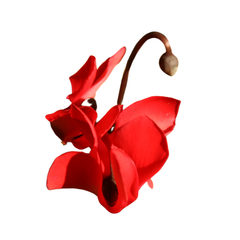
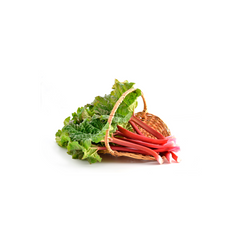
cyclamenrhubarbgreen notes
2013
bridge note

Madison Square Park

Bond No 9
green notesfruity accordswhite florals
2014
heart note

Giulietta

Tocca
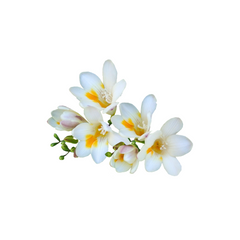
freesiacyclamengreen notes
—
accent

Pure White Linen Limited Edition

Estée Lauder
white floralsgreen notes
2020
supporting note

Today Tomorrow Always In Love

Avon
floralsfruity notes

Pink Tulip has been embraced by several notable fragrances over the past two decades, often serving as a fresh, green-floral heart note that evokes springtime elegance. Byredo's La Tulipe (2016), crafted by perfumer Jérôme Epinette, is a landmark fragrance where Pink Tulip is central, paired with cyclamen and rhubarb to create a crisp, dewy floral accord. Bond No 9's Madison Square Park (2013) uses Pink Tulip as a bridge note alongside green and fruity accords to evoke a vibrant urban garden. Other significant fragrances include Tocca's Giulietta (2014), which layers Pink Tulip with freesia and cyclamen for a light floral bouquet, and Estée Lauder's Pure White Linen Limited Edition (various years), where Pink Tulip adds freshness to a classic white floral composition. Avon’s Today Tomorrow Always In Love (2020) also features Pink Tulip as a delicate floral accent. These examples illustrate Pink Tulip's versatility in modern perfumery, from niche to mass-market. CA Perfume's collection reflects this lineage by offering fragrances that highlight Pink Tulip's fresh, green floral character without overwhelming complexity.

The Accord

How is a captivating Pink Tulip accord crafted?

A Pink Tulip accord typically blends Pink Tulip absolute or synthetic molecules (30-35%) with green notes like violet leaf or galbanum (20-25%) to replicate the fresh, vegetal facets. Watery molecules such as calone (15-20%) add dewiness and crispness, while subtle floral notes like freesia or lily of the valley (15-20%) provide delicate sweetness. A light musky or powdery base (10-15%) using orris or white musk enhances longevity and softens the composition.

35%

Pink Tulip

30–35% of blend

Provides the core fresh, green floral character through natural absolute or synthetic molecules like linalool and eucalyptol.

25%

Green Notes (Violet Leaf, Galbanum)

20–25% of blend

Adds crisp, leafy freshness that mimics tulip stems and leaves, enhancing the vegetal aspect.

20%

Calone

15–20% of blend

Introduces watery, marine freshness to evoke dewiness and clean spring rain on petals.

20%

White Floral Notes (Freesia, Lily of the Valley)

15–20% of blend

Delivers subtle floral sweetness that complements the green facets without overpowering.

The Olfactory Layers

How Pink Tulip Evolves on Skin

Pink Tulip's olfactory evolution begins with a fresh, green floral burst that transitions into a soft, watery floral heart before settling into a subtle musky and powdery base. The moderate volatility of its key molecules ensures a smooth progression over several hours.

I
Top notes
0–15 min
Crisp Green Freshness

The initial impression features bright, fresh green notes dominated by cis-3-hexenol and cis-3-hexenyl acetate, providing a crisp, leafy aroma reminiscent of tulip stems and freshly cut grass. These high-volatility compounds evaporate quickly, creating an invigorating opening.

FreshGreenCrisp
II
Heart notes
20–60 min
Delicate Floral Waxy

The heart reveals the floral essence of Pink Tulip, with monoterpenes such as linalool and eucalyptol contributing a smooth, waxy floral scent with subtle sweetness. Watery molecules like calone add dewiness, while gentle white florals enhance complexity without overpowering.

FloralWaxyDewy
III
Base notes
Several hours
Powdery Musky Softness

The base softens into powdery and musky nuances, often supported by orris and white musk molecules. These low-volatility compounds provide longevity and a clean, skin-like trail that balances the fresh floral heart.

PowderyMuskyClean
TOP NOTES Crisp Green Freshness 0–15 minutes HEART NOTES Delicate Floral Waxy 20–60 minutes BASE NOTES Powdery Musky Softness Several hours
Through the Ages

The Story of Pink Tulip in Perfumery

Pink Tulip's journey in perfumery reflects its botanical history and evolving olfactory interpretation from the 17th century to contemporary niche fragrances.

1634-1637

Dutch Tulip Mania

During this period, tulips became a cultural and economic phenomenon in the Netherlands, symbolizing beauty and status. Though primarily visual, this era established tulips as iconic flowers influencing later olfactory interest.

16th Century

Tulip Introduction to Europe

Tulips were brought from the Middle East to Europe, where cultivation began in Portugal and spread to the Netherlands, laying the foundation for their horticultural and eventual perfumery use.

20th Century

Scientific Study of Tulip Aroma

Chemical analysis identified key aromatic compounds in tulips, including monoterpenes and sesquiterpenoids, enabling perfumers to understand and replicate tulip scent profiles.

2013

Bond No 9 Madison Square Park Launch

This fragrance prominently featured Pink Tulip as a bridge note, showcasing its fresh green floral character in a modern urban context.

2016

Byredo La Tulipe Release

Jérôme Epinette's La Tulipe placed Pink Tulip at the forefront as a dominant note, influencing niche perfumery's embrace of this delicate floral.

The Art of Layering

How to Layer Pink Tulip

Understanding how to layer Pink Tulip involves recognizing molecular compatibilities that enhance or soften its fresh floral profile.

01

Enhance Sweetness

Layering Pink Tulip with vanilla or soft musk molecules like vanillin and galaxolide masks any sharp green edges, creating a creamy, sweet floral accord. This technique is used in fragrances like Tocca Giulietta.

02

Add Depth

Combining Pink Tulip with woody notes such as sandalwood or vetiver introduces molecular complexity. The woody lactones and vetiver's earthy acids balance the floral freshness, as seen in Bond No 9 Madison Square Park.

03

Lighten the Glow

Pairing Pink Tulip with citrus top notes like bergamot or grapefruit introduces limonene and other terpenes that brighten the scent. This layering creates a sparkling, fresh effect found in Byredo La Tulipe.

Wear It Right

How to Wear Pink Tulip Like a Pro

Seasonal Guide

Fall & Winter

Cooler temperatures can suppress Pink Tulip's volatile green and watery molecules, making the scent feel softer and more subdued. Layering with warmer woody or musky notes enhances longevity and adds depth during colder months.

Spring

Spring's mild climate complements Pink Tulip's fresh, floral character, allowing its green and dewy facets to shine. Light application suits the season's renewal theme, evoking blooming gardens.

Summer

Heat increases volatility, intensifying Pink Tulip's fresh and watery notes. Use sparingly to avoid overwhelming brightness. Layering with citrus or aquatic accords can enhance cooling effects.

Year-Round Tip

Adjust application based on temperature and humidity. In dry climates, moisturizing skin before application helps maintain scent integrity and projection.

Application Points

Strategic application of Pink Tulip enhances its fresh floral character and longevity.

1

Neck

Pulse points at the neck provide warmth that helps release Pink Tulip's green and floral molecules steadily, enhancing projection.

2

Behind the Ears

This area allows subtle diffusion of the delicate floral heart, creating an intimate scent aura.

3

Inner Wrists

Applying on wrists offers easy access for scent refresh and balances evaporation with skin moisture.

4

Hair

Hair holds fragrance molecules longer, releasing Pink Tulip's fresh nuances gradually with movement.

★

Pro Tip

Layer Pink Tulip with a light body lotion or oil to extend wear and deepen the floral freshness.

Mood Architecture™

Top Pink Tulip Fragrances by Mood Score

These Pink Tulip-based fragrances scored highest on the MEI™ Mood Architecture Framework — measuring how a scent may influence your emotional state.

Highest MEI Score
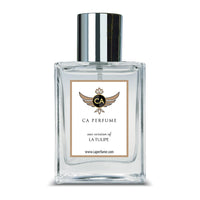
La Tulipe — Byredo La Tulipe Alternative Perfume
5.2
MEI™
Primary Fresh
Secondary Romantic
Confidence
4.75
Presence
5.0
Mood Lift
6.2
Identity
5.25
Warmth
4.73
Social Ease
5.55
Energy
2.68
" I am free.
View full mood profile →
HumanSafe™

Top Pink Tulip Fragrances by HumanSafe™ Score

These Pink Tulip-based fragrances have the highest product-level HumanSafe™ scores in this ingredient collection.

Highest HumanSafe™ Score
La Tulipe — Byredo La Tulipe Alternative Perfume
A-
HumanSafe™ Score Generally Safe
Safest Evaluated Ingredients EDP
AQUA Solvent / Carrier ISS 10.0
CITRAL Evaluated ingredient ISS 8.0
LINALYL ACETATE Evaluated ingredient ISS 7.0
LINALOOL Evaluated ingredient ISS 7.0
ALCOHOL DENAT. Solvent / Carrier ISS 7.0
2,6-OCTADIEN-1-OL, 3,7-DIMETHYL-, ACETATE, (E)- Evaluated ingredient ISS 7.0
View full safety profile →
Expert Voices

What Masters Say About Pink Tulip

“
Tulip is one of perfumery's most understated floral notes, characterized by a green, waxy, and faintly sweet aroma dominated by the stem and sap rather than the petals.
Matvey Yudov, Fragrantica Contributor
“
The challenge in creating tulip fragrances lies in capturing the delicate, fresh, and slightly watery scent of the flower, which often requires blending natural and synthetic ingredients to evoke its essence.
CA Perfume Editorial
Common Questions

Frequently Asked Questions

Answers to common questions about Pink Tulip in perfumery.

Pink Tulip in perfume smells fresh, green, and subtly sweet with a clean, vegetal aroma. It features monoterpenes like linalool and eucalyptol that create a delicate floral heart note reminiscent of tulip stems and petals. It is less intense than rose and often blended with green and watery accords for a fresh springtime effect.

Pink Tulip is primarily used as a heart note in fragrance compositions. Its moderate volatility and delicate floral character make it suitable for the middle phase of a perfume's olfactory pyramid, where it provides fresh, green floral nuances.

Pink Tulip is favored in niche perfumery for its unique, understated floral profile that evokes freshness and springtime elegance. Its subtlety allows perfumers to create sophisticated, modern floral accords that differ from traditional heavy florals, appealing to consumers seeking refined and naturalistic scents.

Pink Tulip fragrance uses include pairing with green notes like violet leaf and galbanum for freshness, watery molecules such as calone for dewiness, and white florals like freesia and lily of the valley for subtle sweetness. Woody notes like sandalwood and vetiver add depth, while vanilla can soften and sweeten the accord.

Yes, Pink Tulip perfumes are well-suited for summer and warm weather due to their fresh, green, and watery scent profile. However, heat increases volatility, so lighter application or layering with cooling citrus or aquatic notes is recommended to maintain balance.

Pink Tulip fragrances typically last between 3 to 5 hours on skin, depending on formulation, skin chemistry, and environmental factors. The note's moderate volatility means it is perceptible during the heart phase but may require layering or fixatives for extended longevity.

Yes, layering Pink Tulip perfume is effective for enhancing its fresh floral character. It pairs well with vanilla or musk to add sweetness and softness, woody notes for depth, and citrus for brightness. Understanding molecular compatibility helps create harmonious scent combinations.

Beginner-friendly Pink Tulip perfumes include Byredo La Tulipe, Bond No 9 Madison Square Park, and Tocca Giulietta. These fragrances showcase Pink Tulip's fresh floral qualities in accessible, well-balanced compositions suitable for everyday wear.

Choosing the right Pink Tulip fragrance involves considering your preference for freshness, floral intensity, and longevity. CA Perfume offers options with varying accords and concentrations, supported by the HumanSafe™ platform for ingredient transparency, helping you select a scent that matches your style and skin chemistry.

Pink Tulip generally smells subtly sweet with faint floral sweetness rather than spicy. Its scent is dominated by fresh green and waxy notes, with occasional mild sweetness from associated floral molecules, making it a soft and understated floral note.

Floral Collection

Explore Our Top Pink Tulip Fragrances

Discover a curated selection of fragrances featuring Pink Tulip's fresh and delicate floral character, suitable for various occasions and preferences.

Shop all pink tulip fragrances at CA Perfume →

Where Pink Tulip Comes From — Origin & Extraction

Pink Tulip is derived from the botanical genus Tulipa, primarily cultivated in regions such as the Netherlands, France, and Turkey, which are key producers of tulip flowers for both ornamental and fragrance purposes. The natural scent yield from tulip petals is extremely low due to the flower's minimal volatile content, making direct extraction challenging and rare. Extraction of Pink Tulip fragrance components is typically achieved through solvent extraction methods such as hexane or ethanol extraction to produce tulip absolute, a rare and expensive product. Steam distillation is less common due to the delicate nature of tulip volatiles. The absolute captures the fresh, green, and slightly sweet nuances characteristic of tulip petals and stems. Due to the scarcity and cost of natural tulip absolute, much of the Pink Tulip scent in perfumery is recreated through synthetic aroma chemicals that mimic its green, watery, and floral facets. Natural tulip absolute can cost several thousand dollars per kilogram, whereas synthetic substitutes are significantly more affordable. Sustainability considerations favor synthetic production due to the high resource demand and low yield of natural extraction.

Famous Fragrances That Define Pink Tulip in Perfumery

Pink Tulip has been embraced by several notable fragrances over the past two decades, often serving as a fresh, green-floral heart note that evokes springtime elegance. Byredo's La Tulipe (2016), crafted by perfumer Jérôme Epinette, is a landmark fragrance where Pink Tulip is central, paired with cyclamen and rhubarb to create a crisp, dewy floral accord. Bond No 9's Madison Square Park (2013) uses Pink Tulip as a bridge note alongside green and fruity accords to evoke a vibrant urban garden. Other significant fragrances include Tocca's Giulietta (2014), which layers Pink Tulip with freesia and cyclamen for a light floral bouquet, and Estée Lauder's Pure White Linen Limited Edition (various years), where Pink Tulip adds freshness to a classic white floral composition. Avon’s Today Tomorrow Always In Love (2020) also features Pink Tulip as a delicate floral accent. These examples illustrate Pink Tulip's versatility in modern perfumery, from niche to mass-market. CA Perfume's collection reflects this lineage by offering fragrances that highlight Pink Tulip's fresh, green floral character without overwhelming complexity.

Natural vs Synthetic Pink Tulip in Perfumery

Natural Pink Tulip absolute is obtained via solvent extraction of fresh tulip petals, yielding a delicate, green-floral scent with waxy and slightly sweet undertones. However, the extraction yield is very low, and the absolute is costly and rare. The natural absolute contains complex mixtures of monoterpenes (e.g., linalool, eucalyptol), sesquiterpenoids, aromatic compounds, and fatty acid derivatives. Synthetic Pink Tulip accords rely on aroma chemicals such as calone (CAS 630-05-1) for watery freshness, linalool (CAS 78-70-6) for floral green notes, and methyl dihydrojasmonate (Hedione, CAS 24851-98-7) for soft floral nuances. These synthetics provide greater consistency, longevity, and cost-effectiveness. Synthetic molecules also allow perfumers to enhance the watery and green facets that are difficult to capture naturally. Famous fragrances like Byredo La Tulipe use a blend of natural and synthetic ingredients to evoke Pink Tulip's essence. The HumanSafe™ platform verifies ingredient safety and transparency for both natural and synthetic components. CA Perfume employs a balanced approach, favoring synthetic molecules for sustainability while incorporating natural absolutes when feasible.